
大众汽车集团

Search documents
2025汽车行业十大年度金句 | 精进2025——汽车行业10个十大年度盘点
Jing Ji Guan Cha Wang· 2026-01-07 09:32
Core Insights - The automotive industry in 2025 has experienced significant growth driven by proactive policies that enhance consumption, tap into incremental potential, and improve the competitive environment, leading to a collaborative effort to combat unhealthy competition [2] - The "Cover Story" titled "Progress 2025 - Ten Major Annual Reviews of the Automotive Industry" has been launched, marking the sixth consecutive year of such comprehensive reporting [2] Group 1: Industry Trends - The automotive sector is focusing on innovation and collaboration to achieve steady progress while addressing challenges such as unhealthy competition [2] - A series of ten thematic reports have been published, covering various aspects of the automotive industry, including annual highlights, new policies, personnel changes, and significant events [2] Group 2: Leadership Perspectives - Industry leaders emphasize the importance of face-to-face interactions to reduce misunderstandings and foster collaboration, as highlighted by Chery's chairman [6] - The call for open communication among industry leaders is seen as essential for addressing challenges and promoting a healthy competitive environment [6][7] Group 3: Safety and Technology - Geely's establishment of a world-class safety center aims to enhance automotive safety through shared resources and data accumulation, reflecting a commitment to industry-wide safety standards [7][8] - The focus on safety is underscored by the need for responsible innovation that prioritizes user safety over mere technological advancement [10][11] Group 4: Market Dynamics - BYD's chairman advocates for a leadership role that respects competitors while pushing for technological excellence, emphasizing the importance of consumer trust and respect within the industry [9][10] - The shift towards a more collaborative industry ethos is seen as vital for fostering innovation and maintaining a competitive edge [10] Group 5: Innovation and Responsibility - The automotive industry is urged to prioritize necessary technological advancements that align with user safety and regulatory requirements, as articulated by Great Wall's chairman [11] - The call for innovation driven by real user needs rather than mere technological prowess reflects a shift towards more responsible and inclusive practices in the industry [13] Group 6: Global Trade and Cooperation - BMW's chairman stresses the importance of open markets and clear rules over trade barriers, advocating for mutual support in the face of geopolitical challenges [15][16] - The emphasis on cooperation and shared prosperity highlights the need for a unified approach to global trade within the automotive sector [16] Group 7: Strategic Reflections - Volkswagen's CEO acknowledges the need for self-reflection and adaptability in response to industry changes, emphasizing the importance of proactive engagement [17][18] - Toyota's chairman highlights the significance of preparing for uncertainties rather than making predictions, advocating for a responsive strategy to market changes [18][19]





美股异动 | 与美国大型车企达成合作 Mobileye Global(MBLY.US)盘前涨超8%
智通财经网· 2026-01-05 14:34
Core Viewpoint - Mobileye Global has secured an order from a major U.S. automaker to supply next-generation chips, enhancing the company's production outlook and indicating a significant expansion in the deployment of its autonomous driving technology across millions of vehicles [1] Group 1: Company Developments - Mobileye's stock rose over 8% to $12.14 following the announcement of the new order [1] - The agreement involves a top ten U.S. automaker incorporating Mobileye's systems into both mainstream and premium vehicle models [1] Group 2: Production Outlook - The deal is expected to significantly boost Mobileye's production capacity, with projected deliveries of over 19 million units of the EyeQ6H chip-based Surround Advanced Driver Assistance Systems (ADAS) [1] - Approximately 9 million units of the projected deliveries are associated with the newly announced order, while the remaining units stem from an existing collaboration with Volkswagen Group established in March of the previous year [1]

何墨池:穿梭于中西方的价值“摆渡者”|我们的四分之一世纪
Jing Ji Guan Cha Wang· 2026-01-01 02:26
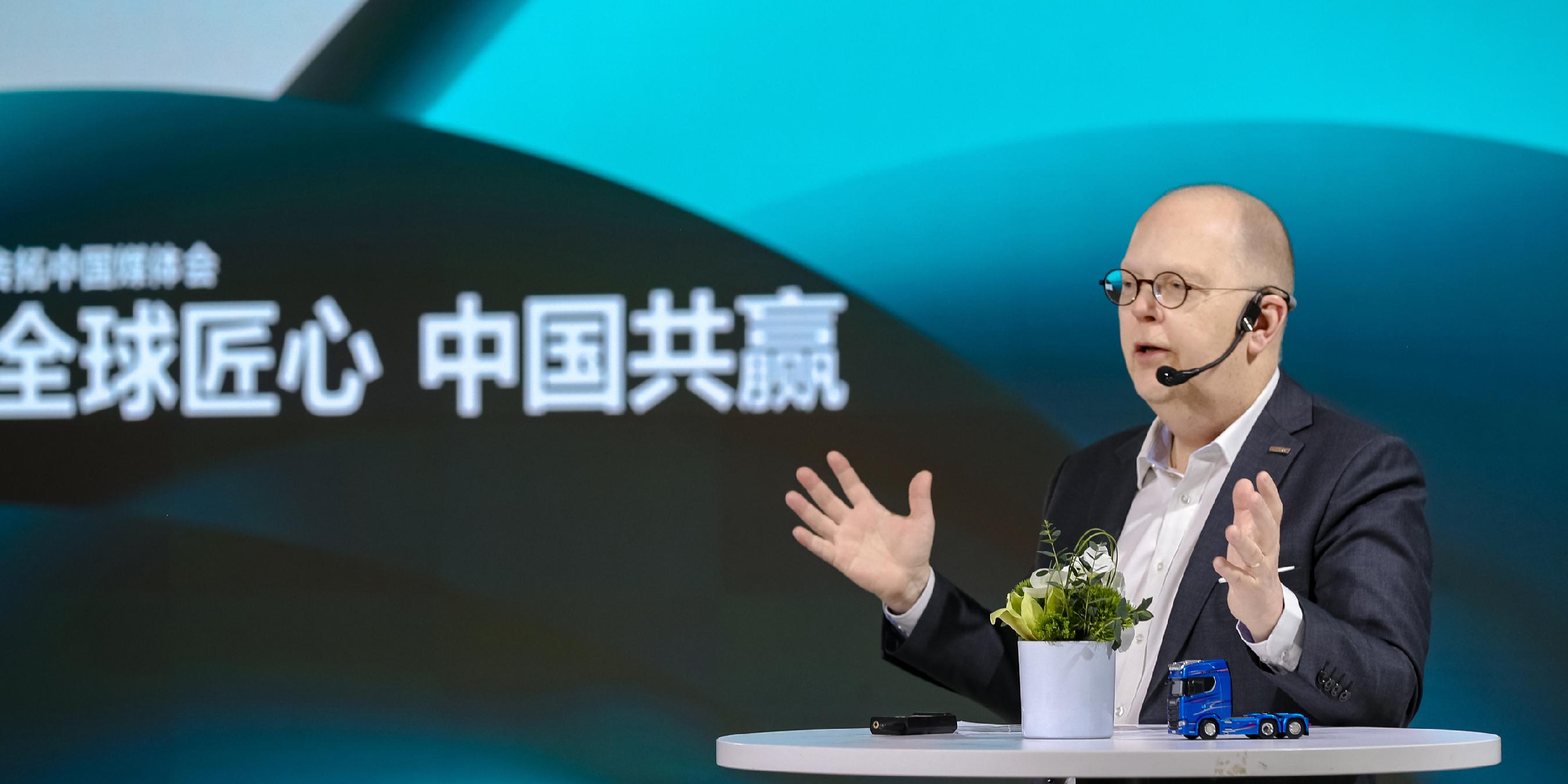
Core Insights - The article highlights the journey of Mats Harborn, a Swedish national, who has significantly contributed to the development of the Chinese automotive industry over the past 40 years, particularly through his role at Scania and later at the Traton Group [2][3][23]. Group 1: Personal Journey and Professional Development - Mats Harborn's initial experiences in China were marked by a mix of disappointment and fascination, leading him to engage deeply with the local culture and business environment [5][6]. - His career began with a focus on understanding China, which evolved into a significant role in facilitating Swedish companies' entry into the Chinese market, particularly with Scania [9][10][19]. - Harborn's transition from a political aspiration to a business leader in China was catalyzed by China's entry into the WTO in 2001, which he viewed as a pivotal moment for the country's economic transformation [20][21]. Group 2: Contributions to the Automotive Industry - Under Harborn's leadership, Scania invested €2 billion to establish a manufacturing base in China, marking it as the largest overseas facility for the company [23][26]. - Scania became the first European commercial vehicle manufacturer to receive a full truck factory production license in China after the country relaxed foreign investment restrictions [26]. - The establishment of the new facility in Rugao is seen as a strategic move to integrate advanced technologies in electrification and autonomous driving, enhancing Scania's global competitiveness [26][29]. Group 3: Observations on China's Economic Evolution - Harborn emphasizes that China has transformed into a nation with significant innovation capabilities, particularly in the automotive sector, moving from mere manufacturing to creating value [27][28]. - He notes the emergence of a middle class in China, which has changed the dynamics of consumer behavior and business interactions [27]. - Harborn advocates for a shift in Chinese companies' focus from price competition to value competition, stressing the importance of understanding customer needs and market dynamics [28][29]. Group 4: Future Outlook and Responsibilities - Harborn believes that the current moment presents an optimal opportunity for foreign investment in China, as the country is at a critical juncture in its modernization efforts [29]. - He envisions a future where Western and Chinese value systems can merge, fostering a more constructive dialogue and collaboration between the two regions [30][31]. - Harborn's ongoing commitment to bridging cultural and business gaps is reflected in his active participation in various roles that promote Sino-European trade relations [30][31].
中国汽车ABS和ESC系统市场现状研究分析与发展前景预测报告
QYResearch· 2025-12-29 08:18
Core Viewpoint - The article discusses the current status and future trends of the automotive ABS (Antilock Brake System) and ESC (Electronic Stability Control) systems in the Chinese market, highlighting the transition from traditional mechanical braking to electronic and intelligent systems, driven by regulatory requirements and technological advancements [3][10][14]. Market Development Status and Future Trends - The revenue from the automotive ABS and ESC systems in China is projected to reach 12.31 billion yuan in 2024, with an expected decline to 6.022 billion yuan by 2031, indicating a compound annual growth rate (CAGR) of -10.10% from 2025 to 2031 [3]. - The market is experiencing a shift towards electronic hydraulic brake (EHB) systems, particularly the One-Box solution, which integrates multiple functions and is expected to penetrate the market significantly, with over 10 million units installed by 2024 [10][13]. Industry Concentration and Competition Analysis - Major players in the Chinese market include Bosch, Continental, ZF, Aisin, and others, with the top three companies holding approximately 65.25% of the market share in 2024 [7]. Technological Evolution - The transition from traditional hydraulic braking to ABS and ESC systems has been rapid, with ESC installation rates exceeding 90% in new passenger vehicles since 2020 [10]. - In the commercial vehicle sector, the market is primarily dominated by pneumatic braking systems, with a projected EBS penetration rate of 80% by 2025 for key models [11][12]. Driving Factors - Regulatory requirements are a significant driver, with ABS and ESC becoming mandatory for all new passenger and commercial vehicles in China [14]. - The growth in vehicle ownership and sales, particularly in the new energy vehicle segment, is expanding the market for ABS and ESC systems [15]. - The development of intelligent driving and ADAS (Advanced Driver Assistance Systems) is increasing the demand for enhanced vehicle dynamic control systems [16]. Constraints - The industry faces challenges such as reliance on imported high-end chips and core technologies, which creates barriers for domestic manufacturers [18]. - Intense price competition and the pressure on suppliers to reduce costs are compressing profit margins and limiting R&D investments [19]. - The lengthy certification process for new products poses significant entry barriers for new players in the market [20]. Supply Chain Analysis - The supply chain for automotive ABS and ESC systems includes upstream suppliers of raw materials, midstream manufacturers who integrate and assemble the systems, and downstream customers, primarily automotive OEMs [28][29]. - Key components of ABS and ESC systems include electronic control units (ECUs), hydraulic control units (HCUs), and various sensors, with a focus on technological integration and system performance [29][32].
收官“十四五” 聚力新征程 | 一汽-大众以中德合作赋能智电转型
Zhong Guo Qi Che Bao Wang· 2025-12-25 12:58
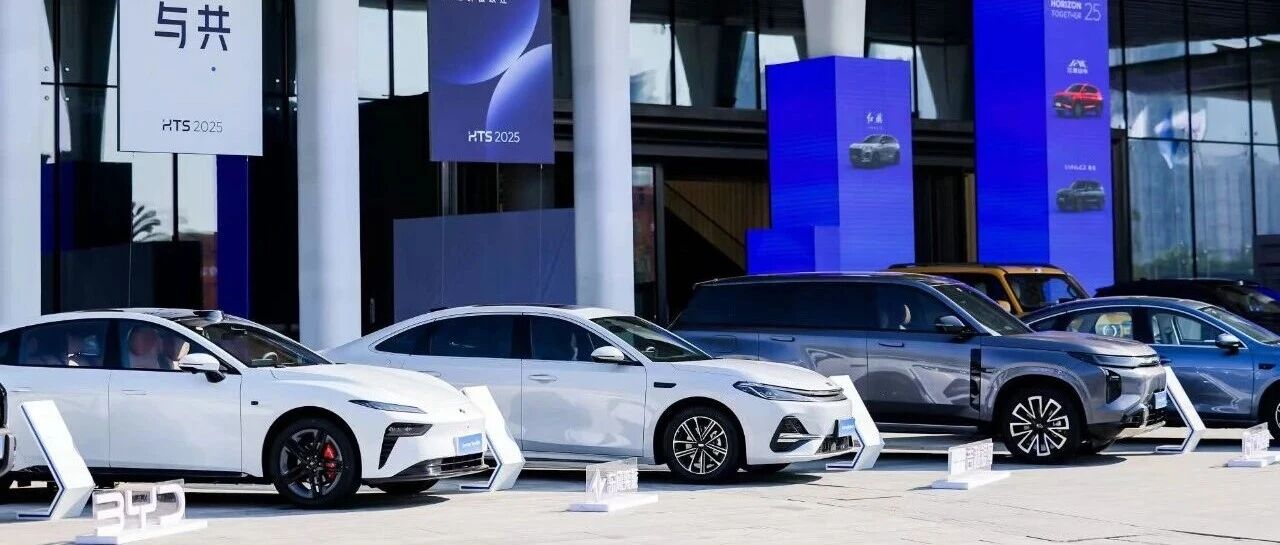
Core Viewpoint - FAW-Volkswagen has achieved strategic depth in Sino-German cooperation, making breakthroughs in new product introduction, business expansion, and overseas layout, thereby serving as a bridge for economic and technological collaboration between China and Germany, and setting a new paradigm for high-quality development of joint ventures in the new era [1] Group 1: Product and Technology Development - FAW-Volkswagen is accelerating its product layout by adhering to the "oil-electric hybrid and intelligent" strategy, with both Chinese and German shareholders collaborating effectively to empower new products and innovative technologies [2] - A strategic cooperation agreement was signed between FAW and Volkswagen Group in March, planning to introduce 11 new models tailored for the Chinese market starting in 2026, including new energy vehicles based on the CMP and CSP platforms [2] - The company is implementing a systematic deployment to ensure the solid execution of its product breakthrough strategy, with clear development goals and responsibilities assigned [2] Group 2: Local Government Collaboration - FAW-Volkswagen is deepening industrial collaboration with local governments, signing agreements with cities like Tianjin and Changchun to introduce multiple new energy models, which supports local production and upgrades the automotive industry [4] - A strategic partnership with the China Automotive Technology and Research Center focuses on safety, product transformation, and digital development in the new energy vehicle sector [4] Group 3: Brand Development and Localization - In response to national strategies, FAW-Volkswagen signed a cooperation agreement in August to establish a new company for the Jetta brand in Chengdu, enhancing local R&D capabilities and promoting localized product definitions [5] - The Chengdu government will play a key role in supporting the Jetta brand's independent operations and creating a favorable industrial ecosystem [5] Group 4: Core Technology and Innovation - FAW-Volkswagen has achieved full control over the Dalian Volkswagen FAW Engine through acquisition, integrating R&D resources to explore the development of powertrain business [7] - The company has a strong technical foundation in the powertrain sector, with proprietary technologies achieving a thermal efficiency of over 47%, positioning it as a leader in high-quality development [7] Group 5: International Expansion - FAW-Volkswagen is using complete vehicle exports as a breakthrough to enhance its international market presence, marking a new phase in China's automotive industry's openness and cooperation [8] - The company has established a comprehensive export support system covering technology, production, logistics, and after-sales service to ensure successful overseas operations [8] Group 6: Future Outlook - FAW-Volkswagen plans to continue deepening Sino-German strategic cooperation by integrating global wisdom with local technology, enhancing product competitiveness, and contributing to high-quality development in China's automotive industry [13]

中国智驾产业变迁:从封闭交付到普惠生态
雷峰网· 2025-12-25 09:24
Core Viewpoint - Over the past decade, China's intelligent driving industry has transitioned from a closed chain to an inclusive ecosystem, driven by technological advancements and collaborative efforts among local companies [1][36]. Group 1: Industry Evolution - In 2011, Tesla's CEO Elon Musk dismissed BYD as a competitor, highlighting the significant gap in technology and product appeal between Chinese automakers and Tesla at that time [2][3]. - By 2024, Chinese automakers like BYD and Geely have surpassed Tesla in sales, becoming part of the top ten global car manufacturers, showcasing the rapid evolution of the industry [4]. - The core of Tesla's sustained optimism lies in its self-developed chips and intelligent driving capabilities, which have spurred a wave of research and development in China's intelligent driving sector [4]. Group 2: Key Players and Partnerships - The critical turning point for China's intelligent driving industry occurred between 2019 and 2020, marked by the emergence of companies like Horizon Robotics and Momenta, which began to establish themselves in the market [6]. - The collaboration between Changan Automobile and Horizon Robotics exemplifies how local companies are building flexible and open supply chain systems, enhancing their control over core technologies [10][12]. - The partnership between Li Auto and Horizon Robotics allowed for rapid development and deployment of advanced driving features, demonstrating the importance of open collaboration in overcoming technological challenges [13][17]. Group 3: Technological Advancements - The shift from Mobileye's closed delivery model to more open and collaborative approaches has catalyzed the development of local intelligent driving technologies, enabling companies to gain autonomy over their systems [9][18]. - Horizon Robotics' introduction of the Journey 5 chip, which offers high performance and supports advanced driving needs, has positioned the company to compete in the high-end intelligent driving market [23][24]. - The "HSD Together" model proposed by Horizon Robotics aims to enhance collaboration across the supply chain, significantly reducing development costs and time to market for automotive companies [27][28]. Group 4: Market Accessibility and Inclusivity - The evolution of intelligent driving technology is making advanced features more accessible to a broader range of consumers, breaking down price barriers that previously limited adoption to high-end vehicles [30][31]. - BYD's upcoming "Heavenly Eye" system, powered by Horizon Robotics' Journey 6 chip, aims to provide advanced driving capabilities across its entire model range, including lower-priced vehicles [30]. - The introduction of Horizon Robotics' HSD full-scene driving assistance system is set to make high-level intelligent driving features available in mid-range vehicles, promoting inclusivity in the market [31][33].
欧洲市场不信“电动车才是未来”?数据打脸!
Guan Cha Zhe Wang· 2025-12-24 09:56
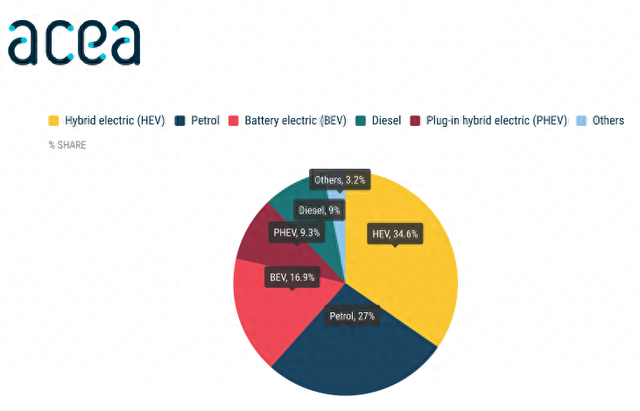
Core Insights - The European automotive market is experiencing a significant shift towards electric and hybrid vehicles, with pure electric vehicles (EVs) accounting for 16.9% of the market share, an increase of 3.5 percentage points from the previous year [1][4] - Hybrid vehicles have surpassed one-third of the market share, indicating a strong preference among EU consumers [1][4] - The total market share for fuel vehicles has decreased to 36.1%, down 9.7 percentage points compared to the same period last year [1][4] Market Performance - In the first 11 months of the year, the EU registered 9.86 million new cars, a year-on-year increase of 1.4% [4] - Pure electric vehicle registrations reached 1.6624 million, marking a 27.6% increase year-on-year [4] - The largest four markets (Germany, Belgium, Netherlands, and France) accounted for 62% of the electric vehicle registrations, with Germany seeing a 41.3% increase [4] Hybrid and Plug-in Hybrid Vehicles - The registration of new hybrid vehicles rose to 3.4089 million, a 14.5% increase year-on-year, representing 34.6% of the total market [4] - Plug-in hybrid vehicle registrations reached 912,700, up 33.1% year-on-year, making up 9.3% of new car registrations [6] Fuel Vehicle Decline - Gasoline vehicle registrations totaled 2.6657 million, down 18.6% year-on-year, with a market share of 27% [6] - Diesel vehicle registrations fell to 890,000, a 24.4% decline, representing only 9% of the market [7] Company Performance - Volkswagen Group registered 2.7311 million new cars in the EU, a 5% increase, maintaining a market share of 27.7% [8] - Stellantis Group registered 1.541 million vehicles, a 5.5% decline, with a market share of 15.6% [8] - BYD saw a remarkable 240% increase in registrations, totaling 110,700 vehicles, the highest growth rate among all automotive groups [8] Market Trends - The shift towards electric vehicles is becoming a prominent trend in the European market, despite the EU's recent decision to abandon the 2035 ban on internal combustion engine vehicles [10] - The demand for electric vehicles is increasingly being met by Chinese manufacturers like SAIC and BYD, impacting the expansion of local European brands in the electric vehicle segment [10] - Despite tariffs of up to 35.3% on Chinese electric vehicle imports, the competitive pricing and quality of Chinese electric vehicles have solidified their position in the European market [10]
中国汽车市场一周行业信息快报——2025年12月第1期
Zhong Guo Zhi Liang Xin Wen Wang· 2025-12-24 06:15
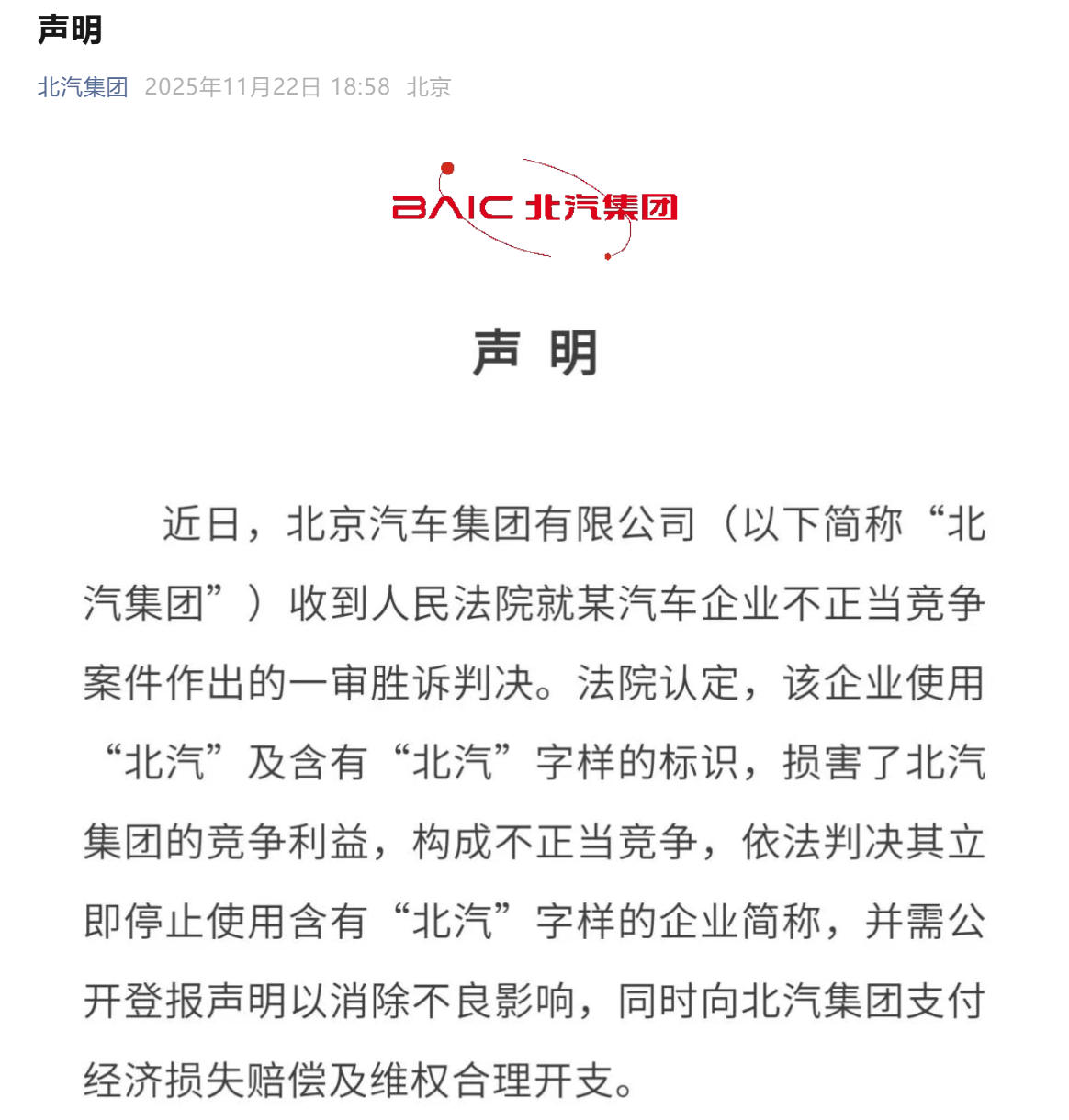
Group 1: Industry Developments - The domestic automotive market is experiencing diverse dynamics as multiple events unfold, including Zeekr's crowdfunding for an upgraded driver assistance system, the establishment of Volkswagen's first full-process R&D testing center outside Germany, and the initiation of pre-restructuring procedures by Jidu Auto [1][5][15] - Zeekr has launched a crowdfunding project for the replacement of driver assistance systems in its 2024 models, with prices set at 13,500 yuan for the Zeekr 001 and 18,500 yuan for the Zeekr 009, requiring 3,000 and 1,500 participants respectively for success [7][5] - A strategic partnership has been formed between Pony.ai and Sunshine Mobility to develop a large-scale driver assistance fleet, aiming to enhance driver assistance services in major Chinese cities [8][10] Group 2: Company Announcements - BAIC Group announced a court victory in a case against an automotive company for unfair competition, which was found to have misused the "BAIC" name, leading to a ruling for cessation of use and public retraction [2][4] - The Volkswagen (China) Technology Co., Ltd. has inaugurated a new R&D testing center in Hefei, covering 100,000 square meters with over 100 advanced laboratories, which will shorten vehicle development cycles by approximately 30% [11][13] - Jidu Auto has filed for pre-restructuring to attract new strategic investors and maintain asset value, while ensuring the stability of core operations under the supervision of a temporary administrator [15][18] Group 3: Technological Advancements - Huawei has initiated internal testing for its ADS Level 3 solution across multiple cities, collaborating with various vehicle models, aiming to create a comprehensive service ecosystem for future scenarios [19][23] - Didi Charging has rebranded from Xiaoju Charging, expanding its service network to over 62,000 charging stations across more than 270 cities, with a charging station availability rate of 97% [14]
大众汽车集团首个德国外全流程研发测试中心在华投用
Zhong Guo Zhi Liang Xin Wen Wang· 2025-12-24 06:12
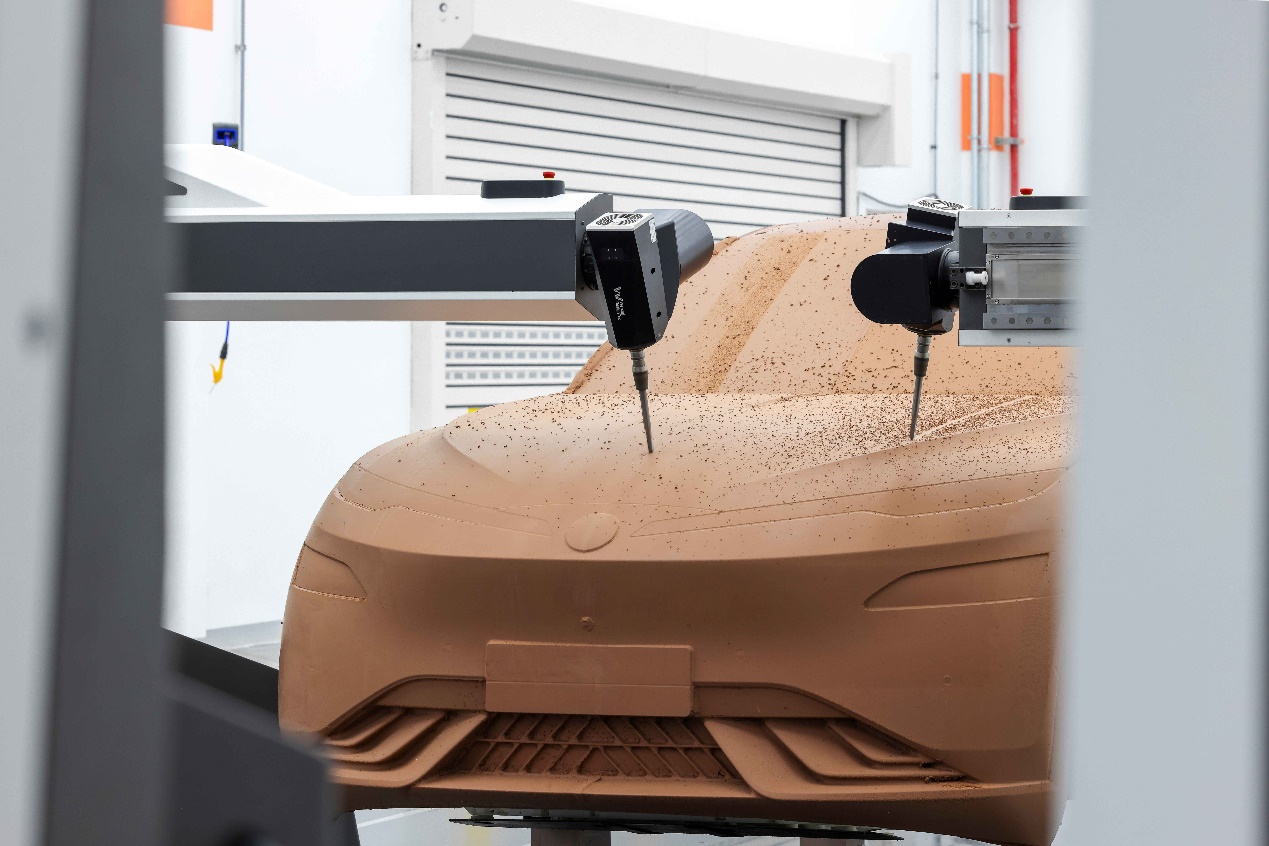
大众汽车集团表示,随着新一批测试车间的全面落成,大众汽车集团在中国已构建起完整的端到端研发体系,实现从软件研发、硬件测试到整车验证的 全链条高效整合。全新测试车间的启用,不仅大幅提升了大众汽车集团在华研发能力,也为研发决策链路的高效运转、本土需求的精准响应,以及新一代创 新技术的快速落地注入强劲动能,提供有力支撑。这标志着集团首次在海外市场实现全新整车平台从研发早期起,即可同步推进开发和验证的能力。 大众汽车集团正稳步扩展并强化VCTC的研发实力版图。作为集团在全球范围内仅有的两座同类实验室之一,具备模拟复杂极端环境能力的功能集成测 试(FIT)实验室将于2026年中在新车间投入使用。这些后续研发能力在全新测试车间的布局与落实,将为集团在智能网联出行领域的下一阶段奠定稳固的 发展基础。 大众汽车集团(中国)介绍,测试车间占地面积约10万平方米,配备逾百间先进实验室,覆盖软硬件集成、电池与动力总成测试,以及整车级验证等关 键能力,构建起端到端的完整研发闭环。 在电池及动力系统集成测试中心,VCTC的工程师每年可对多达500套电池系统进行测试,覆盖电池的性能、寿命、安全性与环境适应性,并延伸至电 驱系统、热管理系 ...
保时捷失守中国市场
Di Yi Cai Jing· 2025-12-23 14:03
Core Viewpoint - Porsche China will gradually stop the operation of approximately 200 self-built charging stations nationwide starting from March 1, 2026, transitioning to a model of deep cooperation with leading third-party charging operators to enhance user charging experience [1][2]. Group 1: Business Strategy - The cessation of self-built charging stations is part of Porsche's adjustment in its electrification strategy, which includes slowing down the electric vehicle (EV) rollout and focusing on more fuel and plug-in hybrid models [2]. - Porsche is shifting from a self-built charging network to partnerships with third-party charging operators due to high investment costs and long construction cycles associated with self-built stations [1][2]. Group 2: Market Performance - Porsche's sales in China have faced significant pressure, with a 26% year-on-year decline in the first three quarters of 2023, totaling 32,000 units [3]. - The market performance of Porsche's electric models, Taycan and Macan, has not met expectations, prompting the introduction of the all-electric Cayenne in the coming year [3]. Group 3: Localization Efforts - Porsche is accelerating its localization efforts in China, including the launch of a new generation of in-car infotainment systems tailored for the Chinese market, with plans for implementation by 2026 [3]. - The newly established Porsche China R&D center aims to shorten vehicle development cycles from years to months, enhancing responsiveness to local market demands [3]. Group 4: Future Outlook - The CEO of Volkswagen Group anticipates that Porsche's sales in China will not continue to grow in the short term, leading to a reduction in channel network size and production capacity while maintaining high profit margins [2][3]. - The focus will remain on developing fuel and hybrid sports cars, as the luxury electric vehicle market in China is still underdeveloped, with significant challenges ahead [3][4].