山姆会员店

Search documents
万字长文:消费者去哪了?
投资界· 2025-08-28 09:48
Core Viewpoint - The retail industry is undergoing a profound transformation, with traditional hypermarkets facing significant challenges due to changing consumer behaviors and the rise of new retail formats [2][3]. Group 1: Retail Transformation - The decline of hypermarkets is attributed to their inability to adapt to the rapid shift towards digital and diversified shopping channels, leading to a loss of consumer interest [3][4]. - Consumers are increasingly favoring online platforms and quick delivery services, which has resulted in a dramatic shift in shopping habits away from traditional stores [3][5]. Group 2: Channel Dominance Breakdown - The traditional dominance of hypermarkets is being challenged by new retail formats that offer lower operational costs and more efficient supply chains, such as community group buying and vertical niche players [5][6]. - The average rent for hypermarkets has increased by 8%-12% annually, while new retail formats maintain significantly lower rent costs of 3%-5% [5][6]. Group 3: Pricing and Consumer Behavior - The pricing strategy of hypermarkets is becoming less effective as e-commerce platforms like JD.com leverage direct sourcing to offer 15%-20% lower prices [6][7]. - The rise of live-streaming e-commerce has further disrupted traditional pricing models, with significant price reductions becoming commonplace [7][22]. Group 4: Consumer Demand Shifts - Consumers are moving from planned purchases to a model characterized by "infinite shelves," where online platforms provide vast product selections and competitive pricing [10][11]. - The demand for instant gratification is leading to a preference for minute-level response times in retail, with 62% of young consumers favoring quick delivery options [12][13]. Group 5: Experience and Lifestyle Proposals - Modern consumers prioritize shopping experiences and lifestyle alignment over mere product functionality, as seen in the success of membership-based models like Sam's Club [14][15]. - Retailers must focus on creating unique shopping experiences that resonate with consumer lifestyles to remain competitive [15][39]. Group 6: Emerging Retail Formats - Vertical niche players are gaining market share by offering specialized products and efficient operations, leading to a 25% decline in sales for traditional hypermarkets in certain categories [17][18]. - Community group buying platforms are rapidly expanding in lower-tier markets, with a user base of 678 million and a transaction scale of 322.8 billion yuan in 2023 [19][20]. Group 7: Supply Chain and Operational Challenges - Hypermarkets face significant supply chain inefficiencies, with average inventory turnover days around 60, compared to 28 days for newer formats like Hema [33][35]. - The reliance on a heavy asset model is proving detrimental, as many hypermarkets are unable to maintain profitability with declining foot traffic and high operational costs [33][34]. Group 8: Future Directions - The retail landscape is polarizing, with companies needing to choose between becoming "price killers" focused on efficiency or "emotional pharmacies" that prioritize customer experience [39]. - Successful retailers will need to innovate and adapt their business models to align with evolving consumer expectations and market dynamics [39].





山姆会员商店通州首店将于2027年开业
Bei Jing Shang Bao· 2025-08-28 09:37
Core Viewpoint - The Sam's Club store in Tongzhou, Beijing, has officially signed a contract and is expected to open in 2027 [1] Group 1: Project Details - The investment partner for the Sam's Club Tongzhou project is Beijing Tongzhou Investment Development Co., Ltd. [1] - The project is located in the Fuhua Village group of Songzhuang Town, Tongzhou District [1] - The total planned land area for the project is approximately 40,600 square meters, with a total construction area of about 55,600 square meters, which will include commercial facilities and supporting infrastructure [1] - The project has already obtained the real estate property certificate [1]
消费者去哪了?
虎嗅APP· 2025-08-27 09:36
Core Viewpoint - The retail industry is undergoing a profound transformation, with traditional hypermarkets facing significant decline as consumers shift towards diverse and digital shopping channels [2][3][4] Group 1: Reasons for Decline of Traditional Hypermarkets - Channel dominance is failing due to rising operational costs, with average rent increasing by 8%-12% annually and labor costs by 6%-8% [6] - New retail formats like community group buying and specialized stores have lower operational costs, making traditional hypermarkets less competitive [6][7] - Price competition has intensified, with e-commerce platforms offering significant price advantages, leading to a loss of pricing power for traditional retailers [7][8] Group 2: Consumer Behavior Changes - Consumers are moving from planned purchases to an "infinite shelf" model, favoring online platforms for their extensive product offerings [13][14] - Instant demand is rising, with 62% of young consumers preferring shopping that can fulfill needs within 30 minutes [16][17] - Experience-driven shopping is becoming more important, with consumers seeking enjoyable shopping experiences rather than just functional purchases [18][19] Group 3: Emerging Retail Formats - Vertical killers are disrupting traditional hypermarkets by focusing on niche markets and efficient operations, leading to a 25% decline in sales for hypermarkets in snack categories [21][22] - Community group buying is acting as a "price butcher," offering extremely low prices and capturing significant market share, with a user base of 678 million in 2023 [24][25] - Discount and near-expiry product retailers are gaining traction by providing high-quality products at low prices, with a projected market size of 40.1 billion by 2025 [27][28] Group 4: Generational Differences in Consumer Preferences - Generation Z prioritizes social-driven consumption, with 78% of their shopping decisions influenced by social media [36][37] - The new middle class values efficiency and quality, often choosing retailers that minimize decision-making time and ensure consistent product quality [38][39] - The elderly population is gradually adopting online shopping while still favoring traditional shopping experiences, indicating a need for trust and convenience [40][41] Group 5: Structural Issues in Traditional Hypermarkets - Traditional hypermarkets face a rigid cost structure, with a 25% closure rate among the top 100 supermarkets in 2024 [44] - Supply chain inefficiencies are evident, with low direct sourcing rates leading to higher costs and slower response times compared to emerging channels [45][46] - Organizational aging is hindering innovation, with traditional retailers struggling to adapt to new consumer demands due to outdated decision-making processes [47] Group 6: Future Directions for Retail - Retailers must choose between becoming "price killers" through efficiency or "emotional pharmacies" by enhancing customer experience [48] - High-end retailers like Sam's Club focus on maximizing member value rather than just high prices, ensuring quality and convenience [49][50] - Community-focused strategies are emerging, with retailers like Durex Super optimizing store sizes and product offerings to enhance local shopping experiences [51]

京东开折扣超市,醉翁之意不在酒?
3 6 Ke· 2025-08-27 03:51
Core Insights - JD.com has officially launched its first discount supermarket, attracting nearly 60,000 visitors on opening day, indicating strong consumer interest in the discount retail sector [1][2] - The discount supermarket model is becoming increasingly crowded, with competitors like Wumart, Meituan, and international players such as Aldi entering the market [1][6] - The competition in the discount sector is driven by the pursuit of cost-effective supply chains, which are essential for maintaining low prices and high product quality [1][13] Company Developments - JD.com's first discount supermarket spans over 5,000 square meters and offers more than 5,000 products, focusing on high-quality, low-priced items [2][4] - The company plans to open four additional stores in Suqian, Jiangsu, by the end of August and a second store in Hebei in September, indicating a rapid expansion strategy [4][8] - JD.com has previously entered the discount market through the acquisition of Huaguan Supermarket, which will be transformed into discount stores by mid-2024 [4][16] Market Trends - The discount retail market is experiencing significant growth, with a projected increase in global discount sales of $6.11 billion and an 8.2% year-on-year growth rate, making it one of the fastest-growing retail channels [8][9] - In China, the hard discount market is expected to exceed 200 billion yuan, with a current penetration rate of only 8%, compared to 31% in Japan and 42% in Germany, suggesting substantial room for growth [8][9] - The shift in consumer behavior towards value-for-money products is driving the popularity of discount supermarkets, as consumers prioritize quality and price over brand loyalty [7][8] Competitive Landscape - Competitors in the discount sector include Wumart's "Wumart Super Value," which has opened multiple stores in Beijing, and Meituan's "Happy Monkey," aiming for a thousand-store scale [6][9] - Aldi, a German discount supermarket chain, is expanding its presence in China, having opened over 70 stores in Shanghai and surrounding areas [6][9] - The competitive advantage in the discount market is increasingly linked to supply chain efficiency, with companies focusing on direct sourcing and reduced SKU counts to lower costs [13][16] Supply Chain Dynamics - The success of discount supermarkets hinges on effective supply chain management, which allows for lower prices without compromising product quality [13][18] - JD.com emphasizes its supply chain capabilities, which include direct sourcing and partnerships with suppliers to enhance product offerings and maintain competitive pricing [15][16] - The ongoing competition for supply chain dominance among major players like JD.com and Meituan is expected to lead to further innovations and strategic moves in the discount retail space [17][18]
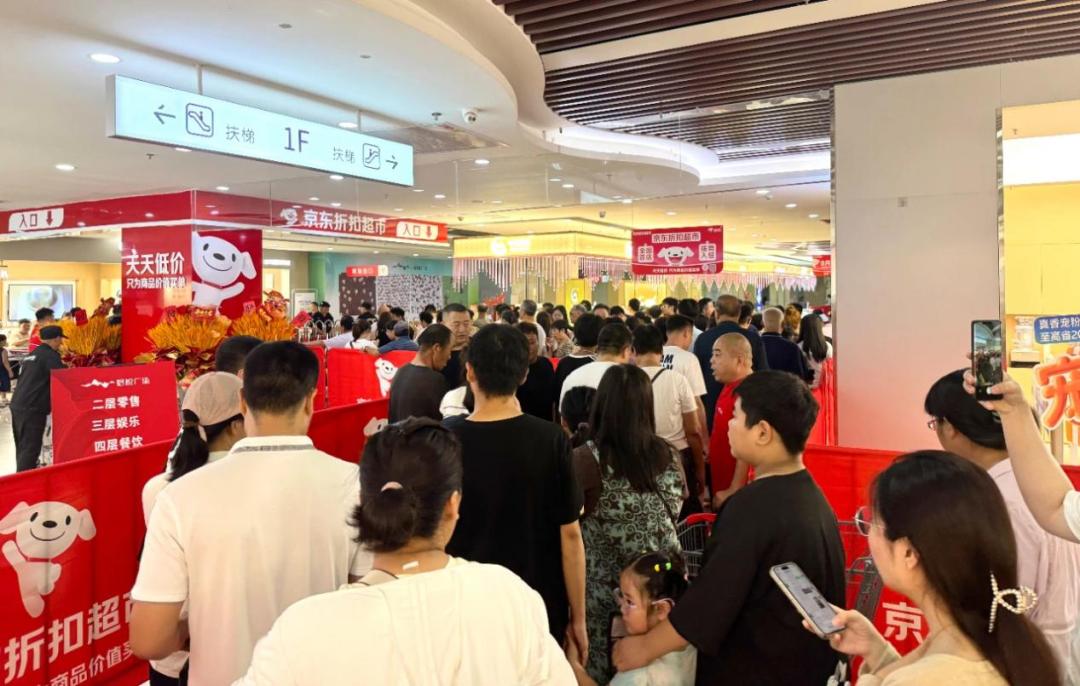
【小布调查】新零售品牌陆续入驻,扬州超市如何守“阵地”谋发展?
Sou Hu Cai Jing· 2025-08-25 13:21
Core Insights - The opening of new supermarket brands in Yangzhou, such as Sam's Club, has generated significant public interest and anticipation for additional brands like Fat Donglai and Aoleqi to enter the market [1][6] - The local supermarket landscape is undergoing a transformation, with existing stores adapting to new competition and consumer preferences [10][11] Industry Developments - The introduction of membership-based supermarkets like M Membership Store and Hema Fresh has diversified the product offerings and improved service quality, attracting more consumers [8] - M Membership Store features 3,000 stock-keeping units across over 20 categories, including exclusive private label products and various value-added services [8] - Hema Fresh focuses on seasonal ingredients and offers delivery services within a 3-kilometer radius, appealing to younger consumers [8] Company Strategies - Local supermarkets, such as Jin Cheng Wanjia, are responding to competition by creating dedicated sections for popular brands like Fat Donglai and Aoleqi, enhancing their product range [2][4] - Jin Cheng Wanjia plans to revamp its stores by optimizing product structure and introducing a "supermarket + dining" model to provide more choices for consumers [4][10] - Other local supermarkets are also adjusting their strategies by increasing the proportion of imported goods, offering customized products, and enhancing online sales channels [10][11] Market Dynamics - The entry of new brands has led to a reshaping of the supermarket market in Yangzhou, resulting in increased competition and the need for existing players to innovate [8][11] - Some traditional supermarkets are closing down in response to the competitive pressure, indicating a shift in consumer preferences and market dynamics [10] - The ongoing changes in the supermarket landscape are expected to provide consumers with more choices and improved shopping experiences [11]
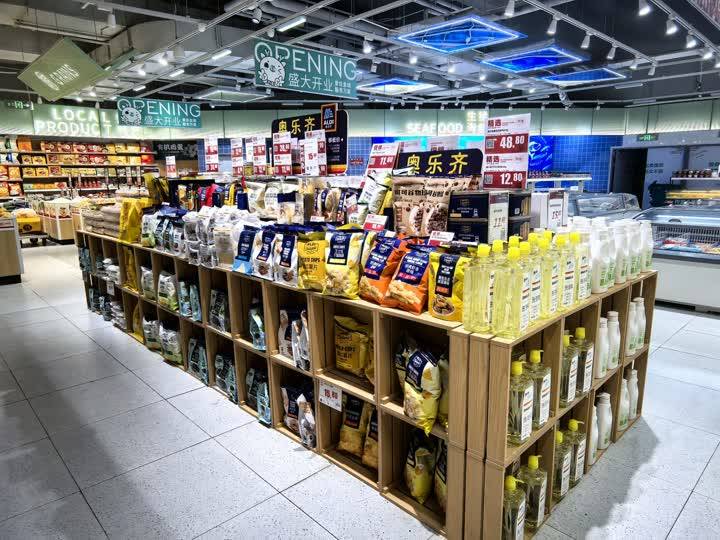
消费者去哪了?
Hu Xiu· 2025-08-25 09:25
Core Insights - The retail industry is undergoing a profound transformation, with traditional hypermarkets facing collective decline as consumer preferences shift towards diverse and digital channels [1][4] - The dominance of hypermarkets, once characterized by low prices and high foot traffic, is being challenged by new retail formats that offer convenience and efficiency [2][3] Group 1: Decline of Hypermarkets - Hypermarkets are experiencing a significant operational cost increase, with average rent rising by 8% to 12% annually and labor costs increasing by 6% to 8% [5][6] - The traditional location advantage of hypermarkets is diminishing, as new retail formats like community group buying and snack specialty stores can operate with much lower costs [5][7] - The closure of hypermarkets is evident, with some locations unable to sustain rent costs exceeding 15% of sales [6][7] Group 2: Price Competition - E-commerce platforms like JD.com leverage extensive product offerings, achieving a price advantage of 15% to 20% through direct sourcing [9] - Live-streaming sales have drastically altered price perceptions, with some products being sold at discounts of up to 30% compared to traditional retail prices [10][35] - The efficiency of price comparison has improved by 300%, leading consumers to make more informed purchasing decisions [10] Group 3: Consumer Behavior Changes - Consumers are moving from planned purchases to a model characterized by "infinite shelves," facilitated by e-commerce platforms with vast product selections [15][16] - The rise of instant demand has led to a preference for minute-level response times in retail, particularly among younger consumers [18][19] - The focus on experiential shopping is growing, with consumers seeking not just products but also enjoyable shopping experiences that reflect their lifestyle choices [21][22] Group 4: Emerging Retail Formats - Vertical brands are gaining traction by focusing on niche markets, such as snack foods, and achieving higher profit margins through efficient operations [23][24] - Community group buying is rapidly expanding in lower-tier markets, offering significantly lower prices and capturing a large share of the fresh produce market [27][28] - Discount and near-expiry product retailers are thriving by providing high-quality products at low prices, with projected market growth for near-expiry goods reaching 40.1 billion by 2025 [31][32] Group 5: Supply Chain and Operational Efficiency - Efficient supply chain management is critical for success, with companies like Walmart achieving a 12-hour delivery response time for fresh goods [17] - The ability to quickly adapt to consumer demands is essential, as demonstrated by companies that can launch new products within 48 hours based on market trends [53] - Traditional hypermarkets struggle with slow inventory turnover and high operational costs, making them less competitive against agile new retail formats [50][51] Group 6: Generational Consumer Insights - Different generations exhibit distinct shopping behaviors, with Gen Z prioritizing social aspects of shopping and valuing quick delivery [40][42] - The new middle class emphasizes quality and efficiency, often opting for retailers that offer curated selections and fast service [43][44] - Older consumers still prefer traditional shopping methods but are gradually adopting online channels, highlighting the need for trust and convenience in service [47][48] Group 7: Future Directions - Retailers must choose between becoming "price killers" through efficiency or "emotional pharmacies" by enhancing customer experience [58] - High-end retailers like Sam's Club focus on maximizing member value through quality offerings rather than just high prices [59][61] - Community-focused strategies are emerging, with retailers downsizing store formats and streamlining product offerings to enhance local shopping experiences [62][64]
叮咚买菜(DDLUS):行稳致远,4G新战略聚焦产品力
HTSC· 2025-08-19 08:17
Investment Rating - The report initiates coverage on Dingdong Maicai with a "Buy" rating and a target price of $2.77, corresponding to an adjusted PE of 11x for 2025 [1][7]. Core Viewpoints - As a leading regional fresh e-commerce player, Dingdong Maicai has demonstrated the profitability and sustainability of the front warehouse model. The internal strategic transformation starting in early 2025 is expected to strengthen its differentiation and product capabilities. While short-term competition from external giants may pose challenges, the company is anticipated to benefit from evolving consumer habits in the instant retail landscape [1][2][3]. Summary by Sections Industry Overview - The fresh e-commerce sector has maintained a high growth rate, with the market size projected to increase from 364.1 billion RMB in 2020 to 736.8 billion RMB in 2024, reflecting a CAGR of 19.3%. The online penetration rate for fresh e-commerce is expected to reach 14.9% in 2024, indicating significant room for growth compared to the 26.8% penetration rate for physical goods [2][17]. Company Strategy - Dingdong Maicai's "4G Strategy" focuses on "Good Users, Good Products, Good Services, and Good Mindset," emphasizing the development of high-quality and differentiated products. The strategy includes restructuring the organizational framework into ten independent business units, each managed by senior executives, and enhancing user experience through app improvements and personalized dietary suggestions [3][19][20]. Competitive Landscape - The report highlights that while there are concerns about intensified competition from instant retail subsidies and players like Xiaoxiang Supermarket, Dingdong Maicai's focus on home cooking and high-quality fresh products positions it uniquely. The user demographics and product categories differ significantly from those of competitors, suggesting limited impact on Dingdong Maicai's market share [4][21][22]. Financial Projections - The forecast for Dingdong Maicai's non-GAAP net profit is projected to be 400 million RMB in 2025, with a slight decline of 4% year-on-year, followed by growth of 27% and 21% in 2026 and 2027, respectively. The target price of $2.77 reflects a discount compared to comparable companies due to the ongoing transformation phase and competitive pressures [5][11].
麦德龙也“胖改” 会员店商品力竞争再起
Bei Jing Shang Bao· 2025-08-17 12:39
Core Insights - Metro's "Fat Transformation" strategy aims to enhance its competitive edge in the membership store sector by significantly altering its product structure and focusing on product strength [1][4][6] Group 1: Product Strategy - The Beijing Siqiquan store has undergone a major product restructuring, reducing the number of SKUs to approximately 8,000 with a product replacement rate of 55%, while increasing the number of baked goods and ready-to-eat items by nearly six times [4][6] - Metro's private label, exclusive, and imported products account for over 40% of its offerings, with imported goods making up about 25% [4] - The company plans to launch 200-300 new private label products annually, maintaining a penetration rate of over 70% across various categories, particularly in snacks, personal care, and beverages [4][6] Group 2: Market Dynamics - The membership store sector in China has experienced rapid growth, averaging over 30% annually since 2020, driven by changing consumer behaviors and the rise of the middle class [6][9] - The market is witnessing a bifurcation, with leading companies expanding aggressively while weaker brands are exiting, indicating a significant industry reshuffle [6][7] Group 3: Competitive Landscape - Competitors like Hema X have faced challenges, leading to store closures due to insufficient differentiation in product quality and high customer acquisition costs [7] - Sam's Club has faced criticism for its choice of mainstream brands, resulting in a trust crisis among consumers [8] Group 4: Future Outlook - The next few years are critical for determining market positions as the industry shifts from scale expansion to quality enhancement [9] - Experts suggest that Metro should strengthen its dual B2B and B2C strategy, leveraging its existing supply chain advantages to enhance consumer offerings [9]
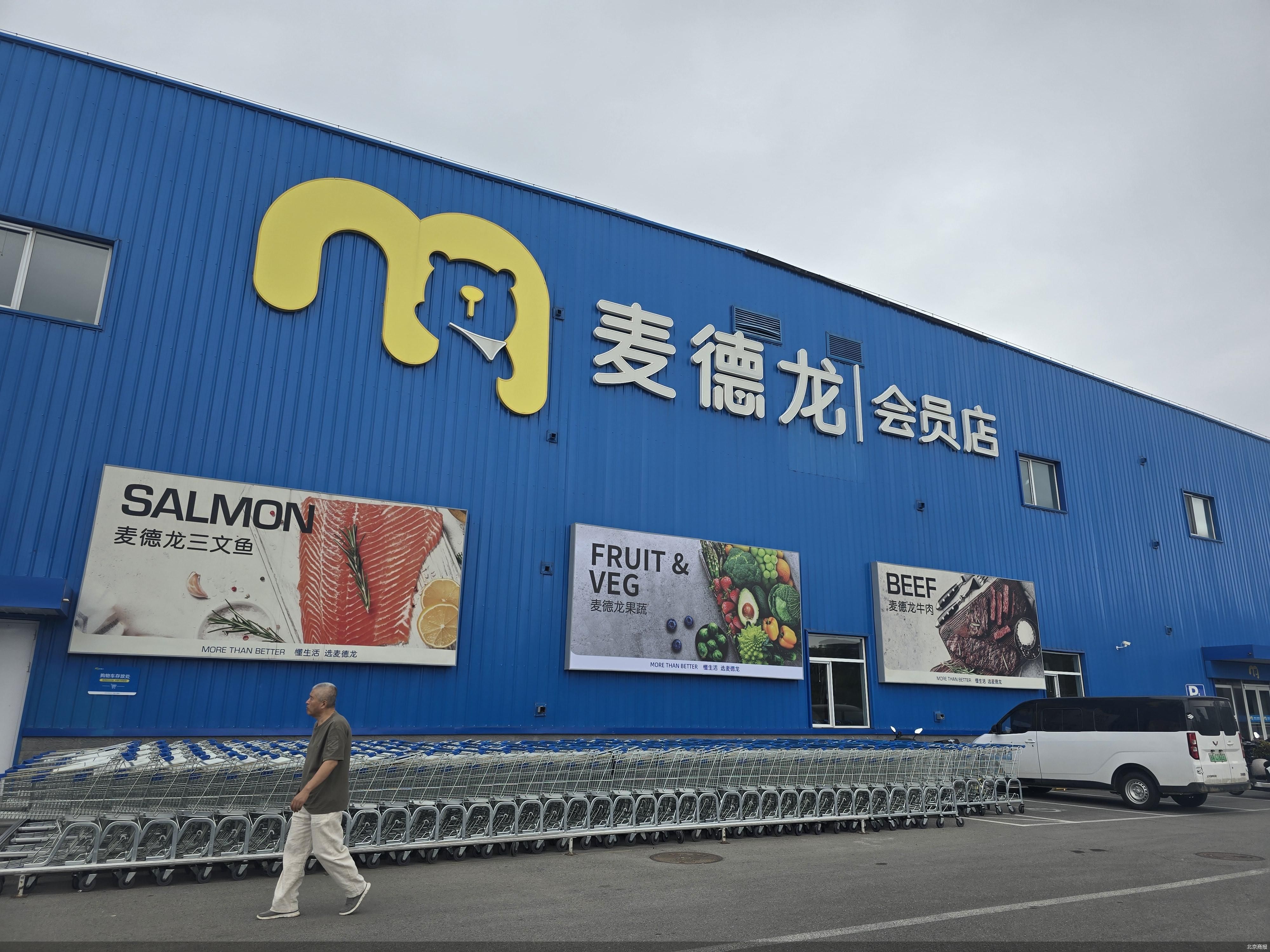
天津红桥加快建设京津冀同城商务区 打造同城化发展新载体
Zhong Guo Xin Wen Wang· 2025-08-14 17:32
Core Viewpoint - The Tianjin Hongqiao District is leveraging the Beijing-Tianjin-Hebei coordinated development strategy to enhance its business district, focusing on transportation upgrades, industrial development, and talent policies to attract businesses and support the Xiong'an New Area and Beijing's sub-center [1][2]. Group 1: Transportation Infrastructure - The Tianjin West Station has been developed as a comprehensive transportation hub, featuring the only urban terminal in the country, which provides check-in and luggage transfer services, facilitating seamless connections with international flights [1]. - With the expected operation of the second line of the Beijing-Shanghai High-Speed Railway by 2028, over 80% of the intercity trains between Beijing and Tianjin are projected to converge at Tianjin West Station, enhancing its hub functionality and promoting convenient commuting [1]. Group 2: Industrial Development - The Hongqiao District has completed the demolition of surrounding shantytowns, releasing approximately 2.8 million square meters for construction, and is actively revitalizing existing resources, such as a 60,000 square meter office project that has attracted state-owned enterprises and private companies [1]. - Major commercial projects, including Sam's Club, are scheduled to launch by the end of this year, indicating a robust pipeline of development in the area [1]. Group 3: Talent and Policy Support - The Beijing-Tianjin-Hebei coordinated business district is utilizing high-quality educational resources from the region to supply skilled professionals to enterprises, addressing key challenges such as employee social security and household registration [2]. - The Hongqiao District plans to encourage private companies like Kumi Network and Yidian Yichuang to establish regional headquarters, further enhancing its capacity to absorb non-capital functions [2].
会员店变局:山姆舆情,盒马退出,国企接棒
Sou Hu Cai Jing· 2025-08-13 09:12
Group 1 - The warehouse membership store market is experiencing subtle changes that could lead to structural shifts in the industry [2] - Leading player Sam's Club is facing public relations issues that reflect underlying development bottlenecks, suggesting the emergence of new domestic players in China [2] - Significant capital resources are currently seeking potential investment opportunities in the domestic warehouse membership store sector [2] Group 2 - Hema X Membership Store, which aimed to rival Sam's Club, is now entering a phase of widespread store closures [2]