科大讯飞

Search documents
2025飞梭链FISCO BCOS产业应用发展报告-FISCO金链盟
Sou Hu Cai Jing· 2025-12-21 17:02
Core Insights - FISCO BCOS has established itself as one of the largest and most active domestic open-source alliance blockchain ecosystems in China, gathering over 5,000 institutions and 100,000 individual developers, with 600 industry digitalization benchmark applications [1][24][20] - The value reassessment of FISCO BCOS revolves around three main logics: deep integration with the real economy, driving data infrastructure upgrades, and stimulating global financial innovation [1][27][32] Group 1: Industry Applications - The blockchain applications cover 19 major fields, with significant benchmark case results in infrastructure, cross-border services, smart governance, green low-carbon initiatives, healthcare, social welfare, rural revitalization, financial services, and more [2][43] - In the infrastructure sector, the Blockchain Service Network (BSN) has established a national digital credential system, while cross-border data verification platforms have addressed credit isolation issues, facilitating cross-border financing and talent mobility [2][8] - In the financial services sector, blockchain solutions have alleviated financing difficulties for small and micro enterprises through supply chain finance systems and regional equity platforms [2][10] Group 2: Technological Advancements - FISCO BCOS boasts a high performance of over 200,000 TPS (transactions per second) and is compatible with mainstream software and hardware, integrating privacy computing and artificial intelligence technologies [2][24] - The open-source nature of FISCO BCOS promotes multi-party collaboration, forming a trusted collaborative network across industries and regions [2][24] Group 3: Future Directions - FISCO BCOS aims to continue deepening technological development and expanding application scenarios, pushing blockchain further into production and daily life, becoming a cornerstone of the digital civilization era [2][20] - The establishment of cross-border data verification platforms, such as the Shenzhen-Singapore platform, exemplifies the practical value and demonstration effect of blockchain in enhancing economic cooperation and talent flow [28][30]


计算机行业研究:阿里巴巴发布视频生成模型万相 2.6,0penAl推出ChatGPTlmages
SINOLINK SECURITIES· 2025-12-21 11:28
Investment Rating - The report suggests a focus on the AI industry, particularly on leading companies in generative models and AI hardware, indicating a positive outlook for investment opportunities in this sector [4][12]. Core Insights - The report highlights significant advancements in AI technology, with companies like Alibaba and OpenAI releasing new models that enhance video generation and image processing capabilities, indicating a competitive landscape in AI development [4][11]. - The report identifies various segments within the computer industry, categorizing them based on their growth potential, with AI computing and laser radar maintaining high growth, while sectors like industrial software and medical IT face challenges [10][12]. - The report anticipates a rebound in the computer sector following recent market corrections, suggesting that historical patterns indicate potential for recovery and growth in the upcoming months [4][12]. Summary by Sections Industry Perspective - The computer industry is currently experiencing a mixed performance, with external factors such as geopolitical tensions and internal market corrections impacting investor sentiment [4][11]. - The report emphasizes the importance of AI technology and its applications as a driving force for growth in the sector, particularly in areas like AI computing and software [10][12]. Subsector Insights - High-growth sectors include AI computing and laser radar, while sectors like software outsourcing and quantum computing show stable upward trends [10][12]. - The report notes that the demand for AI applications is accelerating, driven by advancements in technology and increasing adoption across various industries [10][12]. Market Review - From December 15 to December 19, 2025, the computer industry index decreased by 0.68%, underperforming compared to the CSI 300 index [13]. - The report lists the top-performing companies in the computer sector during this period, indicating a competitive market landscape [14]. Upcoming Events - The report mentions an upcoming national robot leasing ecological summit, which could present opportunities for stakeholders in the robotics and AI sectors [25][26].


人民日报专访科大讯飞,AI赛道不追速,长期主义方行远
Sou Hu Cai Jing· 2025-12-21 10:50
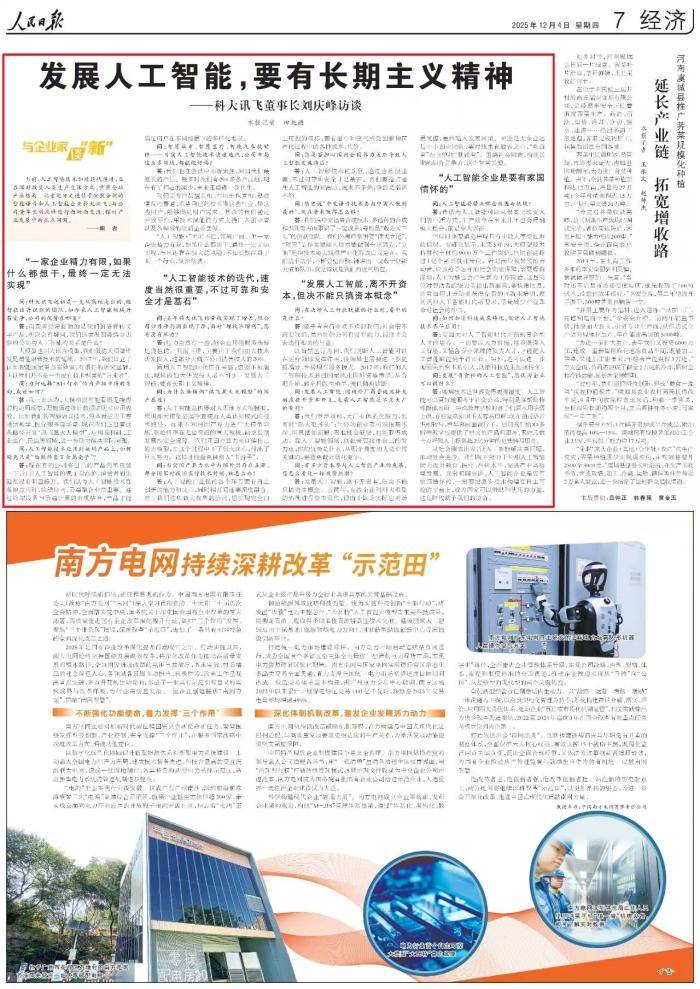
Core Viewpoint - The interview with Liu Qingfeng, Chairman of iFlytek, emphasizes the importance of long-termism in the development of artificial intelligence (AI) and highlights the company's strategic focus on specific sectors like education and healthcare, showcasing a model for sustainable industry growth [1]. Group 1: Company Strategy - iFlytek started with intelligent voice recognition and has evolved into a comprehensive AI enterprise while maintaining a clear understanding of its limitations, stating that trying to do everything will lead to failure [1]. - The company has streamlined its product lines to focus on familiar areas such as education and healthcare, ensuring that technology meets user needs effectively [1]. - iFlytek invests 20% of its sales revenue into research and development, exemplifying its commitment to long-term growth and innovation [1]. Group 2: Technological Development - The iFlytek Spark model is a continuation of its technological advancements, built on the long-term accumulation of knowledge from the National Key Laboratory of Cognitive Intelligence [1]. - The company emphasizes self-innovation and integration within the industry chain to overcome challenges posed by domestic computing power gaps and technological blockades [1]. - iFlytek rejects "AI packaging premium" and focuses on the synergy of software and hardware, as well as cloud integration, to enhance product experience significantly [1]. Group 3: Social Responsibility - iFlytek demonstrates a sense of national responsibility by using AI to serve social welfare, supporting special education initiatives and assisting hearing-impaired individuals [1]. - The company aims to excel in Chinese voice technology, aspiring to be a national technological asset that contributes to the long-term development of the AI industry through responsibility and commitment [1].

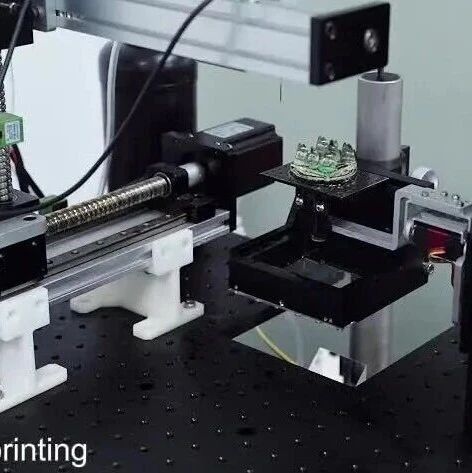
机器人竟也能3D打印了!上海交大如何一次造出会感知、能行走的完整机器人?|《Science Advances》
机器人大讲堂· 2025-12-21 08:04
长期以来,制造一个功能完整的软体机器人是一项繁琐的工程:柔软的驱动结构、精密的传感器和刚性的电子 电路,通常需要在不同的地方分别制作,再像拼装模型一样小心翼翼地组合起来。这个过程不仅耗时,还容易 在软硬材料结合的脆弱界面处产生故障。 最近 , 上海交大 的研究团队在《 Science Advances 》 上发表了一项突破性研究,他们开发了一种集成 化的多材料 3D 打印 技术 ,能够像 "一体化成型"那样,自动制造出集驱动、传感、电路和通信功能于一身 的自主软体机器人。 一个由柔软材料制成、仅手掌大小的六足机器人,正灵巧地在桌面上前进、转弯。它不仅能通过手势遥控,还 能在遇到障碍时自主绕开,甚至能感觉到被触摸的位置 。 更令人惊奇的是,这个集成了传感器、电路和驱动 器的复杂机器人主体,是在一台机器上一次性、无需组装打印完成的。 这项技术让复杂软体机器人的制造,从精密的手工组装活,变成了高效、可靠的自动化生产过程。 ▍ 制造困境:为何完整的软体机器人如此难造? 软体机器人因其出色的柔顺性和对复杂环境的适应性,在搜救、检测和人机交互等领域前景广阔。然而,一个 能真正自主工作的软体机器人,需要将柔软的驱动结构、各 ...
具身智能商业化的“机遇”与“挑战”,这场圆桌说透了
机器人大讲堂· 2025-12-21 08:04
Core Insights - The roundtable forum focused on the commercialization opportunities and challenges of embodied intelligence technology in the humanoid robot sector, highlighting the need for collaboration among policy, technology, data, and industry [1][23]. Policy Outlook: National Strategic Layout and Global Competition - The discussion began with insights on China's development opportunities and policy trends in the global competition landscape, emphasizing that the robotics sector is crucial for China's national rejuvenation [4][7]. Technological Breakthroughs: Pathways from Rigid Motors to Biomimetic Muscles - The forum highlighted the need to transition from rigid motor drives to biomimetic muscle drives, which are essential for integrating robots into daily life scenarios [10][11]. Data Scarcity: Solutions from "Hand-Holding" to "Opening the Granaries" - The issue of data scarcity in embodied intelligence was addressed, with suggestions for transitioning from manual data collection to utilizing existing data from human activities and developing high-fidelity simulations [11][12]. Dexterous Manipulation: From Diverse Approaches to Industrial Balance - The current state of dexterous hand technology was discussed, with a focus on the need for industry-wide investment in foundational technology and market-driven product iterations [18][19]. Commercialization Pathways: Dual Challenges from Technological Breakthroughs to Large-Scale Implementation - The forum concluded with insights on the indicators for the large-scale breakthrough of embodied intelligence, emphasizing the importance of balancing short-term commercialization with long-term technological innovation [19][22].

2025大健康行业巨变:心智之战打响,AI重构生态,商业化破局进行时 | 年终盘点
Xin Lang Cai Jing· 2025-12-21 06:18
Core Insights - The health industry is undergoing a transformation driven by digitalization and the integration of AI technologies, with a focus on providing comprehensive healthcare solutions to meet evolving consumer demands [3][29] - The competition has shifted from merely acquiring user traffic to a more nuanced battle for consumer trust and mental engagement, emphasizing the importance of integrated healthcare ecosystems [11][29] Group 1: Industry Trends - The Chinese health market, valued at 20 trillion yuan, is at a critical juncture of digital and intelligent transformation, with major players like Ant Group and JD.com entering the space [3] - The aging population and increasing healthcare demands have created a significant supply-demand gap, pushing the health industry into a new phase of development [3][10] - The industry consensus indicates that future leaders will be those capable of integrating medical ecosystems and providing affordable healthcare solutions [3][29] Group 2: AI Integration - The combination of AI and healthcare is evolving beyond simple doctor-patient connections to encompass a full spectrum of health management, including prevention, diagnosis, treatment, and management [4][20] - AI is becoming a standard capability in the health sector, with predictions of explosive growth in the AI healthcare market, expected to rise from 8.8 billion yuan in 2023 to 315.7 billion yuan by 2033, reflecting a compound annual growth rate of 43.1% [18] - Companies are focusing on empowering primary healthcare and family doctor services through AI, addressing the challenges of resource allocation and diagnostic capabilities in rural areas [19][20] Group 3: Company Strategies - Ant Group's AI health application, now branded as "Ant Health," has evolved into a comprehensive health service platform, integrating health companionship, inquiries, and services [13] - JD Health is building a closed-loop ecosystem for healthcare services, linking drug purchases with health management reminders, enhancing user engagement [14] - Ping An Good Doctor is leveraging its insurance and healthcare services to create a synergistic model that enhances user retention and value, with a significant portion of its clients benefiting from integrated services [15][27] Group 4: Commercialization Challenges - The health industry faces challenges in finding sustainable commercialization paths, as traditional service or traffic sales models reach their limits [26] - Companies like JD Health are focusing on enhancing service revenue and optimizing income structures to deepen their commercialization efforts [26] - The long investment periods and slow returns are common across the industry, with Ping An Good Doctor only achieving profitability after a decade of investment [27] Group 5: Future Outlook - The health industry is at a pivotal point of high-quality development, with the ultimate winners likely to be those who can maximize professionalism, trust, and efficiency in their chosen paths [29] - The integration of technology and compliance will be crucial for future growth, as companies navigate the balance between innovation and regulatory requirements [28][29]

中国公共关系发展大会:积极探索公共关系+智能技术路径
Zhong Guo Xin Wen Wang· 2025-12-21 04:34
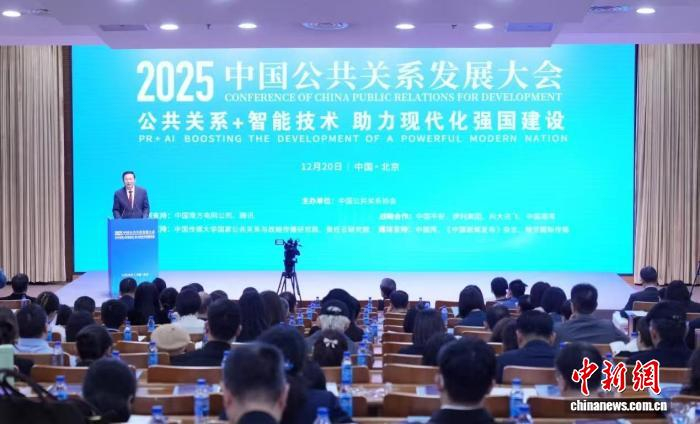
Core Insights - The public relations industry is urged to seize development opportunities, enhance its mission, and actively explore the integration of smart technology to facilitate digital empowerment and information transformation [1][2] Group 1: Industry Development - The 2025 China Public Relations Development Conference was held in Beijing, focusing on the theme of "Public Relations + Smart Technology to Support Modernization" [2][3] - The conference emphasized the need for proactive macro policies, including maintaining necessary fiscal spending and implementing flexible monetary policies to ensure a strong economic start for the 14th Five-Year Plan [2] Group 2: Technological Integration - The concept of "human imagination + large models" is highlighted as a core formula for new productive forces in the era of artificial intelligence, with large models transforming innovative ideas into executable solutions [2] - The public relations sector is encouraged to embrace a lifelong learning mindset in response to the AI wave, as technology becomes a key driver of social development [2] Group 3: Standards and Recognition - The conference introduced the "China Enterprise Public Relations Evaluation System (Trial)," aimed at systematizing and standardizing public relations work in Chinese enterprises [3] - A showcase of 80 exemplary cases of public relations in China for 2025 was presented, with notable entries including "Su Chao" and "Nezha" [3]
从“大而强”到“小而美”,长三角竞速“超级个体”经济
Bei Jing Ri Bao Ke Hu Duan· 2025-12-21 04:03
Core Insights - The rapid development of AI technology is fundamentally reshaping the logic of entrepreneurship, transitioning the minimum viable unit from "teams" to "individuals," leading to the emergence of the "One Person Company" (OPC) paradigm [1] - The Yangtze River Delta region is experiencing a concentrated surge in OPC development, with Shanghai, Jiangsu, Zhejiang, and Anhui playing pivotal roles in this transformation [1] Group 1: OPC Development in Shanghai and Jiangsu - Shanghai's Lingang area has initiated the "Super Individual 288" plan, focusing on eight high-potential sectors and creating a low-threshold entrepreneurial environment through policies like "3 free, 6 subsidies, and 3 zero-waiting" [2] - The "OPC Development Action Plan" was launched in December, aiming to create a comprehensive support system for entrepreneurs, emphasizing connectivity, cost reduction, opportunity creation, convenience, and community [3] - Suzhou has established an OPC service alliance and aims to become the "preferred city for OPC entrepreneurship," with plans to create over 30 OPC communities and nurture 1,000 OPC enterprises by 2028 [4] Group 2: Broader Jiangsu Initiatives - Jiangsu's abundant computing power, data resources, and diverse application scenarios provide fertile ground for OPC growth, with the government pledging support for talent and innovation [5] - Multiple cities in Jiangsu are rapidly advancing OPC initiatives, marking a shift from localized exploration to systematic promotion of the OPC ecosystem [5] Group 3: OPC Ecosystem in Other Regions - Nanjing is adopting a differentiated community layout, with various OPC communities focusing on different sectors, including a community backed by Alibaba and another focusing on smart healthcare [6] - Wuxi is driving OPC community development through a dual approach of policy support and community establishment, launching multiple specialized OPC communities [7] - Changzhou is initiating its first international OPC community, providing local projects with access to Silicon Valley and facilitating a two-way innovation cycle [8] Group 4: Emerging Trends in Zhejiang and Anhui - Zhejiang's Hangzhou has implemented a unique funding model for high-potential individuals, providing $50,000 in unconditional startup funds to support AI-related ventures [9] - Anhui is beginning to explore OPC development through existing incubators that cater to tech startups and high-level talent, aiming to create a supportive entrepreneurial environment [10]
大模型挣钱有多难,看看智谱亏掉的 62 亿
Tai Mei Ti A P P· 2025-12-21 03:49
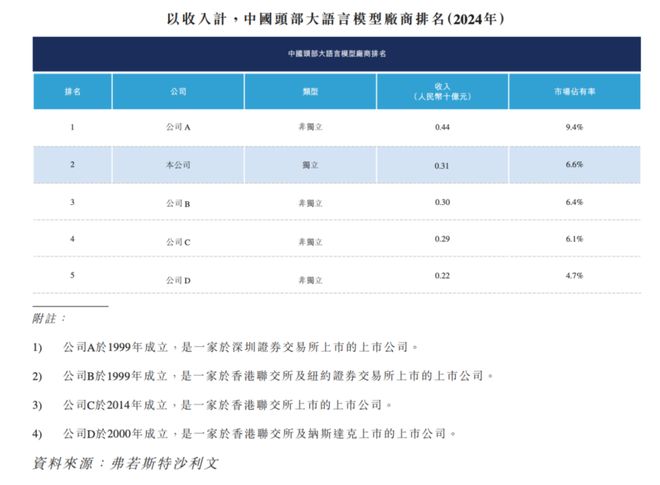
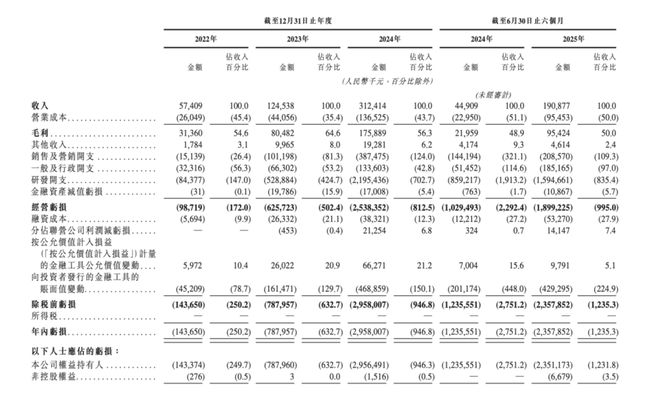
Core Viewpoint - The rapid capitalization process of large model startups is outpacing other industries, with the first global large model IPO imminent, highlighting China's faster deployment of AI compared to North America [1] Group 1: Company Overview - Zhiyu, a representative of large model startups, has accelerated its IPO process due to increasing funding pressures in the large model sector, with significant investments from global tech giants [1] - The company was founded in 2019 by a team from Tsinghua University, known as the "Tsinghua Gang," and has raised over 8 rounds of funding, totaling over 8.3 billion RMB [4][5] Group 2: Financial Performance - Zhiyu's revenue has seen a compound annual growth rate (CAGR) of over 130% over the past three years, but losses have also increased significantly, with total losses exceeding 6.2 billion RMB during the same period [2][5] - The company's cumulative revenue from 2022 to mid-2025 is approximately 685 million RMB, while cumulative losses exceed 6.2 billion RMB, with the loss-to-revenue ratio rising from 250.2% in 2022 to 1235.3% in the first half of 2023 [2][5] Group 3: R&D and Operational Costs - Over the past three years, Zhiyu's cumulative R&D expenditure has reached 2.809 billion RMB, with a projected increase to 1.595 billion RMB in the first half of 2025, totaling over 4.4 billion RMB [4][12] - The majority of R&D spending is attributed to computing power costs, with over 70% of R&D expenses allocated to service fees for computing power [12] Group 4: Market Position and Revenue Sources - Zhiyu ranks first among independent general large model developers in China, with a market share of approximately 6.6%, and is second overall among all general model developers [6][7] - The company's revenue is primarily derived from B-end clients, with localized deployment accounting for over 85% of total revenue in recent years, while cloud deployment remains a smaller segment [7][9] Group 5: Future Prospects and Challenges - Zhiyu is actively expanding its cloud-based MaaS platform and has reported significant growth in subscription services, with annual recurring revenue exceeding 100 million RMB [10] - Despite the growth in cloud services, the company faces challenges in maintaining its competitive edge, as the rapid evolution of model performance makes it difficult to sustain leadership in the market [14]
排“第二”的智谱AI,含金量多高?
Tai Mei Ti A P P· 2025-12-21 02:15
Core Viewpoint - The article discusses the recent IPO filing of Zhipu AI, often referred to as "China's version of OpenAI," highlighting its position in the competitive landscape of large model companies in China and its financial performance amid rapid growth and significant losses [1][31]. Company Overview - Zhipu AI, founded six years ago, has gained attention for its strong backing from major investors like Meituan, Alibaba, Tencent, and Xiaomi, and boasts a valuation exceeding 24 billion yuan [1]. - The company ranks second among Chinese large model manufacturers with projected revenues of 310 million yuan and a market share of 6.6% for 2024, trailing only iFlytek [2][26]. - Zhipu AI's founding team primarily comes from Tsinghua University's Knowledge Engineering Group (KEG), which has a long history in natural language processing and knowledge graph research [7]. Technological Development - Zhipu AI has been proactive in developing its technology, launching the GLM framework in 2021 and releasing the GLM-130B model in 2022, which was among the first of its kind in China [9]. - The company has introduced several models, including ChatGLM and the GLM-4 series, which competes directly with GPT-4, showcasing its ability to keep pace with industry advancements [10]. Business Model - Zhipu AI operates a "Model as a Service" (MaaS) platform, offering a variety of models for different applications, allowing clients to access capabilities via API on a pay-per-use basis [11]. - As of September 2024, the MaaS platform has attracted over 2.7 million developers and serves approximately 12,000 enterprise clients [12]. Financial Performance - The company has shown significant revenue growth, with a fivefold increase from 57 million yuan in 2022 to 312 million yuan in 2024, indicating accelerating commercialization [17]. - However, Zhipu AI faces substantial financial pressures, with an adjusted net loss of 2.47 billion yuan projected for 2024 and ongoing high R&D expenditures [6][21]. - The revenue structure indicates that 85% of its income comes from localized deployments, which are high-margin but have long project cycles, while 15% comes from the MaaS platform, which is lower-margin but scalable [17][18]. Market Position - According to various reports, Zhipu AI's ranking can vary significantly based on the metrics used. It ranks second in the narrow category of large model development platforms but falls to fourth when considering broader market metrics [26][28]. - The competitive landscape includes major internet giants like Alibaba and Baidu, which have more diversified revenue streams, making direct comparisons challenging [14][27]. Conclusion - Zhipu AI's IPO filing reveals a company with strong technological capabilities and a viable business model, yet it is grappling with high losses and cash flow pressures in a fiercely competitive market [31].