
联发科

Search documents
春节换机潮叠加“国补”,中端机配置全面“旗舰化”
Nan Fang Du Shi Bao· 2026-01-23 06:30
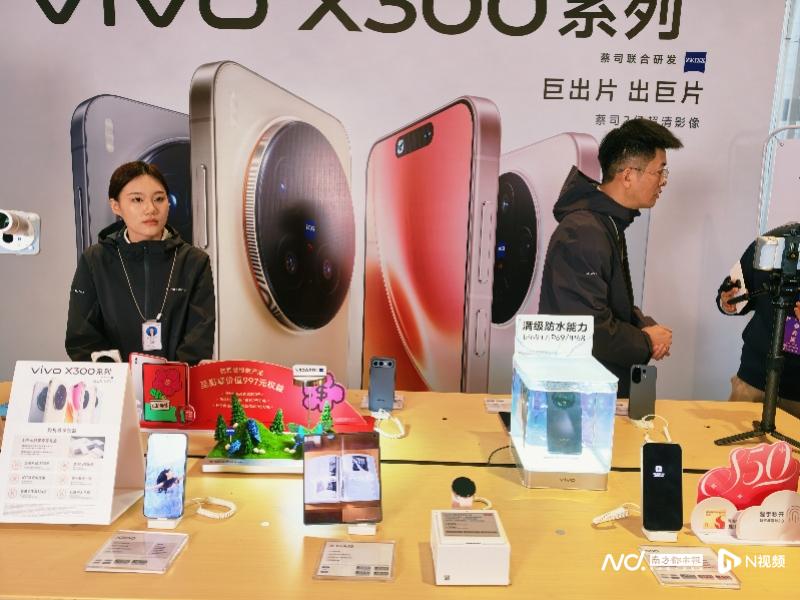
Group 1 - The Chinese smartphone market is entering a competitive phase with a focus on mid-range devices as manufacturers target the demand for high cost-performance products during the pre-Spring Festival sales season [1][3] - The government subsidy policy, which extends until 2026, offers a 15% subsidy for devices priced under 6000 yuan, enhancing the attractiveness of mid-range smartphones [3] - Consumers are shifting their focus from low prices to high cost-performance, with mid-range devices now offering performance and features close to flagship models at 60%-70% of their price [3][7] Group 2 - Major brands like Honor, OnePlus, Redmi, iQOO, and realme are launching new models priced between 2000 yuan and 3000 yuan, indicating a fierce competition in the mid-range segment [3][7] - Battery life is a critical concern for users, leading manufacturers to equip mid-range devices with large-capacity batteries, such as Honor Power 2 with a 10080mAh battery [5][7] - The introduction of high-performance processors, such as Snapdragon 8 Gen 5 and MediaTek's Dimensity 9500S, is becoming standard in new mid-range devices, enhancing their appeal [5][6] Group 3 - The smartphone market in China is transitioning to a phase characterized by slight declines in total volume and structural upgrades, with an expected shipment of 278 million units in 2026, a 2.2% year-on-year decrease [8] - High-end market shares are dominated by Apple, Huawei, and Samsung, with Apple holding nearly 50% of the high-end market share in the first three quarters of 2025 [9] - The rising costs of core components are pressuring manufacturers to either raise prices or reduce specifications, leading to a focus on the 2000-3000 yuan price range for maintaining higher profit margins [9]

未知机构:股东变更锋龙股份江化微商业航天中超控股巨力索具数据中心-20260123
未知机构· 2026-01-23 02:35
Summary of Key Points from Conference Call Records Industry or Company Involved - **Aerospace Industry**: Blue Arrow Aerospace Technology Co., Ltd. (蓝箭航天) - **Retail Pharmacy**: Various companies including Yao Yi Gou (药易购), Shuyu Pingmin (漱玉平民), and others - **Quantum Technology**: Companies like Guo Dun Quantum (国盾量子), Ke Da Guo Chuang (科大国创) - **Electric Vehicle and Robotics**: Tesla and its developments in humanoid robots Core Insights and Arguments - **Blue Arrow Aerospace**: The company is undergoing an IPO process, with its status changing to "inquiry" as of January 22, marking the fastest inspection record [1][1][1] - **Commercial Space Conference**: The third Beijing Commercial Aerospace Industry High-Quality Development Conference will be held from January 23 to 25, 2026, focusing on the modernization of the industrial chain and innovation in business models [2][2][2] - **Quantum Technology Development**: The "14th Five-Year Plan" emphasizes quantum technology as a priority, with significant investments and collaborations being made to enhance capabilities in quantum computing [5][7][7] - **Retail Pharmacy Mergers**: The government encourages horizontal mergers and restructuring among retail drug enterprises to optimize the industry [8][9][10] Other Important but Possibly Overlooked Content - **Space Tourism**: Beijing Chuan Yue Zhe's "CYZ1" spacecraft is set for its first manned flight by 2028, with over 20 tourists already booked [5][5][5] - **Tesla's Robotics Future**: CEO Elon Musk indicated that Tesla's future will increasingly rely on humanoid robots, with expectations for more complex tasks by 2026 [12][14][14] - **SpaceX's Second-Generation Starlink**: Planned for launch in 2027, this system aims to provide significantly enhanced internet services, with a capacity increase of over 100 times compared to the first generation [15][15][15] - **Meta's AI Smart Glasses**: Meta is set to launch AI smart glasses powered by MTK chips, with production handled by Longqi Technology [15][15][15]
轻薄之“身”,荣耀“亲近”年轻人
Shen Zhen Shang Bao· 2026-01-22 22:44
Core Viewpoint - The smartphone industry is facing increasing external pressures, leading to price hikes across various models, including the newly launched Honor Magic8 Pro Air, which targets the young consumer demographic [1][2]. Group 1: Product Launches and Features - Honor has introduced the Magic8 Pro Air, weighing 155 grams and measuring 6.1mm thick, making it the lightest flagship smartphone of the year [1]. - The Magic8 Pro Air features a MediaTek Dimensity 9500 processor and a rear camera setup that includes a 64MP periscope lens, while competing models like Huawei's Mate70 Air and Apple's iPhone Air have different specifications [3]. - Honor also launched a limited edition "Honor 500 Pro MOLLY 20th Anniversary" phone in collaboration with the trendy brand Pop Mart, aiming to resonate emotionally with younger consumers [1][5]. Group 2: Market Trends and Pricing - The smartphone market is experiencing a price increase due to rising storage chip costs, with DDR5 memory prices up over 300% since September 2025 [2]. - Honor's new models, including the Magic8 Pro Air, have starting prices above 4000 yuan, with the Magic8 Pro Air priced at 4999 yuan (12GB+256GB) [3]. - Despite the price hikes, Honor's strategy appears to be focused on appealing to younger consumers and creating a broader ecosystem beyond just smartphones [5][6]. Group 3: Industry Performance and Competition - The Chinese smartphone market saw a 1.6% year-on-year decline in shipments in Q4 2025, with Honor holding a 13.4% market share, ranking sixth [4]. - Apple's iPhone Air has struggled in the market, with initial activation numbers significantly lower than previous models, indicating a cooling demand for lightweight smartphones [5]. - The overall smartphone industry is entering a phase of low growth, with companies like Honor adapting their strategies to seek structural growth opportunities within a stagnant market [6].

CPU:服务器中枢大脑,需求的拐点
NORTHEAST SECURITIES· 2026-01-22 09:42
Investment Rating - The report assigns an "Outperform" rating for the industry, indicating that the industry index is expected to exceed market benchmarks in the next six months [6]. Core Insights - The report highlights a significant shift in CPU demand driven by AI applications, with a notable increase in server CPU requirements due to the expansion of generative AI training and inference clusters [2]. - Supply-side constraints are evident, with major players like Intel and AMD planning to raise server CPU prices by 10%-15% by 2026, while also reallocating production capacity from consumer electronics to server CPUs [1]. - The global CPU market is projected to grow from approximately $130.2 billion in 2025 to $141.27 billion in 2026, with a compound annual growth rate (CAGR) of about 8.5% from 2025 to 2030 [3]. Supply Side Summary - Major overseas companies are increasing prices, with Intel shifting production capacity to server CPUs, leading to a significant drop in delivery assurance rates for consumer electronics [1]. - There is a persistent shortage of Intel 7/10 CPUs, exacerbated by a shift in production focus, resulting in a growing supply gap in the PC segment [1]. - Upstream material shortages, particularly in ABF substrates due to T-glass scarcity, are impacting server CPU production, with Intel prioritizing server CPU supply [1]. - The average selling price and gross margin for CPUs are expected to rise as Intel and AMD adjust their product mix towards high-end servers [1]. Demand Side Summary - The demand for AI inference is surging, leading to exponential growth in the need for server nodes [2]. - General-purpose servers are entering a significant upgrade cycle as large-scale data centers require modernization due to power consumption limits of older racks [2]. - The emergence of Agent-based computing is increasing CPU demand, as these systems require more processing power than traditional general-purpose computing [2]. - There is a reversal in the market dynamics, with general-purpose servers now presenting compensatory investment opportunities following a period of AI server dominance [2]. Industry Landscape Summary - The global CPU market is dominated by major players, with Intel and AMD holding 50% and 30% market shares in China, respectively [3]. - The Chinese CPU market is segmented into desktop CPUs (50% share), mobile CPUs (30% share), and server CPUs (20% share), with foreign companies holding a significant market share [3]. Related Companies - Domestic CPU manufacturers include Haiguang Information, Hesheng New Materials, and Loongson Technology [4]. - Upstream CPU suppliers include Huada Jiutian and Huazheng New Materials [4]. - Server manufacturers include Zhongke Shuguang, Inspur Information, and Unisplendour [4].
台积电最大客户换人了!
国芯网· 2026-01-21 12:07
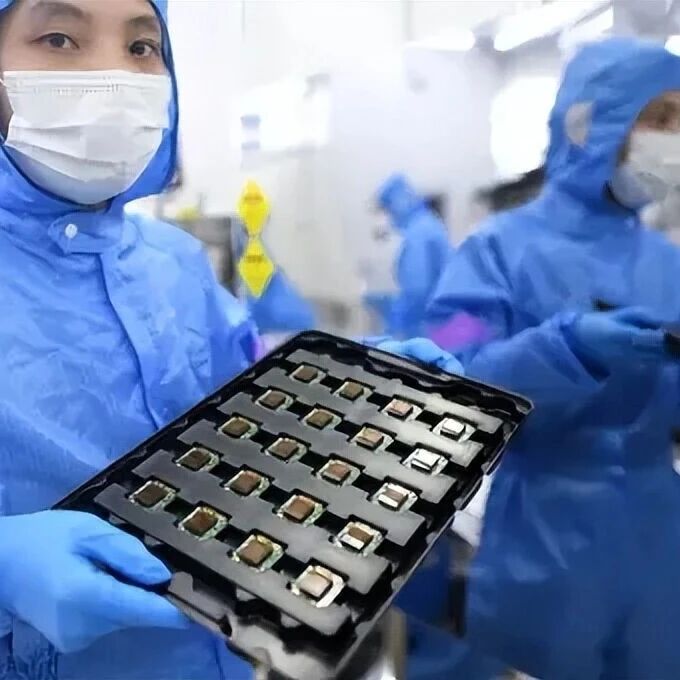
Core Viewpoint - The relationship between Apple and TSMC has shifted, with NVIDIA becoming TSMC's largest customer, accounting for 13% of its total revenue, while Apple no longer holds priority shipping rights [2][4]. Group 1: Customer Dynamics - TSMC has stopped granting Apple priority shipping rights, indicating a change in their long-standing partnership [4]. - NVIDIA has overtaken Apple as TSMC's largest customer, reflecting a significant shift in the semiconductor supply chain [2][4]. Group 2: Supply Chain and Production - TSMC's 2nm wafer supply is under pressure due to high demand, leading to continuous price increases for advanced process nodes over the past four years [4]. - The number of 2nm process tape-outs is 1.5 times that of 3nm, suggesting a competitive landscape with multiple clients vying for TSMC's advanced capacity [4]. Group 3: Strategic Moves by Apple - Apple is preparing for a transition to Intel as a second supplier for advanced processes, with plans to release M-series processors using Intel's 18A process by mid-2027 [4]. - The introduction of Intel as a secondary supplier is strategically significant for Apple, as it aims to enhance supply chain management while still relying heavily on TSMC in the foreseeable future [4].


未知机构:申万电子25年12月台股电子板块景气跟踪先进制程满载AIHPC扩张带-20260121
未知机构· 2026-01-21 02:05
Summary of Conference Call Records Industry Overview - The conference call primarily discusses the semiconductor industry, focusing on companies such as TSMC, Xilinx, and others within the electronic sector in Taiwan. Key Points and Arguments AI Sector - TSMC reported a December revenue increase of 20% year-over-year and a 32% increase for the entire year, with a gross margin of 62.3% in Q4 2025, exceeding previous guidance [1] - For Q1 2026, TSMC's guidance indicates revenue between $34.6 billion and $35.8 billion, with a gross margin of 63% to 65% and an operating profit margin of 54% to 56%, highlighting resilience in advanced process demand driven by AI and HPC [1] - TSMC's capital expenditure guidance for 2026 is set at $52 billion to $56 billion, with 70% to 80% allocated to advanced processes [1] - Xilinx reported a December revenue increase of 18%, benefiting from strong demand for AI servers and improved PCB supply, achieving new highs across monthly, quarterly, and yearly metrics [1] Mature Process - United Microelectronics Corporation (UMC), World Advanced, and Powerchip reported December revenue increases of 2%, 15%, and 22% year-over-year, respectively, with annual revenue growth of 2%, 10%, and 4% [2] - The 8-inch wafer utilization rate is expected to recover from approximately 75%-80% in 2025 to 85%-90% in 2026, with some foundries indicating price increases for foundry services [2] Memory Sector - Nanya Technology, Winbond, and Macronix reported December revenue increases of 445%, 53%, and 45% year-over-year, respectively, with annual revenue growth of 95%, 10%, and 12% [2] - Nanya has transitioned from a loss to profit, noting that DDR4 prices continue to rise, with price increases significantly outpacing shipment growth, indicating better profit elasticity [2] - In the NOR Flash segment, the upgrade from HBM3E to HBM4 is expected to increase NOR Flash usage due to the increase in stacking layers, leading to tighter supply and improved pricing conditions [2] - Macronix may raise NOR prices by 30% in Q1 2026 [2] Passive Components - Yageo reported a December revenue increase of 30%, with a 9% year-over-year increase for the entire year, driven by AI server demand [3]
手机芯片,大战开打
半导体行业观察· 2026-01-21 01:23
Core Insights - TSMC's 2nm process is in high demand, with estimated tape-out volumes 1.5 times that of the 3nm process, attracting companies like Apple, Qualcomm, and MediaTek to secure supply for competitive advantage this year [1] - Despite the advancements in chip technology, consumer interest in smaller process nodes is waning, leading companies to pivot towards architecture improvements and increased memory cache as key strategies [1][2] - Apple has reportedly secured over half of TSMC's initial 2nm capacity, while Qualcomm and MediaTek are also vying for the enhanced 2nm "N2P" process to gain an edge in wafer shipments and CPU frequency [1][4] Group 1 - TSMC is expected to cancel Apple's priority status as its largest customer due to the rise of AI, with TSMC's revenue increasingly coming from different sectors [3][4] - Analysts note that while flagship devices drive industry growth, consumers are now more focused on actual user experience rather than just annual specification upgrades [2] - TSMC is facing supply constraints for 2nm wafers, leading to price increases for advanced process technologies starting in 2026, with the estimated price for Apple's A20 SoC being $280 [6] Group 2 - Apple's A19 Pro chip showcased significant architecture improvements, achieving a performance increase of 29% with minimal power consumption [2] - The competitive landscape is shifting, with companies like MediaTek's Dimensity 9500s surpassing Snapdragon 8 Gen 5 by utilizing a 19MB CPU cache [2] - TSMC's CEO has reportedly informed Apple of a significant price increase, marking the largest in recent years, indicating a shift in the dynamics of their partnership [4]
Intel 14A,有望突围
半导体行业观察· 2026-01-21 01:23
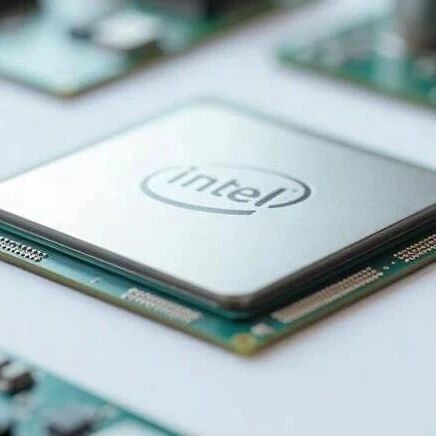
Core Viewpoint - Intel's investment in Ohio for two advanced chip factories is part of its strategy to build a world-class foundry service, but the project has faced delays and skepticism regarding its viability and customer acquisition [1][2]. Group 1: Intel's Chip Manufacturing Plans - Intel announced a $28 billion investment to build two advanced chip factories in Ohio, with initial production planned for 2025, but has faced multiple delays due to challenges in securing external customers [1]. - The first Ohio factory is now expected to start production in 2030, and the success of Intel's 14A process node is contingent on acquiring a significant number of external clients [1][2]. - Intel's 18A process node is currently in production in Arizona, but initial yields have been problematic, although recent reports indicate yields have improved to over 60% [1][2]. Group 2: Progress and Future Prospects - Recent hiring announcements related to the Ohio factory construction suggest that progress may be accelerating, which could indicate a renewed commitment to the 14A process [2]. - Intel's CEO expressed confidence in the 14A process, stating that significant advancements in yield and intellectual property are expected, which may help attract external customers [2]. - The potential for Intel's 14A chips to be used by clients like Apple in 2029 could enhance the likelihood of success for this process node [3]. Group 3: Competitive Landscape - The ongoing shortage of advanced manufacturing capacity at TSMC may provide Intel with an opportunity to attract customers seeking alternative suppliers [3]. - Analysts suggest that while Intel's 18A process may not directly challenge TSMC's leadership, it could position Intel to surpass Samsung and become the second-largest foundry [6][7]. - Companies like Qualcomm and AMD are reportedly considering Samsung as a primary alternative for foundry services, indicating a shift in the competitive landscape [5][6].

——25年12月台股电子板块景气跟踪:先进制程满载,AI/HPC扩张带动结构升级
Shenwan Hongyuan Securities· 2026-01-20 10:44
Investment Rating - The report indicates a positive investment outlook for the semiconductor industry, particularly driven by AI and high-performance computing (HPC) demand [1]. Core Insights - TSMC's revenue for December and the entire year showed a year-on-year growth of 20% and 32% respectively, with Q4 exceeding market expectations due to strong demand from AI and HPC sectors [1][4]. - TSMC's gross margin for Q4 2025 was reported at 62.3%, surpassing previous guidance, attributed to better-than-expected cost improvements and favorable exchange rates [5]. - The report highlights a robust capital expenditure forecast for TSMC in 2026, estimated at $52-56 billion, with 70%-80% allocated to advanced processes, reflecting a commitment to meeting structural demand in AI and HPC [5]. Summary by Sections AI Sector - The AI sector continues to see strong spending, with TSMC's advanced process utilization remaining high due to demand from AI servers and HPC applications [1][4]. - The report notes that the growth in AI applications has mitigated declines in consumer electronics chip demand [4]. Advanced Process Manufacturing - TSMC's guidance for Q1 2026 includes revenue expectations of $34.6-35.8 billion and a gross margin of 63%-65%, indicating resilience in advanced process demand despite seasonal slowdowns [5]. - The report emphasizes that TSMC's advanced process capacity utilization remains robust, driven by AI and HPC applications [1][5]. Server Management Chips - The report highlights that the revenue for server management chips from the company Xinxin reached a new high in December, with a year-on-year growth of 18% [8]. - Xinxin's revenue for 2025 is projected to grow by 41%, driven by strong demand from AI servers and improved supply chain conditions [8]. PCB and EMS - PCB manufacturers such as XinXing and JingShuo reported year-on-year revenue growth of 27% and 25% respectively, attributed to increased shipments of high-end server and high-speed application boards [1]. - EMS companies like Hon Hai and Wistron experienced significant revenue growth, with year-on-year increases of 32% and 142% respectively, driven by AI server demand [1].
25年12月台股电子板块景气跟踪:先进制程满载,AI/HPC扩张带动结构升级
Shenwan Hongyuan Securities· 2026-01-20 09:27
Investment Rating - The report maintains a "Positive" outlook on the semiconductor industry, particularly driven by advancements in AI and high-performance computing (HPC) [1]. Core Insights - The semiconductor industry is experiencing robust growth, with TSMC reporting a revenue increase of 20% year-on-year in December and 32% for the entire year of 2025, driven by AI and HPC demand [2][5]. - TSMC's gross margin for Q4 2025 was 62.3%, exceeding previous guidance, attributed to cost improvements and favorable exchange rates [6]. - The report highlights a significant capital expenditure forecast for 2026, estimated between $52 billion and $56 billion, with 70%-80% allocated to advanced processes, indicating a strong commitment to meeting AI and HPC demand [6]. Summary by Sections AI Sector - The AI sector is witnessing a spending surge, with TSMC's advanced process capacity fully utilized due to strong demand from AI and HPC applications [2][5]. - The revenue from server management chips, particularly from companies like ASPEED, is also on the rise, with a 41% year-on-year increase expected for 2025 [9]. Mature Process - The mature process segment is benefiting from a reduction in 8-inch supply and support from power management and automotive applications, with companies like UMC and PSMC showing revenue growth of 2% and 22% respectively in December 2025 [2]. Memory Sector - The memory sector is experiencing price increases due to supply constraints, with Nanya Technology reporting a staggering 445% year-on-year revenue growth in December 2025 [2][5]. End-Side Chips - MediaTek continues to see growth in high-end mobile platforms, with a 23% year-on-year revenue increase in December 2025, supported by strong demand for flagship chips [2]. Passive Components - The demand for passive components is driven by AI server growth, with Yageo reporting a 30% year-on-year increase in December 2025 [2]. Testing Equipment - Companies like King Yuan Electronics are transitioning to AI chip testing platforms, with a 33% year-on-year revenue increase in December 2025, driven by the demand for GPU and ASIC testing [11].