
蜜雪冰城

Search documents
鸣鸣很忙正式登陆港交所:市值超900亿港元,要为更多人带去那份简单的快乐
IPO早知道· 2026-01-28 02:19
Core Viewpoint - Hunan Mingming Hen Mang Commercial Chain Co., Ltd. (referred to as "Mingming Hen Mang") officially listed on the Hong Kong Stock Exchange on January 28, 2026, becoming the first "bulk snack stock" in Hong Kong, raising a total of HKD 3.67 billion through the issuance of 15,511,200 shares at an issue price of HKD 236.60 per share [3][4]. Group 1: IPO and Market Performance - The Hong Kong public offering was oversubscribed by 1,899.49 times, while the international offering was oversubscribed by 44.44 times, marking one of the highest international placement multiples for consumer IPOs in recent years [3][4]. - As of 10:00 AM on the listing day, the stock price rose to HKD 433.2, an increase of 83.09% from the issue price, resulting in a market capitalization of HKD 92.7 billion [4]. Group 2: Business Model and Strategy - Mingming Hen Mang aims to create a joyful life and become the people's snack brand, focusing on providing affordable and accessible snacks to consumers [6]. - The company operates as China's largest chain retailer of leisure food and beverages, integrating its dual brands "Snacks Are Busy" and "Zhao Yiming Snacks" to enhance operational efficiency and supply chain management [8]. - The company has adopted a community-focused approach, targeting lower-tier markets and utilizing a high-frequency demand model for snacks and beverages, thereby optimizing the supply chain and reducing costs [10]. Group 3: Store Expansion and Product Offering - As of November 30, 2025, Mingming Hen Mang had over 21,041 stores, primarily located in county towns and communities, making quality and affordable food accessible to ordinary families [12]. - The company has established partnerships with over 2,500 quality manufacturers, with an average product price approximately 25% lower than that of offline supermarkets [12]. - The product range includes around 3,997 SKUs across seven categories and over 750 brands, with a monthly introduction of hundreds of new products [12][13]. Group 4: Financial Performance - For the first three quarters of 2025, the company achieved revenue of CNY 46.371 billion, a year-on-year increase of 75.2%, and an adjusted net profit of CNY 1.810 billion, up 240.8% year-on-year [17]. - From 2022 to 2024, revenue grew from CNY 4.286 billion to CNY 39.344 billion, with a compound annual growth rate of 203% [18]. - The gross margin increased from 7.5% to 9.7%, while the adjusted net margin rose from 1.9% to 3.9% during the same period, indicating enhanced profitability [18]. Group 5: Industry Context and Future Outlook - The retail industry in China is transitioning from a seller's market to a buyer's market, with the market size expected to grow from CNY 29 trillion in 2019 to CNY 37 trillion by 2024, and further to CNY 49 trillion by 2029 [18]. - Mingming Hen Mang's innovative business model and focus on efficiency have positioned it to meet the increasing demand for quality and affordable snacks in the evolving retail landscape [25][26].


红杉坐镇,900亿IPO正式敲钟
投资界· 2026-01-28 02:11
中国最大零食IPO。 作者/周佳丽 今日(1月2 8日),湖南鸣鸣很忙商业连锁股份有限公司(简称:鸣鸣很忙)正式挂牌上市,成为港股"量贩零食第一股"。本次I PO 发行价每股 2 3 6 . 6港元 ,公开发售获认购超1 5 0 0倍, 开盘大涨8 8 %,市值超9 0 0亿港元 , 缔造中国最大零食I PO 。 这是中国消费行业一个标志性的整合案例。回想2 0 2 3年11月,从湖南长沙起家的零食很忙与从江西宜春走出的赵一鸣零食完成战略 合并,共同组建"鸣鸣很忙",由零食很忙创始人晏周出任新集团董事长。 作为公司最大的外部机构股东,红杉中国团队见证了这家"国民零食"的成长轨迹。"鸣鸣很忙 从社区烟火中读懂了中国家庭最朴素的 消费渴望 ——要的不是低价,而是'值得';追求的不仅是折扣,而是轻松感的日常小确幸。"红杉中国合伙人苏凯感慨,今日的I PO 将是更宏大的起点。 5年前,红杉团队出手 缔造市值900亿 从零食很忙的故事说起。 时间回到2 0 1 6年,湖南8 5后晏周已在房地产销售行业深耕多年。一次偶然的机会,他敏锐捕捉到零食赛道在下沉市场的爆发潜力, 毅然创立长沙零食很忙食品有限公司。 次年,晏周与几 ...

鸣鸣很忙近1000亿IPO背后:在冬天捕到大鱼的人
36氪未来消费· 2026-01-28 01:53
Core Viewpoint - The article discusses the journey of the snack retail company "Ming Ming Hen Mang" and its CEO Yan Zhou, highlighting the company's growth, strategic decisions, and market positioning in the competitive snack industry [2][9]. Company Overview - Yan Zhou co-founded "Ming Ming Hen Mang" in 2017, and the company has grown to nearly 20,000 stores by 2025, marking a significant expansion from its initial base in Hunan [8][39]. - The company went public on January 28, 2025, with a market valuation nearing 100 billion HKD, reflecting strong investor interest and a successful IPO [9]. Market Positioning - The company targets the mass consumer market, which has been underserved compared to higher-end brands like "Liangpinpuzi" and "Three Squirrels" [5]. - By focusing on affordable snacks and a pleasant shopping experience, "Ming Ming Hen Mang" aims to redefine consumer perceptions of value and quality in the snack sector [18][23]. Investment and Growth Strategy - The company secured significant funding from prominent investors, including Sequoia Capital and Tencent, which helped it navigate a challenging investment climate in the consumer sector [8][11]. - Despite initial skepticism from investors, the company demonstrated strong growth metrics, achieving a GMV of 661 billion CNY and revenue of 464 billion CNY in the first nine months of 2025 [8]. Competitive Landscape - The snack retail market has seen rapid growth, with "Ming Ming Hen Mang" facing competition from aggressive players like "Zhao Yiming Snacks," leading to a strategic merger to consolidate market presence [36][38]. - The merger allowed both brands to leverage their strengths, resulting in a combined store count exceeding 10,000, making them a leader in the snack retail industry [38]. Consumer Insights - The company emphasizes the importance of emotional value in consumer products, aiming to create a shopping environment that resonates with customers beyond just price [18][22]. - Yan Zhou's background as a real estate agent has influenced his understanding of consumer needs, particularly in lower-tier cities, where he sees significant growth potential [5][10].
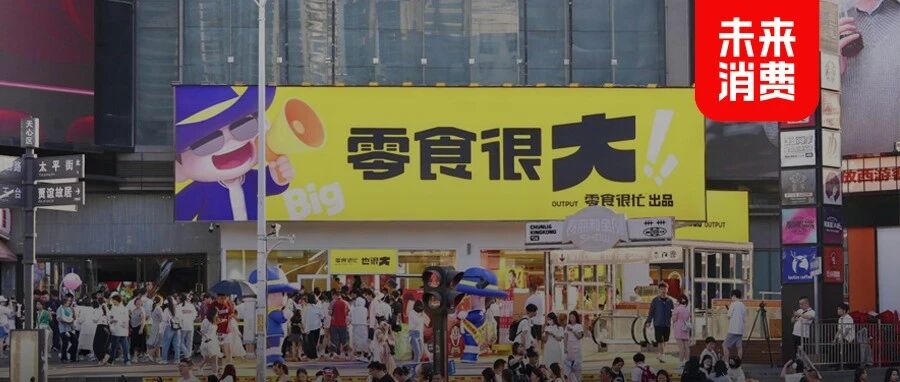
马云最新露面谈AI;“杰出女企业家”熊海涛被留置调查
Sou Hu Cai Jing· 2026-01-28 01:37
Group 1: Electricity Market Reform - The cancellation of fixed time-of-use electricity pricing is a significant market reform in China's electricity sector, with 11 provinces and cities issuing related notifications, and 9 regions implementing the policy [2] - The National Development and Reform Commission and the National Energy Administration's document, effective from March 1, 2026, indicates that market participants will no longer have government-mandated time-of-use pricing, marking a shift to a market-driven pricing model [2] Group 2: Labor Rights and Regulations - The Ministry of Human Resources and Social Security plans to revise the "Employee Paid Annual Leave Regulations" to ensure better implementation of paid leave for employees [2] Group 3: AI Developments - Anthropic is planning to raise approximately $20 billion, doubling its initial target, with a valuation of $350 billion, indicating strong investor interest in the AI startup [6] - The launch of the Qwen3-Max-Thinking model by Alibaba, which surpasses several leading models in performance, highlights advancements in AI technology [9] Group 4: Semiconductor Industry - Two semiconductor companies, Zhongwei Semiconductor and Guokai Microelectronics, announced price increases for certain chip products due to supply chain pressures, with increases ranging from 15% to 80% [12] Group 5: Corporate Governance - The actual controller of Dongcai Technology, Xiong Haitao, is under investigation, which may impact the companies he controls, including Dongcai Technology, Yichang Technology, and Gaomeng New Materials [13] Group 6: Market Trends - The price of gold jewelry has increased, with major brands reporting prices between 1575 and 1585 yuan per gram [18] - The price of investment silver bars has surged, with a 1000g silver bar priced at 30,860 yuan, reflecting rising demand in the market [18]

新茶饮的下半场竞争转向同质化破圈
Mei Ri Shang Bao· 2026-01-27 22:25
Core Viewpoint - The new tea beverage market is experiencing severe homogenization and intense competition, with brands struggling to differentiate themselves in a saturated environment [4][6][9] Group 1: Market Dynamics - The new tea beverage sector remains active and competitive, with brands like Gu Ming, Ba Wang Cha Ji, Mi Xue Bing Cheng, and Hu Shang A Yi recently listing on the Hong Kong Stock Exchange, joining earlier entrants like Nai Xue's Tea and Cha Bai Dao to form the "New Tea Beverage Six Little Dragons" [4][5] - Market growth has significantly slowed after years of rapid expansion and internal competition, prompting brands to shift focus towards deeper market penetration [5][6] Group 2: Product Homogenization - There is a notable increase in product homogenization, with many brands offering similar flavors and product names, making it difficult for consumers to distinguish between them [6][8] - Popular product combinations often follow a basic model of "tea base + fruit/dairy + toppings," leading to a lack of innovative breakthroughs and a tendency for consumers to switch to cheaper alternatives [6][8] Group 3: Marketing Strategies - Although the number of brand collaborations has decreased, they remain a crucial marketing strategy, with approximately 125 collaborations reported in 2025, averaging ten per month [7] - Recent marketing efforts have shifted towards more creative strategies, such as unique promotional events, to engage consumers beyond traditional IP collaborations [7][8] Group 4: Health and Emotional Value - Brands are increasingly focusing on health-oriented products, incorporating ingredients like kale and dietary fibers to meet diverse consumer health needs [8][9] - Emotional experiences during consumption are becoming more important, with consumers valuing the social aspects of beverage consumption alongside taste [9]
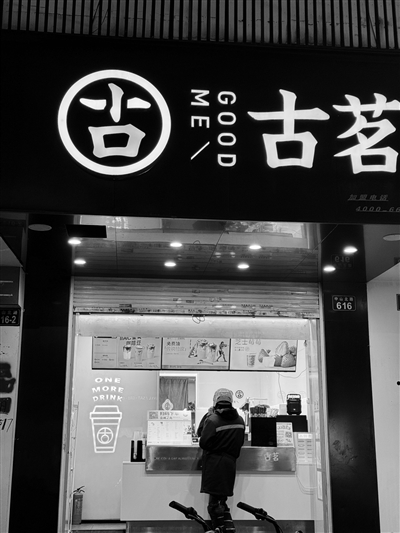
好利来再曝卫生问题;星巴克CEO薪酬缩水;安踏拟入股彪马
Sou Hu Cai Jing· 2026-01-27 16:13
Group 1: Company News - Haolilai apologized for selling bread that had fallen on the floor, stating that the affected batch has been destroyed and employee training will be strengthened. The incident involved a new employee and occurred on January 25, 2026 [1] - Starbucks CEO Brian Niccol's total compensation for the fiscal year 2025 will be $31 million, a significant decrease from $96 million in fiscal year 2024 [2] - Anta Sports announced plans to acquire 29.06% of Puma SE for €1.505 billion, aiming to become the largest shareholder and enhance its global market position [3] - Mixue Ice City won a trademark infringement case against six similarly named companies, reinforcing its brand recognition as it prepares for a 2025 IPO [4] - Alibaba's charity initiative "Yiqi Hui Jia Guo Nian" promotes over 300 specialty products from 24 underdeveloped counties [5] Group 2: Industry Developments - The State Administration for Market Regulation penalized Shenzhen Romoss Technology for quality issues related to power banks, highlighting regulatory efforts to maintain market order [7] - Taobao Flash Sale participated in drafting the "Digital Service Standards for Elderly Meal Assistance," marking a significant step in community service [8] - JD.com launched a national subsidy program for specific 3C digital products, offering a 15% discount in 15 provinces [10] - Fat Donglai's founder announced a shift towards original research and development to enhance product quality [11] - Tmall International reported that 2,415 overseas brands opened their first stores on the platform in 2025, indicating strong growth in international brand presence [12] Group 3: Retail Expansion - Beijing Yonghui Supermarket's Hongkun Plaza store was forced to close due to property management issues, impacting its operations [15] - Sam's Club plans to open two new stores in Tianjin in 2026, with construction progressing as scheduled [16] - JD's Qixian Xiaochu brand is accelerating its national expansion, opening new stores in multiple cities [17] - Aote's store count in China reached 95, with plans to exceed 100 by the end of the first quarter [23] - McDonald's Shanghai location has reached 600 stores, with plans to expand to over 10,000 locations by 2028 [21] - Domino's Pizza opened its 1,405th store in Sanya, marking a significant milestone in its expansion strategy [21] - Master Kong's Chongqing smart production base has reached full production capacity, with a daily output of 150,000 boxes [21]


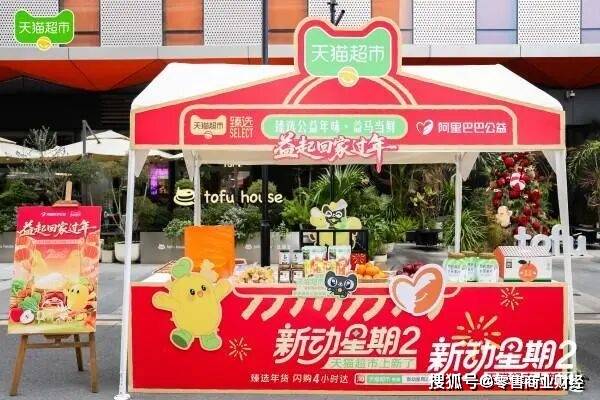
鸣鸣很忙国配获超44倍认购创近年来港股消费IPO之最,募资总额达36.7亿港元
IPO早知道· 2026-01-27 14:43
Core Viewpoint - Hunan Mingming Hen Mang Commercial Chain Co., Ltd. is set to become the first "bulk snack stock" in Hong Kong, having raised a total of HKD 3.67 billion through its IPO, with significant oversubscription rates in both public and international offerings [2][3]. Group 1: IPO Details - The company issued a total of 15,511,200 H-shares, with a public offering oversubscription rate of 1,899.49 times and an international offering oversubscription rate of 44.44 times, marking one of the highest rates for consumer IPOs in recent years [2][3]. - The total funds raised of HKD 3.67 billion surpassed the fundraising amounts of previous consumer IPOs, such as Mixue Ice City [2][3]. Group 2: Investor Participation - The IPO attracted a prestigious lineup of cornerstone investors, with eight investors collectively subscribing approximately USD 195 million, including Tencent and Temasek, each investing USD 45 million [3][4]. - Other notable investors included BlackRock, Fidelity, and various domestic and international asset management firms [3][4]. Group 3: Business Model and Operations - As the largest leisure food and beverage retail chain in China, the company operates under two brands, "Snacks Are Busy" and "Zhao Yiming Snacks," enhancing operational efficiency through a unified organizational structure [4][5]. - By September 30, 2025, the company had 19,517 stores across 28 provinces and all tiered cities in China, with plans to exceed 20,000 stores [4][5]. Group 4: Financial Performance - For the first three quarters of 2025, the company reported revenue of RMB 46.371 billion, a year-on-year increase of 75.2%, and an adjusted net profit of RMB 1.81 billion, reflecting a significant growth of 240.8% [7]. - From 2022 to 2024, revenue grew from RMB 4.286 billion to RMB 39.344 billion, with a compound annual growth rate (CAGR) of 203%, while adjusted net profit increased from RMB 0.081 billion to RMB 0.913 billion, achieving a CAGR of 234.6% [7]. Group 5: Market Position and Growth Potential - The Chinese leisure food retail market is projected to grow from RMB 3.7 trillion in 2024 to RMB 4.9 trillion by 2029, positioning the company as a unique investment opportunity in the Hong Kong market due to its scale advantages and supply chain barriers [7].
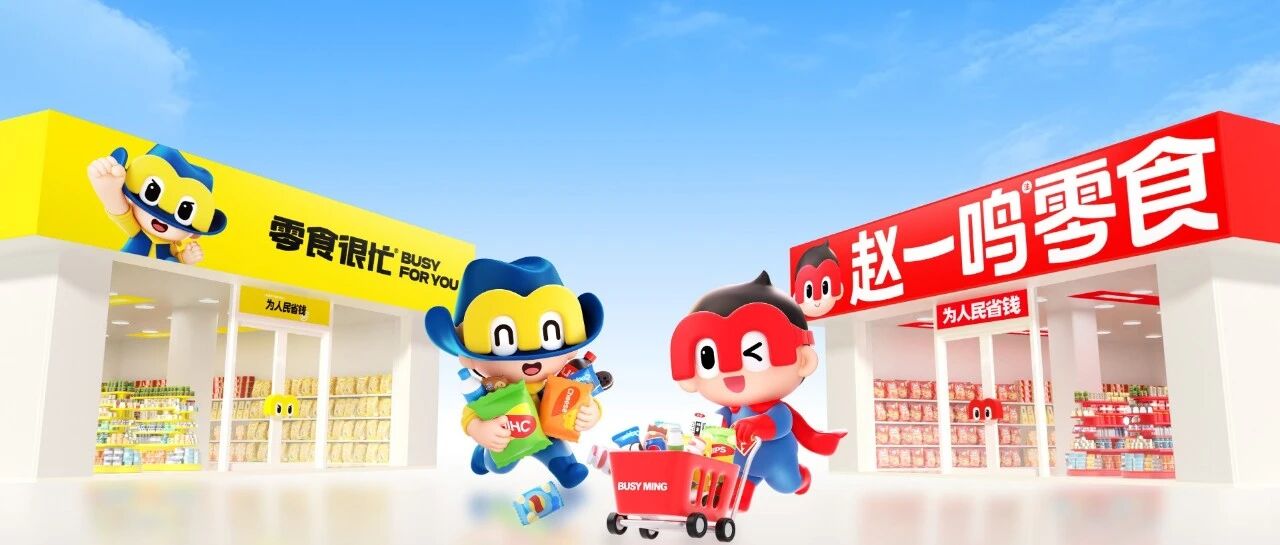
挪瓦咖啡获数亿元融资,投资人看中万店规模
Sou Hu Cai Jing· 2026-01-27 14:16
在传统咖啡门店模型中,营业时间通常局限于"早八晚十",但房租成本却是按24小时计算的。如何提升固定成本的剩余价值,是提升单店ROI(投资回报 率)的关键。挪瓦咖啡是目前行业内唯一一家主打24小时营业、全天候提供咖啡的连锁品牌。 挪瓦咖啡于2019年创立,以"低糖、低脂、健康"为差异化卖点,明星产品包括控糖版生椰拿铁、0乳糖A2拿铁等。 2025年,挪瓦咖啡的门店数量实现了快速增长。截至2024年底,挪瓦有1200多家门店。进入2025年后,1月门店数量破2000家,7月增至3000多家,下半年继 续加速扩张,到12月全球门店总数已经超过1万家。目前,中国门店数量破万家的咖啡品牌有4家,除挪瓦咖啡外,还有瑞幸咖啡、库迪咖啡和蜜雪冰城旗下 的幸运咖。 挪瓦咖啡采用轻资产扩张的方式,通过与便利店、网吧、加油站等高频消费场景合作,以"店中店"形式快速扩张。这种模式无需承担独立门店的租金、装修 及大部分人力成本,单店投入大幅降低 另外,快速开店得益于供应链建设。挪瓦咖啡已布局了自有咖啡生产与原料供应体系,其中咖啡烘焙工厂在2025年正式投产,其自动化程度可以原料成本下 降约5%,人工成本降低40%。此外,挪瓦咖啡还在全 ...

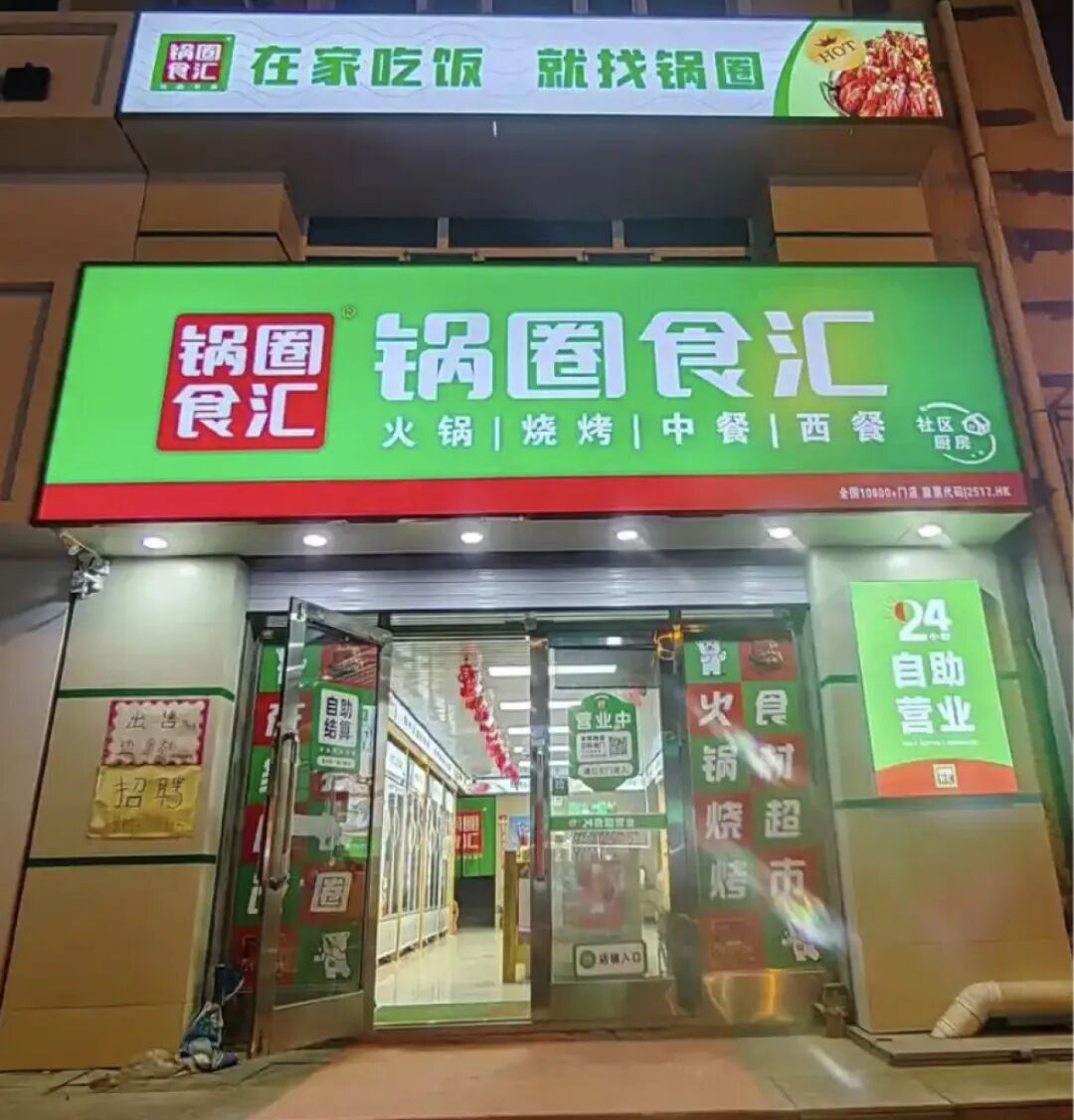
锅圈食汇再度写入河南省政府工作报告,门店已突破11500家
Sou Hu Wang· 2026-01-27 02:34
Group 1 - The core viewpoint of the article highlights the recognition of Guoquan Shihui in the Henan Provincial Government Work Report, emphasizing its role as a representative of new consumption and its innovative business model [2][3]. - Guoquan Shihui is identified as a leading one-stop meal product brand in China, offering a diverse range of products including hot pot, barbecue, beverages, single-serving meals, ready-to-cook packages, fresh food, Western cuisine, and snacks [3]. - By the end of 2025, Guoquan Shihui is projected to have over 11,500 stores nationwide and more than 60 million members, indicating its significant market presence and influence [3]. Group 2 - The report mentions the vigorous growth of the private economy in Henan, with 3.7 million new business entities established, highlighting the overall economic dynamism in the region [2]. - Key enterprises such as Muyuan, Yutong, and Hualan are noted for their strong performance, alongside emerging companies like Guoquan Shihui, which signifies a shift towards new business models in the province [2].
征程波澜壮阔 发展前景可期丨“十四五”时期和2025年工作回顾
He Nan Ri Bao· 2026-01-27 00:03
Core Insights - The article highlights the significant achievements during the "14th Five-Year Plan" period, emphasizing economic resilience and development in Henan province despite challenges such as the pandemic and various risks. Group 1: Economic Performance - The province's GDP reached 6.66 trillion yuan, with total fiscal revenue at 701.9 billion yuan, and industrial enterprises' revenue at 5 trillion yuan. Retail sales of consumer goods totaled 2.9 trillion yuan, while total import and export value was 935.67 billion yuan [1] - The province has 11.605 million business entities, and the urbanization rate of the permanent population is 60% [1] Group 2: Industrial Transformation - Strategic emerging industries accounted for over 25% of the industrial added value, with seven major industrial clusters contributing over 70% to the industrial output [1] - The province boasts three global "lighthouse factories," 16 national-level excellent smart factories, 450 specialized and innovative "little giants," 59 manufacturing champions, 12,800 national high-tech enterprises, and 30,000 technology-based SMEs [1] Group 3: Rural Revitalization - The article mentions effective measures taken for rural revitalization, although specific details are not provided [1] Group 4: Reform and Opening Up - Strategic restructuring was achieved for 19 enterprises, including China Pingmei Shenma Group and Henan International Group. The establishment of new entities like Henan Rural Commercial Bank was also noted [1] - 3.7 million new business entities were added, with leading companies like Muyuan, Yutong, and Hualan expanding, alongside the emergence of new enterprises like Pandonglai and Mixue Ice City [1] Group 5: Environmental Improvement - The water quality of the Yellow River has met Class II standards for six consecutive years, and the water quality of the South-to-North Water Diversion project remains stable at Class II or above [1] Group 6: Social Welfare - Urban employment increased by 6.037 million, with 2.462 million rural laborers transferring to new jobs. The per capita disposable income of residents grew by an average of 6% annually [1]