
鸿蒙智行

Search documents
不登山不打猎,为何年轻人抢穿“猎装”?
3 6 Ke· 2025-11-25 11:20
Group 1 - The article highlights the resurgence of hunting apparel, particularly Barbour jackets, which have transitioned from rural aristocracy to urban fashion statements for the new middle class [1][2][4] - Barbour, founded in 1894, originally provided functional clothing for sailors and fishermen, but has evolved into a symbol of heritage and quality, appealing to modern consumers seeking sustainable fashion [2][4] - The rise of Barbour in the Chinese market is closely linked to the emergence of the new middle class, with projections indicating an increase of 80 million middle-class and affluent individuals by 2030, contributing to market resilience [4][9] Group 2 - The hunting apparel trend reflects a cultural expression of outdoor aesthetics, aligning with the "old money" style that emphasizes understated luxury and quality [10][12] - The popularity of hunting jackets signifies a return to "slow fashion" and practicality, with consumers valuing durability and timeless aesthetics over fast fashion [12][14] - The inclusion of young female consumers in the hunting apparel market has revitalized the trend, breaking traditional gender boundaries and increasing brand engagement on social media [14][16] Group 3 - The outdoor consumption trend has seen significant growth, with a 90% increase in outdoor sports users since 2019, indicating a shift in consumer interests towards outdoor lifestyles [17][23] - The concept of "outdoor lifestyle" is becoming integrated into urban settings, with over 60% of surveyed users wearing sports apparel while shopping, reflecting a blend of fashion and outdoor culture [24][32] - The narrative around outdoor products is shifting from hard functionality to soft storytelling, focusing on consumers' aspirations for an ideal lifestyle rather than just the products themselves [32][33]


MPV迎来中国答案,谁能重塑格局?
3 6 Ke· 2025-11-22 11:01
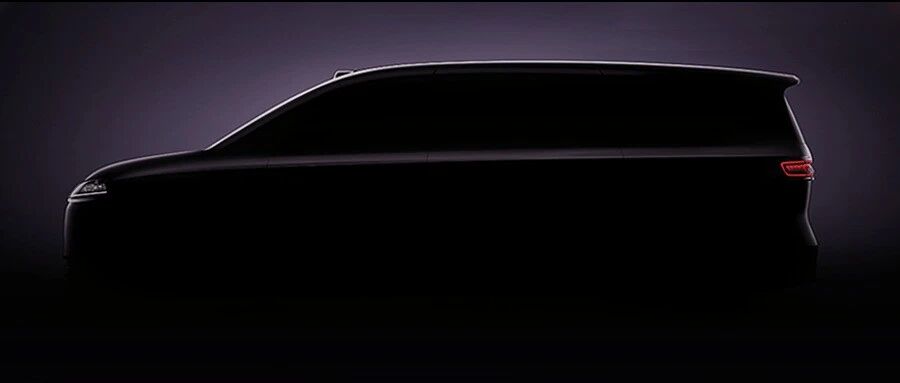
Core Insights - The article discusses the entry of Hongmeng Zhixing into the high-end MPV market with its upcoming "9 Series flagship" MPV, aiming to redefine the segment and address existing market gaps [3][6][21] Market Context - The high-end MPV segment has seen little innovation compared to SUVs and sedans, with existing models like Toyota Sienna and Buick GL8 dominating the market [3][6] - MPVs currently hold less than 5% market share, with sales of 867,000 units from January to October 2025, reflecting a growth rate of only 2.1%, significantly lower than the overall passenger vehicle market [6][8] Consumer Needs - There are three fundamental pain points in the MPV market: 1. Space equality, ensuring comfort for all passengers [7] 2. Role balance, allowing for both immersive riding and engaging driving experiences [7] 3. Intelligent scene adaptation, providing tailored smart cabin experiences for various passenger needs [7] Product Positioning - The 9 Series flagship MPV is positioned to leverage Hongmeng Zhixing's existing technology and high-end product experience, completing its product matrix from sedans to SUVs and now MPVs [8][9] - The anticipated price range for the 9 Series flagship MPV is between 450,000 to 550,000 yuan, targeting a competitive segment that includes both traditional luxury brands and emerging players [12][10] Competitive Advantage - The MPV aims to break traditional luxury market rules by offering high-end features without the associated premium pricing, thus democratizing luxury experiences [14][16] - The vehicle is expected to incorporate advanced technologies such as a flat battery layout for improved space utilization and a digital chassis system for enhanced ride comfort [15][16] Strategic Implications - The launch of the 9 Series flagship MPV represents a strategic move for Hongmeng Zhixing to capture a larger share of the MPV market, which has been historically underserved [17][18] - The company aims to redefine what constitutes a "better MPV," focusing on technology-driven solutions that enhance user experience and challenge existing market players [21][19] Industry Impact - If successful, the 9 Series flagship MPV could force competitors to rethink their strategies, moving beyond mere incremental upgrades to more substantial innovations in safety, intelligence, and service [21] - The entry of Hongmeng Zhixing into the MPV segment is seen as a potential game-changer, with the ability to expand the market and redefine consumer expectations [21][19]

MPV迎来中国答案,谁能重塑格局?
36氪· 2025-11-22 10:50
Core Viewpoint - The article discusses the potential transformation of the high-end MPV market in China, highlighting the entry of Hongmeng Zhixing with its upcoming "9 Series flagship" MPV, which aims to redefine the segment through advanced technology and user-centric design [2][22]. Market Context - The MPV market in China has seen limited growth, with a market share of less than 5%, and a total sales volume of 867,000 units from January to October 2025, reflecting a year-on-year growth of only 2.1%, significantly lower than the overall passenger vehicle market [6][12]. - The demand for MPVs is driven by changing family structures and business needs, yet the market remains fragmented with no single brand dominating [17][21]. Pain Points in the MPV Market - The article identifies three fundamental pain points in the MPV market: 1. Space equality, addressing the discomfort of third-row passengers [8]. 2. Role balance, allowing for a seamless transition between driving and riding experiences [9]. 3. Intelligent scenario adaptation, ensuring that smart features cater to the complex needs of multiple passengers [10][20]. Hongmeng Zhixing's Strategy - Hongmeng Zhixing aims to leverage its expertise in high-end technology and product experience to create a high-end intelligent MPV that meets the needs of Chinese consumers [5][10]. - The upcoming 9 Series MPV is positioned to fill a gap in the product matrix, completing Hongmeng Zhixing's offerings from sedans to SUVs and now MPVs [9][18]. Competitive Positioning - The anticipated price range for the 9 Series flagship MPV is between 450,000 to 550,000 CNY, strategically placed to compete with both established luxury brands and emerging players in the market [12][15]. - The vehicle is expected to offer a luxurious experience without the traditional brand premium, thus appealing to consumers seeking value [13][15]. Technological Innovations - The 9 Series MPV is expected to incorporate advanced features such as a flat battery layout for improved seating comfort, high-end materials, and a sophisticated suspension system for a premium ride experience [13][14]. - The integration of HarmonyOS and smart driving technologies aims to enhance user experience, allowing the vehicle to adapt to different scenarios throughout the day [14][18]. Market Implications - The introduction of the 9 Series MPV could redefine consumer expectations in the high-end MPV segment, pushing competitors to innovate beyond mere design updates [20][21]. - The article suggests that the success of the 9 Series MPV could lead to a broader acceptance of MPVs as a mainstream choice for families and businesses, potentially expanding the market [17][22].
广州国际车展11月21日开幕
Nan Fang Ri Bao Wang Luo Ban· 2025-11-21 08:13
Group 1 - The 23rd Guangzhou International Auto Show opened on November 21, showcasing nearly 100 new car launches and over 1,000 exhibition vehicles, with a focus on "New Technology, New Life" [1] - The exhibition covers an area of 220,000 square meters, featuring 93 new car debuts and a total of 1,085 vehicles on display, including 629 new energy vehicles [1] - Major global automotive brands such as BMW, Mercedes-Benz, Volkswagen, and various domestic brands like BYD and Geely are participating, alongside new energy vehicle startups like NIO and Xpeng [1] Group 2 - China's automotive industry is transitioning from "catching up" to "leading," with a significant shift from "scale-driven" to "technology-driven" development [2] - In the first half of this year, the penetration rate of new energy vehicles in China reached 50.2%, surpassing the 20% target set for 2025 in the "New Energy Vehicle Industry Development Plan (2021-2035)" [2] Group 3 - The Guangzhou International Auto Show will run until November 30, with the automotive industry chain and culture exhibition area open until November 24 [3]
汽车厂家瞄准天空和家庭
Zhong Guo Zhi Liang Xin Wen Wang· 2025-11-20 03:35
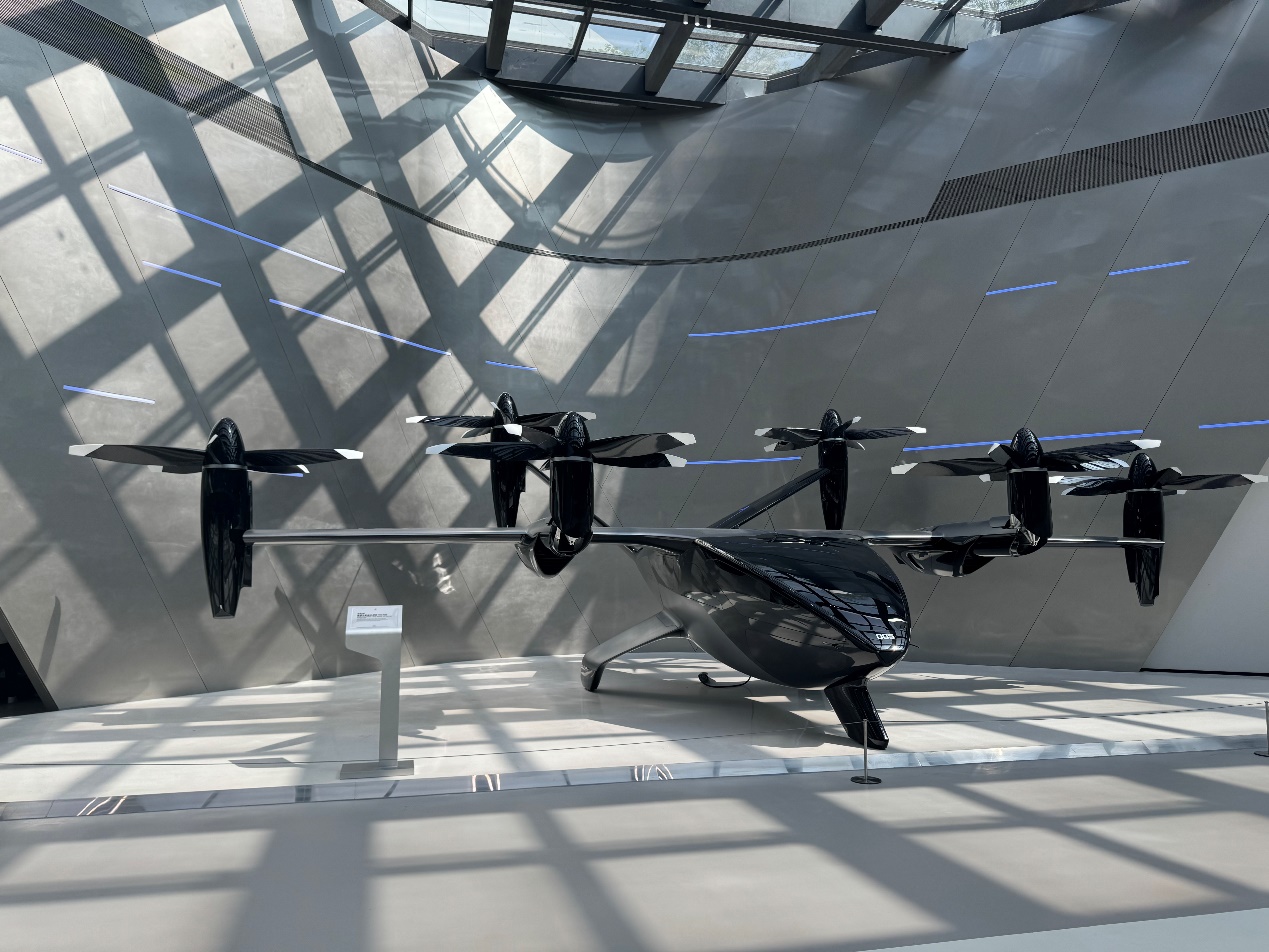
Core Viewpoint - The automotive industry is shifting its focus from traditional vehicles to innovative technologies such as flying cars and humanoid robots, indicating a transformation towards a broader concept of mobility and smart living [1][4][12] Group 1: Industry Trends - Major Chinese automotive companies like XPeng, Changan, and GAC Group are increasingly interested in flying cars and humanoid robots, showcasing their technological advancements at events like the Guangzhou International Auto Show [2][4] - The annual sales of passenger vehicles in China have stabilized, prompting companies to explore new avenues beyond traditional car manufacturing to sustain growth and profitability [4][5] Group 2: Technological Advancements - The core competencies of "new energy" vehicles, such as advanced driver assistance systems and high-performance batteries, are being leveraged to develop flying cars and humanoid robots, creating a synergistic effect [5][6][8] - Chinese companies are leading in AI technology for automotive applications, which can be directly applied to flying vehicles and robots, enhancing their capabilities in perception, decision-making, and control [6][8] Group 3: Market Opportunities - The transition to flying cars and humanoid robots is seen as a way for automotive companies to escape the limitations of traditional vehicle manufacturing and create new value in smart mobility [4][11] - The introduction of flying cars is expected to alleviate ground traffic congestion and reduce commuting times, while humanoid robots may become essential household items, especially in aging societies [11][12] Group 4: Consumer Experience - Automotive companies are not just manufacturing vehicles but are evolving into providers of AI-driven mobility solutions, enhancing consumer experiences through innovative products that integrate into daily life [8][12] - The development of new vehicle types and technologies is aimed at meeting diverse consumer needs, thereby expanding market segments and strengthening brand influence [8][11]
新能源车企“银十”成绩单普涨,广汽埃安却掉队了
凤凰网财经· 2025-11-13 06:36
Core Insights - The article highlights the sales performance of various electric vehicle manufacturers in October, showcasing significant growth for many domestic brands and new energy vehicle startups [2][4]. Sales Performance Summary - BYD sold 441,706 units in October, experiencing a year-on-year decline of 12.13% but a month-on-month increase of 11.47% [1]. - Geely New Energy reported sales of 177,882 units, marking a year-on-year increase of 63.61% and a month-on-month increase of 7.68% [1]. - Chery New Energy achieved sales of 110,346 units, with a year-on-year growth of 54.70% and a month-on-month increase of 20.48% [1]. - Leap Motor surpassed 70,000 units for the first time, delivering 70,289 vehicles, a year-on-year increase of over 84% [4]. - Hongmeng Zhixing delivered 68,216 units, also achieving a record high for monthly deliveries [4]. - Great Wall New Energy sold 46,155 units, with a year-on-year increase of 44.06% [1]. - NIO delivered 40,397 units, reflecting a year-on-year growth of 92.59% [4]. - Xiaomi's sales exceeded 40,000 units, continuing a strong performance from September [5]. - Li Auto's sales fell to 31,767 units, down 38.25% year-on-year and 6.43% month-on-month [6]. - Aion's sales were 27,014 units, down 32.55% year-on-year and 7.21% month-on-month [6]. Market Trends and Challenges - 75% of the 16 automotive companies reported both year-on-year and month-on-month growth in October, indicating a robust market recovery [6]. - Li Auto's decline is attributed to recent controversies, but the company is optimistic about the upcoming launch of the Li i6 model, which has already received over 70,000 orders [6][4]. - Aion's continuous decline over six months is linked to its brand positioning and market strategy, which has not resonated well with personal consumers despite initial success in the ride-hailing segment [7][8].


黄金大涨;纳指涨超2%,中国资产爆发;卫星未进入轨道,遥十九发射失利;低价银行直供房大增,有成交价低于市场估价25%丨每经早参
Mei Ri Jing Ji Xin Wen· 2025-11-10 23:14
Group 1 - International gold prices have risen significantly, with spot gold up 2.81% at $4,113.26 per ounce and COMEX gold futures up 2.73% at $4,119.20 per ounce [1][5] - The U.S. stock market indices closed higher, with the Dow Jones up 0.81%, S&P 500 up 1.54%, and Nasdaq up 2.27% [1][5] - Chinese concept stocks also saw gains, with the Nasdaq China Golden Dragon Index rising 2.25% [1][5] Group 2 - A property valued at approximately 2 million yuan was sold for 1.5 million yuan through a third-party auction platform, indicating a trend of "bank direct supply housing" as banks accelerate property sales [2][12] - This direct sale model primarily involves properties acquired through the disposal of non-performing loans, with banks aiming to enhance debt recovery rates during the real estate market adjustment period [2][12][13] Group 3 - The State Council issued measures to promote private investment, encouraging private capital participation in various infrastructure projects with a potential holding ratio of over 10% [7] - The National Development and Reform Commission and the National Energy Administration released guidelines to establish a new power system adaptable to high proportions of renewable energy by 2035 [8] Group 4 - The first logistics public data sharing list in China was released, aiming to break down "data silos" in the logistics industry and enhance data sharing among various departments [9] - The Ministry of Transport announced a one-year suspension of special port fees for U.S. vessels, aligning with the consensus reached in U.S.-China trade negotiations [10] Group 5 - Global central bank gold holdings have surpassed U.S. Treasury bonds for the first time since 1996, with gold prices increasing nearly 50% this year [11] - The southbound capital net purchase in Hong Kong stocks has exceeded 130 billion HKD this year, marking a new milestone [11] Group 6 - CPE Yuanfeng announced a strategic partnership with Burger King China, injecting $350 million to support expansion and operations, acquiring approximately 83% of the company [16] - Fuzhou Life Insurance received approval for its insurance license, marking a significant step in its establishment process [17] Group 7 - Tesla's Cybertruck project leader announced his departure after over eight years with the company, which may impact future product development and supply chain management [19] - Several banks, including Bank of China, are shutting down certain apps to optimize resource allocation and enhance user experience [20]

险企加码布局“智驾险” “三小一高”待破局
Zhong Guo Jing Ying Bao· 2025-11-07 19:16
Core Insights - The rise of smart vehicles is reshaping the automotive industry and presenting significant opportunities and challenges for insurance services [1] - The penetration rate of new cars with Level 2 (L2) driving assistance functions in China reached 62.58% from January to July this year, with predictions indicating that over 90% of new cars will have L2 or higher capabilities in about ten years [1] - Regulatory bodies are emphasizing the need for the insurance industry to adapt to the impacts of smart driving and rapid vehicle model iterations [1][2] Group 1: Opportunities in Smart Driving Insurance - The insurance industry is expected to innovate products to meet new demands arising from smart driving technologies, shifting responsibility from human drivers to technology [1][4] - There is a vast potential for insurance products based on traditional car insurance, with extensions for smart driving responsibilities, including software/hardware failures and cybersecurity risks [4][7] - The establishment of a cross-industry communication platform for smart driving insurance is underway, aiming to connect insurance companies and the automotive industry [2] Group 2: Challenges in Smart Driving Insurance - The complexity of responsibility identification in smart driving accidents poses significant challenges for insurance companies, as multiple parties are involved [5][8] - The current smart driving insurance market in China is characterized by small premium volumes, low policy counts, and high uncertainty regarding risks [8] - Many existing "smart driving insurance" products are more service-oriented rather than traditional insurance contracts, indicating a need for regulatory clarity [8] Group 3: Market Trends and Innovations - Customized and exclusive insurance products are emerging, driven by the unique risk characteristics of different vehicle models and software versions [6][7] - Insurance companies are collaborating with automakers to embed insurance into the usage and activation scenarios of smart features, enhancing customer retention [4][6] - The insurance value chain is evolving from mere risk compensation to a model that includes services, risk control, and data-driven pricing [7]


告别“时间焦虑”,鸿蒙智如何行用“超预期服务”赢得用户?
Mei Ri Shang Bao· 2025-11-07 11:06
Core Viewpoint - The article emphasizes that the essence of efficiency in the automotive service industry is the respect for users' time, as demonstrated by Hongmeng Zhixing's innovative services that significantly reduce waiting times for vehicle delivery and maintenance [2][4][17] Group 1: Efficiency Innovations - Hongmeng Zhixing has introduced a "one-hour vehicle delivery" service by streamlining procedures, liberating users from time-consuming processes [4] - The company offers a "45-minute basic maintenance" service with a guarantee of free service if it exceeds the time limit, addressing users' time anxiety [4] - The "Starry Night Service" system extends operating hours of over 200 stores until midnight, allowing busy professionals to utilize their after-work hours for vehicle maintenance [4][15] Group 2: Emotional Connection - The service includes a "careful preparation" standard for vehicle delivery, ensuring that each car is in optimal condition for the user [6] - The "Fun Delivery" service allows for personalized vehicle delivery ceremonies, enhancing the emotional significance of the experience [6][12] Group 3: Continuous Care - The "Warm Accompaniment" service transforms waiting times into enjoyable experiences by providing dining options and value-added services [8] - The "Come Home Often" user feedback system reflects ongoing care through periodic activities and events [8][12] Group 4: Comprehensive Safety Network - Hongmeng Zhixing's safety system goes beyond traditional warranties, offering a comprehensive safety net for various driving scenarios [10] - Most stores promise a substitute vehicle or compensation if repairs exceed 24 hours, ensuring uninterrupted travel for users [10][15] - The company provides a "no-worry service" for advanced driving assistance features, covering multiple scenarios with a maximum coverage limit of 5 million [13] Group 5: Long-term Relationship Building - The "superior service" system aims to build a long-term, trust-based relationship with users, proving that true high-end service in the smart automotive era is defined by the warmth and breadth of user experience [17]

鸿蒙智行:智界汽车跨年购置税补贴延期
Di Yi Cai Jing· 2025-11-06 12:30
Core Viewpoint - The announcement from Hongmeng Zhixing indicates an extension of the purchase tax subsidy for the Zhijie R7 and Zhijie new S7 models until December 1, 2025, allowing customers to benefit from a subsidy of up to 15,000 yuan [1] Group 1 - The purchase tax subsidy is applicable for customers who complete the order and confirm the delivery plan for the Zhijie R7 and Zhijie new S7 models by the specified deadline [1]