
三星电子

Search documents
刚刚!存储巨头联手减产NAND!
国芯网· 2026-01-20 12:00
Core Viewpoint - The article discusses the reduction in NAND flash production by major South Korean manufacturers Samsung Electronics and SK Hynix, which together account for over 60% of global NAND capacity, potentially exacerbating supply shortages in the market [2][4]. Group 1: Production Capacity and Trends - Samsung Electronics plans to invest a total of 4.68 million NAND wafers this year, while SK Hynix aims for 1.7 million wafers, resulting in a combined year-on-year capacity decrease of approximately 6.2% [4]. - The shift in production focus from NAND to DRAM is driven by higher profitability in DRAM, leading to reduced investment in NAND capacity [4]. - The demand for large-capacity SSDs in AI data centers is prompting manufacturers to transition production lines from TLC to QLC architectures, which naturally reduces output during the conversion process [4]. Group 2: Competitive Landscape - The rise of domestic manufacturers, particularly Yangtze Memory Technologies, which is expected to increase NAND flash production significantly starting in 2025, is influencing the production strategies of South Korean firms [4]. - The reduction in supply of general-purpose NAND flash for mobile devices and PCs is a strategic move to counteract low-price competition from Chinese manufacturers [4]. - TrendForce predicts a significant increase in NAND flash contract prices, with a forecasted rise of 33% to 38% in Q1 2026, attributing this to the conservative production stance of Samsung and SK Hynix [4].

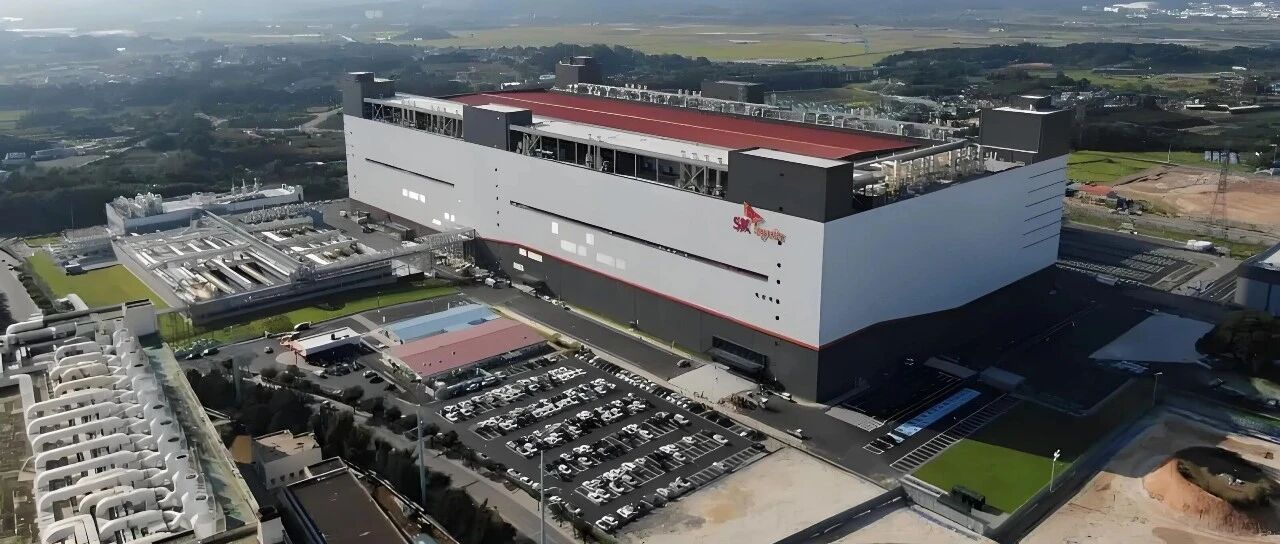
三星美国厂3月EUV光刻机试运行!
国芯网· 2026-01-20 12:00
1月20日消息,据报道,三星电子计划于3月在其位于美国得克萨斯州泰勒的晶圆厂启动极紫外光刻设备的测试运行,为2026年下半年的全面投产做准备。 国芯网[原:中国半导体论坛] 振兴国产半导体产业! 不拘中国、 放眼世界 ! 关注 世界半导体论坛 ↓ ↓ ↓ 该工厂将根据2025年7月签署的价值165亿美元的合同,生产特斯拉的AI5和AI6自动驾驶芯片。 三星计划在今年晚些时候开始量产前,分阶段引进蚀刻和沉积设备。该公司正准备申请泰勒1号工厂的临时占用许可证,如果符合安全要求,该许可证将 允许在全面竣工前有限度地使用该设施。三星总部已派遣工程师前往该工厂,以加快良率稳定。 随着项目进入最后阶段,建设活动已全面展开,该工厂每天约有7000名工人进驻现场,其中包括负责收尾工作和设备安装的承包商。厂区内一座六层办公 楼已投入使用,约有1000名员工在此办公。 尽管该项目与原计划相比有所延误,但三星的目标是在四年内完成工厂建设。由ASML提供的EUV光刻机,每台价值超过5000亿韩元,计划于3月开始试 运行。 通过与特斯拉的合同,泰勒工厂的初期产能得到了保障,该合同涵盖下一代自动驾驶芯片AI5和AI6。特斯拉首席执行官马 ...
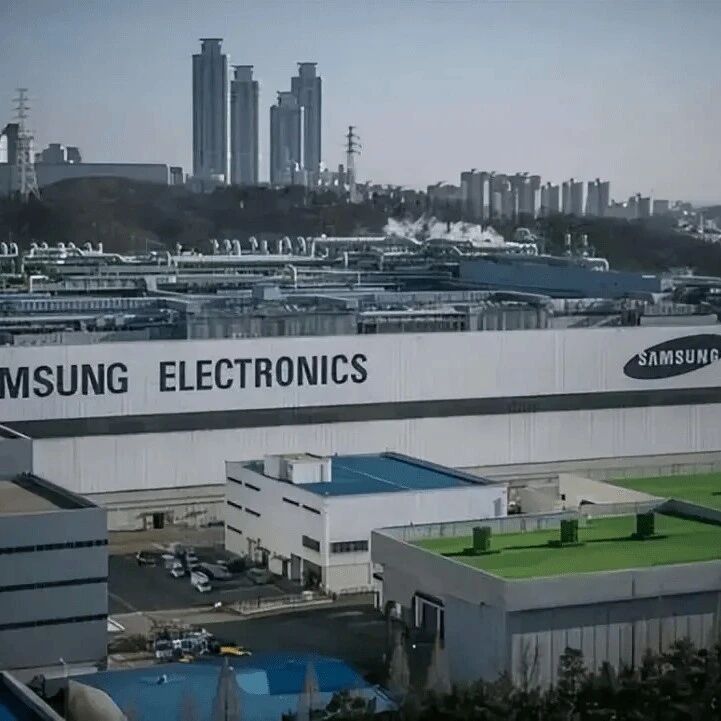
报道:三星美国厂3月启动EUV试产,计划下半年量产特斯拉AI芯片
Hua Er Jie Jian Wen· 2026-01-20 10:37
Group 1 - Samsung Electronics is accelerating the mass production process at its first wafer fab in the U.S., planning to start trial operations of extreme ultraviolet lithography (EUV) equipment in March this year to prepare for mass production of Tesla's AI5 and AI6 autonomous driving chips [1] - The construction of the facility is nearing completion, with approximately 7,000 workers on-site daily, and about 1,000 already working in the office building [1] Group 2 - The Taylor factory in Texas covers approximately 4.85 million square meters, exceeding the combined area of Samsung's two factories in Korea, and has reserved land for an additional 10 wafer fabs, indicating a long-term expansion strategy in the U.S. [2] - Initially planned as a 4nm chip production base, the strategic goal has shifted to a monthly production of 50,000 2nm wafers, reflecting a clear direction towards advanced process technology [2] Group 3 - Yield remains a core challenge for Samsung in the competitive landscape of advanced semiconductor processes, with TSMC expected to start 2nm mass production in Taiwan by the end of 2025, achieving initial yields of 70% to 90%, while Samsung's 2nm pilot line has not yet reached this level [3] - Samsung has reportedly improved its 2nm process yield to about 50% and is beginning to promote its second-generation 2nm technology, SF2P, which is crucial for meeting supply commitments to key customers like Tesla [3]
当黄仁勋将存储定义为「AI运行内存」,基础设施该如何实现物种进化?
机器之心· 2026-01-20 10:19
Core Insights - The article discusses the unprecedented demand for DRAM and storage solutions driven by AI computing needs, highlighting a significant structural shortage in the global memory market [2][4] - XSKY, a company that has evolved into a leader in China's object storage market, is addressing the challenges posed by AI infrastructure through its AIMesh product strategy, which aims to transform data centers into AI factories [5][10] Group 1: Market Dynamics - The global DRAM wafer demand is projected to reach approximately 40% of the total global DRAM wafer capacity due to agreements between OpenAI and major suppliers like Samsung and SK Hynix [2] - Major tech companies, including Microsoft and Google, are actively negotiating for more DRAM and high-bandwidth memory (HBM) supplies to meet their AI needs [2] - NVIDIA's CEO Jensen Huang predicts that the market for AI-related data storage will become one of the largest globally, necessitating a fundamental restructuring of storage technology [3][4] Group 2: XSKY's Strategic Positioning - XSKY has achieved over 50% growth in the past three years and has significantly increased its all-flash storage ratio to 35% [8] - The company has established 280 superclusters with over 10 PB capacity, demonstrating its capability to handle large-scale storage demands [8] - XSKY's AIMesh strategy focuses on creating a neutral and open data foundation to facilitate the efficient transformation of proprietary data into intelligence [10][36] Group 3: Technological Innovations - XSKY's AIMesh solution aims to overcome three major efficiency barriers in AI: IO wall, gravity wall, and memory wall [14][30] - MeshFS, a parallel file system developed by XSKY, addresses the IO wall by enhancing read and write bandwidth significantly [18][22] - MeshSpace provides a global non-structured data platform that allows seamless data flow and management across different storage types, enhancing operational efficiency [25][29] Group 4: Future Outlook - XSKY emphasizes the importance of maintaining a stable data foundation to support rapid advancements in computing power, adhering to the "data evergreen" philosophy [36][41] - The company aims to be a guardian of enterprise data assets while accelerating the AI journey for businesses, ensuring that proprietary data is effectively transformed into competitive advantages [38][41]
美国芯片,抓到机遇了
半导体芯闻· 2026-01-20 10:05
Core Viewpoint - The article discusses the strategic moves of U.S. semiconductor companies, particularly Micron and Intel, in response to the U.S. government's tariffs on semiconductor imports from South Korea and Taiwan, highlighting their efforts to expand capacity and gain a competitive edge in the semiconductor market [2][3]. Group 1: Micron Technology - Micron Technology, the third-largest memory semiconductor company globally, plans to acquire Taiwan's PSMC's P5 factory for $1.8 billion (approximately 2.66 trillion KRW), which includes a 300mm wafer cleanroom [2]. - The P5 factory currently operates at 20% capacity, producing 50,000 wafers per month, but plans to expand DRAM production starting in 2027 [2][3]. - This acquisition aims to address the growing global demand for storage and is expected to create synergies with Micron's existing facilities in Taiwan [2]. Group 2: Intel Corporation - Intel is accelerating its semiconductor business revival with a $28 billion (approximately 41 trillion KRW) investment in a wafer fabrication plant in Ohio, which is one of the largest semiconductor projects in the U.S. [3]. - The Ohio project, supported by $8.9 billion in government funding under the CHIPS Act, aims to produce advanced 1.4nm products and is expected to begin operations between 2030 and 2031 [3]. - Intel has recently hired GPU expert Eric Demers to enhance its artificial intelligence accelerator strategy, which is seen as a significant move to improve its competitive position in the AI market [3].



台积电狂建封装厂
半导体芯闻· 2026-01-20 10:05
Core Viewpoint - TSMC plans to expand its advanced packaging (AP) factories to address capacity shortages and maintain its competitive edge in the semiconductor industry, particularly in advanced packaging technologies like CoWoS [1][4][6] Group 1: TSMC's Expansion Plans - TSMC is set to announce the construction of four advanced packaging factories in Tainan, including locations in Chiayi Science Park and Southern Science Park [1] - The company aims to start mass production at its AP factory 1 in the Ziyi Technology Park in the first half of this year [1] - TSMC's expansion is also a response to concerns about its potential transformation into "American TSMC" due to recent factory expansions in the U.S. [1] Group 2: Advanced Packaging Technology - The global tech industry is in a fierce competition for advanced packaging technology, particularly TSMC's CoWoS, which is crucial for connecting high-performance chips with ultra-fast memory [4][5] - The complexity of modern AI hardware and the need for advanced packaging techniques like CoWoS-L are creating significant bottlenecks in the supply chain [5][6] - TSMC's shift to hybrid bonding technology enhances performance and reduces heat but requires stringent cleanroom conditions, elevating the risk associated with packaging processes [6] Group 3: Market Dynamics and Competition - NVIDIA has secured nearly 60% of TSMC's CoWoS capacity for 2026, forcing competitors like AMD and Broadcom to vie for the remaining capacity [7] - The advanced packaging secondary market is rapidly maturing, with companies like Intel and Samsung offering alternatives to TSMC's services [8] - The dependency on TSMC for advanced packaging remains a vulnerability for the industry, as geopolitical stability in Taiwan is critical for global AI economic growth [8] Group 4: Financial Performance and Projections - TSMC reported a record revenue of $122.42 billion in 2025, a 35.9% year-over-year increase, with a net profit of $55.18 billion [14][20] - The company anticipates significant capital expenditures to meet future chip etching and packaging demands, with estimates suggesting $250 billion over the next few years [22] - AI-related revenue is projected to grow substantially, with estimates indicating that AI accelerator sales could account for approximately 27.3% of total revenue by 2025 [27][28]

存储巨头,利润大增
半导体芯闻· 2026-01-20 10:05
Core Viewpoint - Samsung Electronics' memory division is narrowing the profit gap with SK Hynix, primarily due to a rapid increase in DRAM prices since the second half of last year, benefiting Samsung significantly due to its higher market share in shipments [1][2]. Group 1: Financial Performance - Samsung Electronics reported preliminary sales of 93 trillion KRW and an operating profit of 20 trillion KRW for the last quarter, with the memory semiconductor division's operating profit expected to be in the high range of 17 trillion KRW [1]. - The operating profit for Samsung's memory division nearly doubled from the previous quarter's approximately 8 trillion KRW, driven by severe supply shortages causing prices of DRAM and NAND products to surge [1]. - SK Hynix initially projected an operating profit between 16 trillion to 17 trillion KRW, but due to a stronger-than-expected memory supercycle, the profit could reach at least 18 trillion KRW [1][2]. Group 2: Market Trends - The average selling price (ASP) of DRAM and NAND is expected to rise by approximately 30% [1]. - TrendForce predicts that the average selling price of general DRAM will increase by 55% to 60% quarter-on-quarter in the first quarter of this year [2]. - The memory supercycle in the fourth quarter of last year has led both companies to confirm their best quarterly performances ever, with Samsung's high production of general memory contributing to its rapidly improving profitability [2]. Group 3: Future Outlook - Samsung Electronics is expected to surpass SK Hynix in operating profit for the first quarter of this year due to the anticipated significant rise in general DRAM prices [2]. - Both companies are set to release their fourth-quarter financial reports on the same day, marking a significant event in the semiconductor industry [2].

韩媒称“三星、SK海力士预计今年继续减产NAND闪存”,以追求利润最大化
硬AI· 2026-01-20 09:09
Core Viewpoint - Despite the surge in demand driven by artificial intelligence, South Korea's major memory chip manufacturers, Samsung Electronics and SK Hynix, will continue to cut NAND flash production this year, which is expected to lead to rising NAND prices across various sectors, enhancing profit margins comparable to DRAM for both companies [1][4]. Group 1: NAND Production and Market Dynamics - Samsung's NAND wafer production is projected to decrease from 4.9 million units last year to 4.68 million units this year, even lower than the reduction planned for 2024 due to declining profitability [1]. - SK Hynix's NAND production is expected to drop from approximately 1.9 million units last year to 1.7 million units this year [1]. - Together, Samsung and SK Hynix hold over 60% of the global NAND flash market share, and their production cuts are occurring amid intensified competition in AI-driven applications [1][4]. Group 2: Price Expectations - Major market research firms anticipate a comprehensive increase in NAND prices starting from the first quarter of this year, with TrendForce predicting a contract price rise of 33% to 38% compared to the previous quarter [6]. - IDC forecasts a 17% growth rate in NAND supply this year, which is below the average levels seen in recent years [6]. Group 3: Record Bonuses and Profitability - The global storage chip supercycle driven by AI has resulted in historic profits, prompting Samsung and SK Hynix to issue their largest performance bonuses in years [2][9]. - Samsung's semiconductor division has confirmed that eligible employees will receive bonuses equivalent to 47% of their base annual salary, a stark contrast to the zero bonus rate in 2023 due to market downturns [9]. - SK Hynix has adopted a more aggressive profit-sharing plan, allocating 10% of its operating profit for bonuses, with average bonuses expected to exceed 140 million KRW, marking a historical high [9].

闪德资讯存储市场洞察报告 2025年7月
闪德资讯· 2026-01-20 08:45
Investment Rating - The report does not explicitly state an investment rating for the industry Core Insights - The overall manufacturing sector is under pressure, with a global manufacturing PMI mostly in contraction territory, particularly affected by US-China tariff policies [6] - Major manufacturers are competing for high-end processes and AI memory market share, with companies like Samsung, Micron, and SK Hynix leading the charge in high-performance memory technologies [6] - Supply chain dynamics are tightening due to capacity concentration and rising material costs, particularly in the DDR4 and Flash memory markets [6] - The market is experiencing a shift towards high-end demand driven by AI applications, while low-end markets face pressure [6] Summary by Sections Macroeconomic Overview - The global manufacturing PMI indicates a contraction, with China's PMI at 49.3% in July, reflecting a slight decline [7][17] - Export structures are improving, with a notable increase in the export of high-value electronic products [6][22] Original Manufacturer Dynamics - Leading manufacturers are focusing on high-performance memory technologies, with South Asia becoming a key supplier for DDR4 [6][29] - Domestic manufacturers are accelerating the construction of independent production lines in response to sanctions [6][29] Supply Chain Movements - The concentration of DDR4 production is shifting to a few manufacturers, while Flash memory faces shortages in mid-to-low capacity chips [6][29] - The market is currently in a phase of inventory reduction, with DRAM prices experiencing fluctuations [6][29] Market Trends - The DRAM market has shifted from a surge in June to a period of adjustment, with DDR4 prices declining and DDR5 demand increasing [6][29] - The NAND market is seeing price increases for low-capacity chips, driven by supply constraints and rising demand [6][29] Application Changes - AI is driving demand for high-performance memory and SSDs, while low-end smartphone markets are under pressure due to supply chain issues [6][34] Upstream Market - The memory market is experiencing supply tightness due to the end-of-life plans for DDR4, with South Asia emerging as a dominant supplier [6][29] - The transition to DDR5 is accelerating, with expectations of increased market penetration in the coming quarters [6][32] Foundry Market - The demand for mature process nodes is declining, impacting the utilization rates of foundries [6][51] - Companies are focusing on niche markets to mitigate the impact of reduced demand in traditional sectors [6][52] Storage Controller Market - New products like the MonTitan SM8466 PCIe Gen6 SSD controller are being introduced, enhancing performance and capacity for enterprise storage [6][54] - The demand for high-end storage solutions is increasing, driven by the rise of AI applications [6][55]
闪德资讯存储市场洞察报告 2025年11月
闪德资讯· 2026-01-20 08:45
Investment Rating - The report indicates a bullish outlook for the storage industry, projecting a high prosperity cycle from 2025 to 2026, driven by strong demand from AI data centers and significant price increases in DRAM and NAND products [7][27][31]. Core Insights - The global manufacturing sector is under pressure, with PMI indices in major economies indicating contraction, while China's PMI shows slight improvement but remains below the threshold [7][8][9]. - The storage industry is entering a strong cycle characterized by technological upgrades and rising prices, with major players like Samsung and SK Hynix expanding production of advanced DRAM and NAND technologies [7][27][31]. - Supply chain dynamics are tightening, with rising costs for raw materials and significant demand for NAND and DRAM leading to extended delivery times and price increases across the board [7][27][31]. - The current market is experiencing a shortage of storage products, with prices for DRAM, NAND, and SSDs seeing substantial increases, driven by AI demand and supply constraints [7][27][31]. Summary by Sections Macroeconomic Overview - Global manufacturing is facing challenges, with most PMI indices in contraction territory, indicating weak demand and slowing orders [7][8][9]. - China's manufacturing PMI shows a slight increase but remains below the critical level, reflecting a weak economic environment [7][18][22]. Storage Supply Chain - Major manufacturers like Samsung and SK Hynix are ramping up production of advanced memory technologies, with significant price increases expected for HBM and DDR5 products [7][27][31]. - The supply chain is experiencing upward pressure on costs due to rising prices of copper and glass fiber, impacting the cost of electronic materials [7][42][43]. Market Dynamics - The report highlights a significant shortage in the storage market, with prices for various memory products experiencing dramatic increases, driven by AI-related demand [7][27][31]. - The current market conditions are leading to a shift in purchasing strategies, with long-term contracts becoming more common as companies seek to secure supply [7][37][39]. Company-Specific Developments - Samsung is actively expanding its production capabilities and has recently increased prices for DDR5 memory modules significantly [27][29][31]. - SK Hynix is also enhancing its product offerings and has confirmed price increases for HBM4, reflecting strong demand from AI applications [31][35][36]. - Western Digital reported strong performance driven by AI demand, with expectations for continued growth in revenue and market share [36][37].