古茗

Search documents
华鑫量化全天候刷新历史新高
Huaxin Securities· 2025-05-27 07:34
- The "XinXuan ETF Absolute Return Strategy" aims to achieve both absolute returns and long-term relative returns compared to A-share equities through ETF trading within the XinXuan ETF pool[10][11] - The "All-Weather Multi-Asset Multi-Strategy ETF Risk Parity Strategy" combines industry rotation, style rotation, and risk parity strategies to enhance ETF usage precision and increase returns while reducing overall portfolio volatility[15][17] - The "China-US Core Asset Portfolio" incorporates strong trend assets like liquor, dividends, gold, and the Nasdaq index, using RSRS timing and technical reversal strategies to form a combined portfolio[21] - The "High Prosperity/Dividend Rotation Strategy" switches between high-growth and dividend strategies based on signals, adjusting ETF holdings accordingly[24] - The "Dual Bond LOF Enhanced Strategy" adjusts product weights to ensure a higher proportion of bond holdings, enhancing the strategy based on bond volatility[27] - The "Structured Risk Parity (QDII)" strategy replaces the XinXuan ETF pool with a strategy pool that includes QDII equity products, gold, and domestic dividend ETFs, focusing on long-term domestic bond ETFs[28][30] Model Backtest Results - XinXuan ETF Absolute Return Strategy: Total return 33.49%, annualized return 24.14%, maximum drawdown -6.30%, volatility 17.58%, Sharpe ratio 1.20[31] - High Prosperity/Dividend Rotation Strategy: Total return 48.99%, annualized return 34.78%, maximum drawdown -22.04%, volatility 34.79%, Sharpe ratio 0.96[31] - China-US Core Asset Portfolio: Total return 59.80%, annualized return 42.03%, maximum drawdown -10.86%, volatility 17.16%, Sharpe ratio 2.02[31] - Dual Bond LOF Enhanced Strategy: Total return 9.08%, annualized return 6.73%, maximum drawdown -2.26%, volatility 3.41%, Sharpe ratio 1.34[31] - Structured Risk Parity Strategy (QDII): Total return 23.59%, annualized return 17.18%, maximum drawdown -2.38%, volatility 4.92%, Sharpe ratio 2.84[31] - All-Weather Multi-Asset Risk Parity Strategy: Total return 19.69%, annualized return 14.40%, maximum drawdown -3.62%, volatility 4.48%, Sharpe ratio 2.58[15][31]
从短期爆款到长线资产,茶理宜世如何平衡联名流量的得与失?
Ge Long Hui· 2025-05-27 02:36
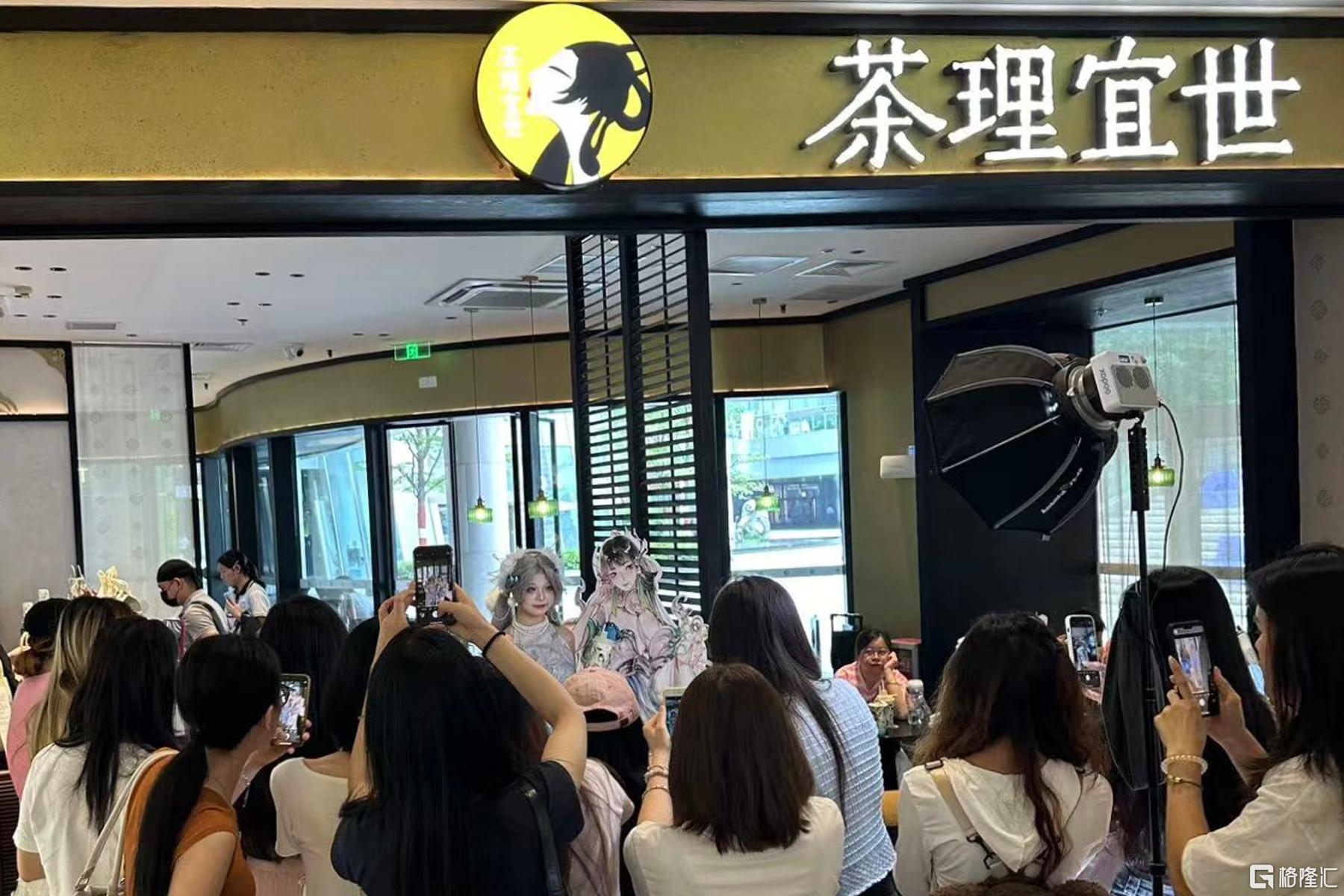
Core Insights - The article discusses the evolving landscape of brand collaborations in the tea beverage industry, particularly around the marketing opportunities presented by events like "520" [2][4] - It highlights a shift from quantity to quality in brand collaborations, with a focus on deeper integration and value creation rather than mere traffic generation [4][6] Brand Collaboration Trends - In the period from May 15 to May 20, 11 leading tea brands launched 7 new product series and engaged in 5 collaborations, including notable partnerships like Mixue Ice Cream and Zhou Dasheng, and Heytea with the civil affairs bureau [2] - Compared to the same period last year, the number of collaborations has decreased, indicating a potential shift in strategy within the industry [4] - In 2024, the number of collaborations among the top 10 tea brands reached 125, up from 106 in 2023, showing a growing trend in brand partnerships [4] Collaboration Strategies - Brands are diversifying their collaboration directions, engaging with various sectors such as film, animation, and gaming, and tailoring their strategies to fit their brand identity [4][10] - For instance, Heytea focuses on fashion brands to enhance cultural resonance, while Bawang Tea Princess collaborates with cultural IPs to strengthen the image of Eastern tea [4][10] Consumer Engagement and Experience - The collaboration between Tea Li Yi Shi and the game "Qian Nv You Hun" stands out for its innovative approach, integrating online and offline experiences to create a multi-dimensional consumer engagement [10][11] - This partnership includes themed stores, interactive promotions, and cross-platform rewards, enhancing user participation and brand visibility [11][14] Long-term Value Creation - The article emphasizes the importance of transforming collaborations into long-term brand assets rather than short-term marketing tactics, suggesting a model of "traffic conversion - emotional sedimentation - value co-creation" [21] - Successful collaborations should resonate with the brand's cultural narrative and foster deeper connections with consumers, which may lead to sustained brand loyalty and market differentiation [16][21]

惊爆,近40家门店集体改名,牵出餐饮加盟“黑幕”
3 6 Ke· 2025-05-26 12:44
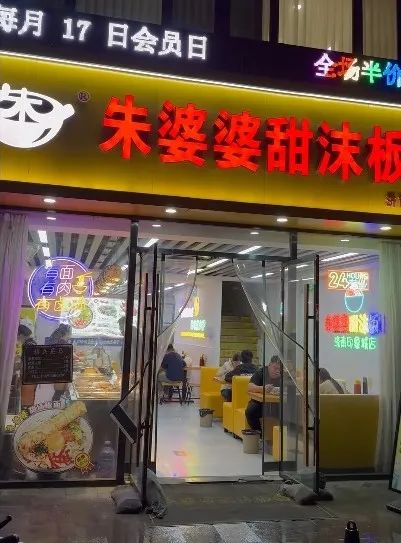
Core Viewpoint - The conflict between restaurant brands and franchisees is intensifying, exemplified by the recent name change of nearly 40 stores from "Electric Plant Noodle" to "Zhu Popo Sweet Noodle," highlighting the underlying tensions in the franchise model [1][2]. Group 1: Incident Overview - The incident involves the "Electric Plant Noodle" brand, which currently has nearly 50 stores [2]. - Franchisee Zhu Liye opened her first store in Jinan in 2021 and expanded to nearly 40 stores over four years [2]. - Disputes arose over rising franchise fees, which increased from 15,800 to 39,800, along with demands for substantial security deposits [2][3]. Group 2: Franchisee's Perspective - Zhu Liye expressed frustration over the lack of operational support from the brand, feeling that she was left to manage without adequate assistance [2]. - After refusing to pay the demanded security deposit, Zhu stopped purchasing core supplies from the brand and rebranded her stores [3]. Group 3: Brand's Perspective - The brand accused Zhu of mixing their proprietary ingredients with others to cut costs, justifying the demand for a security deposit [3]. - Following the rebranding, the brand issued legal notices claiming Zhu's actions constituted a breach of contract [3]. Group 4: Broader Industry Context - The article discusses the increasing frequency of disputes between restaurant brands and franchisees, citing examples like Xianhe Zhuang and Natural Daze, which faced similar legal challenges [4][7]. - Common issues include disagreements over return on investment timelines, rising operational costs, and inadequate support from brand headquarters [8][9][10]. Group 5: Future Trends - The franchise model is seen as a key avenue for growth and industry upgrade in the restaurant sector, with major brands like Haidilao and Hey Tea entering the franchise market [12]. - The emergence of professional franchisees who manage multiple locations is becoming more common, indicating a shift in the franchise landscape [14].
餐饮及潮玩行业周报-20250526
Haitong Securities International· 2025-05-26 06:32
Investment Rating - The report assigns an "Outperform" rating to several companies including Pop Mart, Anta Sports, Haidilao, and China Feihe, while Budweiser APAC is rated "Neutral" [1]. Core Insights - The report highlights significant developments in the F&B and designer toys sectors, including the opening of ChaPanda's first store in France and the launch of promotional activities by GOODME [6][7]. - Key financial results are reported, such as Super Hi International's Q1 revenue of $198 million, a 5% year-on-year increase, and MINISO's Q1 revenue of 4.43 billion yuan, a 19% year-on-year increase [6][7]. Weekly Performance Summary - In the F&B sector, top performers include GOODME (+13.0%), MIXUE (+11.2%), and ChaPanda (+6.3%), while underperformers include Yum China (-4.4%), Haidilao (-7.6%), and Super Hi International (-13.3%) [2][7]. - In the designer toys sector, Pop Mart (+12.3%) and Blokees (+8.9%) performed well, while MINISO (-9.9%) lagged behind [2][7]. Company Highlights - Pop Mart opened its first premium store in Chengdu SKP, enhancing its brand experience [6]. - 52TOYS submitted its IPO prospectus, reporting a 31% year-on-year revenue growth to 630 million yuan in 2024 [6].


古茗的一元冰水,拿捏所有人
半佛仙人· 2025-05-25 09:48
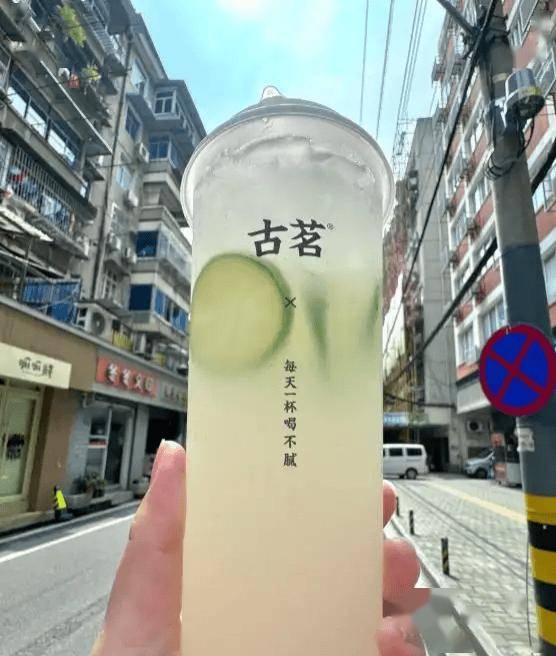
Core Viewpoint - The article discusses the innovative strategy employed by Gu Ming, a tea brand, to sell ice water for one yuan, which serves as a clever marketing tactic to attract customers into their stores and increase overall sales of higher-margin products [2][4][6]. Group 1: Marketing Strategy - The one yuan ice water acts as a "bait" to draw customers into the store, addressing the common challenge of attracting foot traffic to tea shops [2]. - This strategy leverages high-frequency demand for cold beverages in summer, making it a necessity for customers, thus increasing the likelihood of additional purchases [2]. - The approach is described as "Come Here, You Might as Well Buy" economics, where low-cost items lead to higher-margin product sales [2]. Group 2: Data and Customer Engagement - Customers can order the ice water through a mini-program or in-store, allowing Gu Ming to collect valuable consumer data for future targeted marketing [4]. - By encouraging customers to use their mini-program, Gu Ming aims to reduce reliance on external platforms, thereby lowering customer acquisition costs [4]. - The strategy also enhances customer loyalty through a points system tied to the purchase of ice water, potentially leading to increased sales of other products [4]. Group 3: Competitive Positioning - The one yuan ice water serves as a price anchor, positioning Gu Ming as a cost-effective option in the minds of consumers, which can influence their perception of the brand's other products [6]. - This tactic not only helps in brand recall but also creates a competitive edge by attracting customers who might otherwise choose competitors [6][7]. - The article highlights that while competitors may recognize this strategy, they face challenges in replicating it without compromising their own pricing structures [9]. Group 4: Cost Efficiency - The cost of producing ice water is minimal, primarily involving ice machines, water, and disposable cups, making it a financially viable product for Gu Ming [9]. - The strategy is designed to maximize profitability by utilizing existing resources while simultaneously creating a headache for competitors [9].

古茗推出2.5元柠檬水,低价策略背后的“降维竞争”
Sou Hu Cai Jing· 2025-05-25 05:41
Core Viewpoint - The tea beverage market is experiencing significant changes as Gu Ming introduces a low-priced product matrix centered around a 2.5 yuan fresh lemon water, aiming to disrupt industry competition by offering "freshly made drinks + extreme cost performance" [1] Group 1: Product Strategy - Gu Ming's fresh lemon water is made from freshly squeezed juice of Xishuangbanna fragrant lemons, which simplifies the production process and enhances store efficiency, leading to daily sales of hundreds of cups, with peak sales exceeding 30% [2] - The introduction of a 1 yuan ice water (500ml with ice) targets consumers' price sensitivity for basic beverages, with Gu Ming's founder stating that the competition is not with other tea beverage brands but with bottled water [5] Group 2: Market Logic - Gu Ming's low-price strategy has dual objectives: attracting traffic, as 60% of customers purchasing the 2.5 yuan lemon water also buy higher-margin products, raising the average transaction value to over 20 yuan, and covering various consumption scenarios throughout the day [5] - The company has established a three-temperature zone cold chain logistics system, reducing logistics costs by 15% compared to the industry, and ensuring fresh milk can reach stores within 48 hours from the farm [5] Group 3: Challenges and Concerns - Despite the rapid customer acquisition through low-priced products, there are emerging pressures on franchisees, with a reported gross margin of less than 20% for the 2.5 yuan lemon water and potential losses on the 1 yuan ice water [6] - The profit per store for Gu Ming has decreased from 376,000 yuan to less than 300,000 yuan in the first three quarters of 2024, with some regions experiencing an 11.7% franchisee attrition rate [6] Group 4: Industry Impact - Gu Ming's strategy reflects an intensifying "M-shaped market" segmentation in the tea beverage industry, with high-end brands like Heytea maintaining a 20 yuan price point focused on quality and innovation [7] - In the lower-tier market, Mixue Ice City dominates with a 4 yuan lemon water, while Gu Ming aims to penetrate the 2.5 yuan segment and cover the 5-18 yuan price range [8] - Gu Ming has surpassed 9,900 stores, with 79% located in second-tier cities and below, potentially shifting the industry focus from "single blockbuster competition" to comprehensive scenario and category penetration [9] Group 5: Consumer Feedback - On social media, creative combinations like "2.5 yuan lemon water + 0.8 yuan coffee liquid = iced Americano" have gained popularity, with consumer feedback being polarized; some appreciate the quality at low prices, while others criticize the lack of freshness in concentrated liquid [9] - Gu Ming has indicated that the low-priced products are a limited-time summer offering aimed at testing the market while avoiding long-term price dilution of the brand [9]
药王IPO敲钟,3900亿
36氪· 2025-05-24 14:07
Core Viewpoint - Heng Rui Pharmaceutical successfully listed on the Hong Kong Stock Exchange on May 23, 2023, achieving a market capitalization exceeding HKD 390 billion, marking the largest pharmaceutical IPO of the year [4][5]. Company Overview - Heng Rui Pharmaceutical's IPO price was set at HKD 44.05, with the stock opening nearly 30% higher [4]. - The cornerstone investors for this IPO included notable entities such as the Government of Singapore Investment Corporation (GIC), Invesco, UBS Global Asset Management, Hillhouse Capital, and Boyu Capital, with total subscriptions exceeding HKD 4.1 billion [4]. - The company was founded by Sun Piaoyang, who transformed a small pharmaceutical factory into a major player in the Chinese pharmaceutical industry [6][7]. Financial Performance - For the first three quarters of 2024, Heng Rui reported revenues of CNY 20.19 billion and a net profit of CNY 4.62 billion, with net profit reaching a historical high [11]. - The sales revenue from innovative drugs accounted for 47.7% of total revenue, indicating a significant contribution from generic drugs [11]. - The proportion of innovative drug sales increased from 38.1% in 2022 to 43.4% in 2023 [11]. Strategic Direction - The company aims to enhance its global presence through the Hong Kong listing, which is seen as a bridge for international expansion and brand recognition [12]. - The funds raised from the IPO will be used to build new production and R&D facilities both domestically and internationally [12]. Market Context - The Hong Kong stock market has seen a surge in IPO activity in 2023, with significant listings such as Ningde Times and Mixue Ice City, contributing to a total fundraising amount exceeding HKD 60 billion, a sixfold increase compared to the previous year [18]. - The current market environment is favorable for new listings, with a substantial pipeline of around 150 applications under review at the Hong Kong Stock Exchange [18][19].

外卖大战,带飞新茶饮
Xin Lang Cai Jing· 2025-05-24 07:43
Core Viewpoint - The biggest winners in the recent food delivery war are tea and coffee brands, which have seen a surge in sales and stock prices due to aggressive subsidies from major delivery platforms [1][6]. Group 1: Impact on Sales and Stock Prices - The stock prices of leading new tea brands have skyrocketed, with Mixue Ice City surpassing HKD 200 billion in market value, Gu Ming reaching HKD 64 billion, and Cha Bai Dao at HKD 15.5 billion [1]. - Since the launch of the subsidy wars in April, Mixue Ice City's stock has increased by over 9%, Gu Ming by 10%, and Cha Bai Dao by over 20% [1][5]. - On May 22, Mixue Ice City's stock hit a high of HKD 563, closing at HKD 535.5, with a total market value of HKD 203.29 billion [1]. Group 2: Consumer Behavior and Market Dynamics - The price of tea and coffee has dropped significantly, with some drinks available for as low as 2.9 yuan, leading to a surge in consumer orders [2][3]. - The competition has led to a dramatic increase in sales for brands like Kudi Coffee, which saw a tenfold increase in sales during promotional events [4]. - The overall market for tea drinks has become highly competitive, with many brands lowering prices to attract consumers [6][8]. Group 3: Industry Challenges and Future Outlook - The rapid growth of new tea brands is facing challenges as the market approaches saturation, with a decline in the number of tea shops reported [9]. - Major brands are experiencing growth bottlenecks, with Mixue Ice City and Gu Ming reporting declines in key operational metrics [9][10]. - The ongoing price wars may not be sustainable, and brands will need to find new strategies to maintain competitiveness once subsidies are reduced [10][11].
新茶饮行业白皮书
Zhuo Shi Zi Xun· 2025-05-22 03:20
Investment Rating - The report indicates a high investment interest in the new tea beverage industry, with significant market capitalization growth for companies like Mixue Ice City and Gu Ming since their IPOs [10][11]. Core Insights - The new tea beverage industry in China is rapidly evolving, driven by rising consumer spending power and a shift towards quality and scalability since 2010. The industry is characterized by innovation in product quality, digitalization, and consumer experience [4][5]. - The market is projected to reach approximately 5,466 billion RMB in retail sales by 2028, with significant growth in both the ready-to-drink and retail tea segments [19][21]. - The industry is also contributing to national rural revitalization strategies, enhancing brand image and competitiveness through support for upstream supply chains [16]. Market Dynamics - The new tea beverage market is experiencing a shift towards high-quality, cost-effective products as high-end brands seek to penetrate the mass market due to saturation in tier-one cities [6]. - The expansion of franchise models is a key strategy for brands to tap into the vast market potential, with a notable increase in the number of franchise stores [6][49]. - The report highlights a significant increase in IPO filings for new tea beverage companies, indicating a growing interest from investors [13]. Consumer Trends - There is a rising demand for personalized beverage options, with brands offering customizable sweetness and texture to cater to individual preferences [5]. - The report notes a trend towards healthier ingredients, with an increasing use of natural sweeteners and high-quality raw materials [29][32]. Supply Chain and Raw Materials - The raw materials market for ready-to-drink tea is expected to exceed 1,300 billion RMB by 2028, driven by the demand for fresh fruits, dairy, and refined tea [24][25]. - The report emphasizes the importance of quality and stability in raw material supply, with companies increasingly extending their operations upstream to ensure better sourcing [26][44]. Future Growth Opportunities - The report identifies significant growth potential in lower-tier cities, which are expected to see the fastest growth in store openings and market penetration over the next five years [46]. - The global market for ready-to-drink beverages is projected to grow rapidly, with China and Southeast Asia being key drivers of this growth [57].
新茶饮高管薪酬比拼:蜜雪冰城董事长年薪超千万!
第一财经· 2025-05-22 01:59
Core Viewpoint - The new tea beverage industry is experiencing a surge with multiple companies going public, revealing significant disparities in executive compensation and performance metrics among them [1][2]. Company Compensation - The disclosed executive compensation for leading companies in the new tea beverage sector ranges from 606,000 to 13.128 million RMB, indicating a wide gap [2]. - Bawang Chaji (CHA.O) reported the highest total compensation of 66.2 million RMB (approximately 9.1 million USD) for its executives in 2024, significantly surpassing other companies [4]. - Mixue Group (2097.HK) followed with a total compensation of 53.14 million RMB, ranking second among listed companies [4]. - Other companies like Hushang Ayi (2589.HK) and Cha Baidao (2555.HK) also reported executive compensations in the tens of millions, while Gu Ming and Nayuki Tea (2150.HK) reported lower figures, below 10 million RMB [4]. Company Performance - Mixue Ice City achieved a remarkable net profit of 4.4 billion RMB in 2024, leading the industry, with a revenue of 24.829 billion RMB, reflecting a year-on-year growth of 22.3% [5]. - Bawang Chaji, while not the highest earner, demonstrated the fastest growth with a revenue increase of 167% to 12.4 billion RMB and a net profit increase of 213% to 2.5 billion RMB [5]. - Gu Ming reported a revenue of 8.791 billion RMB, a year-on-year growth of 14.45%, and a net profit of 1.542 billion RMB, growing by 36.95% [6]. - Hushang Ayi's performance was less impressive, with revenue and net profit declining by 1.9% and 15.2%, respectively, despite becoming the sixth new tea beverage company to go public [7]. - Cha Baidao experienced a revenue decline of 13.8% and a net profit drop of 48.71%, although its overall store count continued to grow [7]. Market Trends - The new tea beverage market in China exceeded 300 billion RMB last year, indicating a gradually saturated market with brands entering a phase of stock competition [8]. - The market is expected to maintain a slight but stable growth trend, potentially surpassing 400 billion RMB by 2028 [8]. - The new tea beverage and coffee sectors are seen as essential products for the new generation, driven by changing consumer behaviors since 2018 [8]. - Companies with fewer than 3,000 stores may face challenges and could exit the market, leading to a scenario where larger companies dominate [8].