
奔驰

Search documents
现在自动驾驶领域的行情怎么样了?都有哪些方案?
自动驾驶之心· 2025-07-14 11:30
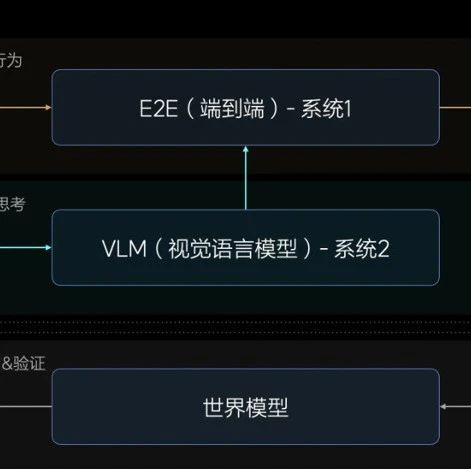
Core Insights - The article discusses the current state of the autonomous driving industry, including job opportunities and technological advancements [1][10]. Autonomous Driving Levels and Applications - Main functions of autonomous driving include driving, parking, cabin interaction, and V2X (Vehicle-to-Everything) communication [1]. Key System Components - The core systems consist of chips, software, and sensors [3]. Technology Trends Overview - Traditional autonomous driving pipeline is being complemented by end-to-end autonomous driving and various algorithmic solutions like VLM (Vision-Language Model) and VLA (Vision-Language Alignment) [5][6][7]. Major Players in the Industry - New entrants in the market include companies like Xpeng, Li Auto, NIO, Huawei, and others, while established manufacturers include BYD, Geely, and international brands like Mercedes and Volkswagen [7]. - Suppliers in the industry include listed companies such as Horizon Robotics and Momenta, as well as major tech firms like Baidu and Didi [7]. Job Positions and Directions - Traditional roles focus on localization and mapping, perception layers, and post-fusion techniques, while new roles emphasize end-to-end algorithms, reinforcement learning, and data loop experience [8]. Community and Resources - The AutoRobo Knowledge Planet serves as a hub for job seekers in autonomous driving and related fields, offering interview questions, industry reports, and resume optimization services [10][11][22].

汽车行业车企车系跟踪报告:4-5月自主份额升6PP至70%,高端品牌提升显著
Huachuang Securities· 2025-07-14 10:41
Investment Rating - The report maintains a recommendation for the automotive industry [4]. Core Insights - The market share of domestic brands in the automotive sector has increased significantly, reaching 70% in April-May 2025, up by 6.1 percentage points year-on-year [7][11]. - Domestic brands have shown stable growth across various price segments, particularly in the high-end market, where they are gaining ground against joint ventures and foreign brands [11]. - The report anticipates that the overall market share of domestic brands will continue to rise, potentially exceeding 70% in 2025, driven by new model launches and competitive pricing strategies [11]. Summary by Sections Industry Overview - The total market value of the automotive industry is approximately 50,730.05 billion, with a circulating market value of 32,553.74 billion [4]. - The industry comprises 232 listed companies [4]. Sales Performance - In the 0-15 million yuan price segment, domestic brands accounted for 79% of sales, with a year-on-year increase of 1.4 percentage points [3]. - In the 10-15 million yuan segment, domestic brands' market share rose by 2.0% to 73%, significantly impacting Japanese and German brands [3]. - The overall sales volume for the automotive industry in the first five months of 2025 reached 3.7 million units, representing a 29% increase year-on-year [3]. Price Segment Analysis - In the 15-20 million yuan segment, domestic brands accelerated their market share growth to 58%, with a notable increase of 5.8 percentage points year-on-year [3]. - The 20-25 million yuan segment saw domestic brands' share rise to 60%, up by 16.5 percentage points year-on-year, driven by new model releases [3]. - In the 30-40 million yuan segment, domestic brands captured 56% of the market, reflecting a 21 percentage point increase year-on-year [9]. Competitive Landscape - BYD leads the market with a 15% share, followed by Chery and Geely with 9% and 8% respectively [16]. - The report highlights that domestic electric vehicles are increasingly dominating sales across various price segments, with several models ranking as bestsellers [11][35]. Future Outlook - The report suggests that domestic brands are expected to continue their upward trajectory in market share, particularly in the mid to high-end segments, as they enhance their product offerings and competitive pricing [11].





英媒妄言限制中国发展,欧洲已被美国加30%关税,他们分不清敌我
Sou Hu Cai Jing· 2025-07-14 05:45
Group 1 - The UK media is urging Europe to adopt stronger measures to curb China's rise in key technologies, reflecting a broader sentiment in European decision-making circles [1][3] - The European Parliament recently passed a resolution demanding China to lift export controls on rare earths, accusing China of violating WTO rules, highlighting the tension between Europe and China [1][3] - There is a contradiction in Europe's approach, as it simultaneously imposes tariffs on Chinese electric vehicles while facing a looming threat of 30% tariffs from the US on all EU goods [3][5] Group 2 - Europe's political landscape is unstable, with significant losses for traditional parties and a rise in far-right forces, complicating its response to external pressures [5][7] - Economic forecasts for the Eurozone are bleak, with a projected growth of only 0.7% in 2024, and Germany facing potential recession for the second consecutive year [7][9] - Major European manufacturers are scaling back operations, with Volkswagen planning to close factories and cut jobs, reflecting the struggles of the European manufacturing sector [7][9] Group 3 - The ongoing conflict in Ukraine is draining European resources, with significant financial losses that could have been used for domestic improvements or defense initiatives [9][11] - European companies are increasingly investing in China, with direct investments reaching a record €3.6 billion in Q2 2024, indicating China's continued importance in global supply chains [11] - The choice for Europe is clear: either continue to align with US interests and face economic penalties or engage pragmatically with China to secure its economic future [11]
最年轻TOP10电池厂,如何打动大众和通用?
高工锂电· 2025-07-13 11:20
Core Viewpoint - The article emphasizes that hybrid vehicles are a definitive entry point for growth in the new energy sector, with Zhengli New Energy strategically positioning itself within the core supply chains of both joint ventures and new force manufacturers [1]. Group 1: Market Position and Achievements - Since 2025, Zhengli New Energy has made significant strides in the plug-in and range-extended vehicle market, securing exclusive battery supply contracts for models like the SAIC-GM GL8 and potentially entering the Volkswagen supply chain [2][10]. - Zhengli New Energy has ranked among the top 10 domestic power battery manufacturers for two consecutive years (2023 and 2024), with a domestic passenger vehicle installation volume of 1.3 GWh in June 2023, placing it sixth for the month and seventh for the first half of the year [5][19]. - The hybrid vehicle market is identified as a clear structural growth area, with joint venture brands accelerating the localization of plug-in hybrids and range-extended technologies as a practical solution for transitioning from traditional fuel vehicles [4][7]. Group 2: Strategic Advantages - Zhengli New Energy's success is attributed to its forward-looking market judgment, system adaptability, and product resilience developed through years of experience with complex clients [6][18]. - The company has established a diverse client network that includes both new force brands and traditional joint venture manufacturers, meeting high demands for product standardization, cost control, and rapid response capabilities [21][22]. - Zhengli New Energy's unique background as a company that evolved from a joint venture with Toyota provides it with a deep understanding of the industry and engineering integration capabilities, enhancing its collaboration with local joint venture brands [13][14]. Group 3: Future Growth and Strategic Initiatives - The structural explosion in the hybrid market offers Zhengli New Energy not only increased visibility and order growth but also strategic value by entering the core supply chains of global automakers [25]. - The company is expanding its production capacity, with a significant investment in a new 25 GWh battery project in Jiangsu, expected to double its capacity to 50.5 GWh by 2026 [28][29]. - Zhengli New Energy's "LISA" strategy encompasses land, sea, and air, aiming to leverage its hybrid technology while expanding into pure electric and energy storage markets [29][30].
从濒临崩盘到集体回暖 合资车企惊天“逆袭”背后
经济观察报· 2025-07-12 07:55
Core Viewpoint - The article discusses the recent recovery in sales of joint venture car manufacturers in China, highlighting the factors contributing to this turnaround and the ongoing challenges in the electric vehicle (EV) transition [1][2]. Sales Performance - In the first half of 2025, most joint venture car manufacturers, except for Honda and Dongfeng Nissan, experienced sales growth, with FAW Toyota leading at a 16% increase [2][3]. - FAW-Volkswagen sold 436,100 vehicles, a 3.5% increase, while SAIC Volkswagen's sales reached 523,000, up 2.3% [3][4]. - The overall retail sales of mainstream joint venture brands in June increased by 5% year-on-year, with classic fuel vehicles like the Lavida and Sagitar performing well [4]. Fuel Vehicle Recovery - Joint venture manufacturers have relied on fuel vehicles to recover from previous declines, with notable increases in market share for brands like FAW-Volkswagen and GAC Toyota [3][4]. - The performance of fuel vehicles has been bolstered by the introduction of intelligent features, as manufacturers recognize the need to enhance competitiveness in this segment [7][8]. Electric Vehicle Challenges - Despite the recovery in fuel vehicle sales, joint venture brands continue to struggle in the EV market, with a penetration rate of only 5.3% compared to 75.4% for domestic brands [4]. - The lack of standout models in the EV segment has hindered growth, with only a few models like Volkswagen's ID series and Toyota's bZ series showing relative success [4]. Strategic Adjustments - Analysts suggest that joint venture manufacturers have adjusted their strategies to focus on fuel vehicle intelligence and have partnered with local tech companies to enhance their offerings [7][9]. - The shift towards localization in management and product development is seen as a crucial factor for improving market performance [9][10]. Future Outlook - The market share of foreign and joint venture brands is projected to decline, with predictions suggesting a drop from 40% to around 10% in the next 3-5 years [13][14]. - The electric vehicle transition remains a critical issue, with many manufacturers reconsidering their aggressive EV plans due to profitability concerns and changing market dynamics [12][14]. - The competition is expected to intensify between domestic EV brands and traditional fuel vehicle manufacturers, with both sides facing unique challenges [14][15].

从濒临崩盘到集体回暖 合资车企惊天“逆袭”背后
Jing Ji Guan Cha Wang· 2025-07-12 01:23
Core Viewpoint - The joint venture automotive companies in China have shown a significant recovery in sales during the first half of 2025, with most brands experiencing growth after a challenging 2024, although some, like Honda and Nissan, continue to struggle [2][3]. Group 1: Sales Performance - In the first half of 2025, major joint venture brands, except for Honda and Dongfeng Nissan, achieved sales growth, with FAW Toyota leading at a 16% increase [2]. - FAW-Volkswagen sold 436,100 units, a 3.5% increase, while SAIC Volkswagen's sales reached 523,000 units, up 2.3% [3]. - GAC Toyota's sales grew by 11%, and SAIC GM saw an 8.6% increase, marking a turnaround from previous declines [2][3]. Group 2: Fuel Vehicle Recovery - Several joint venture companies relied on fuel vehicles for recovery, with FAW-Volkswagen's fuel vehicle market share increasing by 0.7 percentage points to 7.6% [3]. - The sales of classic fuel models like the Lavida and Sagitar contributed significantly to the overall sales increase [3]. - GAC Toyota's fuel models, such as the Camry and Highlander, saw a 30% increase in sales [3]. Group 3: Electric Vehicle Challenges - Despite the recovery in fuel vehicle sales, joint venture brands continue to struggle in the electric vehicle (EV) sector, with a mere 5.3% penetration rate for mainstream brands compared to 75.4% for domestic brands [3][4]. - The overall market share for joint venture brands in the EV segment remains low, with only a few models like Volkswagen's ID series and Toyota's bZ series performing relatively well [4]. Group 4: Strategic Adjustments - Analysts attribute the sales rebound to strategic adjustments, particularly in enhancing the intelligence of fuel vehicles through partnerships with domestic tech companies [5][6]. - Joint venture brands are increasingly localizing their management and product development to better cater to Chinese consumers [7]. Group 5: Pricing Strategies - Many joint venture brands have shifted from aggressive price competition to a "reduce volume to maintain price" strategy, stabilizing terminal prices and improving dealer confidence [8]. - The introduction of fixed pricing models has also helped reduce consumer hesitation and increased foot traffic [8]. Group 6: Future Outlook - Despite the positive sales trends, joint venture brands face a challenging future, with predictions of market share declining from 40% to 10% over the next few years [9][10]. - The need for a robust electric vehicle strategy is critical, as many brands are reconsidering their electric vehicle timelines and focusing on maintaining profitability in the fuel vehicle market [10][11].


2027固态电池装车倒计时:设备订单放量在即,产业链布局窗口期开启
智通财经网· 2025-07-12 00:27
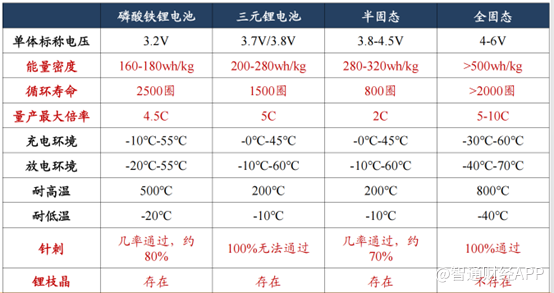
Core Viewpoint - The solid-state battery technology is rapidly advancing, with major global automakers and battery manufacturers announcing timelines for vehicle integration, indicating a shift towards high-performance lithium batteries that offer both high energy density and safety [1][3][15]. Group 1: Industry Developments - Major automakers like BYD, Toyota, and Volkswagen are planning to implement solid-state batteries in their vehicles between 2025 and 2030, with various companies setting specific timelines for small-scale production and testing [3][4]. - CATL is transitioning from semi-solid to solid-state batteries, aiming for small-scale production by 2027, while other companies like Guoxuan High-Tech and EVE Energy have similar timelines for their solid-state battery projects [3][4]. Group 2: Technical Advantages - Solid-state batteries can achieve energy densities exceeding 500 Wh/kg, significantly higher than traditional lithium batteries, which are nearing their theoretical limits [2][3]. - The solid-state battery technology addresses safety concerns associated with liquid batteries, such as thermal runaway, making it suitable for applications in electric vehicles, robotics, and energy storage [1][2]. Group 3: Market Potential - The global demand for solid-state batteries is expected to grow, driven by the increasing penetration of electric vehicles and advancements in low-altitude economy and renewable energy sectors [5][15]. - The market for solid-state battery equipment is projected to increase from 5-6 billion CNY per GWh to 2.5 billion CNY per GWh by 2029, indicating a significant reduction in production costs as technology matures [8][9]. Group 4: Material Innovations - The development of solid-state batteries is leading to advancements in materials, with a shift from graphite to silicon-based anodes, which have a theoretical capacity ten times higher than graphite [13][14]. - New electrolyte materials, including polymer, oxide, and sulfide, are being explored, each with distinct advantages and challenges, contributing to the ongoing evolution of solid-state battery technology [10][11][12].
芯片人去德国!一口气看两场行业大展
芯世相· 2025-07-11 10:16
Core Viewpoint - The article emphasizes the importance of exploring overseas markets for the chip industry, particularly in Europe, as a strategy for industry upgrade and sustained growth amidst intense domestic competition and technological innovation [3]. Group 1: Overview of the European Market Exploration - The chip industry is increasingly focusing on overseas markets, with "going abroad" seen as a new option for growth [3]. - A business investigation trip to Germany is planned from September 4 to September 14, focusing on key cities and major exhibitions like IFA and IAA [3][4]. - The IFA exhibition, one of the largest in the world, attracted over 1,800 exhibitors and more than 210,000 visitors from 138 countries in its last edition [4]. - The IAA exhibition, a key event in the global automotive industry, had 750 exhibitors from 38 countries and over 500,000 visitors [4]. Group 2: Activities and Engagements - The trip will include deep-dive salons and visits to renowned companies and universities, facilitating connections with local resources [6][7]. - Previous trips to Germany in 2018 and 2023 have built a strong resource network and experience in organizing industry-specific itineraries [10]. - The itinerary includes visits to significant cities like Berlin, Leipzig, Dresden, Stuttgart, and Munich, each representing key industrial characteristics [7]. Group 3: Exhibition Insights - IFA covers various aspects of consumer electronics, providing insights into market demands in Germany and globally [5]. - IAA encompasses the entire automotive supply chain, featuring major manufacturers and component suppliers, allowing for efficient identification of potential partners and projects [5]. Group 4: Company Visits and Learning Opportunities - The trip will include visits to notable companies such as GlobalFoundries and Mercedes-Benz, which are pivotal in the semiconductor and automotive sectors [19][20]. - Nexperia, a leading semiconductor company, and Fraunhofer, a model for integrating scientific research with industry, will also be part of the exploration [22][23].

车圈一个月换了35名高管,六大车企集体换防,东风一口气调整600人
创业邦· 2025-07-11 09:21
Core Viewpoint - The automotive industry is experiencing a significant wave of executive changes, particularly among China's top six domestic automakers, reflecting an intensifying competitive landscape as the market approaches 2025 [5][8][36]. Group 1: Executive Changes in Domestic Automakers - Over the past month, 15 automakers have undergone executive changes, including major players like BYD, Geely, SAIC, Chery, Changan, and Great Wall [5][19]. - Notably, Chery has seen multiple rounds of adjustments, while Changan and SAIC have also made significant changes [5][6]. - The scale of personnel adjustments is particularly pronounced at Dongfeng, which has seen a turnover of around 600 employees [6][20]. Group 2: Impact on New Energy and Technology - New energy vehicle companies like Li Auto and NIO are also facing talent attrition, particularly among technical executives, as competition for skilled personnel intensifies [11][14]. - Li Auto has restructured its autonomous driving team, leading to the departure of key technical leaders, which may be attributed to escalating disagreements over technical direction [12][13]. - NIO's chief expert in technology planning has also left, indicating a broader trend of talent movement within the new energy sector [14][18]. Group 3: Strategic Adjustments Among Traditional Automakers - Traditional automakers are making aggressive changes to enhance strategic focus and management efficiency, with a notable emphasis on integrating software development teams [19][21]. - Dongfeng has established a new subsidiary to consolidate its three major brands, reflecting a commitment to enhancing its new energy business [20]. - Chery has undergone multiple organizational adjustments to strengthen its focus on new energy and intelligent driving [23][24]. Group 4: International Automakers' Executive Changes - International brands like Tesla and Volkswagen are also experiencing significant executive shifts, with a growing demand for local Chinese executives as they deepen their engagement in the electric vehicle market [31][35]. - Tesla's restructuring includes the direct involvement of CEO Elon Musk in managing sales in Europe and North America, indicating a strategic pivot in response to market challenges [32][33]. - Mercedes-Benz has appointed a new digital and communications vice president to enhance its market competitiveness, showcasing the importance of digital transformation in the automotive sector [35]. Group 5: Future Outlook - The recent executive changes across the automotive industry signal a preparation for an increasingly competitive environment in the second half of 2025, as companies adapt to rapid market shifts and technological advancements [36][38].


【财经分析】“吸金”能力持续增强 熊猫债市场“声量”渐起
Xin Hua Cai Jing· 2025-07-11 09:01
Group 1 - The issuance of Panda bonds has accelerated this year, demonstrating strong capital-raising capabilities, with expectations for continued improvement and innovation in the market [1][2] - The Panda bond market is characterized by a high concentration of domestic enterprises, with foreign credit bonds accounting for only about 25% of total issuances from 2014 to June 2025 [3] - The issuance of Panda bonds is supported by favorable policies and a low domestic interest rate environment, leading to record-high issuance volumes in 2023 and 2024 [2][4] Group 2 - Panda bonds are increasingly favored by international investors due to the cost advantages of RMB financing compared to USD, especially in the context of high US Treasury yields [4][5] - The trading activity of credit Panda bonds has been rising, with the turnover rate for domestic credit Panda bonds reaching 228% in 2023, indicating growing market interest [5] - The market is expected to see more innovative Panda bond products and issuers from various countries, driven by ongoing improvements in issuance and trading rules [3][6] Group 3 - The foreign investment in China's bond market has grown significantly, with foreign holdings increasing from approximately 3.5 trillion yuan to 4.35 trillion yuan from 2020 to May 2025, reflecting a compound annual growth rate of about 12% [8] - The easing of entry for foreign investors, including reduced service fees and tax exemptions, is expected to further enhance participation in the Panda bond market [6][7] - Investors are advised to focus on high-credit-quality issuers and the initial offerings of Panda bonds, as these may present opportunities for yield compression over time [9]