万华化学

Search documents
石化行业绿色转型加速!化工ETF(516020)大涨1.4%!机构:看好政策驱动下高景气细分领域
Xin Lang Ji Jin· 2025-11-17 01:43
11月17日,截至9时33分,化工ETF(516020)盘中表现稳健,场内价格现涨1.4%,成交额为1660.67万 元,基金最新规模为33.18亿元。 成份股方面,彤程新材、盐湖股份和金发科技表现最为突出,涨幅分别达到6.85%、6.32%和4.36%。另 一方面,三棵树、杭氧股份和宏达股份表现较弱,跌幅分别为1.4%、1.22%和0.37%。 消息面上,2025石油和化工行业高新发展大会于11月16日举行,业界共同谋划石化行业"十五五"高质量 发展路径,聚焦创新驱动与绿色转型。此外,11月12日湖北徽阳新材料年产50万吨磷石膏提纯装置主体 结构封顶,该项目采用磷石膏高值化综合利用技术,助力行业绿色升级。 中银国际指出,基础化工行业受关税政策、原油价格波动影响较大,当前市盈率处于历史74.78%分位 数。建议关注"十五五"规划相关子行业、低估值龙头及电子材料领域。中长期看好政策复苏需求、新兴 材料(半导体/OLED/新能源)及供给侧改革下的氟化工、农化等高景气细分。 化工ETF(516020)及其联接基金(联接A:012537,联接C:012538)被动跟踪细分化工指数,该指 数前十大权重股分别为万华化学、 ...
中国 A 股股票策略_从资本支出和库存趋势视角评估反内卷政策进展
2025-11-16 15:36
Summary of Conference Call Notes Industry Overview - The conference call focuses on the **China A-shares Equity Strategy** and the impact of the **anti-involution policies** initiated by the Chinese government in late Q2 2025, affecting various industries [2][34]. Key Points and Arguments Anti-Involution Policies - The anti-involution policy aims to shift competition from price and scale to quality, with a projected execution timeframe of about a decade [2]. - The policy is expected to support the **CSI-300's** EPS growth, with a bottom-up consensus estimate of **14.6% year-on-year** for 2026 [2]. Capital Expenditure (Capex) and Inventory Trends - In Q3 2025, **nine out of twelve industries** reported year-on-year cuts in capex, indicating a trend towards quality-based competition [2]. - The **hog, battery materials, dairy, and chemicals sectors** are leading in destocking, with average inventory days decreasing by **13%, 9%, 6%, and 4%** respectively [5]. - Capex reductions in these sectors were significant, with year-on-year drops of **20%, 45%, 22%, and 15%** respectively [5]. Sector Performance - **Battery materials and chemicals** have been recognized for production cuts and ASP stabilization, outperforming the CSI-300 in the second half of 2025 [5]. - The **coal, baijiu, lithium, cement, and solar sectors** are facing inventory pressures due to softer demand against prior capacity expansions [6]. - The **autos and logistics sectors** are increasing capex while reducing inventories, with companies like **BYD** and **Great Wall Motor** pursuing aggressive overseas expansion [7]. Market Dynamics - The **CSI-300 index** is expected to perform well until the end of 2026, supported by shifts in household asset allocation towards equities [7]. - The **battery manufacturer CATL** is operating at nearly full capacity, indicating strong demand for power and energy storage batteries [7]. Fiscal Support and Government Initiatives - Targeted fiscal support from the Chinese government is seen as a potential catalyst for transitioning sectors from active to passive destocking [5]. - Various sectors, including **autos, battery materials, and solar**, have seen government initiatives aimed at stabilizing growth and curbing low-price competition [34]. Additional Important Insights - The **dairy sector** is focusing on high-end products to differentiate from competitors, while the **hog sector** is stabilizing prices through capacity control measures [34]. - The **logistics sector** is shifting from price wars to value-added services, with regulatory support to prevent below-cost dumping [34]. Conclusion - The anti-involution policies are reshaping competition across multiple sectors in China, with significant implications for capital expenditure, inventory management, and overall market dynamics. The focus on quality over quantity is expected to drive long-term growth and stability in the affected industries [2][5][7][34].
上交所:2025上市公司跨境并购典型案例汇编
Sou Hu Cai Jing· 2025-11-16 12:41
Core Insights - The report from the Shanghai Stock Exchange compiles 16 representative cases of cross-border mergers and acquisitions (M&A) by companies listed on the Shanghai Stock Exchange, showcasing how these companies leverage global resources and drive industrial upgrades through M&A [1][7]. Summary by Sections Cross-Border M&A Cases - The compilation includes diverse industries such as chemicals, semiconductors, mining, home appliances, and environmental protection, with various acquisition methods like cash purchases, cross-border share swaps, and privatizations [1][7]. - Companies like Haier Smart Home have achieved a 50% overseas revenue share through multiple cross-border acquisitions, while Zijin Mining has strengthened its leading position in the gold mining sector through a series of acquisitions [1][7]. Strategic Objectives of M&A - The core objectives of cross-border M&A are diverse, including technology upgrades (e.g., OmniVision's acquisition of a top image sensor company) and global market expansion (e.g., Haier's establishment of a global R&D and manufacturing system) [1][7]. - Companies also aim to enhance their industrial chains, as seen with Wencan's acquisition of a French foundry group to complete its casting process chain [1][7]. Innovative Transaction Structures - Companies like Wanhua Chemical have adopted innovative step-by-step strategies to reduce M&A risks, while Longi Green Energy has utilized cross-border share swaps to acquire overseas semiconductor assets [2][7]. - Funding sources for these M&A activities often combine self-funding and acquisition loans, with some cases involving industry funds or strategic investors to optimize financing structures [2][7]. Post-Merger Integration - Successful integration post-M&A is crucial, with companies employing management output, technology sharing, and cultural integration to realize synergies [2][7]. - For instance, Wanhua Chemical's integration of BC Company turned losses into profits, exceeding performance commitments, while Luoyang Molybdenum's decade-long M&A journey resulted in a 25-fold revenue increase [2][7]. Lessons Learned - The report emphasizes that successful cross-border M&A requires clear strategic guidance, flexible transaction design, and efficient resource integration, while also addressing challenges such as regulatory differences and cultural disparities [2][7].



化工行业周报20251116:海外天然气价格、六氟磷酸锂价格上涨,蛋氨酸价格下跌-20251116
Bank of China Securities· 2025-11-16 08:20
Investment Rating - The report rates the chemical industry as "Outperform the Market" [3] Core Views - The report highlights the increase in overseas natural gas prices and lithium hexafluorophosphate prices, while methionine prices have decreased. It suggests focusing on sectors mentioned in the "14th Five-Year Plan," undervalued leading companies, the impact of "anti-involution" on supply, and electronic materials companies under the context of self-sufficiency [3][10]. Summary by Sections Industry Dynamics - In the week of November 10-16, 2025, among 100 tracked chemical products, 42 saw price increases, 30 saw price decreases, and 28 remained stable. The average price of 31% of products increased month-on-month, while 56% decreased, and 13% remained unchanged. The top gainers included butyl acetate and sulfur, while the largest declines were seen in pure pyridine and methionine [8][29]. Price Trends - The average price of lithium hexafluorophosphate rose to 135,000 CNY/ton, marking a 13.45% increase week-on-week and a 141.07% increase year-on-year. Conversely, methionine's average price fell to 19.55 CNY/kg, down 1.76% week-on-week and 0.91% year-on-year [31][32]. Investment Recommendations - The report recommends focusing on sectors highlighted in the "14th Five-Year Plan," undervalued leading companies, and the impact of supply-side reforms. It suggests a mid-to-long-term investment strategy that includes companies in emerging fields such as semiconductor materials and new energy materials, with specific recommendations for companies like Wanhua Chemical and Hualu Hengsheng [10][29]. Market Performance - The basic chemical industry index rose by 2.61%, ranking 9th among 31 primary industries, while the oil and petrochemical sector increased by 2.29%, ranking 11th [8][10]. Key Stocks - The report identifies "Golden Stocks" for November as Hualu Hengsheng and Yake Technology, highlighting their strong performance and growth potential [5][11][17].


化工景气回升,关注三条投资主线
Guotou Securities· 2025-11-16 07:33
Investment Rating - The report maintains an investment rating of "Outperform the Market - A" for the chemical industry [4]. Core Views - The chemical industry is experiencing a recovery, with three main investment themes identified: demand exceeding expectations, "anti-involution" trends, and opportunities in leading companies at low valuations [19][21][22]. Summary by Sections 1. Key Insights of the Week - The report highlights a positive shift in consumer price index (CPI) and producer price index (PPI) data, indicating potential for recovery in the chemical sector [18]. - The overall PB ratio for the chemical industry is at 2.4, suggesting significant upside potential [18]. 2. Overall Performance of the Chemical Sector - The chemical sector index increased by 2.6% over the week, outperforming both the Shanghai Composite Index and the ChiNext Index [23]. - Year-to-date, the chemical sector index has risen by 34%, indicating strong performance relative to broader market indices [23]. 3. Individual Stock Performance in the Chemical Sector - Among 424 stocks in the chemical sector, 305 stocks rose while 115 fell, with notable gainers including Yongtai Technology (+33.9%) and Aoke Shares (+25.4%) [27]. 4. Investment Themes Theme 1: Focus on Demand Exceeding Expectations - The report emphasizes investment opportunities in upstream chemical products driven by the booming electric vehicle market, with a 34.6% year-on-year increase in sales [19]. - Key materials such as lithium iron phosphate and caprolactam are highlighted for their price elasticity due to supply-demand dynamics [19]. Theme 2: Attention to "Anti-Involution" Trends - The report discusses the progress in "anti-involution" efforts within the chemical industry, particularly in PTA and caprolactam, where production cuts are being implemented to optimize supply [21]. Theme 3: Opportunities in Low-Valuation Leading Companies - The report suggests focusing on leading companies with low valuations, as the supply-demand balance in the chemical sector continues to improve [22]. - Companies such as Wanhua Chemical and Baofeng Energy are recommended for investment consideration [22].
石化化工行业2026年投资策略:石化化工行业景气度有望复苏
Guoxin Securities· 2025-11-15 15:20
Core Insights - The petrochemical industry is expected to recover in 2026, with a focus on resource products, anti-involution policies, and emerging industries as investment opportunities [3][27] - The industry has shown signs of stabilization and recovery since 2025, with a year-on-year increase of 10.56% in net profit attributable to shareholders in the first three quarters of 2025 [3] - Key sectors identified for investment include oil and gas, potassium fertilizer, phosphorus chemicals, fluorochemicals, sustainable aviation fuel (SAF), electronic resins, and certain anti-involution sectors [3] Industry Overview - The petrochemical industry is cyclical, with net profits in the SW basic chemical sector reaching a historical high in 2021, followed by a downturn, with 2024 profits expected to be only 52% of 2021 levels [3] - The supply side has seen a decline in fixed asset investment since June 2025, indicating the end of the current expansion cycle [3] - The "anti-involution" policy aims to address low-price competition and promote the orderly exit of outdated capacities, which is expected to alleviate the oversupply issue in the petrochemical sector [3] Demand Dynamics - Traditional demand is anticipated to recover moderately due to global central banks entering a rate-cutting cycle and fiscal stimulus [3] - Emerging demands from sectors such as new energy and AI are expected to drive growth in key chemical materials [3] - The domestic chemical industry is projected to increase its global market share as overseas capacities are cleared out [3] Investment Recommendations - Recommended companies for investment in 2026 include China Petroleum, China National Offshore Oil Corporation, Yara International, Yuntianhua, Juhua Co., Sanmei Co., Jiaao Environmental Protection, Zhuoyue New Energy, Shengquan Group, Wanhua Chemical, Baofeng Energy, and Xinhecheng [3] Sector Performance - The petrochemical sector's revenue decreased by 7.1% year-on-year in the first three quarters of 2025, while net profit fell by 11.1% [24] - The basic chemical sector showed a recovery with a 1.9% increase in revenue and an 8.9% increase in net profit [24] - The oilfield services sector was the only sub-sector to achieve growth in both revenue and net profit during this period [24] Price Trends - The China Chemical Product Price Index (CCPI) has shown a downward trend, with a reported decline of 11.5% from the beginning of the year [13] - The PPI for the chemical industry is expected to show marginal improvement in the second half of 2025, although it remains in a downward trend overall [16] Policy Impact - The "anti-involution" initiative is expected to promote a rebalancing of supply and demand in traditional chemical products, with various sectors responding positively to this policy [27] - Key meetings and documents from government bodies indicate a focus on maintaining growth and regulating new capacity in the petrochemical sector [27]




全球目光聚焦2026济南国际化工装备展:智能制造的未来方向揭晓
Sou Hu Cai Jing· 2025-11-15 08:37
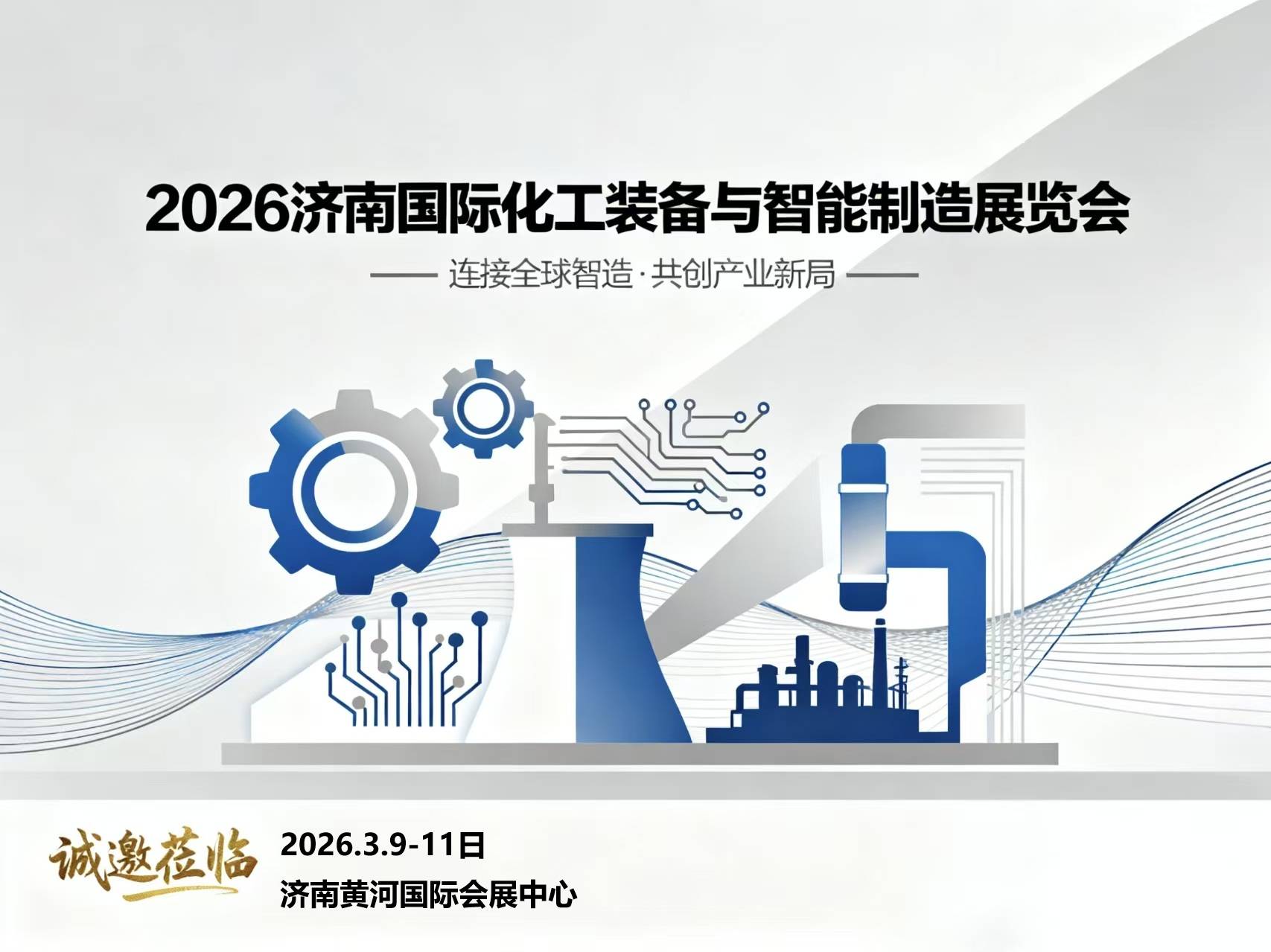
Core Insights - The 2026 China (Jinan) International Chemical Equipment and Intelligent Manufacturing Exhibition (CIEIM 2026) will take place from March 9 to 11, 2026, at the Jinan Yellow River International Convention and Exhibition Center, focusing on "Intelligent Manufacturing New Engine, Green New Momentum" as its core theme [1] - The exhibition will cover an area of 100,000 square meters and gather over 1,200 exhibitors from 35 countries and regions, attracting 80,000 professional buyers and top experts [1] Trend 1: Comprehensive Intelligent Upgrade - The chemical equipment industry is transitioning from "single-point equipment intelligence" to "full industry chain collaborative manufacturing," with a complete closed-loop system for data collection, analysis, decision-making, and execution [2] - The adoption of smart sensors and edge computing technology is expected to exceed 90% by 2030, enabling real-time monitoring of equipment operation parameters and material status [2][5] Trend 2: Green and Intelligent Dual-Drive - The integration of "green + intelligent" innovation is becoming a core competitive advantage in the chemical equipment industry, supported by the "dual carbon" strategy and ecological protection policies [6] - The exhibition will showcase low-carbon technologies, including efficient heat exchangers and resource utilization equipment, which can improve energy efficiency by 10%-20% [6] - Digital low-carbon management systems will be key tools for enterprise transformation, with platforms for tracking carbon footprints and solutions for carbon reduction [6] Trend 3: Cross-Industry Integration - The exhibition will feature a groundbreaking integration of "chemical + bio-manufacturing," creating a comprehensive application scenario across petrochemicals, coal chemicals, biomedicine, and food processing [7] - This cross-industry collaboration will attract over 30 terminal industry buyers, forming an ecosystem that connects equipment, processes, and applications [7] Supporting Conditions for Trend Implementation - The trends presented at the exhibition are supported by policies, market conditions, and technological advancements, with the "14th Five-Year" intelligent manufacturing plan providing clear guidance [8] - Shandong's status as China's largest chemical province offers a rich landscape for technology application and demand [8] - The maturity of technologies such as IoT, AI, and digital twins makes the transition to intelligent and green manufacturing feasible [8] Additional Insights - The exhibition will host over 50 professional forums featuring top experts discussing topics like carbon neutrality and AI applications, providing direction for industry development [10] - The event signifies that the Chinese chemical equipment industry is accelerating towards a high-end, intelligent, and low-carbon future, offering solutions and wisdom for global chemical industry transformation [10]
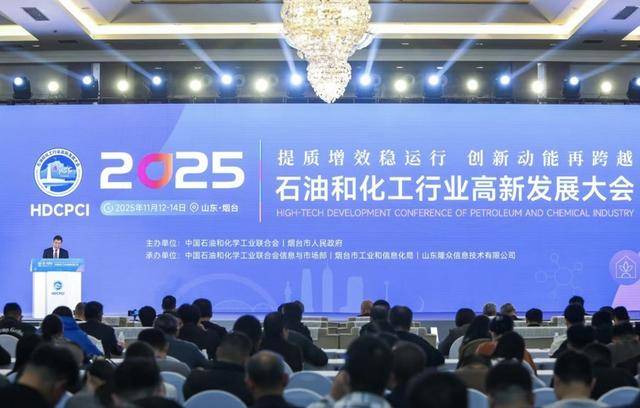
2025石油和化工行业高新发展大会在烟台举行
Sou Hu Cai Jing· 2025-11-15 04:19
Core Insights - The 2025 Petrochemical and Chemical Industry High-tech Development Conference was held in Yantai, focusing on quality improvement, efficiency enhancement, and innovation breakthroughs in the industry [1][3] - Key industry leaders and experts discussed policy directions, capacity optimization strategies, and the balance between growth and low-carbon transformation during the "14th Five-Year Plan" period [3] - The conference emphasized the theme of "Quality Improvement and Efficiency Stabilization, Innovation Momentum Re-acceleration" and included parallel sessions on various topics related to the petrochemical industry [3] Industry Overview - The green petrochemical industry is a pillar industry for Yantai and a key focus for the city's development [4] - Yantai has established a comprehensive green petrochemical industry system, including basic chemical raw materials, synthetic materials, specialty chemicals, and high-end fine chemicals [4] - The city has attracted leading companies such as Wanhua Chemical, Linglong Tire, and Dow High Polymer, contributing to its recognition as a strategic emerging industry cluster [4]




趋势研判!2025年中国加氢树脂行业产业链图谱、行业产能、产量、细分市场及未来发展趋势分析:绿色需求打开成长空间,DCPD树脂引领行业发展[图]
Chan Ye Xin Xi Wang· 2025-11-15 02:24
Core Insights - Hydrogenated resins, known for their enhanced chemical stability, heat resistance, and reduced odor, are increasingly used in high-end adhesives, specialty coatings, and electronic packaging [1][2] - By the end of 2024, China's hydrogenated resin production capacity is expected to reach 578,000 tons per year, accounting for over 50% of global capacity, with production increasing from 220,000 tons in 2020 to 420,000 tons [1][9] - The industry is projected to grow to approximately 4.83 billion yuan in 2024 and is expected to reach 5.27 billion yuan in 2025, driven by demand from sectors like new energy vehicles [1][11] Overview of the Hydrogenated Resin Industry - Hydrogenated resins are modified resin materials produced through hydrogenation of petroleum resins, resulting in improved chemical stability and reduced reactivity [2][3] - The production process involves multiple steps, including pre-treatment, polymerization, and hydrogenation refining, typically conducted in high-pressure fixed-bed reactors [3] Current Development Status of China's Hydrogenated Resin Industry - China's hydrogenated resin industry is experiencing significant growth, with production capacity expected to reach 578,000 tons per year by the end of 2024, driven by enhanced raw material supply and downstream demand [8][9] - The production volume is anticipated to double from 220,000 tons in 2020 to 420,000 tons in 2024, with a notable increase in exports due to supply constraints in Europe [8][9] Market Size and Forecast - The market size for hydrogenated resins in China is projected to grow from approximately 4.83 billion yuan in 2024 to 5.27 billion yuan in 2025, reflecting a steady growth trend [11] Industry Chain of China's Hydrogenated Resin Industry - The industry has established a complete value chain, from upstream raw material supply to downstream applications in adhesives, coatings, and high-performance rubber products [12] Competitive Landscape of China's Hydrogenated Resin Industry - The industry is characterized by competition between international giants and domestic leaders, with companies like ExxonMobil and Eastman holding significant market shares in high-end segments [13] - Domestic companies such as Henghe Materials and Puyang Shenghong Chemical are rapidly expanding their production capacity, indicating an intensifying competitive environment [13] Development Trends in China's Hydrogenated Resin Industry - The industry is moving towards high-end, green, and globalized development, with a focus on technological innovation and the expansion of applications in new energy vehicles and other emerging markets [15][16] - The shift towards lower VOC and higher bio-based content materials is driven by stringent environmental regulations and growing demand for sustainable products [16] - The competitive landscape is expected to evolve, with leading companies consolidating their market positions through mergers, capacity integration, and strategic collaborations [17]

2025上市公司跨境并购典型案例汇编-上交所
Sou Hu Cai Jing· 2025-11-15 02:17
Group 1 - The report compiles 16 representative cases of cross-border mergers and acquisitions (M&A) by companies listed on the Shanghai Stock Exchange, showcasing how these companies leverage global resources to drive industrial upgrades [1][7][9] - M&A strategies exhibit innovative characteristics, including cash acquisitions, cash and stock privatizations, cross-border share swaps, and private equity fund acquisitions, with a focus on both mature and emerging industries [1][2][9] - Key cases highlight strategic orientation and synergy effects, such as Wanhua Chemical's acquisition of BC Company, which resulted in a 145.19% overachievement of performance commitments [2][12][56] Group 2 - The report indicates a clear trend of policy support for cross-border M&A, with initiatives like the "M&A Six Guidelines" simplifying processes and lowering barriers for companies [3][9] - Challenges include complex cross-border regulatory approvals, cultural integration difficulties, and geopolitical risks, which companies are addressing through compliance reviews and risk hedging mechanisms [3][9] - Successful cross-border M&A requires a clear strategic direction aligned with industrial upgrade needs, innovative transaction structures, and deep integration of technology, market, and management post-acquisition [3][9][56] Group 3 - The report emphasizes the importance of a clear internationalization strategy, as seen in Wanhua's proactive approach to overseas expansion and M&A during the 2008 financial crisis [57] - The acquisition of BC Company not only enhanced Wanhua's global footprint but also established a benchmark for Chinese enterprises in cross-border M&A and state-owned enterprise reform [56][57] - The successful integration of BC Company into Wanhua Chemical's operations led to significant profitability improvements, with net profits exceeding commitments by 53.35 million [56][55]