
极氪

Search documents
一季度二手车卖了461万辆 新能源车渗透率创新高
Nan Fang Du Shi Bao· 2025-05-17 14:15
Core Insights - The penetration rate of used new energy vehicles (NEVs) reached 8.7% in March 2025, marking the highest level in three years [2] - The total transaction volume of used cars in the first quarter of 2025 was 4.61 million units, with a slight year-on-year increase of 0.2%, while the transaction value was 303.2 billion yuan, down 3.4% [2] - The structure of used NEVs is shifting towards younger vehicles, with 29.4% of used NEVs being less than 2 years old [2] Market Trends - The transaction volume of used NEVs in certain regions has seen a double-digit growth this year, with a notable increase of 15 percentage points in the proportion of used NEVs during the May Day holiday [4] - The overall transaction volume of used cars in the market has increased by 23.6% year-on-year, driven by the rise in used NEVs [4] Pricing Dynamics - There is a significant upward trend in the prices of used NEVs, particularly in the 80,000 to 150,000 yuan range, influenced by policies promoting the replacement of old vehicles [2] - Popular used NEV models include Tesla Model Y and Model 3, with competitive pricing compared to new vehicles [5] Future Outlook - The future potential for the development of used NEVs is substantial, driven by the rapid growth of new energy vehicles and stabilizing prices [6]
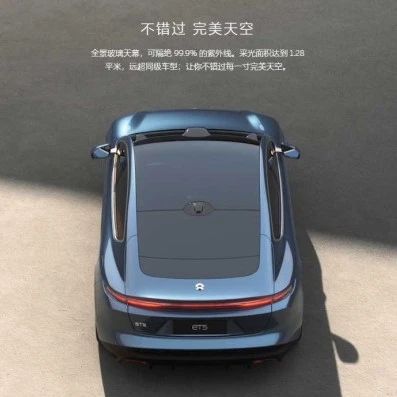
全景天幕、屏幕换挡……除了隐藏式门把手,汽车鸡肋功能还真不少
凤凰网财经· 2025-05-17 13:34
Core Viewpoint - The article discusses the tension between technological features and user experience in the automotive industry, highlighting the need for optimization of certain features that are currently seen as unnecessary or problematic by consumers [1][20]. Group 1: Panoramic Sunroofs - Panoramic sunroofs are becoming standard in electric vehicles, enhancing headroom and providing a scenic view, but they can lead to excessive heat in summer, making the driving experience uncomfortable [2][3][7]. - Many consumers report that the large glass surface of panoramic sunroofs acts like a "solar collector," significantly increasing cabin temperatures, which has led to complaints on social media [3][7]. - The trend of using panoramic sunroofs is not limited to electric vehicles; even traditional fuel cars like the latest Toyota Camry and Ford Mondeo are adopting this feature [7]. - Engineers note that panoramic sunroofs save space and reduce vehicle weight, which can help improve electric vehicle efficiency, with costs for panoramic glass being lower than traditional sunroofs [8][11]. - Despite claims of UV protection, panoramic sunroofs do not effectively block infrared rays, which contribute to heat buildup in the cabin [11]. - Consumers are resorting to various methods to mitigate heat, including installing sunshades or using makeshift solutions like newspapers, which can lead to increased energy consumption due to higher air conditioning use [12][17][18]. Group 2: Disappearing Physical Buttons - The trend of replacing physical buttons with touchscreens, initiated by Tesla, is becoming prevalent in the automotive industry, with many new models lacking any physical controls [20][21]. - Research indicates that using touchscreens can significantly increase driver reaction times, raising safety concerns compared to traditional physical controls [22][24]. - A study showed that drivers using older vehicles with physical buttons could complete tasks much faster than those using modern touchscreens, which can take significantly longer [24]. - Issues with touchscreen systems, such as system failures, have raised concerns about the reliability of vehicles that depend heavily on electronic controls [24]. - Some manufacturers are beginning to reintroduce physical buttons in response to consumer feedback, emphasizing the importance of balancing technology with user experience [25][26]. - The article concludes that while innovative designs are important, safety and user experience should remain the top priorities in automotive design [27].

2025年中国企业赴美上市的前景如何?纳斯达克上市服务公司
Sou Hu Cai Jing· 2025-05-17 13:23
Group 1: Positive Factors - The advancement of Sino-U.S. regulatory cooperation has alleviated the delisting risks for Chinese companies listed in the U.S. [2] - The Federal Reserve's interest rate cuts in 2024 are expected to enhance market liquidity, leading to a projected 116% year-on-year increase in fundraising for Chinese companies going public in the U.S. [3] - Specific industries such as biomedicine and hard technology are likely to benefit from U.S. market valuations that recognize innovation and high R&D investments [4] - The internationalization demand in sectors like new energy and autonomous driving has led to significant brand effects for companies like Zeekr and WeRide after their U.S. listings [5] - The U.S. has a more accommodating stance towards cryptocurrency companies, attracting Chinese firms to split their businesses and list in the U.S. [6] - New policies in China support the expansion of overseas listing channels, with the China Securities Regulatory Commission (CSRC) optimizing the filing process, resulting in a significant increase in the number of companies preparing for listings in 2024 [7] Group 2: Major Challenges - Geopolitical tensions and regulatory conflicts remain a concern, particularly with the U.S. Foreign Company Accountability Act posing potential delisting risks if Sino-U.S. audit cooperation falters [8] - Compliance pressures from China's Data Security Law require companies to separate sensitive operations or localize data storage, increasing listing costs [9] - Market performance is uneven, with over two-thirds of Chinese companies listed in the U.S. in 2024 experiencing stock price declines, while smaller firms face high issuance costs that diminish fundraising efficiency [10] - The Hong Kong Stock Exchange has lowered listing thresholds for specialized technology companies, creating competition for Chinese firms considering dual listings [11] - The A-share Sci-Tech Innovation Board is prioritizing hard technology companies, which may lead to local financing preferences [12] - Nasdaq's new rules set to be implemented by the end of 2024 will increase the difficulty for small and medium-sized enterprises to meet market capitalization requirements for IPOs [13] Group 3: Future Outlook - An optimistic scenario suggests that if Sino-U.S. regulatory cooperation deepens and the Federal Reserve continues to lower interest rates, leading tech and biomedicine companies could see a 20%-30% year-on-year increase in IPO fundraising [14][15] - A neutral scenario indicates that if regulatory deadlocks persist but geopolitical tensions remain manageable, a few companies may pursue dual listings or split non-sensitive operations for U.S. entry, resulting in moderate fundraising growth [16][17] - A pessimistic scenario predicts that if the Sino-U.S. tech conflict escalates and China tightens overseas listing approvals, IPO activities in the U.S. could nearly halt, accelerating the privatization of existing Chinese companies listed abroad [18][19] Group 4: Corporate Strategy Recommendations - Companies are advised to prioritize compliance by designing cross-border data and legal frameworks, such as VIE structures and independent data entities [20] - Diversifying financing strategies through a combination of A-share/H-share and U.S. listings can help mitigate risks [21] - Companies in hard technology should focus on local listings, while those with strong global attributes, like biomedicine, should target U.S. markets [22]
“时间不等人”!吉利大整合,要花多少钱?
21世纪经济报道· 2025-05-17 07:34
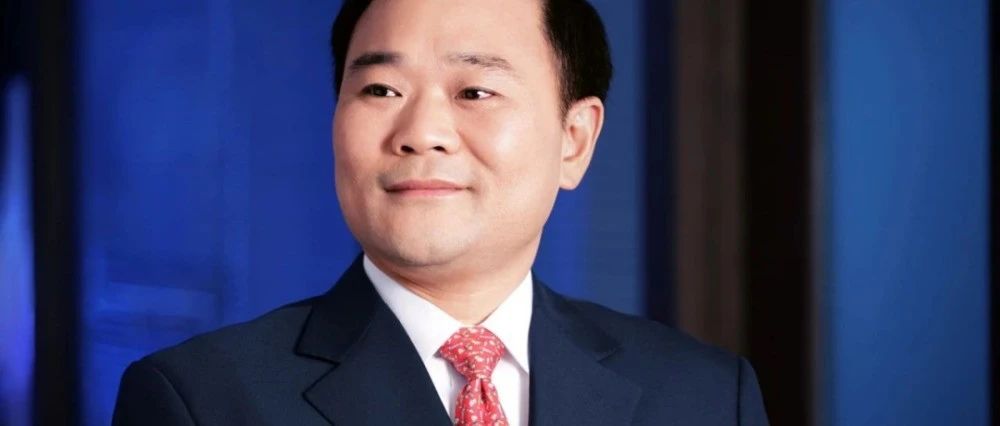
Core Viewpoint - Geely Automobile is undergoing a significant restructuring and integration process, particularly with the privatization of Zeekr, aiming to consolidate resources and enhance competitiveness in the rapidly evolving electric vehicle market [2][3][10]. Group 1: Integration and Restructuring - The integration between Geely and Zeekr was announced just eight days after the privatization offer, highlighting the urgency in the current market environment [2][3]. - Geely has established four main brands post-integration: Zeekr (global luxury tech), Lynk & Co (global high-end new energy), Galaxy (mainstream new energy), and China Star (mainstream fuel vehicles) [3][10]. - The goal of the merger is to eliminate redundant investments and reduce costs, targeting production cost reductions of over 3%, R&D optimization of 10-20%, and management efficiency improvements of 10-20% [3][20]. Group 2: Financial Implications - Geely's Q1 2025 financial results showed revenue of 72.5 billion RMB, a 25% year-on-year increase, and a net profit of 5.67 billion RMB, up 264% [9][23]. - The privatization of Zeekr is estimated to cost Geely over 2 billion USD to acquire the remaining 34.3% of shares, raising concerns about cash flow pressures [9][10]. - Geely's cash reserves were reported at 35.2 billion RMB, significantly lower than BYD's, and decreased by approximately 7.8 billion RMB from the previous quarter [9][10]. Group 3: Management Changes - Following the merger, An Conghui will transition from CEO of Zeekr to CEO of Geely Holding Group, while Gan Jiayue will become CEO of the newly formed Geely Automobile Group [12][16]. - The restructuring includes the introduction of a rotating presidency system, aimed at fostering leadership talent and reducing decision-making errors [18][19]. Group 4: Challenges and Future Outlook - The integration process has faced challenges, including communication costs and differing employee incentive mechanisms between Geely and Zeekr [20][23]. - Despite achieving profitability in the latest quarter, Zeekr has accumulated significant losses over the past few years, totaling over 26 billion RMB [23]. - Geely aims to achieve a growth target exceeding 5% and improve efficiency in R&D and management by 15-20% [21][22].
吉利汽车(0175.HK):推动极氪私有化 《台州宣言》深化落地 利好公司长期发展
Ge Long Hui· 2025-05-17 02:23
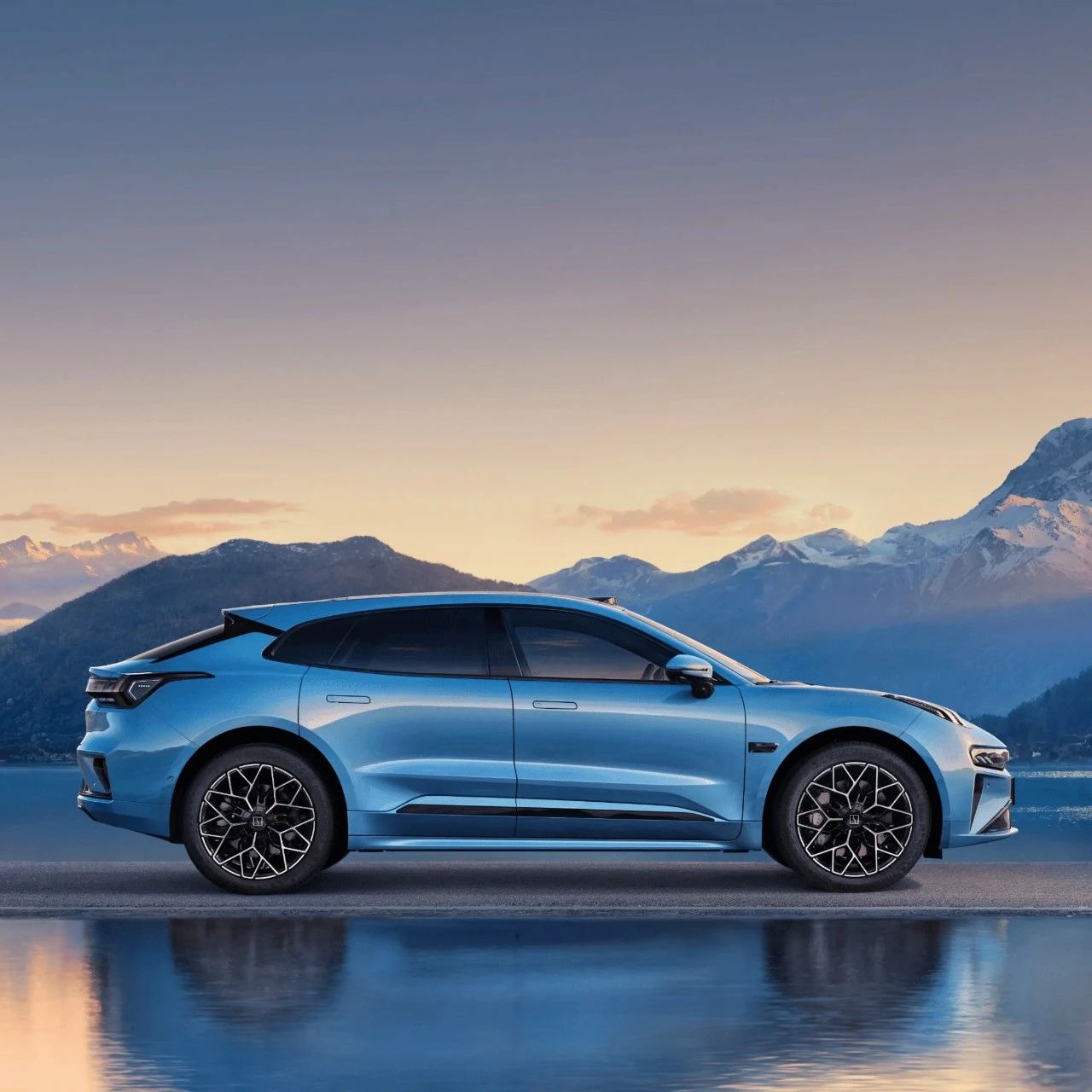
Core Viewpoint - Geely Auto plans to acquire all issued shares of Zeekr at a suggested purchase price of $2.57 per share or $25.66 per American Depositary Share, aiming for full integration of Zeekr as a wholly-owned subsidiary [1][2] Group 1: Acquisition Details - The acquisition price represents a premium of approximately 13.6% over the last trading day closing price of Zeekr's American Depositary Shares on the NYSE and a 20% premium over the volume-weighted average price for the last 30 trading days [1] - Geely currently holds about 65.7% of Zeekr's shares, and upon completion of the transaction, Zeekr will be fully merged into Geely Auto [1] Group 2: Strategic Implications - This acquisition is seen as a further implementation of the "Taizhou Declaration," which aims to consolidate brands under Geely Auto, enhancing brand positioning and internal resource integration [2] - Full ownership of Zeekr is expected to improve Geely's profitability, as Zeekr has shown continuous improvement in earnings, with a reported profit of 150 million yuan in Q4 2024 [2] Group 3: Product Strategy and Innovation - Geely Auto is set to launch 10 new energy models in 2025, including 5 new models and several facelifts under the Geely brand, alongside new models from Zeekr and Lynk & Co [3] - The company is focusing on electrification and intelligence, with significant advancements in smart driving capabilities expected across its new and updated models [3][4] Group 4: Financial Outlook - The new GEA architecture supports the upcoming product cycle, with a solid foundation in fuel vehicles and innovative overseas expansion strategies [4] - Geely Auto's net profit for 2025 is projected to be 16.1 billion yuan, with a corresponding PE ratio of 9.8X, indicating strong profitability potential [4]

吉利汽车 | 2025Q1:业绩表现亮眼 打造“一个吉利”【民生汽车 崔琰团队】
汽车琰究· 2025-05-17 00:33
Core Viewpoint - The company reported strong performance in Q1 2025, with significant increases in sales, revenue, and net profit, indicating a positive growth trajectory and effective operational strategies [1][2][3]. Sales and Revenue Performance - In Q1 2025, total sales reached 704,000 units, a year-on-year increase of 47.9% and a quarter-on-quarter increase of 2.5% [1][2]. - Total revenue for Q1 2025 was 72.5 billion yuan, reflecting a year-on-year growth of 24.5% [1][2]. - The sales of new energy vehicles (NEVs) amounted to 339,000 units, representing a year-on-year increase of 135.4% [2]. Profitability and Cost Management - The gross margin for Q1 2025 was 15.8%, a slight increase of 0.2 percentage points year-on-year [3]. - The company experienced a significant reduction in expense ratios, with sales, administrative, and R&D expense ratios at 5.0%, 1.9%, and 4.6%, respectively, all showing year-on-year declines [3]. - The net profit attributable to shareholders was 5.67 billion yuan, a remarkable year-on-year increase of 263.4% [1][3]. Strategic Developments - The company announced plans to privatize its subsidiary, Zeekr, which would enhance resource integration and operational efficiency [4]. - The privatization is expected to align with the company's strategic focus on enhancing brand competitiveness in the high-end electric vehicle market [4]. Future Projections - Revenue forecasts for 2025-2027 are projected at 404.78 billion yuan, 489.69 billion yuan, and 572.83 billion yuan, respectively [5]. - Net profit estimates for the same period are 16.21 billion yuan, 22.09 billion yuan, and 25.98 billion yuan, indicating a robust growth outlook [5][7].

理性看待风阻系数测试争议
Jing Ji Ri Bao· 2025-05-16 21:54
Core Viewpoint - The recent controversy over the wind resistance coefficient of the Avita 12 highlights the intense competition and scrutiny within the automotive industry, particularly among electric vehicle manufacturers, where such technical parameters have become critical for consumer perception and product differentiation [1][2]. Group 1: Wind Resistance Coefficient Importance - The wind resistance coefficient is a key parameter that measures the air resistance a vehicle faces while driving, directly impacting fuel economy, range, stability at high speeds, and noise levels [1]. - The significance of low wind resistance has been amplified in the electric vehicle sector, where it not only affects consumer perception but also enhances the vehicle's range [1]. - The marketing strategy of Tesla, particularly with the Model S, has set a precedent in the industry, linking low wind resistance with technological advancement and reshaping consumer expectations [1]. Group 2: Industry Competition and Marketing Dynamics - The automotive market has seen a shift from price competition to a focus on technical specifications, with companies striving to present their data as superior to competitors [2]. - The rise of self-media and digital platforms has led to a competitive environment where sensationalism is often used to attract attention, sometimes at the expense of accuracy [2]. Group 3: Testing Standards and Industry Challenges - Rigorous testing standards and methodologies are essential for accurate wind resistance measurements, with the China Automotive Engineering Research Institute's wind tunnel facility costing approximately 550 million yuan [3]. - The lack of unified national standards for aerodynamic testing in China has allowed for unregulated and potentially misleading private testing, leading to public disputes and calls for regulatory oversight [3]. - Recent controversies surrounding various vehicle tests reflect the need for improved regulation and standardization in the automotive testing industry to protect consumer rights and support industry development [3]. Group 4: Broader Implications of Wind Resistance - While the wind resistance coefficient is often viewed as a symbol of technological prowess, its impact is most pronounced in high-speed scenarios, with less significance in everyday urban driving conditions [4]. - Companies should focus on balanced development across various performance metrics rather than prioritizing wind resistance as the sole indicator of quality [4]. - The best technologies should enhance user experience rather than merely serve as marketing metrics, emphasizing the importance of practical application over theoretical superiority [4].
李书福重塑吉利:资源集中、管理分权
2 1 Shi Ji Jing Ji Bao Dao· 2025-05-16 14:44
Core Viewpoint - Geely Automobile Holdings Limited is undergoing a significant restructuring by privatizing Zeekr Intelligent Technology, aiming to consolidate its brands and resources to enhance competitiveness in the evolving automotive market [1][4]. Group 1: Merger and Integration - The merger between Geely and Zeekr was announced just eight days after the privatization offer, indicating a swift response to market conditions [1]. - Geely plans to establish two main divisions post-merger: the Galaxy Division and the Zeekr Division, with four primary brands: Zeekr (global luxury tech), Lynk & Co (high-end new energy), Galaxy (mainstream new energy), and China Star (mainstream fuel) [2]. - The merger aims to eliminate redundant investments and reduce costs, targeting production cost reductions of over 3%, R&D optimization of 10-20%, and management efficiency improvements of 10-20% [2][11]. Group 2: Financial Performance and Projections - Geely reported a revenue of 72.5 billion RMB for Q1 2025, a 25% year-on-year increase, and a net profit of 5.67 billion RMB, up 264% [4]. - The cash reserves of Geely as of March 31, 2025, were 35.2 billion RMB, approximately one-third of BYD's cash reserves, indicating potential liquidity pressure [4]. - The privatization of Zeekr is expected to allow investors to exchange shares, reducing the cash outflow required for the merger and enabling Geely to allocate more funds for core business development [5]. Group 3: Management Changes - Following the merger, An Conghui will transition from managing Zeekr to becoming the CEO of Geely Holdings, while Gan Jiayue will take over as CEO of the merged Geely Automobile Group [2][9]. - The introduction of a rotating presidency system within Geely aims to prevent power concentration and foster leadership talent, although it may lead to strategic inconsistencies [9][10]. - The restructuring reflects Geely's historical pattern of consolidation, with the last major integration occurring in 2014, which significantly improved its market position [2][7]. Group 4: Challenges and Future Outlook - The integration process has faced challenges, including communication costs and differing employee incentive mechanisms between the two companies [11]. - Despite recent profitability, Zeekr has accumulated significant losses over the past few years, which will impact Geely's financial statements post-merger [13]. - The company aims to achieve a growth target exceeding 5% and improve R&D and management efficiency by 15-20% [11].
“美股一年游”的极氪,还能讲出什么故事
美股研究社· 2025-05-16 12:07
Core Viewpoint - Zeekr, a new player in the electric vehicle market, has experienced rapid changes, including a swift IPO and an even quicker privatization by Geely, indicating a strategic retreat to regroup and strengthen its market position amidst fierce competition [3][5][14]. Group 1: Company Actions and Market Position - Zeekr went public on the NYSE in May 2024, marking the fastest IPO for a Chinese new energy vehicle company, but announced its privatization just a year later at a price of $25.66 per share, costing Geely approximately $2.24 billion [3][8]. - The privatization is part of a broader strategy by Geely to consolidate its resources and respond to intensified competition in the electric vehicle sector, where rivals like Xiaopeng and Li Auto have gained significant market share [9][10]. - Zeekr's sales have been declining, with a reported drop in deliveries by 15% year-on-year in April 2025, highlighting its struggle to compete effectively in a rapidly evolving market [12][10]. Group 2: Financial Performance - In Q1 2025, Zeekr reported a net loss reduction of 60%, with vehicle margins improving to 21.2%, indicating some operational improvements despite ongoing challenges [19]. - The overall revenue for Zeekr in Q1 2025 was $22.02 million, down 37.8% from the previous quarter, reflecting the difficulties in maintaining sales momentum [18]. Group 3: Strategic Integration and Future Outlook - Geely's strategy involves merging Zeekr with Lynk & Co to enhance resource utilization and reduce internal competition, aiming for a more cohesive brand strategy [16][17]. - The integration is expected to lower R&D costs by 6% and improve production efficiency, which could help Zeekr regain its competitive edge in the market [17]. - The future of Zeekr may involve further consolidation within Geely's brands, potentially leading to another public offering as the company seeks to redefine its market position [20][21].
吉利汽车(00175):系列点评二十七:2025Q1业绩表现亮眼,打造“一个吉利”
Minsheng Securities· 2025-05-16 12:01
Investment Rating - The report maintains a "Recommended" rating for Geely Automobile [6] Core Views - Geely Automobile's Q1 2025 performance is impressive, with total sales reaching 704,000 units, a year-on-year increase of 47.9% and a quarter-on-quarter increase of 2.5%. Total revenue reached 72.5 billion RMB, up 24.5% year-on-year, and net profit attributable to shareholders was 5.67 billion RMB, a significant increase of 263.4% year-on-year [1][2] - The increase in sales, particularly in the new energy vehicle segment, which saw sales of 339,000 units (up 135.4% year-on-year), has positively impacted revenue. The average selling price (ASP) for Q1 2025 is estimated at 103,000 RMB, a decrease of 19,000 RMB year-on-year [1][2] - The gross margin improved slightly to 15.8%, with a year-on-year increase of 0.2 percentage points. The report attributes this to changes in export structure and product mix, as well as a decrease in expenses due to better integration and collaboration within the company [2] - Geely's plan to privatize Zeekr (ZK.N) is seen as a strategic move to consolidate resources and enhance operational efficiency, aligning with the company's focus on high-end luxury electric vehicles [3] Financial Forecasts - The revenue forecasts for Geely from 2025 to 2027 are projected at 404.78 billion RMB, 489.69 billion RMB, and 572.83 billion RMB, respectively. The net profit forecasts for the same period are 16.21 billion RMB, 22.09 billion RMB, and 25.98 billion RMB, respectively [3][5] - The earnings per share (EPS) are expected to be 1.61 RMB, 2.19 RMB, and 2.58 RMB for 2025, 2026, and 2027, respectively, with corresponding price-to-earnings (P/E) ratios of 11, 8, and 7 [3][5]