奔驰

Search documents
豪车价格大幅下调,保时捷Macan 35万元起售,BBA多款车型降价超10万元
Hua Xia Shi Bao· 2025-06-05 13:03
Core Viewpoint - The significant price reductions of Porsche vehicles, particularly the Cayenne and Panamera, reflect a broader transformation in the luxury car market under the pressure of electric vehicles, challenging the long-standing price stability of traditional luxury brands [1][4]. Group 1: Price Adjustments - Porsche has implemented substantial price cuts across various models, with discounts reaching as low as 35% in regions like Shenzhen, where the 2025 Cayenne can be purchased for approximately 75 million yuan after financing [2][3]. - Other luxury brands such as Mercedes-Benz, BMW, and Audi are also adjusting their prices, with notable discounts on models like the Mercedes GLB and BMW i3, indicating a widespread trend in the luxury car market [5][6]. Group 2: Sales Performance - Porsche's sales in China have been declining since peaking at 95,700 units in 2021, dropping to 79,300 units in 2023, and projected to fall to 56,900 units in 2024, with a staggering 42% year-on-year decline in Q1 2025 [5][6]. - Other luxury brands are experiencing similar downturns, with Mercedes-Benz's sales down 10% in China and both BMW and Audi also reporting declines [6]. Group 3: Consumer Reactions - Consumer responses to Porsche's price cuts are mixed, with some viewing it as an opportunity to purchase luxury vehicles at lower prices, while others express concerns about potential impacts on brand image and product quality [3][4]. - The price adjustments may create a temporary surge in sales, but analysts suggest that this is not a sustainable long-term strategy for luxury brands [4][6]. Group 4: Market Dynamics - The luxury car market is undergoing a value system reconstruction as traditional luxury brands face competition from domestic electric vehicles that offer advanced technology and performance [4][6]. - Analysts emphasize the need for luxury brands to accelerate their electric vehicle offerings and enhance technological features to remain competitive in an evolving market landscape [6].
一群硬科技投资人、产业人,又要组团去德国
芯世相· 2025-06-05 07:30
我是芯片超人花姐,入行20年,有50W+芯片行业粉丝。 有很多不方便公开发公众号的, 关于芯片买卖、关于资 源链接等, 我会分享在朋友圈 。 扫码加我本人微信 2 、 2 场深度沙龙,助力链接当地资源 从去年开始,越来越多的芯片人开始把目光投向海外市场。在技术创新与本土竞争趋于白热化的背 景下, "出海" 成为产业升级与持续增长的新选项。 但芯片人想要做到真正出海并不容易,背后需要对终端市场、区域法规、技术趋势与产业节奏的真 正理解,真正看清趋势、理解产业、建立链接,比 "走出去"本身更重要。 因此, 9 月 4 日至 9 月 14 日 ,芯片超人决定开启 "挖掘欧洲电子领域芯动向" 德国商 务考察活动 ,实地走访德国 柏林、莱比锡、德累斯顿、斯图加特以及慕尼黑 五个城市,重点聚 焦 全球两大顶级展会: IFA 柏林国际消费电子和家电产品展览会 与 IAA 德国国际汽车及 智慧出行博览会 (简称"慕尼黑车展") ,带大家一起走进欧洲电子产业的最前沿,实地理解消 费电子与汽车电子的真实需求与发展方向。 IFA ,源于 1924 年,作为 世界上规模和影响力最大的国际视听及消费类电子产品展览会之一 ,上一届 IF ...



合作期间经历大量磨合交锋!奥迪PPE平台首车搭载华为智驾
第一财经· 2025-06-05 03:16
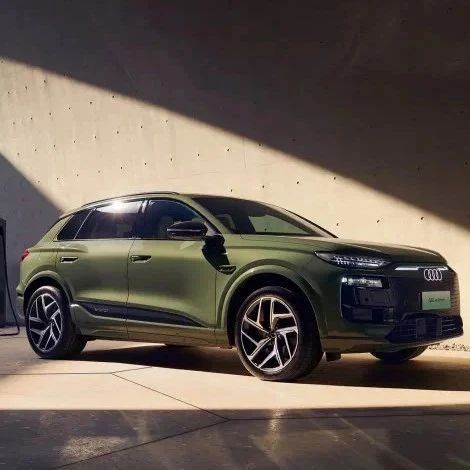
Core Viewpoint - The Chinese electric vehicle industry has entered the 3.0 era, characterized by a balance between quality and innovation, driven by evolving customer demands [1] Group 1: Industry Evolution - The 1.0 era focused on breakthroughs in electric technology, significantly influenced by Tesla [1] - The 2.0 era saw the entry of Tesla and Chinese internet companies, introducing new technologies and emphasizing smart features, while traditional automakers prioritized safety but lacked innovation [1] - The 3.0 era is marked by a shift towards meeting customer needs for both quality and innovation [1] Group 2: German Automakers in China - German luxury car brands, particularly Audi, BMW, and Mercedes-Benz (ABB), maintain a strong position in the fuel vehicle market in China, but struggle in the new energy vehicle sector due to lengthy R&D cycles and outdated navigation systems [2] - German automakers are increasing their "China content" in response to the rapid growth of the Chinese new energy vehicle market and the need for smart and connected technologies [2] Group 3: Audi and Huawei Collaboration - Audi's partnership with Huawei, initiated over five years ago, has involved extensive collaboration and mutual adjustments to meet industry standards and safety requirements [3] - The Audi Q6L e-tron, the first model from this collaboration, features advanced technology such as dual laser radar and an 800V high-voltage system, with a maximum range of 765 kilometers [2][3] Group 4: Industry Competition and Strategy - The current competitive landscape is described as "malicious competition," leading to reduced profitability and potential declines in product quality [4] - Audi emphasizes the importance of maintaining high standards for luxury brand dealerships and implementing strict control measures to ensure quality [4]
价格降到“肉疼”、销量腰斩、员工“钱少事多”……合资车企,能否逆风翻盘?
第一财经· 2025-06-05 01:55
Core Viewpoint - The article discusses the significant challenges faced by joint venture automotive companies in China, highlighting the decline in market share and the impact of domestic electric vehicle brands on traditional players [3][20][32]. Group 1: Market Dynamics - As of 2024, joint venture automotive companies' market share in China has dropped to 35%, down from over 60% in 2020, primarily due to the rise of electric vehicles [3][4]. - The shift towards electric vehicles is expected to result in over 50% of new car sales in China being electric by 2024, which has eroded the competitive edge of traditional fuel vehicle brands [3][4]. - The decline in sales and profitability has led to significant operational challenges, including extended payment terms and workforce reductions [4][12]. Group 2: Financial Implications - The financial strain on joint venture companies has resulted in a cascading effect on their supply chains and dealership networks, with many dealers facing bankruptcy [11][12]. - By 2024, most joint venture companies have seen their sales drop by at least 50% compared to their peak years, indicating a collapse of the previous pricing structure [12][14]. Group 3: Internal Challenges - The internal culture within joint venture companies has shifted, with increased pressure on employees and a focus on strict attendance and performance metrics [15][29]. - The decision-making processes in joint ventures have been hampered by the need for consensus between foreign and local partners, which has slowed down responses to market changes [20][21]. Group 4: Strategic Responses - Some companies are beginning to adapt by consolidating operations and reducing production capacity in response to shrinking market demand [28]. - There is a growing recognition among joint venture companies of the need to align more closely with local market preferences, leading to increased local input in product development [29][30]. Group 5: Future Outlook - Despite the challenges, some joint venture companies are exploring partnerships with local electric vehicle manufacturers to enhance their competitive positioning [30][31]. - The survival of joint venture companies will depend on their ability to innovate and adapt to the rapidly changing automotive landscape in China [32].



台积电遭质疑是血汗工厂,工程师需24小时待命,总裁幽默回应;大众集团重组德国业务,约2万员工将自愿离职;百度副总裁袁佛玉挂帅前线
雷峰网· 2025-06-05 00:29
Key Points - TSMC faces accusations of being a sweatshop, with claims of labor injuries and long working hours, which the chairman Wei Zhejia refutes by emphasizing employee satisfaction and commitment [4] - Baidu's BioMap plans to go public in Hong Kong within the next 18 months, focusing on AI in life sciences and has secured over $200 million in venture capital [10] - NIO's CEO Li Bin states the company opposes price wars and believes the industry's shift away from internal competition is beneficial for NIO's path to profitability [8] - Xiaomi's CEO Lei Jun comments on Apple's struggles in the automotive sector, attributing their challenges to unknown factors while highlighting Xiaomi's strategic approach to car manufacturing [7] - BYD is actively combating black PR and has placed 126 accounts on a watchlist for malicious activities, emphasizing their commitment to protecting the company's reputation [12] - Volkswagen announces a restructuring plan in Germany, with around 20,000 employees agreeing to voluntary departures by 2030 due to rising manufacturing costs and reduced demand [29] - TikTok shifts its advertising strategy in the U.S. by discontinuing free traffic for businesses, requiring them to pay for ad placements to reach audiences [32] - Mercedes-Benz acknowledges the poor sales performance of its electric G-Class model, leading to considerations of reintroducing traditional fuel options [30][31]






塔吊林立织锦 项目竞发成势
Qi Lu Wan Bao· 2025-06-04 23:09
Group 1 - The core viewpoint of the articles highlights the rapid development and construction of key projects in the Luxi New Area, emphasizing the importance of these projects in driving high-quality economic growth [1][2] - The Maidi Automotive Parts project, which began construction earlier this year, aims to produce 60 million automotive components annually, catering to high-end brands like Tesla, Mercedes-Benz, and BMW [1] - The Haixi Energy Storage project, initiated in March of last year, is designed to be a comprehensive industrial base for energy storage technology, contributing to the development of related industries and advancements in green energy [1] Group 2 - The Luxi New Area has established a dedicated task force to provide "one-on-one" services for project approval and construction, ensuring efficient problem-solving for enterprises [2] - Continuous optimization of the business environment and service guarantees has been crucial for the successful implementation of projects in the area [2] - The focus on project construction is seen as a driving force for economic growth and a strong engine for promoting high-quality development in the Luxi New Area [2]
反超特斯拉!中国电车突围
Zhong Guo Xin Wen Wang· 2025-06-04 13:41
Core Insights - Chinese electric vehicle (EV) manufacturers, particularly BYD, are reshaping the global automotive landscape, with BYD surpassing Tesla in pure electric vehicle registrations in Europe for the first time in April 2025, marking a significant milestone [1][4] - Despite facing high tariffs imposed by the EU, Chinese brands have shown remarkable growth in the European market, with a 59% year-on-year increase in pure electric vehicle sales, outpacing the 26% growth of European, Japanese, and American automakers [6][8] - The comprehensive development of China's automotive industry, from vehicle manufacturing to battery research and intelligent driving systems, has enabled these brands to maintain competitive pricing and rapid product development [5][9] Market Dynamics - The European market, traditionally dominated by established brands like Mercedes, BMW, and Audi, is witnessing the rise of Chinese automakers, which are becoming a significant force despite the challenges posed by tariffs [3][4] - The EU's imposition of tariffs up to 45.3% on Chinese-made pure electric vehicles aims to protect local manufacturers, yet Chinese EV prices remain lower than their European counterparts [5][6] Sales Performance - In April 2025, BYD's sales of plug-in hybrid models surged over 300%, indicating a strong demand for these vehicles in Europe, where tariffs on hybrids are less restrictive [7] - The overall production and sales of Chinese automobiles exceeded 10 million units for the first time in history in the first four months of 2025, with 642,000 units of new energy vehicles exported, reflecting a 52.6% year-on-year growth [8] Strategic Expansion - Chinese automakers are actively expanding into international markets, with BYD entering Switzerland, Xiaopeng Motors targeting Bahrain, and Zhiji Motors launching in Australia [8] - The industry is also enhancing its supply chain capabilities, with companies like CATL investing $1.2 billion in a battery factory in Indonesia and BYD's first European factory in Hungary set to commence production [8][9] Competitive Advantage - Continuous investment in technology and innovation has allowed Chinese companies to excel in vehicle models, configurations, range, and responsiveness to market demands, positioning them favorably in the global market [9] - As Chinese automakers build overseas factories and enhance their logistics capabilities, they are expected to see sustained growth in international sales, capitalizing on the evolving global trade environment [9]

智能辅助驾驶迎大考,“AEB技术之争”到底争的是什么?
3 6 Ke· 2025-06-04 13:25
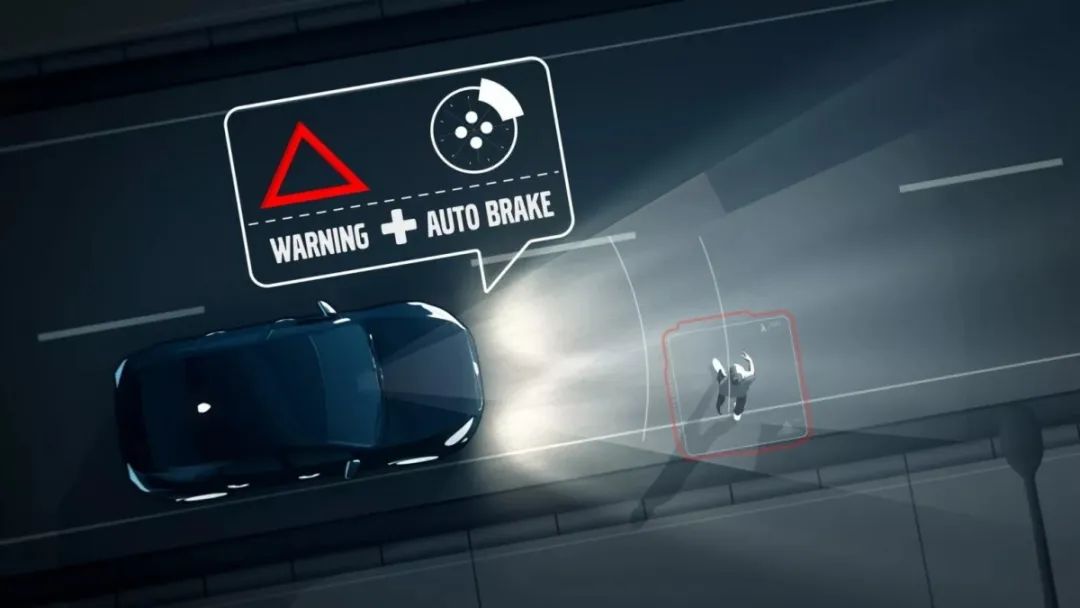
Core Viewpoint - The automatic emergency braking system (AEB) is transitioning from an optional feature to a mandatory standard in China, driven by new regulations set to take effect in May 2025, indicating a shift towards prioritizing active safety technologies in the automotive industry [1][4]. Industry Overview - The Ministry of Industry and Information Technology (MIIT) is drafting mandatory technical requirements for AEB, which will increase the installation rate of this safety feature across various vehicle models [1][4]. - Currently, the overall installation rate of AEB in China is below 60%, with entry-level vehicles priced under 80,000 yuan having an AEB installation rate of only 2.6% [3][4]. Regulatory Changes - The new regulations will require all M1 class passenger vehicles and N1 class light trucks to be equipped with AEB, expanding the base of covered models by 30%, which translates to approximately 25 million new vehicles needing AEB installation annually [4]. - The AEB standards will align with international regulations (UN-R152) and will include specific performance requirements for various scenarios, including low visibility conditions and the ability to respond to vulnerable road users [4][6]. Technical Specifications - The new AEB standards will require systems to operate effectively at speeds between 20 to 60 km/h, with a maximum false trigger rate of less than 0.1% [4][6]. - AEB systems must demonstrate a minimum pass rate of 90% in vehicle-to-vehicle tests and 80% in vehicle-to-pedestrian/bicycle tests [4]. Market Implications - The introduction of mandatory AEB standards is expected to eliminate the perception of AEB as a luxury feature and instead position it as a necessary component of vehicle safety [3][6]. - The automotive industry will face increased pressure to enhance the reliability and performance of AEB systems, as subpar technology may lead to significant market disadvantages [6][8]. Competitive Landscape - The global trend towards mandatory AEB installation is evident, with regions like the EU and the US already implementing similar regulations [6][8]. - The debate among automotive manufacturers regarding AEB technology highlights the competitive nature of the industry, with companies like Huawei and XPeng engaging in public discussions about the effectiveness and reliability of their AEB systems [8][9]. Technical Challenges - AEB systems face challenges related to sensor limitations, including issues with false positives and missed detections, which can lead to safety risks [23][24]. - The balance between timely intervention and allowing driver response time is critical for AEB systems, as premature activation can lead to accidents [20][25].
【新能源周报】新能源汽车行业信息周报(2025年5月26日-6月1日)



乘联分会· 2025-06-04 08:38
Industry Information - In the first four months, Shaanxi's automobile production increased by 33.3% year-on-year, with a total output of 630,000 vehicles, surpassing the national growth rate of 22.2% [8] - China Automotive Research Institute signed a strategic cooperation agreement with Huawei's subsidiary, aiming to enhance collaboration in policy research, AI technology application, and digital model development [9] - Nvidia plans to launch a new AI chip for the Chinese market, priced significantly lower than the previous H20 chip, with production expected to start in June [10] - The Horgos port exported 106,000 vehicles from January to April, marking an 18% year-on-year increase [10] - A Guangzhou company has developed a fast-charging technology that can charge 70% of a vehicle's battery in just 5 minutes, leading the industry [10] - The automotive chip company Chuangzhan completed nearly 100 million yuan in angel financing [11] - CATL expects to achieve small-scale production of solid-state batteries by 2027, which are anticipated to address key issues in electric vehicle range and safety [12] - Geely's battery subsidiary plans to reach a production capacity of 70GWh by 2027, with multiple production bases established [12] - Hesai Technology reported Q1 revenue of 530 million yuan, with a gross margin of 41.7% and a delivery volume of 195,818 units [13] - Pony.ai has partnered with Dubai's RTA to launch Robotaxi testing operations by 2025 [14] - Nvidia's Q1 revenue reached $44.062 billion, with a 72% increase in automotive chip business [15] - UBS forecasts continued growth in electric vehicle sales, projecting a compound annual growth rate of 17% from 2024 to 2027 [16] Policy Information - Henan aims to complete the scrapping and replacement of approximately 500,000 vehicles by 2025, along with over 8 million home appliance replacements [25] - Shanghai's Jiading district has introduced policies to support the development of intelligent connected new energy vehicles [26] - Guangzhou has allocated over 2.986 million yuan in subsidies for electric vehicle charging infrastructure construction [27] - Beijing encourages foreign enterprises to participate in high-level autonomous driving demonstration zones [28] - Chongqing plans to establish 30 smart factories and 300 digital workshops by 2027 [28] - Harbin is launching a promotional campaign for automobiles, offering 48 million yuan in subsidies [28] - Guangdong's energy bureau has issued a notice for energy-saving and carbon reduction work for public institutions by 2025 [28] - Fujian supports automotive consumption activities and aims to build over 80,000 public charging piles by the end of 2025 [28] - Zhejiang Jiaxing has announced subsidy standards for personal charging piles and hydrogen stations [33]
一群硬科技投资人、产业人,又要组团去德国
芯世相· 2025-06-04 05:02
Core Viewpoint - The article emphasizes the importance of exploring overseas markets for the chip industry, particularly in Europe, as a strategy for industry upgrade and sustained growth amidst intense domestic competition and technological innovation [3]. Group 1: Overview of the European Market Exploration - Since last year, an increasing number of chip professionals have shifted their focus to overseas markets, with "going abroad" becoming a new option for industry growth [3]. - A business investigation activity titled "Exploring European Electronic Trends" is scheduled from September 4 to September 14, focusing on key cities in Germany and major exhibitions like IFA and IAA [3][4]. Group 2: Key Events and Activities - IFA, one of the largest international consumer electronics exhibitions, attracted over 1,800 exhibitors and more than 210,000 visitors from 138 countries in its last edition, with AI being a significant theme [4]. - IAA, one of the top five auto shows globally, had 750 exhibitors from 38 countries and over 500,000 visitors, covering the entire automotive supply chain [4]. - The itinerary includes deep-dive salons and visits to renowned companies and universities, enhancing local resource connections [5][6]. Group 3: Itinerary Highlights - The itinerary includes visits to five key German cities: Berlin, Leipzig, Dresden, Stuttgart, and Munich, each representing significant industrial characteristics [7]. - The schedule features visits to major exhibitions, local enterprises, and cultural sites, providing a comprehensive understanding of the German industry landscape [15][16][18][19]. Group 4: Previous Experience and Networking - The organization has conducted multiple business investigations in Germany since 2018, optimizing itineraries based on feedback from industry participants [10]. - Previous events have successfully facilitated networking among industry leaders, including major manufacturers and investment institutions [6][12].