中兴通讯

Search documents
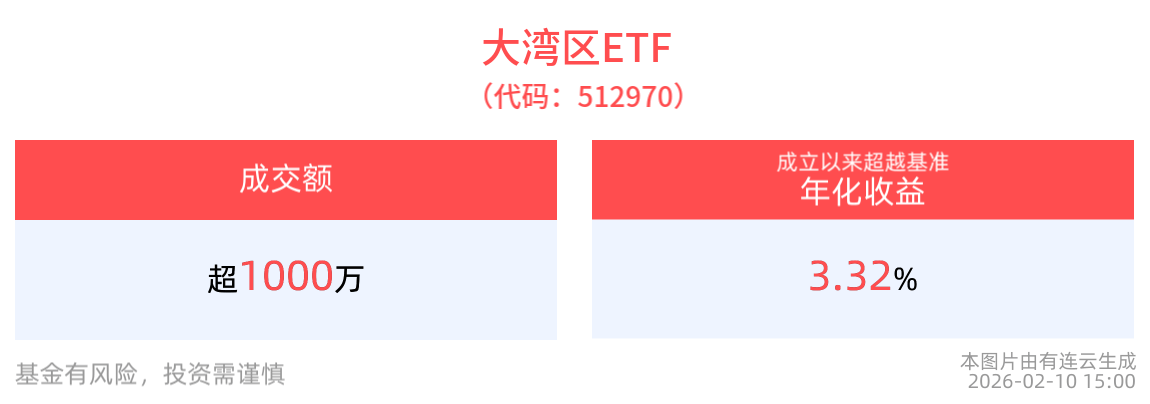
成交额超1000万元,大湾区ETF(512970)成立以来超越基准年化收益达3.32%
Sou Hu Cai Jing· 2026-02-11 01:46
Core Viewpoint - The performance of the China Securities Guangdong-Hong Kong-Macao Greater Bay Area Development Theme Index and its related ETF reflects the market dynamics and investment opportunities within the Greater Bay Area, with notable fluctuations in constituent stocks and trading activity [2][3]. Group 1: Index Performance - As of February 10, 2026, the China Securities Guangdong-Hong Kong-Macao Greater Bay Area Development Theme Index (931000) decreased by 0.01% [2]. - The Greater Bay Area ETF (512970) also saw a decline of 0.13%, with the latest price at 1.52 yuan [2]. - Over the past week, the Greater Bay Area ETF has accumulated a rise of 0.93% [2]. Group 2: Stock Movements - Among the constituent stocks, Zhao Chi Co. led with a gain of 9.96%, followed by Xinlitai with an increase of 6.88%, and Huitai Medical up by 5.15% [2]. - Conversely, Mingyang Smart Energy experienced the largest drop at 4.34%, followed by Xinwei Communication down 4.08%, and Jiejia Weichuang down 3.45% [2]. Group 3: Trading Activity - The trading volume for the Greater Bay Area ETF was active, with a turnover rate of 14.53% and a transaction value of 11.4673 million yuan [2]. - The average daily trading volume over the past week was 2.6276 million yuan [2]. Group 4: Risk and Return Metrics - The maximum drawdown for the Greater Bay Area ETF this year was 5.52%, with a relative benchmark drawdown of 0.02% [2]. - The Sharpe ratio for the Greater Bay Area ETF over the past year was reported at 1.41 as of February 6, 2026 [2]. Group 5: Fee Structure - The management fee for the Greater Bay Area ETF is set at 0.15%, while the custody fee is 0.05% [2]. Group 6: Index Composition - The index closely tracks companies benefiting from the Greater Bay Area's development, with the top ten weighted stocks accounting for 44.55% of the index [3]. - The top ten stocks include China Ping An, Luxshare Precision, BYD, and others, with varying weight percentages [4].

技术硬件与设备行业2025年信用回顾与2026年展望
新世纪评级· 2026-02-11 01:17
Investment Rating - The technology hardware and equipment industry is rated as stable for 2025 and 2026 [1] Core Insights - The technology hardware and equipment industry is experiencing a slow recovery driven by inventory replenishment cycles and AI technology, despite overall pressure from weak global economic growth since 2025. There is significant differentiation among sub-industries, with strong demand for data center equipment driven by computing power, while traditional telecom equipment shows sluggish growth [2][3] - The Chinese government has established a policy framework to support the industry, focusing on short-term growth stabilization, medium-term supply chain strengthening, and long-term innovation promotion, primarily through domestic substitution to overcome high-end equipment and material bottlenecks [2] - The industry is expected to benefit from the deepening of digital China initiatives and the industrialization of cutting-edge technologies like AI, entering a structurally growth-driven cycle. However, geopolitical disturbances and rapid technological iterations may lead to uneven recovery across the industry [5] Summary by Sections Industry Overview - The electronic information manufacturing industry is closely tied to global economic conditions, showing signs of recovery since 2024 due to inventory replenishment and AI-driven demand. It is a core industry in China's economic structure transformation and upgrade [7][8] - In 2024, the added value of China's electronic information manufacturing industry grew by 11.8%, outperforming overall industrial and high-tech manufacturing growth rates [8] Financial Performance - Sample companies in the technology hardware and equipment industry reported positive revenue growth year-on-year in 2025, aligning with industry recovery trends. However, high R&D investments and asset impairment losses have pressured net profits, while EBITDA showed year-on-year growth, indicating profit resilience [3] - The debt scale and liability ratios of sample companies have increased, with a decline in the EBITDA coverage ratio for rigid debt, although interest coverage has improved due to lower financing costs [3] Sub-Industry Insights Communication Equipment - The communication equipment sector is experiencing growth opportunities driven by AI and industrial interconnectivity, with significant demand for data center equipment but slow growth in traditional telecom network equipment. The market is highly competitive and concentrated [24][27] - The deployment of high-speed optical modules and data center switches is expected to grow significantly, while traditional telecom equipment investments are declining as operators shift focus to computing power networks [28] Computers and Peripheral Devices - The global PC and server markets are stable, with Chinese manufacturers gaining market share due to domestic substitution. The AI PC segment is becoming a core growth driver, with AI PC shipments expected to increase significantly [37][38] - The global server market is experiencing robust growth driven by AI computing demand, with significant revenue increases expected in the coming years [42] Electronic Devices, Instruments, and Components - The electronic devices, instruments, and components sector is seeing overall recovery driven by AI innovation and domestic supply chain localization. Key areas of growth include computing power chips and advanced packaging [48][49] - The semiconductor industry is entering an upward trend, with significant sales growth expected in both global and Chinese markets [56]



果然出尔反尔!被美敲诈后,欧洲再对中国下黑手,中方已明确表态
Sou Hu Cai Jing· 2026-02-11 00:35
欧洲当下正深陷战略短视的泥潭,令人啼笑皆非的是,它对美国的谄媚并不能换来半分尊重。安全上, 欧洲依附美国,而经济上,它又无法摆脱对中国的依赖。新能源时代,中国企业牢牢掌握着锂、钴、稀 土等关键矿产的冶炼加工能力,以及风电、光伏等设备的产能优势。欧洲若想推进能源转型,摆脱对化 石能源的依赖,根本绕不开中国的供应链。强行"去中国化",只会徒增转型成本,拖慢转型进程,最终 自废武功。 就拿金风科技的处境来说,最能说明问题。在2024年全球十大风电整机制造商排名中,金风稳居第一, 而美国通用电气旗下的GE Vernova则勉强挤入第十。在海外市场上,金风凭借实打实的成本优势占据主 动,与GE Vernova正面交锋。去年十月,金风高层就曾披露,中国企业的制造成本比西方竞争对手低至 少40%。这40%的优势,是中国风电全产业链多年积累的成果,却被欧美政客简单粗暴地等同于"补 贴"。《外国补贴条例》成了他们打压竞争对手的万能工具。 同日,美国内政部长伯古姆宣布将联合三十多个国家签署矿产合作协议,目标直指摆脱对中国关键矿产 的依赖。令人不解的是,欧盟竟然主动上前贴靠,明确提出要与美国建立矿产伙伴关系并制定专属路线 图,甘愿 ...
积极构建人工智能跨境伦理安全治理体系 服从服务于构建更为紧密的中国—东盟命运共同体
Xin Lang Cai Jing· 2026-02-10 23:13
Core Viewpoint - The meeting emphasized the importance of establishing a cross-border ethical and security governance system for artificial intelligence (AI) in the context of China-ASEAN cooperation, aiming to enhance people's well-being and regional prosperity while ensuring safety [1][3]. Group 1: Meeting Highlights - The meeting was chaired by Chen Gang, the Secretary of the Autonomous Region Party Committee, focusing on the implementation of Xi Jinping's important discussions on AI development and the specific requirements for Guangxi's work [1]. - Key participants included academicians and industry leaders who provided insights on constructing an ethical governance framework for AI, addressing various aspects such as technology, engineering, system management, legal design, and cultural exchange [2]. Group 2: Strategic Focus - Guangxi aims to embrace the AI era by developing a framework that integrates strategy, application, and safety, while promoting cooperation in AI applications among China-ASEAN countries [3]. - The region is positioned as a "bridgehead" for open cooperation with ASEAN, focusing on the needs of the nation, capabilities of Guangxi, and expectations of ASEAN [3]. Group 3: Governance and Collaboration - Chen Gang highlighted the need to embed ethical and safety considerations throughout the AI research and development process, improve legal regulations and industry standards, and promote cultural exchange [4]. - The goal is to create a collaborative governance framework that addresses the concerns of ASEAN countries and positions Guangxi as a key player in China-ASEAN AI cooperation [4].


春节流量大战,AI 与机器人的交卷时刻
晚点LatePost· 2026-02-10 14:00
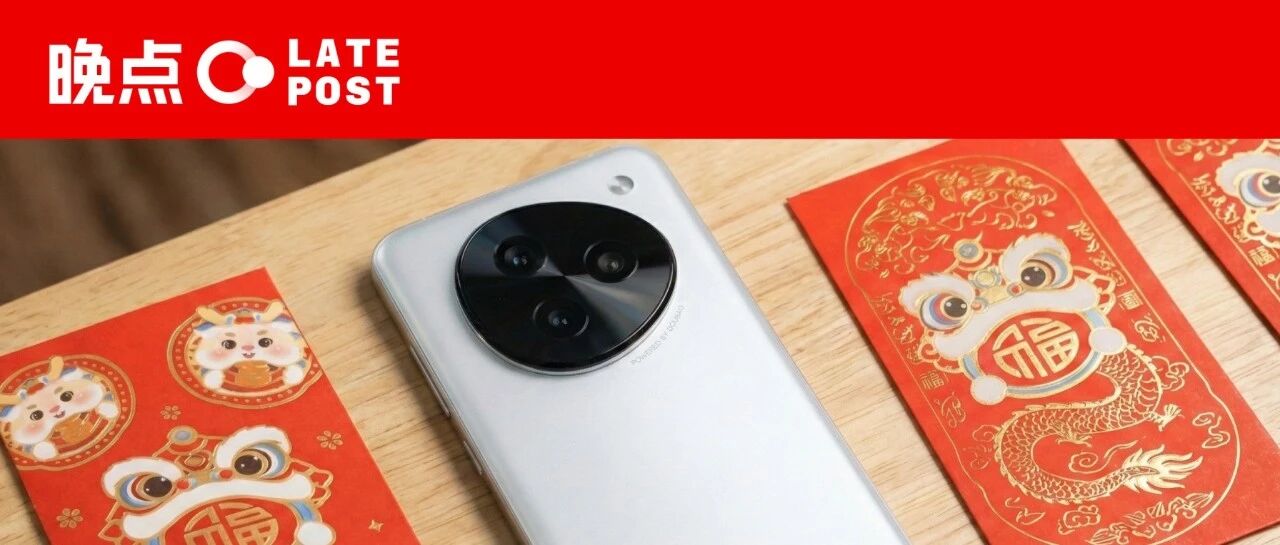
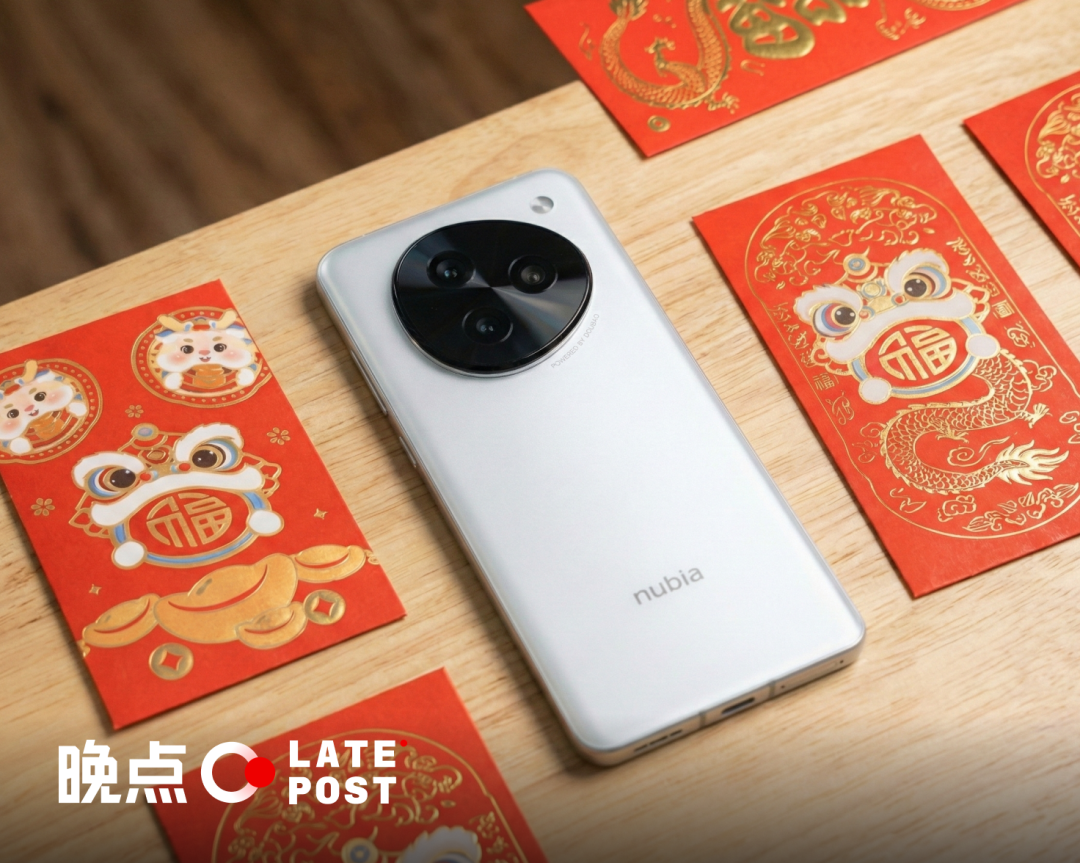
Core Viewpoint - The article emphasizes that the key to AI applications is their low entry barrier, which is crucial for reaching the mass market, especially highlighted during the 2026 Spring Festival marketing competition [2][6]. Group 1: Spring Festival Marketing Landscape - The 2026 Spring Festival marketing landscape is more competitive than in previous years, with major tech companies leveraging the event as a platform for AI public awareness [3]. - Companies like Volcano Engine and Tencent are using the Spring Festival to showcase AI capabilities, similar to how mobile payment companies did a decade ago [3][5]. - The evolution of Spring Festival sponsorship reflects China's economic development, transitioning from physical goods to digital efficiency [5]. Group 2: AI Application Development - AI applications have evolved from merely conversational tools to actionable solutions that can perform tasks for users, marking a significant shift in their functionality [4][7]. - The emergence of applications like DeepSeek has leveled the playing field between large corporations and independent developers, indicating a shift towards AI as a productivity base [7]. - The introduction of the Nubia M153 smartphone represents a significant advancement in AI capabilities, allowing for cross-application automation and reducing user interaction complexity [6][8]. Group 3: User Accessibility and Market Penetration - The low barrier to entry for AI applications, exemplified by the Nubia M153, is essential for widespread adoption, allowing users to interact with technology through simple voice commands [6][10]. - The article suggests that the Spring Festival could serve as a pivotal moment for AI to transition from early adopters to mainstream users, similar to past technological shifts [10]. - As AI becomes more accessible, it is expected that the number of users who claim they cannot use AI will diminish significantly [11].
春节流量大战,AI 与机器人的交卷时刻
Xin Lang Cai Jing· 2026-02-10 13:13
Core Insights - The 2026 Spring Festival marketing competition is more crowded than in previous years, with major tech companies leveraging the event as a platform for AI to enter the mass market [3][4] - The success of DeepSeek, which surpassed all major AI applications in DAU growth within two weeks, indicates that the foundational models of AI have been widely adopted, marking a shift towards competition at the application and interface levels [4][9] - AI is evolving beyond simple conversational capabilities to become a practical tool that can solve real user problems, as demonstrated by various applications and devices [4][10] Industry Trends - The evolution of Spring Festival sponsorship reflects China's economic development, transitioning from physical goods in the 80s and 90s to efficiency and digitalization in recent years [19][20] - The core societal demand has shifted from information acquisition to task processing, highlighting the growing importance of AI in everyday life [21] - AI's trajectory has moved from being an invisible infrastructure in data centers to a visible spectacle on stage, and now into mobile devices, indicating a significant technological shift [22][23] Product Development - The Nubia M153 smartphone, equipped with the Doubao assistant, represents a breakthrough in AI integration, allowing for cross-app automation and reducing user interaction complexity [23][26] - The low barrier to entry for AI applications is crucial for their adoption, as evidenced by the Nubia Doubao phone's user-friendly voice recognition capabilities [28][29] - The emergence of AI agent phones is expected to proliferate in 2026, with the Nubia Doubao phone serving as a pioneering example [29]

中国首个“万亿区”诞生!6000家高企,每平方公里54亿:解构中国最“恐怖”的经济密度……
Xin Lang Cai Jing· 2026-02-10 12:41
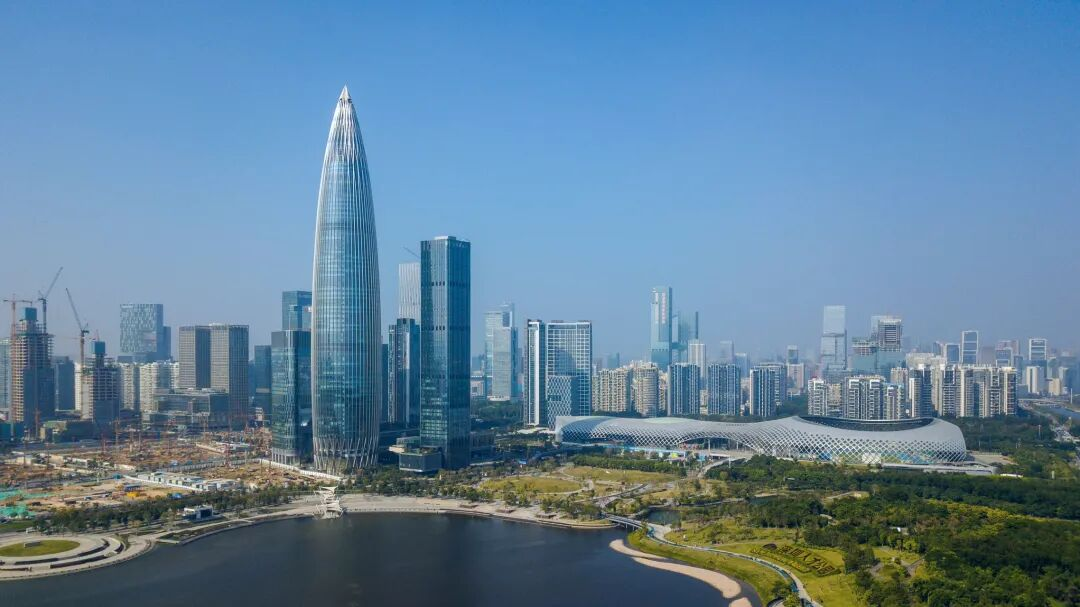
Core Insights - Shenzhen's Nanshan District has become the first county-level administrative region in China to surpass a GDP of 1 trillion yuan by 2025, surpassing approximately 90% of China's prefecture-level cities and even exceeding the annual economic output of small European countries like Iceland and Estonia [2][38] - Nanshan's economic success is attributed to a combination of market mechanisms, technological innovation, and urban governance, rather than natural resource endowments or administrative status [4][39] Economic Performance - Nanshan generates over 25% of Shenzhen's economic output on less than 10% of its land, with a GDP density of 54 billion yuan per square kilometer, three times the average in Shenzhen and over three times that of Shanghai's Pudong New Area [2][38] - The district hosts 218 listed companies and contributes approximately 0.7% to the national GDP, showcasing a high concentration of economic activity [2][38] Industrial Ecosystem - Nanshan is characterized as a "tropical rainforest" of industry, with over 600,000 market entities, including 6,037 national high-tech enterprises, creating a unique ecosystem of vertical integration and rapid innovation [7][41] - The district's "robot valley" exemplifies its industrial efficiency, where product development cycles are significantly shorter than in Silicon Valley, allowing for rapid prototyping and testing [9][43] R&D Investment - Nanshan's R&D investment intensity reaches 7.87%, far exceeding the national average of approximately 2.5% and surpassing Israel's 5.6%, leading to a high number of patents per capita [14][48] - The integration of secondary and tertiary industries has resulted in nearly 80% of the economy being driven by high-tech services rather than traditional sectors, with strategic emerging industries accounting for nearly 60% of GDP [14][48] Government Role - The local government plays a crucial role in fostering innovation through supportive policies, including substantial industry guidance funds and a high tolerance for failure, which helps startups navigate funding challenges [16][50] - Nanshan's strict intellectual property protection has made it a hub for international patent applications, accounting for 1/14 of the national total [18][52] Urban Integration - The district promotes seamless collaboration between academia and industry, with universities located close to enterprises, facilitating talent mobility and innovation [20][54] - Nanshan's urban planning integrates work and leisure, creating an attractive environment for top talent, which enhances cross-industry innovation [22][56] Comparative Analysis - Compared to Beijing's Haidian District, which excels in original innovation, Nanshan's strength lies in the industrialization of technology, with over 90% of R&D activities occurring within enterprises [24][58] - In contrast to Shanghai's Pudong, which benefits from significant state resources, Nanshan's growth is driven by grassroots entrepreneurship and a market-oriented approach [28][62] Challenges Ahead - Nanshan faces risks of hollowing out due to rising costs, as high rents and labor expenses may drive manufacturing away, necessitating innovative solutions to maintain its industrial base [30][65] - The district's administrative status as a district limits its governance capabilities, posing challenges in fiscal management and regional coordination [32][67] - The high cost of living may hinder the retention of young talent, raising concerns about the sustainability of its innovative ecosystem [34][69] Conclusion - Nanshan's achievement as the first trillion-yuan district signifies a shift towards innovation-driven growth without reliance on natural resources, providing a model for other regions in China [36][70] - The district's future will depend on balancing high-quality growth with quality of life, as it navigates the complexities of urbanization and economic development [36][70]
突发!刘强东拿下中兴
商业洞察· 2026-02-10 08:48
Core Viewpoint - JD.com is aggressively expanding its partnerships with smartphone manufacturers, indicating both ambition and anxiety in a competitive market [2][12]. Group 1: Strategic Partnerships - JD.com has formed a strategic partnership with Vivo, aiming for a sales target of 100 billion yuan over the next three years, focusing on user engagement, product co-development, and full-channel integration [4][7]. - The collaboration with Vivo will leverage JD's 700 million active users to target high-potential demographics such as Gen Z through joint marketing and member integration [7]. - JD.com has also secured the national agency rights for ZTE, Nubia, and Red Magic, setting a sales goal of 10 billion yuan, aiming to enhance ZTE's market presence through integrated resources [8][9]. Group 2: Business Expansion and Supply Chain Focus - JD.com is diversifying its business into food delivery, dining, and travel, all centered around its core supply chain capabilities [14][16]. - The company has quickly captured a significant market share in the food delivery sector, achieving 25 million daily orders within three months [16]. - JD's approach in the food industry includes using technology to ensure food safety and streamline supply chain processes, reflecting its long-standing operational efficiencies [17]. Group 3: Financial Performance and Challenges - JD.com's Q3 2025 financial report shows a revenue increase of 14.9% to 299.1 billion yuan, but net profit plummeted by 54.7% to 5.3 billion yuan, indicating financial strain from new business ventures [23]. - The company faces challenges in maintaining market share in food delivery, with a drop in user retention once subsidies are reduced, highlighting the volatility of its new business models [24]. - JD's core supply chain efficiency has declined, with inventory turnover days increasing from 30.4 to 35.8 days, and accounts receivable turnover days rising from 5.8 to 8.3 days, signaling operational difficulties [24][25].

新质资本论 (2026. Vol.1)
Xin Lang Cai Jing· 2026-02-10 06:37
Group 1 - The Guangdong government is launching a long-term investment fund with a flexible duration and a recycling investment mechanism, focusing on early-stage, small, long-term investments in hard technology [1] - The direct investment scale in Guangdong continues to lead the nation, with nearly 1,000 direct investments made in the year, covering 887 companies, and achieving 16 IPO projects in 2025 [1] - The Guangdong-Hong Kong-Macao Greater Bay Area Venture Capital Guidance Fund is expanding its LP team, with a target size of 504.5 billion RMB, managed by Shenzhen Capital Group [1] Group 2 - Guangdong remains the top province for mergers and acquisitions, with 909 new deals in the year, a 10.60% increase year-on-year, accounting for 15.85% of the national total [2] - The province is enhancing financial policies to promote a deep integration of technology, finance, and industry, moving beyond a singular financial perspective [2] - The commercial aerospace sector is experiencing rapid growth, with increased participation from venture capital and industrial capital, breaking the traditional dominance of state-owned enterprises [2] Group 3 - Investment income is primarily driven by CITIC Securities and its subsidiary, Yuexiu Industrial Investment, as Yuexiu Capital diversifies from traditional financial services into new energy and emerging industries [3] - Yuexiu Capital is actively involved in industrial integration, corporate venture capital investments, and capital operations, expanding its investment footprint beyond Guangdong to other provinces [3] Group 4 - Northbound capital is increasingly focusing on technology-related industries and Guangdong-listed companies [4] - Guangzhou's municipal government plans to allocate at least 15% of its annual technology innovation development fund for "supplementary and transformative investments" [4] - The Guangzhou real estate asset management service platform aims to revitalize existing real estate assets through innovative financial tools, attracting social capital for various real estate projects [4]
沪深北交易所同日“亮剑”:再融资新政对A股影响(附精选股票)
Sou Hu Cai Jing· 2026-02-10 06:14
Core Viewpoint - The simultaneous release of refinancing optimization measures by Shanghai, Shenzhen, and Beijing stock exchanges marks a significant transformation in China's capital market, aimed at enhancing capital allocation efficiency and reshaping the A-share market landscape [1]. Group 1: Policy Framework and Differences - The policy frameworks of the three exchanges are highly similar, focusing on "supporting the strong, limiting the weak, promoting innovation, and enhancing convenience and regulation" [2]. - Shanghai Stock Exchange emphasizes "main board" characteristics, tailoring financing rules for large, mature technology companies [2]. - Shenzhen Stock Exchange adopts a bolder stance on supporting technology innovation, easing fundraising restrictions for growth-oriented enterprises [2]. - Beijing Stock Exchange focuses on "innovative small and medium-sized enterprises," addressing their financing challenges with flexible policies [2]. Group 2: Strategic Insights on Separate Announcements - The decision to release policies on the same day rather than a joint announcement reflects the nuanced wisdom of tiered regulation in China's capital market [3]. - Different market positioning allows each exchange to cater to the unique characteristics and needs of the enterprises they serve, avoiding a one-size-fits-all approach [3]. - The simultaneous release creates a strong policy resonance, reinforcing market perception of deepening capital market reforms while maintaining the distinct identities of each exchange [3]. Group 3: Deep Impacts on Market Perception - The new measures aim to shift the long-standing fear of "blood-sucking" effects of refinancing, which was believed to drain market funds and destabilize the market [4]. - The principle of "supporting the strong, limiting the weak" will act as a catalyst for market differentiation, favoring quality companies, especially in hard technology, while raising barriers for poorly performing firms [4]. - The policy directs resources towards "new productive forces," providing strong support for leading companies in sectors like semiconductors, AI, biomedicine, and high-end manufacturing [5]. - Allowing companies that have experienced stock price declines to raise funds through methods like private placements and convertible bonds offers a lifeline to solid businesses facing temporary challenges [6]. - A complete regulatory loop is established, tightening post-fundraising supervision while relaxing initial approvals, transforming refinancing from a mere "money-raising tool" to an "engine" for corporate development [7]. Group 4: Implications for Investors - The coordinated actions of the three exchanges signify the entry of China's refinancing mechanism into a "precise drip irrigation" era, providing tailored financing support for different types of enterprises [8]. - Investors are advised to focus on genuinely innovative and well-governed companies while avoiding those that merely chase trends without substance [8]. - The transformation of refinancing from a "blood-sucking machine" to a "blood-producing pump" is expected to enhance the value discovery function of the A-share market, leading to a healthier and more vibrant capital market [8].