地平线

Search documents
中国智驾产业变迁:从封闭交付到普惠生态
雷峰网· 2025-12-25 09:24
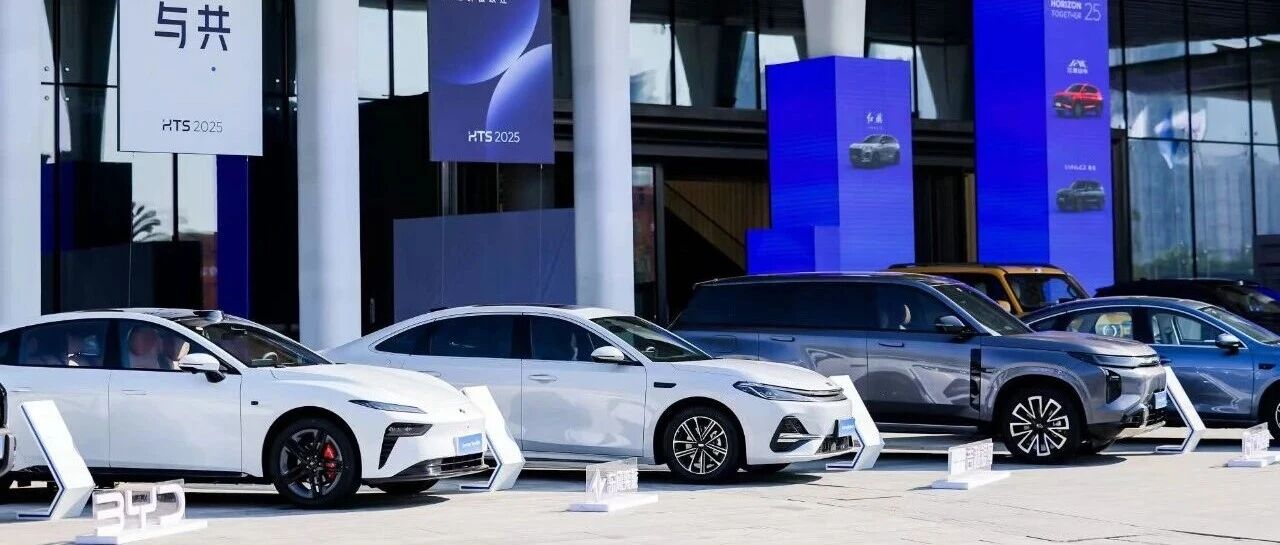
Core Viewpoint - Over the past decade, China's intelligent driving industry has transitioned from a closed chain to an inclusive ecosystem, driven by technological advancements and collaborative efforts among local companies [1][36]. Group 1: Industry Evolution - In 2011, Tesla's CEO Elon Musk dismissed BYD as a competitor, highlighting the significant gap in technology and product appeal between Chinese automakers and Tesla at that time [2][3]. - By 2024, Chinese automakers like BYD and Geely have surpassed Tesla in sales, becoming part of the top ten global car manufacturers, showcasing the rapid evolution of the industry [4]. - The core of Tesla's sustained optimism lies in its self-developed chips and intelligent driving capabilities, which have spurred a wave of research and development in China's intelligent driving sector [4]. Group 2: Key Players and Partnerships - The critical turning point for China's intelligent driving industry occurred between 2019 and 2020, marked by the emergence of companies like Horizon Robotics and Momenta, which began to establish themselves in the market [6]. - The collaboration between Changan Automobile and Horizon Robotics exemplifies how local companies are building flexible and open supply chain systems, enhancing their control over core technologies [10][12]. - The partnership between Li Auto and Horizon Robotics allowed for rapid development and deployment of advanced driving features, demonstrating the importance of open collaboration in overcoming technological challenges [13][17]. Group 3: Technological Advancements - The shift from Mobileye's closed delivery model to more open and collaborative approaches has catalyzed the development of local intelligent driving technologies, enabling companies to gain autonomy over their systems [9][18]. - Horizon Robotics' introduction of the Journey 5 chip, which offers high performance and supports advanced driving needs, has positioned the company to compete in the high-end intelligent driving market [23][24]. - The "HSD Together" model proposed by Horizon Robotics aims to enhance collaboration across the supply chain, significantly reducing development costs and time to market for automotive companies [27][28]. Group 4: Market Accessibility and Inclusivity - The evolution of intelligent driving technology is making advanced features more accessible to a broader range of consumers, breaking down price barriers that previously limited adoption to high-end vehicles [30][31]. - BYD's upcoming "Heavenly Eye" system, powered by Horizon Robotics' Journey 6 chip, aims to provide advanced driving capabilities across its entire model range, including lower-priced vehicles [30]. - The introduction of Horizon Robotics' HSD full-scene driving assistance system is set to make high-level intelligent driving features available in mid-range vehicles, promoting inclusivity in the market [31][33].


国资入主联创电子,未来三年联创战略转型新蓝图
Jing Ji Guan Cha Wang· 2025-12-25 03:39
Core Viewpoint - The company, Lianchuang Electronics, is shifting its strategic focus from being a "comprehensive electronic manufacturing enterprise" to concentrating entirely on the optical industry, aiming to become a "giant in optical technology" within the next three years [1] Group 1: Strategic Direction - Lianchuang Electronics will channel its resources into the optical industry, which is seen as having a competitive advantage [1] - The company has outlined three clear execution paths for its new development plan [1] Group 2: Execution Paths - The first path focuses on automotive optics, leveraging its glass-plastic hybrid lens technology to target key Tier 1 platforms such as NIO, Huawei, and Horizon, aiming to make this the primary source of profit while also entering the medical endoscope market to cultivate a second growth curve [1] - The second path involves a defensive strategy for the touch display business, shifting from scale expansion to enhancing equipment utilization and reducing amortization, with a focus on profitability [1] - The third path emphasizes strict control over capital expenditures, moving away from the high-intensity R&D and fixed asset investment model of the past five years, and instead prioritizing internal management and cost reduction over large-scale new investments [1] Group 3: Strategic Logic - The core logic behind this strategic transformation is to leverage the resources and financial advantages provided by state-owned capital to convert Lianchuang Electronics' technological barriers into market orders and profits, achieving a transition from "diversified layout" to "specialized and innovative" [1]

企业竞争或进入技术、盈利、商业落地等全面比拼新阶段
Xin Hua Wang· 2025-12-25 02:33
Core Insights - The intelligent driving industry is entering a "survival of the fittest" phase, where competition will focus on technology, profitability, and commercial viability [1][5][6] Market Restructuring - The intelligent driving company Haomo Zhixing has reportedly come to a complete halt, with many employees not receiving salaries for months. The company, backed by Great Wall Motors, once had a valuation exceeding 10 billion yuan but is now facing layoffs and executive departures [2] - Other companies like Zongmu Technology and Qingyan Weishi have also faced bankruptcy or deep restructuring despite previous funding rounds [2] Resource Concentration - The Ministry of Industry and Information Technology has conditionally approved two L3 autonomous driving models for trial operations in specific areas, marking a shift from "practice allowed" to "official road use" [3] - Companies like Yuanrong Qihang and Zhuoyue Technology have secured significant investments, indicating a trend of resource concentration towards leading firms [3] International Competition - Global giants like General Motors are seeking expertise from former employees of failed ventures to enhance their autonomous vehicle initiatives, reflecting a diverse technological approach in the industry [4] - The investment landscape has cooled significantly since its peak in 2021, with a notable shift towards funding established players rather than startups [4][5] Industry Challenges - Companies face significant challenges in establishing sustainable business models, with only a few profitable among the major listed intelligent driving firms [6][7] - The focus has shifted from merely technological capabilities to include cost control, compliance, and mass production capabilities as essential criteria for success [7] Future Outlook - The industry is expected to consolidate further, with independent autonomous driving companies facing increased pressure and potential mergers or acquisitions [5][6] - Predictions indicate a shift towards fully autonomous driving solutions in the next 5 to 10 years, driven by advancements in data and AI technologies [7][8]



中国汽车智能化步入全新攻坚期
Zhong Guo Qing Nian Bao· 2025-12-24 22:15
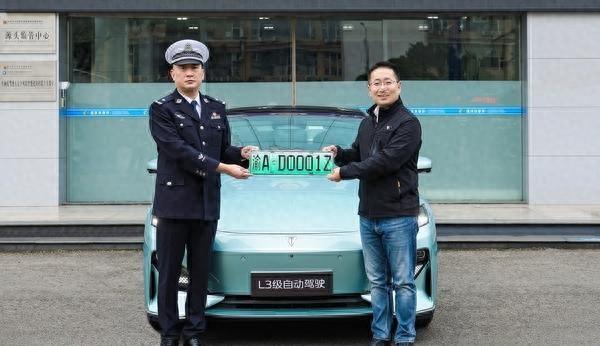
Core Insights - The issuance of the first L3-level autonomous driving license plate "渝AD0001Z" to Changan Automobile marks a significant milestone in China's progress in the autonomous driving sector, reflecting the company's commitment to safety and innovation [2][3] - The approval of L3-level conditional autonomous driving products by the Ministry of Industry and Information Technology indicates a critical advancement in the management practices of strategic technologies in China, serving as a catalyst for the industry's intelligent transformation [2][3] Industry Developments - Changan Automobile has undergone seven iterations of technology since establishing its intelligent research and development team in 2009, showcasing its deep-rooted automotive manufacturing experience and successful transition to smart technology [3] - The penetration rate of L2-level advanced driver assistance systems (ADAS) in new passenger cars in China exceeded 60% in the first three quarters of this year, with expectations to rise to 90% by 2030, indicating a shift from technology validation to large-scale commercial application [3] Collaborative Innovation - The achievement of L3-level autonomous driving is attributed to collaborative innovation across the industry chain, with leading domestic brands and new car manufacturers investing heavily in intelligent driving as a core strategy [4] - Domestic chip companies have made significant breakthroughs in high-performance AI computing chips, reducing reliance on foreign suppliers and providing a "digital foundation" for China's smart vehicles [4] Data Advantage - The rapid proliferation of L2-level assistance driving has established a strong foundation for the advancement of higher-level intelligent driving, creating a unique data advantage through millions of smart connected vehicles operating in complex road environments [5] - This data-driven approach enhances the iterative capabilities of autonomous driving algorithms, making it difficult for other countries to replicate [5] Regulatory Framework - The approval of L3-level products does not equate to mass production, as it serves as a "permit" for specific models to conduct road tests under strict conditions, emphasizing safety and regulatory compliance [6][10] - The initial speed limit of 50 km/h for L3-level autonomous driving reflects a cautious approach to ensure safety during testing in complex urban traffic environments [7] Future Outlook - Achieving safe and rapid deployment of L3-level autonomous driving requires a collaborative effort from government, enterprises, research institutions, and society [9] - A clear and stable regulatory framework is essential to define the legal identity of L3 vehicles and clarify responsibilities in the event of accidents [10] - Continuous investment in technology and infrastructure, along with public trust and understanding of autonomous driving, will be crucial for the industry's long-term success [11]
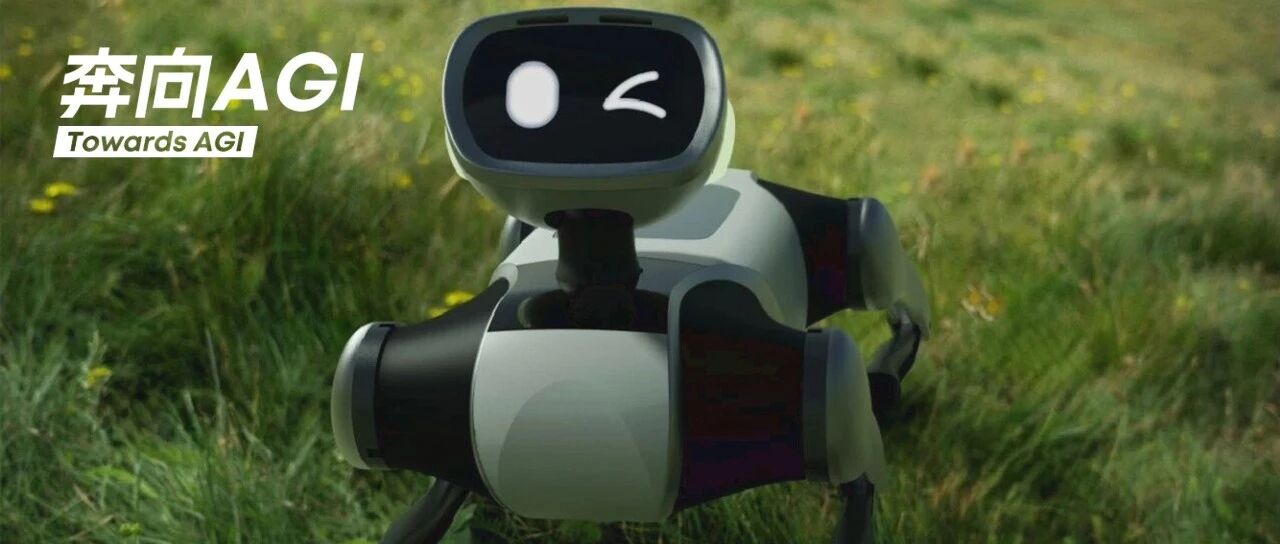
原地平线智能驾驶总裁创业机器人一年:9988元,养一只家里的“小狗哥”
3 6 Ke· 2025-12-24 04:22
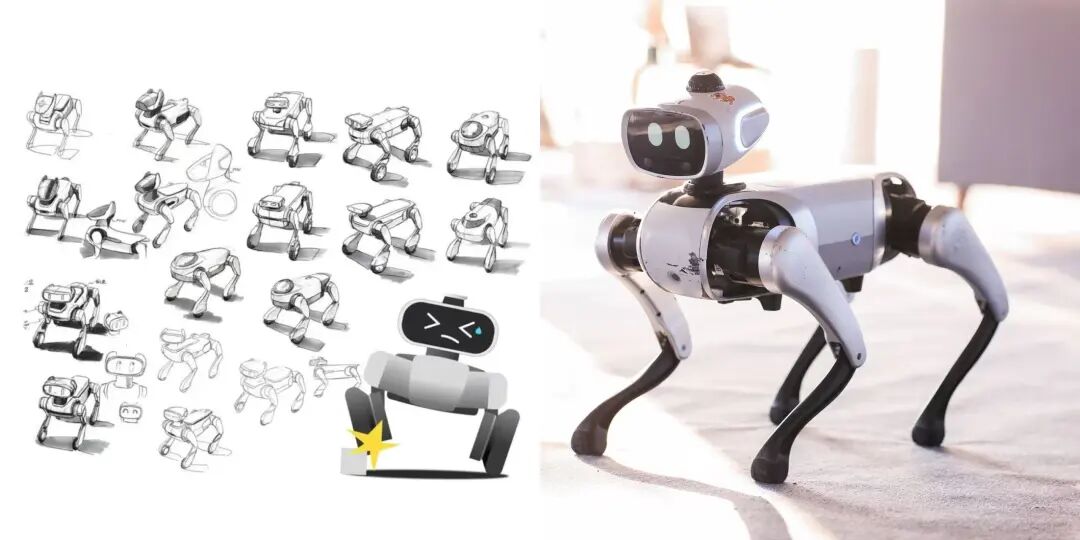
Core Insights - Horizon Robotics, an AI chip unicorn, envisions robots as partners rather than tools, aiming for a future where robots coexist with humans in a supportive role [1][2] - The newly founded company, VITADYNAMICS, launched the "Vbot Super Dog" aimed at consumer markets, priced at 9,988 yuan, targeting children, elderly, and tech enthusiasts [3][4][5] Product Features - The Vbot Super Dog can engage with children through play and companionship, assist the elderly with tasks like shopping and navigation, and serve tech enthusiasts by carrying items and executing remote tasks [3][4][5] - The product emphasizes safety and stability, featuring all-terrain capabilities and a design that avoids sharp edges [6][7] Development Process - VITADYNAMICS maintained a consistent product vision from design to launch, reflecting the founder's experience in B2B business and strategic planning [9][11] - The development process involved extensive user interaction and feedback, ensuring the product met real-world needs [12][18] Technical Specifications - The Vbot Super Dog boasts advanced capabilities, including 128 TOPS computing power, dual-depth vision, and a battery life of approximately 5 hours, outperforming competitors in several metrics [15] AI and Interaction - The robot utilizes a hybrid architecture, combining cloud-based models for complex language processing with self-developed models for real-time decision-making [30][32] - The design philosophy focuses on creating an autonomous entity that can understand and interact with its environment, rather than merely responding to commands [24][29] Market Strategy - The company prioritizes user satisfaction over immediate profit, aiming for a production target of tens of thousands of units while maintaining affordable pricing [42][43] - VITADYNAMICS emphasizes the importance of understanding specific consumer needs, drawing from the founder's personal experiences as a parent [12][34] Supply Chain and Production - The company is committed to quality and stability in production, opting for in-house development of critical components when necessary to ensure performance and reliability [44][46] - Establishing strong relationships with suppliers is crucial for the company's growth, akin to securing investment support [45]

地平线+理想“老兵”集结,造出一只抛弃遥控器的机器狗
创业邦· 2025-12-24 03:25
Core Viewpoint - The article discusses the emergence of VITADYNAMICS, a company founded by former automotive experts, focusing on consumer-grade robotic dogs, specifically the Vbot "Big Head BoBo," which aims to integrate advanced AI and autonomous capabilities into everyday life [2][3][6]. Group 1: Company Background and Founders - VITADYNAMICS was established in December 2024 by three founders with extensive experience in intelligent driving systems, recognizing a gap in the consumer robotics market [2][9]. - The founders include Yu Yinan, a PhD in deep learning and former key member of Horizon Robotics, Zhao Zhelun, who has a strong background in product and market understanding from his time at Li Auto, and Song Wei, an expert in engineering systems [8][9]. Group 2: Product Development and Market Strategy - The first product, the Vbot "Big Head BoBo," is priced at 12,988 yuan, with a launch price of 9,988 yuan, and aims to be a user-friendly, intelligent companion without the need for remote control [2][14]. - The product is designed to address practical household needs, with a focus on safety and usability, targeting a market segment that values technology and quality [17][24]. Group 3: Market Potential and Competition - The consumer-grade robotic dog market in China is projected to grow from 470 million yuan in 2023 to 660 million yuan in 2024, with an expected CAGR of 37.5% over the next five years [17]. - VITADYNAMICS aims to differentiate itself in a competitive landscape, where existing players have established market presence, by focusing on practical applications and user experience rather than just advanced capabilities [24][25]. Group 4: Technological Innovations - The Vbot integrates advanced technologies such as 360° high-precision LiDAR, dual-camera systems, and a powerful AI computing platform, leveraging the founders' experience in autonomous driving [18][20]. - The company emphasizes a "computational density" approach, optimizing sensor use to enhance the robot's environmental understanding and decision-making capabilities [18][27]. Group 5: Challenges and Industry Outlook - The company faces challenges in proving the value and user experience of consumer robots, as many potential customers remain skeptical about their practical utility [29][30]. - The industry is expected to evolve towards providing comprehensive solutions for specific scenarios, with a focus on emotional interaction and user engagement becoming critical for long-term success [32][33].

L4级Robotaxi的护城河一夜崩塌
3 6 Ke· 2025-12-24 00:39
Core Viewpoint - The discussion at the Horizon Ecological Conference highlighted the potential for a unified development paradigm that could bridge the gap between L2 and L4 autonomous driving systems, suggesting that the distinction between these levels may become obsolete [1][3]. Group 1: Unified Development Paradigm - The idea presented is to use L2 architecture and sensors to achieve L4 capabilities, which could lead to the collapse of barriers for L4 Robotaxi companies [1]. - The current approach of L4 Robotaxi companies relies on limited ODD areas and redundant safety measures through hardware and software, which may be challenged by a unified approach [1][4]. Group 2: Contrasting Approaches - The core conflict lies in whether the same architecture can be used for both assisted driving and Robotaxi services, with Tesla and Waymo representing opposing views [2]. - Waymo's strategy involves high-precision maps and multiple sensors to ensure safety, but this comes with high costs and challenges in scalability [2]. - Tesla advocates for a more flexible and cost-effective deployment by unifying the underlying technology for assisted driving and Robotaxi, although it currently lacks the safety levels of Waymo [2][3]. Group 3: Future Implications - If the unified approach is validated, it could significantly undermine the competitive advantages of traditional Robotaxi players who rely on heavy sensor use [4]. - Companies like Horizon and Hello Robotaxi are already moving towards this unified paradigm, indicating a shift in the Robotaxi landscape [4][5]. - The competition will increasingly focus on data accumulation rather than sensor redundancy, positioning data owners and algorithm companies as the most competitive players [5]. Group 4: Expansion and Performance Metrics - Reports indicate that by December 2025, Waymo plans to deploy 2,500 Robotaxi vehicles across the U.S., while Tesla's Robotaxi registrations have surged from under 100 to over 1,000 in just four months [5]. - Morgan Stanley's report highlights that Waymo's average accident-free mileage is approximately 360,000 miles, compared to Tesla's 50,000 miles in Austin [5]. Group 5: Future Outlook - The fundamental differences between data-driven approaches and traditional sensor-heavy methods suggest that Tesla's growth may outpace Waymo's, potentially leading to a collapse of Waymo's system [6]. - There are rumors that Waymo may be shifting towards a data-driven model similar to Tesla's [7].

智通港股沽空统计|12月24日
智通财经网· 2025-12-24 00:23
Group 1 - The top short-selling stocks include China Resources Beer (80291) with a short-selling ratio of 100.00%, Lenovo Group (80992) at 91.04%, and BYD Company (81211) at 90.24% [1][2] - The highest short-selling amounts are led by Alibaba (09988) at 1.293 billion, Tencent Holdings (00700) at 1.057 billion, and Xiaomi Group (01810) at 0.925 billion [1][2] - The stocks with the highest deviation values are China Resources Beer (80291) at 31.62%, Lenovo Group (80992) at 17.55%, and BYD Company (81211) at 32.51% [1][2] Group 2 - The top short-selling ratio rankings show that China Resources Beer has the highest ratio at 100.00%, followed by Lenovo Group at 91.04% and BYD Company at 90.24% [2] - The top short-selling amounts indicate that Alibaba leads with 1.293 billion, followed by Tencent at 1.057 billion and Xiaomi at 0.925 billion [2] - The highest deviation values are recorded for China Resources Beer at 31.62%, Xiaomi at 35.05%, and BYD at 32.51% [2]





一万一只的机器狗,瞄准中产哄娃生意
36氪· 2025-12-23 10:13
Core Viewpoint - The article discusses the emergence of consumer-grade AI robots, specifically focusing on the launch of "Vbot Super Dog" by the company VITADYNAMICS, founded by Yu Yinan, who emphasizes understanding the "demand behind the demand" in product design [5][27]. Group 1: Product Overview - Vbot Super Dog is priced at 9,988 yuan and targets three user groups: children, elderly, and tech enthusiasts, providing various functionalities such as companionship, assistance, and exploration [7][8][32]. - The robot features advanced capabilities, including all-terrain navigation, safety design to prevent injuries, and a long battery life of approximately 5 hours [10][19]. Group 2: Development Process - The development of Vbot Super Dog was methodical, with a consistent product vision from design to manufacturing, reflecting the company's commitment to stability and safety [12][60]. - Yu Yinan's background in B2B business has influenced the company's approach to maintaining focus on product definition and user needs [14][53]. Group 3: Market Positioning - The company aims to differentiate itself by focusing on personalized user insights, similar to successful brands like DJI and Insta 360, rather than attempting to cater to a broad audience [14][48]. - The product's design is rooted in Yu Yinan's personal experiences as a parent, aiming to fulfill deeper needs for family interaction and outdoor exploration [16][27]. Group 4: Technological Innovation - Vbot Super Dog utilizes a hybrid architecture, combining cloud-based large models for complex language understanding with self-developed models for real-time decision-making and control [42][44]. - The robot's ability to autonomously navigate and interact with its environment is based on extensive data training, allowing it to understand and respond to various stimuli [35][39]. Group 5: Business Strategy - The company prioritizes user satisfaction over immediate profit, aiming for a long-term reputation and customer loyalty, even if it means operating at a loss initially [59][60]. - VITADYNAMICS is focused on building a reliable supply chain and fostering partnerships with suppliers who share the vision of becoming a leading player in the consumer robotics market [63][64].

中国话语权获最强认可:美国认了,俄罗斯也点头了
Sou Hu Cai Jing· 2025-12-23 00:59
Core Viewpoint - The article discusses the transformation of global power dynamics over the past seven years, culminating in the recognition of China's central role in international affairs by both traditional adversaries and allies [2][35][46]. Group 1: Trade War and Economic Impact - The U.S. initiated tariffs on China in 2018 under the pretext of correcting trade imbalances and protecting intellectual property, but the actual outcome was counterproductive [6][7]. - China's exports did not collapse; instead, they accelerated transformation under pressure, while U.S. consumers bore most of the additional costs, leading to inflation and supply chain disruptions [8][9]. - By 2024, the U.S. economy faced significant challenges, including high fiscal deficits and slowing growth, prompting discussions within the White House to ease trade tensions with China [10][11][12]. Group 2: China's Industrial and Technological Advancements - China has developed a comprehensive, autonomous industrial and technological system, which has allowed it to emerge as a central player on the world stage [3][4]. - In 2024, China recorded a trade surplus exceeding $1 trillion, the highest in history, driven by robust manufacturing capabilities and technological innovation [22][23]. - China dominates the production of critical components, with over 80% of solar panels, 70% of lithium batteries, and 60% of electric vehicles manufactured domestically [24][25]. Group 3: Global Recognition and Strategic Partnerships - The acknowledgment of China's role in global governance has been reinforced by statements from leaders of both Russia and the U.S., indicating a shift in international attitudes towards China [35][46]. - Russia's reliance on China for economic stability amid Western sanctions highlights the strategic partnership that has developed, with China playing a crucial role in supporting the Russian economy [41][42]. - The need for cooperation with China has been recognized even by U.S. officials who previously held anti-China stances, indicating a pragmatic shift in U.S. foreign policy [46][47]. Group 4: China's Role in Global Governance - The article emphasizes that global issues cannot be effectively addressed without China's participation, as seen in various international negotiations and crisis management efforts [48][49]. - China's increasing influence is reflected in its growing share of global payments and its role in international financial stability, with the RMB becoming the third-largest payment currency by 2025 [82]. - The article concludes that China's sustained efforts in production, research, negotiation, and cooperation have led to a significant shift in global power dynamics, establishing it as an indispensable player in international affairs [87][88].