
Wolfspeed

Search documents
两大巨头退出碳化硅市场 环球晶、汉磊、嘉晶迎转单
Jing Ji Ri Bao· 2025-06-02 22:28
Core Viewpoint - The exit of major players like Wolfspeed and Renesas from the silicon carbide (SiC) market may create new opportunities for Taiwanese manufacturers such as GlobalWafers, Hanlei, and Jiajing to capture market share and benefit from order transfers [1][2]. Group 1: Market Dynamics - Wolfspeed, a global leader in SiC, is reportedly seeking bankruptcy protection, while Renesas, a key player in automotive semiconductors, plans to abandon SiC production due to market conditions [1]. - The slowdown in the electric vehicle market and increased production from Chinese SiC manufacturers have led to oversupply and price declines, prompting Renesas to dissolve its SiC team and adjust its production plans [1]. - The potential bankruptcy of Wolfspeed and Renesas's exit could accelerate structural adjustments in the SiC industry, leading to a healthier market order [1]. Group 2: Opportunities for Taiwanese Manufacturers - GlobalWafers aims to position itself as a reliable SiC supplier outside of mainland China, with plans to launch 12-inch SiC wafers this year at competitive costs [2]. - Hanlei and Jiajing are also expected to benefit from the order transfer wave, with Hanlei focusing on power semiconductor wafer foundry services and producing SiC and GaN semiconductors [2]. - Hanlei has partnered with World Advanced to enter the 8-inch SiC semiconductor wafer manufacturing market, further expanding its capabilities [3].
中国SiC碳化硅功率半导体产业“结硬寨,打呆仗”的破局之路
Sou Hu Cai Jing· 2025-06-01 12:45
Core Viewpoint - The development of China's SiC (Silicon Carbide) power semiconductor industry reflects a common path for Chinese semiconductor companies, focusing on IDM (Integrated Device Manufacturer) models to break through barriers, leveraging cost advantages to capture market share, and using capital endurance to gain technological time windows. Despite short-term pains such as losses and price wars, the long-term value is evident as the penetration of SiC in the renewable energy sector continues to rise, positioning leading Chinese SiC companies to dominate the global industry chain restructuring [1][24]. Group 1: Industry Milestones - The strategic adaptation of the Hong Kong Stock Exchange's Chapter 18C rules facilitates the listing of specialized technology companies, easing profitability requirements and emphasizing technological barriers and commercialization potential. Chinese SiC companies have achieved full-scale production across the entire SiC IDM value chain [6]. - Revenue for Chinese SiC power semiconductor companies is projected to grow significantly, with a CAGR of 59.9% from 2022 to 2024, while R&D investment exceeds 30% of revenue, indicating a focus on capacity expansion despite initial losses [8]. - The gross margin for Chinese SiC companies is improving, with the loss rate narrowing from -48.6% in 2022 to -9.7% in 2024, reflecting initial scale effects and cost optimization in automotive-grade modules [8]. Group 2: Capacity and Market Penetration - The capacity utilization rates for Chinese SiC packaging plants are low, with only 52.6% in Wuxi and 45.2% in Shenzhen, yet companies plan to invest 620 million yuan to expand facilities, highlighting a competitive logic of "capacity first" to seize automotive orders [9]. - Chinese SiC companies hold 163 patents and 122 applications, with core products certified for automotive standards, achieving reliability benchmarks comparable to international standards [17]. - The IDM model adopted by Chinese SiC companies integrates design, manufacturing, and testing, reducing supply chain risks and accelerating product iteration, with significant design wins across multiple automotive models [18]. Group 3: Downstream Drivers and Domestic Substitution - The global demand for SiC is heavily driven by the electric vehicle sector, which accounts for 70% of the market, with Chinese companies leveraging cost advantages to capture market share from foreign competitors [19]. - The share of Chinese SiC power modules is expected to increase significantly, especially in the context of market restructuring following the bankruptcy of Wolfspeed, allowing local manufacturers to fill mid-range market gaps [19]. Group 4: Future Trends - The capital-driven technological iteration is evident in the ongoing R&D and expansion of 8-inch wafer production, reflecting market expectations for a technological turning point [21]. - Leading Chinese SiC companies are evolving from single-device offerings to integrated solutions that include modules, driver ICs, and simulation services, thereby lowering design barriers for customers [22]. - To address tariff barriers, Chinese companies are establishing localized supply chains through acquisitions in Europe and setting up manufacturing centers in Southeast Asia, creating a "localized + globalized" supply chain strategy [23].

美承认对中国无能为力,美国12州结盟,要求特朗普撤回全部对华关税
Sou Hu Cai Jing· 2025-05-31 02:11
Group 1 - The Trump administration acknowledges its inability to effectively counter China, as evidenced by the increasing negative impacts of the tariff war on the U.S. economy, with 12 states calling for the removal of all tariffs on China [1][3][6] - U.S. Secretary of State Rubio admits that the Trump administration's efforts to pressure China have failed, highlighting the strength of the Chinese government and the ineffectiveness of the "maximum pressure" strategy [3][6] - The tariff war has led to significant consequences for American companies, exemplified by Wolfspeed, a semiconductor firm facing bankruptcy due to the inability to collaborate with Chinese companies under the "Chip Act" [6][8] Group 2 - The lawsuit initiated by 12 states against the Trump administration claims that the global tariff war violates U.S. law, as it was implemented without Congressional approval, indicating a potential shift in political support for Trump [6][8] - Elon Musk, distancing himself from Trump, emphasizes China's rapid growth in electricity generation, suggesting that the U.S. is lagging behind not only in manufacturing but also in high-tech fields like AI [8]

芯片复苏,冷热不均
半导体行业观察· 2025-05-30 01:55
Core Viewpoint - The semiconductor industry is experiencing a complex and prolonged downcycle that deviates from traditional cyclical patterns, indicating a structural change rather than a simple cyclical downturn [1][16]. Group 1: Semiconductor Cycle Understanding - The typical semiconductor cycle consists of phases from demand surge to recovery, lasting approximately 16 quarters or 4 years, but the current cycle has shown prolonged and complicated downturns since the pandemic began in 2021 [1]. - Recent reports suggest that Wolfspeed, a leading SiC company, is seeking bankruptcy protection, highlighting the uncertainty in the current market phase [1][17]. Group 2: Performance of Analog Chip Companies - The performance of major analog chip manufacturers in Q1 2025 generally exceeded market expectations, indicating potential positive signals in the industry [5]. - Companies like TI, ADI, and Infineon have shown signs of recovery in industrial and automotive markets, while others like Microchip are still struggling with all major markets at low points [8][9]. Group 3: Market Recovery and Predictions - The Q2 2025 financial guidance shows a 3.6% quarter-over-quarter growth but a 2.9% year-over-year decline, suggesting a potential recovery phase that is still cautious [11][13]. - Nine out of twelve analog chip companies have raised their performance expectations, with TI and ADI anticipating a return to year-over-year growth in Q2 [14]. Group 4: Structural Changes in the Industry - The semiconductor industry is witnessing a shift where investment decisions are increasingly influenced by non-market factors such as policy guidance and geopolitical considerations, rather than solely by market demand and financial returns [16][20]. - The market dynamics have changed, with companies that are well-positioned in industrial and communication sectors showing resilience, while those reliant on consumer electronics face ongoing challenges [22].



瑞萨放弃SiC计划
半导体行业观察· 2025-05-30 01:55
Core Viewpoint - Renesas Electronics has abandoned its plans to use silicon carbide (SiC) for power semiconductor production, which was initially set to begin in early 2025 at its Takasaki plant in Gunma Prefecture [1][2]. Group 1: Renesas Electronics' Strategy - Renesas Electronics previously announced plans to start producing next-generation power semiconductor products using SiC to reduce losses, but specific investment amounts and production scales were not determined [1]. - The company has signed a $2 billion deposit agreement with Wolfspeed to ensure a 10-year supply of SiC wafers and epitaxial wafers, which is crucial for its transition from silicon to SiC power devices [2]. Group 2: Wolfspeed's Role - The long-term supply agreement requires Wolfspeed to supply 150mm SiC bare wafers and epitaxial wafers starting in 2025, with plans to provide 200mm wafers once its manufacturing center in North Carolina is fully operational [2]. - Wolfspeed's executives emphasized the importance of having Renesas as a customer to lead the global transition from silicon to SiC, especially as demand for SiC in automotive, industrial, and energy sectors rises [2]. Group 3: Market Implications - The $2 billion deposit from Renesas will support Wolfspeed's capacity expansion plans, including the establishment of the largest SiC materials factory in the world [2]. - The shift to 200mm SiC wafers, which are 1.7 times larger than 150mm wafers, will allow for the production of more chips per wafer, thereby reducing device costs [2].

海外龙头破产!中国化合物半导体的低调崛起
Wind万得· 2025-05-29 22:40
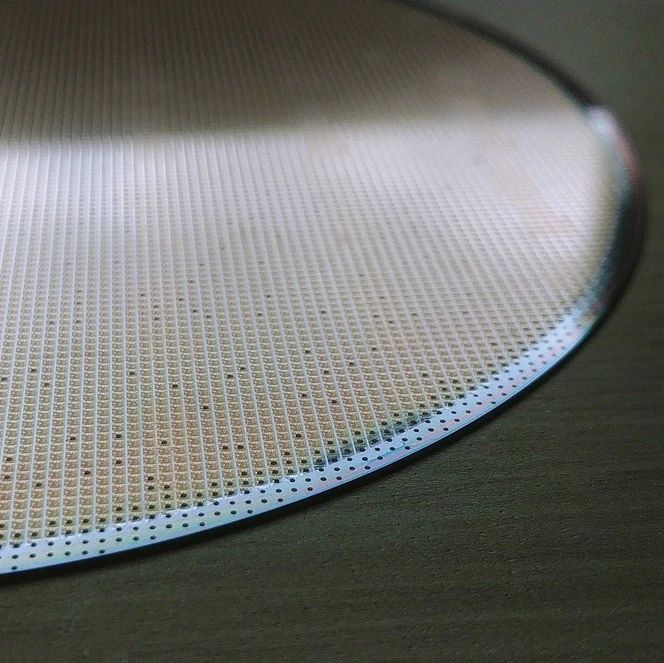
Core Viewpoint - Wolfspeed is facing significant financial distress, with a debt of $6.5 billion and cash reserves of only $1.3 billion, leading to speculation about potential bankruptcy [3][9]. Group 1: Wolfspeed's History and Market Position - Wolfspeed, originally part of Cree, was established in 1987 and focused on the commercialization of silicon carbide (SiC) materials in the LED sector. It became a leader in the wide bandgap semiconductor field, achieving a market share of over 60% [4]. - The company specializes in the research and manufacturing of SiC and gallium nitride (GaN) semiconductors, being the only global player with a fully integrated supply chain from substrate to device [4][5]. - Wolfspeed's product range includes discrete devices, power modules, and bare chips, serving markets such as electric vehicles, renewable energy, and industrial applications [4]. Group 2: Market Dynamics and Competition - The global market for compound semiconductors is projected to exceed $23.05 billion by 2024, with a compound annual growth rate (CAGR) of over 10% from 2024 to 2030 [12]. - Chinese manufacturers are rapidly gaining market share, with Wolfspeed's market share expected to drop to approximately 30% by 2024, a decline of over 30% since 2021 [10]. - Domestic companies like Tianyue Advanced and Tiankehua have emerged with competitive pricing, capturing significant market shares of 17.1% and 17.3%, respectively [10]. Group 3: Technological Advancements and Future Trends - The demand for SiC and GaN semiconductors is driven by the growth in electric vehicles, 5G communication, and renewable energy applications, with SiC devices improving electric vehicle range by 10% and increasing solar inverter efficiency to over 99% [17][18]. - The market for GaN is expected to exceed 30 billion yuan by 2025, with domestic companies capturing nearly 40% of the global market share [16]. - The compound semiconductor market is characterized by a structural contradiction, with oversupply in low-end segments and a shortage in high-end applications, prompting a shift towards technological upgrades [21]. Group 4: Investment Trends and Future Outlook - Investment in the compound semiconductor sector has cooled, with capital becoming more cautious due to increased cost pressures and intensified competition [22]. - Despite the current challenges, the long-term outlook remains positive, with significant financing events occurring in the sector, indicating ongoing interest from investors [22][23]. - The industry is expected to transition from chaotic competition to orderly differentiation, with companies that possess technological reserves and integrated supply chains likely to dominate the global market [22].
1200亿,一个半导体鼻祖破产
芯世相· 2025-05-29 07:03
Core Viewpoint - Wolfspeed, a leading player in the silicon carbide wafer market, is on the verge of bankruptcy due to aggressive expansion strategies, rising competition from Chinese firms, and declining demand from the electric vehicle sector [4][14][15]. Group 1: History of Wolfspeed - Wolfspeed, originally founded as Cree in 1987, became a pioneer in silicon carbide technology, launching the first commercial silicon carbide wafer in 1991 and achieving a market cap of $16.5 billion in 2021 [6][10]. - The company transitioned to focus on third-generation semiconductors, rebranding as Wolfspeed in 2021, which initially led to a surge in stock price and market cap [10][11]. Group 2: Factors Leading to Decline - Wolfspeed's aggressive investment strategy, including over $5 billion in new factories, was misaligned with market demand, particularly as the electric vehicle market's growth slowed [13][14]. - The company's flagship Mohawk Valley factory, which was expected to drive revenue growth, only generated $78 million in the latest fiscal quarter, with a projected capacity utilization of just 25% by the end of 2024 [13][14]. Group 3: Competitive Landscape - Despite holding a 33.7% market share in the global silicon carbide substrate market, Wolfspeed faces increasing competition from Chinese companies like TankeBlue and SICC, which have market shares of 17.3% and 17.1% respectively [15][16]. - Chinese manufacturers have been able to reduce costs significantly, with 6-inch substrates priced at 30% of international levels, further pressuring Wolfspeed's market position [16]. Group 4: Financial Situation - Wolfspeed's debt has reached approximately $6.5 billion, with annual interest payments of about $800 million, while cash reserves stand at only $1.3 billion [14]. - The company's stock has plummeted 85% in 2024, with shares trading at just over $1, indicating a severe decline in investor confidence [14]. Group 5: Industry Implications - The rise of Chinese semiconductor firms represents a significant shift in the global semiconductor landscape, with many investors viewing third-generation semiconductors as a key area for future growth [18]. - China's manufacturing capabilities and market size provide a strong foundation for its semiconductor industry, potentially leading to a dominant position in high-end manufacturing [18].

轻视中国市场,Wolfspeed“死不足惜”
Hu Xiu· 2025-05-29 05:42
Core Viewpoint - Wolfspeed, a leading player in the global silicon carbide industry, is seeking Chapter 11 bankruptcy protection due to insurmountable debt issues, with its stock price plummeting over 57% in after-hours trading [1] Group 1: Company Background and Market Position - Wolfspeed, formerly known as Cree, was a pioneer in silicon carbide (SiC) applications, launching the first SiC-based blue LED in 1989 and going public in 1993 [5][6] - The company transitioned from a strong LED business, which accounted for two-thirds of its revenue in 2017, to focus on compound semiconductors, particularly SiC substrates and devices, due to declining profitability in the LED market [7][8] - The saturation of the global LED market and the rise of Chinese competitors significantly impacted Wolfspeed's market position, leading to its eventual decline [9][10] Group 2: Strategic Missteps and Market Dynamics - A critical factor in Wolfspeed's downfall is its failure to establish a strong presence in the Chinese market, which is essential for growth in the semiconductor industry [3][4] - The company’s decision to focus on high-end 8-inch substrates, while neglecting the more mature 6-inch production lines, resulted in higher costs and lower competitiveness [20][21] - Despite initial success driven by Tesla's adoption of SiC technology, Wolfspeed faced challenges as Tesla announced plans to reduce its use of SiC transistors by 75% due to cost pressures, leading to a significant drop in Wolfspeed's stock price [24][25] Group 3: Financial Performance and Future Outlook - In 2023, Wolfspeed struggled with low capacity utilization, reporting only 20% utilization at its Mohawk Valley plant, and a 14.9% year-over-year revenue decline to $200 million in Q2 of fiscal 2024 [28] - The company’s gross margin fell to a historic low of 1.2%, with a net debt level 4.5 times its equity, indicating severe financial distress [28] - Wolfspeed's lack of a localized supply chain in China and slow response to market demands led to lost orders to competitors like Infineon and Sanan Optoelectronics, exacerbating its financial collapse [29][30]
美国削减国债拍卖规模,聚焦OPEC+关键会议
Hua Tai Qi Huo· 2025-05-29 02:56
Report Industry Investment Rating - The overall rating for commodities and stock index futures is neutral, waiting for fundamental verification; gold is recommended for long - term allocation on dips [4] Core Viewpoints - The market should focus on economic fact verification. In April, domestic economic data was mixed, with short - term export support, weakening investment, rising fiscal revenues and expenditures, and slightly pressured consumption. Attention should be paid to the possibility of further fiscal expansion. The RMB is expected to be more stable. The market should also focus on whether there will be a new round of "rush to export" after the tariff negotiations [1] - The downgrade of the US sovereign rating and the expectation of fiscal expansion have led to a continuous rise in long - term US Treasury yields, and potential liquidity risks should be noted. The US Treasury has reduced the issuance of short - term Treasury bonds. US - EU trade negotiations have complex progress. The economic data of the US and the eurozone show different trends [2] - For commodities, attention should be paid to the transmission of fundamentals in the short - term and stagflation allocation in the long - term. Different commodities have different responses to tariffs, and the supply of crude oil is expected to be relatively loose in the medium - term [3] Summary by Related Catalogs Market Analysis - In April, domestic exports were slightly better than expected, with obvious re - export support and eased Sino - US tariffs. Investment data weakened, especially in the real estate sector. Fiscal revenues and expenditures increased, supported by land transfer fees, and consumption was slightly pressured. The PBOC will conduct a 500 billion yuan MLF operation on May 23. The Sino - US Geneva economic and trade talks made substantial progress, and the RMB is expected to be more stable. The market should pay attention to whether there will be a new round of "rush to export" after the tariff negotiations [1] US and Global Economic Situation - Moody's downgraded the US sovereign rating, and the US debt expectation is rising. The Fed may adjust the interest - rate setting framework, and the first interest - rate cut expectation is postponed to September. The US Treasury has reduced the issuance of four - week and eight - week Treasury bonds. US - EU trade negotiations have complex progress. Japan's overseas net assets reached a record high but lost the position of the world's largest creditor nation. The eurozone's economic data weakened, while the US economic data improved [2] Commodity Market - From the 2018 tariff review, different commodities have different responses to tariffs. For industrial products, beware of the emotional impact from the US stock market adjustment. For agricultural products, the probability of price increase due to tariffs is higher. The supply of crude oil is expected to be relatively loose in the medium - term, and OPEC+ will hold meetings to discuss production quotas [3] Strategy - The overall rating for commodities and stock index futures is neutral, waiting for fundamental verification; gold is recommended for long - term allocation on dips [4] Important News - China may relax rare - earth export controls on European chip companies. The US Treasury has reduced the issuance of short - term Treasury bonds. Trump praised the EU's progress in trade negotiations. Japan's Nippon Steel plans to acquire US Steel. Japan proposed to buy billions of dollars of US semiconductor products. Japan's 40 - year Treasury bond auction had a low bid - to - cover ratio, and bond yields rose. OPEC+ will hold meetings to discuss production quotas [5]
意法半导体ADR和迈威尔科技美股盘后涨0.58%,英伟达则跌0.2%,安森美半导体跌0.8%,希捷科技和Wolfspeed跌1.3%。据媒体报道,日本将在贸易谈判中提议购买美国制造的芯片。
news flash· 2025-05-27 22:13
意法半导体ADR和迈威尔科技美股盘后涨0.58%,英伟达则跌0.2%,安森美半导体跌0.8%,希捷科技和 Wolfspeed跌1.3%。 据媒体报道,日本将在贸易谈判中提议购买美国制造的芯片。 ...
