长安汽车

Search documents
国资委明确2026年央企改革路线图 加强上市公司质量和市值管理 大力推进重组整合和高质量并购
Zhong Guo Zheng Quan Bao· 2025-12-23 22:32
作为国民经济的中流砥柱,中央企业在"十五五"开局之年的改革动向与发展布局,备受市场关注。12月 22日,国务院国资委主任张玉卓在2025年度中央企业负责人会议上表示,国有企业改革深化提升行动主 体任务基本完成,2026年将在新起点上推动改革再上新台阶。他表示,要加强上市公司质量和市值管 理,大力推进战略性、专业化重组整合和高质量并购。 全力以赴稳经营提质效 另一方面,要大力推进战略性、专业化重组整合和高质量并购。"要平衡收益和风险,积极获取核心要 素、培育竞争优势、抢占发展先机,国有资本投资、运营公司要更好发挥平台作用。"张玉卓说。 结构调整激发新动能。数据显示,五年来,6组10家企业实现战略性重组,新组建设立9家中央企业;新 兴产业领域投资年均增速超过20%,新质生产力培育成效显著。 今年以来,中央企业经济效益保持总体平稳。数据显示,1-11月,中央企业实现增加值9.5万亿元,同 比增长1.4%;年化全员劳动生产率81.1万元/人、同比提升3%,营业收现率、营业收入利润率、年化净 资产收益率均保持在合理水平。 面对复杂经济环境,2026年中央企业将多措并举稳经营、提质效。 "要抢抓市场拓展发展空间。"张玉卓 ...
首块L3级自动驾驶专用号牌落地——从技术验证加速迈向量产应用
Jing Ji Ri Bao· 2025-12-23 22:09
Core Insights - The first L3 conditional autonomous driving license "渝AD0001Z" has been issued in Chongqing, granted to Changan Automobile, marking a significant step towards the commercialization of autonomous vehicles in China [1][4] - The L3 level, defined as "conditional automation," allows vehicles to perform all dynamic driving tasks under specific conditions, although the driver must remain attentive and ready to take control when prompted [1][2] Industry Developments - The Ministry of Industry and Information Technology has conditionally approved two automotive companies to submit applications for L3 autonomous driving vehicles, indicating a shift from technology validation to mass production applications in the autonomous driving sector [1][2] - The automotive industry is increasingly focusing on smart technology, with China and the U.S. leading in intelligent driving, while Europe is intensifying its efforts to catch up [2] Regulatory Framework - The approval for the two models is not a blanket release; it includes specific regulations regarding operational scenarios, road types, urban areas, and speed limits [2][3] - The Changan SC7000AAARBEV can operate in congested traffic at a maximum speed of 50 km/h on designated roads in Chongqing, while the Extreme Fox BJ7001A61NBEV can achieve up to 80 km/h on certain highways in Beijing [3] Operational Aspects - The two models are not available for private users but will be operated by affiliated ride-hailing service companies, which aims to reduce uncertainties in the initial rollout of L3 autonomous driving [3] - As the pilot progresses and the industry gains a better understanding of safety risks, restrictions may be eased, allowing autonomous driving to become more integrated into daily life [3] Government Support - The issuance of autonomous vehicle licenses reflects the government's commitment to fostering innovation while ensuring safety through prudent regulation [4] - This initiative is expected to stimulate technological innovation and upgrades within the automotive sector, aligning with the overall strategy of "system first, pilot breakthroughs, and gradual promotion" [4]

从技术验证加速迈向量产应用
Jing Ji Ri Bao· 2025-12-23 22:06
Core Insights - The first L3 conditional autonomous driving license "渝AD0001Z" has been issued in Chongqing, granted to Changan Automobile, marking a significant step towards the commercialization of autonomous vehicles in China [1][4] - The L3 level, defined as "conditional automation," allows vehicles to perform all dynamic driving tasks under specific conditions, although the driver must remain attentive and ready to take control when prompted [1][2] Industry Developments - The Ministry of Industry and Information Technology has conditionally approved two automotive companies to submit applications for L3 autonomous vehicles, indicating a shift from technology validation to mass production applications in China's autonomous driving industry [1][2] - The automotive industry is increasingly focusing on smart technology, with China and the U.S. leading in intelligent driving, while Europe is making significant efforts to catch up [2] Regulatory Framework - The approval for the two models is not a blanket release; it includes specific regulations regarding operational scenarios, road types, urban areas, and speed limits [2][3] - The Changan SC7000AAARBEV can operate in congested traffic at a maximum speed of 50 km/h on designated roads in Chongqing, while the Extreme Fox BJ7001A61NBEV can achieve L3 automation at up to 80 km/h on certain highways in Beijing [3] Operational Aspects - The two models are not available for private users but will be operated by affiliated ride-hailing service companies, which helps mitigate uncertainties during the initial rollout of L3 autonomous driving [3] - As the pilot programs progress and the industry gains a better understanding of safety risks, restrictions on these vehicles are expected to be relaxed, allowing for broader public access to autonomous driving technology [3][4] Government Support - The issuance of autonomous vehicle licenses reflects the government's commitment to fostering innovation while ensuring safety through prudent regulation [4] - This initiative is expected to stimulate technological innovation and upgrades within the automotive sector, aligning with the overall strategy of "institutional primacy, pilot breakthroughs, and gradual promotion" [4]
国资委明确2026年央企改革路线图
Zhong Guo Zheng Quan Bao· 2025-12-23 20:18
Core Insights - The central enterprises in China are focusing on deepening reforms and enhancing their development strategies as they enter the new phase of the 14th Five-Year Plan, with a commitment to improve the quality and market value of listed companies [1][2] Group 1: Economic Performance - In the first eleven months of the year, central enterprises achieved a value-added output of 9.5 trillion yuan, representing a year-on-year growth of 1.4% [1] - The annualized labor productivity reached 811,000 yuan per person, an increase of 3% year-on-year, while key financial ratios remained stable [1] Group 2: Investment and Structural Adjustment - Central enterprises completed fixed asset investments of 3.3 trillion yuan (excluding real estate) from January to November, marking a year-on-year increase of 0.7% [2] - Strategic mergers and resource integrations have been ongoing, with notable consolidations in sectors such as battery production and tourism, enhancing resource allocation efficiency [2][3] Group 3: Innovation and Technology - The focus on technological innovation is emphasized as a core element for developing new productive forces, with plans to integrate technology and industry innovation [4][5] - Central enterprises invested 890.16 billion yuan in R&D from January to November, achieving an R&D intensity of 2.62% [5] Group 4: Future Development Goals - The central enterprises aim to enhance their core functions and competitiveness while contributing to China's modernization efforts through steady progress and quality improvement [5]
北京L3级自动驾驶获准合法上路
Xin Lang Cai Jing· 2025-12-23 17:03
Core Insights - The development of L3 conditional autonomous driving in China is reaching a critical breakthrough, with the first specialized license plates for L3 vehicles being issued in Beijing [1][3] - The issuance of these license plates marks a transition from testing to commercial use of autonomous vehicles, indicating a significant milestone in the automotive industry's shift towards intelligent vehicles [3][4] Industry Developments - The Ministry of Industry and Information Technology has granted the first L3 conditional autonomous vehicle licenses to models from Changan Automobile and BAIC's Arcfox, allowing them to conduct road trials in designated areas [3] - Multiple automakers, including Xiaomi, Xpeng, Li Auto, and Lantu, have announced their acquisition of L3 road licenses, indicating a rapid acceleration towards the implementation of L3 technology [3] Technological Advancements - The BAIC Arcfox Alpha S (L3 version) is the only model among the first batch to be equipped with lidar technology, which is crucial for its autonomous capabilities [4] - The vehicle can perform dynamic driving tasks under specific conditions, achieving a maximum speed of 80 km/h on highways and urban expressways, although a driver must remain in the seat to take control in emergencies [3][4] Safety and Innovation - BAIC's proprietary intelligent network technology system, "BAIC Yuanzheng Intelligent," has achieved full coverage from L2 to L4 levels, establishing a robust safety development framework [4] - The system includes a 24/7 monitoring platform for real-time vehicle status analysis, ensuring high safety standards across all models [4] Market Implications - The launch of L3 autonomous driving is expected to accelerate the iteration of core technologies such as sensors, chips, and algorithms, fostering an integrated infrastructure for vehicle-road-cloud collaboration [5] - New business models focusing on subscription services, data services, and scenario-based operations are anticipated to emerge, shifting the profit focus from hardware to software and services [5] - The competitive landscape is likely to evolve, with companies possessing comprehensive self-research capabilities expected to dominate the market as L3 functionalities become more mainstream [5]


今日纳百川创业板敲钟上市,技术+资本双轮驱动
Sou Hu Cai Jing· 2025-12-23 16:49
Core Viewpoint - Nanbaichuan New Energy Co., Ltd. has successfully listed on the Shenzhen Stock Exchange's ChiNext, marking a strategic upgrade in the "technology + capital" domain for the leading company in the battery thermal management sector [2] Group 1: Financial Performance - The company issued 27.9174 million shares at a price of 22.63 yuan per share, with the opening price on the first day of trading reaching 60.00 yuan, reflecting a 165.13% increase [2] - From 2022 to 2024, the company's main business revenue is projected to grow from 1.0309 billion yuan to 1.4371 billion yuan, with a compound annual growth rate of 18.17% [2] - In Q1 2025, the main business revenue reached 329.4162 million yuan, representing a significant year-on-year increase of 69.55% [2] Group 2: Market Position and Strategy - Since its establishment in 2007, the company has transitioned from fuel vehicles to the new energy sector, focusing on thermal management technology [3] - The company has developed a comprehensive customer base, collaborating with over 200 vehicle models and more than 300 development projects, including partnerships with major automotive manufacturers such as NIO, Xpeng, and SAIC [3] - The core product, battery liquid cooling plates, is expected to account for 83.78% of sales revenue in 2024, driving growth [3] Group 3: Industry Trends and Opportunities - The company has entered the energy storage thermal management market, which is rapidly growing, with liquid cooling solutions becoming mainstream due to their efficiency and space-saving advantages [4] - The global energy transition and the "dual carbon" strategy are creating significant opportunities for the company, with the battery liquid cooling plate market expected to expand alongside the growth of new energy vehicles and energy storage [4][5] - By 2025, the global market for battery liquid cooling plates is projected to reach 14.5 billion yuan, while the energy storage market is expected to see a record high of 240 GWh in new installations [5] Group 4: Technological Innovation and Manufacturing - The company emphasizes research and development as a core strategy, with R&D expenses increasing from 34.0696 million yuan in 2022 to 54.1117 million yuan in 2024 [7] - The company has obtained 203 authorized patents, including 20 invention patents, establishing a robust core technology system [7] - The company has built a comprehensive capability covering the entire chain from R&D to production and quality control, ensuring competitive advantages in the rapidly evolving new energy industry [6][7]

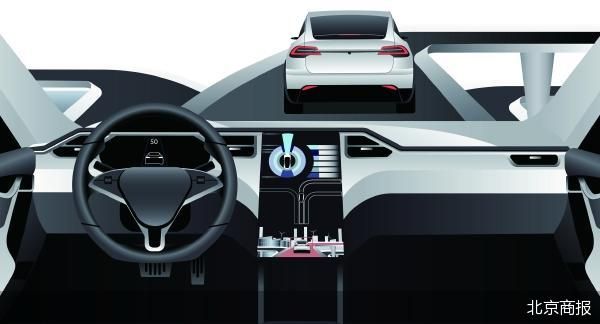
可撒手但不能甩责,L3智驾并非一劳永逸
Qi Lu Wan Bao· 2025-12-23 16:06
北京作为L3级自动驾驶的试点城市,于今年4月1日起就已开始施行《北京市自动驾驶汽车条例》,为L3级 及以上自动驾驶汽车市场主体提供清晰、透明、可预期的制度规范。其中明确规定,自动驾驶汽车发生 交通事故的,相关企业和个人应当配合公安机关交通管理部门的调查处理,并按照要求提供相应证据材 料。相关企业还应根据有关部门要求提供事故过程信息或者事故分析报告。 这意味着以后车企将必须提供相关车辆数据,余逸飞提醒,往后驾驶员在需要维权时可以申请EDR鉴 定。"EDR会实时保存事故发生前、发生时的关键数据,包括制动、自动驾驶指令、系统预警时间等各项 参数。"系统到底提前多久报警,留给驾驶员的反应时间是否足够,这都将成为责任划分的重要依据。 "国标表明驾驶员的身份是后援用户而不是乘客,这意味着驾驶员很可能撒得了手,但撒不掉责任。"北京 盈科长沙律师事务所交通事故法律部主任余逸飞告诉齐鲁晚报·齐鲁壹点记者,国标注重的是系统有没有 及时提醒,驾驶员有没有及时接管。 余逸飞表示,国标内对于L3级自动驾驶的提醒介入时间并没有明确要求,用词多为"及时""即将"等。这意 味着以往发生事故前两秒退出智驾的情况,在L3早期仍有可能会发生,一旦 ...
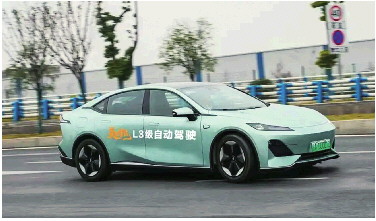
北京发放首批L3级高速公路自动驾驶车辆专用号牌 自动驾驶商业化迎来关键突破
Zheng Quan Ri Bao· 2025-12-23 15:58
Core Viewpoint - The issuance of the first L3 level conditional autonomous driving vehicle license plates in China marks a significant milestone in the commercialization of autonomous vehicles, transitioning from testing to mass production [1][2]. Group 1: Vehicle Licensing and Approval - The first L3 level autonomous driving vehicle license plates were issued in Beijing to three vehicles from Beijing Automotive Group's Arcfox brand [1]. - The Ministry of Industry and Information Technology granted approval for the first L3 level conditional autonomous driving models, including vehicles from Changan Automobile and BAIC Group's Arcfox brand [1][2]. - The vehicles are allowed to operate on designated highways and urban expressways in Beijing and Chongqing under specific conditions [1][2]. Group 2: Technical Specifications and Operational Conditions - The L3 level vehicles can autonomously perform driving tasks at speeds up to 80 km/h on designated roads, but a driver must remain in the driver's seat to take control in emergencies [2]. - The conditional autonomous driving function is limited to specific routes in Beijing, including the Jing-Tai Expressway and the Airport North Line Expressway [2]. Group 3: Industry Implications and Future Outlook - The issuance of license plates signifies a transition from technical validation to legal operation, facilitating the accumulation of real-world data and technological iteration [3]. - The automotive industry is currently transitioning from L2 level advanced driver-assistance systems to L3 level conditional autonomous driving, which is crucial for commercial breakthroughs [2][3]. - Future widespread adoption of L3 level autonomous driving will require overcoming challenges such as unified national standards, enhancing technology reliability in complex scenarios, and improving user trust and risk management [4].
首批3个号牌落户北汽极狐 北京L3级自动驾驶获准合法上路
Bei Jing Shang Bao· 2025-12-23 15:37
Core Insights - The development of L3 conditional autonomous driving in China is reaching a critical breakthrough, with the issuance of special license plates for L3 vehicles in Beijing, marking a transition from testing to commercial use [2][3] Group 1: Policy and Implementation - Beijing has issued the first special license plates for L3 level autonomous vehicles, allowing models like the BAIC Arcfox Alpha S (L3 version) to operate legally on the roads [2] - The Ministry of Industry and Information Technology has granted approval for the first batch of L3 conditional autonomous driving models, including vehicles from Changan Automobile and BAIC Arcfox, to conduct road trials in designated areas [2][3] - The first L3 special license plate "渝AD0001Z" was issued in Chongqing, indicating a shift to compliant commercial use of autonomous vehicles [2] Group 2: Technical Advancements - The BAIC Arcfox Alpha S (L3 version) is the only model in the first batch equipped with LiDAR technology, which is crucial for its autonomous capabilities [3] - The vehicle can perform dynamic driving tasks under specific conditions, achieving speeds of up to 80 km/h on designated highways and urban expressways, although a driver must remain in the seat to take control in emergencies [3] Group 3: Industry Impact - The rollout of L3 autonomous driving is expected to accelerate the iteration of core technologies such as sensors, chips, and algorithms, fostering an integrated infrastructure of "vehicle-road-cloud" [5] - New business models, including subscription services and data services, are anticipated to emerge, shifting the profit focus from hardware to software and services [5] - The competitive landscape is likely to change, with companies possessing full-stack self-research capabilities expected to dominate the market as L3 functionalities become more mainstream [5]
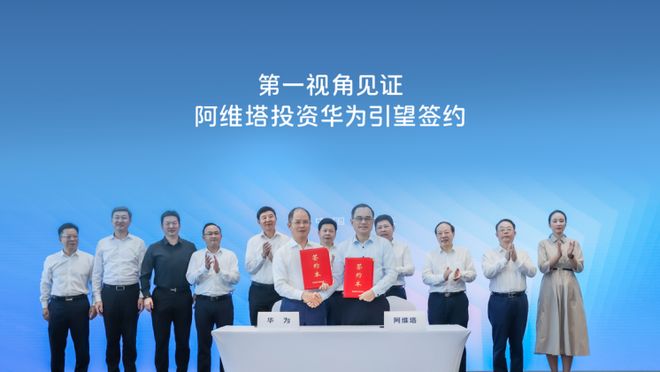
阿维塔赴港冲刺IPO:“国家队”新能源稀缺标的,115亿押注华为背后
Di Yi Cai Jing Zi Xun· 2025-12-23 14:37
Core Viewpoint - The Chinese electric vehicle (EV) industry is facing challenges as market saturation approaches and profitability pressures increase, particularly for new entrants. Avita Technology's IPO represents a strategic move to navigate these challenges and serves as a case study for high-end smart EV survival logic in China [1][18]. Group 1: Industry Context - By 2025, the penetration rate of China's new energy vehicles is expected to approach 60%, leading to a saturated incremental market and increased competition [1]. - UBS predicts a potential 2% year-on-year decline in domestic passenger car sales in 2026, highlighting the industry's transition from "wild growth" to "refined cultivation" [1][2]. Group 2: Avita's Competitive Advantages - Avita's unique advantage lies in its "central enterprise background + industrial giant" collaborative ecosystem, which includes partnerships with Changan Automobile, Huawei, and CATL [2]. - The company has secured over 19 billion yuan in financing and has achieved a gross margin of 10.1% as of mid-2025, indicating strong financial performance [1][4]. Group 3: Business Model and Financial Performance - Avita adopts a light-asset model, focusing on product definition and brand building while outsourcing manufacturing and energy solutions to partners, enhancing operational efficiency [5][6]. - The company reported a revenue of 151.95 billion yuan in 2024, a 169% increase year-on-year, and 122.08 billion yuan in the first half of 2025, a 98.5% increase [6][9]. Group 4: Product Strategy and Market Response - Avita has developed a clear product matrix covering price ranges from 200,000 to 700,000 yuan, ensuring a solid sales foundation while exploring brand elevation [7][9]. - The company achieved a record sales figure of 14,057 vehicles in November 2025, with total sales surpassing 220,000 units [9]. Group 5: Global Expansion Strategy - Avita has initiated an aggressive global expansion strategy, entering 38 countries and regions since September 2024, with a goal of achieving 10% overseas sales by 2026 [10][13]. - The company plans to implement local assembly and production to reduce costs and improve market responsiveness in the long term [13]. Group 6: Capital Market and IPO Insights - Avita's IPO is not merely a financial necessity but aligns with its strategic goals, aiming to enhance corporate governance and attract talent [14][15]. - The capital market's valuation logic is shifting towards ecological rarity, technological control, and profitability certainty, areas where Avita excels [14]. Group 7: Strategic Partnerships and Ecosystem Development - Avita is expanding its ecosystem through partnerships, including a comprehensive collaboration with JD Retail to enhance marketing, after-sales service, and supply chain optimization [17]. - The company is actively building an open collaborative ecosystem to create a competitive advantage in a saturated market [17][18].