元气森林

Search documents
元气森林实现连续三年双位数增长
Jing Ji Wang· 2025-11-24 09:25
Core Insights - The overall performance of the brand has seen a 26% year-on-year growth in 2025, maintaining double-digit growth for three consecutive years, which is approximately four times the overall growth rate of the fast-moving consumer goods (FMCG) industry [1] Group 1: Product Development and Innovation - The company has focused on deepening product strength and research and development systems, with health-oriented beverages like sparkling water, electrolyte water, traditional Chinese wellness water, and reduced-sugar tea showing high growth in 2025 [1] - Specific product lines have experienced significant growth, such as the Alien Electrolyte Water with a 34% increase, the iced tea series with a 56% increase, and vitamin water with a remarkable 128% increase [1] - The company emphasizes that product development is driven by deep insights into user needs rather than following market trends, as demonstrated by the successful transition from early trial products to established offerings [1][2] Group 2: Supply Chain and Organizational Management - The company has optimized its supply chain and organizational management, implementing a "companion testing" mechanism where new products undergo long-term employee feedback before launch to enhance stability and reduce blind product introductions [2] - A digital system for brand promotion has been established, enabling functions such as cargo tracking, promotion management, and transparent expense reporting, providing precise data support for distributors [2] Group 3: Brand Building and Market Positioning - Brand building has been a recurring theme, with the company emphasizing the need to strengthen brand standards, channel order, and market supervision to enhance the long-term stability of products and operations [2] - The management believes that brand consistency will help reduce channel risks, boost distributor confidence, and create a more robust market barrier [2] Group 4: Global Expansion and Future Outlook - The company's products are now available in over 40 countries and regions, with increasing social media shares of "encounters with Yuanqi Forest" and initial feedback from new products being tested overseas [3] - The growth path of the company is becoming clearer, focusing on product research and development, supported by a robust channel system and long-term brand standards, as it approaches its tenth anniversary [3]
大消费行业周报:板块有所回调,关注底部机会-20251124
Ping An Securities· 2025-11-24 02:04
Investment Rating - The industry investment rating is "stronger than the market," indicating an expected performance exceeding the market by more than 5% within the next six months [28]. Core Views - The report highlights a recent decline in the consumer sector, with the Shanghai and Shenzhen 300 index dropping by 3.77% from November 17 to November 21, 2025. All sub-sectors within the consumer industry experienced declines, with the most significant drop in consumer services at -6.53% [3][5]. - The report suggests focusing on bottom-fishing opportunities following the recent pullback in the consumer sector [3]. Summary by Sections Consumer Goods - Mass Market - The mass market segment shows high demand in functional beverages and snacks, with a notable performance from brands like Dongpeng Beverage and Salted Fish [3]. - The dairy sector is experiencing a steady recovery, with leading companies likely entering a profit recovery phase [3]. - The restaurant supply chain is stabilizing, with industries like condiments and frozen foods beginning to recover from previous lows [3]. Consumer Goods - Alcohol - Most liquor companies reported a deeper decline in net profits for Q3 2025 compared to Q2 2025, indicating ongoing challenges [3]. - The report identifies three key investment lines: high-end white liquor, mid-range white liquor with national expansion, and local market-focused liquor [3]. Social Services - The social services sector is entering a performance vacuum following Q3 reports, with a focus on companies like China Duty Free and Aimeike that may benefit from policy catalysts and mergers [3]. - The report notes the introduction of snow holidays in regions like Xinjiang, which may boost local tourism [17]. Home Appliances - The home appliance market is experiencing a rational adjustment, with significant declines in retail sales during the Double Eleven shopping festival [15]. - Air conditioning production is expected to drop by 22.6% in December, reflecting ongoing downward pressure in the industry [15]. Textile and Jewelry - The report recommends continued attention to investment opportunities in the gold and jewelry accessories sector, particularly brands with potential for market share growth [3]. Cultural Communication - The report emphasizes the importance of understanding consumer sentiment in niche markets, suggesting that companies in the media sector could benefit from this insight [3].
中国最好的一批消费品牌是怎么诞生的?
3 6 Ke· 2025-11-24 01:18
刚刚过去的一个季度里,瑞幸的门店总数达到29214 家,这个数字是 2020 年退市时的6倍。五年时间里,它从每卖一杯亏 掉5.6 元,到如今单杯稳定获利1.2 元[1]。粉单市场上,它的股价从最低不到 1 美元一路反弹,不断逼近退市前 129 亿美元 的总市值峰点。 这些标志性的数字,构成了瑞幸重生的叙事。 这是近十年来中国商业史上最具代表性的"困境反转"案例。它修正了资本市场对于"中概股退市必死"的刻板印象,演绎了 一段投资机构逆势支持企业的佳话,更用一场起死回生告诉人们: 中国消费市场是一个庞大的存在,只要持续做好自己的产品,就可以活得比所有人以为的更有韧性。 2021年,生椰拿铁的上市宣布了瑞幸的"卷土重来"——单月销量突破 2000 万杯,相当于每秒钟卖出 7 杯,券后价格常年 9.9 元就能实现盈利。瑞幸又回到了最朴素的商业常识里:好产品是前面的1,其他能力是后面的0。规模只是产品的结果, 份额只是品牌的具象。 事实上,IDG资本从一开始就非常看好瑞幸,但一直没有找到合适的入局机会。公司投资团队判断瑞幸本身的品牌、门店 网络、数字化系统等都是良性健康的,只是在前期试图用大量补贴,在短期急速培养消费 ...


中国最好的一批消费品牌是怎么诞生的?
远川研究所· 2025-11-23 12:38
Core Viewpoint - Luckin Coffee's remarkable recovery illustrates the resilience of the Chinese consumer market, challenging the stereotype that Chinese concept stocks must fail after delisting, and highlighting the importance of product quality in driving business success [5][8]. Group 1: Company Performance - In the past quarter, Luckin Coffee's total number of stores reached 2,914, which is six times the number at the time of its delisting in 2020 [2]. - The company transitioned from losing 5.6 yuan per cup to a stable profit of 1.2 yuan per cup [2]. - Luckin's stock price rebounded from below 1 USD to approach its pre-delisting market cap of 12.9 billion USD [2]. Group 2: Investment and Market Dynamics - The delisting was initially seen as a fatal blow, but institutional investors remained focused on Luckin, with Snow Lake Capital raising its target price and major investments from firms like Dazhong Capital and IDG Capital totaling over 400 million USD [6][8]. - The shift in management and business model, driven by new investors, emphasized product innovation and data-driven strategies, leading to the successful launch of products like the coconut latte, which sold over 20 million cups in a month [8][9]. Group 3: Industry Trends - The current market environment has shifted from a focus on aggressive pricing and heavy spending to a model prioritizing product quality, high repurchase rates, and stable profits [11][13]. - The Chinese consumer market is characterized by its vast size and rapid feedback mechanisms, allowing even niche demands to be validated and turned into significant business opportunities [21][26]. - The investment landscape is evolving, with a focus on long-term value creation and the importance of identifying companies with strong product and brand capabilities [22][23]. Group 4: Case Studies of Success - Companies like Ying Shi and Pop Mart exemplify the new generation of consumer brands that have thrived by focusing on product excellence and innovation, leading to significant market impact [14][16]. - The success of these brands demonstrates that a deep understanding of consumer needs and a commitment to quality can lead to global recognition and market leadership [17][18]. Group 5: Future Outlook - The narrative of Chinese consumer entrepreneurship is shifting towards a focus on sustainable growth and the development of high-quality products that can compete globally [22][27]. - Investment institutions are increasingly playing a crucial role in supporting these brands, helping them navigate the complexities of both domestic and international markets [23][26].

钟睒睒杀入600亿冰品赛道;萨洛蒙Q3增速超始祖鸟;沃尔玛宣布CEO将换届|品牌周报
3 6 Ke· 2025-11-23 10:50
Group 1: Investment and Expansion - Nongfu Spring plans to invest 28.42 million yuan to expand its edible ice production project, aiming for an annual output of 7,000 tons [1][2] - The project will utilize existing idle production facilities and purchase advanced ice production lines [1] - The edible ice market has seen significant growth, with ice cup sales maintaining over 300% growth for two consecutive years [1] Group 2: Financial Performance - Amer Sports reported a 30% year-on-year revenue increase to $1.756 billion in Q3 2025, with a net profit of $143 million, up 156% [3][4] - The outdoor performance segment, including Salomon, showed a remarkable 35.6% revenue growth, while the technical apparel segment grew by 31.4% [3][4] - The company raised its full-year revenue growth forecast to 23%-24%, significantly above the initial 20%-21% target [4] Group 3: Retail Performance - Walmart's Q3 net sales in China reached $6.1 billion, a 21.8% increase year-on-year, driven by strong performance from Sam's Club and e-commerce [5][6] - Global e-commerce sales for Walmart grew by 27%, with all business segments exceeding 20% growth [6] Group 4: Brand Developments - Miniso's TOP TOY brand saw a 111% revenue increase in Q3, contributing to a total revenue of 5.7 billion yuan [7][8] - The brand is expanding its IP ecosystem and has launched a recruitment initiative for top IP creators [7][8] Group 5: Market Trends - The edible ice and ice drink market is projected to grow significantly, with a forecasted 39% growth in instant retail channels over the next three years, potentially exceeding 63 billion yuan by 2026 [1]



钟睒睒杀入600亿冰品赛道;萨洛蒙Q3增速超始祖鸟;沃尔玛宣布CEO将换届|品牌周报
36氪未来消费· 2025-11-23 09:23
Group 1: Investment and Market Trends - Nongfu Spring plans to invest 28.42 million yuan to expand its edible ice production project, aiming for an annual output of 7,000 tons [3][4] - The edible ice market has seen a significant growth, with ice cup sales maintaining over 300% growth for two consecutive years [3] - The ice and beverage segment is projected to grow at a rate of 39% in the next three years, with sales expected to exceed 63 billion yuan by 2026 [3] Group 2: Company Financial Performance - Amer Sports reported a 30% year-on-year revenue increase to $1.756 billion in Q3 2025, with a net profit growth of 156% [5][6] - The outdoor performance segment, including Salomon, showed a remarkable revenue increase of 35.6% [5] - Walmart's Q3 net sales in China reached $6.1 billion, marking a 21.8% increase year-on-year, driven by strong performance in Sam's Club and e-commerce [7] Group 3: Brand Developments and New Products - Miniso Group's TOP TOY brand achieved a 111% revenue growth in Q3, with plans to expand its IP ecosystem [8][9] - Nike's ACG brand is being revitalized in China, with a focus on outdoor gear [11] - Starbucks launched a new "Cheese Latte" series, featuring unique flavor combinations [13] Group 4: Strategic Moves and Market Expansion - Decathlon is set to open its first outdoor concept store in Chengdu, focusing on specific outdoor categories [17] - Light Dairy is entering the pet food market with its new brand "Guangming Youyi" [21] - Tea Yan Yue Se has expanded its store count to over 1,200, introducing multiple sub-brands to meet consumer needs [22]

高质量发展与消费升级-2025年度美好生活新消费高峰论坛圆满结束
Jing Ji Guan Cha Wang· 2025-11-22 07:15
Core Insights - The forum focused on "High-Quality Development and Consumption Upgrade," emphasizing the importance of both supply and demand sides in achieving sustainable growth in the Chinese consumer market [1][2] - The event highlighted the integration of high-quality development with consumption upgrades, indicating a shift in consumer goals, motivations, and trust in food safety [2][3] Group 1: High-Quality Development - High-quality development encompasses both supply-side and demand-side aspects, requiring investments to yield returns, companies to generate profits, and consumers to have diverse needs met with quality products [1] - The food industry is urged to transition from quantity expansion to quality enhancement and efficiency optimization, focusing on innovation, collaboration, food safety, sustainability, and brand cultivation [2][3] Group 2: Consumer Trends - The rapid consumer goods market is currently in a low-speed adjustment phase, characterized by fragmented consumption trends, including the rise of the silver economy and single-person economy [2] - New consumption trends necessitate businesses to reconstruct narrative scenarios, target specific demographics, and leverage cultural appeal [2][3] Group 3: Community Dining and Market Growth - The community dining market is projected to grow from 1.8 trillion to 3.2 trillion by 2025, becoming a significant growth sector within the overall dining industry [3] - New models in community dining, such as smart convenience canteens and cross-industry integration, are emerging as pivotal community hubs [3] Group 4: Brand Growth and Marketing - Brand marketing should shift from merely capturing attention to creating lasting memories, emphasizing trust-building and repeat purchases through companion marketing [4] - Brands can enhance their value through cross-industry collaborations and embracing national cultural trends as part of a long-term strategy [4] Group 5: Z Generation Consumer Insights - The roundtable discussion focused on decoding the consumption mindset of Generation Z, analyzing their evolving needs and the implications for product development and brand interaction [5] Group 6: Practical Experiences from Companies - Companies are evolving from functional consumption to holistic health approaches, emphasizing transparency and scientific logic in product offerings [7] - The dairy industry is focusing on functional differentiation, high value-added routes, and supply chain optimization to enhance resilience and risk management [7] Group 7: Challenges and Innovations in the Restaurant Industry - The restaurant sector faces challenges such as slowing growth, shrinking profit margins, and rising costs, yet digitalization and AI are driving a shift towards smarter operations [8] - New business models and technologies, like pre-prepared meals and cooking robots, are improving operational efficiency while addressing consumer concerns about maintaining a personal touch [8][9] Group 8: Recognition of Industry Leaders - The forum recognized outstanding companies leading the charge in high-quality development and consumption upgrades, including Budweiser, Luckin Coffee, and Yuanqi Forest, among others [11] - The event underscored the dynamic nature of consumption upgrades, from emotional engagement to health-focused value chains, reflecting the industry's commitment to continuous improvement [11]
元气森林不想再“依赖”气泡水
Guo Ji Jin Rong Bao· 2025-11-22 00:11
Core Insights - The founder of Yuanqi Forest, Tang Binsen, has shifted the company's focus from a strong reliance on sugar-free beverages to a broader product range, indicating a long-term vision for the brand's growth [1][3] Group 1: Company Strategy - Yuanqi Forest announced a strategic adjustment to spin off its dairy brand, Beihai Pasture, into an independent entity, allowing the company to concentrate on beverage product development [3] - The company aims to reduce its dependency on its flagship product, sparkling water, by diversifying its product portfolio, which now includes electrolyte water, tea beverages, and traditional Chinese health drinks [3][6] Group 2: Financial Performance - Yuanqi Forest reported a 26% year-on-year growth in overall performance, maintaining double-digit growth for three consecutive years [3] - The company achieved a revenue scale of approximately 11.7 billion yuan in the previous year, with projections indicating revenues exceeding 14 billion yuan this year, positioning it among the top ten in China's beverage industry [3] Group 3: Market Positioning - The company has shifted its market positioning from a premium brand to a more value-oriented approach, as evidenced by the pricing strategy for its second-largest product, iced tea, which is competitively priced at 5-6 yuan for 900ml [4] - Yuanqi Forest's product mix is now more diverse and stable, featuring sugar-free and low-sugar options, which enhances its market prospects [3] Group 4: Operational Insights - The company has adopted a more cautious and disciplined approach in recent years, focusing on solidifying its foundational operations and stabilizing relationships with distributors [6] - Tang Binsen emphasized the importance of respecting market dynamics and maintaining operational efficiency without unnecessary disruptions [6]
达利迎来“80后”二代掌舵 “跟随战略”将迎转变?
Xin Lang Cai Jing· 2025-11-21 21:20
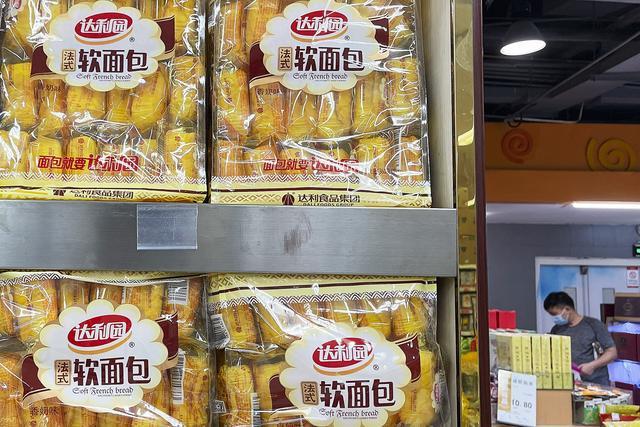
Core Viewpoint - Dali Food Group has officially entered the "second-generation leadership" era with the appointment of Xu Yangyang, daughter of founder Xu Shihui, as president, amid challenges such as declining revenue and market competition [3][4]. Group 1: Leadership Transition - Xu Yangyang has 17 years of experience within the company, starting from grassroots positions and rising to executive director and vice president [4]. - She played a crucial role in Dali's IPO in 2015, which was the largest in the global consumer goods sector that year [4]. - Xu Yangyang's international education and experience in capital markets are expected to bring a forward-looking strategic vision to Dali [4][5]. Group 2: Strategic Challenges - Dali has faced a decline in revenue, with a drop from 222.94 billion yuan in 2021 to an estimated 180.73 billion yuan in 2024, indicating a loss of over 42 billion yuan [7]. - The company's traditional sales channels are under pressure from e-commerce and new retail formats, necessitating a shift in strategy [5][7]. - Dali's core brands are experiencing aging and slower product iteration, which poses a challenge in meeting the demands of younger consumers [7][8]. Group 3: Market Position and Future Directions - Dali's historical success relied on a "follow strategy" rather than innovation, which may not suffice in the current fragmented market [6][9]. - The company is urged to focus on creating a few competitive product categories to regain market confidence and performance [9]. - Dali plans to initiate a global strategy by 2025, but faces significant competition from established multinational brands and local players [9].
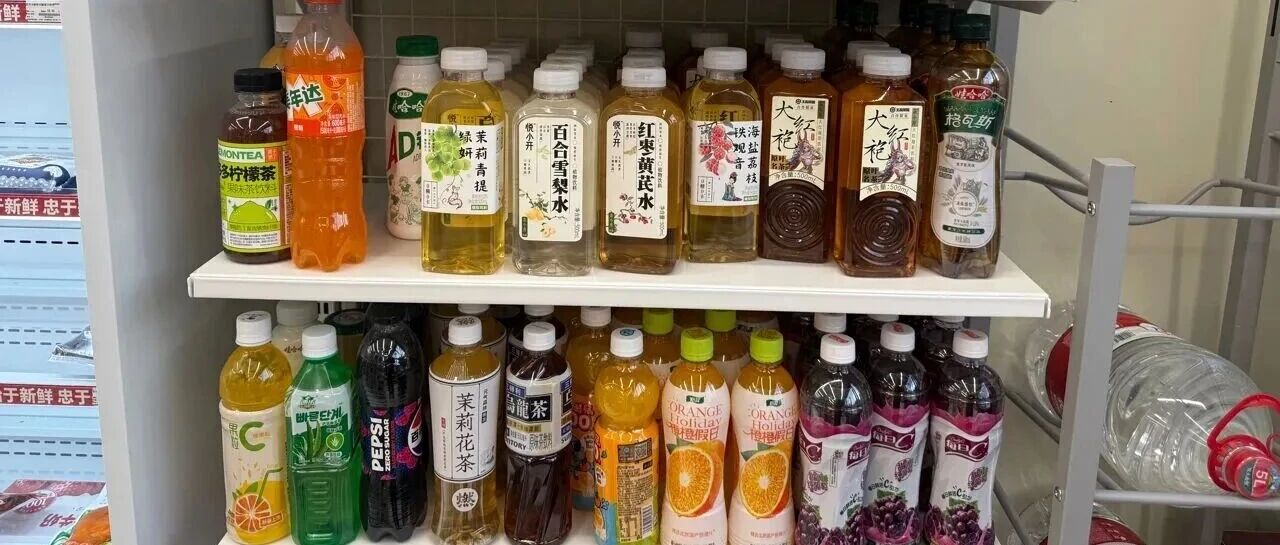
难喝又不低于5元的中式养生水,能打败4元的冰红茶吗?
新消费智库· 2025-11-21 13:03
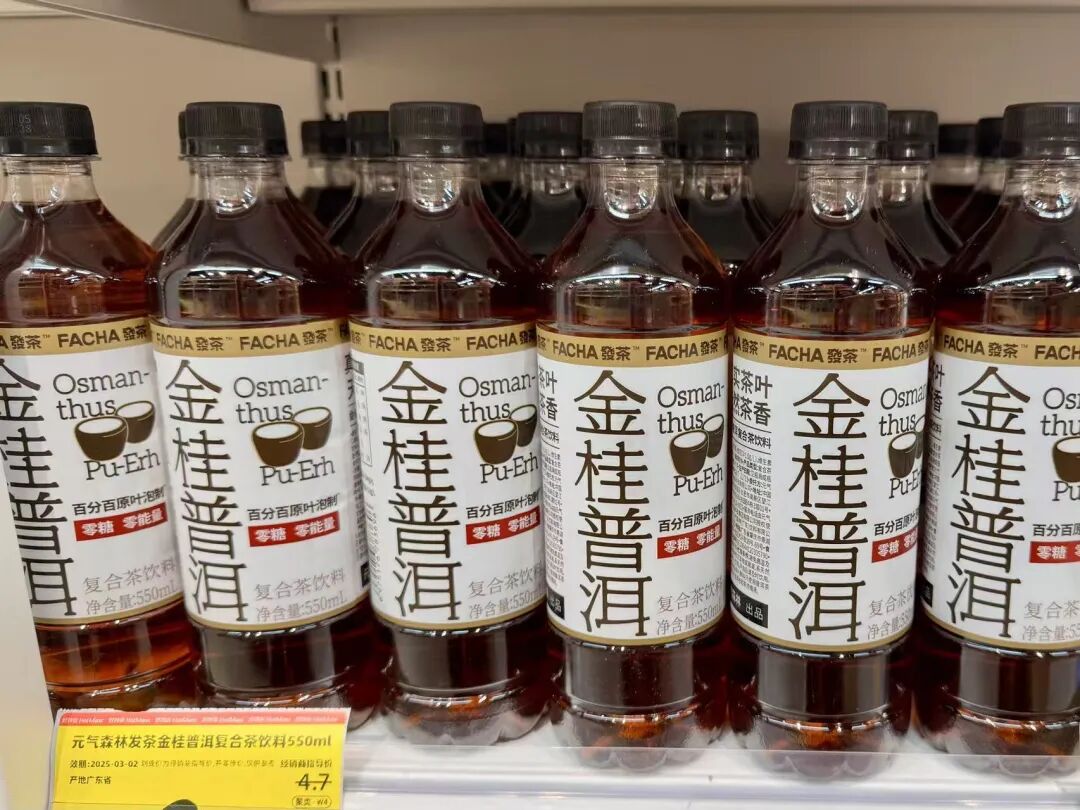
Core Viewpoint - The article discusses the emerging trend of "health water" in the beverage industry, highlighting its popularity among younger consumers and the challenges it faces in terms of taste and pricing [4][6][13]. Group 1: Market Dynamics - Health water has gained traction in retail spaces like CVS and Hema, but remains scarce in traditional stores [4][6]. - The market for health water is characterized by high prices, with no product priced below 5 yuan (500ml), indicating a premium positioning [8][11]. - The introduction of products like "red bean and barley water" by brands such as Yuanqi Forest has helped establish health water as a new category [9][11]. Group 2: Consumer Behavior - The target demographic for health water consists of heavy beverage consumers who are willing to pay a premium for perceived health benefits [16]. - Despite the high price point, consumers show a level of tolerance for the cost, although there are concerns about the taste and overall value proposition [13][16]. - The article notes that health water is often marketed with a focus on clean ingredient lists, but taste remains a significant barrier to repeat purchases [13][20]. Group 3: Industry Challenges - The beverage industry is experiencing a shift where traditional brands are hesitant to enter the health water market, preferring to focus on established categories [15][16]. - The article suggests that health water may be following a path similar to other niche products that struggle to gain traction in mainstream markets [20]. - There is a perception that the health water market is driven by short-term profit motives rather than sustainable growth strategies [11][15].