老百姓

Search documents
2026年中国经济向“内”求变 让老百姓“有钱花、敢花钱”
Yang Shi Xin Wen· 2025-12-13 19:24
Economic Overview - In 2025, China's economy faced significant challenges but showed resilience, with a focus on domestic demand and building a strong domestic market highlighted in the Central Economic Work Conference [1][15] - China's total import and export value reached 41.21 trillion yuan, with a year-on-year growth of 3.6%, and a trade surplus exceeding 1 trillion USD for the first time [1][3] Trade Dynamics - Despite a decline in exports to the US by 18.9%, China saw increased exports to ASEAN and the EU, indicating a diversification of trade markets [4][6] - Private enterprises have become the mainstay of foreign trade, with their imports and exports growing by 7.1%, accounting for 57.1% of China's total foreign trade [6][8] Domestic Demand and Consumption - The Central Economic Work Conference emphasized the need to boost domestic demand and consumer spending, with a focus on addressing the imbalance between strong supply and weak demand [19][25] - The proportion of final consumption in GDP reached 56.6%, indicating room for growth compared to developed countries [17] Policy Initiatives - A new initiative to implement a "rural and urban residents' income increase plan" aims to enhance income levels and stimulate consumption [27][28] - The government plans to optimize policies related to consumption, including doubling the budget for the "two new" policies to 300 billion yuan, which has already driven significant sales growth [26][30] Market Stability and Quality Improvement - The focus is shifting from quantity to quality in production, with measures to combat "involution" in various industries [21][24] - The government aims to stabilize the real estate market to boost consumer confidence, with policies to manage inventory and improve supply [33][35]



从12月起,这4类商品价格或将明显上涨,老百姓要提前做好准备
Sou Hu Cai Jing· 2025-12-12 17:07
Group 1 - The domestic economy is expected to remain in a deflationary cycle into 2025, with prices of various goods such as housing, vehicles, small appliances, electronic products, and pork experiencing declines, which will lower consumer spending costs significantly [1] - Starting from December, prices of four categories of goods are predicted to rise significantly, prompting consumers to prepare in advance [1] Group 2 - Winter agricultural product prices are experiencing an increase, particularly in vegetables, with prices for items like green vegetables rising from 2.5 yuan per jin to 4-5 yuan per jin, tomatoes from 4.5 yuan per jin to 6-7 yuan per jin, and spinach from 5-6 yuan per jin to 8-9 yuan per jin [4] - The increase in vegetable prices is attributed to higher production costs due to winter greenhouse farming and increased transportation costs as many vegetables must be sourced from distant southern regions [4] Group 3 - Heating costs are expected to rise by 5%-10% in northern cities as centralized heating begins in December, leading to additional expenses of 50-200 yuan for an average two-bedroom apartment [5][7] - The rise in heating costs is driven by peak demand during winter and increased energy prices, particularly coal [7] Group 4 - Prices for winter clothing and accessories such as coats, hats, scarves, and gloves are also expected to rise due to increased demand and higher production costs for materials like down and cotton [9] - The demand for winter clothing surges as the cold season arrives, leading to a supply-demand imbalance that drives prices up [9] Group 5 - Prices for beef and lamb are increasing, with lamb rising from 55 yuan per jin to 68 yuan per jin and beef from 45 yuan per jin to 56 yuan per jin [11] - The price increase is driven by higher consumer demand for these meats during winter, as well as increased purchases by restaurants and canteens for winter dishes [11]

老百姓:业务运行良好
Zheng Quan Ri Bao Wang· 2025-12-12 12:12
Group 1 - The company reported that its operations are normal and business is running well, with positive growth in both revenue and net profit for the third quarter of this year [1] - Since November, the sales of the company's "four types of medicines" have increased both year-on-year and month-on-month due to the impact of the flu [1]
老百姓:公司2025年第三季度营业收入52.96亿元,同比增长0.07%
Zheng Quan Ri Bao· 2025-12-12 11:41
Core Viewpoint - The company reported a positive growth in its financial performance for Q3 2025, indicating a steady improvement in operational quality and a commitment to enhancing shareholder returns [2] Financial Performance - The company's revenue for Q3 2025 reached 5.296 billion yuan, reflecting a year-on-year growth of 0.07% [2] - The net profit attributable to the parent company was 131 million yuan, showing a year-on-year increase of 2.6%, marking a return to positive growth [2] Industry Context - The company is focusing on strengthening its operational quality amidst industry consolidation and market clearing [2] - In the beauty and skincare sector, the company is pursuing a dual strategy of introducing high-quality skincare brands while also developing its own cost-effective beauty and skincare products, including masks and collagen supplements [2]
循光而行,共话未来!第二十届私募基金发展论坛诚邀参与,共探市场新机遇!
私募排排网· 2025-12-12 03:48
以下内容转载自公众号:排排网研究院 2025年,DeepSeek的横空出世引爆科技股行情,A股市场在其带动下走出一轮强劲上涨,上证指数一度突破4000点,创下十年来新高。这 为私募证券基金提供了良好的市场环境,私募产品备案热度显著回升,吸引大量资金持续涌入。 据中基协截至今年10月末的数据,存续私 募证券投资基金规模已达7.01万亿元,较去年底大增1.8万亿元。 业绩方面同样表现亮眼, 私募排排网数据显示,截至10月底,今年以来共 有2753只有业绩展示的私募证券投资基金净值创出历史新高。 在此背景下,百亿私募阵营持续扩容,数量再度突破百家,行业格局加速变 化。 为深入探讨新环境下的机遇与趋势,持续助力行业高质量发展,由排排网集团主办,银河期货、方正证券、中辉期货、私募排排网、国联期 货协办的 "循光而行 星河万里"第二十届私募基金发展论坛,将于2026年1月8日在深圳盛大启幕。 论坛将汇聚来自券商、公募、期货、信 托、私募等金融机构的资深从业者,共同剖析宏观经济形势,探寻资产配置有效策略,共话未来投资机遇。 本次论坛丰富多元,亮点纷呈,不仅邀请在各自策略领域表现卓越的私募大咖发表主题演讲,分享实战经验与投资 ...
不要持有大量现金?甭管手上有多少钱,老百姓都别瞎折腾
Sou Hu Cai Jing· 2025-12-09 23:27
Core Viewpoint - The discussion revolves around the risks of holding cash due to inflation and the need for individuals to reconsider their financial strategies, particularly in light of predictions for 2026 [2][4][6]. Inflation and Cash Holding - Inflation diminishes the purchasing power of money, meaning that cash held over time loses value [4]. - In China, inflation rates have fluctuated between 2% to 4% in recent years, leading to significant long-term impacts on cash value [4]. - A hypothetical scenario illustrates that 100,000 yuan held without investment could lose approximately 26% of its purchasing power over ten years at a 3% inflation rate [4]. Investment Recommendations - It is advised that individuals should not keep all their money in cash or fixed deposits but rather invest in appreciating assets like stocks, bonds, or real estate to outpace inflation [5]. - Diversification in asset allocation is crucial, as it helps mitigate risks associated with market volatility [6][9]. Practical Financial Strategies - Maintaining a cash reserve for emergencies is essential, with recommendations suggesting 3 to 6 months' worth of living expenses as a safety net [9]. - For funds exceeding emergency reserves, conservative investment options such as government bonds or bank products are recommended to balance risk and return [9][10]. - Individuals should avoid impulsive investments based on trends or peer pressure, as many inexperienced investors face losses in volatile markets [10][11]. Future Economic Considerations - The year 2026 is highlighted as a potential turning point for economic policies or cycles, prompting discussions about cash management strategies [6]. - The increasing prevalence of digital payments may further alter the role of cash in personal finance [6]. Conclusion on Financial Management - A balanced approach to cash holding and investment is emphasized, with a focus on understanding personal financial situations and risk tolerance [13]. - The importance of financial literacy and cautious decision-making in response to external financial advice is underscored [11][13].
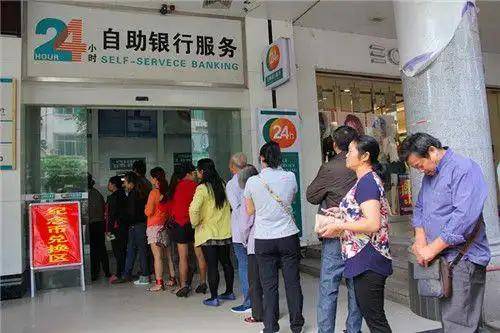
5年期存款停售!低利率下,美国日本的老百姓咋理财?
Sou Hu Cai Jing· 2025-12-09 12:04
Core Viewpoint - The trend of phasing out five-year deposits indicates the end of an era where banks relied on high-interest, long-term deposits for easy profits, signaling a shift in the banking landscape [1]. Group 1: Historical Context of Five-Year Deposits - Five-year deposits have been a staple since the establishment of the banking system in New China [2]. - In the early 1990s, five-year deposit rates peaked at 13.9%, allowing significant interest earnings [3][4]. - The economic environment during that time was characterized by high growth and inflation, leading to a strong demand for bank loans [6][7]. Group 2: Current Banking Environment - The current financial landscape has shifted to an "asset shortage" era, where there is an abundance of money but a scarcity of viable investment opportunities [11]. - Banks are facing dual challenges: declining interest rates and a decrease in loan demand from both individuals and businesses [13]. - The low-interest environment is expected to persist, affecting the viability of long-term, high-yield deposit products [14]. Group 3: Changes in Investment Products - The availability of safe investment options like deposits, government bonds, and insurance products is diminishing, with yields decreasing significantly [21][23]. - Trust products, once favored by wealthy individuals, are facing a crisis due to defaults linked to the real estate sector [25]. - Bank wealth management products have transitioned to a net value model, requiring investors to accept the risk of potential losses [27]. Group 4: Global Comparisons and Strategies - In mature markets, the trend is towards shorter deposit terms, with banks encouraging shorter-term savings [17][18]. - The U.S. and Japan have seen their citizens adapt to low-interest environments by shifting investments towards equities and other assets [35][46]. - Japanese citizens have historically maintained a high proportion of savings in deposits, but this has limited their investment opportunities [46]. Group 5: Future Investment Strategies - With the end of the "no-risk, high-yield" era, investors must either accept higher risks or find alternative ways to secure current interest rates [32][33]. - Strategies from other countries, such as embracing equity investments or utilizing savings insurance to lock in rates, may offer insights for domestic investors [35][45]. - The current environment suggests that long-term savings insurance products may still provide reasonable returns, but investors should be cautious about liquidity needs [56][58].

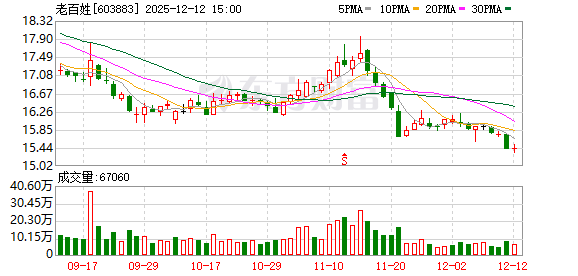
老百姓大药房(603883)标普全球、路孚特ESG评分稳定提升
Xin Lang Cai Jing· 2025-12-09 08:08
Core Viewpoint - The company has received high ESG scores from S&P Global and Refinitiv, indicating strong performance in sustainability practices and positioning it as a leader among private pharmaceutical retail enterprises in China [1][2]. Group 1: ESG Ratings - S&P Global has assigned an ESG score of 24, marking two consecutive years of growth, while Refinitiv's score has increased to 59, both ranking the company first among private listed pharmaceutical retailers in China [1]. - The S&P Global Corporate Sustainability Assessment (CSA) is recognized as one of the largest annual evaluations of corporate sustainability practices, providing critical data for investment decisions [1]. Group 2: Strategic Commitment to ESG - The company emphasizes the integration of ESG principles into its operations, establishing a three-tier governance structure with a dedicated Strategic and ESG Committee [2]. - The company has committed to disclosing its corporate social responsibility reports for ten consecutive years, with the 2023 and 2024 reports upgraded to ESG reports [2]. Group 3: Social Responsibility and Community Impact - The company operates over 15,000 stores across 18 provincial markets, creating nearly 60,000 job opportunities and actively engaging in social responsibility initiatives, including donations exceeding 100 million yuan [2]. - The company aims to foster a fair and transparent business environment while contributing to green and coordinated social development [2].
医保商保“双目录”发布,老百姓看得起病的“双保险”来了
Yang Shi Wang· 2025-12-09 01:48
Core Insights - The recent adjustment to the national medical insurance directory emphasizes support for innovative drugs, with 114 new drugs added, 111 of which are newly approved within the last five years, marking a historic high for innovative drugs not previously listed domestically or internationally [1][3] - The introduction of the "Commercial Health Insurance Innovative Drug Directory" includes 19 innovative drugs, primarily targeting high clinical value and significant patient benefits, which will help fill gaps in basic medical insurance coverage [1][4] Group 1: Innovative Drug Support - The adjustment to the basic medical insurance directory focuses on innovative drugs, with over 70% of the newly added drugs being domestically developed, showcasing China's advancements in certain therapeutic areas [1][3] - The percentage of newly listed drugs in the medical insurance directory that were launched within the last five years has increased from 32% in 2019 to 98% in 2024, indicating a strong shift towards supporting innovation [3] Group 2: Commercial Health Insurance Directory - The newly established "Commercial Health Insurance Innovative Drug Directory" serves as a guide for patients and insurers, allowing for better access to high-priced innovative drugs that are not covered by basic medical insurance [4][5] - The directory includes a significant number of cancer treatments, including CAR-T therapies, which are crucial for patients with difficult-to-treat conditions, thus addressing the financial burden on families [5][6] Group 3: Impact on Patients and Healthcare System - The inclusion of innovative drugs in the insurance directory is expected to reduce out-of-pocket expenses for patients, making treatments more accessible and encouraging hospitals to prescribe these high-cost medications without hesitation [6][7] - The dual-directory system aims to create a multi-tiered medical insurance framework, where basic insurance covers essential needs while commercial insurance supplements coverage for innovative treatments, ultimately reducing the financial burden on patients [7]
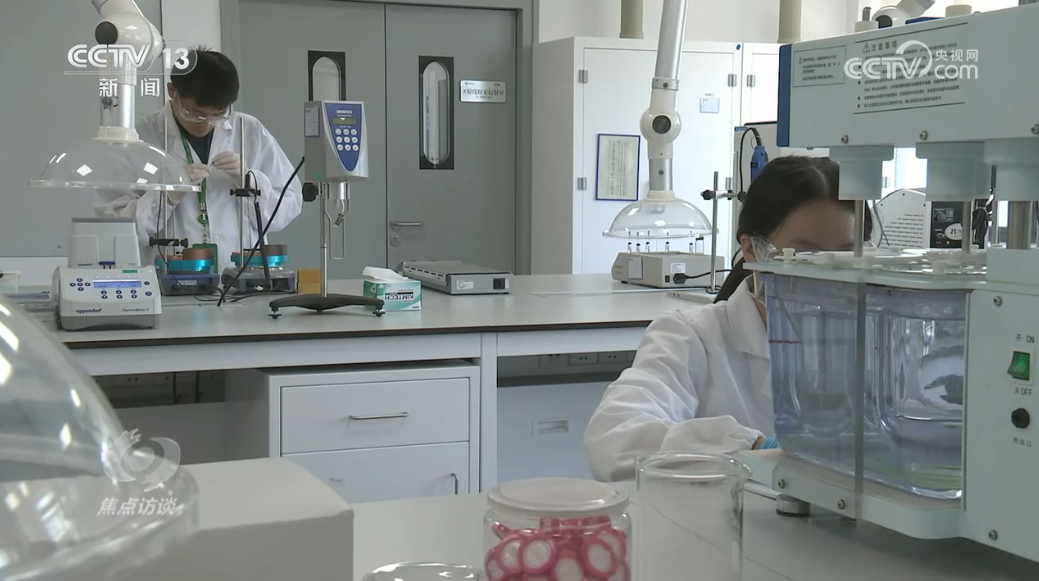
焦点访谈|医保商保“双目录”发布,老百姓看得起病的“双保险”来了
Yang Shi Wang· 2025-12-08 13:25
Core Insights - The recent adjustment to the national medical insurance directory emphasizes support for innovative drugs, with 114 new drugs added, 111 of which are newly approved within the last five years [3][10] - A new "Commercial Health Insurance Innovative Drug Directory" has been established, featuring 19 innovative drugs, primarily targeting high-cost treatments [10][12] Group 1: Innovative Drug Support - The adjustment to the basic medical insurance directory focuses on innovative drugs, with over 70% of the newly added drugs being domestically developed [3][8] - The inclusion of innovative drugs aims to fill clinical gaps, particularly in cancer treatments, such as breast and lung cancer [3][10] - The success rate of negotiations for innovative drugs has exceeded 90%, indicating a consensus on supporting true innovation [10] Group 2: Commercial Health Insurance Directory - The newly established commercial health insurance directory provides a payment pathway for high-cost innovative drugs, which are often not covered by basic insurance [12][18] - The directory includes a significant number of cancer treatments, including CAR-T therapies, which can cost around 1 million yuan per dose [12][14] - The dual directory system (basic insurance and commercial insurance) aims to reduce patient financial burdens and promote pharmaceutical innovation [18]