三星

Search documents
喜娜AI速递:今日财经热点要闻回顾|2026年1月4日
Xin Lang Cai Jing· 2026-01-04 11:45
Group 1 - The price of Nvidia RTX 5090 has surged to over $4000, approximately 28,000 RMB, as Nvidia and AMD plan to continue raising graphics card prices due to high demand for AI infrastructure [2][7] - The release of "i Moutai" at a price of 1499 RMB has led to a rapid sell-out over four consecutive days, with the wholesale price of Moutai dropping below 1499 RMB again, indicating a potential shift in market dynamics [2][7] - Bitcoin has experienced significant volatility, with over 110,000 traders liquidated, and Standard Chartered has revised its long-term price forecast for Bitcoin down to $150,000 for 2026, reflecting a nearly 30% decline over the past two months [2][7] Group 2 - The Shanghai Composite Index is expected to break through 5200 points by 2026, with a moderate expansion in IPOs and a potential boom in the semiconductor sector [3][8] - The annual return of the Yongying Technology Select A fund reached 233.29%, while the Dongwu New Trend Value Line fund achieved a three-year return of 273.85%, indicating a significant performance disparity in the public fund market [3][8] - Companies such as Luxshare Precision and Jiazhe New Energy are planning share buybacks ranging from 1 billion to 2 billion RMB and 22 million to 44 million RMB respectively, signaling confidence in their own valuations [3][9] Group 3 - Institutions are optimistic about the performance of equity assets in 2026, with a focus on AI, semiconductors, and strategic resources, indicating a rich landscape of structural opportunities for investors [4][9] - BMW has announced price adjustments for 31 key models, with reductions of up to 300,000 RMB, reflecting a strategic shift towards high-quality development in the automotive market [4][9] - The 2026 national subsidy program will optimize support for sectors such as automotive, home appliances, and smart products, aiming to enhance consumer spending and stimulate economic growth [5][10]
行业周报:国产存储、GPU龙头上市潮,利好晶圆制造、设备-20260104
KAIYUAN SECURITIES· 2026-01-04 11:43
Investment Rating - The industry investment rating is "Overweight" (maintained) [1] Core Views - The semiconductor equipment, storage, and PCB markets are active, with a notable rebound in Hong Kong stocks on January 2, 2026 [4] - The storage and chip price increase trend is expected to continue, with a wave of domestic GPU listings ongoing [5] - Samsung will not expand DDR4 production, leading to a significant increase in DDR4 spot prices, while the IPO of Changxin Technology has been accepted [6] Summary by Sections Market Review - The electronic industry index fell by 0.19% during the week of December 29, 2025, to January 2, 2026, with semiconductor and consumer electronics down by 0.20% and 0.14% respectively, while optical and optoelectronic sectors rose by 1.60% [4] - Notable stock performances include a 5.70% increase for SMIC and a 13.79% increase for Hua Hong Semiconductor on January 2, 2026 [4] Industry Updates - The CES 2026 is approaching, with the first national subsidy for smart glasses set at 15% of the product sales price [5] - Domestic GPU companies are actively listing in Hong Kong, with Kunlun Chip announcing its listing application on January 1, 2026 [5] - The price of DDR4 is expected to rise as Samsung will not increase production, while Changxin Technology's IPO aims to raise 29.5 billion [6] Investment Recommendations - Beneficiaries of the price increase chain and computing power side include SMIC, Hua Hong, Beijing Junzheng, Northern Huachuang, Zhongwei, Demingli, Shannon Chip, and Zhaoyi Innovation [7]
CES 2026前瞻:英伟达或重塑物理AI,中美韩机器人齐“秀肌肉”
美股研究社· 2026-01-04 11:22
Core Viewpoint - The 2026 Consumer Electronics Show (CES) is anticipated to showcase significant advancements in technology, particularly in AI, robotics, and consumer electronics, with a focus on cost reduction and efficiency improvements [7][10]. Group 1: Chip Industry Strategies - NVIDIA is shifting its focus away from traditional consumer graphics cards, emphasizing "Physical AI" to extend AI computing capabilities into robotics and industrial applications, with potential delays in the RTX 50 Super series due to high GDDR7 memory prices [8][14]. - AMD is adopting a steady upgrade strategy, planning to launch the Ryzen 9000 series for desktops and Ryzen AI 400 series for mobile devices, targeting workstation users with advanced features [14]. - Intel is set to release the Core Ultra Series 3, which includes approximately 14 SKUs, with the flagship model featuring 16 cores and a maximum frequency of 5.1GHz, aiming to regain market confidence in its advanced manufacturing capabilities [14]. Group 2: Robotics and AI Developments - 2026 is seen as a pivotal year for humanoid robots, with a focus on practical applications and real-world testing [10]. - The competition among countries in robotics is intensifying, with China focusing on cost control and mass production, while the U.S. showcases technological benchmarks through companies like Boston Dynamics [15]. - South Korea is forming alliances to enhance its robotics capabilities, exemplified by the "K-Humanoid" alliance led by Rainbow Robotics, showcasing industrial-grade humanoid robots [15]. Group 3: XR and Consumer Electronics - The XR market is currently in a digestion phase following the release of Apple Vision Pro, with CES 2026 expected to mark the beginning of a counterattack from the Android camp [12]. - Samsung is debuting the Galaxy XR glasses, which integrate advanced AI features and aim to compete with Apple's ecosystem [16]. - Chinese companies are leading the trend of lightweight AI glasses, with products like the Quark AI Glasses S1 and Rokid Glasses focusing on practical applications such as real-time translation and AR navigation [16]. Group 4: Automotive Industry Innovations - The automotive sector is transitioning from "software-defined" to "AI-defined," with a competitive arms race in chip technology [13][21]. - Companies like Geely and Great Wall are showcasing innovations in vehicle architecture, while BMW is presenting its iX3 based on the Neue Klasse architecture, integrating advanced technologies [21]. Group 5: Display and Hardware Innovations - Lenovo is introducing innovative hardware solutions, including AI-driven automatic rotating screens and rollable laptops, addressing the balance between large displays and portability [22]. - Display technology advancements are highlighted by TCL and Hisense, focusing on Mini-LED technology and AI image processing capabilities to enhance picture quality [22].



第一次见能飞的扫地机器人
机器人大讲堂· 2026-01-04 10:34
Core Viewpoint - CES 2026 will showcase innovations in AI, robotics, automotive technology, smart homes, and digital health, with participation from around 2600 exhibitors, including both international and domestic companies [1]. Group 1: Product Innovations - MOVA will present prototype robots for "water, land, and air" scenarios, including a pool robot with a bionic mechanical arm, an all-terrain lawn mower, and a flying cleaning robot [1][3]. - The Rover Master pool robot is designed to capture floating debris, addressing a gap in current pool cleaning technology [3]. - The Pilot 70 module integrates a drone with a cleaning robot, aiming to expand cleaning capabilities beyond single-floor limitations [6][8]. Group 2: Market Trends and Opportunities - The demand for fully automated cleaning solutions is increasing, particularly in multi-level residences, as users seek seamless automation in their homes [6][8]. - The modular design of the Pilot 70 allows for flexibility and potential upgrades, which could enhance user value and operational efficiency [6][11]. - The cleaning robot industry is facing intense competition, necessitating disruptive innovations to create market differentiation and establish brand prestige [8][11]. Group 3: Future Prospects - If successful, MOVA's product could pave the way for other automated home solutions, such as mobile air purifiers and security robots, indicating a significant shift towards modular, multifunctional, and spatially comprehensive home automation [11].

贵到离谱的2nm,被疯抢
半导体芯闻· 2026-01-04 10:17
Core Viewpoint - The rapid development of artificial intelligence presents significant challenges for TSMC, which is striving to overcome supply constraints in its 2nm process technology to meet market demand. TSMC plans to increase prices for its next-generation process starting January 1, but order volumes remain strong despite the price hike. By Q3 2026, TSMC's revenue from 2nm is expected to surpass the combined revenue from 3nm and 5nm processes [1][2]. Group 1: TSMC's 2nm Process Development - TSMC is expected to build up to 10 2nm fabs in Taiwan and the U.S., with plans to invest up to $28.6 billion in three new factories in Taiwan to meet high market demand. The 2nm capacity is fully booked through 2026 [1][2]. - The 2nm process began contributing to TSMC's revenue in Q3 2023, initially accounting for 6% of total revenue and rising to 15% in Q4. Currently, 5nm technology constitutes 60% of total revenue, but this is expected to decline as 3nm and 2nm technologies mature [2][3]. Group 2: Competitive Landscape - TSMC's 2nm technology is being adopted by major clients, including Apple, Qualcomm, and MediaTek, for their latest processors. The A20 processor for the iPhone 18 series is expected to utilize TSMC's 2nm process [4][5]. - Samsung is also advancing its 2nm process with the Exynos 2600 processor, which integrates CPU, GPU, and NPU, enhancing AI performance while reducing power consumption [5][6]. Group 3: Market Dynamics and Future Outlook - The competition in the 2nm foundry market is intensifying, with Intel and Samsung vying for market share against TSMC. Intel is promoting its 18A process, which is equivalent to 2nm, and aims to attract external clients by 2026 [7][8]. - TSMC remains the only foundry currently offering 2nm services to external clients, maintaining a significant competitive advantage in the market [7][8]. - The demand for TSMC's 2nm process is expected to continue growing, with analysts predicting that the number of projects based on this technology will exceed those based on 3nm [6][10].

黄仁勋到处赶场站台,中国军团角逐AI明日终端
Tai Mei Ti A P P· 2026-01-04 10:13
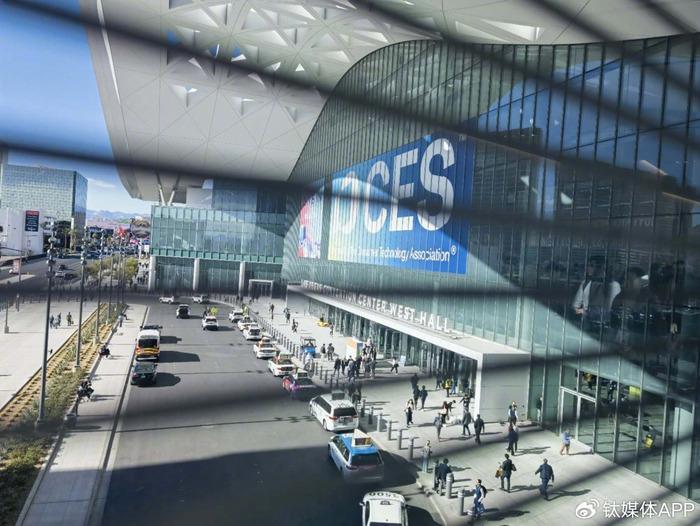
Group 1 - The CES 2026 will take place from January 6 to January 9, focusing on AI as it transitions into practical applications, marking the year as the beginning of AI technology integration and industrialization [2][9] - A total of 4,112 companies will participate in CES 2026, with major players like AMD, Lenovo, Hisense, and TCL showcasing innovations across various sectors, including chips, hardware, and vertical applications [2][3] - The event will highlight the integration of AI in various industries, including automotive and supply chains, demonstrating deep connections and applications across the entire industry chain [2][6] Group 2 - NVIDIA's CEO Jensen Huang will not deliver a keynote this year but will participate in discussions about AI's impact on consumer electronics and infrastructure [3][7] - AMD is expected to unveil its next-generation mobile processor, the Ryzen AI 400 series, featuring 12 Zen 5 cores and enhanced NPU capabilities [6][4] - Siemens' CEO will present advancements in industrial AI, showcasing how AI, digital twins, and automation are transforming manufacturing and infrastructure [6][9] Group 3 - The home appliance sector will see significant AI integration, with major companies like Hisense and TCL leading the charge in redefining the future of home electronics [10][11] - Hisense will introduce the world's first display technology upgraded to a "four-core architecture," along with a humanoid robot capable of multi-language interaction [10][11] - The cleaning appliance market, particularly robotic vacuums, is dominated by Chinese brands, while iRobot faces bankruptcy, highlighting a shift in market leadership [13][19] Group 4 - The CES 2026 will feature a strong presence of embodied intelligence products, with over 50% of exhibitors being Chinese companies, showcasing advancements in humanoid robots and smart assistants [20][22] - New AI-native devices, including AI glasses and AI headphones, will be introduced, indicating a shift towards AI as the next generation of consumer electronics [24][26] - The event will also host discussions on the future of technology, including topics like AI's role in industrial transformation and the commercialization of embodied intelligence [30][28]



氮化镓衬底材料厂商IPO申请获受理
Sou Hu Cai Jing· 2026-01-04 08:52
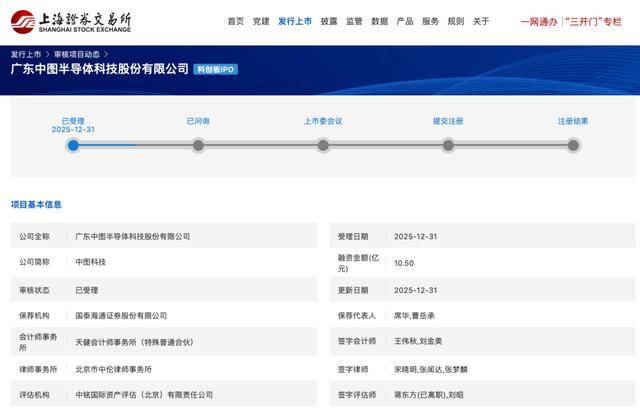
Company Overview - Guangdong Zhongtu Semiconductor Technology Co., Ltd. (referred to as "Zhongtu Technology") has officially received acceptance for its initial public offering (IPO) application on the Sci-Tech Innovation Board, with Guotai Junan Securities as the sponsor and Tianjian Accounting Firm as the auditor [1] - Established in 2013, Zhongtu Technology focuses on the research, production, and sales of core materials for the semiconductor upstream, specifically as a supplier of patterned substrates required for Gallium Nitride (GaN) epitaxy [2] Product and Technology - The company's core products include 2 to 6-inch patterned sapphire substrates (PSS) and 4 to 6-inch patterned composite material substrates (MMS), which are widely used in Mini/Micro LED, automotive lighting, and display applications [2] - Zhongtu Technology is one of the few companies globally capable of manufacturing nano-level PSS and 8-inch patterned substrates, having successfully overcome technological barriers previously dominated by Japanese, Korean, and Taiwanese firms [2][4] - The company's patterned substrate products are essential for improving the quality and yield of downstream GaN-based LED chips, providing critical support for the industry [2][4] Market Position and Financial Performance - Zhongtu Technology has established significant scale advantages and market influence, with an annual production capacity exceeding 18 million pieces of 4-inch patterned substrates [4] - The company serves leading LED chip manufacturers such as Epistar, Seoul Viosys, San'an Optoelectronics, and HC Semitek, with products ultimately used by well-known brands like Apple, Samsung, LG, Hisense, TCL, BYD, and NIO [4] - Financially, Zhongtu Technology has demonstrated stable operating capabilities, with reported revenues of 1.063 billion, 1.208 billion, 1.149 billion, and 532 million yuan, and net profits of 42.2 million, 74.2 million, 94.5 million, and 42.1 million yuan over the reporting periods [4] Fundraising and Strategic Goals - The company plans to publicly issue no more than 14.2062 million shares, accounting for at least 15% of the total share capital post-issuance, with funds primarily directed towards the industrialization of Mini/Micro LED and automotive LED chip patterned substrates, as well as establishing a semiconductor substrate materials engineering research center [4][5] - The fundraising projects are aligned with the company's core business in technological innovation, focusing on capacity expansion, product industrialization, R&D enhancement, and working capital support [5] - Zhongtu Technology's business is deeply integrated with GaN, providing essential substrate materials for GaN-based semiconductor device manufacturing, which is a critical link in the industrialization of GaN-based devices [5] Industry Context - GaN, as a third-generation semiconductor material, possesses excellent properties such as wide bandgap, high electron mobility, and high-temperature resistance, making it widely applicable in LEDs, power devices, and RF devices [5] - The company's patterned substrate products are crucial for the "heteroepitaxy" technology commonly used in the industry, which involves growing GaN films on substrate materials like sapphire [5] - Zhongtu Technology's focus on the semiconductor upstream materials sector aligns with the development direction of the new display industry and the policy orientation of the third-generation semiconductor industry [6]
美区“黑五”购物高峰四天GMV破5亿美元,TikTok Sh
Sou Hu Cai Jing· 2026-01-04 08:35
Core Insights - TikTok Shop has shown impressive performance in the U.S. market, with a total gross merchandise value (GMV) exceeding $500 million during the Black Friday to Cyber Monday shopping peak in 2025, leading to optimistic projections for 2026 [1][3] Group 1: Market Performance - TikTok Shop's GMV in the U.S. surpassed $500 million during the four-day shopping peak of Black Friday to Cyber Monday in 2025 [1] - Major brands like Disney, Samsung, and Ralph Lauren, which were previously cautious about unverified market sales, have recently joined TikTok Shop in the U.S. [1] - The shaving brand Harry's has hired a TikTok Shop manager to oversee in-app operations, indicating a commitment to the platform [1] Group 2: Consumer Behavior - TikTok is cultivating a new generation of consumers who shop while watching videos, which aligns with the platform's growth this year [3] - A report from Morning Consult indicates that TikTok Shop is one of the fastest-growing brands in the U.S., reflecting increased consumer purchasing intent [3] - The platform is evolving into an independent brand rather than just a feature of TikTok, as evidenced by its high ranking in consumer surveys [3] Group 3: Political Landscape - The political challenges facing TikTok in the U.S. may be coming to an end, which could encourage more major brands to join the platform [3]

CES 2026前瞻:英伟达或重塑物理AI,中美韩机器人齐“秀肌肉”
硬AI· 2026-01-04 07:29
Core Insights - The CES 2026 highlights a strategic divergence among chip giants, with NVIDIA shifting focus towards industrial AI and robotics, while AMD and Intel continue to enhance their traditional PC markets [2][4]. Group 1: Chip Giants' Strategies - NVIDIA is expected to delay the launch of the RTX 50 Super series due to high GDDR7 memory prices and supply shortages, with CEO Jensen Huang emphasizing "Physical AI" to extend AI computing power into robotics and industrial applications [4]. - AMD is adopting a steady upgrade strategy, planning to launch the Ryzen 9000 series for desktops, with the flagship Ryzen 9 9950X3D2 featuring dual-chip 3D V-Cache and 192MB L3 cache aimed at workstation users [4]. - Intel is set to release the Intel Core Ultra Series 3 (Panther Lake), which includes approximately 14 SKUs, with the flagship Core Ultra X9 388H featuring 16 cores and a maximum frequency of 5.1GHz, potentially alleviating market concerns about its advanced process execution [5]. Group 2: Robotics and AI Developments - 2026 is seen as a pivotal year for humanoid robots transitioning from demonstration to practical application, focusing on cost reduction and efficiency improvements [7]. - The competition among Chinese, American, and Korean manufacturers is intensifying, with companies like Yushu and Zhiyuan leading cost control efforts, while Boston Dynamics showcases its Atlas robot, and South Korea presents the "K-Humanoid" alliance [10][11]. Group 3: Automotive Industry Transformation - The automotive sector is undergoing a significant technological transformation, with a clearer competitive landscape for intelligent driving chips [13][14]. - NVIDIA leads the high-end L4 market with its Thor chip, while Qualcomm, despite lower AI computing power, successfully penetrates the supply chains of companies like Ideal and Mercedes with its Snapdragon Ride Elite platform [15]. - Chinese automakers like Geely and Great Wall are demonstrating advancements in architecture innovation, while BMW showcases its iX3 based on the Neue Klasse architecture [16]. Group 4: Hardware Innovations - Companies are exploring radical hardware innovations to overcome traditional limitations, with Lenovo presenting prototypes of AI-driven automatic rotating screens and rollable laptops [21]. - TCL and Hisense continue to focus on Mini-LED technology, emphasizing the role of AI image processors in enhancing display quality [21].

全球市占率超三成!国家级专精特新重点“小巨人”来改写衬底材料国际竞争格局
是说芯语· 2026-01-04 07:09
Core Viewpoint - Guangdong Zhongtu Semiconductor Technology Co., Ltd. (Zhongtu Technology) has officially received acceptance for its IPO application on the Sci-Tech Innovation Board, aiming to raise 1.05 billion yuan to enhance its core business and technology research, thereby solidifying its leading position in the global patterned substrate market [1]. Industry Overview - The patterned substrate materials industry is characterized by high technical barriers and market concentration, with Japan and the U.S. holding traditional advantages in sapphire and silicon carbide technologies, respectively. However, the rise of Mini/Micro LED and automotive electronics markets is reshaping the competitive landscape, favoring companies with innovative capabilities and large-scale production [3]. - Domestic companies, including Zhongtu Technology, have made significant breakthroughs in core technologies that were previously monopolized by a few countries, establishing a mature industrial path and gaining a crucial position in the global supply chain [3]. Company Positioning - Zhongtu Technology has established a leading market position with an annual production capacity of over 18 million pieces of 4-inch patterned substrates, holding approximately 32.76% of the global market share in 2023 [4]. - The company is one of the few globally capable of producing nano-level PSS and 8-inch patterned substrates, with its products widely used in new display technologies and automotive applications, successfully entering the supply chains of major global companies like Apple and Samsung [4][5]. Investment Plans - Zhongtu Technology plans to invest the 1.05 billion yuan raised from the IPO into three main projects: industrialization of Mini/Micro LED and automotive LED chip patterned substrates, establishment of a semiconductor substrate materials engineering research center, and supplementing working capital [5]. - The industrialization project aims to expand production capacity to meet the growing market demand, while the research center will enhance the company's technological capabilities and solidify its competitive edge [5]. Market Demand - The demand for patterned substrate materials is on the rise due to the rapid development of new display technologies and the electrification and intelligence trends in the automotive sector. Zhongtu Technology's IPO is expected to leverage capital market support for capacity expansion and technological upgrades, further enhancing its global competitiveness [6].