
中国稀土

Search documents
中国稀土:截至2026年1月30日收盘,公司股东总户数为191386户
Zheng Quan Ri Bao Wang· 2026-02-05 13:14
证券日报网讯2月5日,中国稀土(000831)在互动平台回答投资者提问时表示,截至2026年1月30日收 盘,公司股东总户数为191386户。 ...

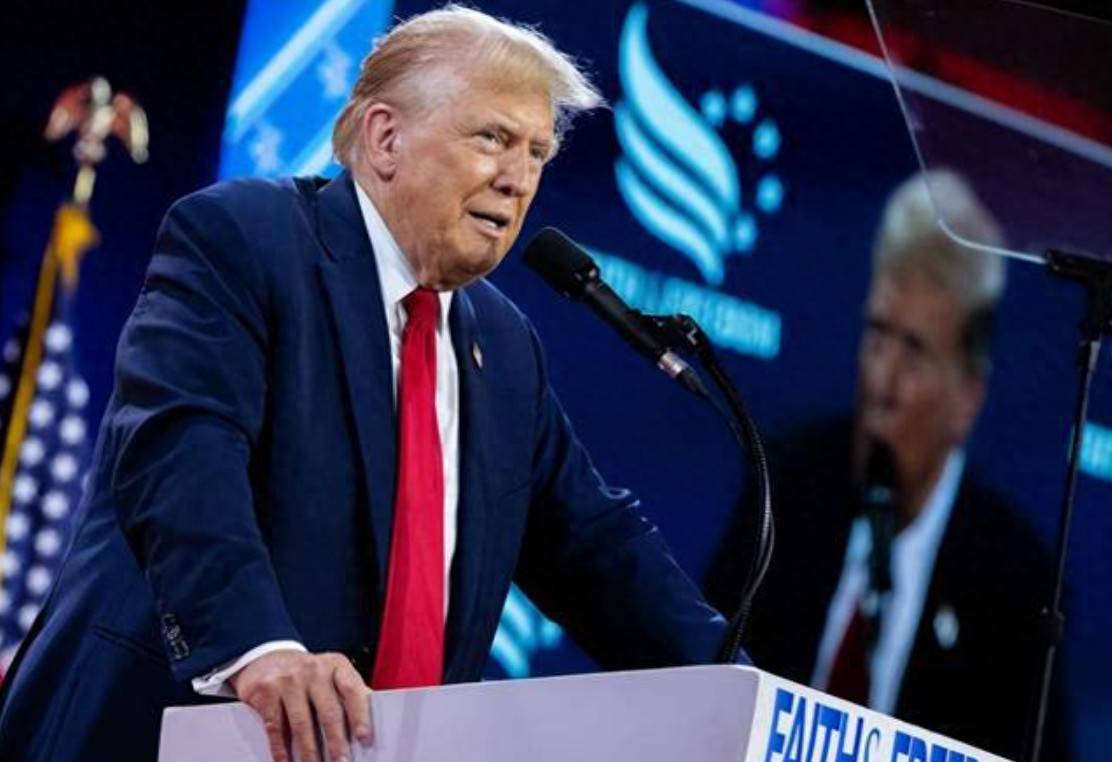
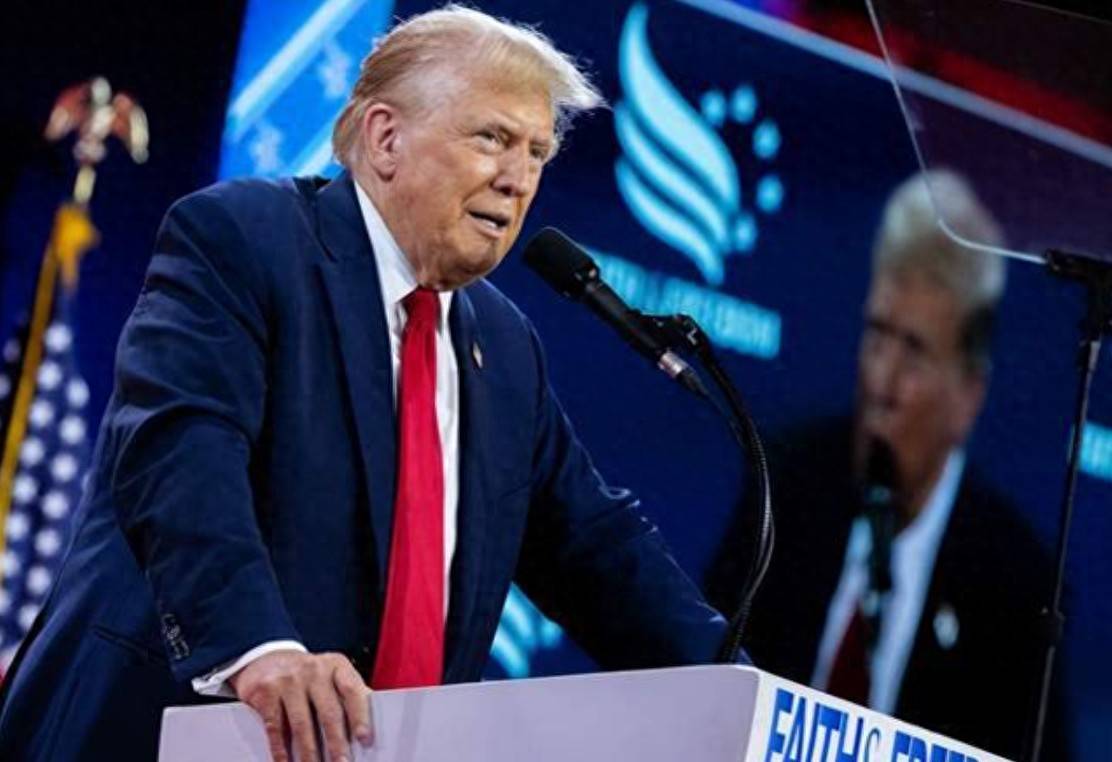
特朗普启动120亿美元“金库计划”,旨在摆脱对中国稀土的依赖
Sou Hu Cai Jing· 2026-02-05 10:43
【特朗普推出"金库计划",旨在摆脱对中国稀土的依赖】 计划核心,是拉上通用汽车、波音、谷歌等工业科技巨头,仿照国家石油储备模式,建立稀土、镓、钴等战略矿产的应急库存,目标是 囤够60天的用量。 不仅如此,美国触角还伸向盟友,美国注资数千万美元,换得加拿大Trilogy Metals公司10%股份,并特批了其矿区的关键道路环评。 而以上这些,都套着《国防生产法》的"国家安全"外衣。为了造势,美国还拉上31个国家,搞了个"关键矿产生产联盟",计划建一个没 有中国的资源俱乐部。 最近,特朗普总统在镜头前,高调推出了代号"金库计划"的战略行动。这个耗资120亿美元的紧急方案,目标明确:打破美国在关键矿产 供应链上的脆弱局面,尤其是摆脱对中国稀土的依赖。 钱从哪来?彭博社披露,约20亿美元私人资本牵头,美国进出口银行则提供了高达100亿美元的贷款支持。 事实上,这不是孤立动作。特朗普二度入主白宫后,关键矿产直接被抬到了"国家安全命脉"的高度,紧随其后他便打出一套组合拳:改 革国内矿业许可,简化审批,甚至开放争议巨大的海底采矿。 模式上,力推"公私合营"。美国国防部、能源部数亿美元注资和贷款,入股本土唯一的稀土生产商MP ...


美又拉30国建新群,想抽掉中国稀土王牌,欧洲抢先献上投名状
Sou Hu Cai Jing· 2026-02-05 09:27
Core Viewpoint - The United States is establishing a new alliance focused on reshaping the global supply chain for critical minerals, particularly rare earth resources, to reduce dependence on China [1][3]. Group 1: Alliance Formation - The new mineral alliance includes the United States, the United Kingdom, Japan, Australia, and the European Union, with a meeting planned in Washington to discuss de-China-fication of the rare earth supply chain [1][3]. - Australia is identified as a core member due to its significant role as a major lithium exporter, committing to invest $1 billion with the U.S. for exploration and processing of critical minerals [3]. - Japan and South Korea are positioned as technology processors and consumers, with Japanese companies importing rare earth elements from Australia for local electric vehicle and electronics industries [3]. Group 2: Member Roles and Interests - The alliance exhibits a division of roles among member countries, but underlying tensions exist regarding the alignment of U.S. pricing strategies and the interests of resource-supplying countries like Australia [4][5]. - Australia is focused on increasing its profits through higher mineral prices and expanded exports, which has led to market fluctuations when U.S. policies do not align with its interests [4]. - The EU is caught between the desire to counter China's dominance and the risk of over-reliance on the U.S., particularly in light of territorial concerns related to Greenland [5]. Group 3: Challenges and Competitive Landscape - The cooperation model within the alliance lacks consistency due to varying national interests, making it difficult to form a strong collective action in the short term [5]. - China's dominance in the rare earth sector is attributed not only to resource availability but also to its complete industrial chain, which poses a significant technological gap for the U.S. and its allies to overcome [7].
东方财富证券:铜价韧性凸显 继续看好后市机会
Xin Lang Cai Jing· 2026-02-05 09:22
Group 1: Copper - Copper prices remain resilient, with LME copper at $133,370/ton and SHFE copper at $103,680/ton, reflecting a week-on-week increase of +3.5% and +2.3% respectively [1][9] - The import copper concentrate TC is at -$50.0/ton, down by $0.5/ton week-on-week, indicating tight supply in the copper market [1][9] - Southern Copper Corporation anticipates a decline in copper production over the next two years due to lower ore grades, projecting 911,400 tons in 2026 and slightly above 900,000 tons in 2027, both lower than 954,300 tons in 2025 [1][9] Group 2: Aluminum - LME aluminum is priced at $3,110/ton and SHFE aluminum at $24,560/ton, with a week-on-week change of -2.0% and +1.1% respectively [2][10] - The SMM aluminum processing enterprises' operating rate decreased by 1.5 percentage points to 59.4% week-on-week [2][10] - SHFE aluminum inventory increased to 21.7 million tons, up by 2.0% week-on-week, indicating seasonal demand decline influenced by the Spring Festival [2][10] Group 3: Precious Metals - SHFE gold is priced at 1,161.4 yuan/gram and COMEX gold at $4,907.5/ounce, with week-on-week changes of +4.1% and -1.5% respectively [3][11] - The nomination of a new Federal Reserve chairman, who supports lower interest rates, may influence precious metal prices, which have shown volatility [3][11] - The focus is on potential investment opportunities after price stabilization in the precious metals market [3][11] Group 4: Minor Metals - Tungsten concentrate prices rose to 601,000 yuan/ton, reflecting a week-on-week increase of +12.3% [4][12] - The prices for praseodymium and neodymium oxide are at 750,000 yuan/ton, up by +11.3%, while dysprosium oxide decreased by -2.1% [4][12] - The domestic antimony ingot price is at 165,000 yuan/ton, with a week-on-week increase of +1.2% [4][12] Group 5: Steel - SHFE rebar and hot-rolled coil prices are at 3,128 yuan/ton and 3,288 yuan/ton, with week-on-week changes of -0.4% and -0.5% respectively [5][13] - Total steel supply reached 8.2317 million tons, up by 35,800 tons week-on-week, while total inventory increased to 12.7851 million tons, up by 214,300 tons [5][13] - Southern steel mills are adjusting pricing strategies for construction steel to improve profit margins, indicating enhanced industry self-discipline [5][13] Group 6: Investment Recommendations - For the copper sector, companies with rich copper resources such as Zijin Mining, Luoyang Molybdenum, and China Nonferrous Mining are recommended [6][14] - In the precious metals sector, companies like Zijin Gold International, Shandong Gold, and China Gold International are suggested for investment [6][14] - The aluminum sector recommends companies such as Shenhuo Co., Yunnan Aluminum, and China Aluminum [7][15] - For minor metals, focus on rare earth companies like Northern Rare Earth and domestic antimony producers [7][15] - In the steel sector, companies with strong product structures like Baosteel and Hesteel are highlighted [7][15]

美又拉30国建“新群”,想抽掉中国稀土王牌,欧洲抢先献上投名状
Sou Hu Cai Jing· 2026-02-05 08:50
长期占据全球稀土产业链的主导地位,手握这张王牌,就让美国始终如鲠在喉。 特朗普上台后,一边忙着退出各种国际组织甩包袱,一边又急着拉帮结派建新群。 如今,这个由美国牵头的新群,已有近30国表达兴趣, 欧洲更是抢先一步献上投名状,看似来势汹汹,实则各有自己的小心思。 很多人不懂,美国明明自身也有稀土资源,为何偏偏盯着中国的稀土不放? 因为中国的稀土优势,从来不是有资源那么简单,而是从开采、精炼到应用的全产业链垄断。 美国想复制这套体系,至少需要十几年时间,而它根本等不起。 不同于以往的临时抱团,这次美国建群,可谓是蓄谋已久。 早在2025年8月,美国就已经联合英、加、澳等10国。 成立了矿产安全伙伴关系融资网络,管理资产超30万亿美元,为后续的矿产联盟铺路。 10月底,又启动组建关键矿产交易俱乐部,计划在2026年7月前完成去中国化的供应链布局。 甚至还签署行政令,威胁盟友若不配合,就实施关税或配额限制。 此次华盛顿即将召开的关键矿产部长级会议,更是这场围堵行动的关键一步。 由美国国务卿主持,召集了美英日澳、欧盟多国。 还有肯尼亚、几内亚等非洲资源国,足足55个国家的代表参会。 名义上是强化关键矿产供应链,实则是 ...
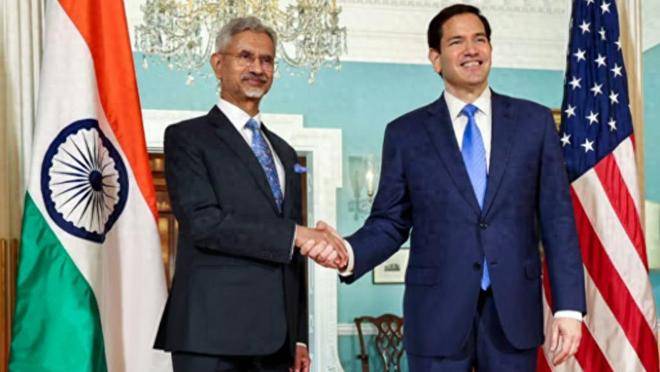
因中国不回信,被晾多天的莫迪,怒砸700亿要取代中国稀土地位?
Sou Hu Cai Jing· 2026-02-05 08:50
Group 1 - The core message of the article highlights India's ambition to enhance its rare earth mineral supply chain to boost manufacturing capabilities, with a significant funding proposal of over 700 billion rupees (approximately 7.88 billion USD) aimed at supporting local enterprises in the rare earth sector [1][6][31] - India is actively engaging in international partnerships for critical minerals, having established collaborations with countries like Australia and Mozambique, indicating a strategic positioning in the global mineral landscape [6][29] - Despite possessing the world's third-largest rare earth reserves, India's challenges include environmental concerns, social issues related to mining, and the need for substantial investment to realize its goals [7][31] Group 2 - The article outlines three major challenges facing India's rare earth industry: the difficulty of technology transfer from laboratory success to mass production, safety concerns related to mining operations, and the inadequacy of production capacity compared to China [11][15][19] - India's current production capacity is limited, with a recent facility in Pune achieving only 15 tons per month, which is significantly lower than the hundreds or thousands of tons produced by many Chinese companies [19][22] - The lack of skilled workforce and a complete industrial chain further complicates India's efforts, as it currently only controls parts of the rare earth production process, leading to reliance on imports for high-value products [21][22] Group 3 - To address these challenges, India is exploring alternative technologies and developing a "rare earth corridor" concept to integrate resource locations, processing areas, and logistics, aiming to create a cohesive industrial ecosystem [25][27] - The collaboration with Australia is seen as a potential solution, as both countries have complementary needs in terms of resources and processing capabilities, although progress has been slow [29] - The effectiveness of the 700 billion rupee incentive plan remains uncertain, as it will require time to determine whether it can genuinely support India's ambitions in the global rare earth market [31]
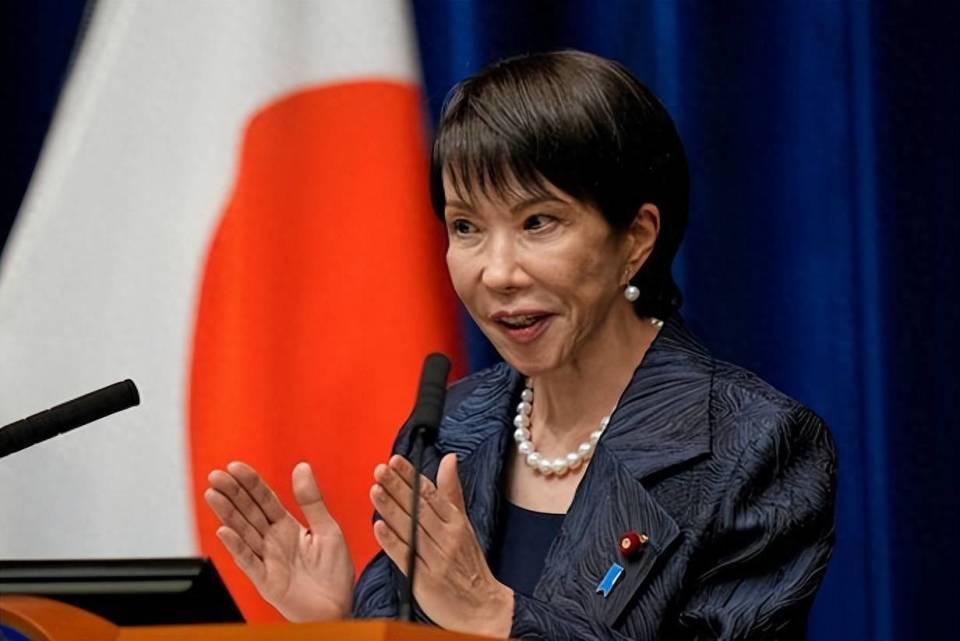
想摆脱中国稀土?日本高调宣布稀土突破,中方7个字回应
Sou Hu Cai Jing· 2026-02-05 08:38
Core Viewpoint - Japan's successful deep-sea exploration near Minami-Torishima Island, which yielded rare earth-rich mud samples, is seen as a strategic breakthrough to reduce dependence on China, highlighting the global competition for control over the rare earth industry chain [1][3]. Group 1: Rare Earth Resources - The sea area around Minami-Torishima is estimated to contain approximately 16 million tons of rare earth resources, sufficient to support global consumption for hundreds of years [3]. - Japan's reliance on rare earth elements exceeds 90%, particularly for critical industries such as electric vehicles, military, and precision instruments, with over 90% of heavy rare earth elements supplied by China [3]. Group 2: Investment and Strategy - Japan has invested over 20 billion yen in deep-sea mining technology over the past decade as part of its national strategy to reduce resource dependency [3]. - The deep-sea mining initiative is part of Japan's broader strategy to assert its voice in international mining standards, particularly with the proposed priority development rights in the 2025 revision of the Deep Sea Mineral Resources Development Law [10]. Group 3: Challenges in Deep-Sea Mining - Deep-sea mining faces significant challenges, including extreme underwater pressure, high costs of dehydration and purification, and environmental concerns leading to protests from 12 countries [5]. - Even if Japan achieves mass production, the cost of deep-sea rare earths is projected to be 3.8 times higher than similar products from China [5]. Group 4: China's Dominance in the Industry - China currently controls 67% of global rare earth mining and 85% of refining and separation capacity, establishing significant technological barriers in high-end applications [7]. - Chinese companies dominate 80% of the global production capacity for high-performance neodymium-iron-boron magnets, with a much higher yield rate compared to Japanese counterparts [8]. Group 5: Technological Advancements and Industry Evolution - The competition in the rare earth sector is evolving into a contest for rule-making authority, with China promoting green technology and recycling initiatives to counter Japan's deep-sea mining efforts [10]. - China's rare earth recycling technology allows for the extraction of 2,000 tons of rare earths annually from urban mining, significantly surpassing Japan's trial mining volume [10]. - The efficiency of rare earth conversion in China is 78%, compared to Japan's 54%, indicating a technological edge that diminishes the strategic value of Japan's deep-sea mining [10].
有色金属行业周报:大宗商品价格调整,继续看好后市机会
东方财富· 2026-02-05 07:45
Investment Rating - The report maintains an "Outperform" rating for the industry, indicating a projected increase in performance relative to the market index [2][15]. Core Insights - The report highlights a positive outlook for commodity prices, particularly in metals, driven by supply constraints and strong demand dynamics [1][7]. - It emphasizes the resilience of copper prices, with recent data showing a week-on-week increase of 3.5% for LME copper and 2.3% for SHFE copper, indicating strong market fundamentals [7]. - The aluminum sector is expected to maintain its strength, with a slight increase in SHFE aluminum prices despite a decrease in processing rates due to seasonal factors [7]. - The precious metals market is experiencing volatility, but there are opportunities for investment once price stability is achieved [7]. - The tungsten sector is noted for increased price fluctuations, while rare earth prices remain relatively stable, suggesting varied investment opportunities across different metal categories [7][11]. Summary by Sections Copper - Copper prices are showing strong resilience, with LME and SHFE prices at 133,370 and 103,680 USD/ton respectively, reflecting a week-on-week increase [7]. - Supply constraints are highlighted, particularly with declining grades in major mines in Peru, leading to expected production decreases in the coming years [7]. Aluminum - The report notes a slight decrease in LME aluminum prices but an increase in SHFE prices, indicating mixed market signals [7]. - Seasonal demand impacts are acknowledged, with a decrease in processing rates due to the Chinese New Year [7]. Precious Metals - The report discusses the recent fluctuations in precious metals, particularly gold, with SHFE gold prices at 1,161.4 CNY/gram and COMEX gold at 4,907.5 USD/ounce [7]. - The potential for investment is noted once the market stabilizes post-volatility [11]. Small Metals - Tungsten prices have increased by 12.3% week-on-week, while rare earth prices show stability, indicating diverse investment opportunities [7][11]. Steel - The report indicates that southern steel mills are proactively raising prices, with SHFE rebar and hot-rolled coil prices at 3,128 and 3,288 CNY/ton respectively [8]. - An increase in total inventory and consumption rates suggests a potential for profit improvement in the steel sector [8].
有色金属行业周报:大宗商品价格调整,继续看好后市机会-20260205
East Money Securities· 2026-02-05 07:08
Investment Rating - The report maintains an "Outperform" rating for the industry [2][11]. Core Insights - The report highlights a positive outlook for commodity prices, particularly in the context of copper and aluminum, with expectations of continued strength in these markets [7][8]. - It emphasizes the resilience of copper prices, which have shown a week-on-week increase, indicating a tight supply situation [7]. - The report notes that the steel industry is seeing price adjustments from southern steel mills, which may lead to improved profit margins [8]. Summary by Sections Copper - Copper prices remain resilient, with LME and SHFE copper prices recorded at 133,370 and 103,680 USD/ton respectively, showing week-on-week increases of 3.5% and 2.3% [7]. - The report suggests focusing on companies with rich copper resource reserves such as Zijin Mining, Luoyang Molybdenum, and China Nonferrous Mining [11]. Aluminum - The aluminum sector is expected to maintain its resilience, with LME and SHFE aluminum prices at 3,110 and 24,560 USD/ton, respectively [7]. - Recommended companies include Shenhuo Group, Yun Aluminum, China Aluminum, and Nanshan Aluminum [11]. Precious Metals - The report indicates that precious metals have experienced volatility, with SHFE gold and COMEX gold prices at 1,161.4 CNY/gram and 4,907.5 USD/ounce, respectively [7]. - It suggests monitoring companies like Zijin Gold International, Shandong Gold, and China National Gold for potential investment opportunities [11]. Minor Metals - Tungsten prices have increased by 12.3% week-on-week, with significant price adjustments noted in the tungsten sector [7]. - The report recommends focusing on rare earth companies such as Northern Rare Earth and China Rare Earth, as well as tungsten companies like Zhongtung High-tech and Xiamen Tungsten [11]. Steel - The steel industry is seeing proactive price increases from southern steel mills, with SHFE rebar and hot-rolled coil prices at 3,128 and 3,288 CNY/ton, respectively [8]. - Companies to watch include Baosteel, Hualing Steel, and Nanjing Steel, particularly those with superior product structures [11].
关键矿产“金库计划”启动,稀土ETF嘉实(516150)聚焦稀土产业链投资机遇
Xin Lang Cai Jing· 2026-02-05 03:08
Group 1 - The core viewpoint of the news highlights the decline of the China Rare Earth Industry Index by 4.45% as of February 5, 2026, with leading stocks such as Jinfeng Technology and China Aluminum experiencing significant drops [1] - The U.S. plans to initiate a critical mineral reserve project, the "Treasury Plan," which reinforces the long-term premium logic of rare earths as "strategic metals" [1] - Research institutions believe that the strategic position of global rare earth resources is continuously improving, marking the entry of the rare earth industry into a new era of high-quality development [1] Group 2 - On the supply side, quota controls and regulatory policies are expected to strengthen the rigid logic of supply, while on the demand side, emerging fields such as electric vehicles, humanoid robots, and low-altitude economy are anticipated to drive long-term high growth in demand [1] - It is projected that starting in 2026, the global supply-demand gap for rare earths will continue to expand, with prices expected to remain stable or increase, leading to sustained improvement in the profitability of the industry chain [1] - CITIC Securities' research report recommends strategic allocation value in the rare earth industry chain due to these favorable conditions [1] Group 3 - The China Rare Earth Industry Index closely tracks the performance of listed companies involved in rare earth mining, processing, trading, and applications, reflecting the overall performance of the rare earth industry [2] - As of January 30, 2026, the top ten weighted stocks in the index include Northern Rare Earth, Jinfeng Technology, Xiamen Tungsten, and China Aluminum, collectively accounting for 61.43% of the index [2] Group 4 - The Rare Earth ETF by Jiashi (516150) serves as a convenient tool for investors to gain exposure to the domestic rare earth industry chain [3] - Investors can also utilize the Jiashi Rare Earth ETF Connect Fund (011036) to seize investment opportunities in the rare earth sector [4]