蜜雪集团

Search documents
张红超兄弟靠6元奶茶赢得千亿财富 蜜雪冰城低价盈利模式面临可持续性考验
Chang Jiang Shang Bao· 2025-12-30 23:21
Core Insights - UBS released its 11th "Billionaire Report," featuring Zhang Hongchao and Zhang Hongfu, the founders of Mixue Ice City, who became billionaires with a net worth of 117.9 billion yuan, making them the richest in Henan [1][11] - Mixue Ice City went public on the Hong Kong Stock Exchange on March 3, 2025, with its stock price reaching 618.50 HKD per share, significantly contributing to the Zhang brothers' wealth [1][11] - The company has expanded rapidly, with over 53,000 stores globally by June 2025, and reported a profit of 2.693 billion yuan in the first half of 2025 [1][11] Company Background - Zhang Hongchao and Zhang Hongfu started their entrepreneurial journey with a mere 3,000 yuan, selling ice cream and milk tea, and have built a successful business over 28 years [1][2] - The brothers' contrasting personalities and skills have complemented each other, with Zhang Hongchao focusing on product quality and Zhang Hongfu on marketing and expansion [5][6] Business Model and Strategy - Mixue Ice City's success is attributed to its low-price strategy combined with a self-built supply chain, allowing it to maintain profitability while offering affordable products [15][7] - The company has established five production bases across China, with an annual capacity of 1.65 million tons, ensuring over 70% of its core raw materials are self-sourced [15][7] Financial Performance - The company reported net profits of 3.137 billion yuan and 4.437 billion yuan for 2023 and 2024, respectively, with a year-on-year growth of 57.13% and 41.41% [15][7] - In the first half of 2025, Mixue Ice City achieved a net profit of 2.693 billion yuan, reflecting a 42.90% increase compared to the previous year [15][7] Challenges and Risks - The sustainability of the low-price model is under scrutiny, especially in a competitive market where product quality has been questioned due to complaints about hygiene and service [17][13] - The company faced challenges with rapid expansion, leading to issues such as supply shortages and management difficulties, prompting a strategic shift towards standardization and supply chain improvement [9][10] Market Position - Despite its challenges, Mixue Ice City has established a strong brand presence, particularly in lower-tier markets, and has been able to maintain a competitive edge through its pricing strategy [13][7] - The company has expanded internationally, with stores in countries like Indonesia, Vietnam, and South Korea, but faces uncertainties related to market adaptation and regulatory differences [17][13]
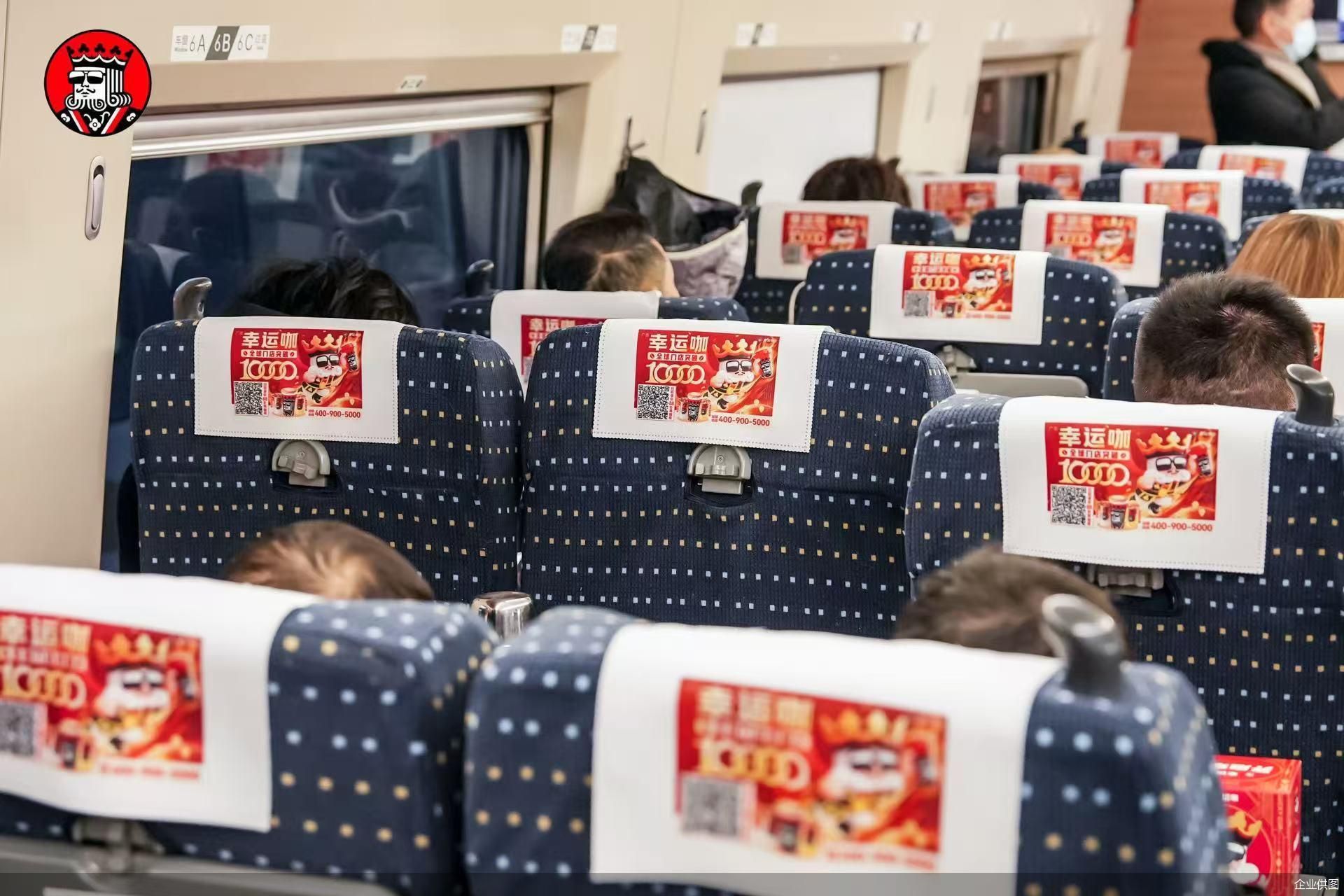
幸运咖冠名高铁专列北京首发 全球门店已突破万家
Bei Jing Shang Bao· 2025-12-30 07:37
据悉,该列高铁专列从北京始发,终点站为成都站,全程超2000公里,串联石家庄、郑州、襄阳、重庆等多座城市,可广泛辐射华北、华中、西南等多地区 的客流。作为蜜雪集团旗下现磨咖啡品牌,幸运咖到11月全球门店突破10000家。 分析人士指出,元旦、春节等节假日到来之际,借助高铁跨区域、高频次、大流量的传播优势,幸运咖有望实现品牌形象在全国范围的精准渗透。 北京商报讯(记者 郭缤璐)12月30日,幸运咖"万店专列"高铁冠名品牌列车首发仪式于北京西站举行。在列车车身上,可以看到"全球门店突破一万家"的 鲜明标识。走进该列高铁专列,可见车厢内部悄然"焕新",从头枕巾、小桌板、行李架、列车海报到语音播报,全媒体构建品牌互动体验场景。 此次首发仪式,幸运咖在多节车厢为乘客准备了伴手礼袋,包括幸运扑克牌、万店纪念徽章、幸运咖啡仔、幸运老 K手办、新年幸运杯、新年幸运咖主题包 装袋等品牌周边产品,乘客上车落座后均可免费领取。 ...

港股新消费概念股盘中回调,老铺黄金、泡泡玛特跌超5%
Xin Lang Cai Jing· 2025-12-30 03:38
Group 1 - The core viewpoint of the article highlights a market correction in Hong Kong's new consumption concept stocks on December 30, with significant declines observed in various companies [1] Group 2 - Lao Pu Gold and Pop Mart both experienced declines exceeding 5% [1] - Bluco saw a drop of over 4% [1] - Other companies such as Mao Ge Ping, Wei Long, Juzi Biological, Mixue Group, Gu Ming, and Cha Bai Dao all fell by more than 2% [1]

港股IPO登顶全球
2 1 Shi Ji Jing Ji Bao Dao· 2025-12-30 00:31
Core Viewpoint - In 2025, the Hong Kong Stock Exchange (HKEX) is expected to lead the global IPO market with a projected fundraising total exceeding HKD 280 billion, marking a significant return to prominence after several years [1][2]. Group 1: IPO Market Dynamics - The HKEX is anticipated to host 117 new listings in 2025, averaging a new listing every two trading days [1]. - Major IPO projects are significantly contributing to the overall fundraising scale, with the top ten IPOs expected to account for a substantial portion of the total [3][4]. - Six of the top ten IPOs are "A+H" listed companies, collectively raising HKD 1,033.20 million, which represents 36.12% of the total IPO fundraising for the year [4]. Group 2: A-Share Influence - The "A-share" influence is increasing, with 19 A-share companies successfully listing in Hong Kong, raising a total of HKD 1,399.93 million, nearly half of the total new fundraising [6]. - The "A+H" listing model is becoming a preferred choice for many companies, driven by various strategic needs such as international expansion and risk diversification [6][8]. Group 3: Policy Support - Continuous policy support is fueling the IPO trend, including measures from the China Securities Regulatory Commission to encourage leading companies to list in Hong Kong [7][8]. - Recent optimizations to HKEX listing rules have made it easier for companies to meet public shareholding requirements, further lowering the barriers for listing [8]. Group 4: New Economic Forces - The IPO market is witnessing a strong emergence of "new economy" companies, particularly in sectors like AI and robotics, with six companies set to list simultaneously [10]. - The hard technology sector is a key driver, with significant representation in the IPO pipeline, including 20 companies in pharmaceuticals and 19 in software services [11]. Group 5: Consumer Brands - The "new consumption" sector is also thriving, with 19 companies from various consumer industries listing in 2025, many of which had previously attempted to list in the A-share market [13][14]. - High demand for these consumer brands is evident, with many experiencing subscription rates exceeding 100 times, indicating strong investor interest [13][14]. Group 6: Market Performance and Future Outlook - The IPO market is showing a notable improvement in profitability, with a record low IPO failure rate of 28.83% and significant first-day price increases for many new listings [16]. - Despite some recent volatility, forecasts for 2026 remain optimistic, with expectations of around 160 new listings and fundraising of at least HKD 300 billion [18]. - Long-term prospects suggest that the HKEX could solidify its role as a global pricing hub for Chinese assets, contingent on maintaining high-quality listings and robust capital flows [19].






透过五大变化,预判新茶饮的 2026 年
Sou Hu Cai Jing· 2025-12-29 20:10
Core Insights - In 2025, the Chinese new tea beverage industry is at a critical turning point from "scale expansion" to "value cultivation" [3] - New consumer demands and development models are emerging, reshaping the future direction of the tea beverage industry [3] Group 1: Market Dynamics - The "0 Yuan Milk Tea" promotion, driven by massive subsidies, sparked a temporary surge in the tea beverage market, significantly impacting brand operations [3] - According to Zhejiang Securities, the average single-store sales revenue for Mixue Group reached 278,000 yuan in the first half of the year, a year-on-year increase of 13.2% [3] - Tea Baidao reported that promotional activities boosted store sales, with a second-quarter average daily GMV reaching its highest level in nearly a year, up approximately 15% from the first quarter [3] Group 2: Brand Expansion and Challenges - Gu Ming's store count increased from about 9,914 at the beginning of 2025 to over 12,000 by the end of August, maintaining an average of 7 new store openings per day [3] - However, the sustainability of the delivery war is questioned due to low profit margins and potential losses [3][5] - Naixue's financial report indicated that delivery service fees paid to third-party platforms reached 200 million yuan, rising from 6.7% to 9.2% of total revenue year-on-year [4] Group 3: International Expansion - Overseas markets are becoming a crucial source of growth for tea brands, with Ba Wang Cha Ji becoming the first new tea company to list on NASDAQ in April 2025 [7] - Ba Wang Cha Ji opened its first U.S. store in May, selling over 5,000 cups on the first day, and entered the Philippines market in August, selling over 23,000 cups in three days [7] - Other brands like Mixue Ice City and Tianlala are also expanding internationally, with Mixue covering 12 countries and over 4,700 overseas stores [7] Group 4: Health Trends - The "Skinny Milk Tea" trend is emerging as a new growth engine in the industry, with kale becoming a core ingredient [8] - The price of kale surged from 0.8 yuan per jin in 2024 to 3.5 yuan per jin in March 2025, reflecting a price increase of over 300% due to rising demand [9] Group 5: Market Segmentation - The pearl milk tea segment is gaining traction, with brands like Bao Jin Zhu focusing on low-cost, single-product strategies, rapidly expanding to over 1,800 stores in four years [10][12] - These brands are achieving significant sales, with single-store daily revenues between 1,500 and 1,800 yuan, and a projected 80% growth in store count for 2025 [12] Group 6: Industry Transition - The new tea beverage industry is shifting from quantity to quality, with brands like Heytea and Naixue closing underperforming stores and slowing down expansion [13][14] - As of October 2025, Heytea's store count decreased by 680 to 3,930, while Naixue closed 160 stores, reducing its total to 1,638 [13] - The focus is now on enhancing single-store value, tightening franchise management, and upgrading product structures [14]
锅圈20251229
2025-12-29 15:50
Summary of Guoquan Company Conference Call Company Overview - Guoquan Company focuses on retailing hot pot and barbecue ingredients, operating primarily in lower-tier markets with a total of 10,761 stores as of Q3 2025, mostly franchise stores [2][4][5]. Core Business Model - The company employs a single product, single factory model to enhance bargaining power and utilizes a digital central warehouse for efficient distribution [2][11]. - Guoquan's product range includes eight categories, with 95% of products being self-owned brands [2][11]. - The average consumer spending is around 30 yuan per meal, with a popular 99 yuan hot pot package designed for a family of three [4]. Financial Performance - Revenue growth from 2020 to 2022 was rapid, but a decline was observed in 2023 due to reduced at-home dining scenarios. Revenue is expected to recover to 6.47 billion yuan in 2024, with a 6.17% year-on-year growth [2][3][8]. - In H1 2025, revenue reached 3.24 billion yuan, a 21% increase year-on-year, with net profit at 183 million yuan, up 113% [3][9]. Market Trends - The "at-home dining" market in China is large and fragmented, with a compound annual growth rate (CAGR) of 14.7% from 2018 to 2022, and the meal product segment growing at 25.5% [10]. - The market is projected to grow at a CAGR of 20.7% by 2027, indicating strong future potential [10]. Expansion Strategy - Guoquan plans to expand its store count significantly, with projections of adding over 1,000 stores in 2025, 2,500 in 2026, and 2,000 in 2027 [5][15]. - The company is focusing on rural market penetration, with 57% of its stores located in third-tier cities and below [13]. Innovation and Technology - The company has introduced 24-hour unmanned retail stores and completed smart upgrades for over 2,000 retail locations, increasing average daily sales by 300 yuan [14]. - Guoquan is set to launch "Guoquan Stir-fry" in January 2026, leveraging digital and intelligent technologies to ensure consistent quality and efficiency [14]. Profitability Forecast - Expected net profits for 2025, 2026, and 2027 are projected at 450 million yuan, 550 million yuan, and 682 million yuan, respectively, with year-on-year growth rates of 95%, 22%, and 24% [5][15]. - The gross margin is expected to remain stable at around 22.1% to 22.6% over the next three years [15]. Competitive Landscape - Compared to peers like Mixue Group, Wancheng Group, and Babi Foods, Guoquan's valuation remains attractive, with a price-to-earnings (PE) ratio lower than its competitors [16]. - The company is positioned for growth through its product, channel, and supply chain strategies, making it a recommended investment opportunity [16].
茉酸奶创始人清仓退出,君乐宝投资加码!门店较巅峰期下降 516家,加盟费用已减半
Sou Hu Cai Jing· 2025-12-29 12:19
Core Insights - The founder of the yogurt brand More Yogurt, Zhao Bohua, has resigned from all positions in the parent company Shanghai Boyi Catering Management Co., Ltd., and has sold his 30% stake, with co-founder Gu Hao taking over as the legal representative [3][4] - The company has faced challenges, including a food safety scandal in May 2024, which has damaged its reputation [8][10] - More Yogurt has significantly reduced its franchise fees and opened up to county-level city franchises to attract new franchisees [8][10] Company Changes - Zhao Bohua has exited the company he founded 11 years ago, with Gu Hao now serving as the legal representative [3][4] - The company has undergone multiple changes in its shareholder structure, with Junlebao Hebei Company becoming the second-largest shareholder with a 42.86% stake [3][4] Sales and Market Position - More Yogurt's original avocado yogurt series sold 21 million cups in 2023, but the company has struggled to produce a second hit product [8][10] - The total number of stores has decreased from a peak of 1,682 to 1,166, a reduction of 516 stores [10][12] Pricing and Franchise Strategy - The price of products has decreased, with the cheapest item now priced at 18 yuan and the most expensive at 30 yuan, down from a previous high of 34 yuan [8][11] - Franchise costs have been slashed from 50-60 thousand yuan to below 25 thousand yuan, with new policies introduced to attract franchisees [8][10] Challenges and Future Outlook - The company faces ongoing issues related to food safety and inconsistent product quality, which are attributed to rapid franchise expansion [12] - Analysts suggest that the investment from Junlebao could provide necessary support, but success will depend on addressing core operational issues [6][12]

29日恒指高开低走跌0.71% 科指跌0.3%
Xin Lang Cai Jing· 2025-12-29 12:00
转自:新华财经 新华财经香港12月29日电(记者林迎楠)29日港股主要指数高开低走,截至收盘,恒生指数下跌0.71% 至25635.23点,恒生科技指数下跌0.30%至5483.01点,国企指数下跌0.26%至8891.71点。 当日恒指高开109.96点,开报25928.89点,开盘后一路震荡下跌,尾市振幅收窄,最终恒指跌183.70 点,主板成交超2245亿港元。截至收盘,上涨股票924只,下跌1395只,收平925只。当日,港股通(南 向)净流出超34亿港元。 整体来看,多数板块下跌,石油与天然气、新能源车企、银行、港口运输等股多为上涨,芯片、航空、 高铁基建等股有涨有跌,生物医药、科网、黄金、有色金属、券商、房地产等股多有下跌。 个股方面,美团涨0.97%,中芯国际跌2.11%,紫金矿业跌3.01%,比亚迪股份涨3.74%,中国平安涨 0.30%,中国移动跌1.21%,优必选涨9.13%,蜜雪集团涨3.84%,长和跌3.35%,诺比侃跌15.11%,华虹 半导体涨1.40%,赣锋锂业跌2.23%,中国石油股份涨1.47%,工商银行涨1.63%。 成交额前三的个股中,腾讯控股跌1.08%,成交超111亿 ...
2025年港股IPO融资2863亿港元登顶全球,硬科技与新消费双轮驱动
Sou Hu Cai Jing· 2025-12-29 10:01
Group 1 - The Hong Kong IPO market is projected to raise HKD 286.3 billion (approximately USD 36 billion) in 2025, surpassing Nasdaq and reclaiming the top position globally in fundraising [1] - A significant contribution to the IPO scale expansion comes from 19 A-share listed companies that successfully listed in Hong Kong, raising a total of HKD 139.993 billion, accounting for nearly half of the total new stock fundraising [2] - Major companies like CATL, Hengrui Medicine, and Haidilao have collectively raised HKD 1,033.2 billion, highlighting the trend of leading enterprises seeking internationalization and risk diversification through Hong Kong listings [2] Group 2 - The "hard technology" sector saw 88 companies listed in 2025, benefiting from the Hong Kong Stock Exchange's favorable regulations for biotech and specialized technology companies, creating a notable listing surge [3] - New consumption brands, including Mixue and Saturday's Fortune, have found success in the Hong Kong market, with 14 out of 19 consumer companies experiencing oversubscription rates exceeding 100 times [3] - The influx of international capital into Hong Kong stocks is driven by the appeal of "verifiable growth stories" and "scarcity," enriching the investment landscape with new business models and growth narratives [3] Group 3 - The IPO market in Hong Kong experienced a decline in the first-day loss rate to approximately 28.83%, the lowest in five years, with 18 new stocks doubling in price on their debut [4] - The net inflow of southbound funds reached HKD 1.41 trillion, setting a historical record, indicating a positive feedback loop between market sentiment and liquidity [4] - Forecasts for 2026 suggest around 160 new stocks will be listed, with fundraising expected to exceed HKD 300 billion, maintaining Hong Kong's status as a global fundraising leader [4]

港股IPO强势登顶,硬科技与新消费齐飞
Huan Qiu Wang· 2025-12-29 08:55
Core Viewpoint - In 2025, Hong Kong Stock Exchange (HKEX) is projected to lead the global fundraising rankings with an estimated IPO financing amount of HKD 286.3 billion (approximately USD 36 billion), surpassing NASDAQ [1] Group 1: IPO Market Dynamics - The significant expansion of the Hong Kong IPO market is driven by large "A+H" projects, with 19 A-share listed companies successfully listing in Hong Kong, raising a total of HKD 139.993 billion, accounting for nearly half of the total new stock fundraising [1] - Major companies such as CATL, Hengrui Medicine, and Sany Heavy Industry contributed significantly, with just six companies raising HKD 103.32 billion [1] - The trend of leading enterprises listing in Hong Kong is not only for financing but also to support their internationalization strategies and optimize shareholder structures [1] Group 2: Policy Support and Market Structure - Continuous policy support has fueled this trend, including the China Securities Regulatory Commission's backing for mainland industry leaders to list in Hong Kong and the HKEX's optimization of listing rules [2] - The introduction of fundamentally strong companies enhances the resilience of Hong Kong's stock index and promotes a long-term value investment culture, solidifying Hong Kong's status as an international financial center [2] Group 3: New Economy and Consumer Trends - The year 2025 also saw a boom in the "new economy," particularly in the "hard technology" sector, with 88 companies listed under the HKEX's Chapter 18A and 18C, creating a notable listing surge [4] - New consumer brands, including tea beverage companies and other consumer goods, found success in Hong Kong, with many previously unsuccessful in A-share markets now attracting significant investment [5] - Among the 19 consumer companies listed, 14 experienced oversubscription rates exceeding 100 times, with some like LeMo Technology and Mixue Group surpassing 2000 times [5] Group 4: Market Performance and Future Outlook - The concentration of quality assets led to a significant profit effect, with the IPO failure rate dropping to approximately 28.83%, the lowest in five years, and 18 new stocks doubling on their first day [5] - The net inflow of southbound funds reached a record HKD 1.41 trillion, indicating strong market sentiment and liquidity [5] - Despite some concerns regarding market absorption capacity and lock-up periods, institutions remain optimistic about 2026, predicting around 160 new listings and fundraising of no less than HKD 300 billion [6]