On Holding AG

Search documents
前CEO被阿迪挖角两年后,彪马还没缓过来,今年业绩预亏
Nan Fang Du Shi Bao· 2025-07-29 12:54
Core Viewpoint - Puma has faced significant challenges, with its stock price plummeting 18.4% on July 25 due to disappointing Q2 and H1 2025 financial results, leading to a downward revision of its performance expectations for the fiscal year [2][4]. Financial Performance - In Q2 2025, Puma reported global revenue of €1.942 billion, a 2% decline year-on-year, falling short of market expectations of €2.06 billion, and an adjusted operating loss of €13.2 million [2]. - The company anticipates a "low double-digit percentage decline" in full-year sales, a stark contrast to previous expectations of "low to mid-single-digit growth" [4]. - Profit forecasts have turned pessimistic, with expectations shifting from a profit of €445 million to €525 million to an operating loss for the year [5]. Strategic Adjustments - Puma has implemented supply chain optimizations, pricing strategy adjustments, and enhanced collaboration with partners to mitigate pressures, but expects a reduction of approximately €80 million in gross profit due to U.S. tariffs [5]. - The company initiated the "Nextlevel" efficiency plan in February, which is expected to incur up to €75 million in one-time costs, including store closures and restructuring expenses [5]. Leadership Changes - The recent dismissal of former CEO Arne Freundt was due to strategic execution disagreements, with new CEO Arthur Hoeld emphasizing a return to sports and brand principles as crucial for Puma's future [6][8]. - This marks the second CEO change in three years, following the departure of Björn Gulden, who was seen as a key figure in Puma's previous resurgence [6]. Market Position and Competition - Puma's performance has been underwhelming in recent years, with 2024 sales growth of 4.4% to €8.82 billion and a net profit decline of 7.6% to €282 million [5]. - The company faces intense competition from established brands like Nike and Adidas, as well as emerging brands such as On, Hoka, and Lululemon, which are gaining market share [5]. - Competitors like Adidas and Hoka reported significant revenue growth in 2024, with increases of 12% and 33.2% respectively, highlighting the competitive pressures Puma is facing [5]. Sponsorship and Partnerships - Puma has secured a new long-term partnership with Manchester City FC, valued at £100 million annually, potentially exceeding £1 billion over the contract's duration, marking a significant investment in the football sector [8].


中产“三宝”,集体崩盘
虎嗅APP· 2025-07-27 09:52
Core Viewpoint - The article discusses the rapid changes in consumer preferences among the middle class in China, particularly regarding outdoor activities and associated products, highlighting a shift from enthusiasm to disillusionment in the camping, cycling, and skiing markets [2][4][7]. Group 1: Changing Consumer Preferences - The once-popular outdoor activities like camping, cycling, and skiing have seen a significant decline in interest, with social media reflecting a shift from recommendations to liquidation of equipment [2][4]. - Middle-class consumers are known for their fickle preferences, quickly moving from one trend to another, leading to a cycle of abandonment for previously popular activities [2][3]. - The rise of new outdoor activities has been rapid, with significant participation in events like marathons and the popularity of cycling and skiing peaking during the pandemic [4][5]. Group 2: Market Dynamics and Economic Impact - The cycling industry has seen a surge in the number of related businesses, with approximately 348.2 million companies in China as of 2024, but many are now facing significant discounts and unsold inventory [10]. - Skiing, influenced by the Winter Olympics, initially gained popularity, but recent data shows a decline in sales and participation, with some brands experiencing a drop of 30%-50% in sales [11][12]. - The camping industry, which thrived during the pandemic, is now facing a downturn, with many businesses closing or struggling to attract customers due to increased competition and high customer acquisition costs [14][15]. Group 3: Consumer Behavior and Spending Trends - Middle-class consumers are increasingly price-sensitive, with a shift from luxury brands to more affordable options, reflecting a broader economic trend where spending priorities have changed [7][19]. - The article notes that consumers are now more likely to seek discounts and value for money, leading to a decline in the sales of high-end outdoor gear [7][19]. - The narrative of consumer spending has shifted from a focus on luxury and status to a more pragmatic approach, where cost and functionality take precedence [18][19]. Group 4: Industry Challenges and Future Outlook - The article highlights the challenges faced by businesses in the outdoor industry, including the need for continuous innovation and adaptation to changing consumer preferences [21][22]. - Many businesses that entered the market during its peak are now struggling to survive as the market cools, leading to a potential consolidation where only the most resilient companies will thrive [21][22]. - The future of the outdoor industry may require a reevaluation of business models, focusing on sustainable practices and genuine consumer engagement rather than chasing fleeting trends [22].

为什么运动品牌的Slogan都不鼓励卷了?
Hu Xiu· 2025-07-26 00:53
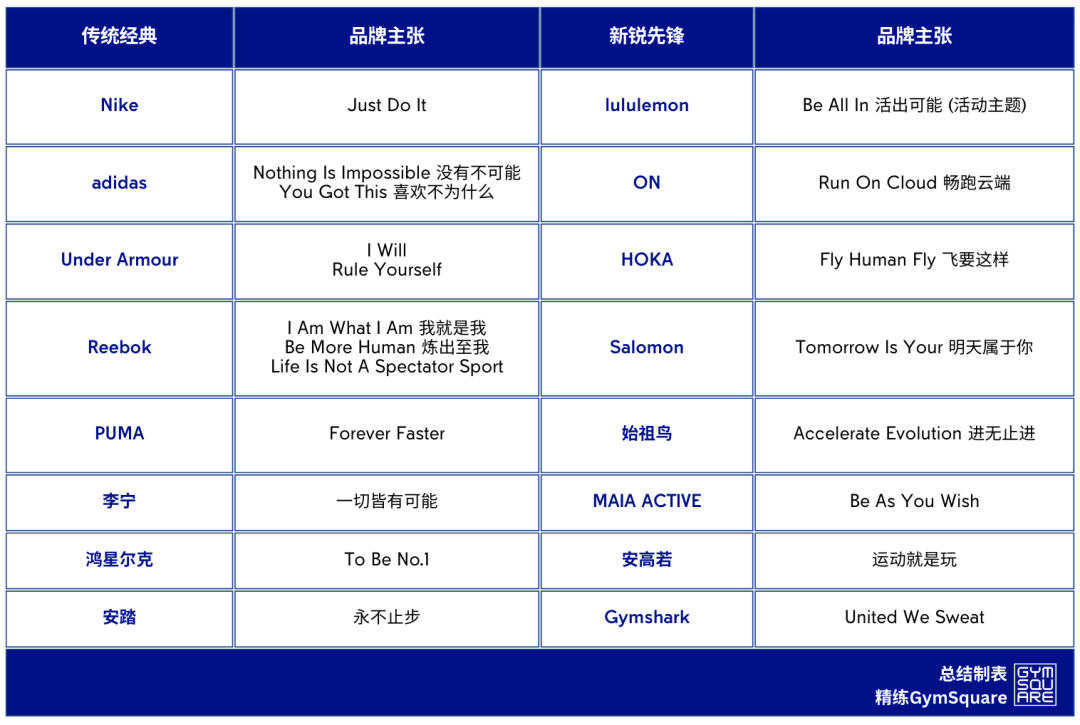
Group 1 - The core viewpoint of the article highlights a shift in the branding strategies of sports companies, moving from a focus on extreme competition to a more inclusive and enjoyable approach to sports, particularly appealing to Generation Z [1][2][16] - Adidas has updated its long-standing slogan from "Impossible Is Nothing" to "You Got This," emphasizing personal sports experiences rather than extreme challenges [1][8] - Other brands like HOKA and lululemon have also changed their slogans to reflect a focus on enjoyment and personal experience in sports, indicating a broader trend among both established and emerging brands [3][12][13] Group 2 - The changing slogans of major sports brands reflect a transformation in brand identity, targeting the new consumer base of Generation Z, who prioritize personal experience over celebrity endorsements [3][19][30] - The standards for what constitutes "good" in sports are becoming more diverse and inclusive, moving away from a strict focus on performance to a broader acceptance of various forms of participation [4][25][32] - The rise of community-focused flagship stores and the emphasis on inclusivity in marketing strategies are becoming essential for brands to foster a sense of belonging among consumers [6][31][33] Group 3 - The trend of prioritizing personal experience and enjoyment in sports aligns with the growing popularity of "self-pleasing consumption" among younger generations [20][34] - Brands are increasingly recognizing the importance of mental well-being alongside physical fitness, with a significant portion of consumers engaging in sports for emotional management [34][36] - The article notes that traditional sports brands are facing challenges in growth and are adapting by embracing lifestyle branding, which blurs the lines between sports and everyday life [26][35]
当国际运动品牌,重新拥抱“韩流”
3 6 Ke· 2025-07-23 00:23
Core Insights - The article discusses the resurgence of international sports brands' interest in collaborating with K-pop artists, particularly female groups, to enhance their market presence in Asia, especially China [1][6][25] - Nike's recent signing of aespa member KARINA marks a strategic move to re-engage with the Korean wave and leverage the popularity of K-pop in the Asian market [1][7][25] - Other brands like alo, Puma, and Adidas are also actively signing K-pop artists to boost their brand visibility and sales in the competitive Asian sportswear market [5][6][9] Brand Collaborations - Nike has signed aespa member KARINA, following previous collaborations with other top K-pop artists, indicating a shift back to engaging with Korean talent [1][3][7] - Alo's flagship store opening in Korea featured appearances by K-pop stars, showcasing the brand's commitment to embracing the Korean wave [3][7] - Puma has announced a partnership with BLACKPINK's Rosé as a global ambassador, while Adidas has signed I-DLE member Song Yuqi to promote its Originals line [5][9] Market Strategy - The article highlights that international sports brands are not only focusing on athletic performance but are also betting on fashion trends to capture market share in Asia [6][22][25] - The opening of flagship stores in Korea by brands like alo and Vuori is seen as a strategic move to tap into the Asian market's potential [9][10] - The competition among sports brands has intensified, with a growing number of niche brands entering the market, prompting established brands like Nike and Adidas to adapt their strategies [13][22] Cultural Influence - The influence of K-pop on fashion and lifestyle is significant, with brands leveraging this trend to enhance their appeal among younger consumers [17][20][21] - The article notes that collaborations with K-pop artists serve as a powerful marketing tool, helping brands to connect with the cultural zeitgeist and drive sales [19][25] - The trend of integrating fashion with sportswear is becoming increasingly important, as brands seek to align themselves with contemporary cultural movements [22][23]


“特朗普关税输家”指数涨将近2.3%,特朗普宣布菲律宾和印尼协议
news flash· 2025-07-22 20:25
Group 1 - The "Trump Tariff Losers" index increased by 2.28%, closing at 104.80 points [1] - Notable gainers included Polaris up 10.52%, Helen of Troy (HELE) up 9.13%, and NuScale up 8.53% [1] - Rivian, a competitor to Tesla, rose by 3.07%, while Best Buy increased by 2.96% [1] Group 2 - Hasbro experienced a slight decline of 0.13%, while Coach fell by 0.15% [2] - Five Below dropped by 0.16%, and 3M Company saw a decrease of 1.06% [2] - On Running (ONON) faced a significant decline of 5.36% [2]
费德勒身家13亿美元,大头不是赛事奖金
财富FORTUNE· 2025-07-21 13:05
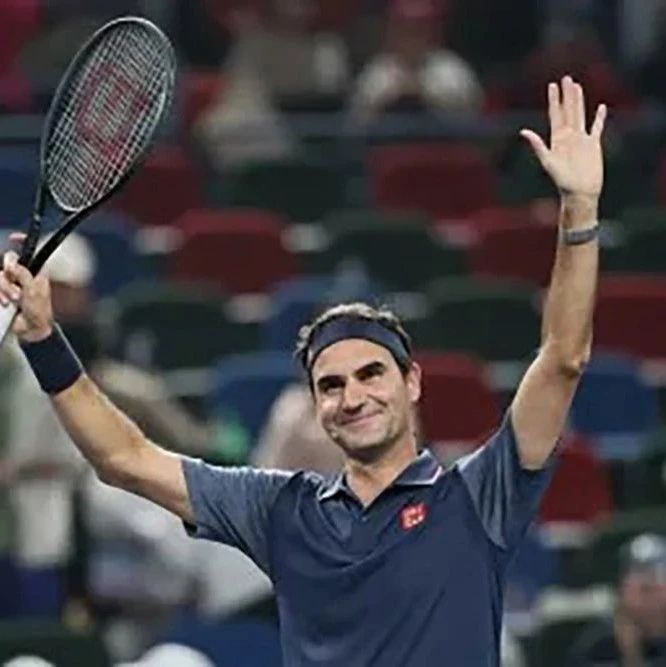
Core Insights - Roger Federer has become a billionaire with a net worth of approximately $1.3 billion, primarily due to off-court business partnerships rather than just his tennis earnings [1][4] - His most lucrative deal was a $300 million partnership with Uniqlo after ending a long-term relationship with Nike [4] - Federer also invested in On Running, acquiring a 3% stake, which has significantly appreciated in value [4] Group 1: Federer’s Wealth Accumulation - Federer’s career earnings include $130.6 million in tournament prizes, with significant contributions from brand partnerships [1] - Annual income from partnerships includes $8 million from Rolex and $5 million from Mercedes-Benz, along with $20 million from Lindt [1] - The shift in his brand partnerships has been pivotal in increasing his wealth, particularly the transition from Nike to Uniqlo [4] Group 2: Broader Trends in Athlete Wealth - Federer is part of a growing trend where athletes leverage their fame for substantial financial gain, joining the ranks of other billionaire athletes like Tiger Woods and LeBron James [7] - Social media has enhanced athletes' ability to promote brands and secure lucrative deals, with young athletes now able to earn millions through Name, Image, and Likeness (NIL) agreements [8] - The changing landscape of college sports allows young athletes to monetize their brand earlier, leading to a new generation of millionaire athletes [8] Group 3: Concerns and Critiques - Some critics argue that the focus on monetization in college sports detracts from the enjoyment of the game itself, as highlighted by Shaquille O'Neal's comments on player transfers for financial gain [9][10] - The emphasis on financial success may lead to a shift in priorities for young athletes, raising concerns about the impact on sports education [9]
运动型商场,会成为未来商业地产趋势吗?
3 6 Ke· 2025-07-18 03:14
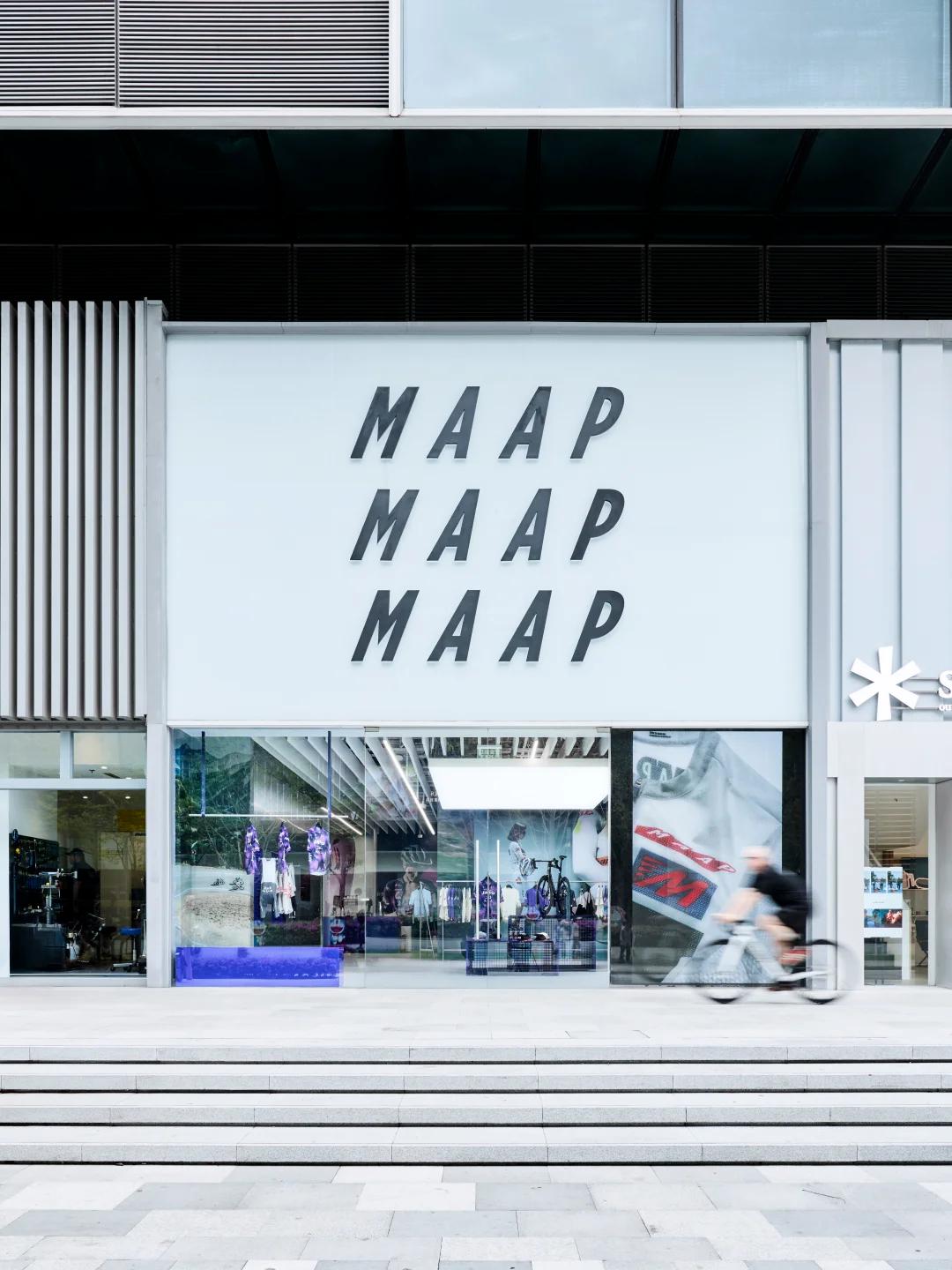
Core Insights - The article highlights the transformation of shopping malls into hubs for sports and fitness activities, reflecting a shift in consumer behavior towards a more active lifestyle [1][4][11] - The integration of sports brands and facilities within malls is becoming a key trend in commercial real estate, as malls seek to differentiate themselves in a competitive market [2][5][20] Consumer Demand - There is a significant increase in outdoor sports participation, with a reported over 100% month-on-month growth in outdoor user activity in the first ten months of 2023 [11] - The younger generation, particularly Gen Z, is increasingly prioritizing health and fitness, with 84.3% of them incorporating health into their regular spending [11][12] - Families are seeking comprehensive solutions for sports activities, leading to the demand for facilities that cater to both parents and children [12] Commercial Value - Sports-oriented malls are not just attracting foot traffic but are also optimizing their revenue models through high space efficiency and extended customer dwell time [13][17] - The introduction of niche sports brands and activities is providing malls with a unique identity, enhancing their competitive edge [18][20] Brand and Mall Collaboration - The relationship between malls and sports brands is evolving from a traditional landlord-tenant dynamic to a collaborative model focused on creating a community around sports lifestyles [20][21] - Malls are adopting a curatorial approach to space design, transforming them into participatory environments that foster community engagement [21][28] Future Trends - The ultimate goal for sports-themed malls is to become urban lifestyle service platforms, integrating various community resources to promote active living [28] - The rise of sports-themed malls is indicative of broader social consumption upgrades, as they transition from mere shopping venues to vibrant community spaces [28]

运动鞋服行业研究:定量推演“对等关税”对鞋服OEM行业及品牌商影响
2025-07-16 06:13
Summary of Conference Call on Tariff Impact on OEM Industry and Brand Owners Industry Overview - The discussion focuses on the impact of increased tariffs on the OEM (Original Equipment Manufacturer) industry and brand owners in the footwear and apparel sector [1] - Key regions mentioned include Southeast Asia, particularly Vietnam, Cambodia, Indonesia, Bangladesh, and Sri Lanka, which face tariffs ranging from over 30% to more than 40% [2] Core Insights and Arguments - **Tariff Implications**: The imposition of tariffs means that various stakeholders, including manufacturers, brand owners, and consumers, will share the burden of increased costs. Initially, brands will absorb the tariffs, but over time, costs will be passed on to consumers through price increases and reduced discounts [4][10] - **Profit Margin Impact**: The average profit margin for footwear and apparel manufacturers is around 10%. The tariff differences among Southeast Asian countries create significant implications for these manufacturers, especially given China's tariffs reaching 145% [2] - **U.S. Import Dependency**: The U.S. remains the largest export market for China, with a declining dependency on Chinese textile and apparel imports from 37% in 2017 to 26% in 2023. However, China still leads in textile and apparel imports to the U.S. [3] - **Cost Sharing Dynamics**: In the short term, brands may absorb tariff costs, but mid-term strategies will involve sharing costs among supply chains, brands, and consumers. Long-term, consumers are expected to bear the majority of the additional costs [4][10] - **Brand Pricing Strategies**: Brands with higher pricing power, such as luxury and premium brands, can cover tariff costs with smaller price increases (around 3% to 5%), while lower-tier brands may face more significant impacts on their profit margins [11] Additional Important Points - **Geopolitical and Logistical Considerations**: The OEM industry must consider geopolitical stability, logistics, and cultural factors when deciding on production locations. The transition to new production sites is complex and requires careful planning [6] - **Supplier Relationships**: The ability of OEMs to negotiate with brands and their position within the supply chain are critical for managing tariff impacts. Brands may seek to negotiate cost-sharing arrangements based on the value chain contributions of OEMs [13] - **Market Dynamics**: The OEM sector is expected to see a consolidation of market share among leading suppliers, as smaller players may struggle to adapt to the increased cost pressures and operational challenges [16] - **Future Outlook**: The expectation is that the burden of tariffs will not be a long-term issue for OEMs, as they will eventually pass costs to consumers. The focus will remain on maintaining competitive pricing and managing inventory effectively [15] This summary encapsulates the key points discussed in the conference call regarding the implications of tariffs on the OEM industry and brand owners, highlighting the dynamics of cost-sharing, market dependency, and strategic responses to tariff pressures.
Gensmo获融资;老乡鸡更新招股书;Wolford任命副CEO
Sou Hu Cai Jing· 2025-07-14 07:45
Group 1: Gensmo Financing - Gensmo, an AI-driven fashion styling company, has completed a $60 million seed round financing [1] - The company, founded in December 2024, developed an innovative "try-on" feature that integrates with e-commerce platforms, allowing users to see digital outfit effects in real-time [1] - This financing positions Gensmo to lead the next phase of smart styling trends and enhance personalization in the fashion e-commerce ecosystem [1] Group 2: Meta's Investment in EssilorLuxottica - Meta has acquired nearly 3% of EssilorLuxottica, the world's largest eyewear manufacturer, for approximately $3.5 billion [4] - The deal is part of Meta's strategy to increase its investment in AI smart glasses, with plans to potentially raise its stake to 5% [4] - This investment deepens the collaboration between Meta and EssilorLuxottica in smart eyewear development, providing the latter with additional funding for growth [4] Group 3: On's Market Valuation - On, a Swiss sports brand, has recently gone public, achieving a valuation close to $17 billion [6] - Angel investor Roger Federer holds shares worth $500 million, marking a significant portion of his personal assets [6] - Federer's involvement has enhanced On's product innovation and global brand influence [6] Group 4: Lao Xiang Ji's IPO Progress - Lao Xiang Ji has updated its prospectus to advance its listing process on the Hong Kong Stock Exchange [8] - The company plans to increase its store count to 1,624 by June 30, 2025, and holds a 0.9% market share in China's Chinese fast food industry [8] - Revenue figures for Lao Xiang Ji from 2022 to the first four months of 2024 show growth from 4.528 billion to 6.288 billion yuan [8] Group 5: Warburg Pincus Acquires UVEX - Warburg Pincus is set to acquire a majority stake in UVEX WINTER HOLDING GmbH & Co. KG, a German sports protective equipment manufacturer [10] - The specific transaction amount and share percentage have not been disclosed [10] - The current owners will retain significant minority stakes and continue to participate in the company's operations [10] Group 6: LVMH Hotel Sale - LVMH is selling the El Encanto hotel in Santa Barbara, California, for $82.2 million [12] - The hotel, which has 90 rooms, will be managed by the new owners, moving it out of LVMH's Belmond hotel chain [12] - This sale is part of LVMH's strategy to optimize assets and focus on its core luxury business [12] Group 7: New World Development's Property Sale - New World Development is selling its K11 property building in Shanghai for 2.85 billion yuan [13] - The project, originally a flagship for New World in Shanghai, has a total area of approximately 116,000 square meters [13] - This transaction signals New World Development's ongoing strategy of asset-light operations and a shift away from the K11 brand [13] Group 8: Bawang Tea's Expansion - Bawang Tea is set to enter the Philippine market in August, opening three stores in the Manila metropolitan area [16] - Prior to the launch, the company will host a week-long "7-day Power Up Challenge" to engage local consumers [16] - This expansion aims to enhance Bawang Tea's market presence in Southeast Asia [16] Group 9: Wolford's New Executive Appointment - Wolford has appointed Marco Pozzo as the new Deputy CEO, effective July 7 [19] - His addition brings extensive experience in the fashion and consumer goods sectors to the executive committee [19] - This appointment is expected to strengthen Wolford's governance structure and support its business revival strategy [19] Group 10: Nestlé Chairman Rumors - There are rumors that Nestlé's current chairman, Paul Bulcke, will step down at next year's shareholder meeting [22] - Vice Chairman Pablo Isla is speculated to succeed him, with the company ensuring a smooth leadership transition [22] - Investor concerns regarding Nestlé's future direction have intensified, raising questions about the new leadership's ability to navigate challenges [22]

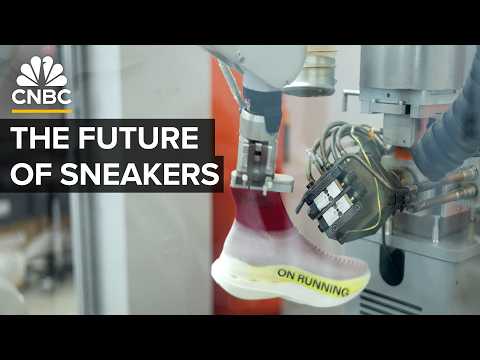
How On Makes Spray-On Sneakers In Minutes
CNBC· 2025-07-09 16:01
Innovation & Technology - On introduces LightSpray, a new automated manufacturing technique for sneaker uppers, reducing production time significantly [1][2] - The LightSpray technology uses a polymer sprayed onto a foot mold by a robot, creating a seamless shoe without glue or laces [4] - LightSpray significantly reduces labor needed, enabling production closer to consumers [3] Sustainability & Efficiency - On claims LightSpray reduces carbon emissions by approximately 75% compared to conventional shoe making [7] - Traditional shoe production involves around 200 steps, while On aims to reduce this to a handful with LightSpray [4] Market & Production - On's net sales have grown in 11 out of the past 13 quarters since going public in 2021, gaining ground on competitors [2] - The Cloud Boom Strike LZ, On's first shoe featuring LightSpray, weighs 170g (approximately a third of a pound) [5] - On aims to scale LightSpray production from thousands to millions of pairs and expand its application to other wearables [8] Business Expansion - On opened its first LightSpray factory in Zurich and is considering expanding production to countries like the US [3][7][8] - Early LightSpray models have been worn by athletes like Helen Obree, who won the Boston Marathon in 2020 [6]