
泸州老窖

Search documents
食品饮料行业周报:秋糖热度平淡,继续关注高股息品种-20251018
Shenwan Hongyuan Securities· 2025-10-18 14:38
Investment Rating - The report maintains a cautious outlook on the industry, suggesting that the liquor sector is in a bottoming process while food companies should seek structural opportunities from the bottom up [6][8]. Core Views - The liquor industry is expected to experience a prolonged period of inventory digestion, with pressure on third-quarter reports anticipated to continue into the first quarter of 2026. The report emphasizes that stock price recovery may precede fundamental improvements [6][7]. - For consumer goods, the report highlights the potential for structural growth driven by new consumption trends, recommending companies with strong long-term competitive advantages [6][8]. Summary by Sections 1. Weekly Industry Insights - The food and beverage sector outperformed the market, with a weekly increase of 0.86%, while the liquor segment rose by 1.78%. The sector ranked third among 31 sub-industries [5][29]. - Key stocks that performed well included Kweichow Moutai and Qingdao Beer, while stocks like Jinzi Ham faced significant declines [5]. 2. Market Performance by Sector - The report indicates that the liquor sector is facing significant adjustment pressures, with high channel inventories and weak demand expected to persist into the next year. The report anticipates that the sales performance during the 2026 Spring Festival will be under pressure due to high base effects from 2025 [7][29]. - The consumer goods sector is viewed positively, particularly in dairy and beer, with recommendations for stocks like Yili and Yanjing Beer, while also noting potential competition in the snack and beverage segments [8][29]. 3. Key Company Updates - Moutai's bottle price is reported at 1750 RMB, down 15 RMB week-on-week, while Wuliangye's price remains stable at approximately 830 RMB. The report notes that the autumn sugar and wine fair had a subdued atmosphere, reflecting ongoing market challenges [7][19]. - The report highlights significant profit growth for companies like Chenguang Biotech, with a projected net profit increase of 344.05% to 401.55% year-on-year for the first three quarters of 2025 [9][10]. 4. Valuation Metrics - As of October 17, 2025, the food and beverage sector's dynamic PE is reported at 19.74x, with a premium rate of 24%. The liquor sector's dynamic PE stands at 18.33x, with a premium rate of 15% [19][28]. 5. Sectoral Excess Returns - The food and beverage industry outperformed the Shenwan A index by 4.44 percentage points during the period from October 13 to October 17, 2025, with various sub-sectors showing different levels of performance [29][30].






第二十三届中国国际酒业博览会在武汉盛大开幕
Qi Lu Wan Bao· 2025-10-18 06:33
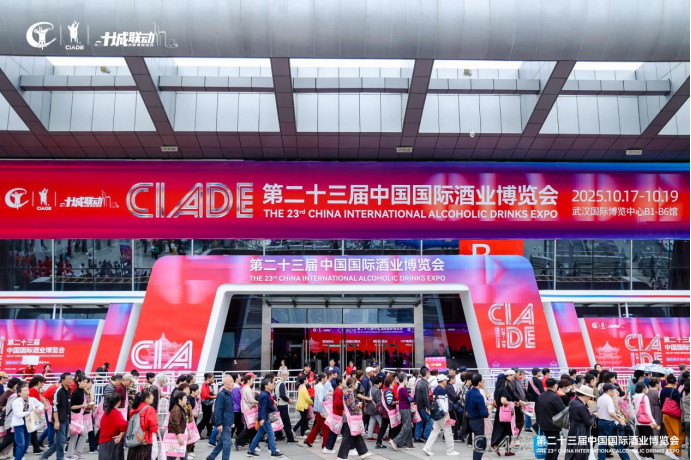
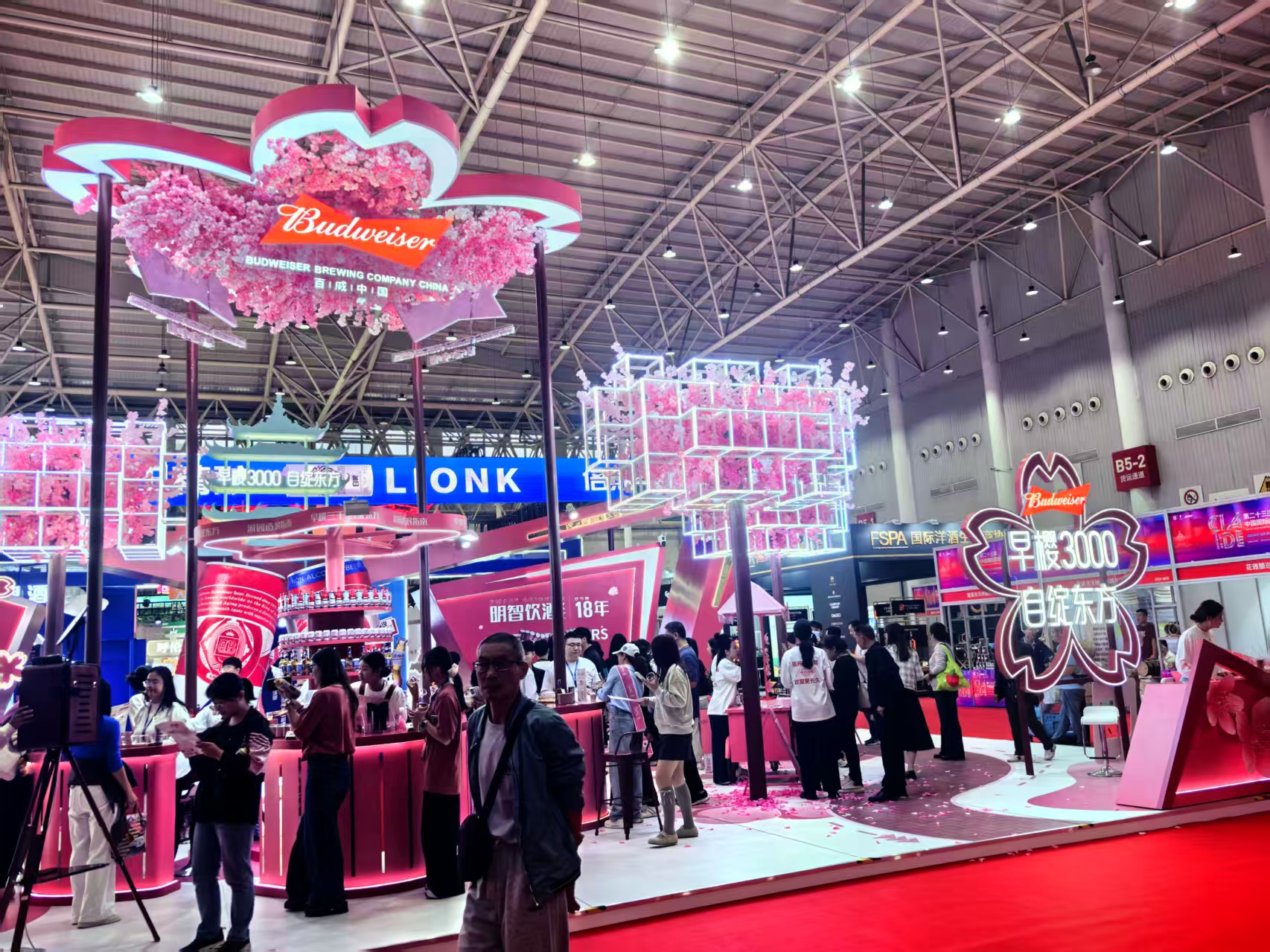
Group 1 - The 23rd China International Wine Expo was held in Wuhan, showcasing a star-studded lineup of guests including government officials and industry leaders, emphasizing the event's significance in the global wine industry [1][2][5] - The expo is part of a broader initiative called "Ten Cities Linkage, Sharing Food and Drink," aimed at promoting consumption and enhancing the wine market's transformation through innovative exhibition models [2][10] - The event attracted over a thousand attendees, including representatives from more than 20 countries, government officials, industry associations, and media, highlighting its international appeal and importance [2][6] Group 2 - Keynote speeches from prominent figures such as Ma Peihua, Vice Chairman of the National Committee of the Chinese People's Political Consultative Conference, emphasized the role of wine as a cultural bridge and a driver for economic diversification [6][7] - The expo featured various wine categories, including white wine, beer, yellow wine, and whiskey, with special areas for consumer engagement and education, such as "Discount Zones" and "Enjoy Food Parties" [10][12] - The event aims to invigorate the national wine consumption market and support the ongoing recovery of the consumption landscape in China, contributing to the overall economic growth [12]

白酒为何拥抱“即时零售”?
Sou Hu Cai Jing· 2025-10-18 01:53
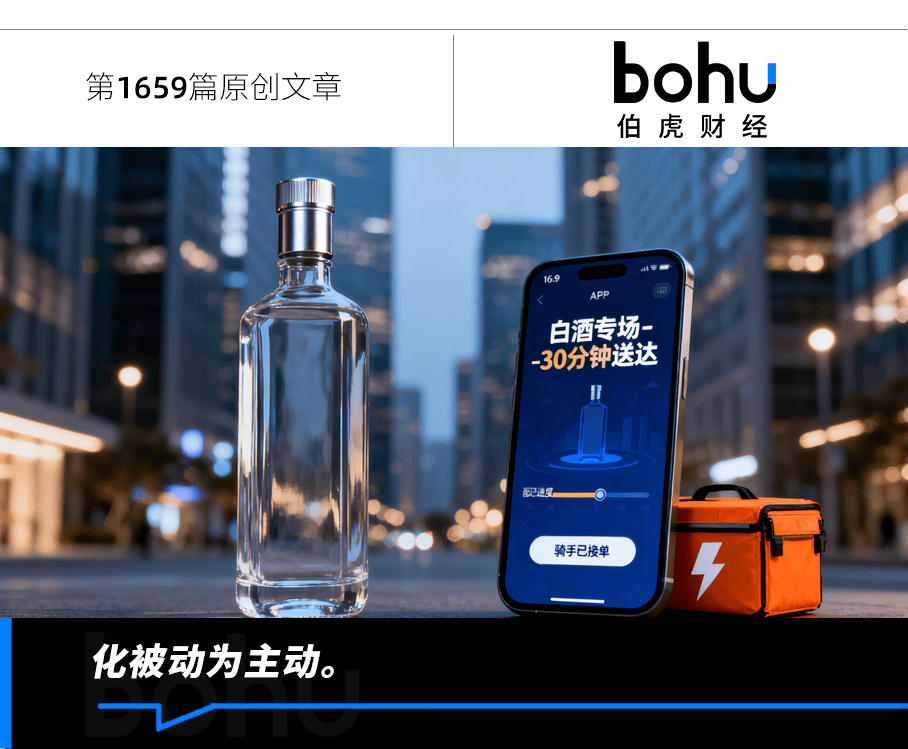
Core Insights - The white liquor industry is undergoing a significant transformation as companies actively embrace instant retail to address declining sales and changing consumer preferences [2][3][6] Industry Overview - Major players like Kweichow Moutai are partnering with instant retail platforms to enhance consumer access, launching over 1,000 official stores for rapid delivery services [2] - The industry is facing challenges such as high inventory levels, with an average turnover period of 900 days, and over 60% of companies experiencing price inversions [3][5] - The overall production of white liquor in China is projected to decline by 6.1% in 2024, marking four consecutive years of decrease [3] Consumer Behavior - Younger consumers are increasingly favoring lighter alcoholic beverages, with a survey indicating that only 19% of individuals aged 20-35 prefer white liquor [4] - The demand for instant retail aligns with the need for immediate consumption, as traditional dining and social gatherings decline [8] Instant Retail Opportunities - The instant retail market is expected to exceed 2 trillion yuan by 2030, providing a new growth avenue for white liquor companies [7] - During the 618 shopping festival, white liquor sales on Meituan surged, with overall transaction volume exceeding 3 billion yuan, showcasing the potential of instant retail [7][8] Challenges Ahead - Despite the potential of instant retail, companies face challenges such as price discrepancies between online and offline channels, which could undermine brand value [10][11] - The traditional distribution network, heavily reliant on personal relationships and multi-layered sales channels, is being disrupted by the demand for high turnover and low inventory in instant retail [11][12]
赵崇甫:白酒集体“降度”谋突围,理性看待低度化浪潮中的变与不变
Sou Hu Cai Jing· 2025-10-18 01:10
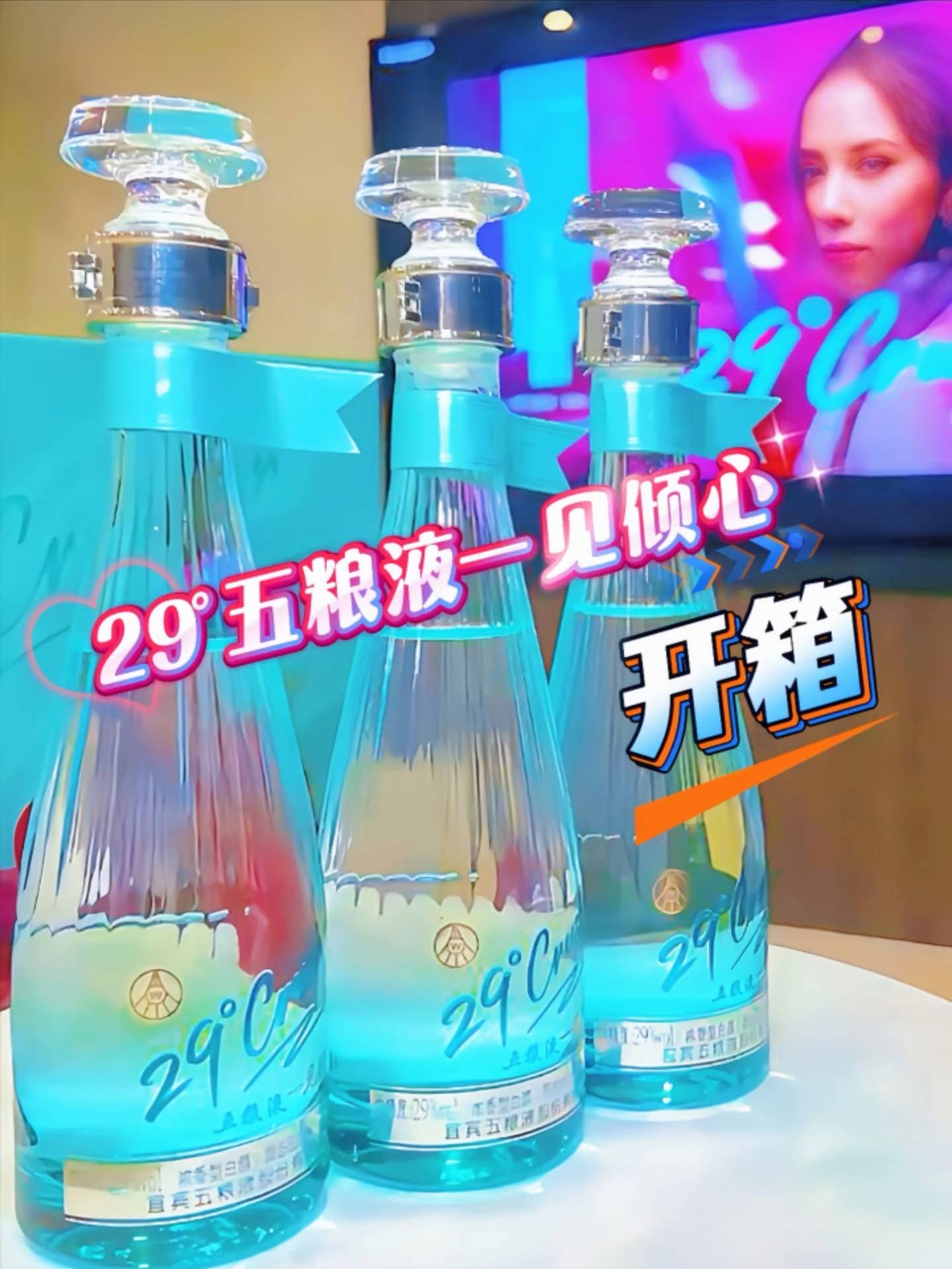
Core Insights - The low-alcohol trend in the Chinese liquor industry is gaining momentum, with major brands launching new low-alcohol products, indicating a significant shift in consumer preferences [1][4][8] Market Dynamics - The low-alcohol market is projected to exceed 74 billion yuan by 2025, with a compound annual growth rate of 25%, significantly outpacing the overall liquor industry growth [4] - The generational shift in consumer demographics is a key driver of this growth, as younger consumers show a preference for low-alcohol beverages [4][5] Consumer Preferences - A survey by Wuliangye revealed that only 19% of young consumers aged 20-35 favor traditional liquor, compared to 52% for beer and 29% for other alcoholic beverages [5] - Over 60% of young consumers prefer low-alcohol options, rejecting the strong taste of high-alcohol liquor [6] Changing Consumption Scenarios - Traditional consumption settings are evolving, with home drinking (50%) and outdoor activities (56% annual growth) becoming more popular, shifting the perception of alcohol from a social tool to a personal enjoyment [7] Technological Challenges - The production of low-alcohol liquor involves complex technical challenges, as reducing alcohol content can disrupt the balance of flavor compounds, leading to a bland taste if not managed properly [9][10] - Wuliangye's research on their 29-degree product highlighted the need for precise control of flavor components to maintain quality [11] Brand Strategies - Major brands are leveraging their existing brand equity to introduce low-alcohol products, while regional brands are creating independent brands to capture market share [13][14] - The 38-degree Guojiao 1573 has become a significant revenue source for Luzhou Laojiao, indicating the effectiveness of established brands in the low-alcohol segment [13] Channel Innovations - Instant retail is emerging as a crucial channel for low-alcohol beverages, with significant growth in categories like fruit wine (38% share, 72% growth) and tea wine (25% share, 65% growth) [16] - Data from Meituan indicates a dramatic increase in sales, with overall liquor sales reaching over 3 billion yuan in just 12 hours during promotional events [17] Cultural Context - Regardless of alcohol content, the essence of liquor remains tied to emotional, cultural, and social experiences, emphasizing that low-alcohol is not the ultimate solution but a response to evolving consumer needs [18][19]
中国酒业进入深度调整期,发展新趋势指向何方?
Di Yi Cai Jing· 2025-10-17 10:17
Core Insights - The future transformation directions for the liquor industry are youth-oriented, digital intelligence, and internationalization [1] Group 1: Youth Orientation - Young consumers are reshaping the liquor market, with the main consumer group now being those born between 1985 and 1994, accounting for 34%, and those born after 1995 making up 18% [3] - Liquor companies are responding to this trend by developing low-alcohol products that cater to social occasions and align with the aesthetic and needs of the new generation [4] - The low-alcohol market is projected to exceed 74 billion yuan by 2025, with a compound annual growth rate of 25%, indicating a significant growth opportunity for the industry [5] Group 2: Digital Transformation - Digital transformation is a core direction for the liquor industry, with companies integrating technology and innovative models to upgrade operations [6] - The Ministry of Industry and Information Technology has identified the liquor industry as one of the key sectors for digital transformation, highlighting the need for data-driven processes in traditional practices [7] - Companies like Wuliangye have reported a 5% increase in the quality of their liquor yeast due to digitalization, translating to a direct value of 50 million yuan, while also reducing inspection costs by 30% [7] Group 3: Internationalization - The recent liquor expo featured a high level of international participation, with over 20 foreign embassies and international exhibition groups attending [8] - Challenges remain in narrowing cultural gaps, meeting international standards, and establishing robust overseas channels for Chinese liquor brands [8]
2025全国理性饮酒宣传周启动仪式盛大举行
Qi Lu Wan Bao· 2025-10-17 07:55
Core Viewpoint - The 2025 National Rational Drinking Promotion Week was launched in Wuhan, emphasizing the theme "Caring for Growth, No Drinking for Minors," highlighting the importance of responsible drinking and ESG (Environmental, Social, and Governance) principles in the Chinese liquor industry [1][9][12]. Group 1: Event Overview - The event was organized by the China Alcoholic Drinks Association, with participation from various industry leaders and government officials, showcasing a collaborative effort to promote responsible drinking [1][3][4]. - The launch included the release of the "2025 China Prevention of Underage Drinking Green Book," which emphasizes a multi-faceted approach involving families, schools, society, liquor companies, and government [32][33]. Group 2: Key Messages from Leaders - Yang Xiangwei, Deputy Director, highlighted Wuhan's potential as a consumer city and the importance of promoting the "No Drinking for Minors" concept [7]. - Song Shuyu, Chairman of the China Alcoholic Drinks Association, reflected on the achievements of the Rational Drinking Promotion Week over the past decade and stressed the significance of ESG in the industry's sustainable development [9][21]. - Zhao Chunwu, Chairman of China Resources Beer, emphasized the role of ESG in driving high-quality development within the industry [12]. Group 3: ESG Initiatives - The first "China Alcohol Industry ESG Development Index Report" was released, detailing the industry's social responsibility and ESG practices for 2024 [22][25]. - A vertical ESG rating platform for the liquor industry was established, incorporating AI technology to assess 155 industry indicators [25]. - The 2024 ESG list highlighted outstanding cases in environmental governance, social welfare, and corporate governance within the industry [28][26]. Group 4: Public Engagement and Outreach - The promotion week aims to reach a broader audience, with last year's activities impacting 500 million people [33]. - Various promotional plans were initiated to further spread the message of rational drinking, including the "5X Promotion Plan" and the "Fengming Plan" [33]. - A public-themed microfilm titled "Heaven and Earth Apart" was released, aligning with the year's theme and showcasing the importance of responsible drinking [38].

泸州老窖等在深圳成立新投资合伙企业 出资额1.91亿
Sou Hu Cai Jing· 2025-10-17 06:38
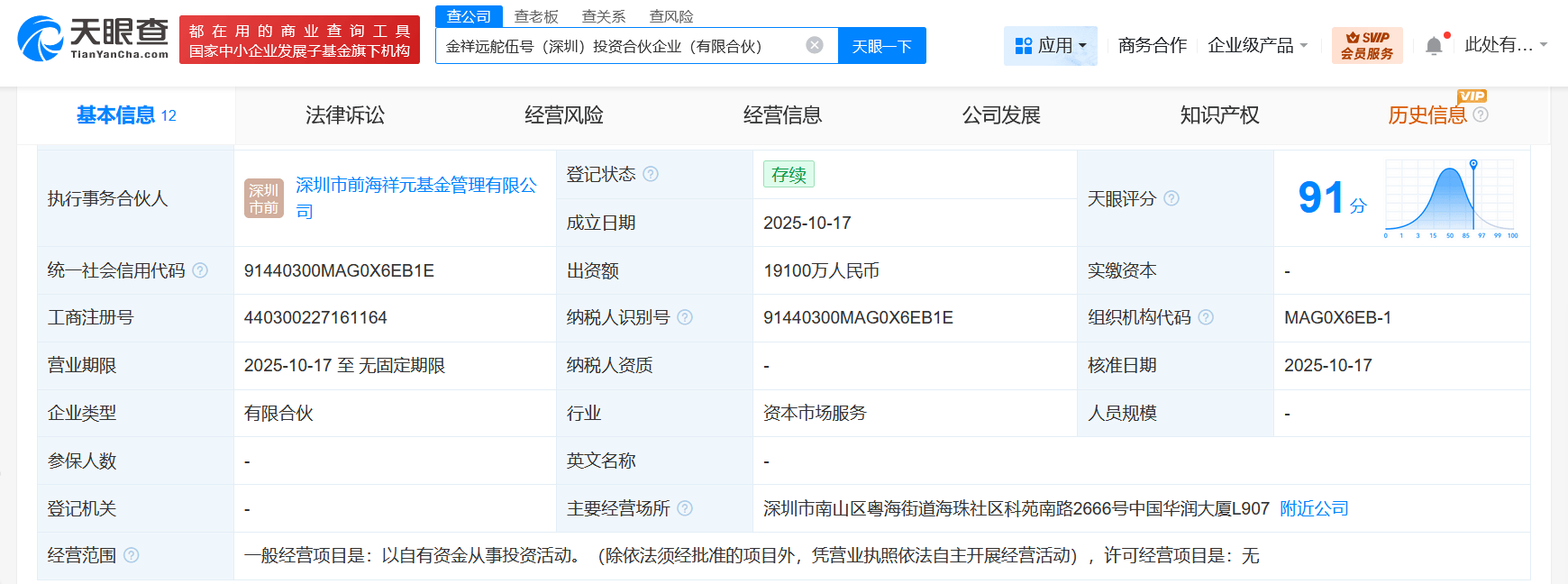
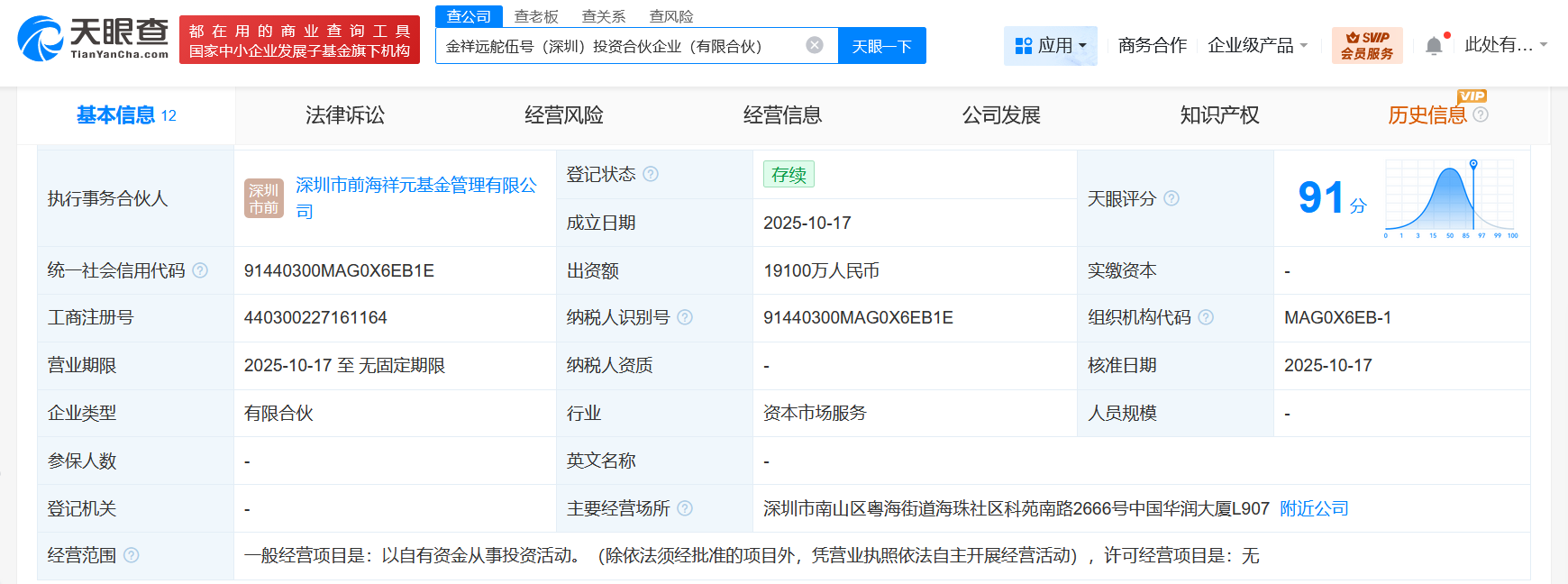
天眼查工商信息显示,近日,金祥远舵伍号(深圳)投资合伙企业(有限合伙)成立,执行事务合伙人为深圳市前海祥元基金管理有限公司,出资额1.91亿 人民币,经营范围为以自有资金从事投资活动。合伙人信息显示,该企业由泸州老窖集团旗下四川金舵投资有限责任公司以及珠海祥元叁号投资合伙企业 (有限合伙)、深圳市前海祥元基金管理有限公司共同出资。 | 基本信息 12 | 法律诉讼 | 经营风险 | 经营信息 公 | | --- | --- | --- | --- | | 执行事务合伙人 | 深圳市前海祥元基金管理有限公 深圳 | 登记状态 2 | 存续 | | | 市前 글 | 成立日期 | 2025-10-17 | | 统一社会信用代码 ② | 91440300MAG0X6EB1E | 出资额 | 19100万人民币 | | 工商注册号 | 440300227161164 | 纳税人识别号 2 | 91440300MAG0X6EB1E | | 营业期限 | 2025-10-17 至 无固定期限 | 纳税人资质 | | | 亚洲学生 | 有限合伙 | 行业 | 资本市场服务 | | 参保人数 | | 英文名称 | | | 登 ...
泸州老窖等在深圳成立新投资合伙企业
2 1 Shi Ji Jing Ji Bao Dao· 2025-10-17 06:36
Core Viewpoint - A new investment partnership named Jinxiangyuan Dawo No. 1 (Shenzhen) Investment Partnership (Limited Partnership) has been established, with a registered capital of 191 million RMB, focusing on investment activities using its own funds [1] Group 1: Company Information - The executing partner of the new investment partnership is Shenzhen Qianhai Xiangyuan Fund Management Co., Ltd. [1] - The partnership is co-funded by Luzhou Laojiao Group's Sichuan Jinjiao Investment Co., Ltd., Zhuhai Xiangyuan No. 3 Investment Partnership (Limited Partnership), and Shenzhen Qianhai Xiangyuan Fund Management Co., Ltd. [1] Group 2: Financial Details - The registered capital of the partnership is 191 million RMB, which is approximately 27.1 million USD [1]
招商证券:白酒延续调整 食品景气分化
智通财经网· 2025-10-17 06:12
Core Viewpoint - The report from China Merchants Securities indicates a decline in participation and investor interest in the 2025 Autumn Sugar Exhibition, reflecting a decrease in industry enthusiasm, while the liquor sector's performance during the holiday season aligns with expectations [1][2]. Liquor Industry - The number of participating liquor companies at the Autumn Sugar Exhibition has decreased, with a shift in investment focus towards the consumer end, leading to a cautious attitude among liquor distributors [2]. - The performance of high-end liquor brands remains resilient, with Moutai's price stabilizing around 1800 yuan, which has positively impacted sales during the holiday season [3]. - The overall sales during the holiday season for liquor have declined, but leading brands have shown better performance compared to the industry average, indicating a trend towards increased industry concentration [3]. Food Industry - The beverage sector has shown significant inventory reduction during the holiday period, with leading brands like Nongfu Spring expected to achieve double-digit growth [4]. - The snack sector continues to expand, particularly in discount store formats, although same-store sales have seen a slight decline [4]. - The dairy sector remains under pressure, particularly for ambient liquid milk, with a need for structural improvements [4]. Investment Recommendations - The report suggests focusing on leading liquor brands such as Kweichow Moutai, Shanxi Fenjiu, Luzhou Laojiao, and Wuliangye, as well as emerging brands like Zhenjiu Lidu and Yingjia Gongjiu, which are expected to contribute positively [5][6]. - In the food sector, recommendations include leading snack brands like Ximai Foods and beverage leaders like Nongfu Spring and Dongpeng Beverage, while also highlighting opportunities in the dairy sector with companies like Yili [6].

天猫双11首日大模型被调用150亿次,食品饮料ETF天弘(159736)盘中溢价,机构:看多食品饮料板块
2 1 Shi Ji Jing Ji Bao Dao· 2025-10-17 02:39
Group 1 - The market indices showed weakness on October 17, with the ChiNext Index dropping over 1.00%, the Shanghai Composite Index down 0.18%, and the Shenzhen Component Index falling 0.78% [1] - The food and beverage sector was active during the trading session, while the electronics sector experienced fluctuations [1] - The Tianhong Food and Beverage ETF (159736) closely tracks the CSI Food and Beverage Index, which includes major stocks like Kweichow Moutai, Yili, and Wuliangye [1][1] - The electronic ETF (159997) tracks the CSI Electronics Index, reflecting the overall performance of companies involved in semiconductor production, computer storage, and consumer electronics [1][1] Group 2 - Tmall's Double 11 shopping festival is set to be the first fully AI-integrated shopping event, with 15 billion calls to AI models on the first day [2] - During the National Day holiday, the average daily sales revenue in service consumption-related industries increased by 7.6% year-on-year [2] - Apple is preparing to launch a new MacBook Pro with a touch screen, expected to be released in late 2026 or early 2027, with a higher price point due to more expensive components [2] - Guosen Securities is optimistic about the food and beverage sector, highlighting its characteristics of low base, low holdings, and low expectations, suggesting potential for price increases [2][2] Group 3 - Caitong Securities anticipates steady growth in the performance of companies like Luxshare Precision, GoerTek, and Lens Technology in Q3 2025, driven by new product launches and the traditional peak season for consumer electronics [3] - The improvement in AI model capabilities is expected to enhance the prospects for edge AI applications, providing significant growth momentum for related companies [3]
