李宁

Search documents
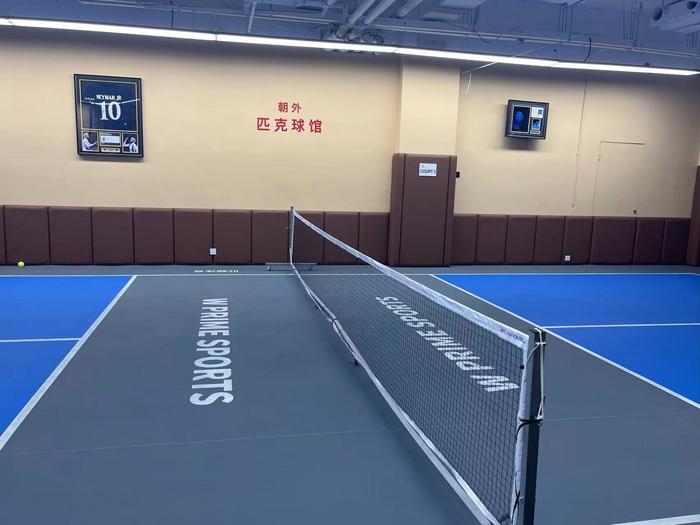
年轻人玩起匹克球,打开一个亿级消费市场
Xin Lang Cai Jing· 2025-06-06 00:12
Core Insights - Pickleball is emerging as a popular sport in China, with a growing number of enthusiasts and participants, likened to a "three-in-one" sport due to its combination of elements from badminton, tennis, and table tennis [1][2] - The sport's accessibility, low equipment costs, and ease of learning are driving its popularity among various age groups, including children and adults [2][4] - Major sports brands are increasingly investing in pickleball, with companies like Adidas and Li Ning actively expanding their product lines and hosting tournaments [4][5] Industry Trends - The global pickleball community has expanded to over 90 countries, with significant participation growth in China, particularly in Guangdong and Shanghai, where the number of courts is expected to increase significantly [2][5] - The cost of pickleball equipment is relatively low, with paddles priced between 100 to over 1000 yuan, making it more accessible compared to other racquet sports [2][4] - The pickleball equipment market is projected to grow, with global sales reaching $204 million in 2023 and expected to hit $360 million by 2030, reflecting a compound annual growth rate (CAGR) of 8.6% [7] Market Opportunities - The rise of pickleball has created business opportunities, with private coaching sessions priced similarly to tennis lessons, indicating a viable market for coaching and facilities [4][5] - China is a major production hub for pickleball equipment, with around 300 companies manufacturing related products, highlighting the potential for growth in domestic production and export [5][8] - The professionalization of pickleball in the U.S. has led to increased investment and revenue generation, with leagues like Major League Pickleball (MLP) attracting significant financial backing and partnerships [6][7]

今天,优质供给从何而来(中国消费向新而行)
Ren Min Ri Bao· 2025-06-05 21:40
Core Viewpoint - The consumer market is experiencing positive changes driven by personalized, quality, and scenario-based consumption upgrades, leading to a rich supply of quality products and services that enhance life quality and happiness [1][7]. Group 1: Quality Supply - Quality supply is defined as products and services that resonate with consumers, aligning with trends of intelligence, sustainability, and health, rather than being synonymous with luxury [1]. - In 2024, over 21 million new consumer goods are expected to be introduced, with many quality products becoming favorites among consumers [1]. - There are 180,000 large-scale consumer goods enterprises in China, accounting for 38% of the national industrial enterprises, indicating a robust supply system [1]. Group 2: Demand-Driven Supply - Effective demand should drive supply, and high-level supply should create demand, necessitating enterprises to accurately grasp consumption trends and innovate proactively [2]. Group 3: Technological Innovation - Technological innovations, such as Haier's three-tub washing machine that addresses specific consumer pain points, exemplify how companies can leverage technology and market insights to enhance product offerings [3]. - China holds 67.34% of global home appliance patent applications, showcasing its leadership in technology innovation [3]. Group 4: Digital Transformation - The digital transformation of the supply chain is exemplified by the rapid production capabilities of leading automotive companies, with new digital models emerging for networked collaboration and personalized customization [4]. - Over 80% of light industry enterprises are using digital design tools, and nearly half have achieved networked collaboration, indicating a shift towards flexible production and smart logistics [4]. Group 5: Service Experience - Companies like Pang Donglai are enhancing customer experience through thoughtful services, such as free alterations and charging stations, which contribute to a positive shopping environment [5]. - E-commerce logistics are improving service speed and expanding delivery areas, deepening the connection between businesses and consumers [5]. Group 6: Cross-Industry Integration - The integration of traditional arts with modern trends, such as the collaboration between Pop Mart and artist Chang Shana, illustrates how cross-industry partnerships can create new consumer products and experiences [6]. - Chinese brands are moving from quantity to quality, with companies like Huawei and Anta infusing cultural elements into their products, showcasing a shift towards high-end manufacturing [6]. Group 7: Circular Economy - The continuous interaction between effective demand and quality supply is essential for the growth of Chinese manufacturing, enabling it to meet the aspirations of consumers for a better life [7].
探访北京李宁中心:解码运动品牌的绿色创新密码
Huan Qiu Wang· 2025-06-05 13:29
来源:新华网 新华网北京6月5日电(刘品彤)6月3日,2025年服贸会"高管谈服贸"系列采访活动走进李宁公司。活动 实地走访了位于北京经济技术开发区的北京李宁中心,探索李宁公司在科技创新与绿色环保方面的前沿 实践。 从实验室到生产线:环保科技的"全链路魔法" 图为北京 李宁中心园区内的李宁运动科学研究中心。新华网 毕尚宏 摄 在北京李宁中心旗舰店内,一双双"会呼吸的跑鞋"揭开环保科技的神秘面纱。鞋面采用的䨻丝科技,提 取自蓖麻油等生物基材料,这种"源于自然"的创新让超1000万双跑鞋兼具透气性与可持续性。 李宁中心园区内的门店。新华网 毕尚宏 摄 图为北京 在产品染色工艺环节,李宁秉持对水资源的节约理念,采用"自然而染"的无水染色技术,单件产品节水 40升。而采用传统植物染色匠艺的服装,从植物中萃取天然色彩,以蓝颜色为例,使用植物染色工艺能 使电力消耗降低42.2%,水耗降低53.4%。 令人震撼的当属一款全降解专业运动鞋,埋入土壤中180天的降解周期演示了"从自然中来,到自然中 去"的循环。作为国内首个联合合作伙伴攻克可降解橡胶大底技术的品牌,李宁通过20年的持续研发投 入和不断突破技术难关,让专业运动鞋告 ...

618观察:基础款服装重回时尚C位 京东服饰美妆30%增速领先行业
Xin Jing Bao· 2025-06-05 12:11
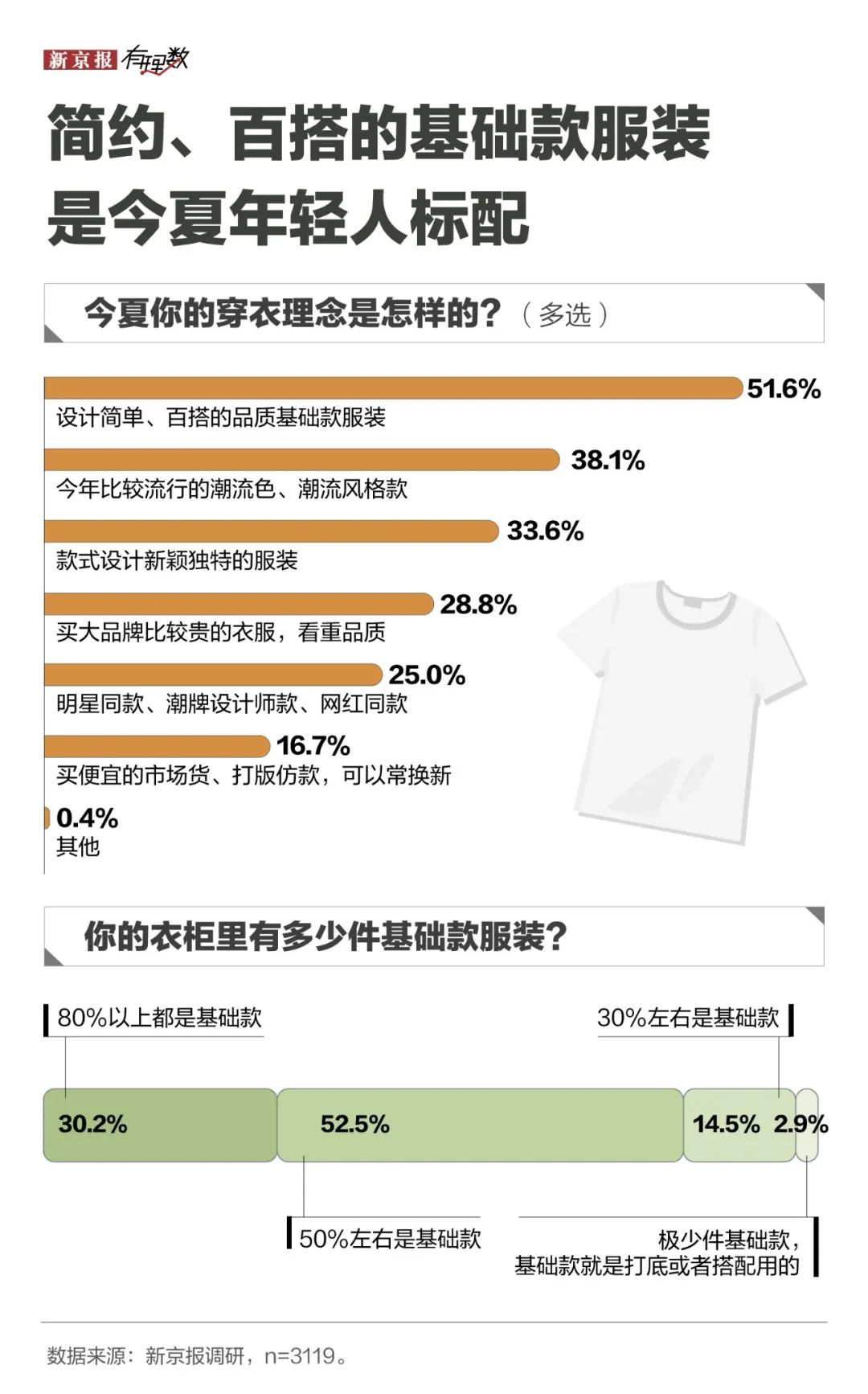
Group 1 - The core trend in the fashion industry is the strong return of quality basic clothing, reflecting consumers' deep pursuit of certainty and practicality in their purchases [1][3][11] - During the "6.18" shopping festival, nearly 70% of consumers preferred to shop on JD.com, citing its rich brand selection and the availability of high-quality basic clothing [1][30][32] - The overall growth in JD.com's apparel and beauty categories exceeded 30%, significantly outpacing the market average [1][21] Group 2 - A significant 51.6% of consumers expressed a preference for simple and versatile basic clothing this summer, indicating a shift towards practicality in fashion choices [3][8] - Over 80% of surveyed consumers reported that more than half of their wardrobe consists of basic clothing, highlighting its importance in their daily lives [8][11] - Consumers are increasingly focused on the quality and material of clothing, with 46.8% prioritizing texture and 45.7% valuing practicality [10][34] Group 3 - The purchasing behavior of consumers shows a clear preference for established brands, with 39.9% seeking quality assurance and 34.3% focusing on familiar brands [11][17] - Fast fashion brands like MUJI lead in consumer preference for basic clothing, with a selection rate of 38.9% [17] - The budget for clothing purchases reflects income stratification, with over 70% of consumers maintaining or increasing their spending during the "6.18" festival [21][25] Group 4 - The trend of "precision decentralized consumption" is evident, with JD.com recognized for its high quality-to-price ratio and reliable shopping experience [30][32] - Consumers are increasingly aware of quality standards, with nearly 60% noting the importance of JD.com's "安心品质" (Assured Quality) label [33] - The focus on essential elements such as fabric quality and comfort is becoming more pronounced, with 45.9% of consumers prioritizing material and functionality [34] Group 5 - Female consumers are particularly active in the "6.18" shopping festival, showing a preference for quality and comfort in their summer wardrobe choices [38][42] - The demand for invisible and comfortable undergarments is strong among women, with 41.3% opting for seamless options [41] - The overall consumer behavior indicates a shift towards valuing quality and practicality over mere trends, with a willingness to invest in versatile and high-quality items [42][60]

基础款重回时尚C位 强调品质确定性 七成消费者优选京东买服装
Xin Jing Bao· 2025-06-05 12:07
Core Insights - The fashion industry is experiencing a shift towards simple and versatile basic clothing, with 51.6% of consumers preferring such items for summer [1][5] - Consumers are increasingly valuing practicality and efficiency in their clothing choices, with over 80% indicating that more than half of their wardrobe consists of basic items [5] - The trend reflects a desire for timeless classics that can withstand changing fashion cycles, emphasizing quality and long-term use over fleeting trends [1][8] Consumer Preferences - 46.8% of consumers prioritize fabric quality when purchasing clothing, while 45.7% focus on practicality for multiple occasions [8] - There is a clear preference for brands that consumers trust, with 34.3% showing brand loyalty and 30.4% primarily purchasing basic items [12][15] - The demand for basic clothing is characterized by a focus on material quality and cost-effectiveness, with over 40% of consumers emphasizing these factors [8] Shopping Behavior - During the "6.18" shopping festival, over 72.2% of consumers either increased or maintained their clothing budget, indicating a willingness to invest in quality [19][24] - A significant portion of consumers (66.9%) chose to shop on JD.com for basic clothing due to its perceived quality assurance and reliable service [24][30] - The trend of "precise decentralized consumption" is evident, with consumers seeking platforms that offer a trustworthy shopping experience [30][31] Brand Insights - MUJI leads in consumer preference for basic clothing with a selection rate of 38.9%, while emerging brands like Bananahome and domestic brands like Li-Ning also show strong appeal [15] - The increasing focus on quality and brand reliability reflects a shift in consumer behavior towards established brands that offer practical and stylish options [15][19] Quality Assurance - JD.com has implemented quality standards for various clothing categories, enhancing consumer confidence in their purchases [32] - Nearly 60% of consumers are aware of JD.com's quality assurance initiatives, which contribute to a more reliable shopping experience [32]
超20亿元拿下“狼爪”后,安踏补全了户外领域价格带
Guan Cha Zhe Wang· 2025-06-05 11:38
Core Viewpoint - Anta Group, known as the "King of Mergers and Acquisitions," has expanded its brand matrix by acquiring the German outdoor brand Jack Wolfskin for $290 million, marking a significant step in its strategy to enhance its presence in the outdoor sports market [1][3][5]. Group 1: Acquisition Details - Anta Group completed the acquisition of Jack Wolfskin on May 31, 2025, making it an indirect wholly-owned subsidiary [3]. - The acquisition was part of a broader strategy to address the growing demand for differentiated outdoor sports products among consumers [3][5]. - Jack Wolfskin, established in 1981, focuses on outdoor activities and has a strong market presence in Europe and China, with 495 stores globally [5][6]. Group 2: Market Position and Strategy - Anta's acquisition of Jack Wolfskin is seen as a strategic move to strengthen its competitive position in the outdoor segment and to further its globalization strategy [5][6]. - The company has a history of successful acquisitions, including brands like FILA and DESCENTE, which have significantly contributed to its revenue growth [6][8]. - Anta's revenue for 2024 reached 70.826 billion yuan, a 13.6% increase, maintaining its leading position in the Chinese sportswear market [11][12]. Group 3: Future Outlook - The integration of Jack Wolfskin presents both opportunities and challenges for Anta, as it must navigate competition among its various brands while leveraging its operational expertise [10][12]. - The market will soon assess whether Jack Wolfskin can become a growth driver akin to Anta's other successful brands or if it will remain a performance drag [12].


年省49万度电 深圳李宁中心获LEED铂金级认证
Xin Lang Cai Jing· 2025-06-05 04:52
Core Viewpoint - Li Ning Company has achieved LEED v4.1 O+M:EB Platinum certification for its Shenzhen Li Ning Center, highlighting its commitment to sustainability and energy efficiency [1][2] Group 1: Certification and Achievements - The Shenzhen Li Ning Center is recognized with LEED certification, a prestigious global green building certification that only 5% of buildings worldwide achieve [1] - The center has upgraded its central air conditioning system and implemented VRV multi-split technology, resulting in a 30% increase in energy efficiency and an annual electricity saving of 490,000 kWh [1] Group 2: Management Innovations - The center has introduced waste classification management measures, significantly improving the recycling rate of recoverable resources [1] - It has established a smart energy management system that utilizes algorithm optimization for precise energy supply matching while meeting energy demands [1] Group 3: Environmental and Community Engagement - The landscaping at the center retains transplanted trees and uses locally sustainable plants to create an eco-friendly landscape [1] - The center integrates Li Ning's brand ethos with a 2,800 square meter sports-themed park, fostering community engagement through activities focused on sports, culture, and environmental awareness [1][2] Group 4: Sustainable Development Strategy - Li Ning Company has embedded sustainability into its corporate strategy, covering areas such as eco-friendly products, green operations, supply chain management, employee care, and social responsibility [2] - The company actively explores practices in energy management, clean energy application, and energy conservation across its operational sites [2]
李宁集团副总裁宋春涛:让科技与环保“双向奔赴”,全链路践行可持续发展
Huan Qiu Wang· 2025-06-05 04:16
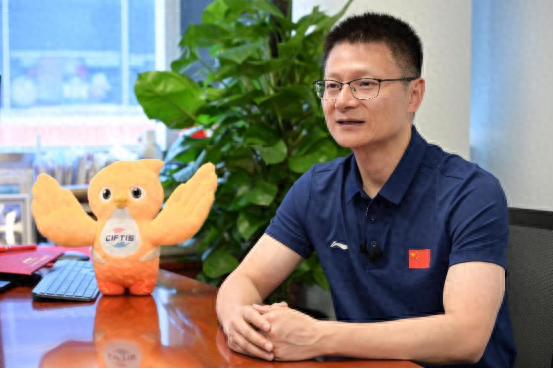
Core Viewpoint - Li Ning Company regards ESG (Environmental, Social, and Governance) as a core long-term strategy, emphasizing the importance of sustainable development through governance, product innovation, and comprehensive operational practices [1][3]. Group 1: ESG Implementation - The company has established a governance model led by top management, integrating ESG into daily operations and decision-making processes [3]. - Li Ning focuses on product innovation by utilizing sustainable materials, such as bio-based fibers extracted from castor oil, and implementing biodegradable technologies [3][5]. - A comprehensive operational model is in place, connecting green products, supplier management, employee welfare, and social responsibility to support sustainable development [3]. Group 2: Long-term Value Creation - Li Ning aims to create both commercial and social value, balancing shareholder returns with contributions to sustainable consumption and environmental stewardship [3]. - The slogan "Every step forward" reflects the company's commitment to long-termism and the pursuit of challenging yet correct actions in sustainability [3]. Group 3: Technological Innovation - The company launched China's first fully biodegradable professional sports shoes in May 2024, showcasing a breakthrough in environmental and technological integration [5]. - Over 190 million plastic bottles have been transformed into recycled yarn for use in sports apparel, demonstrating significant progress in sustainable product applications [5]. Group 4: Employee Engagement and Culture - Li Ning's employee care system, which combines health and humanistic concern, aims to enhance team cohesion and collaboration through various sports clubs and community activities [5]. - The company integrates ESG principles into its talent strategy by fostering a culture of sustainability, building capabilities through specialized recruitment, and incorporating ESG metrics into performance evaluations [7]. Group 5: Future Collaborations - Li Ning looks forward to the 2025 China International Fair for Trade in Services, aiming to connect with top research institutions and enhance collaboration in professional and environmentally friendly product development [8][9].
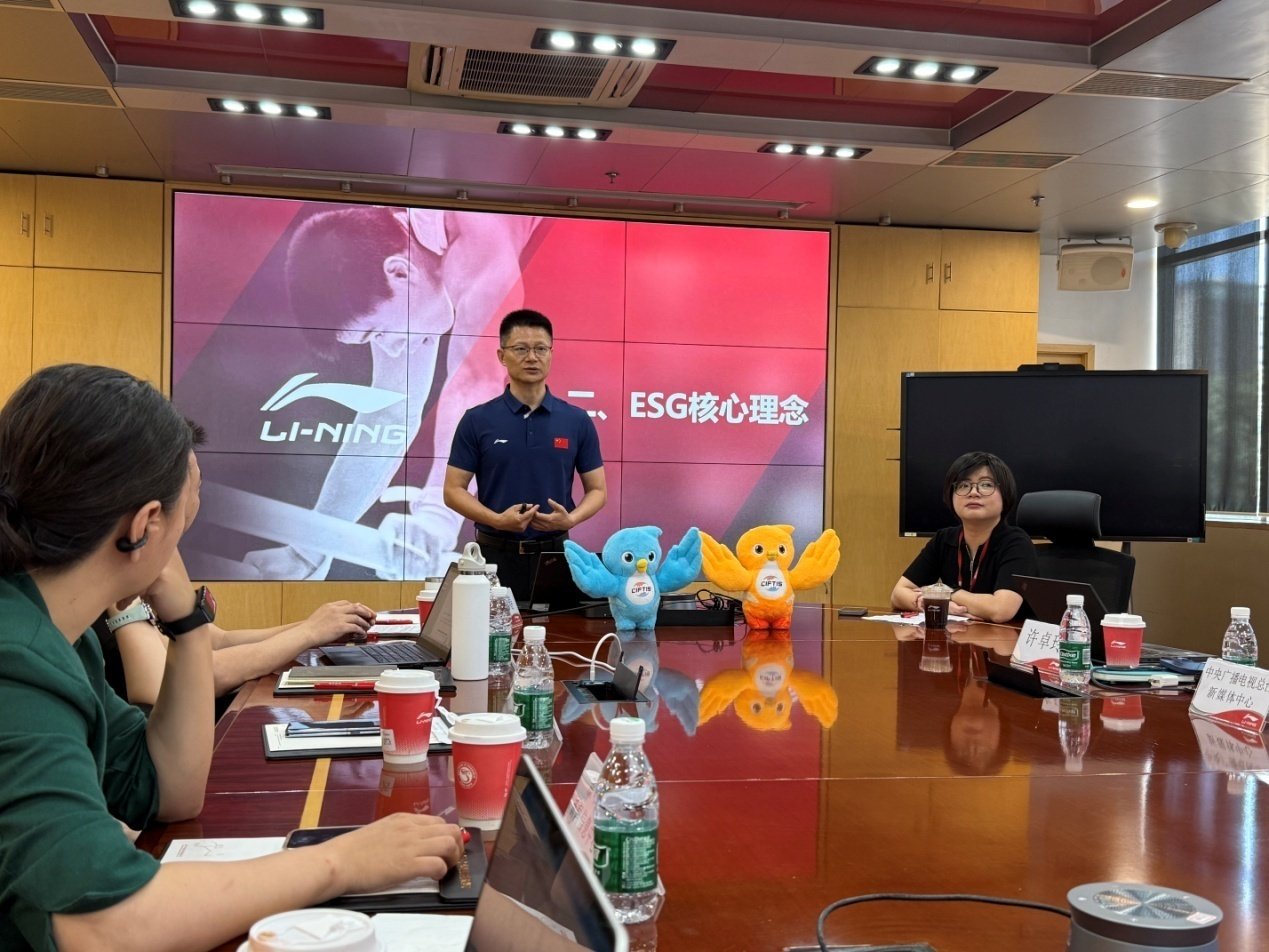
李宁公司“高管谈服贸”:积极践行ESG理念
Zhong Guo Jing Ji Wang· 2025-06-05 03:10
Core Viewpoint - The event "Walk into Li Ning Company" highlighted the company's commitment to ESG (Environmental, Social, and Governance) practices, showcasing its long-term efforts and achievements in sustainable development [1][3]. Group 1: ESG Initiatives - Li Ning Company has been exploring ESG practices for 20 years, transitioning from initial exploration (2006-2019) to systematic layout (2020-2023), and now accelerating platform development since 2024 [3]. - The establishment of an ESG management committee has led to significant achievements in the development of environmentally friendly products across the entire supply chain [3]. - Li Ning's ESG rating has improved to BBB level according to MSCI, reflecting its commitment to sustainability [3]. Group 2: Leadership and Governance - The company emphasizes a sustainable development slogan "Every step forward," aiming for harmony among employees, the enterprise, society, and nature [4]. - A complete ESG governance structure is in place, with the board of directors as the highest decision-making body, ensuring ESG goals are integrated into business operations [4]. Group 3: Product Innovation - Li Ning focuses on product innovation through four stages: raw materials, processes, recycling, and ecological circulation, promoting a full chain of environmentally friendly products [4]. - The company has utilized over 190 million recycled plastic bottles to create regenerated yarn, demonstrating its commitment to sustainability [4]. Group 4: Comprehensive Sustainability - Li Ning promotes green operations by using renewable energy and implementing low-carbon transformations across its supply chain [4]. - The company prioritizes employee well-being and social welfare, particularly in supporting youth sports initiatives [4][5]. Group 5: Future Commitment - Li Ning is dedicated to continuing its sustainable development journey, aiming to set an industry benchmark and contribute to the collective growth of society, the environment, and the enterprise [5].
千瓜数据:2025年「生命力」种草数据洞察报告(小红书平台)
Sou Hu Cai Jing· 2025-06-05 02:45
Core Insights - The report emphasizes "vitality" as the core trend for 2025, reflecting consumer pursuit of natural, healthy, and sustainable lifestyles [1][2] - The analysis covers various sectors including apparel, beauty, sports, food, and travel, based on data from July 1, 2024, to March 31, 2025 [1][5] Apparel Sector - Comfortable and functional athleisure wear and eco-friendly materials are gaining attention [1][2] - Light pastel colors are trending, with topics like "light spring outfits" and "marine style outfits" achieving over 19 billion and 380 million views respectively [9][10] - The return of maximalism in fashion is noted, with significant growth in related topics [13] Beauty Sector - The beauty trend focuses on "vitality makeup," highlighting natural ingredients and a healthy aesthetic [17][19] - Popular topics include "sweet girl makeup" and "wild makeup," with view counts exceeding 1 billion [18] - Key elements for vitality in makeup include base makeup, lip makeup, and hairstyles, emphasizing a natural and vibrant look [23] Sports Sector - Popular activities include hiking, cycling, and skating, with significant growth in related content [24][28] - Brands like Li Ning and Vaude are leveraging the vitality theme in their marketing strategies [24][25] - The report suggests that brands should create narratives around movement and exploration to engage consumers [24] Food and Health Sector - The concept of "clean eating" is prevalent, with discussions around fresh fruits and vegetables, achieving over 700 million views [32][33] - There is a growing interest in precise health maintenance practices, such as herbal remedies and dietary supplements [34] - Brands are encouraged to focus on product transparency and simplicity in their marketing [32][34] Travel Sector - Emerging trends include niche travel destinations and immersive experiences, with a focus on eco-friendly travel gear [1][2] - The report highlights the importance of community-driven content in shaping travel preferences on platforms like Xiaohongshu [2]