一汽集团

Search documents
科博达:经过多年客户结构优化,公司已覆盖数十家全球知名整车厂商
Zheng Quan Ri Bao Wang· 2026-02-03 13:40
Core Viewpoint - The company has optimized its customer structure over the years, establishing partnerships with numerous global automotive manufacturers and transitioning from a "pure supplier" to a "strategic partner" model [1] Group 1: Customer Partnerships - The company has established relationships with major automotive groups including Volkswagen Group (and its subsidiaries Audi, Porsche, Bentley, and Lamborghini), FAW Group, SAIC Volkswagen, BMW, Mercedes-Benz, Ford, SAIC General Motors, PSA, Stellantis, Jaguar Land Rover, Renault, Nissan, Toyota, Li Auto, NIO, Xpeng, Geely, BYD, Cummins, and Weichai [1] - The company aims to deepen cooperation with top-tier clients globally, integrating into their supply chains to create a mutually beneficial ecosystem for automotive components [1] Group 2: Strategic Collaboration - The company is focused on upgrading its role from a simple supplier to a strategic partner, embedding itself within the global supply chain of its clients [1] - In response to global industrial division demands, the company seeks to secure a long-term competitive position by offering more competitive products, technologies, and services [1] Group 3: Technological Innovation - The company collaborates with leading global clients in cutting-edge areas such as intelligent driving, intelligent power distribution systems (Efuse), and domain controllers, engaging in joint research and innovation [1] - The goal is to promote the application of technological achievements in client operations, thereby building a mutually beneficial industrial ecosystem [1]


20万元 家用2.0T动力车型盘点
Zhong Guo Zhi Liang Xin Wen Wang· 2026-02-03 09:27
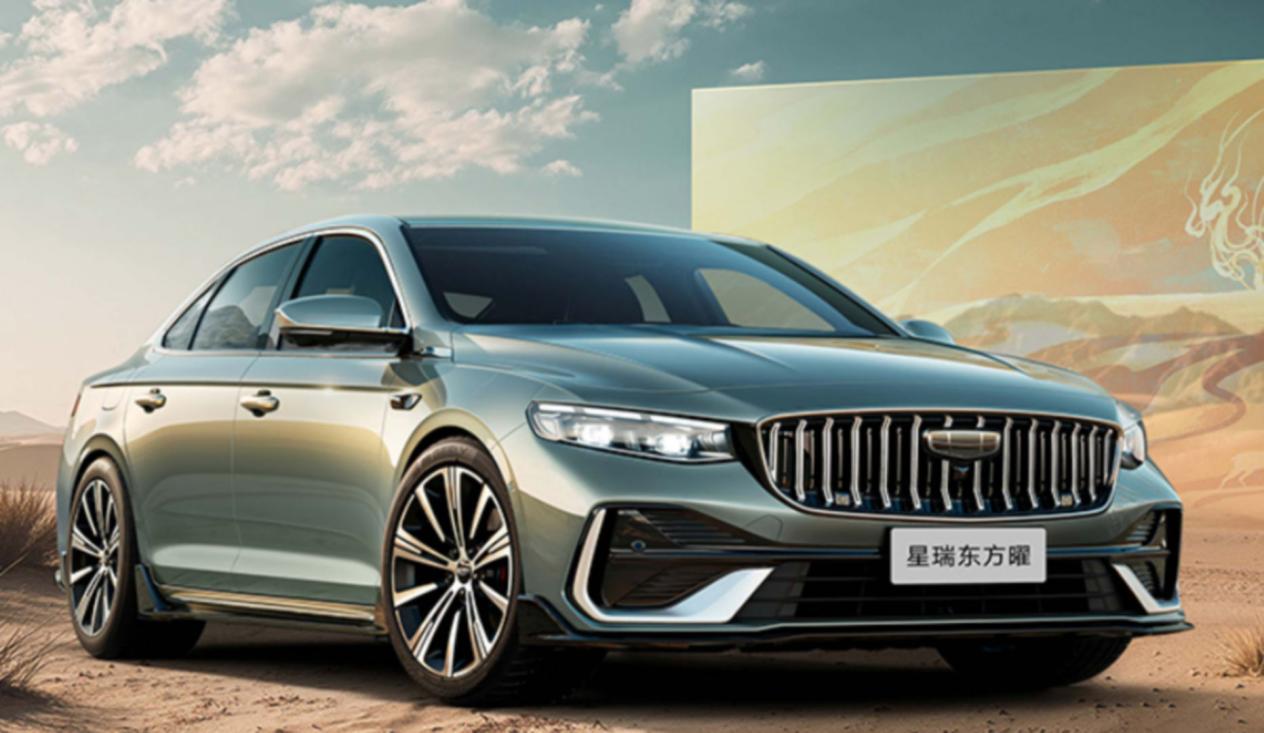
上至奔驰G级、宝马7系这种百万级豪车,中级的奔驰A45 AMG,奥迪S3一类的性能机器,入门的别克君威、领克01这类运动型家用车,2.0T的发动机屡见 不鲜,它动力强劲、技术成熟、适配广泛受无数消费者追捧。本文盘点了10万元-20万元的部分家用2.0T动力车型,看看哪款更适合你的需求。 吉利星瑞 2026款 东方曜 2.0TD 霄汉版 指导价:11.87万元 星瑞基于CMA架构打造,同平台代表车型包括沃尔沃XC40、吉利星越L等。除了强劲的动力表现外,这个平台的底盘操控性方面也有突出的表现。 星瑞轴距达到2800mm,长度超过传统A级车型,接近B级车水平,后排腿部头顶都有充足余量。整车长宽高达到4825×1869×1469(mm),纯家用场景下, 空间表现优秀。 2026款吉利星瑞东方曜搭载JLH-4G20TDH发动机,这款发动机基于沃尔沃Drive-E发动机平台,与领克03+同源,最大功率高达200kW(272马力),峰值扭 矩400牛米,匹配爱信8AT变速箱,零百加速仅需6.5秒,极速可达215km/h,动力配置方面表现出色。同时,WLTC油耗为7.15L/100km,需要加注95号汽 油。 外观方面,星 ...

10万元—20万元 家用2.0T动力车型盘点
Zhong Guo Zhi Liang Xin Wen Wang· 2026-02-03 09:00
上至奔驰G级、宝马7系这种百万级豪车,中级的奔驰A45 AMG,奥迪S3一类的性能机器,入门的别克君威、领克01这类运动型家用车,2.0T的发动机 屡见不鲜,它动力强劲、技术成熟、适配广泛受无数消费者追捧。本文盘点了10万元-20万元的部分家用2.0T动力车型,看看哪款更适合你的需求。 吉利星瑞 2026款 东方曜 2.0TD 霄汉版 指导价:11.87万元 星瑞基于CMA架构打造,同平台代表车型包括沃尔沃XC40、吉利星越L等。除了强劲的动力表现外,这个平台的底盘操控性方面也有突出的表现。 星瑞轴距达到2800mm,长度超过传统A级车型,接近B级车水平,后排腿部头顶都有充足余量。整车长宽高达到4825×1869×1469(mm),纯家用场景 下,空间表现优秀。 2026款吉利星瑞东方曜搭载JLH-4G20TDH发动机,这款发动机基于沃尔沃Drive-E发动机平台,与领克03+同源,最大功率高达200kW(272马力),峰 值扭矩400牛米,匹配爱信8AT变速箱,零百加速仅需6.5秒,极速可达215km/h,动力配置方面表现出色。同时,WLTC油耗为7.15L/100km,需要加注95号 汽油。 外观方面,星 ...
易思维/688816/科创板/2026-02-02申购
Xin Lang Cai Jing· 2026-02-02 07:06
Core Viewpoint - The company specializes in machine vision solutions for the automotive manufacturing sector, focusing on quality inspection and guidance systems, with a significant portion of its revenue derived from this industry [4][5][32]. Business Situation - The company is a machine vision equipment and solution integrator in the automotive manufacturing field, with 96.68% of its revenue coming from this sector in 2024 [4][32]. - The revenue composition for the first half of 2025 shows that visual inspection systems contributed 47.11%, visual guidance systems 38.83%, measurement systems 8.68%, and other products 5.38% [3][31]. Financial Data - The company's revenue for 2022 was 223 million yuan, increasing to 355 million yuan in 2023, and projected at 392 million yuan for 2024, with a revenue of 125 million yuan reported for the first half of 2025 [16][41]. - Profitability has shown significant growth, with net profit rising from 0.02 million yuan in 2022 to 0.42 million yuan in 2023, and 0.62 million yuan in 2024, although a loss of 0.10 million yuan was reported for the first half of 2025 [16][41]. Industry Data - The market size for machine vision products in automotive manufacturing is projected to reach 31.1 billion yuan in 2024, with the complete vehicle manufacturing segment accounting for 16.2 billion yuan [18][43]. - The company holds a market share of 13.7% in the automotive manufacturing machine vision sector and 22.5% in the complete vehicle manufacturing segment, ranking first in both categories [20][45]. Competitive Landscape - The automotive manufacturing industry is moving towards automation, digitalization, and intelligence, with machine vision solutions being essential for achieving these advancements [22][46]. - The competitive landscape shows that the top five companies in the automotive machine vision sector are primarily foreign firms, indicating a potential for domestic companies to capture market share as local automotive brands rise [22][46]. Customer Base - Major customers include automotive line integrators such as Zhongqi Engineering and Juyi Technology, with significant sales contributions from companies like BYD and NIO [13][39]. - The top five customers accounted for 52.93% of total sales in the first half of 2025, highlighting the concentration of revenue among a few key clients [13][39].

重庆时隔九年重回王座,汽车产业却已变天
3 6 Ke· 2026-01-28 02:14
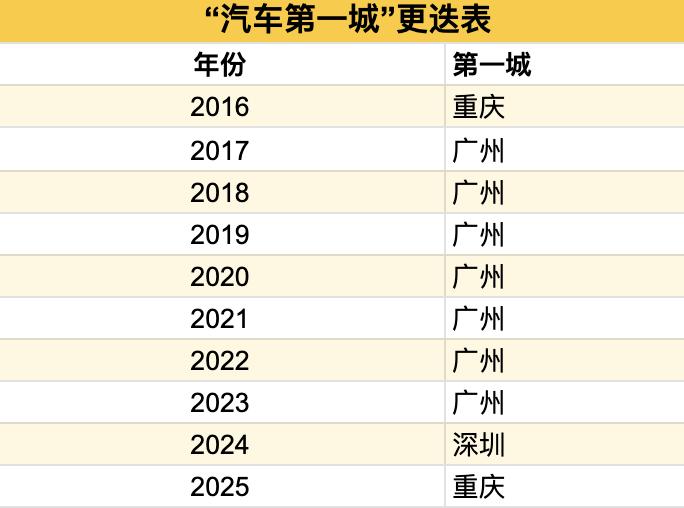
Core Insights - Chongqing's automotive production is projected to reach 2.788 million units by 2025, marking a 9.7% increase and positioning it as the top city in automotive production, reclaiming its title after nine years [1][4] - The competition for the title of "China's Automotive Capital" has intensified, with cities like Guangzhou, Shenzhen, and others vying for dominance, reflecting a significant shift in the automotive industry landscape over the past decade [1][5] Group 1: Title Competition Dynamics - The title of "China's Automotive Capital" has seen unprecedented turnover in the last five years, with cities frequently changing positions due to industry restructuring [1][5] - The competition is not just about production numbers but also reflects broader economic shifts and the evolution of the automotive industry in China [1][5] - The change in statistical criteria for production reporting from "enterprise location" to "production location" has significantly impacted city rankings, allowing Chongqing to reclaim its title [4][5] Group 2: New Energy Vehicle (NEV) Impact - The penetration rate of new energy vehicles in China has dramatically increased from 5.4% in 2020 to 54% by 2025, with total NEV production rising from 1.37 million to over 16 million units [6][9] - Chongqing's automotive industry is now driven by a NEV penetration rate exceeding 46%, showcasing a shift from traditional vehicles to electric and intelligent models [5][6] - The rapid growth of NEV production has led to a reshuffling of city rankings, with cities that lag in NEV adoption facing declines in their automotive standings [10][11] Group 3: Industry Shifts and Brand Dynamics - The transition to new energy has catalyzed a significant reshuffling among the top automotive groups in China, with domestic brands gaining market share at the expense of joint ventures [14][15] - By 2025, domestic brands are expected to account for over 65% of the market, with BYD emerging as the leading player, surpassing traditional joint venture brands [15][17] - The competitive landscape has shifted, with companies like Geely and Chery rising in rankings due to their focus on new energy vehicles, while traditional giants like SAIC and FAW have seen declines [16][17] Group 4: Export Growth and Globalization - The export of Chinese automobiles has surged, with 2025 projections indicating that exports will exceed 1.22 million units, making Anhui the first province to achieve this milestone [21][22] - The average export price of Chinese vehicles has increased significantly, driven by a higher proportion of high-end electric and hybrid models, indicating a shift in market strategy [22][23] - The profitability of overseas markets is becoming increasingly important for Chinese automakers, with companies like BYD reporting higher margins from international sales compared to domestic markets [22][23]
东风汽车董事长杨青2024年薪酬86.86万 略低于一汽集团董事长邱现东
Sou Hu Cai Jing· 2026-01-24 03:17
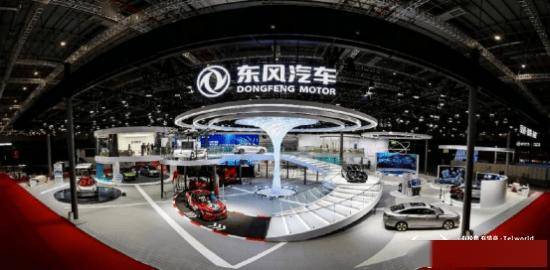
运营商财经网 李广艳/文 近日,官方公布了2024年度国内80多家央企高管的薪酬数据,作为国内整车央企之一,东风汽车集团有 限公司董事长杨青获薪86.86万元,在央企体系中处于第二梯队,引发人们密切关注。 据了解,杨青出生于1966年7月,至今年7月就年满60周岁,达到法定退休年龄。2023年10月底,杨青正 式出任东风汽车董事长、党委书记,所以,2024年是他履新之后的首个完整年。 国内第三家整车央企中国长安汽车集团,由于其在2025年7月才成立,并没有出现在此次公布的名单 中。作为参考,根据重庆长安汽车股份有限公司年报,董事长朱华荣2024年获薪225.74万元,明显高于 另外两家央企。 值得注意的是,国有汽车集团董事长薪酬大多在100万-300万,比如,上汽集团董事长王晓秋2024年的 薪酬为236.76万元,福田汽车董事长常瑞为236.0万元,广汽集团董事长冯兴亚获薪198.37万元,不过这 公开信息显示,2024年度杨青应付年薪为86.86万元,是东风汽车内部薪酬最高者,社会保险、企业年 金、补充医疗保险及住房公积金的单位缴存部分为14.87万元。 和一汽相比,2024年一汽集团董事长邱现东应付年薪 ...

注定悲剧的2026,还有多少车企不信邪?
汽车商业评论· 2026-01-22 23:07
Core Viewpoint - The article discusses the challenges and strategies of the Chinese automotive industry as it faces declining domestic sales and increasing pressure to transition towards higher-value and technology-intensive vehicles. The focus is on the 2026 sales targets set by various automakers amidst a backdrop of changing government policies and market dynamics [3][6][8]. Group 1: Market Overview - In 2025, China's automotive production and sales reached 34.4 million units, a 9.4% increase year-on-year, maintaining its position as the world's largest market for the 17th consecutive year [3]. - Domestic sales, excluding exports, were 27.3 million units, up 6.7%, with passenger vehicles accounting for approximately 24.1 million units, growing by 8.0% [5]. - However, December 2025 saw a significant decline in domestic sales, with only 2.519 million units sold, marking a 6.7% month-on-month drop and a 15.6% year-on-year decrease [5]. Group 2: Industry Challenges - The average profit margin in the Chinese automotive industry has fallen to 4.4%, only slightly above the historical low of 4.3% in 2024, indicating extremely thin profit margins [6]. - The new vehicle replacement subsidy policy, shifting from fixed subsidies to percentage-based subsidies, targets higher-priced vehicles, which may pressure companies that rely heavily on low-cost models [8]. Group 3: Sales Targets and Strategies - Major automakers have set ambitious sales targets for 2026, with a combined goal of approximately 35 to 36 million passenger vehicles, reflecting a year-on-year increase of 12% to 15% [5]. - Traditional automakers are focusing on stability and efficiency improvements, while new entrants are experiencing significant divergence in their growth strategies [10][30]. - For instance, Changan aims for a total sales target of 3.3 million units in 2026, with a strong emphasis on new energy vehicles, projecting 1.43 million units from this segment [12][15]. Group 4: New Energy Vehicle Focus - The article highlights the increasing importance of new energy vehicles (NEVs) in the sales strategies of various automakers, with companies like Dongfeng targeting 1.7 million NEVs in 2026, representing a significant portion of their overall sales goals [15][26]. - Geely plans to launch over ten new models in 2026, focusing on a comprehensive product matrix to drive sales growth [23]. Group 5: Export Market Dynamics - The export market for Chinese vehicles is thriving, with exports reaching 7 million units in 2025, a 21% increase year-on-year, and NEV exports doubling to 2.6 million units [49]. - Automakers are increasingly prioritizing overseas markets, with many setting aggressive export targets that significantly exceed their overall sales growth targets [51][54]. - For example, Changan's overseas sales target for 2026 is set at 750,000 units, accounting for nearly a quarter of its total sales goal [52].




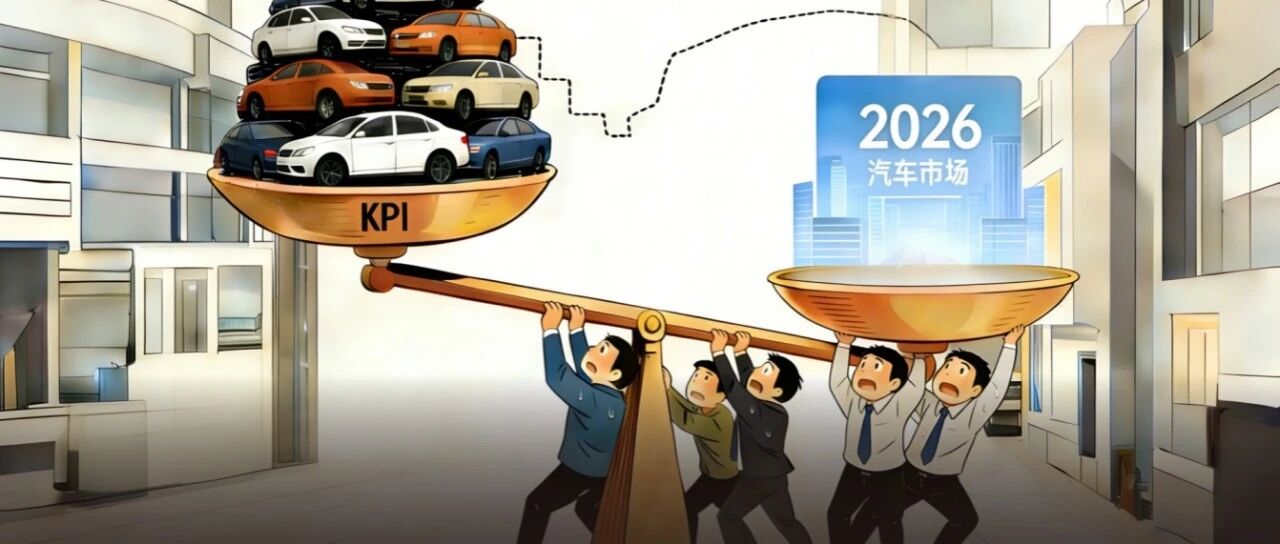
谁是“中国汽车第一城”?
Jing Ji Guan Cha Bao· 2026-01-19 10:19
Group 1: Automotive Industry Landscape in China - The competition for the title of "China's Automotive Capital" has evolved from mere production volume to a comprehensive contest of development models and industrial ecosystems by 2025 [1][2] - Chongqing has secured the title of "China's Automotive Capital" for 2025 with an annual production of approximately 2.788 million vehicles, marking a 9.7% increase, and a significant growth in new energy vehicle (NEV) production [2][3] - The Chengdu region, while not leading in production, has achieved rapid growth through collaborations with major companies like FAW and Volkswagen, indicating a strategic shift towards leveraging existing industrial bases [2][4] Group 2: Regional Developments in the Automotive Sector - The Yangtze River Delta, particularly Hefei, has emerged as a strong player in the NEV sector, achieving the highest NEV production in the country by November 2025, with a total of 1.246 million units produced [7][8] - Hefei's growth is attributed to its "investment-driven" model, which has attracted significant projects from major automotive players, enhancing its position in the NEV market [8][9] - The Greater Bay Area, particularly Guangzhou and Shenzhen, has seen a shift in automotive production dynamics, with Shenzhen overtaking Guangzhou in 2024, while Guangzhou faces challenges in transitioning from traditional fuel vehicles to electric and smart vehicles [11][12] Group 3: Strategic Collaborations and Innovations - The collaboration between local companies like Seres and tech giants such as Huawei has been pivotal for Chongqing's automotive growth, leading to significant sales and product price increases [3][4] - Chengdu's strategy of forming partnerships with established brands like Volkswagen to create new local brands, such as the New Jetta, reflects a pragmatic approach to industrial development [4][5] - The Long Triangle region has initiated a collaborative framework to enhance the global competitiveness of its NEV sector, indicating a shift towards cooperative strategies among cities [10] Group 4: Challenges and Future Outlook - The automotive industry in China faces challenges such as the sustainability of Seres' high-end market position and the successful transition of the New Jetta brand to electric vehicles [6] - The competitive landscape is evolving, with cities needing to adapt to the changing dynamics of the automotive market, including the need for innovation and collaboration to maintain relevance [9][14] - Guangzhou's automotive sector is under pressure to balance the transition from traditional vehicles to new energy models while addressing the mismatch in its supply chain [12][14]

“中国汽车第一城”争夺战
Jing Ji Guan Cha Wang· 2026-01-18 09:53
Group 1 - The competition for "China's Automotive Capital" has evolved from a focus on production volume to a comprehensive contest of development models and industrial ecosystems by 2025 [2] - Chongqing has secured the title of "China's Automotive Capital" with an annual production of nearly 2.8 million vehicles, driven by the success of Seres and the steady growth of Changan Automobile [3][4] - Chengdu, while not in the top tier, has achieved rapid automotive industry growth through collaborations with FAW and industrial synergies with Chongqing [2][3] Group 2 - Hefei has emerged as a significant player in the new energy vehicle sector, achieving the highest production of new energy vehicles in China by November 2025, with a production of 1.25 million units [2][10] - The automotive industry in the Yangtze River Delta is becoming more diversified, with Anhui's automotive production reaching 2.76 million vehicles, indicating a shift from Shanghai's dominance [8][9] - The collaboration between Chengdu and Chongqing aims to enhance regional cooperation in the automotive industry, with a focus on breaking the previous competitive mindset [6][7] Group 3 - The Seres brand, in partnership with Huawei, has significantly contributed to Chongqing's automotive growth, with over 420,000 vehicles delivered in 2025 [4][5] - Chengdu's automotive production reached 820,000 units by November 2025, with a remarkable 198.3% increase in new energy vehicle production [5] - The new Jetta brand in Chengdu aims to become a leading enterprise in the province's automotive industry, focusing on electric vehicle transformation [6] Group 4 - The automotive industry in Guangdong has faced challenges, with Guangzhou's production declining significantly, while Shenzhen has taken the lead in both overall and new energy vehicle production [12][14] - BYD, based in Shenzhen, achieved a new energy vehicle production of 4.54 million units in 2025, becoming the global leader in this sector [12][13] - Guangzhou's automotive industry is under pressure to transform, with a focus on integrating traditional manufacturing with new technologies and exploring innovative areas like flying cars [14][15]
东方证券:镁铝性价比逆转 新材料应用奇点将至
Zhi Tong Cai Jing· 2026-01-16 03:57
Core Viewpoint - Magnesium-aluminum price ratio has dropped to historical lows, and with technological breakthroughs, the economic and performance advantages of magnesium alloys are becoming evident, opening up space for replacing aluminum materials [1][2]. Group 1: Price Dynamics and Market Outlook - The magnesium-aluminum ratio is at a historical low of 0.75, which is only 0.4% of its historical range, indicating that magnesium alloys will have cost-effectiveness when the ratio is below 1.2-1.3 [2]. - The demand for aluminum is expected to increase significantly by 2025 due to steady growth in comprehensive demand, limited domestic capacity, insufficient overseas expansion, and various project disruption risks [2]. Group 2: Technological Advancements - Traditional disadvantages of magnesium alloys, such as poor corrosion resistance and immature processing equipment, are being addressed with advancements in semi-solid forming technology [3]. - Domestic manufacturers like Yizhiming are developing large-scale semi-solid forming equipment, which can produce magnesium alloy products with mechanical and corrosion properties comparable to die-cast aluminum alloys [3]. Group 3: Application Growth in Key Industries - The application of magnesium alloys in the automotive sector is accelerating, with major manufacturers like Mercedes-Benz, Ford, SAIC, and FAW increasing their use in vehicle body and chassis systems [4]. - Global demand for magnesium alloys in the automotive sector is projected to grow from 950,000 tons in 2024 to 5.12 million tons by 2030, representing a 4.4-fold increase with a CAGR of 32% [4]. - The humanoid robot industry is expected to experience explosive growth in magnesium alloy demand as several manufacturers begin mass production of commercial robots in 2026 [4]. Group 4: Investment Recommendations - The magnesium industry is entering a "singularity moment" as the penetration rate of magnesium alloys in the automotive and humanoid robot sectors increases, leading to accelerated order releases from leading manufacturers [5]. - Recommended investment targets include Baowu Magnesium Industry and Xingyuan Zhuomai [5].