山姆会员店

Search documents
2025复盘与2026前瞻
凯度· 2026-02-09 23:15
Investment Rating - The report indicates a stable growth outlook for the fast-moving consumer goods (FMCG) market in China, maintaining a positive investment sentiment for 2025 and beyond [4][42]. Core Insights - The FMCG market in China is expected to grow steadily, with a projected growth rate of 5.0% in 2025 compared to the previous year, reflecting a slight increase from 3.4% in 2024 [5][42]. - Consumer purchasing behavior is shifting towards "small quantity, high frequency" purchases, with a notable increase in budget-conscious buying over the past two years, although the decline in premium purchases has slowed [7][42]. - The report emphasizes the importance of identifying growth drivers within specific categories and suggests targeted strategies for market positioning [10][42]. Summary by Sections Market Overview - The FMCG market in China is projected to grow at a rate of 5.0% in 2025, with GDP growth and disposable income also showing positive trends [5][4]. - The overall retail sales of consumer goods are expected to increase, with a focus on maintaining stable prices and consumer spending [5][4]. Consumer Behavior - There is a significant trend towards "small quantity, high frequency" purchasing, with average prices decreasing by 0.8% and purchase frequency increasing by 3.8% from 2019 to 2025 [8][42]. - The report highlights the emergence of a "K-shaped" purchasing behavior among consumers, indicating a divide in spending patterns based on income and household structure [7][42]. Category Insights - Specific categories such as coffee, dairy, and health supplements are experiencing varied growth rates, with coffee sales increasing by 59% despite a decline in average prices [11][42]. - The report notes that the pet food market is expanding rapidly, with a sales growth of 20.4% [11][42]. Marketing and Sales Channels - The report identifies the importance of leveraging key marketing periods, such as the Spring Festival, to maximize sales opportunities [16][42]. - The growth of online and O2O (online-to-offline) channels is highlighted, with significant increases in sales through various platforms [25][42]. Demographic Trends - The report discusses the rise of single-person households, which now account for approximately 25% of families, influencing consumption patterns towards more cautious and health-oriented purchases [19][42]. - Younger consumers are more focused on immediate satisfaction and health, while older single-person households prioritize essential goods [42][19]. Future Outlook - The FMCG market is expected to continue evolving, with brands needing to adapt to changing consumer preferences and market dynamics [42][28]. - The report suggests that brands should focus on collaboration with retailers to create mutually beneficial strategies that enhance consumer engagement and drive sales [28][42].
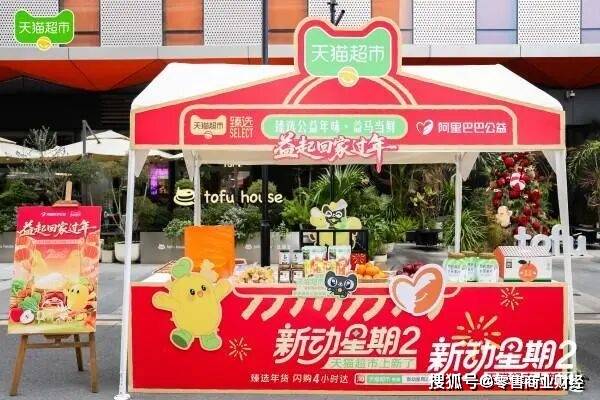
悬崖上的永辉
凤凰网财经· 2026-02-05 13:07
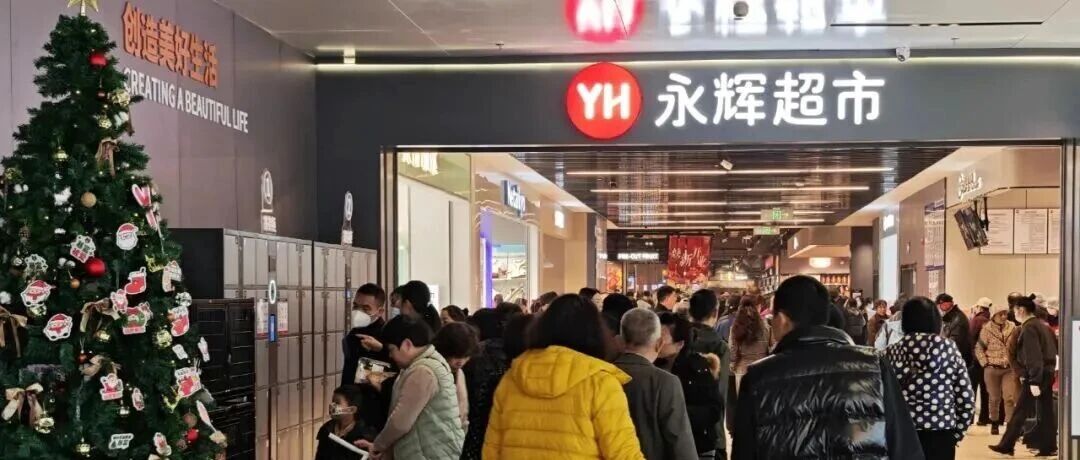
Core Viewpoint - Yonghui Supermarket has reported a projected net loss of 2.14 billion yuan for 2025, marking a 45.6% year-on-year increase, and has faced losses for five consecutive years, raising concerns about its future amidst significant operational strategy adjustments [2][7]. Group 1: Company Background and Growth - Yonghui Supermarket was founded in 1995 by Zhang Xuansong and Zhang Xuanning, starting with a micro-profit model and officially launching the Yonghui brand in 1998 [3]. - The company gained momentum in 2000 by capitalizing on the "Agricultural Reform Supermarket" policy, leading to rapid growth and recognition as a pioneer in the sector [3]. - By 2010, Yonghui became the first fresh food stock listed on the Shanghai Stock Exchange, and by 2020, it achieved a record revenue of 93.2 billion yuan, marking its entry into the "thousand-store era" [6]. Group 2: Recent Challenges and Strategic Shifts - Despite its past successes, Yonghui has entered a prolonged period of losses, with figures of 3.944 billion yuan in 2021, 2.763 billion yuan in 2022, and projected losses of 2.14 billion yuan for 2025 [6][7]. - The company initiated a comprehensive transformation called "Fat Reform" in 2024, aiming to revamp its business model by learning from competitors, but this has led to significant financial strain, including a direct loss of 1.2 billion yuan from store adjustments [6][10]. - As of 2025, Yonghui has deeply adjusted 315 stores and closed 381, indicating a significant restructuring effort [9]. Group 3: Market Dynamics and Competitive Landscape - The retail landscape has shifted dramatically, with the rise of e-commerce and community group buying, which has eroded Yonghui's traditional advantages in fresh food retail [10][11]. - The company is caught in a "middle ground," unable to compete on price like discount stores or offer unique experiences like premium retailers, leading to a decline in customer traffic [12]. - The competitive environment has seen traditional players like Walmart and Hema rise, while Yonghui has slipped in market rankings, highlighting the challenges faced by conventional supermarket models [18]. Group 4: Future Directions and Strategic Imperatives - Yonghui's transformation should focus on establishing itself as an indispensable shopping destination rather than merely imitating successful models [17][20]. - The company must identify unique value propositions that resonate with consumers, such as emotional connections, localized offerings, or enhanced shopping experiences, to regain market relevance [20]. - The path forward requires a deep understanding of consumer behavior and market changes, as traditional retail continues to evolve [20].


鸣鸣很忙20260202
2026-02-03 02:05
Summary of Key Points from the Conference Call Industry Overview - The snack wholesale store industry in China is rapidly developing due to several factors, including supply chain advantages, declining distribution costs, standardization of snack categories, high repurchase frequency, and consumer habits influenced by population density [2][6][7]. Company Insights Mingming Hen Mang - Mingming Hen Mang is a leading player in the snack wholesale industry, benefiting from industry trends by controlling costs through improved supply chain efficiency and product selection logic [2][10]. - The company plans to expand its store count significantly, with expectations to exceed 32,000 stores under neutral conditions and potentially reach 38,000 stores under optimistic scenarios by 2025 [21][22]. - Revenue is projected to surpass 100 billion yuan and net profit to exceed 4.2 billion yuan by 2027, indicating strong growth potential [22]. Sam's Club - Sam's Club has achieved success in the Chinese market by offering high-quality products, a streamlined SKU strategy, and leveraging a strong product development team to enhance supply chain efficiency [11][12]. Other Competitors - Other brands like Aoleqi and Hema NB are also adapting to the market by implementing unique strategies, such as Aoleqi's focus on private labels and low-cost operations, which serve as models for emerging snack wholesale stores [17][19][20]. Key Strategies and Trends - The snack wholesale store model has evolved through three stages: small high-margin stores, larger stores with declining margins, and the emergence of large-scale low-margin stores post-pandemic [8][9]. - The cost structure has been redefined to a "10+20" model, where backend costs account for 10% and franchise/store costs for 20%, significantly lowering distribution costs [6][8]. - The introduction of private label products and channel-specific offerings has helped maintain overall gross margins while providing competitive pricing to consumers [4][6]. Consumer and Market Dynamics - Snack wholesale stores cater to concentrated consumer demand for snacks, offering a wide variety of products at competitive prices, which enhances customer satisfaction and loyalty [4][5]. - The industry benefits from the high repurchase frequency of snack products, making it an ideal category for chain operations [7][20]. Challenges and Considerations - Expanding into multiple categories poses challenges, including managing different product frequencies and complexities in supply chain management [20]. - The competitive landscape is evolving, with major players like Mingming Hen Mang and Wancheng engaging in strategic positioning to minimize direct competition and stabilize market dynamics [23]. Conclusion - The snack wholesale industry in China is poised for continued growth, driven by innovative business models, effective supply chain management, and strategic expansion plans from leading companies like Mingming Hen Mang and Sam's Club [2][10][22].
“爆款易造,复购难留”! 透过沃集鲜看零售自有品牌的生存考题
Sou Hu Cai Jing· 2026-01-29 15:22
Core Insights - The retail industry is facing challenges from strong competitors like Sam's Club and Hema, leading to a consensus on the need for traditional supermarkets to innovate and develop private labels [1] - Walmart's private label, Woji Xian, has gained significant attention due to its high cost-performance ratio, but underlying issues such as customer retention, brand matrix imbalance, and supply chain resilience remain critical challenges [1][3] Group 1: Market Dynamics - Woji Xian has become a hot topic in the retail sector, with products frequently appearing in discussions about high cost-performance and must-buy lists on social media [3] - The pricing strategy of Woji Xian, such as 19.9 yuan for 198 grams of apple chips and 9.9 yuan per liter for fresh milk, effectively meets consumer demands for quality and affordability [3] - The retail environment is characterized by simultaneous consumer downgrade and quality upgrade, with consumers becoming more budget-conscious while demanding higher product quality and safety [3] Group 2: Business Model Challenges - The focus on extreme cost-performance may lead to long-term challenges, as maintaining low prices often requires cost-cutting measures that can compromise product quality [4] - A report indicates that 23% of suppliers have lowered food quality standards due to price pressures, raising concerns about food safety and consumer trust [5] - The reliance on low prices could trap Woji Xian in a price war, limiting its ability to upgrade the brand and increase profit margins through premium products [5] Group 3: Customer Retention Issues - Woji Xian's strategy of using popular single products to attract customers may hinder repeat purchases, as many consumers only visit to buy specific items and do not explore other offerings [6] - Competitors like Sam's Club and Hema have established effective customer loyalty through unique service offerings and membership models, which could impact Woji Xian's ability to retain customers [7] - The lack of a refined membership system and personalized product recommendations limits Woji Xian's ability to foster long-term brand loyalty [7] Group 4: Competitive Landscape - Competitors are enhancing their service offerings, with brands like Sam's Club and Hema creating closed loops of customer engagement through unique product offerings and rapid delivery services [7] - Woji Xian's similarity to Sam's Club in product offerings and branding may provide short-term market advantages but risks diminishing its unique brand identity over time [8] - The reliance on imitation could weaken Woji Xian's innovation capabilities, making it vulnerable to shifts in competitor strategies [8] Group 5: Supply Chain Considerations - The success of Woji Xian is closely tied to Walmart's robust supply chain, which ensures product freshness and cost control through partnerships with suppliers [18] - However, the current distribution of Woji Xian, which accounts for 30% of community store offerings, is limited, necessitating supply chain upgrades for broader market penetration [19] - As Walmart expands into new cities, the supply chain must adapt to regional preferences and ensure consistent product quality across different locations [19] Group 6: Consumer Behavior and Market Positioning - The core customer base for Walmart's large stores is primarily price-sensitive consumers, while Woji Xian targets urban middle-class consumers willing to pay a premium for better products [14] - The market is saturated with various retail options, making it challenging for Woji Xian to attract consumers who have already established shopping habits with competitors [15] - Consumer perceptions of retail channels are well-defined, and Woji Xian's attempt to position itself as a provider of quality products may conflict with existing consumer expectations of Walmart as a low-price retailer [16]


中产眼里,万元大牌羽绒服不香了?
Sou Hu Cai Jing· 2026-01-29 04:46
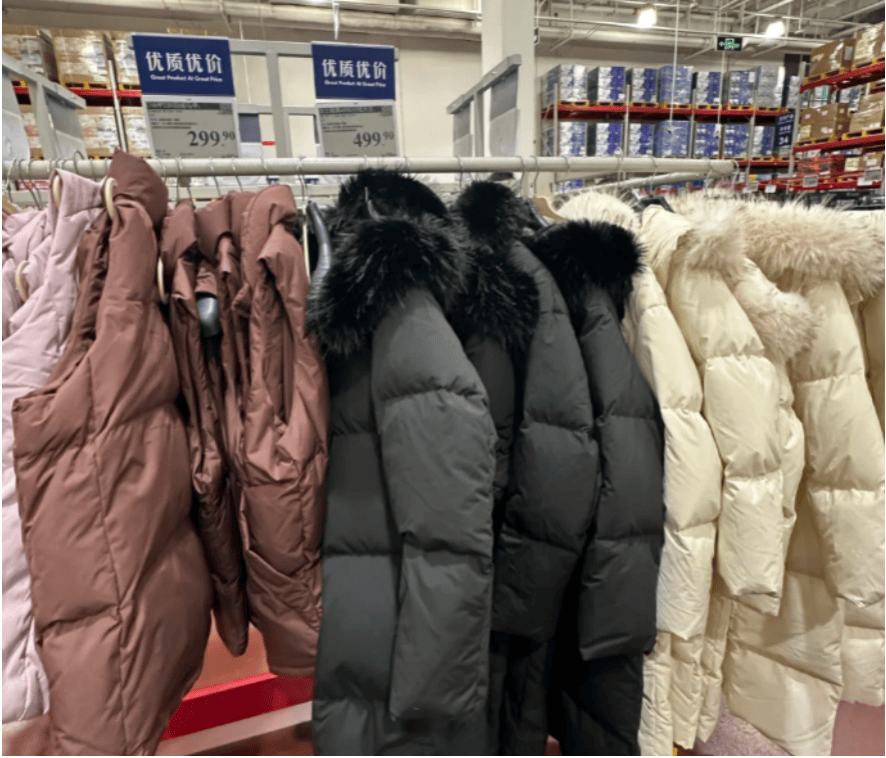
最近,一个有趣的现象正在悄然发生:那些曾被时尚人士调侃的山姆羽绒服,如今悄然穿在了一群你可能意想不到的人身上。 数据显示,山姆会员店的羽绒服销售额近期暴涨了200%,而特卖平台唯品会上波司登、鸭鸭等国民品牌的销量也迎来上扬。 有人算过这样一笔账:"一件国际大牌的溢价,足以在山姆买到三件充绒量扎实、来自同一代工厂的优质羽绒服。"这笔账算清后, 为虚无的Logo支付数千元差价,就变成了一种"沉默成本"。 驱动这股趋势的核心,是"信息差"的消弭和"认知红利"的兑现。过去,品牌通过广告、渠道和光环,在消费者心中制造了一种"高 价即高质"的认知差。 这一股热潮背后,一个核心变化是:高端消费群体正在"集体下山"。但这绝不是消费降级,恰恰相反,这是一场更清醒的"消费升 级"。 过去,高端消费者为一件万元羽绒服买单,支付的是品牌精心构建的奢侈品叙事、身份标签与社交货币。然而,当羽绒服的核心功 能——保暖——被清晰地量化为"充绒量"、"绒子含量"等参数后,一个冷静的数学问题就出现了。 他们用信息优势,绕开品牌溢价,直抵商品的价值核心,实现了实实在在的"消费平权"。这也是为什么网友都说:"唯品会虽然买 不到最便宜的羽绒服,但能买 ...
如何提振消费?河南商超给出新思路|河南消费上大分
Sou Hu Cai Jing· 2026-01-28 17:43
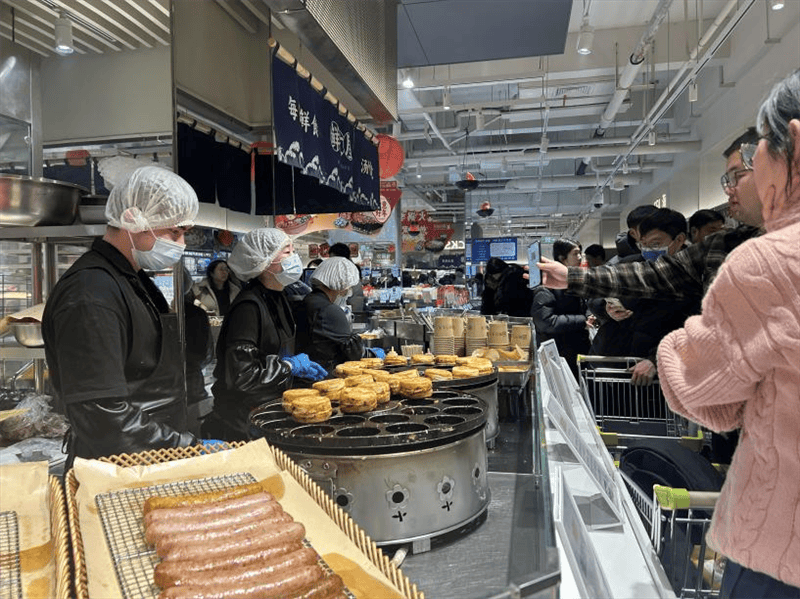
【大河财立方 记者 司高妍 实习生 程小纯 文图】1月26日,河南省十四届人大四次会议开幕,省政府工作报告 在"十四五"时期和2025年工作回顾时提到,胖东来等一批新锐企业向新而生;在2026年重点工作安排时提到,推 广胖东来经验,打造一批带动面广、显示度高的消费新场景。 近年来,在胖东来效应带动下,河南商超集体成为全国零售业的关注焦点,不仅被市场称为"中国商超的河南现 象",还成为零售业转型升级的学习对象。河南商超集体"破圈"的背后,实质上是其始终坚持"以人为本"、深耕区 域市场,持续优化供应链体系并与时俱进推动创新的结果。 让商业有温度,河南超市集体打造消费新场景 省政府工作报告中提到,2026年要打造一批带动面广、显示度高的消费新场景。当前,河南商超"天团"已有哪些 实践和探索? 走进淘小胖鲜品馆宝龙广场店,明档厨房升腾的烟火气扑面而来:滋滋作响的现烤羊肉串、热气腾腾的手工大 包、香气四溢的各式卤味等。这些元素打破了传统商超冰冷货架的局限,唤醒消费者的体验欲望。 走进鲜风生活印象汇店,明亮通透的空间、清新雅致的装修,营造出轻盈、时尚、松弛的氛围,打破了传统超市 厚重、沉闷的刻板印象。店内不仅设有丰富的熟 ...
中国零售渠道变革跟踪系列报告(一):中国硬折扣零售的行业“奇点”已至?
GF SECURITIES· 2026-01-28 05:09
Investment Rating - The industry investment rating is "Buy" [2] Core Insights - The hard discount market in China is entering a golden development period with significant growth potential, as the penetration rate is only about 8%, compared to 42% in Germany and 31% in Japan. The expected compound annual growth rate (CAGR) for the next decade is 5.6%, significantly higher than traditional retail formats like hypermarkets [6][35]. - The essence of hard discounting lies in the deep restructuring of the supply chain, focusing on a limited number of SKUs (1500-2000 core items) and a high proportion of private label products (up to 90%) to achieve structural cost reductions [6]. - The domestic operational model is evolving from the "631" model, which emphasizes fresh produce, to the "523" model, which balances product effectiveness and consumer scenarios, optimizing profitability by increasing the share of ready-to-eat (3R) foods [6]. - Local players are leveraging digital empowerment and scalable replication, with companies like Super Box NB utilizing Alibaba's ecosystem to achieve structural cost reductions and increase private label share to over 60% [6]. - Global giants like Aldi are adapting their strategies to the Chinese market, maintaining high private label ratios and efficient management, achieving a gross margin of around 20% and daily sales per store of 105,000 to 110,000 yuan [6]. - Investment recommendations focus on retail companies that return to the essence of retail, emphasizing supply chain sovereignty, operational efficiency, and consumer trust. Key recommendations include Yonghui Supermarket, Huijia Times, and Chongqing Department Store, with a watch on Bubu Gao and Jiajiayue [6]. Summary by Sections Industry Background - Discount retail is not merely a price war; it aims to provide quality products at lower prices by stripping away brand premiums and reducing unnecessary costs in traditional retail channels [15]. - Hard discounting is characterized by a systematic restructuring of the traditional retail value chain, focusing on high cost-performance ratios [19]. Development History of Hard Discount Supermarkets - The hard discount model originated in post-war Germany, with Aldi establishing the low-price principle in 1948, leading to the emergence of a dual oligopoly in the German market [22]. - The U.S. market saw the rise of membership warehouse stores like Costco, which integrated low-price strategies with membership fees [23]. Market Landscape - Hard discounting has become a significant force in global retail, with a projected 12.6% share in the top 50 global retailers by 2025, indicating its growth momentum [31]. - In China, the hard discount market is expected to exceed 200 billion yuan by 2024, with a penetration rate of only 8%, highlighting substantial growth potential compared to mature markets [35]. Competitive Landscape - Local players like Super Box NB and Happy Monkey are emerging as strong competitors, leveraging supply chain efficiencies and digital tools to enhance their market positions [44]. - Global benchmarks like Aldi and Sam's Club are adapting their models to the Chinese market, focusing on high private label ratios and efficient operations [6][43].


好利来再曝卫生问题;星巴克CEO薪酬缩水;安踏拟入股彪马
Sou Hu Cai Jing· 2026-01-27 16:13
Group 1: Company News - Haolilai apologized for selling bread that had fallen on the floor, stating that the affected batch has been destroyed and employee training will be strengthened. The incident involved a new employee and occurred on January 25, 2026 [1] - Starbucks CEO Brian Niccol's total compensation for the fiscal year 2025 will be $31 million, a significant decrease from $96 million in fiscal year 2024 [2] - Anta Sports announced plans to acquire 29.06% of Puma SE for €1.505 billion, aiming to become the largest shareholder and enhance its global market position [3] - Mixue Ice City won a trademark infringement case against six similarly named companies, reinforcing its brand recognition as it prepares for a 2025 IPO [4] - Alibaba's charity initiative "Yiqi Hui Jia Guo Nian" promotes over 300 specialty products from 24 underdeveloped counties [5] Group 2: Industry Developments - The State Administration for Market Regulation penalized Shenzhen Romoss Technology for quality issues related to power banks, highlighting regulatory efforts to maintain market order [7] - Taobao Flash Sale participated in drafting the "Digital Service Standards for Elderly Meal Assistance," marking a significant step in community service [8] - JD.com launched a national subsidy program for specific 3C digital products, offering a 15% discount in 15 provinces [10] - Fat Donglai's founder announced a shift towards original research and development to enhance product quality [11] - Tmall International reported that 2,415 overseas brands opened their first stores on the platform in 2025, indicating strong growth in international brand presence [12] Group 3: Retail Expansion - Beijing Yonghui Supermarket's Hongkun Plaza store was forced to close due to property management issues, impacting its operations [15] - Sam's Club plans to open two new stores in Tianjin in 2026, with construction progressing as scheduled [16] - JD's Qixian Xiaochu brand is accelerating its national expansion, opening new stores in multiple cities [17] - Aote's store count in China reached 95, with plans to exceed 100 by the end of the first quarter [23] - McDonald's Shanghai location has reached 600 stores, with plans to expand to over 10,000 locations by 2028 [21] - Domino's Pizza opened its 1,405th store in Sanya, marking a significant milestone in its expansion strategy [21] - Master Kong's Chongqing smart production base has reached full production capacity, with a daily output of 150,000 boxes [21]


2026吴江(上海)时尚生活新春推介会启幕
Sou Hu Cai Jing· 2026-01-27 13:11
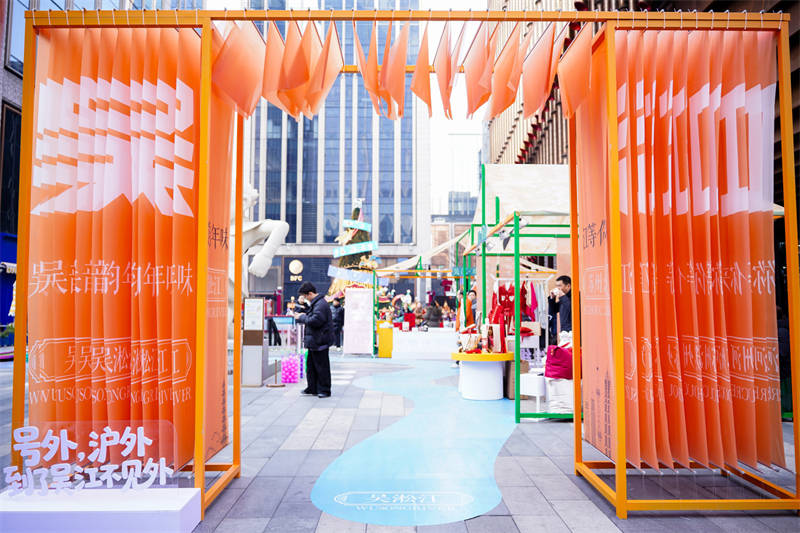
Core Viewpoint - The "Wu Yun Year Flavor: Jiang is Waiting for You" Spring Promotion Conference in Shanghai aims to showcase Wujiang's cultural and economic offerings, inviting Shanghai residents to experience the local charm and strengthen the "Hushu Tongcheng" (Shanghai-Suzhou integration) concept [1]. Group 1: Event Overview - The promotion conference features a "main venue + outdoor display area" format with five thematic exhibition areas, creating an immersive experience of Jiangnan culture [3]. - The five exhibition areas include: Silk Fashion Zone, Quality Goods Zone, Cultural Experience Zone, New Year Goods Market, and Cultural Tourism Leisure Zone, each highlighting different aspects of Wujiang's heritage and offerings [3]. Group 2: Collaborative Agreements - Wujiang and Shanghai signed multiple cooperation agreements covering cultural tourism, industrial collaboration, and agricultural product supply, marking a shift from emotional ties to structured, in-depth industrial cooperation [5]. Group 3: Core IP Development - Wujiang has identified six core IPs: Silk, Ancient Towns, Taihu Lake, Jiang Village, Food Culture, and Cultural Streets, which are designed to be experiential and consumable, showcasing the region's strengths [6]. Group 4: Tourism and Economic Goals - By 2025, Wujiang aims to attract over one million Shanghai tourists, with a projected retail sales total of 78.532 billion yuan and 23 million visitors, transitioning from a "tourism destination" to a "consumption destination" [9]. - The region is enhancing its commercial landscape with new high-quality shopping experiences and cultural events, including the signing of a Sam's Club and the establishment of over 50 new stores [9].
2026年零售媒体“十大营销”趋势
3 6 Ke· 2026-01-21 02:52
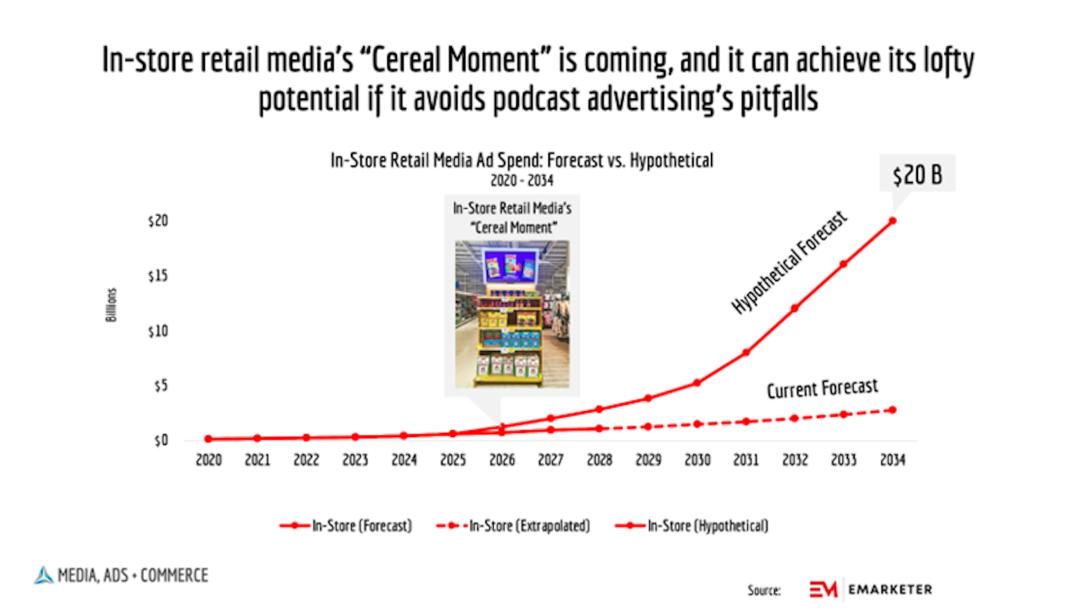
零售媒体的高速增长红利期已经落幕,2026年正成为数字广告第三波浪潮的关键分水岭,行业将彻底区分真正的市场竞争者与单纯的跟风伪玩家。 基于这一背景,Andrew Lipsman提出2026年零售媒体领域的十大核心趋势预测: 店内零售媒体:成为顶级快消零售商的必争之地 店内广告网络,是指在超市、便利店等线下门店里,通过智能屏幕、电子价签、海报墙等载体做广告的商业网络。这一模式早已在欧洲普及,但美国零售 商一直因为顾虑成本、技术整合等问题,迟迟没大规模动手。 经过多年观望,美国头部零售商终于开始布局店内广告网络:这一步已大幅落后于欧洲同行。 具体来看,Kroger计划在2026年大规模铺设智能广告屏幕,Albertsons也紧随其后。Walmart、Instacart等其他头部玩家,预计也将推出比当前更具规模化 的店内广告方案,加入这场战局。到2026年底,美国市场的店内广告网络将从概念落地为现实,并迅速演变为全国性广告预算的"必争之地"。 效果型电视广告:迎来增长拐点,却遭遇ROAS瓶颈 效果型电视广告和"只讲品牌知名度"的传统电视广告不同,其核心是追求"可衡量的销售转化"。这种可衡量性的实现,依赖于闭环电视广 ...