
赵一鸣零食

Search documents
红杉坐镇,900亿IPO正式敲钟
投资界· 2026-01-28 02:11
中国最大零食IPO。 作者/周佳丽 今日(1月2 8日),湖南鸣鸣很忙商业连锁股份有限公司(简称:鸣鸣很忙)正式挂牌上市,成为港股"量贩零食第一股"。本次I PO 发行价每股 2 3 6 . 6港元 ,公开发售获认购超1 5 0 0倍, 开盘大涨8 8 %,市值超9 0 0亿港元 , 缔造中国最大零食I PO 。 这是中国消费行业一个标志性的整合案例。回想2 0 2 3年11月,从湖南长沙起家的零食很忙与从江西宜春走出的赵一鸣零食完成战略 合并,共同组建"鸣鸣很忙",由零食很忙创始人晏周出任新集团董事长。 作为公司最大的外部机构股东,红杉中国团队见证了这家"国民零食"的成长轨迹。"鸣鸣很忙 从社区烟火中读懂了中国家庭最朴素的 消费渴望 ——要的不是低价,而是'值得';追求的不仅是折扣,而是轻松感的日常小确幸。"红杉中国合伙人苏凯感慨,今日的I PO 将是更宏大的起点。 5年前,红杉团队出手 缔造市值900亿 从零食很忙的故事说起。 时间回到2 0 1 6年,湖南8 5后晏周已在房地产销售行业深耕多年。一次偶然的机会,他敏锐捕捉到零食赛道在下沉市场的爆发潜力, 毅然创立长沙零食很忙食品有限公司。 次年,晏周与几 ...


鸣鸣很忙近1000亿IPO背后:在冬天捕到大鱼的人
36氪未来消费· 2026-01-28 01:53
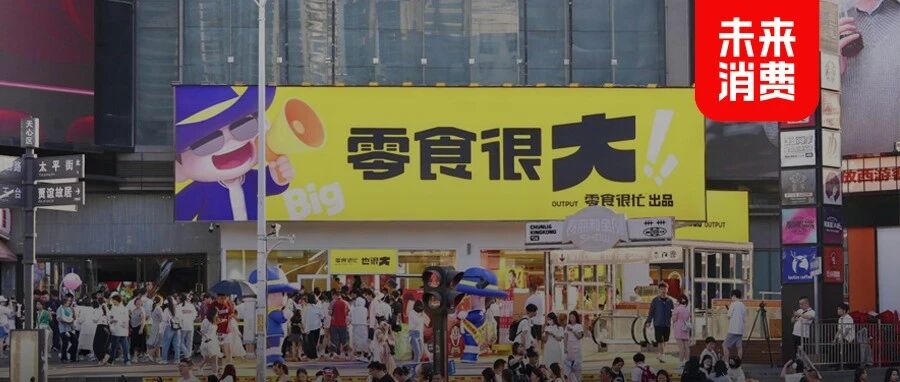
Core Viewpoint - The article discusses the journey of the snack retail company "Ming Ming Hen Mang" and its CEO Yan Zhou, highlighting the company's growth, strategic decisions, and market positioning in the competitive snack industry [2][9]. Company Overview - Yan Zhou co-founded "Ming Ming Hen Mang" in 2017, and the company has grown to nearly 20,000 stores by 2025, marking a significant expansion from its initial base in Hunan [8][39]. - The company went public on January 28, 2025, with a market valuation nearing 100 billion HKD, reflecting strong investor interest and a successful IPO [9]. Market Positioning - The company targets the mass consumer market, which has been underserved compared to higher-end brands like "Liangpinpuzi" and "Three Squirrels" [5]. - By focusing on affordable snacks and a pleasant shopping experience, "Ming Ming Hen Mang" aims to redefine consumer perceptions of value and quality in the snack sector [18][23]. Investment and Growth Strategy - The company secured significant funding from prominent investors, including Sequoia Capital and Tencent, which helped it navigate a challenging investment climate in the consumer sector [8][11]. - Despite initial skepticism from investors, the company demonstrated strong growth metrics, achieving a GMV of 661 billion CNY and revenue of 464 billion CNY in the first nine months of 2025 [8]. Competitive Landscape - The snack retail market has seen rapid growth, with "Ming Ming Hen Mang" facing competition from aggressive players like "Zhao Yiming Snacks," leading to a strategic merger to consolidate market presence [36][38]. - The merger allowed both brands to leverage their strengths, resulting in a combined store count exceeding 10,000, making them a leader in the snack retail industry [38]. Consumer Insights - The company emphasizes the importance of emotional value in consumer products, aiming to create a shopping environment that resonates with customers beyond just price [18][22]. - Yan Zhou's background as a real estate agent has influenced his understanding of consumer needs, particularly in lower-tier cities, where he sees significant growth potential [5][10].
何愚:三年后再吃5元一碗的牛肉面,深入县域才能保持体感丨2025尾声
36氪· 2026-01-26 13:58
以下文章来源于暗涌Waves ,作者何愚 暗涌Waves . 钱的流向,人的沉浮。36氪旗下投资报道账号。 "不仅关于消费或投资。" 文 | 黑蚁资本 何愚 来源| 暗涌Waves(ID:waves36kr) 封面来源 | IC Photo 2026年的1/12即将走完,"暗涌Waves"的"2025尾声"仍在继续。对于中国人来说,农历春节未至,真正的一年似乎总还没走到尽头。有384天的漫长乙巳蛇年 还有两周有余也将收起它绵长的尾,这个新旧交替的时刻,有人想将中国社会长尾中真实的脉动带到人们眼前。 黑蚁资本创始合伙人何愚选择以一份"田野笔记"来参与"2025尾声"。 在这场跨年专题的参与者中,何愚是一个挺特别的存在。当一级市场的"主流"投资人沉浸在AI agent、具身智能的投资热潮里时,他和黑蚁资本的团队走到 了广东佛冈、湖南汨罗、河北安国等地的县镇街头,去发现一个个不在主流语境里的故事。 这也不是黑蚁资本第一次在县域的街头"扫街"了。2021年到2022年,团队就曾深入495个县域,带回了一份在创投圈引起不小反响的县域研究报告。 那为何在三年后重返? 何愚告诉"暗涌Waves",他的动机挺简单的:那个市场 ...

何愚:三年后再吃5元一碗的牛肉面,深入县域才能保持体感丨2025尾声
暗涌Waves· 2026-01-26 04:05
Core Viewpoint - The article emphasizes the importance of understanding the unique dynamics of China's lower-tier cities and the potential investment opportunities that arise from them, particularly through field research and direct engagement with local markets [2][5][6]. Group 1: Field Research and Insights - The company has conducted extensive field research in various counties, including Guangdong and Hunan, to uncover stories and market dynamics that are often overlooked by mainstream investors [2][3]. - Previous research efforts involved visiting 495 counties, resulting in a significant report that garnered attention in the venture capital community [3]. - The motivation behind this research is to gain a deeper understanding of consumer behavior in lower-tier cities, which are often neglected by traditional investment strategies [5][6]. Group 2: Consumer Behavior and Market Dynamics - Insights from interviews indicate that while individual life satisfaction may have decreased due to economic pressures, overall satisfaction levels in county residents remain stable [13][14]. - Economic pressure is increasingly mentioned by residents, leading to a shift in spending habits where non-essential expenditures are being cut, particularly those associated with social status [16][17]. - Despite the perception of economic pressure, actual income levels for many families have remained stable or even increased, suggesting a disconnect between perceived and actual financial conditions [20][22]. Group 3: Changes in Work and Migration Attitudes - There is a noticeable increase in the perception of a faster work pace among county residents, with nearly half reporting feeling busier compared to previous years [24]. - Interest in migrating to larger cities has decreased, with residents weighing the costs and benefits more critically than before [26]. - Homeownership remains a priority, but the impact of housing prices on consumer behavior is limited, as many residents do not feel a strong connection to the fluctuations in the real estate market [29][30]. Group 4: Investment Opportunities - The company categorizes consumer spending into efficiency-driven and experience-driven consumption, noting a growing interest in experience-based spending among county residents [34][37]. - The supply landscape in lower-tier cities is characterized by a lack of quality and variety, which presents opportunities for businesses that can offer better value and experiences [38][39]. - The potential for explosive growth in certain categories is linked to the ability to meet the emerging demands of consumers in these markets, driven by innovative supply solutions [40][48]. Group 5: Gender Dynamics and Social Change - The article highlights the income disparity between genders in county areas, with a significant portion of women earning below 35,000 yuan annually, reflecting broader societal issues [49][50]. - There is a budding awareness among county women regarding their self-identity and roles, which could influence future consumption patterns and market dynamics [50][51]. - The focus on women's self-awareness is not merely a consumption trend but indicates a shift in societal attitudes that could lead to structural changes in the market [50][52].

从规模突围到上市聆讯:鸣鸣很忙道阻且长
Sou Hu Cai Jing· 2026-01-13 02:52
Core Viewpoint - The company "Ming Ming Hen Mang" is set to become the first stock in the snack retail sector in Hong Kong, having achieved significant growth in retail sales and store numbers, but faces challenges related to low profit margins and sustainability concerns [1][3]. Group 1: Company Performance - As of September 2025, the company achieved a retail sales volume (GMV) of 66.1 billion yuan, a year-on-year increase of 74.5%, surpassing the total for 2024 [1]. - The number of operational stores is approaching 20,000, covering 28 provinces across China [1]. - Revenue skyrocketed from 4.286 billion yuan in 2022 to 39.344 billion yuan in 2024, with a compound annual growth rate of 203% over three years [1]. Group 2: Business Model - The company operates primarily as a "super wholesale" entity, with 99% of its revenue coming from sales to its franchise stores rather than franchise fees [3]. - The business model relies on extreme efficiency and scale, necessitating rapid expansion to maintain profitability [3][10]. - The company has positioned itself in the underserved lower-tier markets, with nearly 70% of its stores located in third-tier cities and below [8]. Group 3: Market Strategy - The company has developed a digital retail platform that utilizes AI algorithms to optimize inventory management, achieving an impressive inventory turnover of 11 days [7]. - By minimizing supply chain costs and maintaining low price points, the company offers significant savings to consumers compared to traditional retail models [5][8]. Group 4: Challenges and Risks - The company has maintained a low gross margin of around 8%, which is significantly below the industry average of 15%-20%, indicating a fragile business model [10]. - Complaints regarding product quality have emerged, with over 2,400 complaints filed, raising concerns about product safety and quality control [11]. - Franchisees are experiencing longer return periods, with some reporting losses, as competition intensifies and market saturation increases [13]. Group 5: Future Outlook - The upcoming IPO presents both opportunities and challenges, as the company must demonstrate sustainable profitability and address governance issues highlighted by market observers [16][17]. - The company is attempting to pivot towards a broader retail model by transforming its brand into a "hard discount supermarket," which may require significant operational adjustments and investment [17].
两个男人合伙卖零食,9个月狂砍661亿GMV
创业家· 2026-01-10 10:18
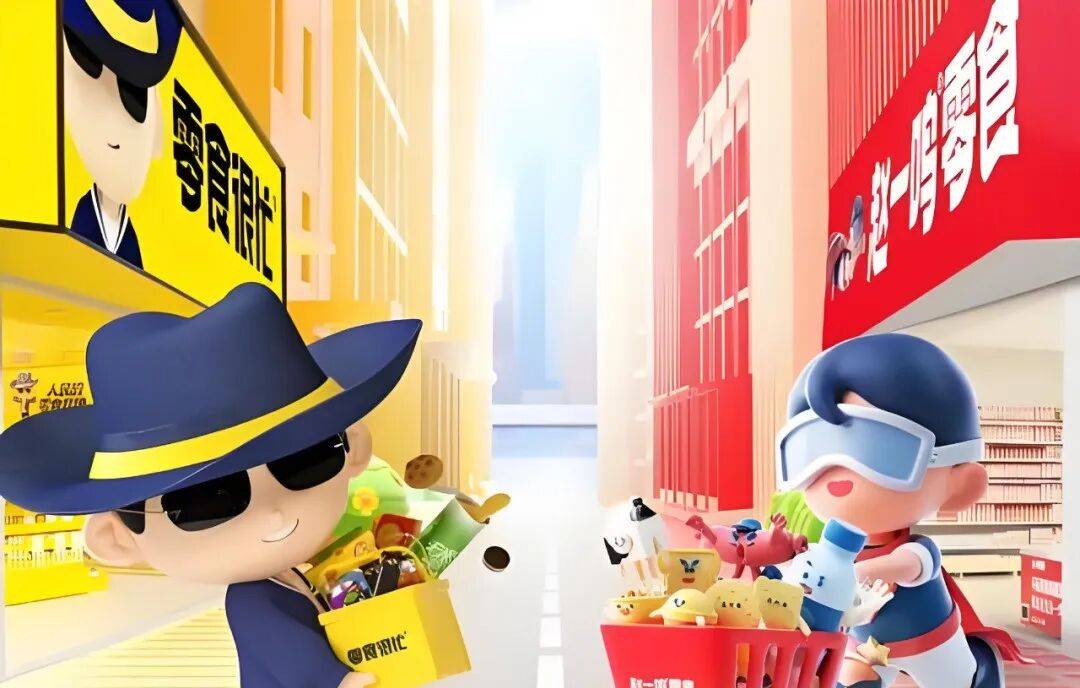
Core Viewpoint - Mingming Hen Mang is advancing towards becoming the "first stock of bulk snacks" in Hong Kong, having recently passed the hearing at the Hong Kong Stock Exchange, with significant growth in GMV and store expansion, but faces challenges in profit margins and compliance issues [5][9][18]. Group 1: Company Performance - In the first three quarters of the previous year, Mingming Hen Mang achieved a GMV of 661 billion yuan, a year-on-year increase of 74.5%, surpassing the projected GMV of 555 billion yuan for the entire year of 2024 [5][9]. - The company operates 19,517 stores as of the end of the third quarter last year, with approximately 59% located in county and town areas, indicating effective penetration into lower-tier markets [10][12]. - Revenue grew from 4.286 billion yuan in 2022 to 39.344 billion yuan in 2024, reflecting a compound annual growth rate of 203% [12]. Group 2: Financial Challenges - Despite rapid sales growth, the company's gross margin remains low, with figures of 7.5% in 2022, 7.5% in 2023, and 7.6% in 2024, compared to the average gross margin of 15% to 20% in offline supermarket channels [15][16]. - Sales and marketing expenses have significantly increased, from 1.59 million yuan in 2022 to 17.23 million yuan in the first three quarters of 2025 [16]. - Inventory levels have risen sharply from 200 million yuan at the end of 2022 to 2.491 billion yuan by the end of the third quarter last year, posing potential risks of inventory obsolescence [16]. Group 3: Compliance and Governance Issues - The company faced a fine of 1.75 million yuan for failing to timely report the acquisition of Zhao Yiming Group to regulatory authorities [19]. - There have been over 2,400 complaints related to food safety issues against Zhao Yiming Snacks and Mingming Hen Mang, highlighting significant reputational risks [20][21]. - The company has been named in multiple reports by the Guangdong Provincial Market Supervision Administration for food safety violations, indicating ongoing regulatory scrutiny [21].

曾经的县城“印钞机”,今年彻底歇了?
创业邦· 2025-12-31 00:09
Core Viewpoint - The article discusses the cautious approach of franchise operators in the current market, highlighting the challenges and risks associated with joining new brands, particularly in the food and beverage sector. It emphasizes the need for careful evaluation of brand viability and market conditions before making investment decisions [5][6][24]. Group 1: Franchise Market Trends - Franchise operators are increasingly hesitant to open new stores, with one operator reporting zero new projects in the past year, reflecting a shift in market dynamics and increased competition [7][8]. - The lifespan of successful restaurant brands has decreased significantly, with operators estimating it to be around six months to one year, compared to previous years [6][31]. - The number of snack stores has doubled within a year, but the consumer base has not expanded correspondingly, leading to intensified competition and reduced profitability [9][10]. Group 2: Investment Considerations - Operators are focusing on brands that have demonstrated success and are looking to enter the market at the peak of a brand's momentum to ensure quick returns on investment [6][12]. - The costs associated with opening new stores, particularly in the hard discount supermarket sector, are substantial, with estimates ranging from 2.6 million to 4 million yuan, making it a significant financial commitment [25][29]. - The article highlights the importance of location in determining store performance, with a good site potentially accounting for 80% of a store's success [12]. Group 3: Consumer Behavior and Market Dynamics - There is a growing consumer preference for quality and cost-effectiveness over brand prestige, allowing smaller, well-managed brands to thrive [21][22]. - The article notes that many franchise operators are now more cautious and selective, often waiting for the right opportunity rather than rushing into new ventures [24][32]. - The rise of social media influencers in promoting franchise opportunities has created a complex landscape where distinguishing genuine opportunities from marketing hype is increasingly challenging [15][20].
一边拼命开小店,一边砸钱做旗舰店,品牌到底在谋划什么?
Sou Hu Cai Jing· 2025-12-18 12:16
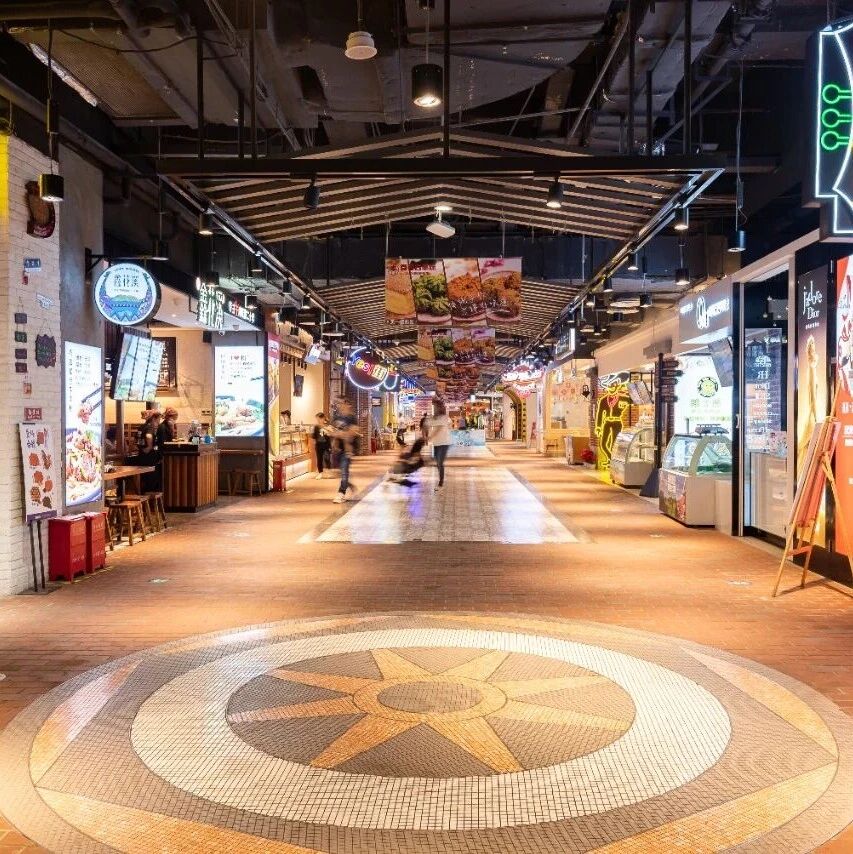
Core Insights - The commercial real estate sector is witnessing a dual strategy where brands are simultaneously opening small community stores and investing heavily in flagship stores in prime locations, indicating a shift in consumer habits and market trends [1][5] Group 1: Coexistence of Small and Large Stores - Small stores and flagship stores are growing together, with brands like Zhao Yiming Snacks utilizing a high-density layout strategy to cater to the convenience needs of urban consumers [2][4] - Flagship stores serve as immersive brand experiences, functioning as advertising platforms while also driving sales [2][5] Group 2: Transformation of Offline Store Functions - The evolution of brand perception has led to a redefined role for physical stores, which are now seen as specialized entities rather than mere sales channels [4][5] - Small stores benefit from lower rent and operational costs, allowing for efficient market penetration and immediate consumer engagement [4][5] Group 3: Consumer Behavior and Market Segmentation - The increasing stratification of consumer demand necessitates different operational models for small and flagship stores, with each fulfilling distinct roles within the brand ecosystem [5][6] - Small stores cater to high-frequency, immediate purchasing needs, while flagship stores provide unique social experiences and quality upgrades [5][6] Group 4: Challenges in the Dual-Store Model - The rise of online shopping has intensified competition for both small and flagship stores, as consumers increasingly prefer the convenience of e-commerce [9][11] - The high costs associated with creating and maintaining flagship stores pose significant challenges for brands, requiring careful management to ensure that enhanced experiences translate into sales [12][13] Group 5: Future Trends in Retail - The focus for small stores will shift towards improving operational quality and integrating into local communities, while flagship stores may evolve into multi-experience platforms that enhance brand identity [13][15] - Strong supply chains and digital capabilities will be essential for both small and flagship stores to meet consumer demands effectively and maintain competitive advantages [15][16]
鸣鸣很忙也要赴港上市了,但它还有很多隐忧!
Sou Hu Cai Jing· 2025-11-04 08:11
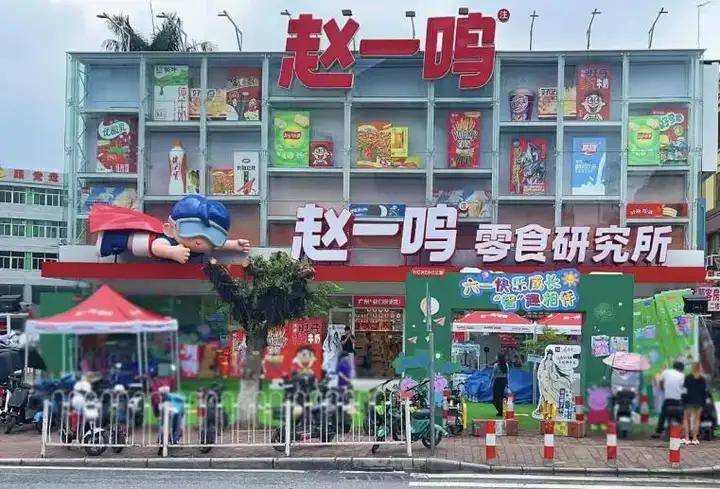
Core Viewpoint - Hunan Mingming Hen Mang Commercial Chain Co., Ltd. (Mingming Hen Mang) has submitted an updated prospectus to the Hong Kong Stock Exchange, aiming for an IPO after a rapid growth trajectory in the snack retail sector, achieving significant revenue and GMV increases in a short period [2][7]. Group 1: Company Overview - Mingming Hen Mang was formed by the merger of Snack Hen Mang and Zhao Yiming Snacks, with the merger completed in November 2023, maintaining independent brand operations [3]. - The company has rapidly expanded its store count to approximately 6,500 after the merger, with plans to reach 14,394 stores by the end of 2024 and 16,783 stores by June 30, 2025, covering 28 provinces and 1,327 counties [5][7]. Group 2: Financial Performance - As of June 30, 2025, Mingming Hen Mang reported a GMV of 411 billion RMB for the first half of the year, with a year-on-year revenue increase of 86.9% [2][7]. - The company is recognized as the largest chain retailer in China by GMV in the leisure food and beverage sector, ranking among the top ten chain retailers in China for 2024 [7]. Group 3: Supply Chain and Operational Efficiency - The company has established direct supply relationships with over 2,300 upstream manufacturers, enhancing supply chain efficiency by bypassing intermediaries [5]. - With a network of 36 modern logistics warehouses, Mingming Hen Mang can achieve 24-hour delivery to stores, supporting the replenishment needs of over 14,000 locations [5]. Group 4: Market Position and Challenges - The rapid expansion and low pricing strategy have drawn comparisons to the successful brand Mixue Ice City in the snack sector [5]. - However, concerns have been raised regarding the sustainability of this growth model, with experts questioning the long-term viability due to potential quality issues and market saturation [11][12].

拿糖当钱找零?开店怎能既不大方又不严谨
Nan Fang Du Shi Bao· 2025-10-28 04:49
Core Viewpoint - The incident involving a store using candy as change has sparked significant public discussion, highlighting a breach of consumer rights and market transaction norms [1][2][3] Group 1: Consumer Rights and Business Practices - The company stated that it does not support the practice of using candy as change, but some stores may ask customers for consent in cases of insufficient change [1] - According to consumer protection laws, consumers have the right to fair trading conditions, including quality assurance and correct pricing, and can refuse forced transactions [1][2] - The practice of using candy instead of cash violates consumer rights, including the right to be informed and the right to choose, and can be seen as a form of forced trading [3] Group 2: Market Transaction Norms - In standard market practices, businesses typically offer discounts or promotions to attract consumers, but charging extra or using alternative forms of payment without consent is unacceptable [2] - The act of substituting candy for cash change is viewed as a serious violation of market transaction rules, as consumers did not purchase the candy and should not be required to pay for it [2][3] - The accumulation of such practices can lead to significant profits for businesses while undermining consumer rights, indicating a lack of respect for consumers [3]