佳能

Search documents
这届国产AI真的可以!20分钟生成万字报告,附带可视化网页,可直接下载食用
量子位· 2025-05-26 05:27
Core Viewpoint - The article discusses the efficiency and capabilities of the AI tool "Wen Xiaobai," particularly its "Xiao Bai Research Report" feature, which significantly aids in analyzing financial reports and generating comprehensive industry analyses in a short time frame [6][65]. Group 1: AI Tool Features - "Xiao Bai Research Report" is based on a self-developed model that simulates human thinking to generate reports, industry research, and trend analyses through multiple rounds of reasoning and tool utilization [6]. - The tool can produce various types of reports, including industry reports, academic papers, and investment decision analyses, making it suitable for tasks that involve large amounts of data and complex analysis [7][8]. - The report generation process takes about 20 minutes, during which the AI gathers and analyzes relevant data from multiple sources, ensuring a comprehensive output [12][14]. Group 2: Practical Applications - The AI tool has proven effective in interpreting Q1 financial reports, allowing users to receive well-structured reports with visual aids like tables and charts, enhancing clarity and usability [23][65]. - In a recent example, the AI was tasked with creating a buying guide for cameras, demonstrating its ability to conduct market research and provide tailored recommendations based on user needs [40][41]. - The AI's search capabilities are enhanced by its ability to switch between different models and search modes, allowing for efficient retrieval of information from authoritative sources without the clutter of advertisements [46][47]. Group 3: User Experience and Adoption - The article highlights the growing user base of "Wen Xiaobai," with over 6 million users reported in April, indicating its effectiveness and popularity among users [63]. - The AI's ability to assist in various tasks, from financial analysis to personal shopping, showcases its versatility and potential to save time and improve productivity [61][65]. - The article emphasizes the importance of AI tools in redefining efficiency, suggesting that those who effectively utilize such tools can significantly enhance their productivity compared to traditional methods [62].


国际品牌怎么才能守住中国市场?
虎嗅APP· 2025-05-23 11:47
Core Viewpoint - The article discusses the competitive landscape between international and domestic brands in China, highlighting that international brands still hold significant market share despite the rise of domestic brands. The CBI500 list shows that international brands remain popular among Chinese consumers, indicating their strong market presence and consumer loyalty [1][3][18]. Group 1: International Brands' Market Position - The CBI500 list includes 156 international brands, with Apple ranking first, demonstrating the continued strength of international brands in the Chinese market [1][3]. - In sectors like beauty and sportswear, international brands dominate, with 8 out of the top 10 beauty brands being international and 70% of outdoor sports brands also being international [1][5]. - International brands maintain a competitive edge due to their technological advancements and established supply chains, which are difficult for domestic brands to replicate [5][9]. Group 2: Consumer Behavior and E-commerce Impact - The CBI500 list is based on real consumer behavior data from platforms like Taobao and Tmall, reflecting genuine consumer preferences and the ongoing enthusiasm for international brands [3][10]. - E-commerce has transformed the retail landscape in China, with international brands increasingly relying on platforms like Tmall to reach consumers, highlighting the importance of digital channels for market penetration [10][12]. - The rise of e-commerce has allowed domestic brands to compete more effectively, as they can quickly adapt to consumer needs and preferences without the constraints of traditional retail [11][22]. Group 3: Challenges and Adaptation of International Brands - International brands face challenges in adapting to the rapidly changing consumer landscape in China, necessitating a shift towards localization and understanding of local consumer demands [12][25]. - Brands like Adidas and Uniqlo have successfully implemented localization strategies, leveraging e-commerce data to enhance their product offerings and marketing approaches [15][16][14]. - Despite their technological advantages, international brands must improve their responsiveness to local consumer needs to maintain their market positions [25][26]. Group 4: Domestic Brands' Rise and Innovation - Domestic brands are increasingly moving from being mere followers to innovators, leveraging their understanding of local markets to create competitive products [20][21]. - Brands like Xiaomi and ICICLE have successfully introduced innovative concepts that challenge established international brands, indicating a shift in the competitive dynamics [20][21]. - The success of domestic brands in niche markets, such as small appliances, showcases their ability to quickly respond to emerging consumer trends and preferences [23][24]. Group 5: Future Outlook - The article suggests that the future of competition in the Chinese market will revolve around product innovation and understanding consumer emotions, with a focus on niche markets [22][26]. - International brands must enhance their local market insights and adapt their strategies to align with evolving consumer expectations to sustain their growth in China [26].






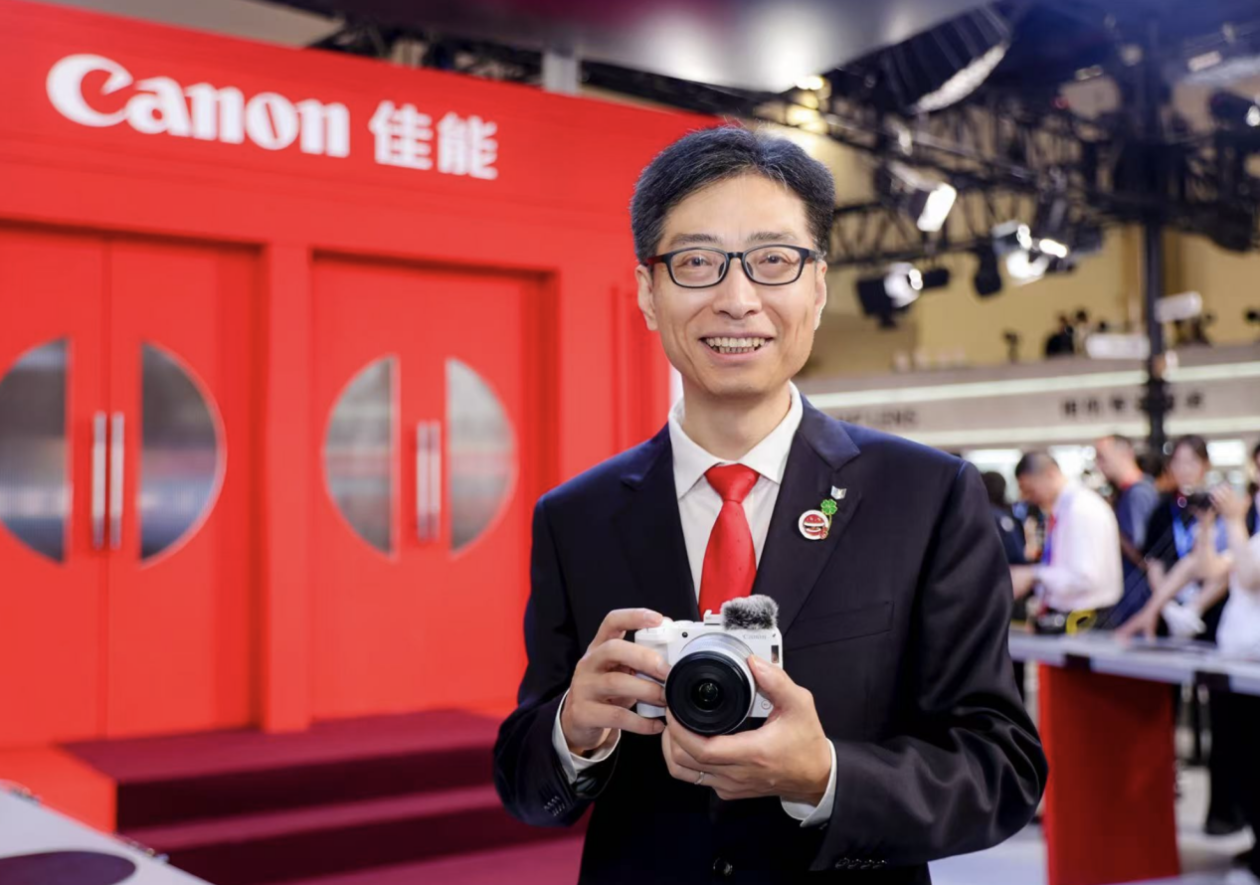
佳能栗开宇:相机市场重返黄金时代,影像产品成情绪价值载体
Huan Qiu Wang· 2025-05-23 07:25
Core Insights - The imaging market is experiencing a revival driven by upgraded consumer demands and increased participation in photography events like the P&E exhibition [2][3] - Canon's Q1 2025 financial report shows a 7.1% year-on-year revenue growth, with the imaging business growing by 20.8% [3] - The rise of social media platforms has significantly boosted the demand for imaging products as consumers seek to enhance their photography skills for better engagement [3][4] Market Performance - In Q1 2025, the global camera market continued to grow, with China's market showing a remarkable 24.1% increase in shipment volume, and mirrorless camera shipments rising by 21.8% [3] - Canon's youth-oriented EOS R10 and EOS R50 series saw approximately 40% sales growth in the Chinese market from January to April 2025 [3] Policy Support - The growth of the imaging market is supported by policies aimed at stimulating cultural and tourism consumption, with 314 million domestic trips taken during the May Day holiday, a 6.4% increase year-on-year [4] - The government’s equipment purchase subsidy policy has effectively reduced the cost for consumers, further stimulating camera sales [4] Consumer Behavior - The P&E exhibition highlighted a shift in consumer behavior, particularly among younger generations who prioritize cost-effective spending while investing in hobbies that provide emotional value [5][6] - Young consumers view cameras not just as tools for capturing life but as vehicles for self-expression and creativity, with a significant portion of camera purchases coming from the 18-35 age group, accounting for over 42% of the market [6][7] Product Innovation - Canon is focusing on developing products that cater to the needs of younger consumers, such as the EOS R50 V, which is popular for vlogging and creative video production [7] - The company is also targeting the silver economy, anticipating a market size of 30 trillion yuan by 2035, aiming to attract older consumers to photography [7] Future Outlook - Canon aims to continue innovating and upgrading its products and services to meet the diverse demands of the market, with a commitment to enhancing emotional value through technology [7]

看完演唱会,多少手机摄像头被激光「烧」了?
36氪· 2025-05-22 13:14
果壳 . 科学和技术,是我们和这个世界对话所用的语言。 以下文章来源于果壳 ,作者Owl 摄像头传感器被激光照坏, 演唱会结束后频发的手机惨剧。 文 | Owl 编辑 | Odette 来源| 果壳(ID: Guokr42) 封面来源 | pixabay 一年一度换手机的时间,除了在手机厂商发新品之后,还有就是看完演唱会。 用"演唱会"、"手机"、"坏了"这三个字去社交网站上搜索一番,就能看到不少 心碎追星人的手机维修单 。 他们的手机不仅记录着演唱会现场的美好时光,也暗藏着一些永远无法去除的奇怪印记——它们也是 摄像头传感器被激光照坏的证明 。 激光"武器": 一秒钟,让人类为我花几千块 激光秀损坏摄像头的情况并不是最近才出现的。 2010年,国外的一位摄影师正在街头拍摄一场庆祝活动,手中的佳能相机刚好被路边的激光灯不断扫射。就在激光扫过第二次的时候,相机所记录的画面上 突然出现一条白色的横条纹。 相机内部的传感器,就这样被激光"刻"下了一道永久的伤痕。 用于录制视频的手机放置在距离患者手部约60厘米的地方,并开启视频录制。当医生使用532 nm的激光照射患者纹身位置时,iPhone所录制的画面中突然出 现 ...

“零帧起手”的华为鸿蒙电脑操作系统来了
经济观察报· 2025-05-22 09:58
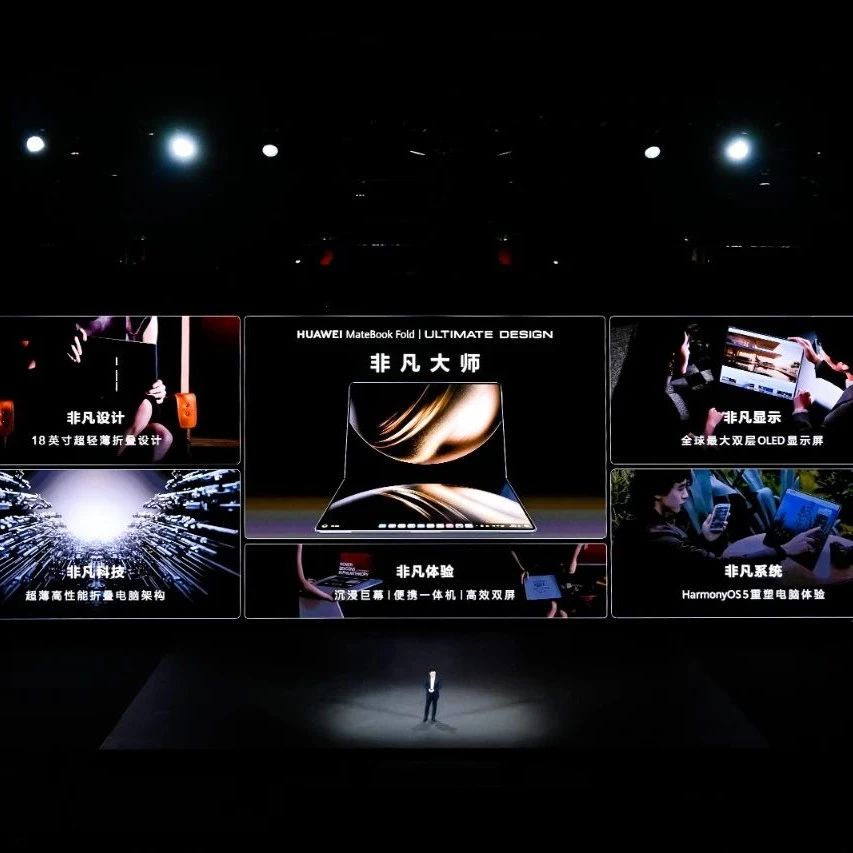
Core Viewpoint - The launch of the HUAWEI MateBook Fold marks a significant breakthrough for China's domestic computer operating system, indicating a shift in the PC industry towards self-reliance and innovation in the face of global challenges [2][3][21]. Group 1: Importance of Self-Developed Operating Systems - The necessity for self-developed computer operating systems arises from the digital era and the 5G Internet of Things, which demand systems that can support interconnectivity and collaboration among devices [2]. - The current global landscape of operating systems is highly concentrated, with Windows holding over 70% market share and macOS over 10%, making it challenging for new entrants [3]. Group 2: Technical Challenges and Innovations - HUAWEI's HarmonyOS for computers is a fully self-developed system, achieving 100% independence from Linux or Windows, with a focus on a microkernel architecture that reduces code redundancy and enhances security [5][6]. - The development process is complex, requiring a balance between compatibility with existing software and the need for innovation, as traditional systems have extensive legacy code [6]. Group 3: Ecosystem Development - Building a software ecosystem for computers is more challenging than for mobile devices, as the existing software landscape is dominated by Windows and macOS [10]. - As of May 19, 2025, over 150 dedicated computer applications have been adapted for HarmonyOS, with expectations to support over 2000 applications by the end of the year [10][13]. Group 4: User Experience and Security - HarmonyOS integrates AI deeply into the operating system, enhancing user experience through features like seamless cross-device collaboration and innovative interaction methods [18][20]. - The system employs a multi-layered security architecture, including chip-level encryption and strict application governance, to ensure data security and privacy [20]. Group 5: Industry Impact - The release of HarmonyOS for computers signifies a historic leap for China's tech industry, transitioning from a technology follower to a rule-maker in the global tech landscape [21]. - The development of HarmonyOS is expected to stimulate the domestic software industry and promote the growth of local enterprises, creating a more self-sufficient technology ecosystem [14][21].
从被五国收割到卡死美军工,中国稀土翻身战有多硬核?
Sou Hu Cai Jing· 2025-05-21 04:25
Core Viewpoint - The transformation of China's rare earth industry from a low-cost exporter to a strategic resource powerhouse has significant implications for global power dynamics, particularly in military and high-tech sectors [1][5][6]. Group 1: Historical Context - Thirty years ago, China sold rare earth resources at low prices to five countries, which were then used for military and technological applications [1]. - In the 1990s, rare earth prices plummeted, with domestic miners selling below cost while international prices for processed materials soared [3]. Group 2: Key Turning Points - A pivotal moment occurred in 2010 when China cut off rare earth supplies to Japan during a diplomatic dispute, highlighting its control over 90% of global rare earth production [5]. - In 2025, the U.S. faced a crisis when China restricted access to key rare earth elements, severely impacting military production capabilities, particularly for the F-35 fighter jet [6]. Group 3: Strategic Advantages - China maintains complete control over the rare earth supply chain, from mining to production, with significant capabilities in refining and manufacturing [6]. - The complexity of rare earth separation technology has been a barrier for foreign competitors, with Chinese engineers developing processes that remain elusive to U.S. laboratories [6]. - Environmental regulations have been tightened, leading to the closure of small mines and the establishment of six major rare earth groups that collaborate to stabilize prices [6][9]. Group 4: Current Challenges for the U.S. - Despite the reopening of the Mountain Pass mine in the U.S., the country still relies on China for processing, revealing a dependency in the supply chain [7]. - The U.S. military's secret stockpile of 15 tons of dysprosium is only sufficient for six months of operations, underscoring the urgency of the situation [7]. Group 5: Environmental and Economic Impact - The cost of pollution control in China's rare earth mining regions has reached 13 billion yuan, reflecting the environmental challenges associated with the industry [9]. - China has implemented strict environmental standards and advanced recycling technologies, achieving both resource control and pollution management [10].


今年一季度中国相机市场整体出货量增长24.1%
news flash· 2025-05-19 15:04
金十数据5月19日讯,近日,佳能(中国)商务统括本部项目副总经理栗开宇在2025年P&E照相机械影 像器材与技术博览会接受采访时透露,2025年一季度,全球相机市场保持持续增长,而中国市场更是表 现优异增速最快,整体出货量增长24.1%,微单出货量增长21.8%,达到全球出货量增幅的2倍左右。 今年一季度中国相机市场整体出货量增长24.1% ...
外贸爆了,“出口转内销”行不通,中国外贸破局得靠这条路
3 6 Ke· 2025-05-19 08:24
Group 1 - The recent reduction in tariffs has led to a surge in orders from U.S. customers, with a notable example being a $100,000 order received by a company within hours of the announcement [1] - Tariffs on RV awnings have dropped from 153.8% to 38.8%, resulting in a significant increase in demand as businesses rush to fulfill orders within a limited shipping window [1] - Container shipping bookings from China to the U.S. have skyrocketed by nearly 300%, indicating a strong response from businesses to the tariff changes [1] Group 2 - Efforts to shift from export to domestic sales have been initiated, but the effectiveness of these measures is limited in the short term [2][3] - Major e-commerce platforms have launched initiatives to support foreign trade companies in transitioning to domestic sales, but the overall demand in the domestic market remains insufficient [2][3] - Historical attempts at export-to-domestic transitions have not yielded favorable outcomes, highlighting the challenges faced by foreign trade enterprises [4][5] Group 3 - The industrial capacity utilization rate in China is at a low of 75.0%, indicating an oversupply of goods in the market [7] - Consumer spending remains weak, with significant declines in retail sales in major cities, suggesting a lack of purchasing power among consumers [7] - Price wars among e-commerce platforms have intensified, leading to squeezed profit margins for businesses [7][8] Group 4 - The historical context shows that previous manufacturing powerhouses faced similar challenges when attempting to shift export capacity to domestic markets [15] - Successful strategies from other countries, such as localized branding and production, could serve as models for Chinese companies looking to expand internationally [16][17] - The rise of social media and e-commerce has lowered barriers for small and medium-sized foreign trade enterprises to enter international markets [17][20] Group 5 - The Chinese market has unique characteristics, such as a large employment base and consumer potential, which could support some level of capacity absorption [23] - The government emphasizes the need for integrated development of domestic and foreign trade to facilitate smoother transitions between markets [24]
拼多多千亿扶持下国产相机的蓄力跃迁:如何走出巨头林立的沼泽?
2 1 Shi Ji Jing Ji Bao Dao· 2025-05-16 04:00
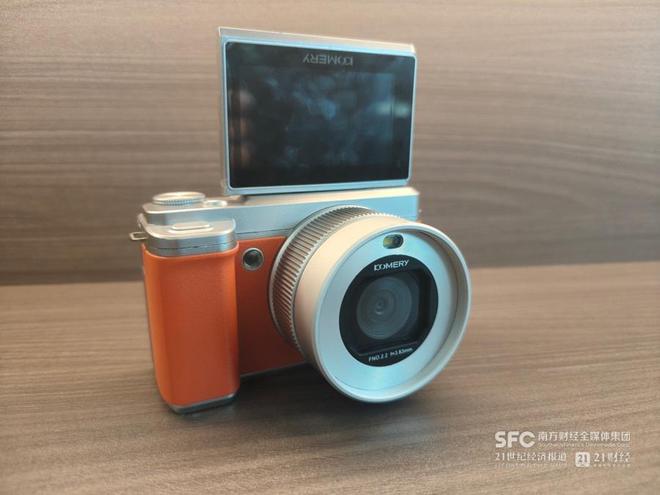
Core Viewpoint - The resurgence of retro-style cameras, particularly among the Z generation, has created significant market opportunities for domestic brands like KOMERY, which have successfully tapped into this trend through targeted product development and strategic use of e-commerce platforms like Pinduoduo [1][2][12]. Group 1: Market Trends and Consumer Behavior - In 2022, a retro photography trend emerged on social media, driven by young influencers using CCD cameras, which resonated with students who needed alternatives to smartphones in schools [1][4]. - The demand for retro filters and nostalgic aesthetics has led to a surge in sales for domestic brands, with KOMERY achieving sales of 50 million yuan on Pinduoduo in 2021, marking a growth rate of over 20 times [1][12]. - Students, unable to carry smartphones in schools, turned to affordable CCD cameras, leading to a rapid sell-out of KOMERY's initial product offerings [4][9]. Group 2: Company Strategy and Development - KOMERY, founded by Ding Hui, transitioned from an OEM model to developing its own brand after recognizing the limitations of relying on foreign markets [6][7]. - The company capitalized on the rise of e-commerce, particularly Pinduoduo, which provided a favorable environment for new brands with low customer acquisition costs and supportive policies [8][9]. - By 2019, KOMERY's C6 series camera sold out 5,000 units in just 72 hours, demonstrating the effectiveness of their market positioning and product design tailored to student needs [9][10]. Group 3: Competitive Landscape and Future Outlook - The domestic camera industry is facing increasing competition and product homogeneity, prompting brands like KOMERY to innovate and differentiate through technology and user experience [12][15]. - KOMERY is exploring advanced features such as optical zoom and AI capabilities to enhance product offerings and compete with international brands [12][16]. - The support from Pinduoduo's initiatives, including the "100 Billion Subsidy" program, is expected to further accelerate the growth of domestic brands in the camera market [14][16].

一生要出片的年轻人,买爆相机
36氪· 2025-05-14 14:26
Core Viewpoint - The article highlights the resurgence of the camera market in China, driven by the younger generation's desire for high-quality photography and self-expression, marking a shift from smartphones to dedicated cameras [4][18][23]. Group 1: Market Trends - In the first five months of 2024, China's camera shipment volume accounted for 23.4% of the global market, surpassing Europe and becoming the second-largest market after the Americas [4]. - The digital camera market in China is experiencing significant growth, with Nikon's sales revenue increasing by 14.2% and Canon's digital camera sales in China rising by over 30% year-on-year [23]. - The demand for cameras has led to instances of popular models selling out, with some requiring a lottery system for purchase [20][24]. Group 2: Consumer Behavior - Young consumers are increasingly investing in cameras, viewing them as a form of "emotional investment" rather than just a hobby, with individuals like Lin Yao and Qiao Shuai spending tens of thousands of yuan on equipment [10][13][41]. - Social media platforms, particularly Xiaohongshu, have seen a surge in content related to cameras, with over 17 million posts related to the topic, indicating a strong community interest [15][16]. - The perception of cameras has shifted from being seen as outdated to trendy, with younger consumers eager to share high-quality images on social media [18][28]. Group 3: Technological Advancements - Camera manufacturers are integrating AI technology to enhance user experience, with features like automatic editing and scene recognition becoming standard [31][32]. - The market is witnessing a trend towards high-end, professional-grade cameras, with younger consumers showing a preference for models priced between 5,000 to 10,000 yuan [26][27]. - The rise of action cameras, particularly those equipped with AI, is also notable, as they cater to the needs of younger consumers who prioritize portability and high-quality video recording [36][38]. Group 4: Industry Challenges - Despite the growth, the camera industry faces challenges such as competition from smartphones, supply chain risks, and the need to balance environmental concerns with commercial growth [42]. - The article suggests that the camera market's revival reflects broader trends in consumer behavior, cultural confidence, and technological innovation in China [41][42].