茶百道

Search documents
喜茶大量关店背后:新茶饮收支失衡待解
Zhong Guo Jing Ying Bao· 2025-12-19 20:54
Core Insights - Heytea, once a benchmark for high-end tea drinks, is undergoing unprecedented strategic contraction, with a net decrease of 680 stores year-on-year, bringing the total to 3,930 by October 2025 [1] - The company has shifted from explosive growth in franchise stores in 2023 to announcing a halt on new franchise recruitment in 2025, emphasizing a return to product essence rather than scale [1] - The strategic shift reflects a broader industry challenge for mid-to-high-end brands in balancing brand integrity, rapid expansion, and profitability [1] Franchise Model Challenges - Heytea's franchise model, initiated in November 2022, aimed to expand into lower-tier cities but has revealed core contradictions, particularly in maintaining quality standards while pursuing efficiency and profitability [2][3] - Franchisees face high material costs, with Heytea's supply prices approximately 40% above market rates, leading to profitability issues as average sales volumes decline [3] - The company's strict operational management and quality control measures have increased costs for franchisees, complicating the sustainability of the franchise model [2][3] Market Position and Competition - Heytea's high-end brand positioning conflicts with its strategy to penetrate lower-tier markets, leading to intensified competition with other brands in the same price range [4] - The company has attempted to lower prices to compete, but this has resulted in reduced profit margins without a corresponding decrease in operational costs [5] - The overall market for new tea drinks is slowing, with growth rates dropping to 15%-20%, prompting a shift from aggressive expansion to refined operations [6] Strategic Refocus - In February 2025, Heytea announced a pause on new franchise applications, citing the need to address issues stemming from previous blind expansion and price wars that led to market saturation [6] - The company is now focusing on product innovation and enhancing customer experience, with plans to open larger stores that reflect its brand identity [6] - Heytea has also expanded its overseas presence, with over 100 international locations, although it faces challenges in supply chain management and local market adaptation [7][8]
奶茶店,够了
3 6 Ke· 2025-12-19 00:30
Core Insights - The tea beverage industry is experiencing a significant slowdown after a period of rapid expansion, with market saturation and declining profitability for franchisees becoming evident [1][2][5]. Industry Overview - The tea beverage market has seen an unprecedented acceleration over the past five years, with major brands rapidly expanding in both first and second-tier cities, as well as in lower-tier markets [1]. - As of September, the total number of tea beverage outlets in China has surpassed 131,000, with projections indicating that the total number of related enterprises will exceed 1.1 million by 2025 [5]. Franchisee Challenges - Franchisees like Zhang Lixia, an early investor in Bawang Tea, are facing declining profits due to increased competition and a significant drop in net profit margins, which have fallen by over 50% [2]. - The growth rate of new store openings for Bawang Tea has drastically decreased from 20%-49% to single digits, indicating a slowdown in expansion [2]. Market Dynamics - The competitive landscape has shifted, with many brands experiencing a decline in new product innovation and consumer interest, leading to a saturation of similar offerings in the market [11][18]. - The introduction of new products has become less frequent, with Bawang Tea launching only eight new items this year, failing to replicate the success of previous hits [11][12]. Financial Performance - Financial reports indicate a decline in revenue and profit margins across major brands, with Bawang Tea's third-quarter net income down 9.4% year-over-year and adjusted net profit down 22.3% [26]. - The overall profitability of the industry is under pressure due to intensified competition and the impact of delivery service subsidies, which have altered consumer price perceptions [27][21]. Strategic Responses - In response to these challenges, brands are focusing on optimizing supply chains and enhancing product differentiation to stabilize franchisee operations [32][33]. - Bawang Tea is implementing a new cooperative model that reduces fees for franchisees and aims to improve their profit margins by 1.1% [35]. International Expansion - While the domestic market faces challenges, Bawang Tea and other brands are successfully expanding overseas, with Bawang Tea's international growth rate increasing from 8.3% in Q1 to 26% in Q3 [36]. - The international market presents a new growth opportunity for tea beverage brands, as they leverage their established business models to compete against local brands [39].

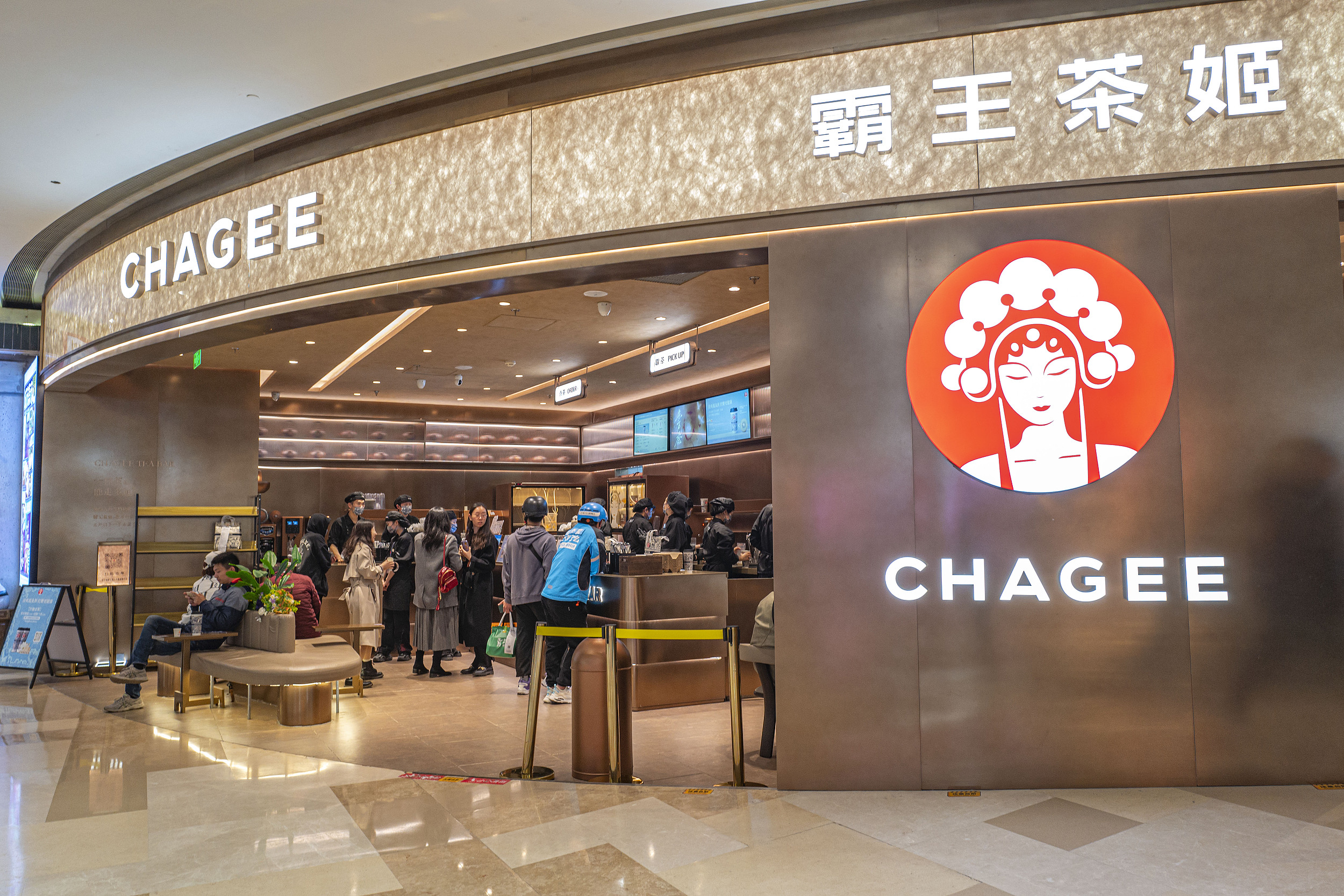
奶茶店,够了|商业头条No.103
Xin Lang Cai Jing· 2025-12-18 11:10
Core Insights - The tea beverage industry in China is experiencing a significant slowdown after a period of rapid expansion, with many brands facing challenges in maintaining profitability and growth [1][3][25]. Group 1: Industry Overview - The tea beverage market has seen a surge in the number of businesses, with over 1.1 million companies expected by 2025, and a total of 131,000 stores for 30 representative brands as of September [6]. - The growth rate of new store openings has drastically decreased, with major brands like Bawang Chaji seeing a drop from 20%-49% to single digits [3][6]. - The overall market size is projected to reach 350 billion yuan by 2024, but the growth rate has slowed from over 20% pre-pandemic to 6.4% [6]. Group 2: Brand Performance - Bawang Chaji's new store openings have significantly declined, with only 228, 318, and 246 new stores in the first three quarters of the year, compared to previous years' openings of 600-800 [3]. - Other brands like Tea Baidao and Heytea are also experiencing reduced growth, with Tea Baidao's store count increasing by only 0.7% year-on-year [6]. - Bawang Chaji reported a 9.4% decline in net revenue and a 22.3% drop in adjusted net profit in Q3 [25]. Group 3: Franchisee Challenges - Franchisees are struggling with declining profit margins, with some reporting net profit rates dropping by over 50% [3][20]. - High rental costs and increased competition are making it difficult for franchisees to maintain profitability, with many unable to find suitable locations for new stores [8][11]. - The introduction of new tax regulations has further increased the financial burden on franchisees, as reported revenues are now based on pre-discount prices [29]. Group 4: Market Dynamics - The saturation of the market has led to a decrease in consumer interest, with many opting for lower-priced alternatives [20]. - Brands are facing innovation fatigue, with a lack of new product offerings leading to consumer disengagement [12][18]. - The competitive landscape has intensified, with many brands launching similar products, making it hard for consumers to differentiate between them [19][20]. Group 5: Strategic Responses - In response to these challenges, brands are focusing on optimizing supply chains and product differentiation to improve profitability [31]. - Bawang Chaji is implementing a new joint venture model to reduce costs for franchisees, aiming to increase their gross margins [32]. - Brands are also looking to expand internationally, with Bawang Chaji and Heytea seeing significant growth in overseas markets [33][37].
商业头条No.103 | 奶茶店,够了
Xin Lang Cai Jing· 2025-12-18 10:28
Core Insights - The tea beverage industry in China is experiencing a significant slowdown after a period of rapid expansion, with many brands facing challenges in maintaining profitability and growth [1][3][20]. Industry Overview - The tea beverage market has seen a surge in the number of companies, with over 1.1 million related enterprises expected by 2025, and a total of 131,000 stores for 30 representative brands as of September [5]. - The growth rate of new store openings has drastically decreased, with major brands like Bawang Chaji seeing a drop from 20%-49% to single digits [3][6]. Company Performance - Bawang Chaji's franchisees are struggling with declining profit margins, with net profit rates dropping by over 50% this year [3][20]. - The company reported a 9.4% decline in net revenue and a 22.3% drop in adjusted net profit for Q3, with total GMV in Greater China down by 6% [25]. - Other brands like Tea Baidao and Gu Ming also reported significant declines in profitability, with Gu Ming's single-store GMV down by 4.3% year-on-year [25][26]. Franchisee Challenges - Franchisees are facing increased operational costs due to high rental prices and the need for discounts to attract customers, leading to a situation where actual income is significantly lower than expected [11][20]. - The introduction of new tax regulations has further complicated the financial landscape for franchisees, increasing their tax burden despite rising reported revenues [29]. Market Dynamics - The saturation of the market has led to a decrease in consumer interest, with many consumers now opting for lesser-known brands over established ones due to price sensitivity [19][20]. - The lack of innovation in product offerings has resulted in a homogenization of new products across brands, diminishing brand loyalty among consumers [12][19]. Strategic Responses - In response to these challenges, companies are focusing on optimizing supply chains and product differentiation, with brands like Tea Baidao and Heytea announcing strategic shifts to improve profitability [31][34]. - Bawang Chaji is implementing a new joint venture model to reduce costs for franchisees, aiming to improve their profit margins by adjusting fees and material costs [34]. International Expansion - While the domestic market faces challenges, brands like Bawang Chaji and Heytea are successfully expanding overseas, with significant growth rates in international markets [35][39]. - The relatively simple operational model of tea beverages allows for easier entry into foreign markets, providing new growth opportunities for these companies [39].
糖度最高200% 蜜雪冰城开始做美国人的生意
Mei Ri Jing Ji Xin Wen· 2025-12-17 12:05
Core Insights - The opening of MIXUE (蜜雪冰城) store on Hollywood Walk of Fame is generating significant interest among Chinese netizens in Los Angeles, with promotional activities including free drink giveaways [1][3] - The store has launched a limited-time pre-sale package priced at $3.99 (approximately 28 RMB), which includes a drink and ice cream, and offers discounts for new users [5] - MIXUE has expanded internationally since opening its first overseas store in Vietnam in 2018, now operating over 4,800 stores across 11 countries, including recent openings in Kazakhstan and upcoming stores in New York and Mexico [5][6] Company Performance - As of June 30, 2025, MIXUE has established a global network of over 53,000 stores, with 48,281 in mainland China and 4,733 overseas [6] - The company reported a revenue of 14.875 billion RMB for the first half of 2025, marking a year-on-year growth of 39.32%, and a net profit of 2.693 billion RMB, up 42.94% [6] - Other tea beverage companies, such as Bawang Chaji and Cha Baidao, are also accelerating their international expansion, with Bawang Chaji's overseas GMV reaching over 300 million RMB in Q3 2023, reflecting a year-on-year increase of 75.3% [6][8] Market Trends - The adaptation of MIXUE's products to cater to Western consumer preferences includes offering customized sugar levels, with options for 120%, 150%, and 200% sweetness [5] - The competitive landscape in the tea beverage sector is intensifying, with brands like Bawang Chaji and Cha Baidao also making significant strides in overseas markets, particularly in Southeast Asia [6][8]

茶百道20251216
2025-12-17 02:27
Summary of Cha Bai Dao Conference Call Company Overview - **Company**: Cha Bai Dao - **Industry**: Beverage (Tea and Coffee) Key Points and Arguments Financial Performance - In Q1 2025, Cha Bai Dao experienced a year-on-year decline due to a high base effect, but Q2 and Q3 saw a 20% increase in revenue driven by product and store adjustments, as well as delivery subsidies [2][5] - Q4 2025 is expected to show over 10% year-on-year growth, with accelerating monthly growth indicating a recovery trend [2][3] - For Q1 2026, the company anticipates double-digit same-store growth, although Q2 and Q3 may see flat or slight declines due to reduced delivery subsidies [2][5] Strategic Initiatives - Core strategies include broadening price ranges to penetrate lower-tier markets, increasing new product contribution to over 30%, and recovering consumers lost due to public relations issues [2][5] - The company plans to open 1,000 new stores annually, focusing on lower-tier markets [2][7] Product Development and Supply Chain - Cha Bai Dao aims to differentiate in the coffee segment by leveraging existing supply chain advantages, such as fresh fruit delivery and low-temperature milk supply [2][9] - The company is introducing HPP juice factories to ensure standardized product flavors and improve supply chain responsiveness [14][18] Market Insights and Consumer Engagement - The company utilizes market insight teams and data analysis to capture consumer demand and optimize products [2][13] - New product development is based on consumer feedback and market trends, with a focus on maintaining high product quality [12][13] Profitability and Cost Management - Expected gross margin increase of 1-2 percentage points in 2026 due to GMV growth, strict cost control, and revenue growth driving net profit [4][16] - Long-term profitability improvements are anticipated through supply chain standardization and optimization of management systems [18] Store Operations and Expansion Plans - As of mid-2025, the number of stores remained stable at 8,444, with a conservative opening pace due to quality control and franchisee management [6][7] - The company plans to focus on strategic markets like Korea and the US, with 100 new stores expected in 2026, 60% of which will be in these key markets [4][23] Competitive Landscape and Market Positioning - Cha Bai Dao faces competition primarily from franchisee structures and aims to avoid internal competition by allowing existing franchisees to open additional stores in their regions [33][35] - The company emphasizes the attractiveness of the tea beverage sector, with a relatively low initial investment and a quick return on investment compared to other retail sectors [34][35] Pricing Strategy - The pricing strategy for coffee products aims to maintain a balance between quality and profitability, with an average price above 10 yuan despite market price wars [10][27] Delivery and Dine-in Strategy - The company expects delivery to account for around 60% of sales in 2026, with initiatives to enhance dine-in rates through pricing strategies and loyalty programs [28][29] Challenges and Regulatory Environment - Recent tax and social security policies have had a limited impact on franchisees, with most being single-store operators benefiting from reduced tax burdens [30][31] Conclusion - Cha Bai Dao is strategically positioned for growth in both domestic and international markets, with a focus on product innovation, supply chain efficiency, and market expansion while maintaining profitability and competitive advantage in the beverage industry [2][4][18]
消费板块为何逆势上涨?丨每日研选
Shang Hai Zheng Quan Bao· 2025-12-17 00:44
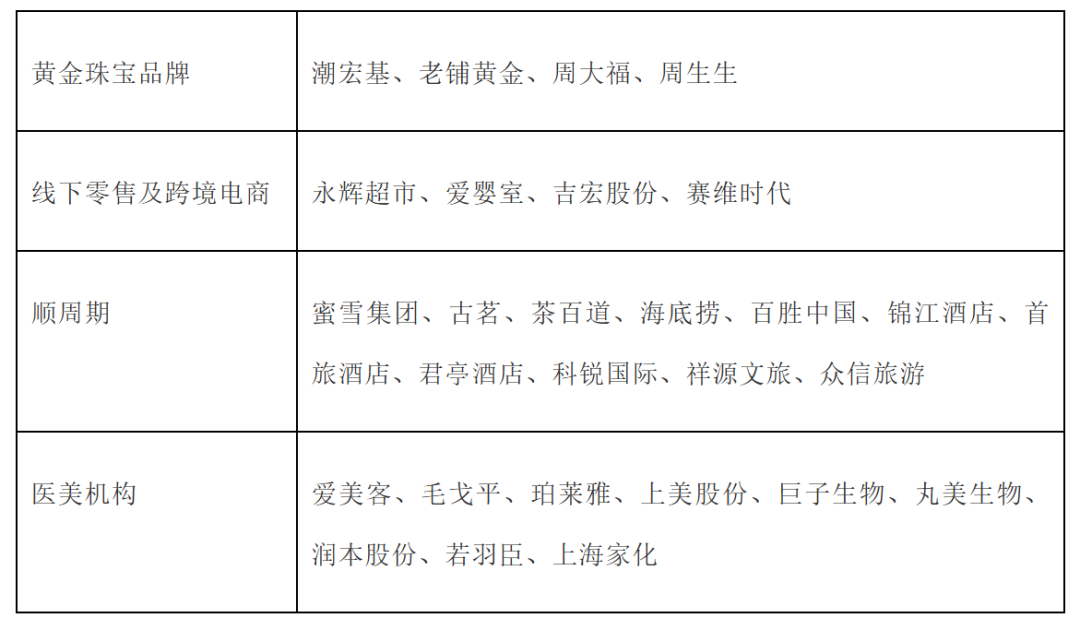
Core Viewpoint - The retail sector is experiencing a structural rally, with significant capital inflow and a shift in investment logic towards quality and service-driven growth, influenced by policy direction, corporate transformation, and upgrading consumer demand [1][2]. Group 1: Policy Direction - The Ministry of Commerce has identified the retail industry as a key focus for fostering a complete domestic demand system and strengthening the domestic circulation, emphasizing a shift towards quality and service-driven transformation [1]. - Policies encourage market penetration and the integration of online and offline development, providing a clear growth path for retail enterprises capable of transformation [1]. Group 2: Corporate Transformation - Leading retailers like Yonghui Supermarket are accelerating their "product-centered" strategy, with significant improvements in store renovations and supply chain optimization, resulting in positive same-store sales growth [2]. - Yonghui has completed renovations of 222 stores by September 2025, with new "quality retail" stores expanding its network [2]. - The traditional retail model has faced challenges due to high competition and low profitability, but Yonghui's shift to a selective retail model positions it for long-term growth in the post-consumption era [2]. Group 3: Consumer Demand Upgrade - Consumer preferences are shifting from price sensitivity to a focus on quality, experience, and emotional value, with sectors like gold jewelry and cosmetics showing strong performance [2]. - Retail sales of gold and silver jewelry increased by 37.6% year-on-year in October, with brands like Lao Pu Gold and Chao Hong Ji achieving high growth through differentiated product offerings [2]. - In the cosmetics sector, companies such as Proya and Mao Ge Ping have excelled through ingredient innovation and brand upgrades, particularly during major sales events [2]. Group 4: Investment Opportunities - Investment strategies should focus on four core themes within the retail sector: 1. Brands with differentiated product offerings and consumer insights in the gold jewelry sector, including Chao Hong Ji, Lao Pu Gold, Chow Tai Fook, and Chow Sang Sang [3]. 2. Offline retail enterprises and AI-enabled cross-border e-commerce leaders, with recommendations for Yonghui Supermarket, Ai Ying Shi, Ji Hong Co., and Sai Wei Times [3]. 3. Cyclical sectors poised for recovery, benefiting companies like Mixue Group, Gu Ming, Cha Bai Dao, Haidilao, Yum China, Jin Jiang Hotels, Shou Lv Hotels, Jun Ting Hotels, Keri International, Xiang Yuan Cultural Tourism, and Zhongxin Tourism [3]. 4. Domestic brands focusing on safe ingredient innovation and chain medical beauty institutions, including Ai Mei Ke, Mao Ge Ping, Proya, Shang Mei Co., Juzi Biology, Marubi, Runben Co., Ruo Yu Chen, and Shanghai Jahwa [3][4].
开业两年,茶百道首家咖啡店停业调整
Si Chuan Ri Bao· 2025-12-16 13:59
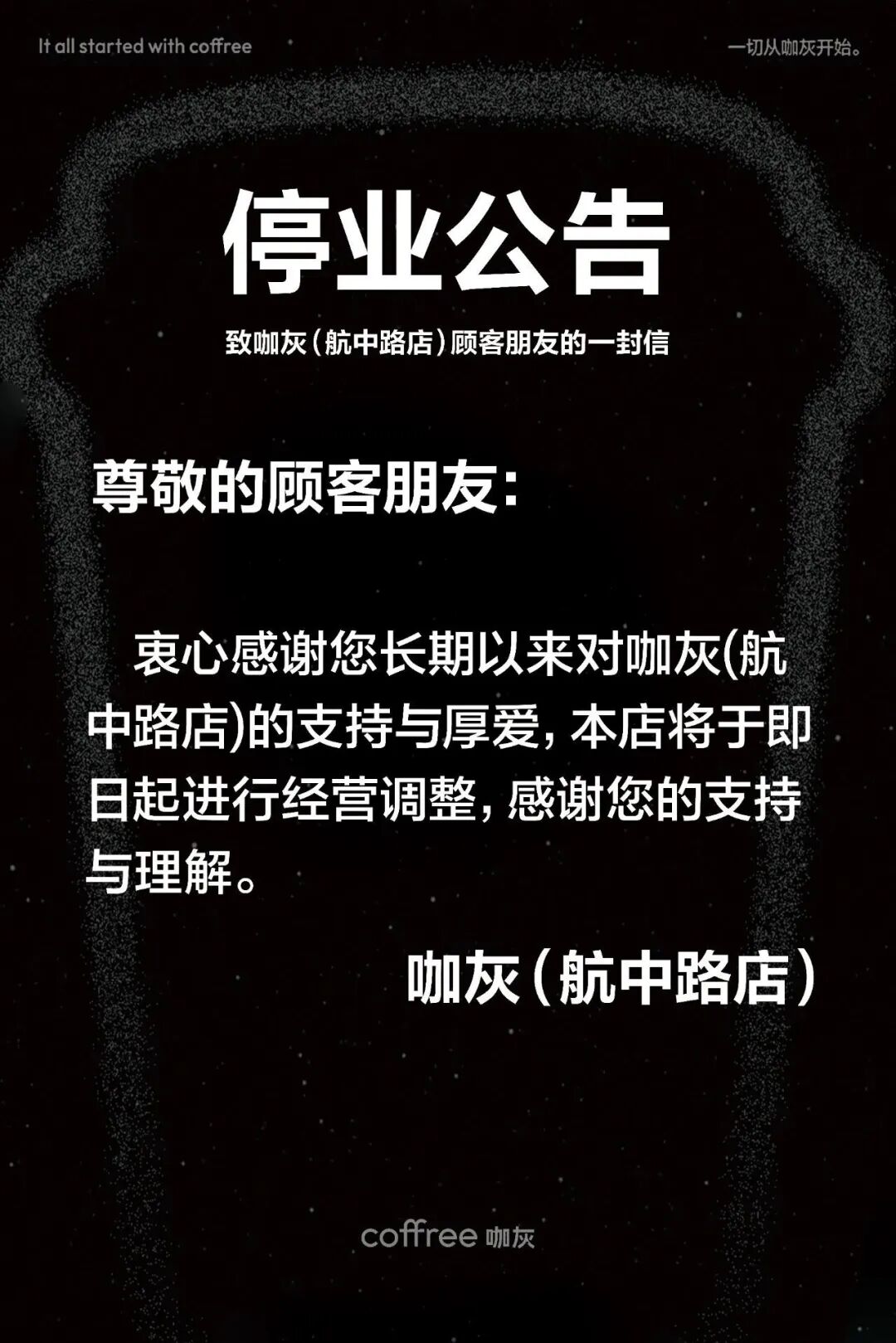
四川日报全媒体记者 赵泽宇 12月15日晚,茶百道自营咖啡品牌咖灰发布停业公告称:咖灰(航中路店)将于即日起进行经营调整。16日上午10点,川观新闻记者走访该店时看到,工 作人员正在打包和搬运店内物品,其中一位工作人员介绍,目前因为公司战略调整,该门店进行停业调整,还有1家位于孵化园的门店可以点外卖。 咖灰小程序相关页面。 咖灰成都航中路店停业公告。图据咖灰微信公众号 随后,记者通过外卖平台搜索咖灰位于成都的另一家门店时,均无检索结果。咖灰官方小程序也显示:在成都,当前地区暂未开放门店。仅一家第三方生 活消费点评平台显示,成都另有一家咖灰门店位于孵化园片区的嘉煜金融科技中心。 茶百道小程序相关页面。 公开资料显示,咖灰是茶百道于2023年推出的咖啡子品牌,首店于2023年12月在成都正式落地,即桐梓林片区航中路。据了解,咖灰是属于茶百道新茶饮 业务之外的独立业务,首店为直营店,在开业后并未拓展新店。 记者在走访中注意到,目前部分茶百道门店上线了新茶饮之外的现磨咖啡新业务。在茶百道官方小程序中,销售咖啡产品的门店有专门的"现磨咖啡"标识 注明。截至记者发稿,前述停业公告已在咖灰官方微信公众号上删除。 两张现场照 ...
中国烹饪协会:11月份餐饮市场稳中有进 “双11”线上线下联动拉动消费
智通财经网· 2025-12-15 13:36
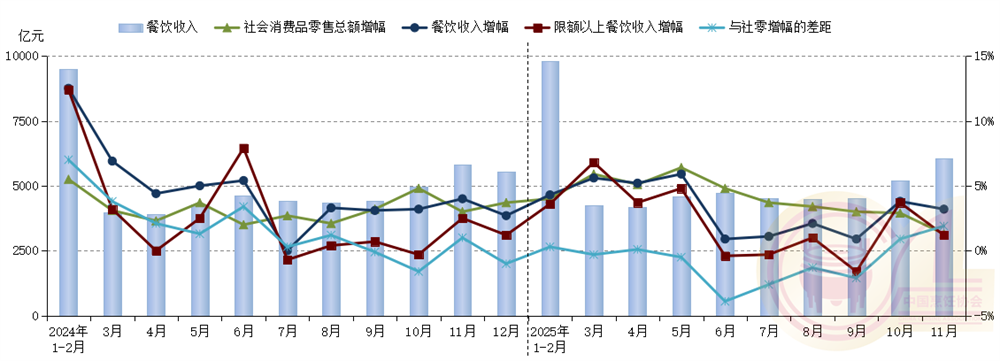
Group 1 - The overall operation of the restaurant market in November remained stable, continuing a trend of steady progress, but there are significant challenges due to a strong supply and weak demand [1] - The National Bureau of Statistics reported that in November 2025, national restaurant revenue reached 605.7 billion yuan, a year-on-year increase of 3.2%, while revenue from above-designated size units was 138 billion yuan, up 1.2% [1] - For the period from January to November 2025, national restaurant revenue totaled 522.45 billion yuan, with a year-on-year growth of 3.3%, and revenue from above-designated size units was 149.33 billion yuan, increasing by 2.3% [1] Group 2 - The China Cuisine Association noted a decline in the growth rate of national restaurant revenue and revenue from above-designated size units by 0.8 and 1.3 percentage points year-on-year, respectively [1] - The proportion of national restaurant revenue to total retail sales of consumer goods was 13.8%, an increase of 2.6 percentage points from the previous month, indicating that restaurant revenue growth outpaced the overall retail sales growth by 1.9 percentage points [1] - During the "Double 11" shopping festival, restaurant companies actively expanded their market through online pre-sales and live streaming, with significant increases in pre-sale orders for brands like Changsha Ju Wei Qu Ji and Shanghai Ha Ling Noodle House [2]

贵州土特产,成了打工人的“咖啡新替”
东京烘焙职业人· 2025-12-15 08:33
Core Viewpoint - The rise of matcha products in the beverage market is driven by changing consumer preferences towards more authentic, healthier, and complex flavors, with a notable shift towards bitter and concentrated matcha varieties [5][11][24]. Group 1: Market Trends - Matcha has gained significant popularity in 2024, with 50 leading tea brands launching 73 new matcha products, laying the groundwork for its explosive growth in 2025 [8]. - The perception of matcha has shifted from being considered too bitter to being embraced as a core selling point, with brands promoting the bitterness as a reflection of the tea's authentic flavor [11]. - The introduction of "thousand-mesh" matcha, which is finer and provides a more refined experience, has become prevalent, with many brands now sourcing matcha from domestic regions like Zhejiang and Guizhou [14][28]. Group 2: Consumer Behavior - Consumers are increasingly seeking genuine flavors and healthier options, moving away from overly sweet beverages to those that highlight the natural taste of ingredients [17][24]. - Matcha is being recognized not only for its flavor but also for its health benefits, being classified as a "superfood" rich in antioxidants, making it a preferred choice for those looking for a lighter beverage compared to coffee [19][20]. - The growing trend of DIY matcha preparation at home or in the office reflects a shift in consumer behavior, with 25.83% of consumers purchasing pure matcha drinks and 23.14% opting for matcha for home preparation [22]. Group 3: Supply Chain and Production - China has become the largest producer of matcha globally, with production reaching 3,916 tons in 2020, accounting for over 55% of the world's supply [26][27]. - Japan is facing a supply crisis due to adverse weather conditions affecting the production of key matcha ingredients, leading to increased prices and limited availability [28]. - The rise of domestic matcha production, particularly from regions like Zhejiang and Guizhou, is meeting the growing global demand, with Guizhou's matcha production exceeding 1,200 tons in 2024 [29][30]. Group 4: Cultural and Brand Development - The resurgence of matcha in China is seen as a return to its roots, with efforts underway to build a unique Chinese matcha culture and brand identity [34][35]. - Local brands are beginning to incorporate traditional Chinese tea practices to differentiate themselves from Japanese matcha, aiming to create a distinct cultural narrative around Chinese matcha [36].