
良品铺子

Search documents
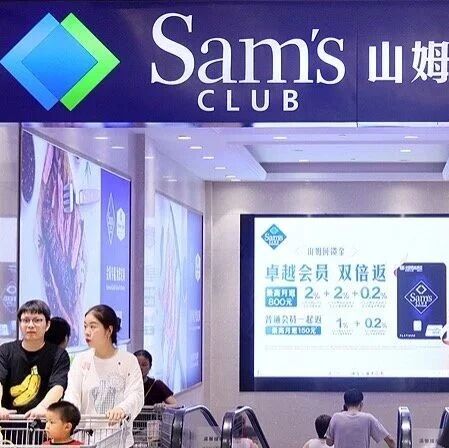
激怒山姆用户的,不止AI商品图
虎嗅APP· 2025-11-09 02:47
Core Viewpoint - The article discusses the backlash against Sam's Club due to the introduction of AI-generated product images and changes in the app that have led to a perceived decline in product quality and membership value, causing dissatisfaction among users [4][9][28]. Group 1: Incident Overview - The controversy began with the introduction of AI-generated product images, including humorous representations of products like "water bamboo" and "H₂O," which were quickly removed after public ridicule [4][13][18]. - Users expressed their anger on social media platforms, attributing the issues to the recent appointment of a former Alibaba executive as the new president of Sam's Club, despite the company stating that the app changes were in testing since August [8][9][28]. Group 2: User Sentiment and Membership Value - Members feel that the introduction of AI images and a cluttered app interface has diminished the trust and value they previously associated with their membership, which was based on the assurance of quality products [9][21][32]. - The core competitive advantage of Sam's Club was its ability to provide a reliable shopping experience, allowing members to "choose with their eyes closed." The shift to AI images has led to skepticism about product authenticity [21][32]. Group 3: Market Competition and Challenges - The competitive landscape has intensified, with other platforms like Hema and Seven Fresh enhancing their supply chains, which has eroded Sam's Club's previous advantages in certain product categories [31][32]. - The article highlights that the changes made by Sam's Club may not align with the expectations of its core user base, who are willing to pay for differentiated value, and any perceived reduction in that value can lead to feelings of betrayal [30][32][33].

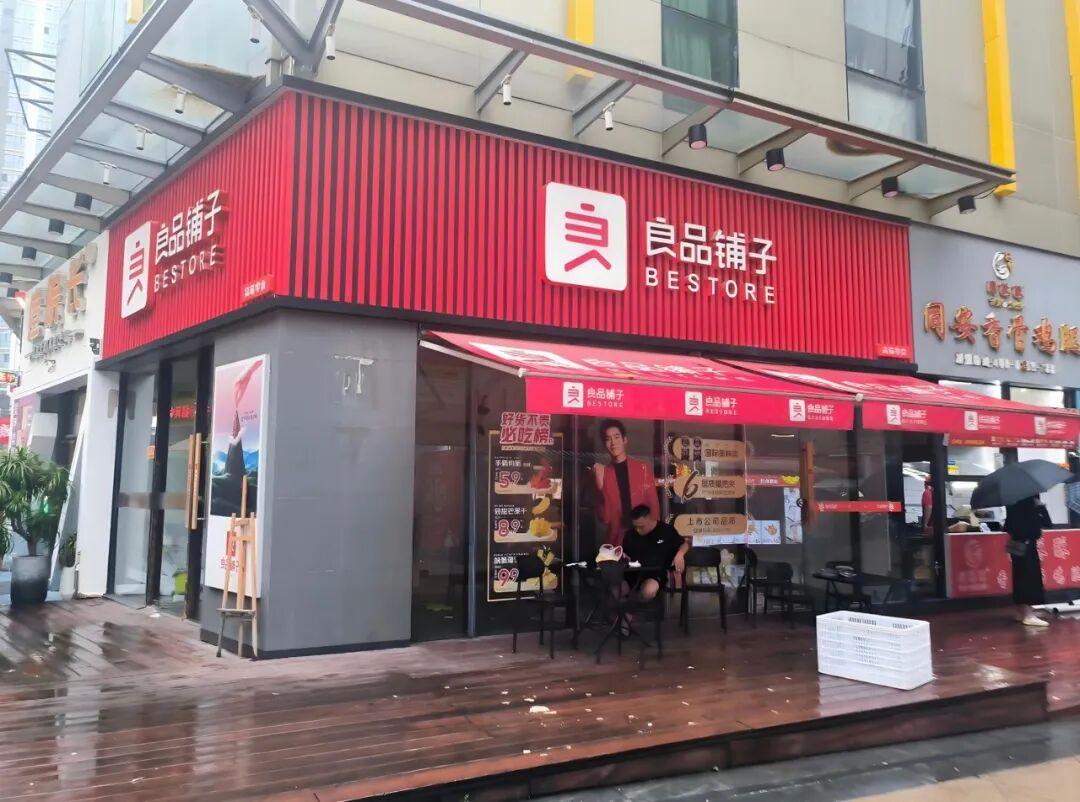
良品铺子“卖身”告吹,10亿官司上身难定“良人”
Xi Niu Cai Jing· 2025-11-07 10:10
Core Viewpoint - The termination of the share transfer agreement between Liangpinpuzi and Changjiang Guomao highlights the company's struggles with its controlling shareholder's legal disputes and declining performance, raising concerns about its future prospects [2][19][22] Company Summary - Liangpinpuzi's controlling shareholder, Ningbo Hanyi, attempted to transfer 18.01% of its shares to Changjiang Guomao, but the agreement was terminated due to unmet conditions [3][12] - The total transaction amount for the proposed share transfer was approximately 1.494 billion yuan [3] - The company has faced a lawsuit from Guangzhou Light Industry, which claims Ningbo Hanyi engaged in "double selling" of shares, leading to the freezing of 19.89% of Liangpinpuzi's shares [5][10][20] - Liangpinpuzi's performance has been declining, with revenue dropping from 9.44 billion yuan in 2022 to 7.16 billion yuan in 2024, and net profit turning negative in 2024 [16][18] Industry Summary - The snack food industry is undergoing significant changes, with consumer preferences shifting towards cost-effective options, impacting Liangpinpuzi's high-end positioning [15][20] - The rise of bulk snack stores has intensified competition, challenging traditional brands like Liangpinpuzi [20] - The company is attempting to adapt by implementing a "one product, one chain" strategy and focusing on online sales, but faces ongoing challenges in stabilizing its market position [20][22]

食品饮料2025年三季报总结:白酒主动释放压力,速冻迎来行业拐点,软饮、零食量贩高景气维持
China Post Securities· 2025-11-06 05:06
Industry Investment Rating - The investment rating for the food and beverage industry is "Outperform" [1] Core Insights - The report highlights that the liquor sector is actively releasing pressure on financial statements, with the industry gradually bottoming out. The frozen food sector is witnessing a turning point, while the soft drink and snack sectors maintain high levels of prosperity [3][4][30] Summary by Sections 1. Liquor - The liquor sector's total revenue for the first three quarters of 2025 was CNY 319.23 billion, a year-on-year decrease of 5.76%, with net profit down 6.85% to CNY 122.67 billion. In Q3 alone, revenue fell 18.38% to CNY 78.48 billion, and net profit dropped 22.00% to CNY 28.09 billion [14][28] - High-end liquor brands like Moutai showed stable growth, while others like Wuliangye and Luzhou Laojiao faced significant declines. Moutai's revenue grew by 9.28% year-on-year, while Wuliangye's fell by 10.26% [17][19] - The second-tier liquor brands, such as Fenjiu, showed resilience with a revenue increase of 5.00%, while others like Shui Jing Fang and Shede experienced declines [26][22] 2. Soft Drinks - The soft drink sector saw significant growth, with companies like Dongpeng Beverage reporting a 34.13% increase in revenue year-on-year. The energy drink segment, particularly, showed robust growth [30][31] - The introduction of new flavors and products, such as Dongpeng's summer limited edition, contributed to the sustained high growth rates in this sector [30] 3. Dairy Products - The dairy sector, led by Yili, maintained stable performance despite high base effects, with significant growth in milk powder and cold drink products. New Dairy's low-temperature products continued to show double-digit growth [4][31] 4. Frozen Foods - The frozen food industry is experiencing a turning point, with companies noting that the price war has peaked. The focus is shifting towards rational competition and value [7][30] 5. Snacks - The snack sector is undergoing strategic adjustments, with member stores and instant retail becoming key growth channels. The overall consumption environment remains weak, but the snack sector is adapting with targeted strategies [7][30]




良品铺子:曾经的零食“大王”,被新势力打痛
3 6 Ke· 2025-11-05 09:38
Core Insights - The article discusses the decline of Liangpin Shop, once hailed as "China's first snack stock," with its market value plummeting from over 34 billion to around 5 billion yuan, highlighting the stark contrast between its past glory and current struggles [1][4][6]. Company Performance - Liangpin Shop's revenue for the first half of 2025 was approximately 2.829 billion yuan, a year-on-year decrease of 27.21%, indicating a continuous decline in consumer purchasing decisions [3][4]. - In 2023, Liangpin Shop's revenue fell to 8.046 billion yuan, marking a nearly 15% decline year-on-year, with net profit nearly halved to 180 million yuan [6][7]. - The company reported its first annual loss since going public in 2024, with a loss of 46.1 million yuan, and continued revenue decline exceeding 27% in the first half of 2025 [6][8]. Market Dynamics - The snack industry has seen a shift from "single-category stores" to "bulk snack models," with new competitors like Mingming Hen Mang capturing significant market share, achieving revenues of 39.3 billion yuan in 2024 [3][8]. - The rise of new players in the snack market has been characterized by aggressive expansion and innovation, contrasting with Liangpin Shop's struggles to adapt [8][10]. Strategic Missteps - Liangpin Shop's high-end snack strategy, initiated in 2019, failed to deliver significant value, leading to a need for reevaluation of its market approach [16][18]. - The company has faced challenges in product innovation, particularly in categories like seafood snacks, which has contributed to its declining market position [15][19]. Future Directions - Liangpin Shop is attempting to pivot towards "natural and healthy snacks," focusing on improving product quality and reducing reliance on OEM models [18][19]. - The company is also exploring new sales channels, particularly in the gift market, which is projected to grow significantly, indicating a strategic shift towards enhancing brand value and revenue [19][20].
AI假图,让卖家和买家都怕了
3 6 Ke· 2025-11-04 10:56
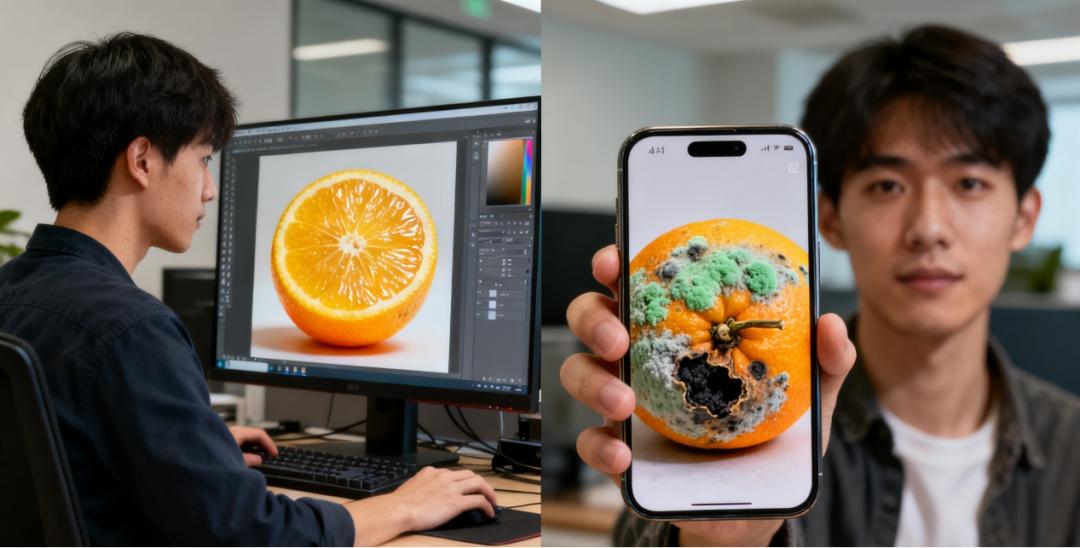
Core Viewpoint - The rise of AI-generated images has led to a new form of fraud in e-commerce, where consumers use these images to falsely claim refunds, creating significant challenges for sellers and platforms [2][5][15]. Group 1: Consumer Fraud - Consumers are using AI tools to create fake images of products, such as spoiled goods, to request refunds without returning items [2][5]. - Instances of consumers sending AI-generated images of damaged products have been reported, leading to confusion and disputes with sellers [3][6]. - Some consumers have even manipulated videos to support their refund claims, further complicating the verification process for sellers [6][15]. Group 2: Seller Challenges - Many sellers are facing difficulties as they receive AI-generated images that appear convincing, leading to unwarranted refunds or compensation [5][6]. - Sellers have reported that even when they request video verification, consumers can still provide AI-generated content, making it hard to distinguish between genuine claims and fraudulent ones [5][6]. - The issue has escalated to the point where sellers are now required to ask consumers to destroy products and provide proof, which has become another avenue for fraud [6][15]. Group 3: AI Usage by Sellers - Some sellers are also using AI-generated images for product listings, leading to discrepancies between advertised and actual products, which frustrates consumers [7][11]. - Notable brands have faced backlash for using AI-generated images that misrepresent their products, leading to consumer distrust [11][14]. - The prevalence of AI-generated images in product listings has raised concerns about the authenticity of online shopping experiences [11][15]. Group 4: Regulatory Response - Regulatory bodies have begun to address the issue, with guidelines requiring clear identification of AI-generated content to protect consumers and uphold seller integrity [14][15]. - E-commerce platforms are being urged to implement stricter measures to combat the misuse of AI-generated images and ensure accurate product representation [15].
鸣鸣很忙二次递表:半年卖出411亿,零食大王用“蜜雪冰城”模式,走山姆的路?
Sou Hu Cai Jing· 2025-11-04 10:11
Core Insights - Wancheng Group is the only listed company in the snack wholesale sector in A-shares, with its stock price rising from under 40 yuan at the beginning of 2024 to nearly 175 yuan, marking a tenfold increase from historical lows [1] - Mingming Hen Mang has released an updated IPO prospectus, providing data up to June 30, 2025, and is recognized as the largest chain retailer of leisure food and beverages in China by GMV [3] Financial Performance - Mingming Hen Mang's revenue surged from 4.286 billion yuan in 2022 to 39.344 billion yuan in 2024, achieving a compound annual growth rate of 203% [3] - For the first half of 2025, the company reported retail sales of 41.1 billion yuan and revenue of 28.124 billion yuan, with a net profit of 1.034 billion yuan [3] - The total number of stores increased from 14,394 at the end of 2024 to 16,783 by mid-2025 [3] Market Dynamics - The number of snack wholesale stores in China is projected to grow from approximately 2,500 at the end of 2021 to 45,000 by 2025, indicating significant market potential for Mingming Hen Mang [3] - The merger between Mingming Hen Mang and Zhao Yiming Snacks in November 2023 created a new entity with 6,500 stores, positioning it as a leading player in the snack market [9][10] Competitive Landscape - The competition in the snack wholesale market is intensifying, with Wancheng Group also expanding aggressively, having merged multiple brands under the "Haoxianglai" name [9] - The market concentration is increasing, with the top two brands, Mingming Hen Mang and Wancheng Group, engaged in a close contest for market leadership [22] Business Model and Strategy - Mingming Hen Mang's business model relies heavily on a franchise system, with a significant portion of its revenue coming from sales to franchisees rather than direct sales [15][16] - The company has established partnerships with over 2,300 suppliers, enhancing its supply chain efficiency and cost management [12] - The average gross margin for Mingming Hen Mang is around 7.6%, which is lower than other retail formats, indicating challenges in profitability despite high revenue [21] Future Outlook - The company is exploring new business avenues, including the introduction of private label products and diversification into other categories, which may enhance profitability and customer retention [28][30] - The upcoming IPO is seen as a critical step for Mingming Hen Mang to solidify its market position and attract more franchise partners [31]
良品铺子团购年货节破局:“有鲜有潮更有料”,干货满满年味足
Jing Ji Guan Cha Wang· 2025-11-04 09:34
Core Insights - The article highlights the changing landscape of the Chinese New Year gift market, emphasizing the launch of over 50 new gift boxes by Liangpin Shop, themed "Fresh, Trendy, and Substantial" [1][2] - The gift economy is projected to exceed 1.6 trillion yuan by 2027, indicating a shift towards a more mature and emotionally resonant consumer experience [1][8] Product Innovation - Liangpin Shop's new offerings include a "Canned Series" that transforms traditional blessings into modern expressions, focusing on the freshness and seasonal essence of the products [3][4] - The four new gift boxes are designed with traditional auspicious meanings and include a variety of high-quality nuts and snacks, presented in transparent packaging for clear visibility of quality [4][6] Cultural Integration - The "So Big Series" incorporates elements of intangible cultural heritage, allowing consumers to engage with cultural symbols through modern design, thus redefining the concept of "trendy" for younger audiences [5][6] - Liangpin Shop previously collaborated with cultural IPs, enhancing the cultural experience of consuming snacks and making heritage accessible in everyday life [5][6] Quality Assurance - The company emphasizes the importance of high-quality ingredients, sourcing organic nuts and ensuring a traceable supply chain to meet modern consumer expectations for authenticity [7][8] - Liangpin Shop has established 14 dedicated raw material bases and collaborates with over 200 food partners, reinforcing its commitment to quality and sustainability [7][8] Market Trends - The gift economy is evolving towards "quality-driven growth," with consumers increasingly valuing cultural significance, health attributes, and emotional connections in their purchases [8] - Industry experts suggest that brands like Liangpin Shop, which combine supply chain strength with cultural innovation, will lead the market by focusing on experience and content rather than just products [8]
预见2025:《2025年中国轻食行业全景图谱》
Sou Hu Cai Jing· 2025-11-01 21:14
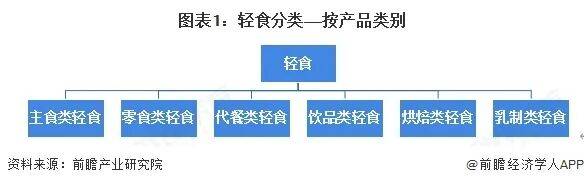
Core Insights - The light food industry in China is experiencing significant growth, with the market size projected to reach approximately 1.76 trillion yuan in 2024, up from over 1.6 trillion yuan in 2023 [12][15][29] - The industry has evolved from a niche concept to a broader category encompassing various healthy food options, driven by changing consumer preferences towards healthier eating habits [12][29] Industry Overview - Light food is defined as low in sugar, fat, and salt, while being high in fiber and nutrient density, categorized into six types: staple foods, snacks, meal replacements, beverages, baked goods, and dairy products [1][2] - The supply chain consists of upstream suppliers (packaging, equipment, and raw materials), midstream product suppliers (various light food categories), and downstream sales channels (e-commerce, delivery platforms, own stores, and supermarkets) [4][6] Industry Development History - The light food concept entered the Chinese market in 2013, gaining traction from 2015 to 2017 due to significant capital investment, followed by a period of consolidation from 2018 to 2019 due to market challenges [9] - Post-2020, the industry saw a resurgence driven by increased consumer demand for healthy eating, influenced by the COVID-19 pandemic [9] Policy Environment - Since the introduction of the "Healthy China 2030" initiative in 2016, the government has implemented various policies to promote healthy eating, including guidelines on food pairing, calorie control, and nutritional intake [11][12] - The Chinese Culinary Association has established standards for light food and is supporting businesses in the sector, with further initiatives planned for 2025 [11][13] Market Dynamics - The number of light food-related restaurants peaked in 2021 at 4,905, with a more rational growth phase expected, projecting 3,738 new establishments in 2024 [15] - Zero-sugar diets are particularly popular, accounting for nearly 50% of the product consumption structure in the light food sector by 2024, followed by low-sugar diets at approximately 35% [17] Competitive Landscape - The top five brands in the light food sector by store count as of 2025 include Jinshi Fitness Nutrition Meal, Shaye Light Food, Manwei Light Food, Chaoneng Deer Battle Team, and Shiye SAYYEAH Creative Light Food [22][24] - The distribution of light food enterprises is concentrated in economically developed regions with active consumer markets and well-established supply chains [26] Future Outlook - The light food market is expected to exceed 3 trillion yuan by 2030, driven by policy support and increasing consumer health awareness [29] - Trends indicate a diversification of product offerings, with innovations in flavors and ingredients, as well as a growing emphasis on functional light food products tailored to specific nutritional needs [33]
良品铺子:满足顾客对零食“好吃、丰富”的需求
Zheng Quan Ri Bao Wang· 2025-10-31 13:42
Core Viewpoint - The company is actively optimizing its store model and expanding its product offerings to enhance customer satisfaction and drive single-store business growth starting from 2024 [1] Group 1 - The company is exploring and optimizing its store model in the retail channel [1] - The company is enriching its product range with essential items such as beverages and dairy products to meet customer demands for tasty and diverse snacks [1] - The initiatives aim to improve customer acquisition capabilities at the store level, injecting new momentum into single-store business growth [1]
良品铺子:董事会和管理层将持续聚焦主业 努力提升运营效率
Zheng Quan Ri Bao Wang· 2025-10-31 13:42
Core Viewpoint - The company emphasizes the importance of operational reflection and improvement, with a commitment from the board and management to focus on core business and enhance operational efficiency [1] Group 1 - The company is actively responding to investor inquiries regarding its operational strategies [1] - The board and management are dedicated to continuous improvement in operations [1] - There is a clear focus on the core business to drive efficiency [1]