上美股份

Search documents
格局生变,优选成长
Haitong Securities International· 2025-11-04 09:08
Group 1: Industry Overview - The cosmetics retail sales in China grew by 3.9% year-on-year from January to September 2025, slightly underperforming the overall retail market by 0.6 percentage points, indicating a stable demand environment [4][14]. - Online platforms like Tmall and Douyin are experiencing a shift, with Tmall showing signs of recovery due to flash sales and member subsidies, while Douyin's growth has slightly slowed down [17][20]. - The demand for high-end and cost-effective products is increasing, while the mid-range segment is facing pressure due to a more conservative consumer environment [5][41]. Group 2: Competitive Landscape - The trend of domestic brands replacing foreign ones is slowing down, with leading foreign brands like L'Oréal and Estée Lauder showing signs of recovery in the Chinese market [23][24]. - The growth of domestic brands is becoming more differentiated, with some brands like Proya and Shiseido experiencing declines, while others like Youngor and Shanghai Jahwa continue to grow [23][24]. - The industry is witnessing an acceleration in the multi-brand matrix among leading companies, which is expected to increase market concentration [27][28]. Group 3: Key Companies - The report highlights several companies with strong growth potential, including Ruya Chen, Shumei Co., and Maogeping, which are expected to benefit from their brand strength and market positioning [3][54]. - Companies like Dekang Oral Care and Shanghai Jahwa are noted for their stable fundamentals and potential for marginal improvement, while others like Jinbo Biological and Huaxi Biological are anticipated to reach turning points [54]. - Ruya Chen's self-owned brand, Zhenjia, has shown significant growth, with a revenue increase of 345% year-on-year in Q3 2025, indicating strong brand development capabilities [60].



本土彩妆头牌被爆闭店?
3 6 Ke· 2025-11-03 23:36
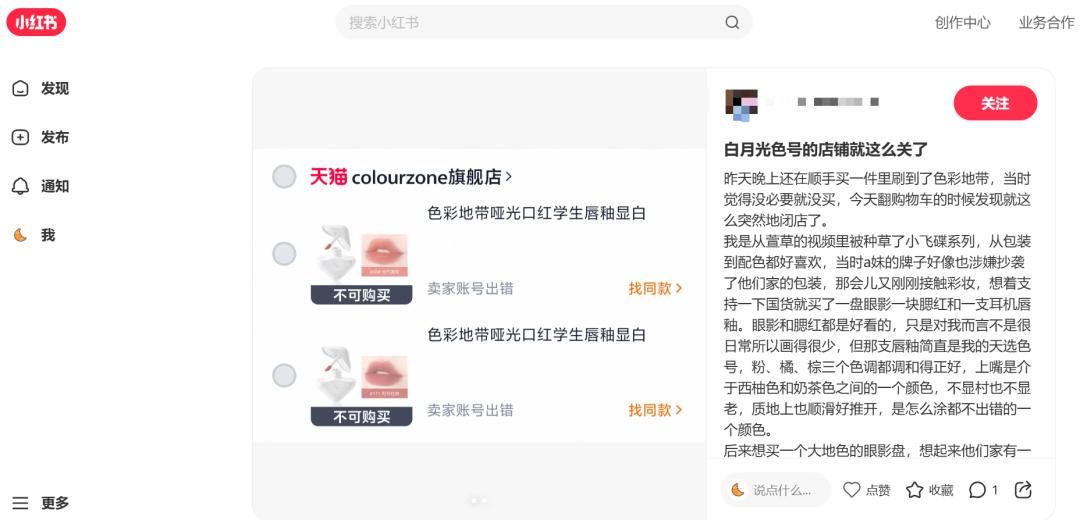
在中国化妆品行业高歌猛进之际,一些曾承载着时代记忆的经典国货品牌,往往会以"回忆杀"、"有历史感的国货宝藏品牌"等关键词引发关注和共鸣。其 中也有悄然离场的老牌彩妆引发"时代的眼泪"的感慨。 近日,聚美丽关注到,有用户在小红书平台发文疑指昔日国货彩妆TOP品牌Colourzone色彩地带(下文统称:色彩地带)天猫旗舰店闭店。"昨天晚上还在顺 手买一件里刷到了色彩地带,当时觉得没必要就没买,今天翻购物车的时候发现就这么突然地闭店了。" △图源:小红书 聚美丽记者发现,目前在天猫平台已搜索不到品牌官方旗舰店,抖音店铺清空;品牌官方微信公众号、视频号也分别于2021年、2022年停更;小红书账号 目前粉丝数4万,最后一条笔记发布时间为今年5月,但仍有产品销售;另在京东平台搜索发现,官方店铺正常运营。 △上图截自:抖音、京东、小红书、微信公众号 在社交平台上,"色彩地带"已成为不少用户心目中的怀旧符号。在小红书平台上搜索"色彩地带"相关笔记,不少用户均称其为"时代的眼泪",表示:"很 喜欢这个唇膏……又便宜又好用!可惜再也买不到了"、"色彩地带的这盘眼影好像停售了,还能买到吗?" 针对上述"色彩地带疑似闭店"的传闻, ...

主品牌增速放缓珀莱雅赴港筹资
Xin Lang Cai Jing· 2025-11-03 21:07
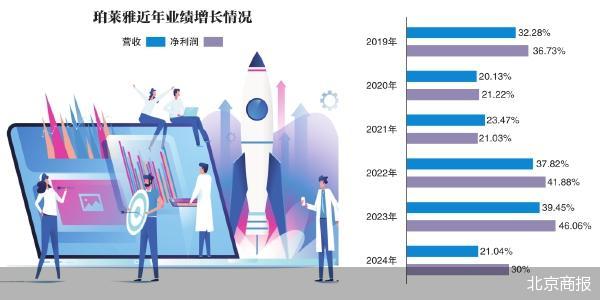
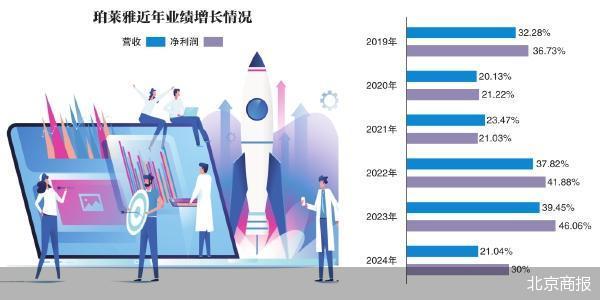
Core Viewpoint - Proya is initiating a Hong Kong listing to enhance its international strategy and overseas business development, aiming to increase its financing capabilities and support future global acquisitions [3][4]. Financial Performance - In the first three quarters of 2025, Proya achieved a revenue of 7.098 billion yuan, a year-on-year increase of 1.89%, and a net profit of 1.026 billion yuan, up 2.65% [3][4]. - The revenue for the first half of 2025 was 5.4 billion yuan, maintaining a leading position in the domestic beauty market [3][4]. - Proya's revenue growth from 2019 to 2024 was as follows: 32.28%, 20.13%, 23.47%, 37.82%, 39.45%, and 21.04% respectively, with net profit growth rates of 36.73%, 21.22%, 21.03%, 41.88%, 46.06%, and 30% [4]. Market Position and Competition - Proya is currently the leading domestic cosmetics brand, but faces increasing competition from brands like Maogeping, Shangmei, and others, making it challenging to maintain its market position [4][5]. - The phenomenon of Proya having the highest revenue but a declining stock price is attributed to concerns over its main brand's performance, leading to significant institutional investor withdrawals [3][4]. Research and Development Focus - Proya plans to use funds raised from the Hong Kong listing to enhance its R&D, brand building, and overseas market expansion [4][5]. - The company's R&D expenditure has been relatively low, hovering around 2%, with 2022 R&D expenses at 128 million yuan [4][5]. - Competitors like Huaxi Biological and Betaini have significantly higher R&D expenditure rates, indicating a potential area for Proya to improve [4][5].
主品牌增速放缓 珀莱雅赴港筹资
Xin Lang Cai Jing· 2025-11-03 16:49
Core Viewpoint - Proya is seeking to address its current challenges by initiating a Hong Kong listing to enhance its international strategy and financing capabilities, aiming to break through its slow growth and potential decline [1][3]. Financial Performance - In the first three quarters of 2025, Proya reported a revenue of 7.098 billion yuan, a year-on-year increase of 1.89%, and a net profit of 1.026 billion yuan, up 2.65% [3]. - However, there was a decline in revenue and net profit in the third quarter of 2025, with revenue and net profit decreasing by 11.63% and 23.64% respectively [4]. - The main brand Proya experienced a slight revenue decline of 0.08% in the first half of 2025, contrasting with a growth rate of 37.67% in the same period of 2024 [5]. Market Position - Proya leads the domestic cosmetics market with a revenue of 8.9 billion yuan in 2023, but faces increasing competition from emerging brands like Maogeping and Shangmei [8]. - Despite having the highest revenue, Proya's market capitalization is lower than that of competitors like Maogeping and Shangmei, indicating investor concerns about its future performance [6]. Strategic Initiatives - The company aims to use the funds raised from the Hong Kong listing to enhance its R&D, brand building, and overseas market expansion [9]. - Proya's R&D expenditure has been relatively low, with a rate around 2%, compared to competitors like Huaxi Biological and Beitaini, which have significantly higher R&D investment rates [9][10]. Future Outlook - Proya recognizes the importance of R&D for innovation and competitiveness, planning to strengthen its R&D capabilities through new centers in Shanghai and Hangzhou [11]. - The company is committed to a consumer-centric and technology-driven approach as it aims to solidify its position in the competitive landscape of the beauty industry [11].
大消费行业2025 年11 月金股推荐
Changjiang Securities· 2025-11-03 13:40
Investment Rating - The report maintains a "Buy" rating for the recommended stocks in the consumer sector, indicating a positive outlook for their performance in the coming years [7][11][12][13][14][16][18][19]. Core Insights - The report highlights nine advantageous sectors within the consumer industry, including agriculture, retail, social services, automotive, textiles and apparel, light industry, food, home appliances, and pharmaceuticals, with specific stock recommendations for each sector [4][7]. - The report emphasizes the expected growth in net profits for the recommended companies from 2025 to 2027, with significant increases projected for several firms, indicating strong future performance [11][12][13][14][16][18][19]. Summary by Relevant Sections Agriculture - Recommended Stock: Muyuan Foods (牧原股份) - Projected net profits for 2025-2027: 154.9 billion, 175.7 billion, 225.5 billion CNY, with corresponding PE ratios of 18, 16, and 12 [11][29]. Retail - Recommended Stock: Shangmei Co., Ltd. (上美股份) - Projected net profits for 2025-2027: 10.9 billion, 13.6 billion, 15.8 billion CNY, with corresponding PE ratios of 29, 23, and 20 [12][29]. Social Services - Recommended Stock: China Duty Free Group (中国中免) - Projected net profits for 2025-2027: 36.7 billion, 41.7 billion, 47.8 billion CNY, with corresponding PE ratios of 43, 38, and 33 [13][29]. Automotive - Recommended Stock: Top Group (拓普集团) - Projected net profits for 2025-2027: 28.0 billion, 33.7 billion, 41.0 billion CNY, with corresponding PE ratios of 45.7, 38.1, and 31.3 [14][29]. Textiles and Apparel - Recommended Stock: Huali Group (华利集团) - Projected net profits for 2025-2027: 33.6 billion, 40.7 billion, 47.2 billion CNY, with corresponding PE ratios of 20.5, 17.0, and 14.6 [16][29]. Light Industry - Recommended Stock: Craft Home (匠心家居) - Projected net profits for 2025-2027: 9.5 billion, 12.3 billion, 15.4 billion CNY, with corresponding PE ratios of 22, 17, and 13 [17][29]. Food - Recommended Stock: Shanxi Fenjiu (山西汾酒) - Projected net profits for 2025-2026: 10.09, 10.93 CNY per share, with corresponding PE ratios of 19 and 17 [18][29]. Home Appliances - Recommended Stock: Anker Innovations (安克创新) - Projected net profits for 2025-2027: 26.57 billion, 31.98 billion, 38.95 billion CNY, with corresponding PE ratios of 23.59, 19.60, and 16.09 [19][29]. Pharmaceuticals - Recommended Stock: Innovent Biologics (信达生物) - Projected net profits for 2025-2027: 0.34, 0.69, 1.35 CNY per share, with corresponding PE ratios of 232.2, 116.5, and 59.3 [19][29].




自然堂赴港IPO:家族持股超八成,过度依赖单一品牌
Sou Hu Cai Jing· 2025-11-03 09:12
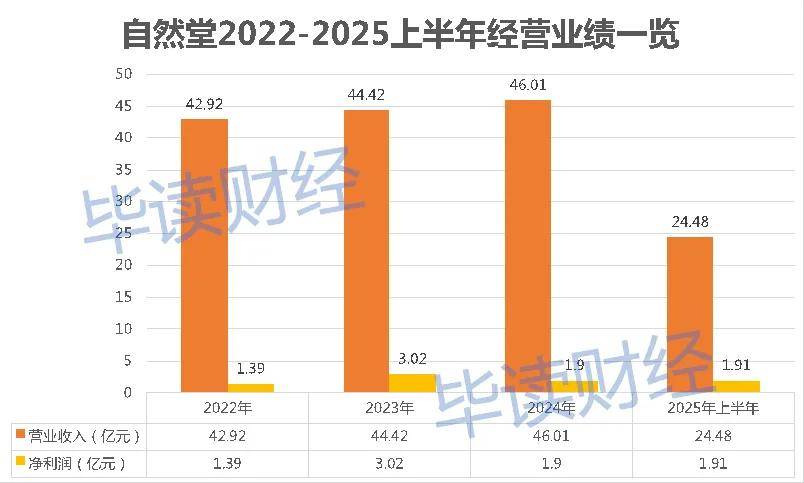
Group 1 - The core point of the article is that Jala Group, known for its brand Naturals, is facing significant challenges despite its upcoming IPO, including weak performance, low profit margins, and heavy reliance on marketing over research and development [1][11][12] - Jala Group's revenue growth has been sluggish, with projected revenues of 42.92 billion, 44.42 billion, and 46.01 billion from 2022 to 2024, reflecting an average annual growth rate of only about 3.5%, significantly lower than the overall growth rate of the domestic beauty industry [4][5][7] - The company's net profit margins are low, with figures of 3.24%, 6.80%, and 4.13% from 2022 to 2024, and only reaching 7.81% in the first half of 2025, indicating operational inefficiencies and cost structure issues [7][8][9] Group 2 - Jala Group has heavily invested in marketing, with sales and marketing expenses reaching 24.45 billion, 24.06 billion, and 27.16 billion from 2022 to 2024, accounting for over 54% of annual revenue, yet this has not translated into significant revenue growth [8][9][10] - The company's research and development spending has decreased, with R&D expenses dropping from 1.2 billion in 2022 to only 0.4 billion in the first half of 2025, resulting in a declining R&D expense ratio from 2.8% to 1.7%, which is well below the 3%-5% standard of international beauty giants [9][10][11] - Jala Group's over-reliance on its core brand Naturals is evident, with revenue contributions from this brand accounting for 94.6%, 95.9%, and 95.4% from 2022 to 2024, indicating a lack of effective growth from its other brands [10][11][12] Group 3 - The company is struggling to transition to a high-end market, with attempts to launch premium products failing to resonate with consumers, as evidenced by poor sales of its high-priced Gold Diamond Micro-sculpting series [11][12][13] - Jala Group's governance structure raises concerns, as the founding family's control over 87% of voting rights may hinder strategic flexibility and professional decision-making, especially in an industry that increasingly values scientific research and data-driven approaches [12][13][14] - The upcoming IPO represents a significant milestone for Jala Group, but achieving a true high-end brand status requires overcoming challenges related to brand dependency, marketing-heavy strategies, and governance issues [13][14]
国元证券2025年11月金股组合及投资逻辑
Guoyuan Securities· 2025-11-03 06:11
Stock Recommendations - Jerry Holdings (002353.SZ) shows strong overseas market expansion and robust order support for performance growth, with an EPS forecast of 2.99 in 2025 and a PE ratio of 18.05[3] - Kingsoft Office (688111.SH) has demonstrated rapid growth in Q3, with an EPS of 3.91 expected in 2025, driven by strong performance in WPS personal business and AI capabilities[3] - Double Ring Transmission (002472.SZ) is positioned as a leading supplier for Tesla, with an EPS forecast of 1.51 in 2025, indicating strong growth potential in humanoid robotics[3] - Zhongji Xuchuang (300308.SZ) benefits from increased overseas CAPEX and is expected to see significant growth, with an EPS of 10.23 in 2025 and a high PE ratio of 61.46[3] - Shangmei Co., Ltd. (2145.HK) has a clear growth path with strong sales performance, expecting an EPS of 2.58 in 2025[4] - Giant Network (002558.SZ) reported a net profit of 1.416 billion yuan in Q3 2025, a year-on-year increase of 32.31%, with an EPS forecast of 1.16 in 2025[4] Market Performance - The weighted return of the October stock portfolio was 7.41%, outperforming the Shanghai Composite Index, which rose by 1.85%[9] - Zhongji Xuchuang had the highest increase in the portfolio at 17.29%, while the overall equal-weighted return was -0.20%[10] - The market capitalization of Zhongji Xuchuang reached 525.57 billion yuan, the highest among the recommended stocks, with a significant increase in institutional holdings[16] Risk Factors - Economic recovery and policy support may fall short of expectations, posing risks to industry and individual stock performance[6]



零售行业2026年度投资策略:从保值到颜值,再到情绪价值
KAIYUAN SECURITIES· 2025-11-02 12:13
Industry Overview - In 2025, social consumption and retail enterprises are slowly recovering, with segments like gold jewelry benefiting from high gold prices, while cosmetics and medical aesthetics face intense competition and the rise of domestic brands. Notably, "emotional consumption" remains a key indicator of market vitality [2][8]. Segment Analysis Gold Jewelry - The industry has undergone significant changes, with high gold prices and declining wedding demand affecting traditional brand competitiveness. The rise of emotional consumption and social media marketing has led to the emergence of new brands with differentiated products and consumer insights. Opportunities are seen in high-end Chinese gold and trendy gold segments [3][25]. Retail E-commerce - Offline retailers are transforming from selling "goods" to offering "services and experiences," leveraging their advantages to attract traffic back. Online cross-border e-commerce is expected to enter a demand improvement phase with the easing of interest rates, further enhanced by AI integration [3][19]. Cosmetics - Domestic brands are capitalizing on cultural roots and emotional value to increase market share. Innovations in product safety and emotional value are key, with opportunities in regional and technological narratives, sensitive skin anti-aging, and domestic color cosmetics [3][85]. Medical Aesthetics - High-end consumers show resilience, with a focus on differentiated products from upstream manufacturers and mergers and acquisitions among downstream medical institutions to drive growth [3][5]. Investment Recommendations - Gold Jewelry: Favor brands with differentiated product strength and consumer insights, recommending Chao Hong Ji, Lao Pu Gold, and Chow Tai Fook, with beneficiaries including Chow Sang Sang [3][52]. - Retail E-commerce: Support offline retailers adapting to trends and AI-enabled cross-border e-commerce leaders, recommending Yonghui Supermarket, Ai Ying Shi, Ji Hong Co., and Sai Wei Times [3][82]. - Cosmetics: Highlight domestic brands that meet emotional value and safety innovation, recommending Mao Ge Ping, Pechoin, Shangmei Co., Juzi Biological, Wanmei Biological, and Runben Co. [3][52]. - Medical Aesthetics: Focus on differentiated medical aesthetic product manufacturers and expanding chain medical institutions, recommending Ai Mei Ke and Ke Di-B, with beneficiaries including Mei Li Tian Yuan Medical Health [3][52].




美妆行业周度市场观察:行业环境头部品牌动态投资运营产品技术营销活动-20251102
Ai Rui Zi Xun· 2025-11-02 09:04
Investment Rating - The report does not explicitly provide an investment rating for the beauty industry Core Insights - The domestic beauty industry is undergoing significant restructuring, with brands like Chao Di Shang Hui and Jing Sheng Zhi Yuan exiting the market, indicating a challenging environment for local brands aiming to become the "Chinese L'Oreal" [4] - The next-generation skincare products featuring sterile preservation and precise anti-aging properties are redefining effective skincare, with the market for single-use skincare expected to exceed 70 billion yuan by 2025 [5] - The Chinese beauty industry is accelerating its globalization, with leading companies enhancing international competitiveness through capital operations and mergers [6] - The domestic fragrance market is expanding, with local brands entering the high-end segment, although they still lag behind international brands in sales [6] - The beauty talent landscape is evolving, with cross-industry appointments driving innovation and strategic flexibility [7] - The Double 11 shopping festival is seeing a shift in brand ambassador strategies, focusing on younger idols and sports figures to engage new consumer demographics [8] - The "milk beauty" trend is gaining traction, emphasizing sensory experiences and self-care in skincare products [9] - The body care market is experiencing growth, with a projected online market size of 40.1 billion yuan by 2025, driven by consumer demand for personalized products [10] - Instant retail is rapidly expanding in the beauty sector, with a projected market size of 2 trillion yuan by 2030, emphasizing speed and emotional value [10] Industry Trends - The domestic beauty market is witnessing a shift towards high-end and personalized products, with brands leveraging technology and consumer insights to drive growth [4][5] - The capital market is increasingly favoring companies that can demonstrate a strong global strategy and innovative product offerings [6] - The rise of instant retail is reshaping consumer purchasing behaviors, with brands adapting their strategies to meet the demand for quick and convenient shopping experiences [10] Top Brand News - The launch of a new functional fragrance brand by the former CMO of Proya, focusing on integrating scent into daily life [11] - Yatsen Global's introduction of a new skincare brand, "Rui Ke Hu," which emphasizes scientific research and clinical validation [12] - The rapid growth of Sanjing Pharmaceutical in the beauty sector, achieving a 1000-fold increase in GMV within eight months through effective influencer marketing [12] - Naturals' application for a Hong Kong IPO reflects the growing importance of local brands in the global beauty market [13] - The emergence of brands targeting middle-aged consumers, such as Kawai Duo, which has achieved significant sales through targeted marketing strategies [14] - Coty Inc.'s strategic evaluation of its mass cosmetics division amid financial pressures, indicating a shift towards high-end products [15]
2025年第43周:美妆行业周度市场观察
艾瑞咨询· 2025-11-01 00:04
Group 1 - The domestic beauty market is undergoing significant changes, with brands like Chao Di Shang Hui and Jing Sheng Zhi Yuan exiting the market, indicating a tough competitive landscape ahead for domestic brands aiming to become the "Chinese L'Oreal" [3] - The "2024 China New Consumer Brand Growth Power White Paper" analyzes market trends based on over 8,000 consumer surveys and expert opinions, providing strategic guidance for companies to overcome growth bottlenecks [3] - The next few years are expected to be challenging for domestic beauty brands, with 2025 being particularly critical [3] Group 2 - The next-generation skincare market, particularly single-use skincare products, is projected to exceed 70 billion yuan by 2025, driven by technological advantages such as sterile packaging that maintains ingredient efficacy [5] - Domestic brands are leading this market, expanding into categories like sunscreen and color cosmetics, with recent product launches focusing on anti-aging and repair [5] Group 3 - The third quarter of 2025 saw accelerated globalization of the Chinese beauty industry, with competition evolving from "brand export" to "global ecosystem construction" [6] - Leading companies are enhancing international competitiveness through capital operations, cross-border mergers, and diversified strategies, such as Proya's investment in color cosmetics and Nature Hall's Hong Kong IPO application [6] - The influx of capital into upstream technology fields like synthetic biology indicates intensified competition and a new round of industry reshuffling [6] Group 4 - Domestic fragrance brands are rapidly entering the high-end market, with new stores opening in key locations ahead of the Golden Week, aiming to strengthen brand narratives and marketing [7] - The global fragrance market is expected to grow significantly, with the Chinese market showing a compound annual growth rate of 8% [7] Group 5 - The beauty industry is experiencing a talent war, with strategic cross-industry appointments driving research and development, as seen with Estée Lauder hiring FMCG executives to innovate their R&D systems [8] - The competition has shifted to a "boundary-less" capability war, emphasizing the need for diverse talent sources and global experience [8] Group 6 - The Double 11 shopping festival has seen beauty brands increasingly focus on younger consumers, with new-generation idols becoming preferred brand ambassadors [10] - Brands are adopting a more nuanced approach to endorsements, with specific roles for ambassadors to enhance product marketing [10] Group 7 - The body care market is experiencing a surge as temperatures drop, with online market size expected to reach 40.1 billion yuan by 2025, driven by consumer demand for personalized products [13] - Brands are innovating with ingredients that address both efficacy and emotional value, catering to the growing need for effective winter skincare solutions [13] Group 8 - Instant retail is rapidly expanding in the beauty sector, with the market expected to exceed 2 trillion yuan by 2030, driven by high consumer demand for quick and convenient shopping experiences [14] - Major platforms are competing fiercely in this space, with brands adjusting their strategies to capitalize on the instant retail trend [14] Group 9 - Proya's former CMO has launched a functional fragrance brand, emphasizing the integration of scent into daily life, with plans to expand into other fragrance categories [15] - The brand aims to combine aesthetics with functionality, targeting a mid-to-high-end market segment [15] Group 10 - The domestic beauty brand "Rui Ke Hu" has been launched by Yixian E-commerce, focusing on oxygenation skincare products developed in collaboration with a hospital, marking a shift towards self-owned brand incubation [16] - The brand's introduction reflects a broader trend of domestic companies diversifying their product offerings and enhancing their market presence [16] Group 11 - Sanjing Pharmaceutical has achieved explosive growth in the Douyin beauty sector, with a 1000-fold increase in GMV within eight months, primarily through influencer marketing [17] - The brand's strategy includes low pricing and simplified product offerings, but it faces challenges in maintaining long-term brand competitiveness [17] Group 12 - Nature Hall has submitted its IPO application to the Hong Kong Stock Exchange, highlighting the growth potential of the Chinese cosmetics market, which is expected to exceed 1 trillion yuan by 2026 [18] - The skincare category is projected to dominate the market, with domestic brands outpacing international competitors in growth [18] Group 13 - The brand "Kaweido" has rapidly gained traction in the middle-aged skincare market, achieving over 100 million yuan in monthly sales by targeting specific consumer needs [20] - The brand's success is attributed to its effective marketing strategies and product positioning, although it faces challenges related to brand reputation and regulatory scrutiny [20] Group 14 - Coty Group is evaluating its mass cosmetics division, which generates 8.5 billion yuan in revenue, in response to financial pressures and declining sales [21] - The company plans to focus on high-end fragrance and beauty segments, indicating a strategic shift in response to market dynamics [21] Group 15 - The launch of JD's first self-operated medical beauty store aims to address traditional industry issues by ensuring transparency and quality in services [25] - The store's model emphasizes customer satisfaction over sales targets, reflecting a shift towards consumer-centric business practices in the medical beauty sector [25] Group 16 - The rise of creative markets during the holiday season indicates a shift towards experiential consumption, with younger consumers willing to pay for immersive experiences [26] - These markets not only drive sales but also serve as platforms for cultural exchange and community engagement [26]