
茶百道

Search documents
东南亚门店突破200家后,甜啦啦出海的下一步是什么?
Sou Hu Cai Jing· 2025-10-24 02:25
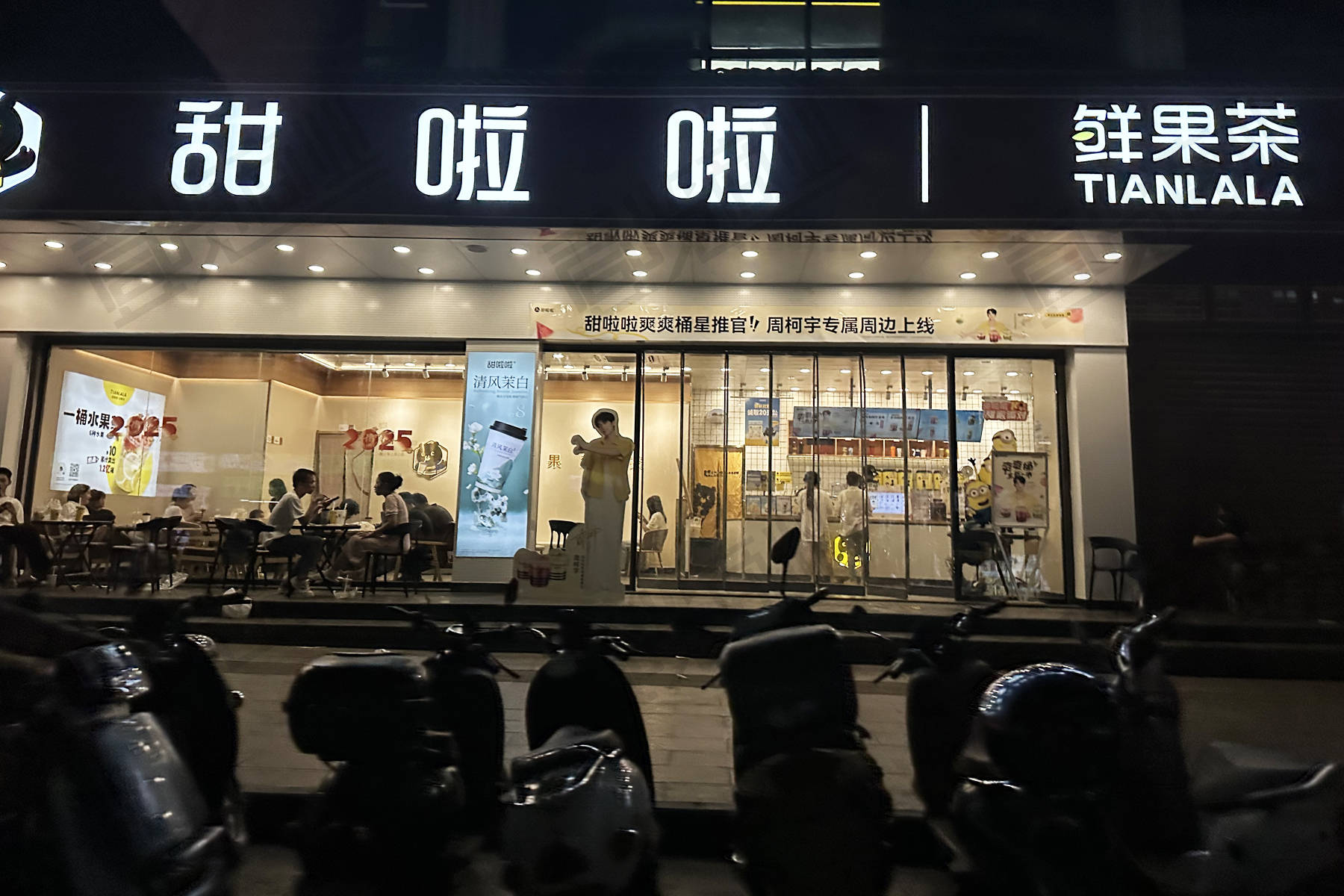
Core Insights - The domestic ready-to-drink tea market is becoming increasingly crowded, prompting brands to seek growth opportunities abroad to escape homogenized competition [2] - Southeast Asia has emerged as a primary destination for Chinese tea brands due to its favorable demographics and cultural similarities, with over 20 brands opening more than 1,000 stores in the region [2] - Competition in Southeast Asia is intensifying as local brands rise, leading to product homogenization and price wars [2] Company Insights - Tianlala, ranked fifth in store count among tea brands, has over 8,000 signed stores globally, with more than 200 in Southeast Asia, including nearly 130 in Indonesia [2][4] - The average daily revenue per store for Tianlala is 10,000 RMB, with some new stores achieving up to 30,000 RMB at launch [2] - Tianlala's overseas head, Xie Guanhai, highlighted challenges faced in Southeast Asia, including cultural differences, currency fluctuations, and the importance of local talent in decision-making [4] Industry Events - A closed-door seminar titled "Only Speak the Truth" will be held in Shanghai on October 30, featuring Xie Guanhai discussing Tianlala's strategies in Southeast Asia [6] - The seminar aims to provide valuable insights on market entry strategies, product localization, effective marketing channels, and operational challenges faced by brands [6][7] - The event will host key industry figures, ensuring a focus on practical and actionable insights for participants [6][8]

芒果超媒再遇营收挫折:《再见爱人5》延播丨消费参考
2 1 Shi Ji Jing Ji Bao Dao· 2025-10-24 00:09
Core Viewpoint - Mango TV is experiencing a significant decline in revenue and profit, exacerbated by the postponement of its popular variety show "Goodbye Lover 5" and ongoing challenges in its advertising business [2][3][5]. Financial Performance - In the first half of the year, Mango TV's revenue decreased by 14.31% to 5.964 billion yuan, while net profit attributable to shareholders fell by 28.31% to 763 million yuan [3]. - Advertising revenue also declined by 7.79% to 1.587 billion yuan during the same period [3]. Impact of Variety Shows - The company had high hopes for "Goodbye Lover 5" to recover its financial performance, as the previous season was a significant hit [3]. - Despite the postponement of "Goodbye Lover 5," the impact on advertising may be less severe than anticipated due to the show's focus on divorce, which has historically attracted fewer sponsors compared to other programs [4][5]. Future Prospects - The upcoming variety show "Voice of the Future 2025" is expected to be a highlight for the company's performance in the second half of the year, featuring a rare multi-platform collaboration [4]. - The membership revenue for Mango TV grew by 19.3% year-on-year to 5.148 billion yuan by the end of 2024, driven by popular shows [3].

白酒、奶茶成为新搭子!新茶饮行业卷向“微醺经济”|消费新观察
Sou Hu Cai Jing· 2025-10-23 15:32
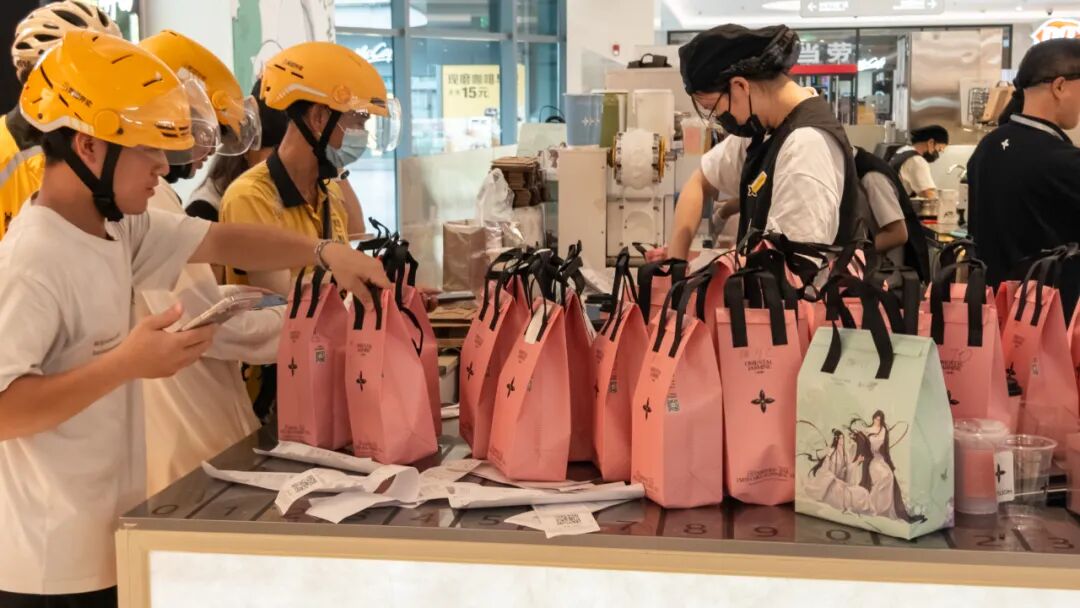
Core Insights - The rise of "white liquor + milk tea" reflects changing consumer demands, particularly among younger demographics who now represent over 60% of white liquor consumption in China [3] - The "micro-drunk economy" is shifting drinking habits from heavy consumption to moderate relaxation, aligning with the preferences of young consumers for light and stylish experiences [3] - The collaboration between beverage brands and liquor companies is creating unique products that leverage cross-industry appeal, enhancing product differentiation and market presence [3] Company Developments - Mixue Group announced an investment of 285 million RMB in "Fulu Family," focusing on fresh beer as a primary product [1] - Tea Baidao has relaunched its limited edition drink "Drunk Step on the Road," which combines real white liquor with milk tea, achieving sales of nearly 120,000 cups on its first day [2] - Luckin Coffee and Guizhou Moutai's collaboration on "Sauce Fragrance Latte" set a record with over 5.42 million cups sold in a single day, generating over 100 million RMB in sales [2] Industry Trends - The "micro-drunk economy" is gaining traction as brands seek new growth avenues amid increasing competition and market saturation in the new tea beverage sector [3] - The integration of alcohol into tea beverages is seen as a strategic move to create a natural differentiation barrier, enhancing product value and driving social media engagement [3] - The trend of "white liquor + milk tea" is expected to continue evolving as brands respond to the changing preferences of younger consumers [3]
奶茶的“寒冬”:补贴退潮后,谁还能笑着开店?
3 6 Ke· 2025-10-22 13:01
Core Insights - The tea beverage industry is experiencing a shift from aggressive subsidy-driven growth to a more rational and sustainable business model as consumer price sensitivity increases due to reduced subsidies [1][3][4] - The number of tea shops in China is declining, with a net decrease of 39,200 stores in the past year, indicating a challenging market environment [1][3] - Companies are now focusing on profitability per store rather than just expansion, marking a transition from rapid growth to quality and operational efficiency [4][5] Industry Trends - The withdrawal of subsidies has led to a decrease in consumer demand, with many users opting for more rational consumption patterns [1][3] - The competitive landscape is shifting from a focus on scale to a focus on quality, with companies needing to demonstrate their operational efficiency and profitability [4][5][7] - The tea beverage market is facing increased cost pressures due to rising raw material prices and seasonal demand fluctuations [3][4] Company Strategies - Companies like Mixue Ice City are diversifying their product offerings, such as entering the fresh beer market, to find new growth avenues [7][8] - Brands are exploring international markets, with companies like Tea Baidao and Heytea expanding their presence in countries like South Korea, Malaysia, and the United States [10][11] - Enhanced marketing strategies, including celebrity endorsements, are being employed to leverage high traffic and brand visibility [11]
新茶饮赚疯了,卖茶叶的为啥挣不到钱?
Hu Xiu· 2025-10-22 08:35
Core Insights - The traditional tea industry in China is facing significant challenges, with many businesses experiencing a sharp decline in sales and closures, while new tea beverage brands are thriving and expanding rapidly [1][3][6] Industry Overview - The tea industry in China is vast, with a total production value projected to reach approximately 330 billion yuan by 2025, and the entire industry chain exceeding one trillion yuan [1] - The market is characterized by a large number of small and medium-sized enterprises, with a few leading companies shaping the industry dynamics [2] Market Trends - New tea beverages account for about 10% of tea sales and are seen as a potential savior for the traditional tea industry, driving significant growth and providing a new revenue stream for upstream tea producers [6][7] - The new tea beverage sector has shown impressive performance, with total revenue exceeding 300 billion yuan in the first half of the year, and individual brands like Mixue Ice City achieving over 10 billion yuan in revenue [6][7] Capitalization Challenges - Traditional tea companies, such as Baima Tea, have faced numerous challenges in their attempts to go public, highlighting the difficulties in capitalizing the tea industry [3][4][5] - The lack of successful listings for traditional tea companies on the A-share market reflects a broader trend of capital disinterest in the sector [3][4] Brand and Product Differentiation - The tea industry struggles with brand recognition and standardization, making it difficult for companies to establish strong market positions [9][10][11] - The non-standard nature of tea products complicates consumer decision-making, as quality and value are often subjective [9][10] Consumer Behavior Shifts - The younger generation, particularly Generation Z, is driving changes in tea consumption preferences, favoring convenience and diverse flavors, which has led to the rise of new brands that leverage social media for marketing [21][22] - Online sales channels are flourishing, but they also present challenges, including issues of quality and trust among consumers [22] Future Outlook - The tea industry must find a balance between industrial efficiency and the cultural significance of tea, as it navigates the complexities of modernization and consumer expectations [22]

蹭上“社恐”大厨黎子安,也救不了餐饮内卷
3 6 Ke· 2025-10-22 02:32
Core Insights - The collaboration between chain restaurants and celebrity chefs, particularly those from the popular cooking show "一饭封神," is emerging as a new marketing strategy to attract consumers and differentiate products in a competitive market [1][2][5] Group 1: Celebrity Chef Collaborations - McDonald's is launching a new product, "White Truffle Flavored French Ham Angus Thick Burger," featuring chef Li Zi'an, who gained popularity from the show [1] - Other brands, such as Heytea and Wangwang Group, are also collaborating with Li Zi'an to create limited-time offerings, indicating a trend among restaurants to leverage celebrity chefs for product launches [1][2] Group 2: Market Dynamics - The restaurant industry is currently facing intense competition characterized by price wars and reliance on promotional strategies, making collaborations with high-profile chefs a cost-effective way to stand out [2] - The industry has entered a phase of stock competition, where brands struggle with product homogenization and high customer acquisition costs [2] Group 3: Pricing and Sales Performance - The newly launched products from collaborations are priced higher than regular offerings, with tea brands' products priced between 16 to 19 yuan and Heytea's products at 29 yuan, reflecting a premium positioning [3] - Initial sales data shows strong market response, with nearly 900,000 cups sold in the first week for the tea brand's new products and 1,000 units sold on the first day for Heytea's limited offerings [4] Group 4: Long-term Viability Concerns - Despite the initial success, there are concerns about the sustainability of such marketing strategies, as the core values of celebrity chefs may conflict with the industrialized nature of chain restaurants [5] - The frequent association of chefs with chain brands may dilute their professional image, raising questions about the long-term value proposition for consumers once the marketing hype fades [5]

雪王“入冬”, 罪在“天宫”?
3 6 Ke· 2025-10-21 23:45
Core Viewpoint - The article discusses the contrasting performance of the tea beverage brand Mixue Ice City, highlighting its strong financial results amidst challenges posed by rising lemon prices and competitive pressures in the market [3][4][11]. Financial Performance - Mixue Ice City reported a revenue of 14.87 billion yuan and a net profit of 2.72 billion yuan for the first half of 2025, outperforming competitors like Bawang Tea and Guming [3]. - Forecasts suggest that Mixue's revenue could reach 29.7 billion yuan in 2025, reflecting a steady growth of 20% year-on-year [3]. Supply Chain and Raw Material Challenges - The brand's success is attributed to its robust supply chain and competitive pricing, particularly for its lemon-based products, which account for 15%-20% of its revenue [4][7]. - Extreme weather conditions have severely impacted lemon production, with some regions experiencing a yield reduction of 30%-60%, leading to a surge in wholesale lemon prices to 15 yuan per kilogram, nearly doubling year-on-year [7][9]. Competitive Landscape - Mixue Ice City faces significant pressure from competitors who primarily use a different variety of lemon (fragrant lemon), which has not seen the same price increases as the yellow lemon used by Mixue [9][10]. - The ongoing "takeout war" has eroded Mixue's price advantage, as competitors offer substantial discounts, making it challenging for Mixue to maintain its market position [12]. Strategic Responses - In response to the lemon crisis, Mixue has diversified its product offerings by incorporating fragrant lemons into new products, thereby alleviating some supply chain pressures [10][11]. - The brand is leveraging its IP, "Snow King," to enhance customer engagement and loyalty through innovative marketing strategies, including blind box promotions and emotional branding [13][15]. Expansion into New Markets - Mixue is expanding into new product categories, including coffee and fresh beer, to capture a broader consumer base and diversify its revenue streams [18][21]. - The launch of its coffee brand, "Lucky Coffee," has seen rapid expansion, with over 8,200 locations globally, and aims to penetrate first-tier cities [19][21]. Conclusion - The challenges posed by rising lemon prices and competitive dynamics have prompted Mixue Ice City to adapt its strategies, focusing on emotional branding, product diversification, and market expansion to sustain its growth trajectory [21].

食品饮料行业点评报告:经济格局延续韧性,9月社零总额增速回落
Huaxin Securities· 2025-10-21 11:00
Investment Rating - The industry investment rating is "Recommended" [9] Core Views - The economic landscape continues to show resilience, with GDP growth in the first three quarters reaching 101.50 trillion yuan, a year-on-year increase of 5.2%. Despite a marginal decline in growth rate to 4.8% in Q3, the overall economic stability is supported by new productive forces and effective macro policies [4] - Retail sales growth has slowed down, with total retail sales from January to September at 36.59 trillion yuan, a year-on-year increase of 4.5%. In September alone, retail sales were 4.20 trillion yuan, growing by only 3.0% [5] - The beverage sector is performing strongly, with a focus on new consumption opportunities driven by retail channel transformations. Key companies to watch include Huashang Auntie, Tea Baidao, and others [6] Summary by Sections Economic Overview - GDP growth has shown resilience despite external challenges, with a year-on-year increase of 5.2% in the first three quarters [4] - The Q3 GDP growth rate decreased by 0.4 percentage points, attributed to external tariff policy changes and transitional pains in various industries [4] Retail Sales Performance - Total retail sales for the first nine months reached 36.59 trillion yuan, with a growth rate of 4.5% year-on-year. September's retail sales were 4.20 trillion yuan, reflecting a slowdown to 3.0% growth [5] - The decline in growth is linked to the reduced impact of the "old-for-new" policy and the timing of the Mid-Autumn Festival [5] Investment Opportunities - The report highlights several companies with strong recovery expectations in the consumer goods sector, including Weilai Delicious, Ximai Foods, and Youyou Foods [6] - The beverage sector is noted for its robust performance, with a focus on companies like Dongpeng Beverage and others, as well as the impact of new birth policies on dairy demand, highlighting companies such as Yili and Mengniu [6]





整个奶茶圈都在“抢”芋头,茶百道一天爆卖近20万杯
3 6 Ke· 2025-10-20 09:20
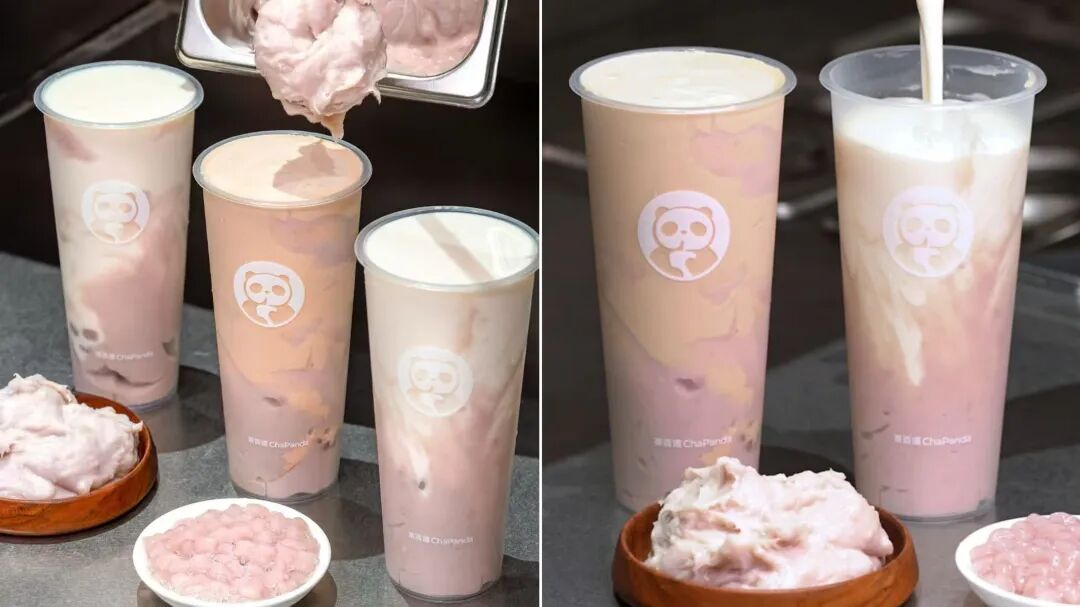
Core Insights - The recent surge in "taro milk tea" has seen various brands launching new products, indicating a trend towards innovative uses of traditional ingredients [1][3][5] - Taro has become a popular choice for autumn and winter menus, with brands leveraging its comforting qualities to attract consumers [7][9] Product Launches - Tea Baidao's "super thick taro" series sold nearly 200,000 cups on its first day, particularly popular in northern regions [1] - New products include thick taro milk tea and taro coconut drinks from brands like Mixue Ice City and Jasmine Milk White [3][5] - Other brands such as Chen Wending and CoCo都可 have also introduced various taro-based drinks, showcasing a wide range of offerings [5] Consumer Trends - Taro drinks are gaining traction due to their soft and sweet flavor, which aligns with consumer desires for warmth and comfort during colder months [7][9] - The integration of salty elements, such as salted cheese, into taro drinks is emerging as a new trend, enhancing flavor complexity [9][11] - Brands are focusing on creating a "thick" experience in their products, emphasizing quality ingredients and rich textures [12][14] Ingredient Sourcing and Value - There is a growing emphasis on the origin and quality of taro, with brands highlighting specific varieties and production methods to enhance perceived value [16][18] - The trend includes retaining visible taro pieces in drinks, providing a more authentic and satisfying experience for consumers [16][18] Market Dynamics - The current focus on classic ingredients like taro reflects a broader industry trend towards innovation within familiar frameworks, allowing brands to reduce development risks while appealing to a wide audience [19]

热饮产品热销 茶百道新品首日售出近20万杯
Bei Jing Shang Bao· 2025-10-17 11:58
北京商报讯(记者 郭缤璐)随着全国多地迎来一轮降温天气,新茶饮品牌陆续推出适合热饮的秋冬季 新品。10月17日,北京商报记者从茶百道了解到,其近日宣布秋冬季传统人气产品"超厚芋泥"系列正式 回归,上新首日即售出近20万杯,在北京、吉林等北方地区尤为受欢迎。 除了在线下门店高频亮相,在社媒平台上,消费者对芋泥的讨论度也在持续升温。截至发稿,小红书上 关于芋泥的话题有近14亿次浏览量,相关讨论量超过400万,仅话题词#芋泥脑袋#的浏览量就达到8.5 亿,"谁家芋泥产品更好喝"成为网友们的讨论热点。 茶百道相关负责人表示,"超厚芋泥"系列产品已成为全国销冠,考虑到往年的消费者反馈,今年特意在 制备工艺中加入切丁工序,使芋泥中保留芋头颗粒,消费者在饮用时可以获得类似吃现蒸芋头的咀嚼感 和浓厚口感。 ...