东风汽车

Search documents
鑫椤锂电一周观察 | 国务院严令锂电客户承诺“60天付款”
鑫椤锂电· 2025-06-13 08:03
-广告- 关注公众号,点击公众号主页右上角" ··· ",设置星标 "⭐" ,关注 鑫椤锂电 资讯~ 锂电材料端市场情况 锂电巨头将于6月底停产! 瑞典电池制造商 Northvolt 将于 2025 年 6 月底停止其谢莱夫特奥工厂的电池单元生产。 据破产管理人 称,这一决定是在瑞典正在进行的破产程序的背景下做出的。寻找电池生产买家的尝试迄今为止尚未成 功。这意味着这家瑞典公司在其本土的电池生产将彻底结束。Northvolt自3月12日宣布破产以来,尽管生 产大幅削减,但仍依靠斯堪尼亚的订单维持部分运营。如今,斯堪尼亚将转向中国电池巨头宁德时代,彻 底中断与Northvolt的合作。一旦斯堪尼亚退出,Northvolt在瑞典将无任何订单来源。 津巴布韦将从2027年起禁止锂精矿出口 津巴布韦一位内阁部长表示,为鼓励外国矿业公司在该国开展精炼业务,津巴布韦将于2027年禁止锂精矿 出口。信息部长詹凡·穆斯韦雷在首都哈拉雷表示:" 自2027年1月起,将不再允许锂精矿出口。 "2025年稍 早,津巴布韦锂出口商寻求将税收延迟至2027年。一些非洲国家一直在努力推动外国矿业公司为其经济创 造更多价值。据CRU集团称 ...




牵引车5月销4.4万辆!重汽破万 解放/陕汽份额近20% 徐工/远程翻倍涨 | 头条
第一商用车网· 2025-06-13 07:06
Core Viewpoint - In May 2025, the heavy truck market achieved a total sales volume of approximately 88,700 units, reflecting a year-on-year growth of 14%. However, the tractor market, a significant segment of the heavy truck market, showed only a slight increase of 0.2% year-on-year, continuing to lag behind the overall market performance for three consecutive months [1][4][26]. Market Performance - The tractor market sold 43,500 units in May 2025, marking a month-on-month increase of 2% and a year-on-year increase of 0.2%. This is a recovery from a previous decline of 6% in April [3][4][10]. - Cumulatively, from January to May 2025, the tractor market recorded total sales of 221,300 units, which is a slight decrease of 3% compared to the same period last year [8][18]. Historical Trends - Over the past five years, the tractor market has exhibited a pattern of decline followed by growth in May sales. The sales volume in May 2025 ranks as the second highest in the last five years, but it is still significantly lower than the peak sales of 82,500 units in May 2021 [6][8]. Company Performance - In May 2025, China National Heavy Duty Truck Corporation (重汽) led the tractor market with sales of 11,800 units, capturing a market share of 27.14%. Other notable performers included FAW Jiefang (一汽解放) with 8,416 units and Shaanxi Automobile Group (陕汽集团) with 7,966 units [10][12]. - Among the top ten companies in the tractor market, nine experienced year-on-year sales growth, while only one company saw a decline of 26% [10][15]. Market Share Dynamics - The top ten companies in the tractor market accounted for 99.28% of total sales in May 2025, with the top five companies alone holding nearly 90% of the market share [15][23]. - The market share of the leading companies has shifted slightly, with notable increases for companies like Xugong (徐工) and Farizon (远程), which saw year-on-year growth of 178% and 121%, respectively [20][23]. Future Outlook - The heavy truck market is expected to continue evolving, with the tractor market's performance in June 2025 being closely monitored to see if it can outperform the overall heavy truck market [26].




中汽协副秘书长陈兴林谈车企账期:汽车产业高质量发展,需保障产业链企业合理利润空间
Zhong Guo Jing Ying Bao· 2025-06-13 06:19
Core Viewpoint - Major automotive companies in China have committed to reducing payment terms to within 60 days, signaling increased confidence in the development of the industry and its supply chain [1][5]. Group 1: Industry Response - As of June 11, 17 key automotive enterprises have pledged to unify payment terms to within 60 days, including state-owned enterprises and leading private manufacturers [1]. - The commitment is seen as a response to the State Council's regulations aimed at ensuring timely payments to small and medium-sized enterprises [1][2]. - The China Association of Automobile Manufacturers (CAAM) has emphasized the importance of this initiative for the healthy development of the automotive industry [3][5]. Group 2: Financial Implications - Historically, automotive manufacturers have dominated the value chain, leading to prolonged payment periods for suppliers, which negatively impacts the industry's health [2]. - Data indicates that domestic automotive companies have an average accounts payable turnover period of 171.6 days, significantly higher than international counterparts like Mercedes and Toyota, which average around 40-80 days [3][4]. - The shift to a 60-day payment term is expected to alleviate financial pressure on suppliers and promote a healthier ecosystem within the automotive industry [5]. Group 3: Industry Challenges - The automotive industry's price competition has led to increased financial strain on suppliers, with some manufacturers delaying payments and extending payment terms [4]. - The steel industry, a major supplier to automotive manufacturers, has expressed concerns over the impact of extended payment terms on their financial stability [4]. - The CAAM has called for self-regulation among automotive companies to avoid detrimental price wars that could harm the entire supply chain [2][3].
1.85亿元公交车招标结果揭晓 谁中标?| 头条
第一商用车网· 2025-06-13 02:41
Core Viewpoint - The Wuhan Public Transport Group has announced the candidates for the 2025 bus vehicle renewal procurement project, which includes a total of 299 vehicles across seven lots, with a maximum budget of 185.2026 million yuan [1][4]. Group 1: Procurement Project Overview - The procurement project is divided into seven lots, with a total vehicle demand of 299 units and a maximum budget of 185.2026 million yuan [1][4]. - Each lot has different vehicle specifications and requirements, including electric buses of various sizes and configurations [14][15]. Group 2: Winning Candidates by Lot - Lot 1: 80 units of 12-meter pure electric city buses, with the top three candidates being Dongfeng Motor Corporation (96.77 million yuan/unit), Nanjing King Long Bus Co., Ltd. (96.98 million yuan/unit), and BYD Auto Industry Co., Ltd. (96.98 million yuan/unit) [3][4][14]. - Lot 2: 27 units of 11-meter pure electric highway buses, with the top three candidates being Wuhan Bus Manufacturing Co., Ltd. (86.97 million yuan/unit), Geely Sichuan Commercial Vehicle Co., Ltd. (86.28 million yuan/unit), and Zhongtong Bus Holding Co., Ltd. (83 million yuan/unit) [3][4][16]. - Lot 3: 27 units of 11-meter pure electric highway buses, with the top three candidates being CRRC Times Electric Vehicle Co., Ltd. (83.35 million yuan/unit), Zhongtong Bus Holding Co., Ltd. (83.38 million yuan/unit), and Geely Sichuan Commercial Vehicle Co., Ltd. (83.3 million yuan/unit) [3][4][16]. - Lot 4: 30 units of 7-meter low-entry pure electric city buses, with the top three candidates being Guotang Automobile Co., Ltd. (67.9 million yuan/unit), Geely Sichuan Commercial Vehicle Co., Ltd. (67.95 million yuan/unit), and Nanjing King Long Bus Co., Ltd. (67.98 million yuan/unit) [3][4][16]. - Lot 5: 30 units of 7-meter low-entry pure electric city buses, with the top three candidates being BYD Auto Industry Co., Ltd. (65.95 million yuan/unit), Dongfeng Motor Corporation (65.9 million yuan/unit), and Nanjing King Long Bus Co., Ltd. (65.98 million yuan/unit) [3][4][16]. - Lot 6: 100 units of 5-meter pure electric city buses, with the top three candidates being Nanjing King Long Bus Co., Ltd. (18.19 million yuan/unit), Yutong Bus Co., Ltd. (18.185 million yuan/unit), and BYD Auto Industry Co., Ltd. (18.19 million yuan/unit) [3][4][16]. - Lot 7: This lot was declared void due to insufficient bidders [3][4][16]. Group 3: Evaluation and Timeline - The evaluation of the bids took place on June 9, 2025, and the public announcement of the candidates was made on June 10, 2025, with a public notice period of three days [18][21].

行业自律渐显 “承诺”何时变为现实受关注
Zhong Guo Zheng Quan Bao· 2025-06-12 20:48
"车企账期不超过60天的承诺是好的开始。""很高兴能看到主机厂有了改变。"截至6月12日,已有17家 国内车企就对供应商"支付账期不超过60天"作出公开承诺,多位受访供应商对车企的承诺纷纷表示欣 喜。 同时,这也极大地提振供应链企业的信心,汽车零部件板块连续两日走强。 不过,对于行业这一转变感到欣喜的同时,汽车供应商们也表达了些许担忧。"若60天后收到的是商业 承兑汇票,对供应商而言并无实质改善。"某汽车零部件企业董事长对中国证券报记者表示。 受访专家建议,针对"支付账期不超过60天"的承诺,应该进一步明确具体支付时间节点和支付方式,应 当采取到期支付现金,而不是以汇票形式支付。 ● 本报记者 李嫒嫒 行业迎来新变化 中国证券报记者注意到,自6月10日晚间以来,中国一汽、东风汽车、广汽集团、赛力斯、奇瑞集团、 上汽集团等17家重点车企陆续发表声明,对供应商"支付账期不超过60天"作出承诺。 重点车企纷纷发布声明的背后,正是响应6月1日起施行的修订后的《保障中小企业款项支付条例》。受 访专家表示,该《条例》重点聚焦中小企业应收账款回收难、周期长等痛点,维护中小企业合法权益, 优化营商环境。 事实上,近年来不少汽 ...
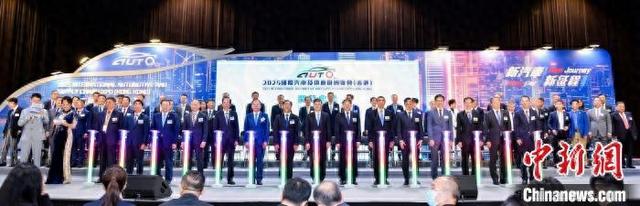
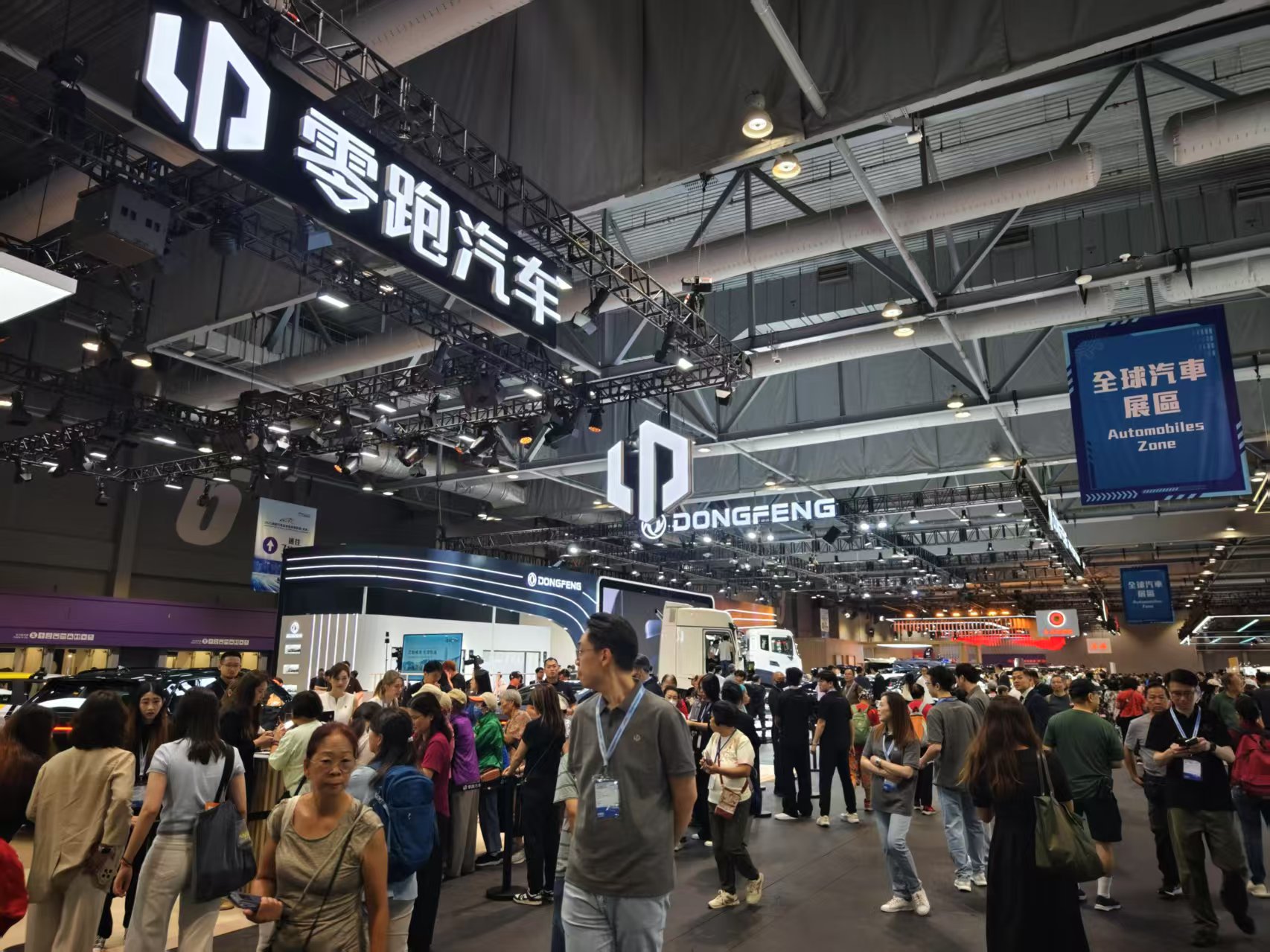
2025国际汽车及供应链博览会(香港)开幕
Zhong Guo Xin Wen Wang· 2025-06-12 14:43
Group 1 - The 2025 International Automotive and Supply Chain Expo opened in Hong Kong, co-organized by various associations and media [1] - The theme of the expo is "New Cars, New Journey," featuring forums, specialized sharing sessions, and new car launches from over a hundred global automotive manufacturers and supply chain companies [2] - Notable attendance includes 11 mainland automotive manufacturers and key figures from companies like China FAW Group and Xpeng Motors [2] Group 2 - The Hong Kong Chief Executive emphasized the city's role in providing financing and promotional services for mainland new energy vehicle companies, supporting international cooperation in supply chains [2] - Specialized sessions include a forum on international commercial arbitration and cross-border financial strategies, addressing the needs of automotive companies expanding overseas [2] - The expo aims to leverage Hong Kong's unique advantages and the development momentum of the Guangdong-Hong Kong-Macao Greater Bay Area to support brand promotion and facilitate international market entry for Chinese companies [3]

“右舵”市场集体秀肌肉,内地11家车企亮相香港国际车博会
Di Yi Cai Jing· 2025-06-12 11:46
Core Viewpoint - The auto expo in Hong Kong showcases the strength of Chinese automakers, highlighting their advancements in electric vehicles and technology, while also serving as a strategic platform for global expansion [1][8]. Group 1: Event Overview - The auto expo, themed "New Cars, New Journey," covers over 55,000 square meters with seven core exhibition areas, including global automotive, supply chain, and innovation technology [2]. - Eleven major Chinese automakers, including SAIC, BYD, and Dongfeng, participated, alongside new entrants like Leap Motor and Xpeng [1][4]. Group 2: Featured Vehicles and Technologies - BYD showcased popular models such as SEALION 7, SEAL, and ATTO 3, while Changan presented its new energy brands [4]. - Chery Group made a significant impact with its largest-ever exhibition outside mainland China, focusing entirely on new energy vehicles and showcasing advanced technologies like high-efficiency engines and intelligent solutions [4][5]. Group 3: Market Trends and Government Policies - The Hong Kong government has implemented tax reduction policies for electric vehicles under HKD 500,000, significantly boosting sales [6]. - From January to April 2023, the registration of electric vehicles in Hong Kong reached 8,916, with a penetration rate of 68%, led by BYD's SEALION 07 EV [6]. Group 4: Strategic Importance of Hong Kong - Hong Kong is positioned as a crucial gateway for Chinese automakers to enter international markets, leveraging its unique geographical and financial advantages [8][9]. - The city aims to become a hub for innovation and technology, connecting local enterprises with global capital and resources [9][10]. Group 5: Future Aspirations - Companies like Chery and Xpeng express intentions to utilize Hong Kong as a launchpad for international capital markets and advanced technology deployment [10].


当零售巨头转嫁成本成为常态:中小企业如何利用供应链变革破局
Jing Ji Guan Cha Wang· 2025-06-12 10:36
Group 1: Industry Response to Policy Changes - The implementation of the "Regulations on Ensuring Payment to Small and Medium Enterprises" has prompted numerous automotive companies to unify payment terms to suppliers within 60 days, including major players like GAC Group, BYD, and NIO [1] - This collective action reflects a shift in the automotive industry from "price competition" to "ecosystem co-construction," which is crucial for alleviating supplier operational pressures and promoting overall industry chain upgrades [1] Group 2: Challenges Faced by Small and Medium Enterprises - The retail sector is experiencing a significant transformation, but the imbalance in profit distribution along the supply chain is increasingly evident, with major retailers imposing price reductions and extended payment terms on small suppliers [1] - The pressure from large retailers has led to severe profit reductions for small enterprises, with reports indicating that some companies have seen profits drop by over 40% due to tariff-related issues [2] - The reliance on low margins in basic industrial products makes small enterprises particularly vulnerable to the pricing pressures exerted by large retailers, forcing them into a position of helplessness [2] Group 3: Supply Chain Dynamics and Risks - The relationship between retailers and suppliers has become strained, with large retailers transferring tariff costs entirely to Chinese suppliers, creating a "double squeeze" effect [3] - The long payment terms set by large retailers can lead to significant cash flow issues for suppliers, as evidenced by the average accounts receivable period for large industrial enterprises reaching 64.1 days [4] - The practices of large retailers, such as imposing unilateral trading terms and hidden costs, further entrench their market dominance and exacerbate the challenges faced by small suppliers [5] Group 4: Pathways to Resolution - Recent policy initiatives, including the new payment regulations, aim to enhance the efficiency of accounts receivable for small enterprises and mitigate cash flow difficulties [6] - The development of industry clusters and collaborative strategies among small enterprises can improve bargaining power and reduce costs, as demonstrated by successful examples in regions like Zhejiang and Guangdong [7] - Technological advancements, including industrial internet and AI, are crucial for transforming supply chain collaboration and enhancing operational efficiency for small enterprises [8]
破解“内卷”困局:以品牌价值为核心 ,构建产业链价值共创格局
Jing Ji Guan Cha Wang· 2025-06-12 10:27
Group 1 - The automotive industry is facing supply chain pressures, prompting 16 major car manufacturers to limit payment terms to suppliers within 60 days, coinciding with the implementation of a new regulation aimed at protecting small and medium-sized enterprises (SMEs) [2] - The automotive sector is experiencing a competitive environment similar to that seen in the home appliance and mobile phone industries, where aggressive pricing strategies have led to market instability and only a few companies with core technologies and brand value have survived [2][4] - The need for industries to balance scale expansion with quality upgrades is critical, with brand building becoming a key focus for high-quality development [2] Group 2 - Former Sinopec Chairman Fu Chengyu emphasized the importance of not sacrificing long-term benefits for short-term gains, warning against practices that could harm SMEs, such as prolonged payment terms and price reductions [3] - The home appliance industry, particularly in Guangdong Shunde, is under pressure despite its mature supply chain, with ODM factories facing order uncertainty and profit compression due to aggressive pricing competition [4][5] Group 3 - The home appliance industry's supply chain is characterized by a "pyramid" structure, where brand owners exert pricing power, leading to cost pressures on suppliers and ultimately resulting in product homogenization and quality risks [5][6] - The dominance of leading brands in the home appliance sector has resulted in a significant profit squeeze for many SMEs, with net profit margins declining over the years [6] Group 4 - The restructuring of the supply chain is urgent, requiring collaboration between large enterprises and SMEs to break the cycle of exploitation and promote high-quality development driven by both brand and technology [7] - Major companies are encouraged to adopt a role as enablers rather than exploiters, fostering innovation and resilience within the supply chain [7] Group 5 - Companies like Midea and Haier are taking steps to empower SMEs through platforms that provide resources and support for brand development and innovation [8] - The acquisition of brands by SMEs, such as Jiahe Intelligent's purchase of the German audio brand Beyerdynamic, represents a strategic move towards establishing a presence in high-end markets [9] Group 6 - The Chinese government is implementing policies to support the growth of specialized SMEs, including financial incentives and resources for technology upgrades [11] - The internationalization of supply chains is seen as a way to alleviate domestic pressures, with companies like BYD and CATL establishing production bases in Europe to enhance local service and reduce costs [13]

5月跳楼价活埋价中,十大佬六小龙地位渐稳
汽车商业评论· 2025-06-12 09:51
Core Viewpoint - The article discusses the recent developments in the Chinese automotive market, highlighting the government's intervention to curb price wars and promote high-quality industry growth through measures such as regulating supplier payment terms [4][6]. Group 1: Market Trends and Performance - From January to April, the profit margin of the Chinese automotive industry was 4.1%, increasing to 4.4% in April, compared to 3.9% in Q1 and 3.5% in March, indicating a positive trend [7]. - In May, the retail sales of passenger vehicles reached 1.932 million units, a year-on-year increase of 13.3% and a month-on-month increase of 10.1%, surpassing the level of 1.81 million units in May 2018 [9]. - Cumulative retail sales from January to May reached 8.811 million units, up 9.1% year-on-year [9]. Group 2: Sales Data and Company Performance - In the first five months, sales of Chinese brand passenger vehicles reached 7.562 million units, a year-on-year increase of 26.3%, accounting for 68.8% of total passenger vehicle sales [10]. - The top ten automotive groups sold 10.708 million units in total, representing 84% of the overall market, with varying performance among individual companies [11]. - In May, BYD sold 382,476 units, a year-on-year increase of 15.35%, while SAIC Group sold 366,000 units, up 10.25% [13][14]. Group 3: Competitive Landscape - The article notes that some companies engaged in aggressive pricing strategies, leading to a temporary surge in market activity, but this has raised concerns about sustainability [12]. - The sales performance of major companies varied, with some like Geely and Changan showing significant growth, while others like GAC and Dongfeng experienced declines [14][39]. - New energy vehicle sales are highlighted as a key growth area, with companies like Changan and BYD reporting substantial increases in this segment [29][37].