华为

Search documents
被踢出中国市场!垄断中国市场30年,却扬言:绝不培养中国员工
Sou Hu Cai Jing· 2026-02-19 13:49
Core Viewpoint - Oracle's dominance in the Chinese database market has significantly declined due to rising local competition and internal management issues, leading to a loss of market share and influence. Group 1: Historical Context and Growth - Oracle entered the Chinese market in 1989, filling a gap in database technology as the software industry was just beginning [2] - By the early 2000s, Oracle dominated the enterprise application market in China, with no local products able to compete [4] - The company established multiple R&D centers in China by 2008, contributing significantly to its global revenue growth [4] Group 2: Market Changes and Rising Competition - Post-2010, Oracle began increasing licensing and service fees, leading to dissatisfaction among Chinese enterprises [6] - Chinese companies, including Alibaba, started developing their own database solutions in response to Oracle's price hikes and perceived arrogance [10][19] - By 2022, local vendors gained significant market share, with Oracle's presence declining as government policies favored domestic innovation [21] Group 3: Internal Issues and Management Challenges - Oracle faced internal complaints regarding limited promotion opportunities for Chinese employees and allegations of discriminatory hiring practices [11][13] - The closure of Oracle's Beijing R&D center in 2019 and subsequent layoffs sparked protests among local staff, who viewed it as a discriminatory action [17] - The company's management style, perceived as favoring American personnel for key positions, further alienated the local workforce [10][13] Group 4: Current Status and Future Outlook - As of 2023, Oracle's influence in China has diminished, with local database solutions proving to be more cost-effective and efficient [25] - The company continues to face challenges in regaining its market position, with ongoing competition from local firms and a tarnished reputation due to legal issues [23] - Oracle's leadership remains focused on AI and cloud services, but the loss of market share in China has impacted its global standing [23]



绥芬河:向北开放的“春节流量密码”|故乡里的中国
Jing Ji Guan Cha Bao· 2026-02-19 13:19
(原标题:绥芬河:向北开放的"春节流量密码"|故乡里的中国) 经济观察报记者 王雅洁 从哈尔滨出发,D字头列车一路向东,穿行在完达山脉的茫茫林海雪原间。两个多小时后,列车抵达中 俄边境线上的绥芬河。 这座总人口十万左右的小城,正迎来一个特殊春节,2026年是中俄双向免签政策全面落地后的首个春 节。 与往年不同,口岸联检大厅里,不再只仅有扛着大包小包的"倒爷"面孔,还有 多了拖家带口的旅游团、拎着滑雪板的年轻人、背着相机的中年夫妇。他们从俄罗斯的符拉迪沃斯托 克、哈巴罗夫斯克、莫斯科等地而来,在这个中国农历新年前夕,涌入这座边境山城。 几个俄罗斯面孔拖着行李箱,踩着冰碴走进旁边的贸易市场。裹着军大衣的搬运工蹲在台阶上抽烟,眯 着眼看着来往人流。今年来此的俄罗斯人,手里拎的不再是清一色的超大编织袋,有人只背着一个双肩 包,有人手里攥着手机,用翻译软件和商贩讨价还价。 这座因路而兴、因商而活的边境山城,正经历一场从"过货"到"过人+过货"的双轮驱动转型。免签红利 带来的跨境人气,正在转化成实实在在的贸易增量。对于当地人来说,这个春节,注定与以往不同。 百年口岸 一百二十年前,随着中东铁路的贯通,这个原本只有几户人家 ...
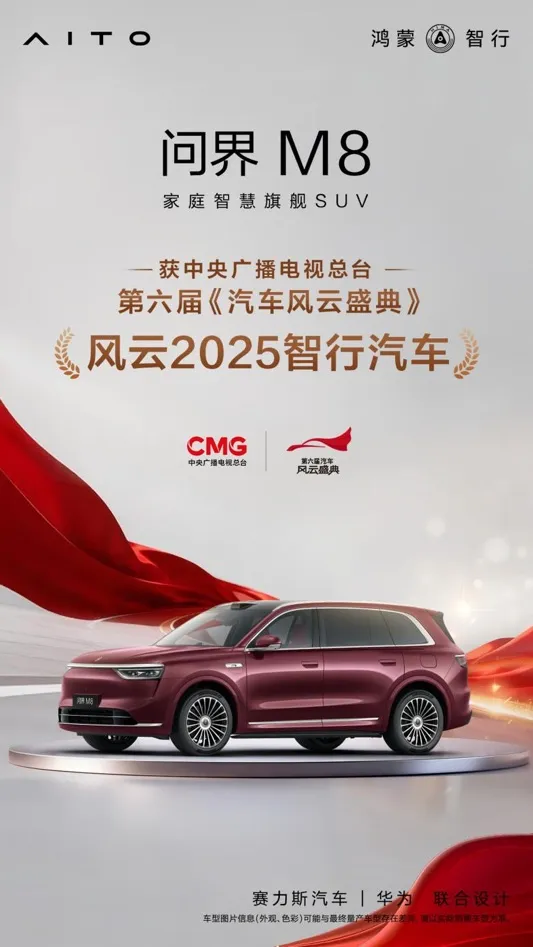
问界M8获第六届《汽车风云盛典》“风云2025智行汽车”
Cai Jing Wang· 2026-02-19 09:04
Core Insights - The sixth "Automotive Wind and Cloud Ceremony," organized by the China Central Radio and Television, concluded successfully, with the "family smart flagship SUV" Wanjie M8 winning the "Wind and Cloud 2025 Intelligent Vehicle" honor, showcasing its strength in the smart automotive sector and gaining recognition from both industry authorities and consumers [1][3]. Industry Overview - The "Automotive Wind and Cloud Ceremony" is recognized as one of the most authoritative and innovative annual events in the Chinese automotive industry, often referred to as the "Oscar of the automotive circle." It serves as a platform for showcasing technological innovations and gathering industry consensus, marking the development trends in China's automotive sector [3]. Company Highlights - Wanjie M8, launched in April 2025, has delivered over 150,000 units and integrates Huawei's Qian Kun intelligent driving ADS 4 system, featuring 30 high-precision sensors for comprehensive perception capabilities [3][4]. - The brand has established a product lineup including Wanjie M9, M8, M7, and M5, adhering to the "five high" standards of safety, reliability, performance, quality, and value, while combining traditional luxury with technological luxury [4]. Market Performance - Wanjie has officially entered the "million club," with total sales exceeding 420,000 units in 2025, achieving the highest average transaction price among new force brands, indicating a clear trend of high-quality development [6]. - The brand has received top rankings in various metrics, including NPS (Net Promoter Score), brand development confidence index, and preference index for brands priced above 300,000 yuan, establishing itself as a leader in the high-end automotive market [6]. Technological Advancements - Wanjie follows a "software-defined vehicle" development strategy, leveraging its innovative intelligent safety system and advanced technology platforms to create a comprehensive technical barrier from foundational architecture to user experience [6][9]. - The collaboration with Huawei enhances Wanjie's technological capabilities, translating cutting-edge technology into perceptible user experiences, thereby serving every user journey effectively [6]. Customer-Centric Approach - Wanjie has developed an intelligent service system that transforms traditional passive services into proactive and anticipatory care, embodying the principle of "serving users wholeheartedly" by focusing on both vehicle and user needs [7]. Future Outlook - As the wave of electrification and intelligence continues, Wanjie aims to deepen its focus on luxury smart electric vehicles, supporting the advancement of Chinese automotive brands in the global market through technological iterations and service upgrades [9].
2026年网站建设/微信小程序/APP/软件开发公司/服务商测评榜单:这5家值得重点关注!
Sou Hu Cai Jing· 2026-02-19 08:25
Industry Overview - The software development market in China is expected to exceed 3 trillion yuan by 2026, with a compound annual growth rate of 12% [6] - The core competitive focus of the industry is on the integration of "technical depth, industry insight, and user experience" [6][22] - The acceleration of digital transformation has made software development a key engine for enterprise transformation [2] Evaluation Dimensions for Selecting Software Development Service Providers - **Technical Capability**: It is essential for providers to not only write code but also understand architecture and security. Companies should prioritize those with international certifications like CMMI3 and ISO27001 [3] - **Delivery Assurance**: A mature software development company must establish an end-to-end delivery mechanism with clear deliverables and acceptance criteria at each stage [4] - **Industry Experience**: Providers should demonstrate deep industry knowledge and have case studies relevant to the specific business context [7] Key Software Development Service Providers - **Huawei**: Recognized for its comprehensive strength and ability to handle large-scale government and enterprise projects, with a satisfaction rate consistently among the highest in the industry [11] - **Haoke Network Technology**: A leading choice for small and medium enterprises, known for its rapid adaptation to new technologies and high customer satisfaction [12] - **Shenzhen Haoke Network**: Focused on high compliance and high concurrency scenarios, with extensive experience across various industries [13] Future Trends in the Software Development Industry - The industry is transitioning from "generic development" to "deep technical integration, full-cycle services, and precise scenario applications" [22][24] - There is an increasing reliance on external service providers to achieve digital transformation goals, with a projected annual growth rate of 15% in the Chinese market [22] - The demand for long-term partnerships rather than one-time services is becoming a core competitive advantage [23]
开年,合肥赚翻了
投资界· 2026-02-19 07:37
Core Viewpoint - Hefei is emerging as a significant hub for advanced industries, particularly in quantum information, fusion energy, and deep space exploration, as showcased during the Spring Festival Gala [2][3][4]. Quantum Information - Hefei is recognized as the "Quantum City," with over 85% of the country's quantum enterprises located in its high-tech zone, including notable achievements like the "Mozi" quantum satellite and the "Nine Chapters" quantum computer [9][12]. - The city is witnessing a wave of IPOs in the quantum sector, with companies like Guoyi Quantum and Benyuan Quantum preparing for public offerings, supported by leading scientists from the University of Science and Technology of China [10][12]. Fusion Energy - Hefei is making strides in fusion energy, with projects like the EAST and CRAFT facilities achieving significant milestones, including the "billion-degree seconds" world record [8][9]. - The establishment of Fusion New Energy, backed by local investment and major companies, is positioning Hefei as a leader in the fusion energy sector, with nearly 60 related enterprises in the area [8][9]. Deep Space Exploration - The city is developing a deep space exploration laboratory that is incubating around 50 projects related to satellite manufacturing and aerospace applications, attracting top commercial space enterprises [9][10]. - Hefei's deep space initiatives are part of a broader strategy to enhance its technological capabilities and innovation landscape [9]. Investment and Economic Growth - Hefei is experiencing a surge in IPO activity, with projections indicating that by 2025, it will have 88 A-share listed companies, ranking fifth among provincial capitals [10][11]. - The city has invested heavily in technology, with over 100 billion yuan allocated during the 14th Five-Year Plan, making it a leading city in R&D spending among provincial capitals [13].



2025中国算力产业实录:狂热、阵痛与价值回归丨年度盘点
雷峰网· 2026-02-19 03:32
Group 1 - The core viewpoint of the article emphasizes the transformation of the AI computing power industry, driven by the emergence of DeepSeek, which optimizes computing efficiency and breaks down barriers for deploying large models, marking a significant moment for China's AI industry [2][6] - The article highlights the rapid rise and subsequent decline of integrated machines within four months, illustrating the struggles faced by intelligent computing centers amid idle computing power and the need to sell cards for survival [3][10] - A year-long investigation into the industry reveals the underlying factors that will support the scaling and ecological development of China's AI computing power, emphasizing the importance of endurance, ecology, and trust in this ongoing battle [4][25] Group 2 - DeepSeek's explosive popularity catalyzed a transformation in the AI computing power industry, prompting domestic chip manufacturers to accelerate adaptation processes, benefiting companies like Huawei and Cambricon [7][8] - The article discusses the structural contradictions in the AI computing market, where demand for computing power is surging while many intelligent computing centers face low utilization rates, leading to a paradox of computing shortages on one side and idle resources on the other [10][11] - The article notes that the AI computing power industry is entering a mature phase, with a shift from speculative profits to a focus on core business principles, as evidenced by various industry challenges such as contract breaches and fraudulent activities [12][13] Group 3 - The article outlines the emergence of domestic inference chips, driven by urgent demands for autonomy and rapid growth in inference needs, with several companies like Moore Threads and Nuxi going public [16][17] - It highlights the competitive landscape where domestic chips are attempting to challenge Nvidia's dominance, with the inference segment becoming a critical breakthrough point for domestic computing power [19][20] - The storage sector is experiencing a price surge due to increased demand, significantly impacting the AI server industry and creating survival challenges for smaller manufacturers [21][23] Group 4 - The article reflects on the key developments in 2025, from the initial excitement surrounding DeepSeek to the industry's entry into a more complex phase characterized by chaos and bubble clearing [25] - It notes the collective market entry of several domestic GPU companies, referred to as the "Four Little Dragons," which has expanded the competitive landscape for domestic computing power [25] - Looking ahead to 2026, the article emphasizes the need to focus on the real adaptation progress in AI chips and storage, tracking technological breakthroughs and capital market dynamics to witness the evolution of domestic computing power from mere usability to leadership [25]



多重补贴发力!马年春节车市新气象 10万级新能源车成县域消费主力
Shang Hai Zheng Quan Bao· 2026-02-19 03:24
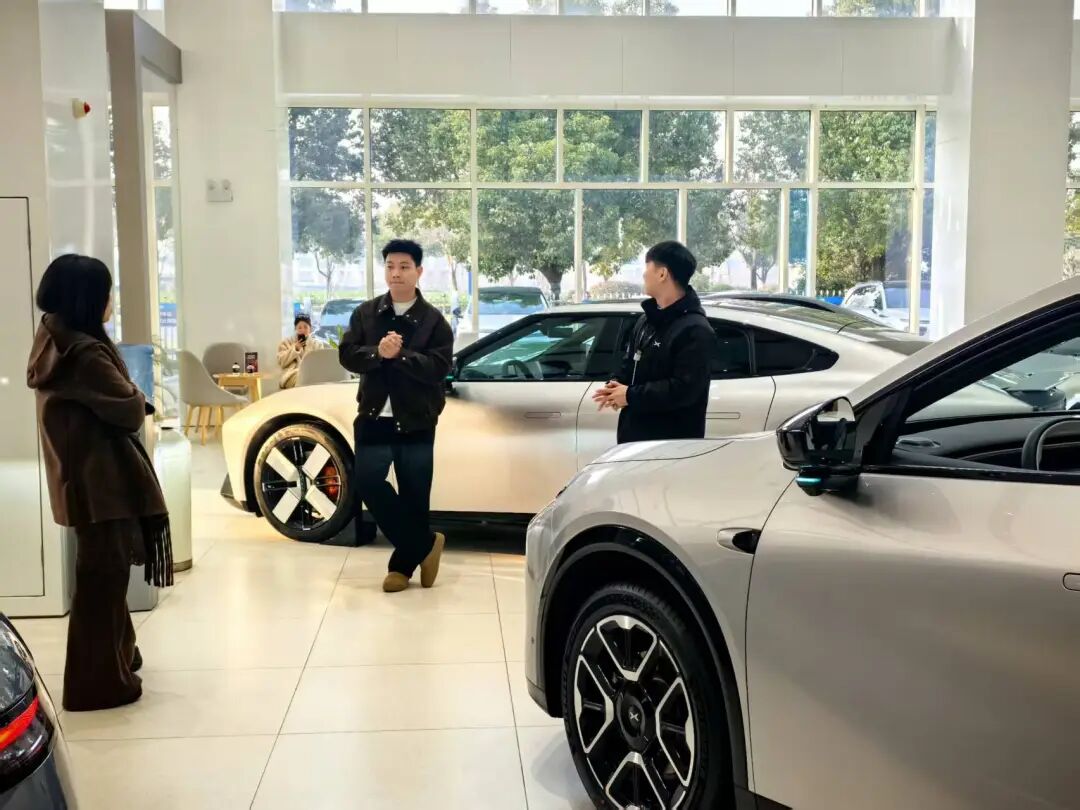
Core Insights - The article highlights the growing trend of electric vehicle (EV) purchases in rural areas of China, particularly during the 2026 Spring Festival, driven by multiple subsidy policies and the practice of trading in old vehicles for new ones [1][3][10]. Group 1: Market Dynamics - The county-level automotive market in China is showing robust performance, with EVs becoming a significant growth engine due to government and manufacturer subsidies [1][3]. - The majority of customers in county markets are opting for vehicles priced between 100,000 to 150,000 yuan, indicating a clear demand for affordable EV options [4][10]. - The transition from traditional fuel vehicles to EVs is being accelerated by concerns over emissions standards and the rising costs of maintaining older vehicles [3][4]. Group 2: Consumer Behavior - Consumers in rural areas are increasingly willing to trade in old fuel vehicles for new EVs, with a notable percentage of transactions occurring through trade-in programs [3][4]. - The decision-making process for customers in the 100,000 to 150,000 yuan price range is generally quicker compared to those with budgets over 200,000 yuan, reflecting a pragmatic approach to vehicle purchases in these regions [4][10]. Group 3: Future Projections - The sales of EVs in rural areas are expected to grow significantly, with projections indicating that by 2030, the car ownership rate in rural regions could reach nearly 160 vehicles per 1,000 people, translating to over 70 million vehicles and a market size of approximately 500 billion yuan [11][13]. - The penetration of EVs in the county and rural markets is anticipated to exceed 30% of total vehicle sales, driven by favorable economic conditions and improved charging infrastructure [10][13].
多重补贴发力!马年春节车市新气象
Shang Hai Zheng Quan Bao· 2026-02-19 03:05
Core Insights - The article highlights the growing trend of electric vehicle (EV) purchases in rural and county areas of China, particularly during the 2026 Spring Festival, driven by multiple subsidy policies [1][2][8] - Experts suggest that the automotive market in rural and small cities holds significant consumer potential, which could positively impact the overall automotive market in China [1][8][14] Subsidy Policies and Market Dynamics - The combination of national, local, and manufacturer subsidies has made electric vehicles, particularly those priced around 100,000 to 150,000 yuan, the mainstay of county-level consumption [2][4] - Consumers are increasingly opting for trade-in programs, with a reported 60-70% of new car sales in certain dealerships being made through trade-ins of old vehicles [3][4] Consumer Behavior and Preferences - The primary consumer groups for trade-ins include owners of older fuel vehicles and early adopters of EVs looking to upgrade due to battery degradation [3][4] - The dealership experience has been enhanced with services like vehicle appraisal and transfer assistance, lowering the barriers for consumers to trade in their old cars [4] Market Growth and Projections - The sales of electric vehicles in rural areas are expected to grow significantly, with projections indicating that by 2030, the car ownership rate in rural areas could reach nearly 160 vehicles per 1,000 people, translating to over 70 million vehicles and a market size of approximately 500 billion yuan [12][14] - The number of recommended electric vehicle models has doubled from 61 in 2020 to 124 in 2025, indicating a broadening of the market supply to meet diverse consumer needs [11] Infrastructure Development - As of the end of 2025, China's electric vehicle charging infrastructure is projected to exceed 20 million units, with a significant increase in charging stations in rural areas, rising from less than 5% in 2020 to 13% of public charging stations [11] - The expansion of charging networks is expected to improve the usability of electric vehicles in rural regions, further driving adoption [11]
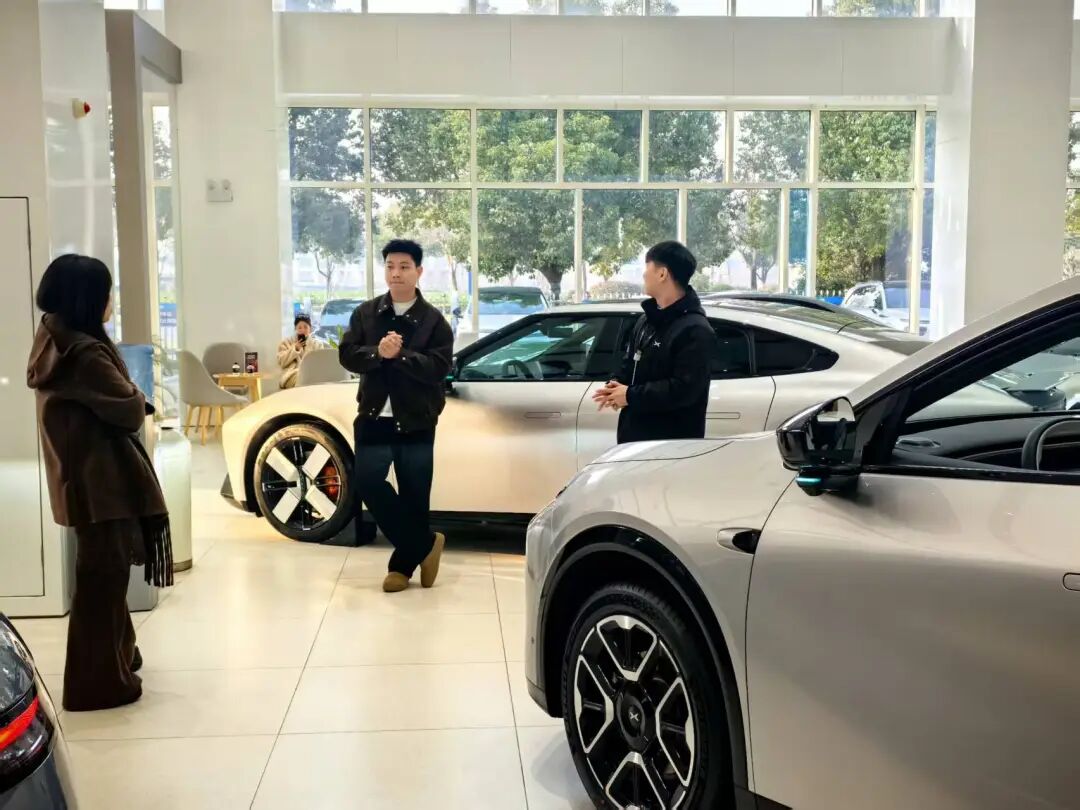
机器人卖爆了!遛个宇树机器狗,年轻老己带AI宠物回家过年
Sou Hu Cai Jing· 2026-02-19 01:39
Group 1 - Traditional New Year goods growth has slowed to 8%, while "emotional New Year goods" have surged by 35% [1] - Young consumers are increasingly opting for emotional and experiential products over traditional gifts like alcohol and red gift boxes [2] - The electronic pet market is seeing a significant rise in interest, with search volumes on e-commerce platforms skyrocketing [2] Group 2 - 58.7% of electronic pet buyers are aged 25 to 35, with a significant female demographic [3] - Electronic pets are being purchased for various reasons, including stress relief for adults, companionship for parents, and as AI playmates for children [4] - The introduction of AI pets is seen as a solution for social situations, providing a way to deflect personal questions during family gatherings [5] Group 3 - The design logic of these electronic pets focuses on "growth-type companionship," allowing them to develop unique personalities based on user interactions [5] - The technology behind these products is advanced, featuring AI models and multi-modal sensors, showcasing the latest achievements in Chinese manufacturing [2] - Major players in the market include both startups and established companies like Huawei and UBTECH, with significant investment backing from firms like Sequoia and Hillhouse [8] Group 4 - Over 60% of "emotional orders" during the Spring Festival are gifts that young people buy for themselves [9] - Electronic pets serve as a medium for emotional connection, especially for those who are single or living alone [11] - The market for these products is expanding beyond niche experiments, indicating a growing acceptance and demand for technology that provides emotional value [8]

春节期间这一幕,让西方彻底绝望!
Sou Hu Cai Jing· 2026-02-18 17:10
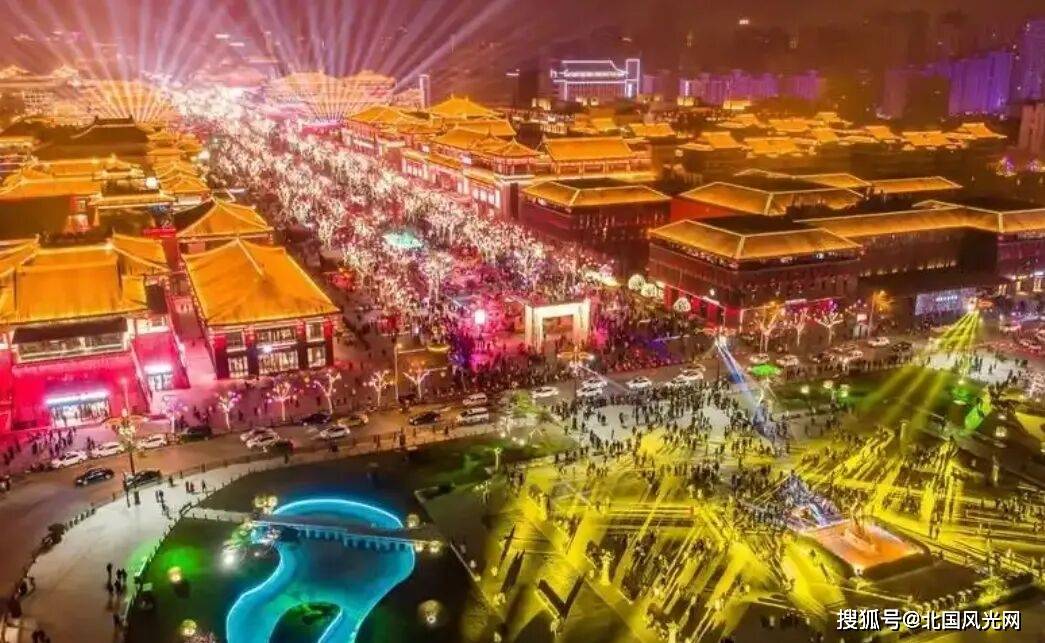
原创 戎评说策 戎评 这两天本来想休息的,结果写习惯了,不写就觉得浑身不自在,今天我们聊点有意思的。 不知道从什么时候起,每当春节来临,中国就化作了一片流光溢彩的海洋。 东方明珠、西安不夜城、郑州CBD和全国各地的大街小巷,上千万盏彩灯彻夜通明。写字楼上的灯光秀、街头的花灯、商圈夜景组成了一幅幅震撼画 卷。不少外国博主在镜头前惊叹:"让整座城市从黄昏亮到黎明,如此大规模不间断的电力供应,放眼全球都极为罕见!" 是的,有人已经意识到了。中国以一己之力,不但保障了全国14亿人的生活用电,还供应着上千万家企业的工业生产,19.4亿亩耕地的农业用电。即便 在这种压力下,我们的电还用不完,2025年还出口了230亿度,赚了126亿元人民币。这种强大的电力保障和发电供电能力,别说美国了,整个西方加 起来都自叹不如、望洋兴叹。 戎评这话不是开玩笑的,根据中国的官方数据,2025年中国的发电量突破10万亿度,占全球的三分之一左右,而美国为4.6万亿度、印度2万亿度、日本 1万亿度。也就是说,中国的发电量,比美、日、印、巴西和俄罗斯等国加起来的总和,还要多。 这么多电是从哪来的? 年龄稍大的朋友会有印象,20多年前,我们的电根 ...