奔驰

Search documents
大众汽车近90年来首度关闭德国工厂
Shang Wu Bu Wang Zhan· 2025-12-30 17:25
(原标题:大众汽车近90年来首度关闭德国工厂) 智利比奥比奥电台(biobiochile)12月19日报道,大众汽车本周关闭了Gl?serne Manufaktur工厂,这是近88年来其首次在德 国关停生产设施。该工厂自2001年运营至今,24年间累计生产了165508辆汽车。此次关停是大众集团为应对严峻财务危 机、实施产能重组计划的一部分。根据规划,公司将在2028年前将德国本土产能削减超过73万辆/年,并在2030年前通过自 然减员、内部转岗、提前退休或协议解约等方式减少3.5万个工作岗位,但承诺不进行强制裁员。原工厂将被改造为专注于 人工智能、机器人、微电子和芯片设计等领域的创新中心,明年起将有约230名员工在此工作,未来人数将随年长员工逐步 退出而减少。此次关停也折射出德国汽车行业的整体困境,大众、奥迪和奔驰总部所在城市因企业利润下滑导致税收锐 减,正面临预算缺口扩大、被迫举债或削减支出的财政压力。行业危机被归因于国际竞争加剧、外部需求下降以及国内成 本高企等多重挑战。 ...

谁说有钱人不爱买新能源?
虎嗅APP· 2025-12-30 13:20
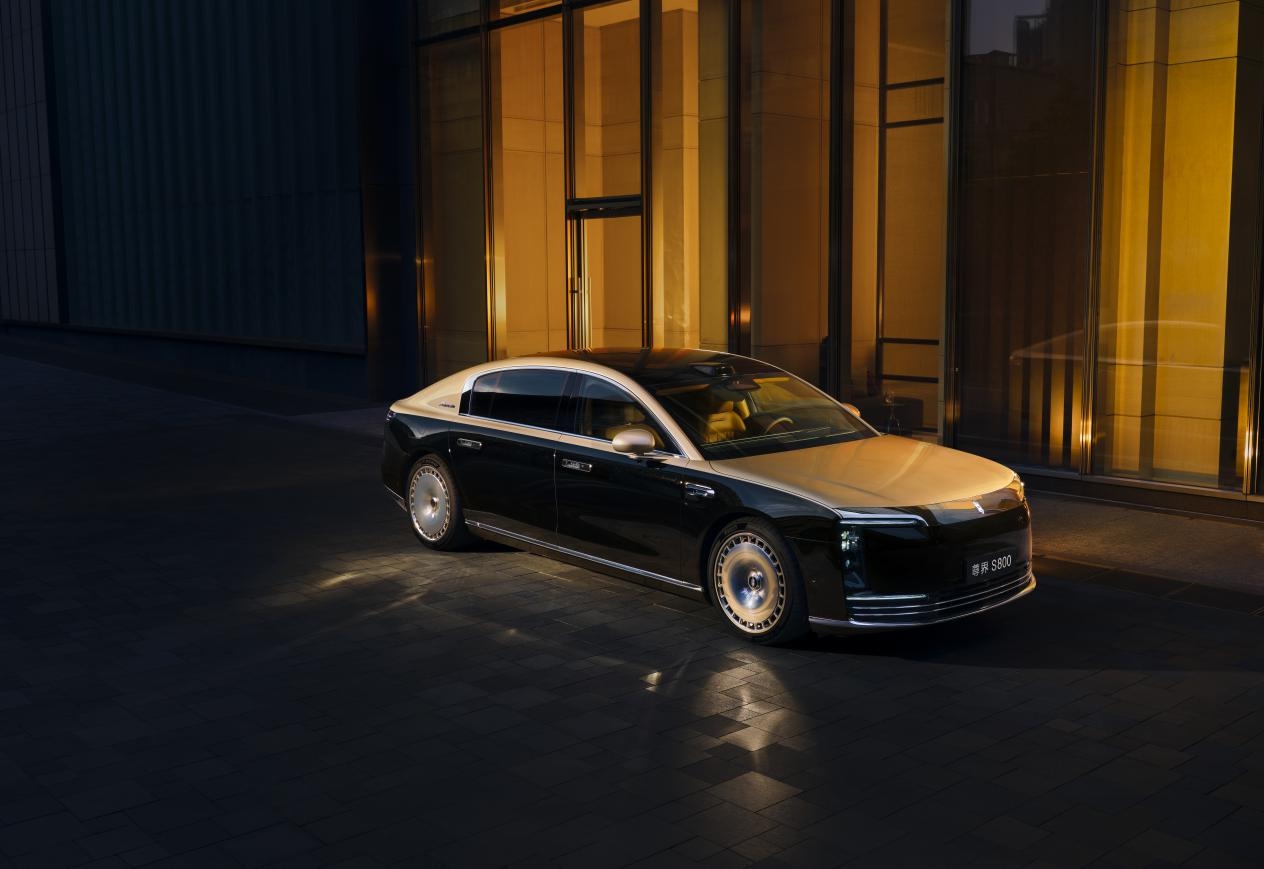
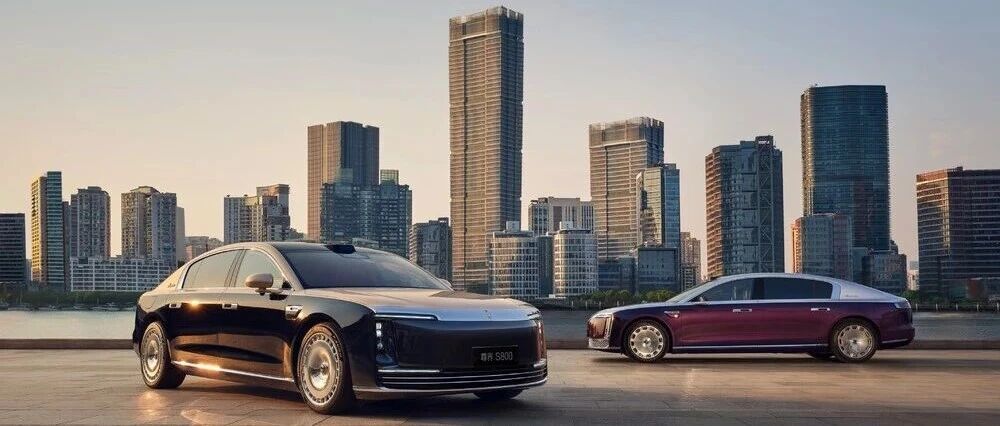
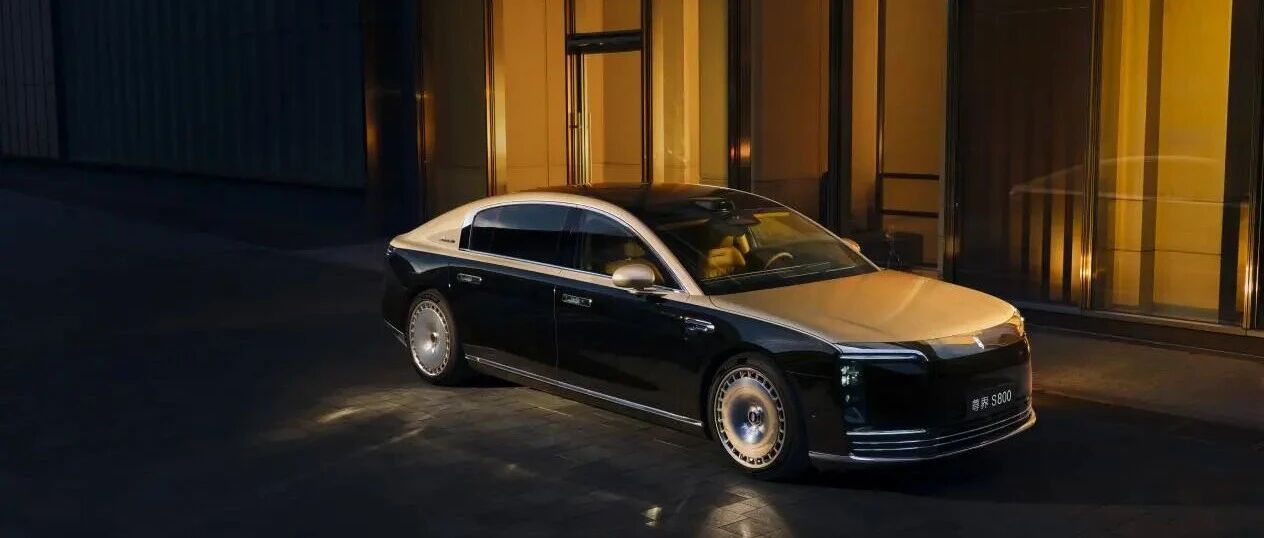
Core Viewpoint - The ultra-luxury car market is experiencing a redefinition of "luxury," driven by the changing consumption logic of high-net-worth individuals, with the ZunJie S800 achieving remarkable sales against a backdrop of declining traditional luxury brand sales [2][4]. Market Performance - The ZunJie S800 has achieved over 18,000 pre-orders within 175 days of its launch, with monthly deliveries stabilizing at over 2,000 units, contrasting with a general decline of around 30% in traditional ultra-luxury brand sales [2][4]. - The ZunJie S800 reached a milestone of 10,000 cumulative deliveries in just over 200 days, significantly faster than the typical 18-24 month period for traditional luxury cars [2][4]. Consumer Preferences - High-net-worth individuals are increasingly shifting towards domestic brands, with 42% of luxury car owners opting for Chinese brands, reflecting a significant change in market dynamics [5]. - A survey indicates that 87% of high-net-worth individuals prioritize advanced driving technology and smart cockpit features when purchasing vehicles, with 62% willing to pay a premium of 100,000 to 300,000 yuan for leading-edge technology [8]. Concerns and Preferences in New Energy Vehicles - Despite the demand for advanced technology, there are significant concerns regarding the core shortcomings of new energy vehicles, particularly regarding battery safety and efficiency [9]. - In the high-end new energy market, pure electric vehicles account for only 9% of sales, with a preference for range-extended and plug-in hybrid models, indicating a cautious approach towards fully electric options [9]. Technological Innovations - The ZunJie S800 leverages the Huawei Whale Battery Platform, which addresses safety concerns through advanced thermal management and structural integrity, achieving a battery health rate of 97% after 100,000 kilometers [11][12]. - The platform incorporates a unique thermal management system that actively prevents thermal runaway, enhancing safety beyond traditional passive measures [11][12]. Quality Control and Lifecycle Management - The Whale Battery Platform employs rigorous quality control measures, including 100% X-ray inspection of battery cells, ensuring high standards of safety and reliability [13][20]. - The platform redefines battery ownership by treating battery health as a serviceable asset throughout its lifecycle, allowing for shared maintenance responsibilities between manufacturers and users [18]. Market Implications - The technological advancements of the ZunJie S800 not only redefine consumer expectations in the ultra-luxury segment but also provide a competitive edge for Chinese brands in the high-end automotive market [20][24]. - The ZunJie S800 represents a shift in the automotive industry, moving from traditional supply-demand models to a more integrated approach that emphasizes quality standards and technological innovation [26].
2025冬测揭秘:谁续航最高?谁更安全?
3 6 Ke· 2025-12-30 12:17
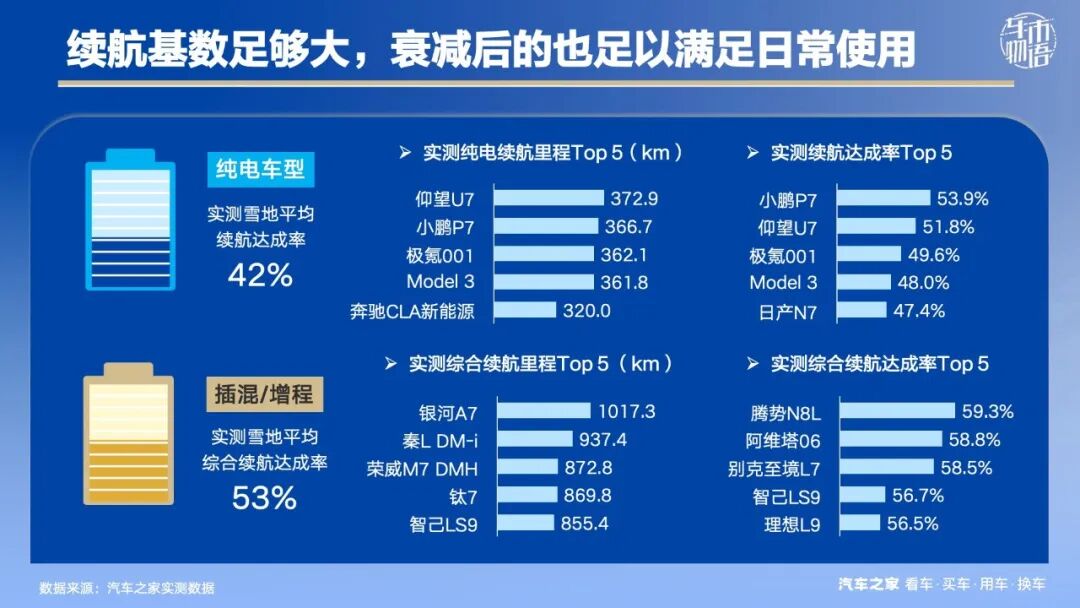
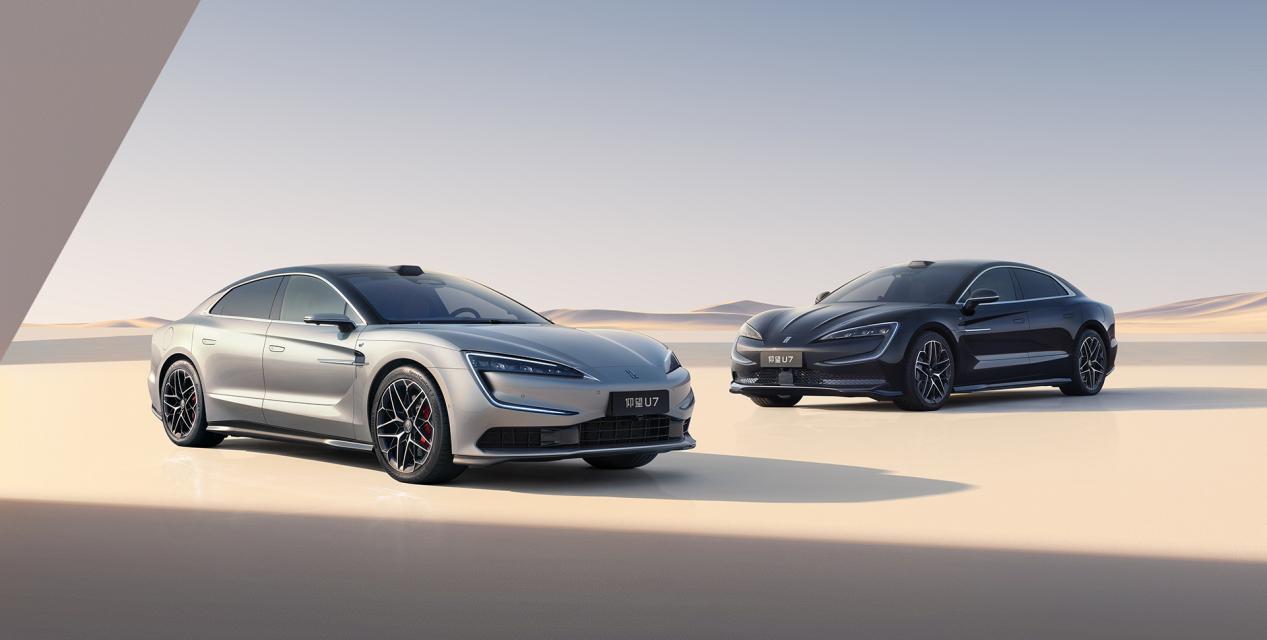
Core Insights - The penetration rate of the new energy vehicle (NEV) market reached 59.5% in November 2025, indicating a significant shift towards electric vehicles in consumer preferences [1] Group 1: Low-Temperature Reliability - 90% of tested vehicles passed low-temperature reliability tests, with only 5 vehicles experiencing issues such as severe battery depletion and heating system failures [2] - Common high-frequency faults like door handle malfunctions and screen failures were not observed during this year's winter tests, showcasing improved reliability [2] Group 2: Range Performance in Extreme Cold - The average range achievement rate for pure electric vehicles was 42%, while plug-in hybrid and range-extended vehicles achieved a combined rate of 53% [3] - In harsh winter conditions, the average real-world range for tested pure electric vehicles was 257 km, with the longest range recorded at 372.9 km for the Yangwang U7 [5] Group 3: Battery Type Performance - Pure electric vehicles with lithium iron phosphate (LFP) batteries showed a range achievement rate of 42%, comparable to the 41.6% for those with ternary lithium batteries, indicating no significant disadvantage for LFP in cold conditions [6] Group 4: International Collaboration and Performance - Overseas mainstream brands utilizing "reverse new joint ventures" achieved the highest average range achievement rates for pure electric vehicles at 43.7% [11] - Notable performances included the Nissan N7 with a range of 296.3 km and a rate of 47.4%, while luxury brands like Mercedes-Benz showed less impressive results [11] Group 5: Heating Efficiency and Safety Features - Only 18% of tested vehicles could achieve a cabin temperature above 18°C in extreme cold, indicating a need for improvement in heating efficiency [12] - Among 49 vehicles tested for Automatic Emergency Braking (AEB) in snowy conditions, only 3 could successfully stop at 60 km/h, highlighting limitations in current safety features [14] Group 6: Overall Market Outlook - The overall reliability and performance of popular new energy vehicles have significantly improved, with some models achieving a pure electric range of nearly 400 km and combined ranges exceeding 1000 km [17] - Despite advancements, there are still areas for improvement, particularly in heating capabilities and AEB performance in icy conditions [17]
2025全球无人驾驶行业盘点:Robotaxi规模化运营驶入快车道
Jing Ji Wang· 2025-12-30 10:50
2025年,全球Robotaxi技术迎来爆发前夜,感知预测能力与端到端算法显著增强,以大模型为代表的AI 技术使系统应对长尾场景的能力大幅提升。同时,车规级计算芯片、操作系统及激光雷达、毫米波雷达 等核心部件的性能不断进步、成本持续优化。在技术成熟、成本下探与示范应用扩大的三重驱动下, Robotaxi出行服务已走向大规模应用的临界点。 2025年,Robotaxi产业已从单打独斗的技术竞赛,演变为一场围绕"技术落地与商业闭环"的深度协同, 科技公司、算法企业、出行平台与传统车企展开广泛合作,共同推进技术落地与运营部署。围绕技术赋 能与生态开放,萝卜快跑、谷歌Waymo等头部无人驾驶公司开始扮演"基石"角色,向生态内伙伴开放能 力。例如,萝卜快跑与Uber、Lyft两大全球出行平台合作,在中东、亚洲以及欧洲市场规模化部署 Robotaxi服务,还与阿布扎比、瑞士等当地出行服务商合作,实现技术和服务的落地;谷歌Waymo同样 与Uber、丰田携手推进其Robotaxi服务;英伟达则联合Lucid、丰田、奔驰等主流车企研发L4级车辆。 这些企业间的深度绑定,正快速构建起一个技术共生、生态共享、供应链联动体系,标志 ...


2025汽车行业年鉴|供应链篇:整零深度绑定、场景决定未来
Jing Ji Guan Cha Wang· 2025-12-30 10:23
Core Insights - In 2025, the Chinese automotive industry will experience a deepening transformation towards intelligence, shifting the supply chain from "price competition" to "value competition" and evolving towards a "fully intelligent ecosystem co-construction" [2] - Level 3 autonomous vehicles will be legally operational in China, marking a significant milestone for companies like Robotaixi, which is expected to achieve profitability [2] - The supply chain's global competitiveness will accelerate as the intelligent wave drives the evolution from component assembly to technological ecosystems, with advancements in areas like unmanned delivery and flying cars [2] Group 1: Industry Trends - The most notable feature of the automotive intelligent supply chain in 2025 will be "ecological integration" replacing "single-point cooperation," with leading automakers and core suppliers forming deep collaborative barriers through strategic investments and equity binding [3] - Capital injection is crucial for resource binding, exemplified by Chery and Luxshare's joint investment of $100 million in Lightyear, and other strategic investments by major players like FAW and Geely [3] - The restructuring of major automotive companies, such as Changan becoming a new central enterprise, will lead to the establishment of intelligent manufacturing and asset management platforms [3] Group 2: Technological Advancements - Core suppliers are transitioning from "component providers" to "full-stack solution enablers," with companies like Huawei leading the charge in defining products and channels through their HarmonyOS [4] - The implementation of a 60-day payment term by major automakers aims to restore the credit system within the supply chain, fostering a shift from competition to strategic partnerships [4] - Significant regulatory changes include the mandatory adoption of Advanced Emergency Braking Systems (AEBS) and the introduction of stringent safety standards for power batteries [5] Group 3: Commercialization and Market Expansion - The commercialization of Level 4 autonomous driving technology is entering a verification phase, with the Ministry of Industry and Information Technology granting licenses for Level 3 systems to specific models [6] - The Robotaxi sector is witnessing critical breakthroughs, with companies like Pony.ai and WeRide achieving dual listings and significant advancements in autonomous driving systems [6] - Unmanned delivery is transitioning from pilot projects to large-scale applications, with companies like New Stone and JD Logistics deploying thousands of unmanned vehicles [7] Group 4: Challenges and Future Outlook - Despite significant breakthroughs in 2025, the Chinese automotive supply chain faces three major challenges: reliance on external sources for raw materials like lithium and cobalt, dependency on imported chips, and limitations in foundational software technologies [8]

百万级市场的权力交接:中国车重新定义超豪华
21世纪经济报道· 2025-12-30 09:24
Core Viewpoint - The luxury car market in China, previously dominated by European brands, is undergoing a significant transformation with the introduction of the Chinese brand ZunJie S800, which has successfully established itself in the high-end segment, marking a new era of competition in the ultra-luxury market [1][2]. Market Dynamics - The ultra-luxury car market, historically defined by European brands, is losing its traditional barriers as Chinese brands like ZunJie S800 enter the market with competitive pricing and innovative technology [5][6]. - In 2024, Maserati's sales in China dropped to 1,228 units, a decline of over 90% from its peak, while Bentley and Rolls-Royce also experienced significant sales declines of approximately 20% and 38% respectively [5][6]. Technological Advancements - The ZunJie S800 features advanced technology such as the Huawei QianKun intelligent driving system, which aims to redefine luxury driving experiences by enhancing safety and comfort through automation [10][12]. - The vehicle's production involves a "quality alliance" with over 220 global suppliers, aiming to exceed the craftsmanship standards set by century-old luxury brands [17][19]. Consumer Behavior - The new generation of high-net-worth individuals is shifting their purchasing preferences from traditional luxury symbols to technology-driven features, valuing driving enjoyment and comfort over brand heritage [7][9]. - Approximately 80% of early adopters of the ZunJie S800 are men aged 40 to 50, many of whom are replacing vehicles from established luxury brands like Mercedes-Benz and Porsche [13][14]. Sales Performance - The ZunJie S800 achieved over 6,500 orders within the first month of its launch, indicating strong market acceptance and demand [5][9]. - By December 2025, the ZunJie S800 had delivered over 3,127 units in a single month, setting a new record for the model [9][21]. Industry Impact - The ZunJie S800 is seen as a catalyst for change in the Chinese automotive industry, pushing suppliers to innovate and improve their capabilities to meet the new standards set by the vehicle [17][21]. - The introduction of the ZunJie S800 signifies a shift in the luxury car market, where technology and user experience are becoming the new benchmarks for success [10][21].
数字孪生领域龙头企业五一视界成功在港交所上市
Sou Hu Cai Jing· 2025-12-30 09:15
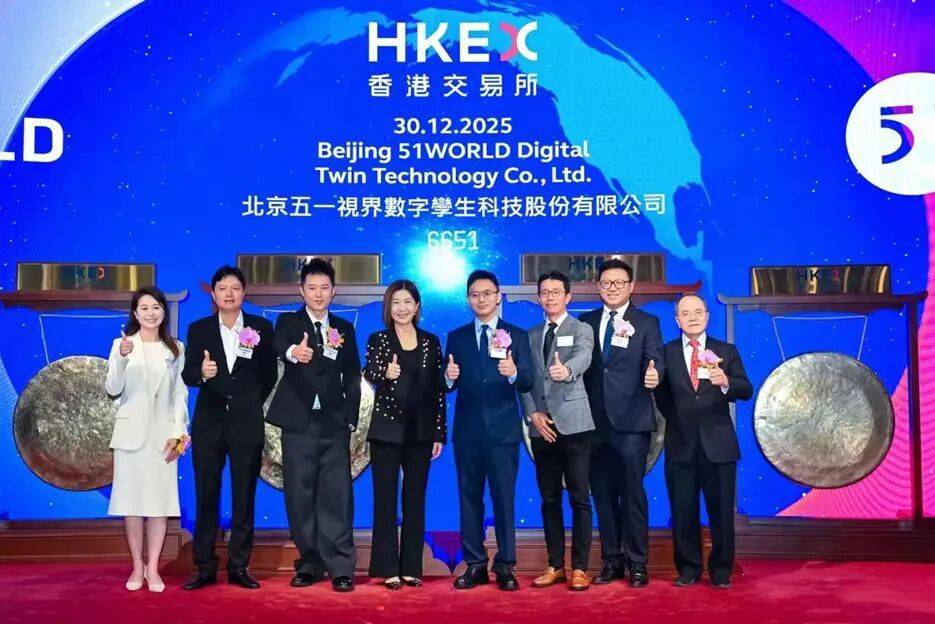
Group 1 - Company Beijing Wuyi Shijie Digital Twin Technology Co., Ltd. successfully listed on the Hong Kong Stock Exchange on December 30, becoming the ninth newly listed company in Haidian District in 2025 [1] - The IPO involved the issuance of 23.9752 million shares at a price of HKD 30.50 per share, raising approximately HKD 731 million [1] - On the first trading day, the company's stock price surged to HKD 39.80, reflecting an increase of over 30% [1] Group 2 - Founded in February 2015, the company has a registered capital of CNY 382.381 million and is a leading player in the digital twin sector, providing solutions for digital twin access and construction [2] - The company has established a comprehensive digital twin ecosystem, including three core platforms: 51Aes, 51Sim, and 51Earth, covering various industries such as telecommunications, technology, AI, urban development, automotive manufacturing, and real estate [2] - Major clients include well-known enterprises such as China Mobile, China Unicom, China Telecom, Huawei, Tencent, Alibaba, BMW, and Vanke [2] Group 3 - In the first half of 2025, the company achieved revenue of CNY 53.82 million, representing a year-on-year growth of 62.04% [3] - From 2022 to 2024, the company reported revenues of CNY 170 million, CNY 256 million, and CNY 287 million, with a compound annual growth rate of 29.9% [3] - The company has attracted investments from several prominent domestic and international institutions and enterprises, including Lightspeed China Partners, Cloud Nine Capital, and SenseTime [3]
外资品牌深度链接本土“双智”供应商 华为、Momenta成赢家
Xin Lang Cai Jing· 2025-12-30 08:49
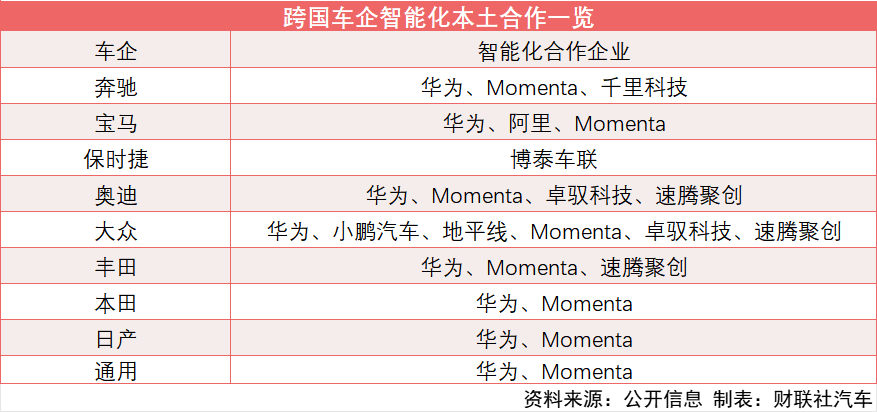
Core Viewpoint - The global automotive industry is undergoing significant transformation, presenting both challenges and opportunities for foreign car manufacturers in China. Collaborating with local intelligent suppliers is emerging as a major trend for the automotive industry by 2025 [1] Group 1: Collaborations and Partnerships - Major foreign car manufacturers, including Mercedes-Benz, BMW, and Audi, are forming strategic partnerships with local Chinese companies in the fields of intelligent driving and smart cockpits [2][3] - Mercedes-Benz has entered a long-term strategic cooperation agreement with Qianli Technology, focusing on artificial intelligence, intelligent driving, and smart cockpit technologies [2] - Other notable collaborations include partnerships between BMW and companies like Huawei and Momenta, as well as Audi's cooperation with multiple local suppliers [2][3] Group 2: Financial Performance and Market Trends - Foreign car manufacturers are experiencing declining profits, with BMW reporting a 16.2% year-on-year decrease in EBIT to €8.06 billion for the first nine months of the year, alongside a 5.6% drop in revenue to approximately €100 billion [3] - Sales figures for major brands in China from January to November show significant declines: BMW down 14.7% to 528,000 units, Mercedes-Benz down 18.7% to 518,000 units, and Audi down 13.3% to 518,000 units [4] - Industry experts suggest that the shift towards collaboration with local technology firms is a response to the pressures of profitability and the need for transformation in the automotive sector [3][4]

全新奔驰纯电CLA、全新宝马X3长轴距版……2025年上市新车重点回顾
Zhong Guo Zhi Liang Xin Wen Wang· 2025-12-30 08:44
Core Insights - The domestic automotive market in 2025 is experiencing a surge in new vehicle launches, with a focus on both independent new energy brands and joint venture luxury brands, offering a wide range of options for consumers [1] Sedan Segment - The Yangwang U7, a flagship sedan from Yangwang Auto, boasts over 1300 horsepower and a 0-100 km/h acceleration time of 2.9 seconds, featuring advanced driving capabilities [2] - Dongfeng Nissan N7 is positioned as a high-comfort mid-range electric sedan, equipped with AI zero-pressure cloud blanket seats and various comfort features [5] - The Jianghuai Auto and Huawei collaboration has produced the luxury flagship sedan, ZunJie S800, which integrates advanced design and technology, including a high-density 800V electric platform [8] - The Audi A5L, based on the new PPC luxury fuel platform, enhances performance and luxury through advanced design and engine technology [12] - Buick's Zhijing L7, the first flagship sedan from its high-end new energy brand, features the "True Dragon" range extender technology and advanced driving assistance systems [13] SUV Segment - The all-new BMW X3 long-wheelbase version offers enhanced space and comfort, with a new powertrain and advanced driver assistance features [21] - GAC Toyota's Platinum 3X is designed based on Chinese consumer needs, featuring advanced intelligent driving capabilities and multiple battery options [24] - The AITO M8 is positioned as a family-oriented flagship SUV, equipped with Huawei's advanced technologies and spacious interior [25] - The new ES8 from NIO is a large electric SUV with upgraded dimensions and configurations, featuring a high-voltage platform and significant power output [34] MPV Segment - The 2026 BYD Xia is designed for family users, featuring a unique design and advanced hybrid system with impressive range capabilities [36] - The Xiaomi X9 Super Range Extender is a versatile 7-seat MPV with fast charging capabilities and a luxurious interior [40] - Buick's Zhijing Shijia is a high-end smart MPV with advanced driving assistance systems and a powerful hybrid powertrain [42]
上探百万市场的中国车,开始争夺定义“超豪华”的权力
2 1 Shi Ji Jing Ji Bao Dao· 2025-12-30 05:10
中国售价百万以上的豪华轿车市场,曾由欧洲品牌书写全部规则。奔驰S级、宝马7系与保时捷Panamera等车型,凭借深厚的品牌积淀与产品定义权,长期占 据着这一细分市场超过95%的份额。这被视为汽车工业皇冠上最难以触碰的明珠,中国品牌数次冲击,大多无功而返。 这个成绩的深层意义,在于它验证了一种超越单一产品力的系统性突破。中国品牌第一次在超豪华轿车的战场上,展示了一种完整的"体系化能力"。从最初 的技术研发定义,到能稳定生产顶级工艺的超级工厂,再到拉动整条高端供应链协同升级,最终完成在核心高净值圈层中的精准认知植入与口碑扩散。 当一辆车能同时成为技术标杆和圈层货币时,它所能影响的,就远不止是销量排行榜上的数字了。 当市场不再为历史买单 这一次,驱动汽车的技术内核发生了根本迁移,而掌握购买力的群体也完成了代际交替。当电动化与智能化浪潮来临,新一代高净值消费群体开始用评价高 端消费电子的标准,来审视一辆豪华轿车。 2025年5月,尊界S800以70.8万元的起售价进入这一市场。到12月16日,其第10000台量产车下线,并在数月内位居70万元以上豪华轿车销量榜首。今年2-12 月,尊界S800交付量预计突破4000台 ...