
体系化能力

Search documents
新造车2025年复盘:零跑登顶,小鹏逆袭,理想遇挫
创业邦· 2026-01-03 10:22
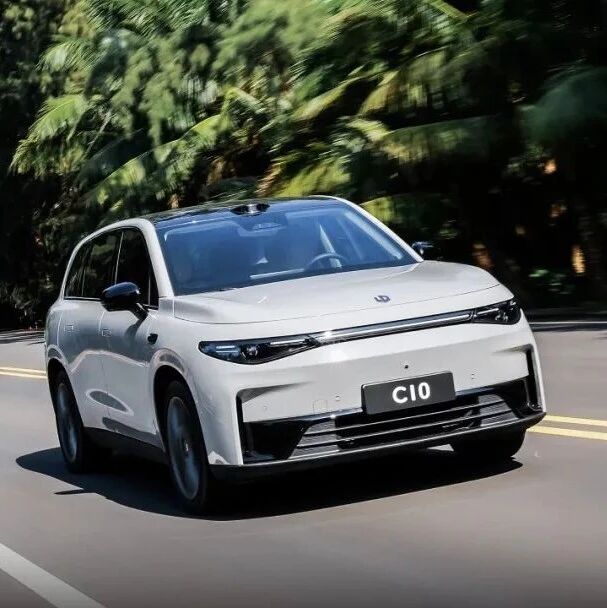
Core Viewpoint - The 2025 sales data reveals a significant shift in the Chinese electric vehicle (EV) market, with new players like Leap Motor, Huawei's Homologous Intelligent Driving, and Xiaomi emerging as strong competitors against established brands like BYD and Geely [6][12]. Group 1: 2025 Sales Performance - BYD led the market with 4.6024 million units sold, achieving 100% of its target [7]. - Geely surpassed 3 million units, reaching 3.0246 million with a 39% year-on-year growth [7]. - Leap Motor emerged as the top new force with nearly 600,000 units sold, marking a 103% increase [8][12]. - Homologous Intelligent Driving ranked second among new forces with 589,100 units delivered, primarily driven by the Wanjie brand [8]. - Xiaomi entered the top five with over 400,000 units sold, leveraging its ecosystem and brand loyalty [17]. Group 2: Competitive Landscape - The competition among new forces has intensified, with Leap Motor, Homologous Intelligent Driving, and Xiaomi leading the charge, while traditional players like BYD and Geely maintain their dominance [10][12]. - The market is shifting from a focus on capturing the fuel vehicle market to a more competitive landscape where companies vie for each other's market share [10]. - The new forces are increasingly focusing on systemic capabilities rather than just product features or pricing [18]. Group 3: Strategic Insights - Leap Motor's success is attributed to its cost control and high component sharing rate, which allows it to offer competitive pricing while maintaining quality [15][18]. - Xiaomi's approach combines its consumer electronics experience with automotive production, achieving a gross margin of 26.4% in Q3 2025 [17]. - The high-end players like Ideal, Homologous Intelligent Driving, and NIO face challenges as the market shifts towards technology competition rather than just configuration [19][23]. Group 4: Future Outlook - The penetration rate of new energy vehicles is expected to exceed 60% in 2026, leading to intensified competition [10]. - Companies are setting ambitious sales targets for 2026, with Homologous Intelligent Driving aiming for 1 to 1.3 million units and Leap Motor targeting 1 million [10]. - The competition will evolve into a "value war," focusing on better battery performance, intelligent features, and overall vehicle quality [29][30].






百万级市场的权力交接:中国车重新定义超豪华
21世纪经济报道· 2025-12-30 09:24
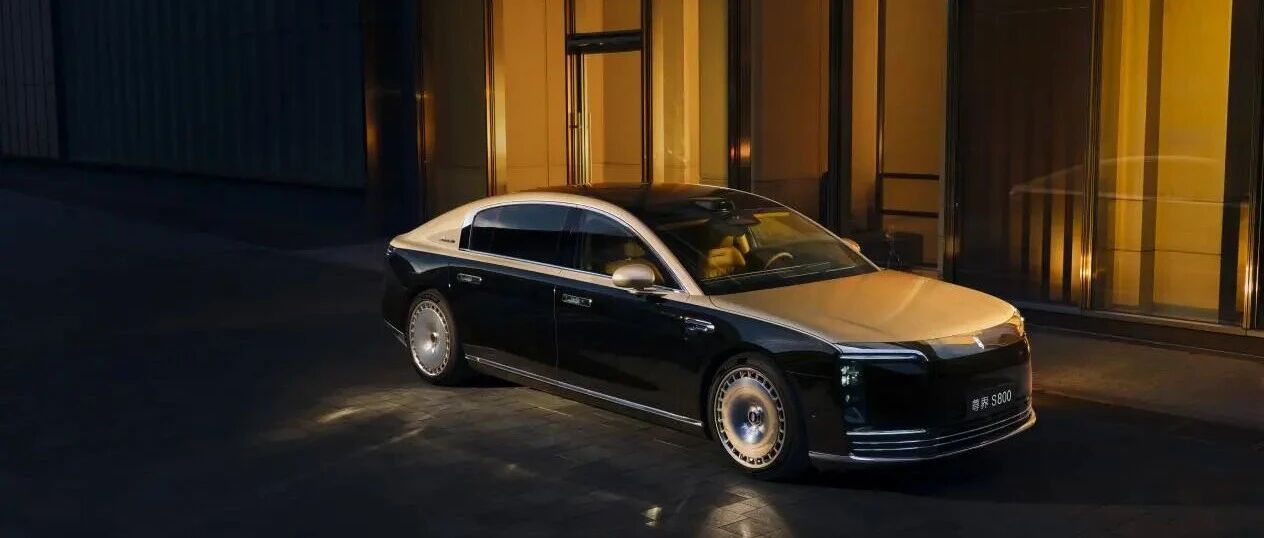
Core Viewpoint - The luxury car market in China, previously dominated by European brands, is undergoing a significant transformation with the introduction of the Chinese brand ZunJie S800, which has successfully established itself in the high-end segment, marking a new era of competition in the ultra-luxury market [1][2]. Market Dynamics - The ultra-luxury car market, historically defined by European brands, is losing its traditional barriers as Chinese brands like ZunJie S800 enter the market with competitive pricing and innovative technology [5][6]. - In 2024, Maserati's sales in China dropped to 1,228 units, a decline of over 90% from its peak, while Bentley and Rolls-Royce also experienced significant sales declines of approximately 20% and 38% respectively [5][6]. Technological Advancements - The ZunJie S800 features advanced technology such as the Huawei QianKun intelligent driving system, which aims to redefine luxury driving experiences by enhancing safety and comfort through automation [10][12]. - The vehicle's production involves a "quality alliance" with over 220 global suppliers, aiming to exceed the craftsmanship standards set by century-old luxury brands [17][19]. Consumer Behavior - The new generation of high-net-worth individuals is shifting their purchasing preferences from traditional luxury symbols to technology-driven features, valuing driving enjoyment and comfort over brand heritage [7][9]. - Approximately 80% of early adopters of the ZunJie S800 are men aged 40 to 50, many of whom are replacing vehicles from established luxury brands like Mercedes-Benz and Porsche [13][14]. Sales Performance - The ZunJie S800 achieved over 6,500 orders within the first month of its launch, indicating strong market acceptance and demand [5][9]. - By December 2025, the ZunJie S800 had delivered over 3,127 units in a single month, setting a new record for the model [9][21]. Industry Impact - The ZunJie S800 is seen as a catalyst for change in the Chinese automotive industry, pushing suppliers to innovate and improve their capabilities to meet the new standards set by the vehicle [17][21]. - The introduction of the ZunJie S800 signifies a shift in the luxury car market, where technology and user experience are becoming the new benchmarks for success [10][21].
交付破万,尊界S800如何改写了国产超豪华轿车的历史?
华尔街见闻· 2025-12-29 10:24
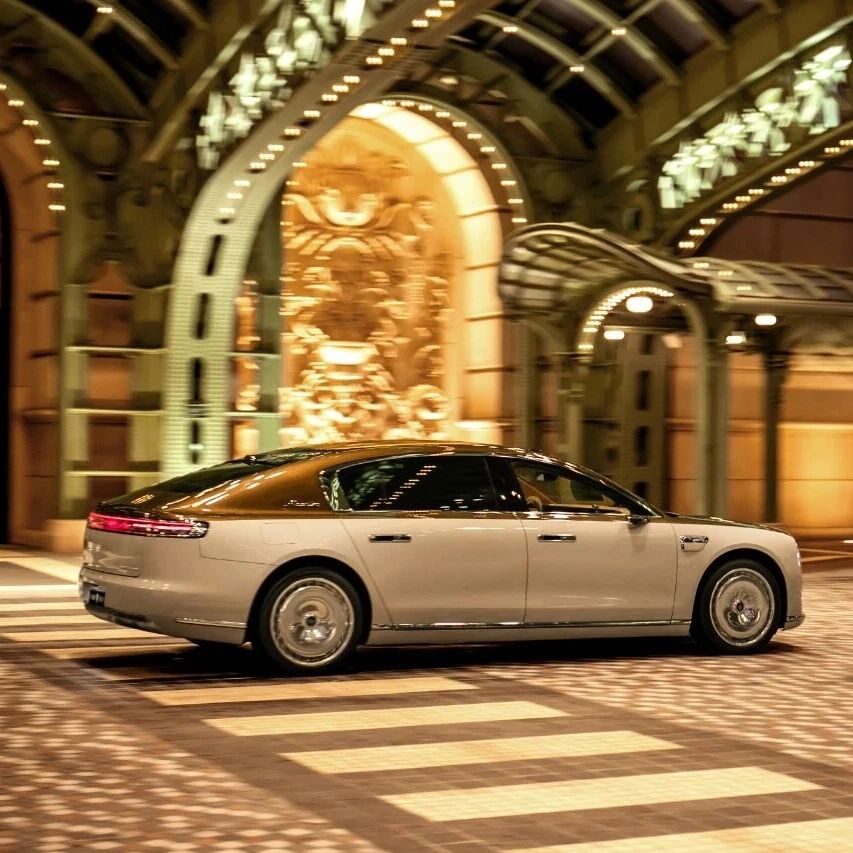
Core Viewpoint - The launch of the ZunJie S800, a domestic ultra-luxury sedan, has achieved remarkable sales success, breaking the record for the fastest 10,000 units delivered in China's luxury car market, with notable recognition from high-net-worth individuals like international superstar Jet Li [1][9]. Delivery and Quality - The ZunJie S800's delivery capability is a critical factor for success in the ultra-luxury car market, where high-quality standards and stable delivery are essential [3][4]. - The vehicle achieved over 2,000 deliveries in November alone, surpassing the combined sales of competitors like the Panamera and BMW 7 Series, and maintained its position as the top seller in the segment for three consecutive months [1][4]. Technological and Manufacturing Excellence - The ZunJie S800 incorporates advanced technology, including Huawei's high-level intelligent driving system and an 800V high-voltage platform, which enhances driving quality and sets a new standard for domestic ultra-luxury vehicles [6][8]. - The manufacturing process is supported by Huawei's digital modeling and quality control systems, ensuring consistency and high standards across all vehicles produced [7][8]. Market Impact and Brand Recognition - The ZunJie S800 has received multiple industry awards, reflecting its strong product capabilities and brand influence, and is expected to accelerate deliveries to 4,000 units per month [5][14]. - The vehicle has become a social symbol among high-net-worth individuals, with over 70% of buyers opting for the highest configuration, indicating a strong market demand and customer satisfaction [9][11]. Supply Chain and Industry Transformation - The success of the ZunJie S800 has prompted a significant upgrade in China's automotive supply chain, with over 221 suppliers improving their capabilities to meet the stringent standards required for ultra-luxury vehicles [15][17]. - The project has fostered collaboration among suppliers, leading to innovations in materials and manufacturing processes, which are essential for the advancement of domestic high-end automotive production [15][17].
以实力破圈,Mate 80系列何以成为中国科技的高端坐标?
36氪· 2025-12-28 09:30
Core Viewpoint - The true high-end is not about momentary advantages in parameters but about the long-term realization of systemic capabilities in complex environments [2][28]. Market Dynamics - By the end of 2025, the Chinese smartphone market is expected to undergo a significant reshuffle, with key components like memory entering a price increase cycle, reshaping pricing logic [3]. - The mid-to-low-end market is shrinking under cost pressures, while the high-end market, driven by AI, imaging, and system ecosystems, remains a certain growth segment [3]. - Huawei has made a strong comeback, surpassing Apple in domestic market share, achieving 27.81% in week 48 and 22.89% in week 49 of 2025 [3]. Competitive Landscape - The competition in the high-end smartphone market is shifting from parameter gimmicks to the construction of systemic capabilities [4]. - Huawei's Mate 80 series signifies a new phase focused on systemic maturity, moving from merely re-entering the competition to upgrading the paradigm of high-end competition driven by systemic capabilities [7][19]. Symbolic Value - In a highly homogeneous smartphone market, the value of symbols is often underestimated, as hardware supply chains become shared and functional innovations diminish [10]. - The Mate series embodies a clear and stable symbolic system that represents technological breakthroughs and consumer value choices [10]. - The dual-ring design of the Mate 80 series symbolizes a commitment to "infinite exploration" and continuous breakthroughs [10]. Technological Innovations - The Mate 80 series features a full metal design, overcoming technical challenges related to signal integrity, representing a dual breakthrough in design aesthetics and structural engineering [11]. - The Mate 80 Pro Max includes a new ultra-bright screen with peak brightness of 8000 nits, addressing visibility issues in bright outdoor conditions [14]. - The second-generation Red Maple imaging system allows for true-to-life color reproduction, optimizing color fidelity under complex lighting conditions [14]. - The Mate 80 series supports 2.4GHz seamless communication over distances of up to 7 kilometers and boasts a battery life of up to 14 days in extreme conditions [14]. Systemic Capabilities - The Mate 80 series constructs a comprehensive set of systemic capabilities, enabling users to explore complex environments with enhanced safety and experience [15]. - With the support of HarmonyOS 6, the Mate 80 series features advanced AI capabilities, enhancing user interaction and experience [17]. - The Mate 80 series has positioned itself as a significant milestone in the Harmony ecosystem, with over 350,000 applications and a 95% compatibility rate [17]. Market Strategy - The Mate 80 series has adopted a rare pricing strategy, lowering its starting price to 4699 yuan despite rising component costs, triggering a strong market response [18]. - This pricing strategy reflects Huawei's long-term technological accumulation and systemic capabilities, allowing for proactive market choices rather than reactive pricing [18]. Historical Context - The Mate series has evolved over twelve years, establishing itself as a leading force in the high-end smartphone market, transitioning from technology follower to technology leader [20][28]. - Each generation of the Mate series has introduced significant technological advancements, from large screens to AI imaging capabilities, consistently pushing the boundaries of user experience [22][23]. Conclusion - The Mate series represents a new starting point for Chinese technology in the high-end sector, demonstrating that true high-end status is achieved through long-term systemic capabilities rather than short-term parameter advantages [28].

以实力破圈,Mate 80系列何以成为中国科技的高端坐标?
3 6 Ke· 2025-12-28 07:06
Core Insights - The Chinese smartphone market is undergoing a significant reshuffle by the end of 2025, with key components like memory entering a price increase cycle, reshaping pricing logic and creating a clear market divide at the $600 price point [1] - Huawei has made a strong comeback, regaining the top position in the domestic smartphone market, surpassing Apple in market share for two consecutive weeks [1] - The Mate 80 series signifies a new phase for Huawei, focusing on systematic maturity and capabilities rather than just flagship features [5][6] Market Dynamics - The high-end smartphone competition is shifting from parameter-based advantages to a focus on systematic capabilities, as cost pressures and technological benefits diminish [2] - Huawei's return to the high-end market is marked by the Mate 80 series, which has established a strong presence amidst fierce competition [2] Product Features - The Mate 80 series features a dual-ring design that symbolizes Huawei's commitment to "infinite exploration" and represents a significant design evolution [6] - The series incorporates a full metal design, overcoming technical challenges related to signal integrity, and showcases a blend of aesthetic and structural engineering [7] - The Mate 80 Pro Max boasts a new ultra-bright display with peak brightness levels of 8000 nits, addressing visibility issues in bright outdoor conditions [12] - The second-generation imaging system in the Mate 80 series enhances color accuracy and real-time image expression, optimizing performance in complex lighting [12] - The series supports advanced communication capabilities, including 2.4GHz connectivity over distances of up to 7 kilometers and exceptional battery life of up to 14 days in extreme conditions [12] Systematic Innovation - The Mate 80 series is not just about individual features but represents a comprehensive capability set that enhances user experience in real-world scenarios [13] - The integration of the HarmonyOS 6 provides advanced AI capabilities, enabling seamless collaboration with other smart devices [16] - The series has been well-received in the market, with a starting price of 4699 yuan, reflecting a strategic decision to lower prices amidst rising component costs [16] Brand Evolution - The Mate series has evolved over 12 years, consistently pushing technological boundaries and user experience, transitioning from single-point innovations to systematic capabilities [19][20] - The series has established a clear narrative of resilience and collaboration, culminating in the Mate 80 series, which embodies a spirit of courage in exploration [25][26]

3000万辆里程碑加冕!新长安新势能引领中国汽车产业质变
Zhong Guo Zheng Quan Bao· 2025-12-12 15:02
Core Viewpoint - China Changan Automobile has achieved a historic milestone by producing its 30 millionth vehicle, marking a significant acceleration in the development of Chinese automotive brands and reflecting a shift from scale to quality in the industry [1] Group 1: Achievements and Milestones - The production of the 30 millionth vehicle took 40 years, with the last 10 million achieved in just 4.5 years, showcasing the rapid growth of China Changan Automobile [1] - The company has established itself as the fastest Chinese brand to reach this milestone, indicating a strong market presence and consumer trust [1] Group 2: Innovation and R&D - China Changan Automobile invests 5% of its annual revenue in R&D, significantly higher than the industry average, and has built a global R&D network with over 24,000 technical personnel [2] - The company has applied for over 14,000 patents in the last three years, averaging 19 new patents daily, demonstrating a commitment to long-term innovation [2] Group 3: Safety and Brand Development - The company has integrated safety into its brand DNA, launching the "Tianshu Intelligent" brand, which includes advanced safety technologies that enhance overall travel safety [3] - China Changan's diverse brand matrix caters to various market segments, with brands like Avita focusing on high-end electric vehicles and Deep Blue leading in the new energy vehicle sector [3][4] Group 4: Strategic Collaborations and Ecosystem - China Changan has formed strategic partnerships with over 50 global companies and 40 universities, creating a robust industrial ecosystem that enhances competitive advantage [4] - The company’s collaborative approach aims to redefine industry boundaries and foster value creation through complementary strengths [4] Group 5: Strategic Vision and Globalization - The company’s strategic framework includes three key plans: "Shangri-La" for brand development, "Beidou Tianshu" for smart technology, and "Haina Baichuan" for global expansion [6] - By 2030, China Changan aims to produce and sell 5 million vehicles, with over 60% being new energy vehicles and over 30% in overseas markets, reflecting a clear strategic direction [6] Group 6: Standards and Industry Leadership - China Changan actively participates in setting national and international standards, establishing itself as a leader in the automotive industry [8] - The company has created over 200 laboratories, including the only national key laboratory for intelligent vehicle safety technology, to drive innovation and standardization [8] Group 7: Historical Context and Future Goals - The journey of China Changan from its first entrepreneurial phase in 1984 to its current status reflects the evolution of the Chinese automotive industry [9] - As a new central enterprise, China Changan is committed to enhancing its core technologies and global presence, aiming to elevate national automotive brands on the global stage [9]

新势力阵营展开“体系化能力”比拼
Zheng Quan Ri Bao Zhi Sheng· 2025-12-02 16:10
Core Insights - The Chinese new energy vehicle (NEV) market is experiencing a robust growth phase, with new force car manufacturers achieving record-high deliveries in November, indicating a maturation of the market [1] - The competition among NEV companies has shifted from relying on single popular models to a more systemic capability supporting multi-brand expansion [2][3] Group 1: Leading Brands - Leading new force car manufacturers continue to show strong growth, with a shift in growth logic towards systemic capabilities and multi-brand strategies [2] - Hongmeng Zhixing delivered 81,900 vehicles in November, benefiting from a comprehensive brand matrix and technological expansion, covering a price range from 150,000 to 1,000,000 yuan [2] - Leap Motor has consistently surpassed 70,000 deliveries for two consecutive months, focusing on cost structure optimization through self-research and electric drive platforms, establishing sustainable competitive advantages [2] Group 2: Emerging Players - Second-tier new force car manufacturers have also shown impressive performance, with several achieving historical best results, reflecting a clearer market segmentation [4] - Brands like Lantu, Zhiji, and Avita have seen significant growth, with Lantu surpassing 20,000 deliveries for the first time in November, indicating a broader acceptance of products centered around intelligent driving [5] - The competition is evolving from a head-dominated market to a multi-layered competition, with second-tier brands leveraging differentiated positioning to capture market share [5] Group 3: Market Dynamics - The expansion of the consumer base for NEVs is leading to a clear segmentation in user demand, with increasing interest in mid-to-large-sized vehicles, personalization, and intelligent driving features [4] - As the year-end approaches, manufacturers are expected to optimize sales through inventory control and rights management, with delivery capabilities and supply chain assurance becoming critical for year-end performance [5] - The core of competition is shifting towards building long-term, stable systemic capabilities, which will determine the leaders in the next phase of the market [5]


40万级、50万级销量标杆,问界双旗舰准备不讲「标准」
3 6 Ke· 2025-11-27 14:29
Core Insights - The concept of "luxury" is shifting from mere symbols and material accumulation to tangible daily value in the automotive market [1][3] - The traditional luxury brand dominance in the mid-to-high-end SUV market (400,000 to 500,000 RMB) is being challenged by new entrants focusing on user experience and technology [2][3] Market Dynamics - The rise of smart and electric vehicles is changing consumer priorities towards real-world usage experiences, such as reliable assisted driving and effective cabin interaction [2] - The introduction of the AITO Wenjie M8 and M9 models aims to redefine the value framework in the mid-to-high-end SUV segment, emphasizing a comprehensive high-end experience [2][4] Product Strategy - AITO's dual flagship strategy with the M8 and M9 models addresses different consumer needs, focusing on smart technology, efficiency, safety, and comfort [4][12] - The M9 targets business and personal commuting needs, while the M8 is designed for family use, showcasing a clear division of product logic based on user scenarios [4][8] Design and Features - The M9 features a cohesive design with advanced technology, while the M8 emphasizes family-oriented space and usability [5][8] - Both models incorporate high safety standards and innovative features, such as the HUAWEI XHUD for risk prediction and a sophisticated multimedia system tailored for family interaction [11][12] Competitive Landscape - The competition in the luxury SUV market is transitioning from brand prestige to system integration capabilities and user experience [13] - AITO's models have achieved significant sales milestones, with the M9 surpassing 260,000 units and the M8 exceeding 130,000 units, indicating a successful market reception [15]

在不确定中构建确定:中信银行的稳健均衡与可持续之道
第一财经· 2025-09-17 01:02
Core Viewpoint - The article emphasizes the need for banks, particularly CITIC Bank, to fundamentally restructure their value creation model in response to systemic challenges in the banking industry, such as interest rate marketization and financial disintermediation [2][3][22]. Group 1: Financial Performance - CITIC Bank's 2025 mid-term report shows a steady profit growth, with a 2.8% increase in net profit attributable to shareholders, indicating resilience in a challenging environment [11][20]. - The bank's total assets grew by 8.28% year-on-year, and it maintained a leading net interest margin (NIM) of 1.63% among listed banks [7][17]. - The bank's revenue decline has narrowed, and it has achieved a balance between income growth and cost management, focusing on high-quality growth rather than mere scale [8][9]. Group 2: Growth Strategy - CITIC Bank is shifting from a scale-dependent growth model to one driven by capabilities, emphasizing quality over quantity in its growth strategy [8][9]. - The bank's approach includes optimizing its business structure, asset quality, and customer segmentation to enhance resilience against economic fluctuations [16][18]. - The bank has successfully achieved positive growth in fee and commission income earlier than its peers, demonstrating effective management in a declining income environment [14]. Group 3: Risk Management - CITIC Bank has adopted a proactive risk management strategy, integrating risk considerations into all business processes rather than merely tightening credit standards [19][20]. - The bank's focus on enhancing the value of problem assets and reducing non-performing loans reflects a shift towards a more dynamic risk management approach [20]. - Key risk indicators, such as non-performing loan ratios and provisioning coverage, remain stable, indicating effective risk control measures [20]. Group 4: Systemic Capability Building - The bank prioritizes systemic capability building as a foundation for sustainable growth, emphasizing the importance of a robust operational framework [12][13]. - CITIC Bank's management believes that a strong system and capability development are more critical than short-term results, leading to long-term competitive advantages [12][22]. - The bank's operational model features agile front-end operations, empowered middle-office support, and resilient back-end management, facilitating a comprehensive financial ecosystem [12].

上半年公募基金行业管理费收入同比增长1.37%
Zheng Quan Ri Bao· 2025-09-04 16:18
Core Insights - The public fund industry in China experienced a slight increase in management fees, totaling 62.313 billion yuan in the first half of the year, which is an increase of 844 million yuan year-on-year, but a decrease of 8.992 billion yuan compared to the same period before the fee rate reform in July 2023 [1][2][3] Fund Performance and Management Fees - The total scale of the public fund industry increased by 1.56 trillion yuan to 34.39 trillion yuan, providing a foundation for the growth of management fee income [2] - Equity funds (stock and mixed) faced pressure, with management fee income of 26.625 billion yuan, a year-on-year decline of 6.27%, accounting for 42.73% of total management fees, down 3.48 percentage points from the previous year [2] - Low-risk and specialty funds, such as money market and bond funds, became the main contributors to management fee income, with record highs of 18.4 billion yuan and 14.621 billion yuan respectively [2][3] - QDII funds and alternative investment funds showed strong performance, with management fees of 1.941 billion yuan and 343 million yuan, increasing by 22.85% and 109.15% year-on-year respectively [2] Competitive Landscape - The competition among leading public fund institutions intensified, with 21 institutions reporting management fee income exceeding 1 billion yuan in the first half of the year [4] - E Fund led with 3.918 billion yuan in management fees, although this was a decrease of 167 million yuan year-on-year, while Huaxia Fund followed closely with 3.001 billion yuan [4][5] - The focus of competition has shifted from mere scale expansion to building systematic capabilities, emphasizing multi-asset research platforms, product innovation, and digital operations [5] Industry Challenges and Trends - Smaller public fund institutions faced significant challenges, with 8 reporting net profit losses and many struggling with revenue generation [6] - The industry is experiencing a rapid reshuffle, with a focus on "capability barriers," where leading institutions consolidate their positions while smaller firms seek differentiation [6] - The outlook for the second half of the year suggests that management fee growth will increasingly depend on quality improvements, with both leading and smaller institutions needing to focus on value creation for investors [7]