康师傅控股

Search documents
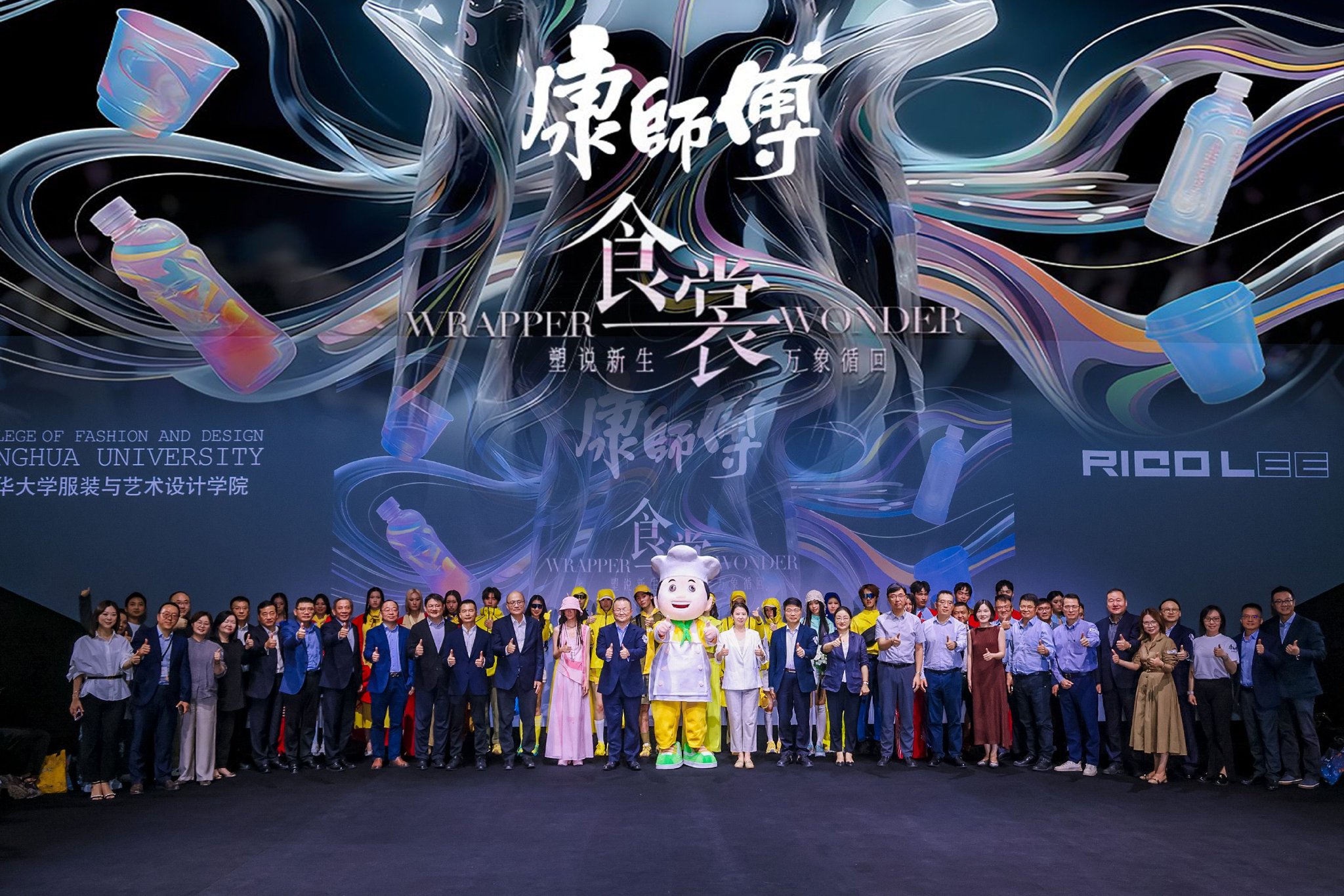
康师傅首次跨界时装领域,打造碳中和“衣食跨界”
Bei Ke Cai Jing· 2025-10-13 09:30
Core Insights - The article highlights the collaboration between the food company Kang Shifu and the fashion industry during the 2026 Spring/Summer Shanghai Fashion Week, showcasing an ESG-themed fashion show that achieved carbon neutrality [1][2] - The fashion show featured nearly sixty exclusive outfits designed around Kang Shifu's core products, emphasizing sustainability through the use of recycled packaging materials [1] Group 1: ESG Initiatives - Kang Shifu's fashion show is a practical demonstration of its commitment to ESG principles, utilizing a closed-loop system for recycling and repurposing packaging into new fabric [1][2] - The company aims to create economic benefits through ESG initiatives, encouraging active participation from employees and partners for sustainable development [2] Group 2: Circular Economy Efforts - Kang Shifu has launched various projects aimed at reducing plastic waste and promoting a circular economy, including initiatives to transform recycled materials into new products [2] - The CEO of Kang Shifu emphasized the importance of lightweight packaging and recycling efforts as part of the company's commitment to a sustainable lifestyle and high-quality development [2]

中国银河证券:国庆中秋食品饮料行业弱复苏 关注三季报业绩
Zhi Tong Cai Jing· 2025-10-13 09:19
Core Insights - The overall sales of liquor during the Mid-Autumn Festival and National Day holidays have declined by 20%-30%, with variations across scenes, regions, and brands [1] - Business banquet demand remains weak, while mass consumption and gatherings are relatively stable [1] - The liquor industry shows signs of recovery, particularly for leading brands like Moutai, which has seen a significant increase in sales [1] Liquor Industry Analysis - Sales during the holiday period have shown a decline of 20%-30%, with a notable differentiation in performance based on consumption scenarios, regions, and brands [1] - Business banquet demand is still low, while mass consumption and gatherings are holding up better [1] - Traditional liquor consumption provinces such as Henan, Shandong, and Jiangsu are performing relatively well [1] - Moutai's sales have rebounded, with a reported increase of approximately 100% month-on-month and over 20% year-on-year since September [1] Restaurant Supply Chain Industry - The Ministry of Commerce and other departments have issued policies aimed at boosting consumer confidence [2] - High-frequency consumer traffic initiatives are being launched to support the restaurant and service industries [2] - The transportation department reported a record high of 2.432 billion cross-regional movements during the National Day holiday, indicating a marginal recovery in consumer activity [2] Price Tracking and Cost Analysis - Liquor prices are under pressure, with various brands experiencing price declines compared to last year [3] - Packaging material prices have shown mixed trends, with some materials increasing while others have decreased [3] - Raw material costs for certain food items have decreased significantly, while others have seen slight increases [3] Investment Recommendations - The food and beverage index has underperformed relative to the broader market, with various sub-sectors in a phase of adjustment [4] - Focus on companies with growth potential in new categories and channels, such as Guoquan and Dongpeng Beverage [4] - Emphasis on stable demand and improved competitive landscapes in sectors like Nongfu Spring and Uni-President [4] - For cyclical recovery, attention should be given to leading liquor brands like Moutai and Wuliangye [5]

食品包装变身潮流时装,康师傅完成碳中和大秀
Bei Jing Shang Bao· 2025-10-13 09:01
Core Viewpoint - The event showcased a collaboration between food and fashion, highlighting sustainability through the use of food packaging in fashion design, marking a significant step in ESG (Environmental, Social, and Governance) initiatives [1] Group 1: Event Overview - The 2026 Spring/Summer Shanghai Fashion Week featured a unique ESG-themed fashion show titled "Food·Clothing - Plastic Talks New Life, All Things Circulate" by Master Kong [1] - This fashion show became the first carbon-neutral event of the Shanghai Fashion Week, representing a successful cross-industry collaboration [1] Group 2: Company Initiatives - Master Kong's CEO, Chen Yingrang, emphasized the company's commitment to sustainable development, encapsulated in the philosophy "Home Evergreen, Health is Blessing" [1] - The company aims to continue efforts in lightweight packaging, reuse, and recycling to contribute to a green, low-carbon, and circular lifestyle [1]
将食品包装变为潮流时装 康师傅于上海时装周上演碳中和大秀
Zhong Guo Jin Rong Xin Xi Wang· 2025-10-13 08:36
Core Viewpoint - The event showcased a groundbreaking collaboration between Master Kong and the fashion industry, transforming food packaging waste into fashionable items, emphasizing sustainability and circular economy principles [1][19][20]. Group 1: Event Overview - The 2026 Spring/Summer Shanghai Fashion Week featured a unique ESG-themed fashion show titled "Food·Fashion - Plastic Rebirth, Infinite Circulation" by Master Kong, highlighting the intersection of food and fashion [1][18]. - The show included four major products from Master Kong: Braised Beef Noodles, Fresh Q Noodles, Ice Black Tea, and Jasmine Tea, designed in collaboration with top fashion design talents from Donghua University and renowned designer Rico Lee [1][10]. Group 2: Sustainability and ESG Commitment - Master Kong's CEO, Chen Yingrang, emphasized the company's commitment to sustainable development, focusing on lightweight packaging, reuse, and recycling to contribute to a green, low-carbon lifestyle [4][19]. - The event was recognized as the first carbon-neutral collaboration at Shanghai Fashion Week, demonstrating a practical application of carbon neutrality in the fashion industry [16][18]. Group 3: Design and Innovation - The fashion show featured nearly sixty exclusive outfits designed around Master Kong's core products, showcasing innovative use of recycled materials, such as rPET and PP, to create functional fabrics and accessories [10][19]. - The designs included four thematic series: "Essence of Quality," "Deconstruction Thought," "Energy Supply Station," and "Fresh Breath," each reflecting the brand's heritage and commitment to sustainability [10][19]. Group 4: Industry Impact and Future Directions - The collaboration serves as a model for high-value resource utilization, transforming waste into fashion, and providing a tangible example of the economic viability of sustainable practices [5][19]. - Master Kong's "eESG" concept integrates economic benefits into traditional ESG frameworks, aiming to drive broader adoption of sustainable practices across the industry [19][20][23].

2026春夏上海时装周以时尚为桥,构建全球品牌与本土文化的共生生态
Cai Jing Wang· 2025-10-13 07:51
Core Insights - The 2026 Spring/Summer Shanghai Fashion Week, themed "Expanding Boundaries, Redefining," has evolved into a cultural hub that connects domestic and international fashion forces, integrating creativity and industry [1][10] - The event serves as a platform for global brands to deepen their presence in the Chinese market while allowing local designers to engage in meaningful exchanges on an international stage [1][10] Local Design Power - Local designers have transitioned from "creative seedlings" to "ecological pillars," with Shanghai Fashion Week playing a crucial role in this evolution, showcasing influential local brands celebrating anniversaries [2][3] - Notable local brands like 8ON8 and XUZHI are marking significant milestones, reflecting the growth and maturity of China's fashion design industry [2][3] - The event has developed a comprehensive support system for local brands, evolving from merely providing a "showcase" to a full-chain support system that nurtures brand maturity [3] Sustainability and Cultural Integration - Local brands are increasingly addressing global fashion issues such as sustainability and cross-disciplinary collaboration, with brands like Kang Shifu innovating with eco-friendly materials [4] - Traditional crafts are being integrated into modern design, showcasing the vitality of local culture within the fashion context [4] International Brand Engagement - The participation of international brands at Shanghai Fashion Week highlights its status as an "Asian fashion hub," with many brands choosing to debut their collections in Shanghai [5][6] - Adidas, for instance, celebrated its 20th anniversary of its Shanghai creative center with a cross-disciplinary event that combined fashion, music, and art, emphasizing the brand's commitment to the Chinese market [6] - Established international brands like Harrods and H&M are deepening their ties with local designers, facilitating collaborations that enhance the visibility of Chinese design on a global scale [7][8] Cultural Exchange and Global Integration - The event fosters a "cultural mutual learning" environment, with Southeast Asian brands integrating traditional elements into modern designs, creating a dialogue with local aesthetics [9] - Shanghai Fashion Week is positioned as a platform for global fashion culture exchange, moving beyond being merely a showcase for international brands [9][10] Conclusion - The 2026 Spring/Summer Shanghai Fashion Week has established a multi-dimensional fashion ecosystem, facilitating a dialogue between local and international brands, and contributing to Shanghai's transformation into a global consumption and trend-setting hub [10]
投资者追问ESG不走过场推动企业挤出“绿色泡沫”
Zhong Guo Zheng Quan Bao· 2025-10-12 20:53
Core Insights - The ESG (Environmental, Social, and Governance) evaluation system is reshaping corporate value, with the environmental dimension (E) being central to "green value" [1] - Companies are increasingly focusing on environmental protection and carbon neutrality as key points for brand communication and product value enhancement [1][2] - Investors are showing heightened interest in companies' ESG practices and the tangible outcomes of their "green value" initiatives [1][2] Investor Concerns - There has been a noticeable increase in investor inquiries regarding environmental protection and ESG on platforms like Shanghai Stock Exchange's e-Interaction and Shenzhen Stock Exchange's Interactive Easy [1][2] - Specific questions from investors include inquiries about companies' environmental investments, compliance with environmental assessments, and management of new pollutants [1][2] Corporate Initiatives - Companies like Anta Sports and Honor have set ambitious carbon neutrality goals, with Anta aiming for carbon neutrality by 2050 and Honor targeting the same for its value chain [1][2] - Anta has reported that over 30% of its products will be sustainable by 2024, with several products achieving carbon neutrality certification [1] - Other companies, such as Master Kong, are launching environmentally friendly products and reducing plastic use in packaging [2] Greenwashing Risks - Experts warn about the risks of "greenwashing," where companies may exaggerate or misrepresent their environmental efforts [2][3] - Specific examples include Apple removing carbon neutrality claims from its product marketing following legal scrutiny [2] Regulatory Environment - There is a lack of specific regulations against "greenwashing" in China, with existing laws focusing on truthful disclosure and advertising [5] - New standards for carbon neutrality and related concepts are being introduced to provide clearer guidelines for companies [5] Internal Governance - Companies are encouraged to strengthen their internal governance systems to prevent "greenwashing," with some linking executive compensation to environmental performance [6] - Establishing a robust ESG management framework and ensuring compliance with international disclosure standards are critical for companies [6][7] Information Disclosure - Clear, truthful, and verifiable environmental claims are essential for companies to avoid "greenwashing" accusations [7] - Companies should implement multi-dimensional control mechanisms, including management accountability and rigorous data management systems [7]


新品频出,赛道分化——康师傅获凤凰之星“最具品牌影响力上市公司”奖,折射泡面品类新趋势
Sou Hu Cai Jing· 2025-10-11 10:37
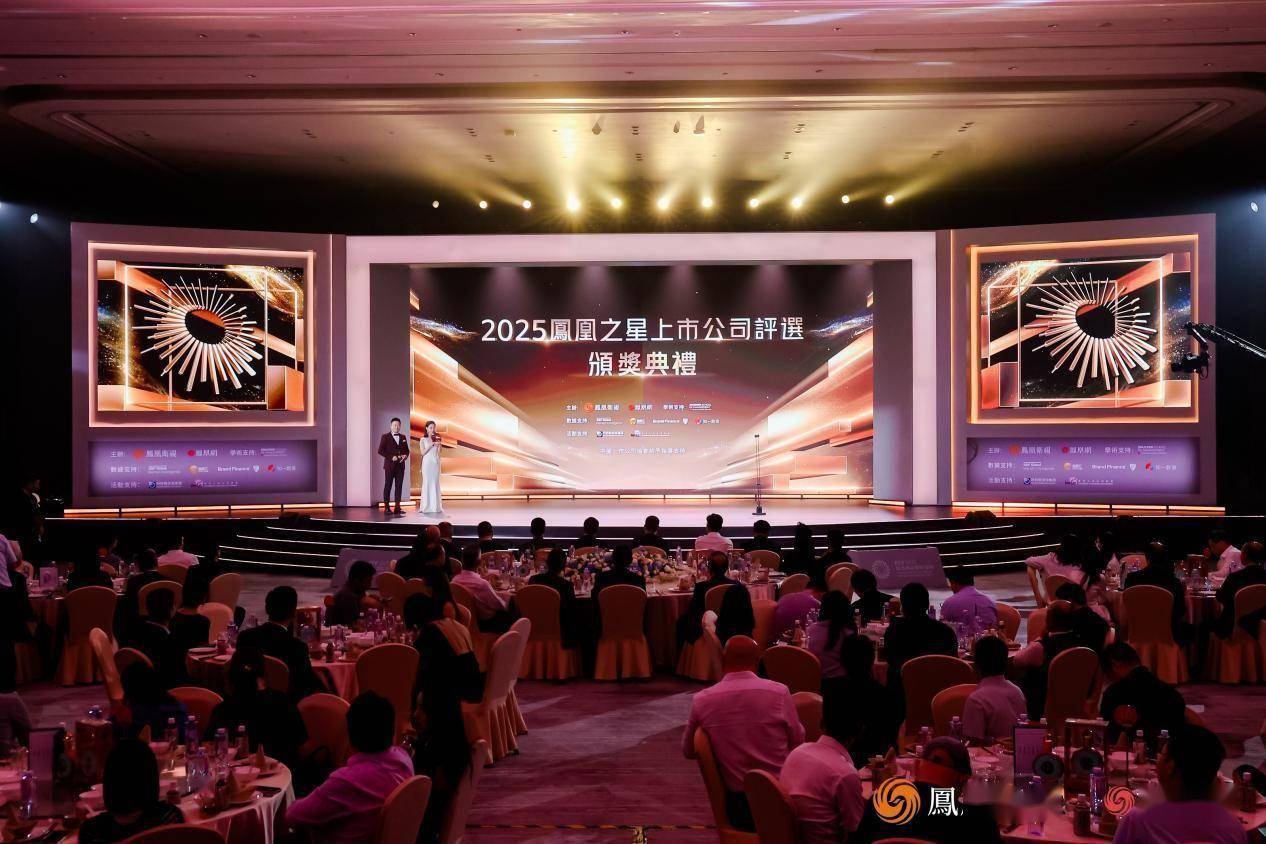
Core Insights - The Bay Area Financial Forum announced the "Phoenix Star Listed Companies" awards, with Kang Shifu recognized as the "Most Influential Listed Company," marking its unique position as the only instant food brand on the list [1][4] - Kang Shifu's recognition reflects a shift in the capital market's evaluation of consumer brands, indicating a deeper understanding of long-term value and industry positioning amidst market challenges [3][4] Industry Trends - The instant food industry is undergoing a structural transformation, with consumer demand shifting from "quick solutions" to "high-quality satisfaction," leading to a diversification of product offerings [3][6] - Competition among brands is evolving from a functional focus to cultural expression, emphasizing emotional connection and social interaction [3][4] Consumer Behavior - The fast-moving consumer goods (FMCG) sector is experiencing increased market segmentation, with a divide between cost-sensitive consumers and those willing to pay for quality and personalized experiences [6][9] - Kang Shifu's launch of the "Special Special" fresh noodle product signals a strategic response to this segmented consumer demand [6][9] Strategic Initiatives - Kang Shifu is proactively defining new categories and standards rather than merely defending market share, positioning itself at the forefront of industry upgrades [10][12] - The "Special Special" product exemplifies a category innovation, utilizing unique cooking techniques to enhance the consumer experience and redefine perceptions of instant noodles [12][14] Product Innovation - The "Special Special" noodles feature a unique "single-basket boiling process," ensuring a superior texture and taste compared to traditional instant noodles [14][16] - The product targets middle to high-end consumers, particularly urban professionals aged 25-40, who seek both convenience and quality [16][18] Long-term Strategy - Kang Shifu's growth strategy is rooted in long-termism, focusing on product innovation and quality enhancement to meet diverse consumer needs [19][20] - The introduction of the "Special Special" product provides channel partners with a differentiated offering, enhancing profit margins and reducing the risk of price competition [20][22] Conclusion - The launch of the "Special Special" product represents a redefinition of the instant noodle category, driven by innovation and a commitment to long-term growth, positioning Kang Shifu as a leader in the evolving market landscape [21][23]
代糖战来了新角色
经济观察报· 2025-10-11 08:21
Core Viewpoint - The article discusses the emerging market for D-Allulose, a new sugar substitute approved for use in China, highlighting its potential applications and the industry's response to its commercialization [3][5][10]. Group 1: Market Potential and Demand - D-Allulose is recognized as a "new generation sugar substitute" with a sweetness level of 70% compared to sucrose and low caloric content, making it a promising alternative for the food industry [5][12]. - The global market for D-Allulose is projected to reach $14.77 million in 2024, with a compound annual growth rate (CAGR) exceeding 14% from 2025 to 2034 [6]. - The "Healthy China Action (2019-2030)" initiative aims to limit daily added sugar intake to 25 grams per person, increasing the demand for safer and higher-quality sugar substitutes [3][5]. Group 2: Production and Supply Chain - D-Allulose can be produced through two main methods: biological fermentation using E. coli and enzyme-catalyzed conversion, with the latter being more commonly adopted due to lower initial investment requirements [8][9]. - Major companies like COFCO and Baolingbao are ramping up production capabilities, with Baolingbao planning to reach an annual production capacity of approximately 30,000 tons by 2026 [9][12]. - The production process is currently limited by the availability of enzyme preparations, which are crucial for D-Allulose production [9][10]. Group 3: Industry Response and Challenges - Downstream companies, including Wahaha and Mengniu, are interested in testing D-Allulose in their products, but large-scale application is still in the research and testing phase [11][12]. - The cost of D-Allulose remains a significant barrier, with current prices ranging from 20,000 to 24,000 yuan per ton, compared to around 10,000 yuan per ton for erythritol [13][14]. - Concerns about potential overcapacity in the market exist, as seen with erythritol, which experienced a price drop due to oversupply [14][15]. Group 4: Future Outlook - The industry outlook for D-Allulose remains optimistic, with expectations that production costs will decrease as capacity increases [15]. - Key factors for market success include continuous technological innovation, cost control, and the establishment of a complete industrial ecosystem [15].




代糖战来了新角色|科技赋能新消费
Jing Ji Guan Cha Bao· 2025-10-11 07:21
Core Insights - D-Allulose, a new natural sweetener, has been approved for commercial use in China, with significant industry interest and potential applications in food products [1][2][4] Industry Overview - The approval of D-Allulose aligns with the goal of reducing daily sugar intake to 25 grams per person by 2030 as outlined in the Healthy China Action Plan [1] - D-Allulose is recognized for its low-calorie content, being approximately one-tenth the energy of sucrose, and its potential benefits in managing obesity and type 2 diabetes [2] Market Potential - The global market for D-Allulose is projected to reach $14.77 million in 2024, with a compound annual growth rate (CAGR) exceeding 14% from 2025 to 2034 [3] Production and Technology - D-Allulose can be produced through two main methods: fermentation using E. coli and enzyme-catalyzed conversion [4] - Companies like Zhongliang Group have developed proprietary enzymes for D-Allulose production, while others rely on partnerships with research institutions for enzyme sourcing [5][11] Industry Players - Major companies such as Baolingbao, Sanyuan Biotech, and Dongxiao Biotech are expanding their D-Allulose production capabilities, with Baolingbao aiming for an annual capacity of 30,000 tons by 2026 [6][8] - Downstream companies, including Wahaha and Mengniu, are showing interest in testing D-Allulose in their products, although large-scale adoption is still in the experimental phase [7][8] Cost Considerations - The current price of D-Allulose ranges from 20,000 to 24,000 yuan per ton, significantly higher than erythritol, which is around 10,000 yuan per ton [9] - Companies are exploring ways to reduce costs through scale and customized formulations to enhance competitiveness [9][11] Challenges and Risks - The industry faces potential overcapacity risks, as seen with erythritol, which previously experienced a price crash due to oversupply [10] - The successful market penetration of D-Allulose will depend on continuous innovation, cost control, and the establishment of a comprehensive industry ecosystem [11]

宗馥莉,危险
创业邦· 2025-10-11 03:19
Core Viewpoint - The article discusses the transition of Wahaha from its long-standing brand to a new brand "Wah Xiaozong" under the leadership of Zong Fuli, highlighting the internal family conflicts and the challenges faced by the company in maintaining its brand value and market position [4][9][10]. Brand Transition - Zong Fuli plans to replace the nearly 40-year-old "Wahaha" brand with "Wah Xiaozong" starting in 2026, indicating a significant shift in branding strategy [4][12]. - Multiple trademarks such as "Wah Xiaohar" and "Zong Xiaohar" have been registered under the wholly-owned Hongsheng Beverage Group, suggesting a strategic rebranding effort [4][6]. Internal Conflicts - The recent investigation of key executive Yan Xuefeng for disciplinary violations has raised concerns about the stability of Wahaha's leadership and its implications for the company's future [7][9]. - The internal document reveals that unresolved historical issues have exposed the company to legal risks, prompting the need for a brand change [21][23]. Financial Implications - The brand value of Wahaha is estimated at approximately 90 billion yuan, making the decision to rebrand a significant financial risk [12][13]. - Zong Fuli has set an ambitious sales target of 30 billion yuan for "Wah Xiaozong," which is about 80% of Wahaha's current annual sales [15][19]. Market Challenges - In a saturated market, "Wah Xiaozong" will face tough competition from established brands like Nongfu Spring and Master Kong, requiring significant investment in consumer engagement and distributor relationships [17][18]. - Current distributors are hesitant to engage with the new brand due to perceived risks, complicating the transition process [17][18]. Historical Context - The article outlines the complex ownership structure of Wahaha, where the largest shareholder is a state-owned enterprise holding 46%, while Zong Fuli holds 29.4% [27][28][29]. - The historical "Dawa War" with Danone significantly shaped Wahaha's ownership and brand strategy, leading to a unique governance structure that complicates decision-making [25][26][32]. Future Outlook - The ongoing family disputes and the potential dilution of Zong Fuli's shares could further complicate Wahaha's governance and operational stability [40][41]. - The transition to "Wah Xiaozong" may lead to brand fragmentation and asset depreciation in the short term, impacting employees and their families [43][44].