零食很忙

Search documents
这届零食,越贵越高端?
3 6 Ke· 2025-10-10 04:06
Core Insights - The rising prices of snacks, particularly in the context of "light luxury" experiences, have led to a perception that everyday snacks are becoming unaffordable, with brands like "薛记炒货" and "么凤士多" exemplifying this trend [1][11][19] - The shift from a focus on taste and value to brand recognition and high pricing has created a disconnect between consumer expectations and actual product value, leading to a decline in "snack freedom" [2][5][10] Industry Evolution - The snack market has evolved from a diverse selection of local and unbranded products to a more concentrated market dominated by well-known brands like 良品铺子 and 三只松鼠, which have changed consumer purchasing habits [2][4] - The initial price wars among snack brands led to significant consumer benefits, but as brands established themselves, they began to increase prices, often without clear justification [4][5] Consumer Behavior - Consumers have increasingly associated brand names with quality, leading to a willingness to pay more for branded snacks, but this has also resulted in a backlash as prices have escalated beyond reasonable limits [5][10][18] - The emergence of "平价白牌" snack stores has highlighted a shift back towards value-driven purchasing, with these stores rapidly gaining market share by offering competitive pricing [8][10] Financial Performance - The financial performance of traditional snack brands has declined, with 三只松鼠 and 良品铺子 experiencing significant revenue drops, indicating a potential market correction as consumers seek better value [10][11] - 良品铺子 has initiated a major price reduction strategy in response to declining sales, but the effectiveness of this strategy remains uncertain as consumer perceptions of high pricing linger [10][11] Market Trends - The snack industry is witnessing a trend where high pricing is often mistaken for high quality, leading to a "high-end disease" where brands fail to provide tangible value for their elevated prices [12][19] - The industry's focus on high pricing without corresponding value has led to a growing consumer demand for transparency and justification of costs, indicating a shift towards more rational purchasing behavior [18][19]



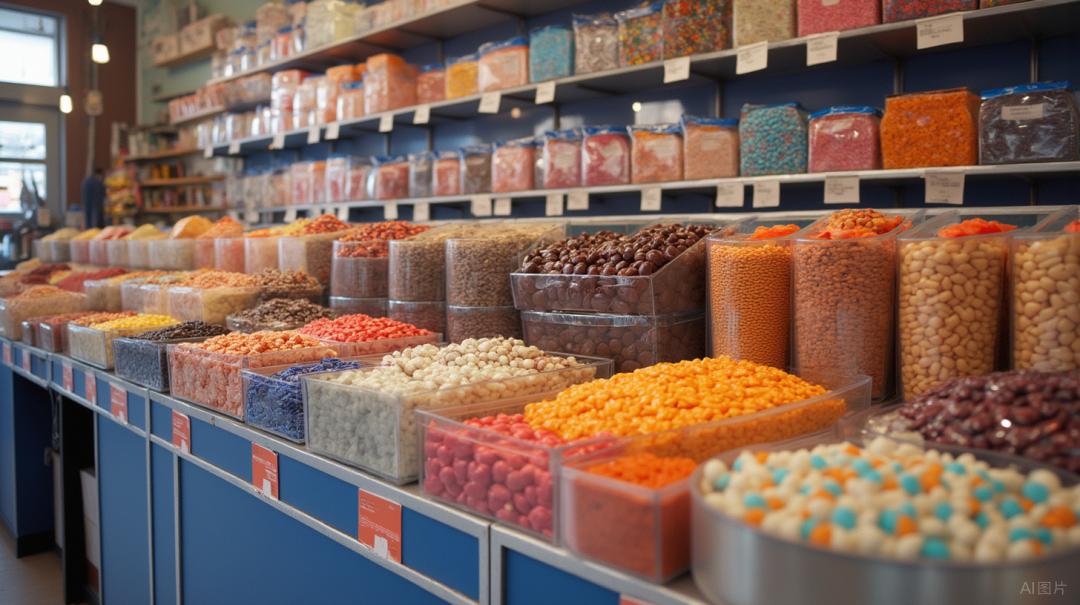
人气零售崛起,“精致省”如何重塑消费战场?
Sou Hu Cai Jing· 2025-10-09 10:48
Core Insights - The article discusses the rise of discount retailing in China, highlighting the transformation of brands like "盒马NB" to "超盒算NB" and the success of hard discount retailers like ALDI, which has seen significant growth in sales and market presence [1][2][30]. Group 1: Company Developments - "盒马NB" has rebranded to "超盒算NB," signaling a strategic shift towards discount retailing and focusing on core operations in fresh produce and community supermarkets [1][11]. - The number of "超盒算NB" stores has increased to nearly 300, with double-digit revenue growth in the first half of the year, contributing significantly to the overall profitability of the company [1][9]. - ALDI has doubled its sales in China in 2024, expanding its footprint in the Yangtze River Delta region and focusing on low-priced, high-frequency products [2][30]. Group 2: Market Trends - The shift from "consumption upgrade" to "rational consumption" reflects changing consumer behavior, particularly among the middle class, who are now more price-sensitive [2][3]. - The rise of discount retailing is characterized by a blend of quality and low prices, leading to the emergence of a new retail model termed "popular retail" [3][30]. - The competitive landscape is evolving, with major players like JD and Meituan entering the discount retail space, indicating a growing trend towards discount formats in the retail industry [29][30]. Group 3: Competitive Strategies - ALDI's success is attributed to its hard discount model, which emphasizes cost control, private label products, and a streamlined SKU selection, differentiating it from traditional supermarkets [5][6]. - "超盒算NB" aims to replicate ALDI's model by leveraging Alibaba's supply chain and focusing on community needs, offering essential products at competitive prices [8][20]. - "零食很忙" adopts a different approach with a vast selection of snacks, emphasizing a fun shopping experience and leveraging scale for better pricing, which contrasts with the more curated offerings of ALDI and "超盒算NB" [21][22]. Group 4: Consumer Experience - The shopping experience in discount retail is being redefined, with a focus on creating an engaging atmosphere that challenges the perception of low-cost shopping as low-quality [23][24]. - Both ALDI and "超盒算NB" emphasize simplicity and transparency in their store designs, while "零食很忙" creates a vibrant, exploratory shopping environment [23][26]. - The integration of digital tools and data analytics in stores like "零食很忙" enhances inventory management and customer engagement, further driving sales [22][30].
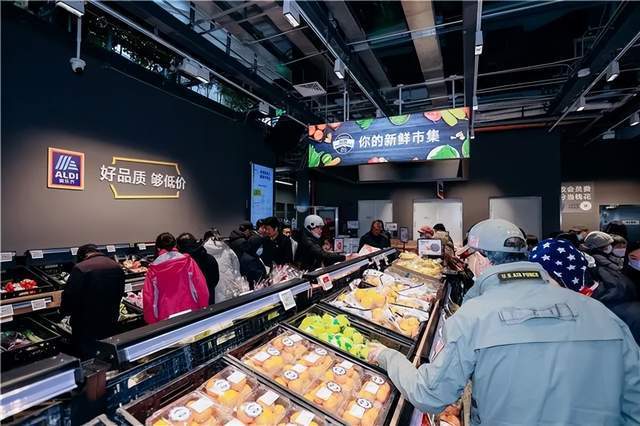
常斌:中国线下消费仍大有可为,未来将涌现出一大批百亿冠军
创业家· 2025-10-08 09:42
Core Viewpoint - The article discusses the evolving consumer behavior in China, highlighting a shift towards offline retail innovation and the emergence of new market leaders in lower-tier cities, driven by changing consumer preferences and economic conditions [5][12][14]. Group 1: Consumer Trends - There is a noticeable decline in foot traffic in many shopping malls, indicating a potential shift in consumer spending habits [5][6]. - Consumer groups are becoming increasingly differentiated, with some malls experiencing high traffic while others remain empty, suggesting a need for innovation in retail environments [7][8][9]. - The consumption confidence in lower-tier cities remains strong, contrasting with the pressures faced in first and second-tier markets [12][13]. Group 2: Investment Insights - The founder of Qicheng Capital, Chang Bin, emphasizes the importance of understanding new retail models that cater to consumer needs, particularly in the context of offline shopping [14][15]. - Successful investments have been made in companies like Qian Dama and Guoquan, which have demonstrated significant growth by focusing on community-based retail and high-quality products [16][20]. - The rapid expansion of brands such as "Zero Snacks Busy" and "New Jia Yi" illustrates the potential for achieving billion-dollar revenues through innovative retail strategies [21][30]. Group 3: Market Opportunities - The article identifies the lower-tier market as a rising mainstream market in China, presenting numerous opportunities for new retail ventures [13][14]. - The success of community-focused retail models indicates a strong demand for convenient and quality food options, which can lead to the emergence of multiple category champions in the future [21][22]. - The ongoing transformation in consumer behavior and market dynamics suggests that there is still significant potential for growth in the offline retail sector [20][21].

今年最赚钱的三家消费公司,大基金们押错了两个|深氪
3 6 Ke· 2025-08-21 11:47
Core Insights - The article discusses the surprising rise of Lao Pu Gold, which saw its stock price increase by 12 times since its IPO, despite being overlooked in the primary market [1][4] - The company transitioned from seeking an A-share listing to pursuing a Hong Kong IPO, attracting significant investment from Black Ant and Yu Garden [1][3] - A key turning point was the release of a mid-year report showing a nearly 200% year-on-year profit increase, which led to a surge in investor interest [3][4] Investment Dynamics - Initial interest in Lao Pu Gold was low, with only a few investors participating in the Pre-IPO round, highlighting a lack of understanding of the company's potential [1][2] - The IPO saw overwhelming demand, with retail subscriptions oversubscribed by over 580 times and institutional subscriptions nearly 12 times, indicating a shift in market sentiment [4][15] - The company's market capitalization reached HKD 11.3 billion on its listing day, doubling its valuation from the Pre-IPO round in just six months [4][18] Market Trends - The article notes a broader trend in the Hong Kong market, where consumer stocks have become increasingly popular, with significant inflows from foreign capital [12][16] - The sentiment shift is attributed to a combination of factors, including expectations of U.S. interest rate cuts and a growing confidence in Chinese assets [12][13] - The consumer sector, particularly non-essential goods, has seen a surge in interest, with companies like Bubble Mart and Honey Snow Ice City also experiencing significant market success [17][18] Investment Reflections - Many investors expressed regret over missing opportunities in companies like Lao Pu Gold, indicating a broader issue of understanding emerging consumer brands [5][6][9] - The article highlights a pattern where successful consumer companies were often overlooked in the primary market, leading to missed investment opportunities [9][19] - The narrative emphasizes the importance of recognizing and adapting to changing market dynamics, particularly in the consumer sector [30][32]
从看不懂到投不进:大基金为何集体错判泡泡玛特、老铺黄金和卡游|深氪
36氪未来消费· 2025-08-21 08:17
Core Viewpoint - The article discusses the contrasting fortunes of companies in the Hong Kong stock market, particularly focusing on the success of "Lao Pu Gold" and the missed investment opportunities by venture capitalists in the primary market [2][3]. Group 1: Lao Pu Gold's Journey - Lao Pu Gold, which saw its stock price increase by 12 times since its listing, was initially overlooked in the primary market, with no prior funding rounds before its IPO [4][5]. - The company received a significant investment from Black Ant at a valuation of 52.25 billion RMB, marking a rare entry into the investment round [5][6]. - Despite the initial lack of interest, the company's mid-year report showed a nearly 200% year-on-year profit increase, leading to a surge in demand during its IPO, with retail subscriptions oversubscribed by over 580 times [9][10]. Group 2: Market Sentiment and Investment Decisions - The article highlights a shift in market sentiment, where previously overlooked companies like Lao Pu Gold became highly sought after, leading to significant regret among investors who missed the opportunity [11][12]. - The investment community's failure to recognize the potential of companies like Lao Pu Gold and others in the consumer sector is emphasized, with many expressing regret for not investing [13][14]. - The article notes that the consumer sector, particularly non-essential goods, has become the hottest area for investment, with significant inflows from both domestic and foreign capital [20][24]. Group 3: The Changing Landscape of Consumer Investment - The article outlines how the consumer market has evolved, with companies like Bubble Mart and Lao Pu Gold emerging as leaders, while traditional sectors like tea drinks faced challenges [19][35]. - It discusses the competitive landscape, where companies that innovate and create unique products are more likely to succeed, contrasting with those that follow existing trends [44][45]. - The narrative also touches on the varying backgrounds of founders in the consumer space, which influences investor perceptions and decisions [45][46].

常斌:中国的“万店”从哪来?锅圈、零食很忙的基础模型,非常值得学习
创业家· 2025-08-14 10:12
Core Viewpoint - The article discusses the emergence of a new generation of retail chains in China, particularly focusing on the "ten thousand stores" model, which emphasizes community-based, specialized, and discount-oriented retail strategies. This model has led to significant growth in various sectors, particularly in food and snacks, showcasing a shift in consumer behavior and retail dynamics in the country [7][10][17]. Group 1: Investment Insights - Qicheng Capital, founded by Chang Bin, focuses on consumer investments and has successfully backed brands like JiuYueDaoTian, GuoQuanShiHui, and others, aiming to support the next generation of consumer champions [5][6]. - The company has invested considerable time studying offline business models in China, identifying seven established "ten thousand stores" enterprises, with notable examples including MiXueBingCheng and GuoQuan, which have rapidly expanded their store counts [7][19]. - The article highlights the success of GuoQuan, which transitioned from a restaurant model to a retail chain, achieving over 10,000 stores in a short period, primarily in lower-tier cities [11][12]. Group 2: Retail Trends - The snack retail sector has seen a transformation with the rise of "Snacks Are Busy," which has surpassed 10,000 stores, offering a discount model that appeals to consumers by providing lower prices and a wide variety of products [13][15]. - The shift in consumer spending from traditional supermarkets and online platforms to discount snack stores indicates a significant change in the retail landscape, with consumers favoring convenience and affordability [15][16]. - The article emphasizes the iterative process of enhancing user value and commercial efficiency across various retail channels, leading to structural changes in the industry [16]. Group 3: Business Model Innovations - The success of these retail chains is attributed to their ability to create a solid business foundation, focusing on product quality and operational efficiency, which allows for rapid expansion without excessive cash burn [21][24]. - The article discusses the importance of establishing a strong initial model that can attract quality franchisees, ensuring sustainable growth and profitability as the business scales [22][23]. - It also notes that the retail sector's evolution from online to offline models has led to a more robust and resilient business environment, where companies can achieve profitability through careful planning and execution [24].

收购南京万优49%股权,万辰集团在打什么算盘
Bei Jing Shang Bao· 2025-08-12 13:56
Group 1 - Wancheng Group announced a major asset acquisition plan, intending to spend 1.379 billion yuan to purchase 49% equity of Nanjing Wanyou Commercial Management Co., Ltd. from Huainan Shengyu and Huainan Huixiang [2][3] - After the acquisition, Wancheng Group's direct and indirect ownership of Nanjing Wanyou will increase to 75.01%, enhancing its position in the competitive snack retail industry [2][3] - The acquisition is seen as a strategic move to expand the company's market presence and stabilize its industry position amid fierce competition [2][4] Group 2 - The transaction includes performance commitment clauses, requiring Nanjing Wanyou to achieve net profits of no less than 320 million yuan, 330 million yuan, and 350 million yuan in 2025, 2026, and 2027 respectively [4] - Wancheng Group aims to strengthen the binding of core team members with the company and enhance the fulfillment of performance commitments through this acquisition [3][4] - The acquisition is expected to increase Wancheng Group's total assets by 828 million yuan to 7.235 billion yuan and boost net profit by 57 million yuan to 416 million yuan in the first five months of 2025 [4] Group 3 - Wancheng Group's rapid expansion in the snack retail sector has led to significant growth, with revenue reaching 32.329 billion yuan and net profit of 294 million yuan in 2024, primarily driven by the snack retail business [5][6] - The company has seen a dramatic increase in store numbers, surpassing 15,000 stores, making it one of the few companies in the industry to achieve this scale [5][6] - However, the company's asset-liability ratio reached 79.85% in 2024, indicating increased financial pressure due to rapid expansion and acquisitions [6][7] Group 4 - The snack retail industry is highly competitive, with major players like "Mingming Hen Mang" and regional brands posing significant challenges to Wancheng Group [9][10] - The industry has seen a rapid increase in the number of stores, with over 40,000 snack retail outlets in China, approaching saturation with a potential cap of 87,500 stores [10] - Wancheng Group is advised to focus on cost control and operational efficiency to maintain its competitive edge in a market characterized by low margins and high turnover [10]

对话投资人常斌:万店连锁的首要条件,不是借助资本,而是……
创业家· 2025-08-08 10:11
Core Viewpoint - The discussion emphasizes that capital assistance is not a necessary condition for achieving a "ten thousand store" chain model; rather, the core lies in the design of the business model itself [6][17]. Group 1: Capital and Business Model - Capital is not essential for achieving a "ten thousand store" chain; the key is the design of the business model [6][7]. - Successful examples like "零食很忙" demonstrate that a well-designed business model can lead to significant growth without external financing [7][8]. - Achieving a "ten thousand store" scale typically requires a revenue target of 10 billion [10][11]. Group 2: Ecosystem and Opportunities - Founders of "ten thousand store" chains create an industry ecosystem that includes numerous entrepreneurs and supply chain leaders, sharing benefits within the ecosystem [12][13]. - The rise of specialized small and medium enterprises engaging in "ten thousand store" chains presents new opportunities for ordinary entrepreneurs [14][16]. Group 3: Franchise System and Brand Evaluation - To succeed in a "ten thousand store" model, entrepreneurs must master the ability to establish a franchise system [17]. - Entrepreneurs can also join existing franchise ecosystems as specialized operators, which may be a viable entrepreneurial approach [19]. - Evaluating a brand's potential for a "ten thousand store" model involves assessing the quality of its product system and understanding its profit sources [24][26]. Group 4: Successful Franchise Characteristics - A successful franchise system must offer real value to consumers through quality products and services [25]. - Brands like "锅圈" leverage strong supply chains to provide high-quality products directly to consumers, enhancing profitability [28][31]. - The distinction between short-term profit-seeking and long-term value creation is crucial in evaluating business models [31]. Group 5: Training and Development Programs - The article promotes a training program aimed at helping consumer brands overcome growth challenges and achieve significant revenue milestones [32][36]. - The program includes insights from successful brands and focuses on practical strategies for growth and competition [36][50]. Group 6: Target Audience for Training - The program targets emerging consumer brands with revenues between 1-5 billion, regional chain brands with over 300 stores, and traditional brands undergoing transformation [51].

视频丨对话常斌:资本的助力,并非万店连锁的必要条件
创业家· 2025-08-07 10:23
Core Viewpoints - The article emphasizes the importance of selecting the right market segment, implementing extreme solutions, prioritizing efficiency, and committing to long-term partnerships in the consumer industry [3][4]. Group 1: Key Strategies for Consumer Brands - Selecting the right market segment involves focusing on essential needs and high-frequency interactions in trillion-yuan markets such as fresh food, home goods, and food products [3][4]. - Implementing extreme solutions means using unconventional business models to build consumer trust, exemplified by practices like not selling overnight meat [3][4]. - Efficiency is crucial, with a focus on maintaining a cost advantage across the entire supply chain, allowing for a twofold markup to achieve a billion-yuan scale [3][4]. - Long-term partnerships are preferred over chasing fleeting trends, positioning as a strategic co-pilot alongside founders for a decade-long commitment [3][4]. Group 2: Program Details and Objectives - The "Black Horse · Billion Consumer Champion Special Camp" aims to address various challenges faced by consumer enterprises in their growth stages, focusing on scaling, brand innovation, and strategic market positioning [8][10]. - The program includes modules on rapid market entry, product innovation, competitive strategy, and long-term value creation, featuring insights from successful case studies and industry experts [26][30][34]. - The target participants are emerging consumer brands with revenues between 1-5 billion, regional chain brands with over 300 stores, and traditional brands undergoing transformation with revenues between 10-50 billion [36].

锅圈、钱大妈、零食很忙的“万店”是怎样炼成的?| 幕后投资人首次分享
创业家· 2025-07-23 09:58
Core Viewpoint - The article discusses the emergence and growth of "ten-thousand store" models in China's retail and food sectors, highlighting successful companies that have adopted innovative business models to enhance consumer experience and operational efficiency [4][11][17]. Group 1: Ten-Thousand Store Model - The "ten-thousand store" model in China is characterized by a significant number of retail outlets, with companies like Mixue Ice Cream exceeding 30,000 stores and others like Wallace and Luckin Coffee around 20,000 stores [4][6]. - The retail industry has seen a shift towards this model since last year, indicating a trend towards more accessible and community-oriented retail options [6][11]. Group 2: Successful Companies - Guoquan, which started with about 1,000 stores in 2019, has grown to over 10,000 stores, becoming the first retail company in China to reach this milestone [7]. - The business model of Guoquan focuses on selling pre-packaged hot pot ingredients, making it convenient and affordable for consumers, thus increasing the frequency of hot pot consumption [7][10]. - Snack brand "Zero Snacks" has also surpassed 10,000 stores, utilizing a discount model that offers products at lower prices while maintaining quality, thus attracting consumers from traditional supermarkets [8][9]. Group 3: Innovative Business Models - Qian Dama, which specializes in selling fresh meat with a unique discounting strategy, has grown from 200 stores and 600 million yuan in sales to over 3,000 stores and sales exceeding 10 billion yuan [10]. - The article emphasizes the importance of separating market stalls and supermarkets to create specialized, community-focused, and discount-oriented retail experiences [11][12]. - The success of these companies is attributed to their ability to innovate and adapt to consumer needs, focusing on essential products and operational efficiency [15][17]. Group 4: Investment Insights - The investment strategy of Qicheng Capital focuses on essential categories and innovative models, which are more likely to create large companies [15]. - The article highlights the significance of a solid business foundation and the importance of refining operational models before expanding through franchising [13][14].