
古茗

Search documents
新消费派 | 3500亿元新茶饮市场“扫描” 存量博弈下的转型阵痛与未来机遇
Xin Hua Cai Jing· 2025-12-12 01:41
Core Insights - The Chinese new tea beverage market has grown to over 350 billion yuan, transitioning from rapid expansion to a critical transformation phase focused on quality and efficiency [1][2] - The industry is experiencing a slowdown in growth, with a projected market size of 354.7 billion yuan in 2024, reflecting a year-on-year growth rate of only 6.4%, significantly lower than the 24.9% compound annual growth rate from 2017 to 2022 [2] - Key future directions for the industry include health-oriented products, digital transformation, and increased market concentration among leading brands [1][4] Market Dynamics - The market is characterized by a "total increase, declining growth rate, and differentiated landscape," with the total number of tea beverage stores exceeding 415,000, but a net decrease of 39,000 stores in the past year due to closures [2] - Leading brands like Mixue Ice City and Bawang Chaji are expanding despite market challenges, with Mixue Ice City reaching 53,000 global stores and Bawang Chaji increasing its store count by over 40% [2][3] Financial Performance - Mixue Ice City went public in March 2025, achieving a market capitalization of 148.3 billion HKD and generating revenue of 14.875 billion yuan with a net profit of 2.718 billion yuan in the first half of 2025 [3] - In contrast, mid-tier brands like Heytea and Nayuki are facing revenue declines, with Heytea's revenue dropping by 1.9% and Nayuki's by 4.7% [3] Quality Improvement Focus - The industry is shifting from scale expansion to quality enhancement, with health, digitalization, globalization, and market differentiation as core features driving this transition [4] - The use of sugar substitutes in milk tea is projected to reach 61.3% by 2025, with a significant increase in the consumption of erythritol and plant-based ingredients [4] Digital Transformation - Digitalization is becoming essential, with leading brands enhancing their supply chain management and operational efficiency through technology [5][8] - The average capacity utilization rate of tea beverage raw material production has increased to 89.4%, and the application of blockchain technology in sourcing is on the rise [5] Global Expansion - Leading brands are accelerating their international expansion, with Bawang Chaji achieving an overseas GMV of over 300 million yuan, marking a 75.3% year-on-year growth [6] - Mixue Ice City has over 4,800 overseas stores, demonstrating the replicability of its business model in Southeast Asia [6] Challenges and Opportunities - The industry faces challenges such as raw material price volatility, severe product homogenization, and rising compliance costs [7] - To remain competitive, brands are diversifying their supply chains and leveraging technology to mitigate risks and enhance operational resilience [8] Future Outlook - The tea beverage industry is expected to enter a phase of category integration, digital empowerment, and initial globalization from 2026 to 2030, with a market size projected to exceed 1.05 trillion yuan, reflecting a 19% year-on-year growth [9] - The market is moving from a phase of "wild growth" to "refined cultivation," indicating a profound change in growth logic driven by health demands, digitalization, and globalization [9]
外卖大战熄火,茶饮品牌谁裸泳,谁狂奔?
3 6 Ke· 2025-12-11 23:17
Core Insights - The takeaway from the article is the impact of the subsidy war on the tea beverage market, highlighting the contrasting fortunes of different brands as the market shifts from a subsidy-driven boom to a more challenging environment. Group 1: Market Dynamics - The subsidy war initiated a surge in orders for tea beverage shops, but as subsidies ceased, many small businesses faced a drastic drop in orders, leading to potential closures [1][2] - Major brands like Mixue Ice Cream and Nai Xue's Tea managed to achieve growth through delivery channels, while many smaller players struggled significantly [1][2] Group 2: Brand Performance - Gu Ming, recognized for its rapid expansion, saw its store count rise from approximately 9,914 in early 2025 to over 12,000 by August, but faced challenges in maintaining daily sales [6] - Mixue Ice Cream emerged as a significant winner, reporting a 39.3% year-on-year revenue increase to 14.87 billion yuan and a net profit growth of 44.1% to 2.72 billion yuan in the first half of 2025 [6] - Kudi Coffee also benefited, with sales on platforms like JD surpassing 80 million orders, becoming the first beverage brand to exceed 100 million orders on the platform [7] Group 3: Challenges Faced - Nai Xue's Tea exemplified the "increased revenue without increased profit" dilemma, with 48.1% of its revenue relying on delivery orders, leading to a 14.4% year-on-year revenue decline to 2.178 billion yuan [8] - The tea beverage industry is experiencing a rapid increase in store numbers, with 26,000 new stores opened in the third quarter alone, while approximately 150,000 stores closed in the past year [9][10] - The industry is undergoing intense competition, with brands forced to expand rapidly, leading to a situation where financial performance does not reflect the apparent growth in market presence [10]

港股年内新股破百 超五成募资来自“A+H”
Bei Jing Shang Bao· 2025-12-11 15:38
Core Insights - The Hong Kong IPO market has reached a significant milestone with the listing of JD Industrial, marking the 100th new stock of the year, and the total fundraising amount has exceeded 2700.86 billion HKD, the highest globally for the year [3][4][5] - The market is experiencing a strong recovery, driven by large IPO projects, particularly from A-share companies, which have become a crucial force in boosting fundraising [3][4][5] - Despite the impressive fundraising figures, there are concerns regarding the quality of new listings, an increase in the rate of IPO failures, and a shortage of investment banking talent [8][9] Fundraising Performance - The total fundraising amount for the year has surpassed 2700.86 billion HKD, a significant increase from 64 new stocks last year [3][4] - The Hong Kong Stock Exchange is expected to lead global fundraising with an estimated 36 billion USD in 2025, significantly outpacing the New York Stock Exchange [3][5] - A-share companies have contributed to 51.35% of the total fundraising in the Hong Kong IPO market, with notable contributions from companies like CATL [4][5] Market Structure and Trends - The "new consumption + hard technology" sectors are identified as the main drivers of the current capital influx, with companies in these areas receiving substantial investor interest [6][7] - The healthcare sector has seen the highest number of new listings, with 24 companies, while the information technology sector ranks third with 18 new stocks [6] - The market is shifting towards a dual-driven model of domestic and foreign investment, indicating a structural evolution in investor composition [5][6] Future Outlook - The IPO market is expected to remain active in 2026, with a focus on "A+H" stock models and the return of Chinese concept stocks [7] - Regulatory support for technology companies is anticipated to continue, fostering a favorable environment for new listings in the tech sector [6][7] Challenges and Concerns - There has been a notable increase in the IPO failure rate, with 45.45% of new stocks failing on their first day in November [8][9] - Concerns have been raised regarding the quality of listing applications and the overall execution of the IPO process, leading to regulatory scrutiny [9] - A shortage of experienced investment banking professionals is impacting the quality of service and project handling in the IPO market [9]



净利跌近四成,狂奔的霸王茶姬急需谋变
虎嗅APP· 2025-12-11 06:00
Core Viewpoint - The article discusses the current challenges and strategies of the tea brand Bawang Chaji, highlighting its rapid expansion, declining profitability, and the need for product innovation to maintain market relevance [4][10][40]. Group 1: Financial Performance - Bawang Chaji reported a global store count of 7,338 and a quarterly GMV of 7.93 billion yuan, but faced a net profit decline of 38.5% year-on-year [4]. - The net profit margin decreased from 18.3% to 12.4%, while the operating profit margin fell from 22.4% to 14.2% [4]. - GMV in the Greater China region dropped by 6.2% to 7.63 billion yuan, with average monthly GMV per store declining by 28.3% to 378,500 yuan [5]. Group 2: Product and Innovation Strategy - Bawang Chaji launched a new product, the Boya Juexian Flower Fragrance, after a long wait, but consumer feedback was mixed [2]. - The company aims to enhance product offerings and has plans for a new menu and special tea products, while also maintaining existing popular items [6]. - The brand's reliance on the successful Boya Juexian product, which has generated over 12.5 billion cups sold, poses a challenge for future innovation [25][27]. Group 3: Franchise and Market Dynamics - Franchisees are experiencing profit pressures due to increased competition and a price war in the tea market, with some reporting longer payback periods for their investments [15][19]. - Bawang Chaji has introduced a new revenue-sharing model for franchisees, transitioning from fixed fees to a commission-based structure to improve profitability [17][19]. - The company is facing challenges in securing prime locations for new stores, leading to a competitive environment among franchisees [16]. Group 4: Organizational Changes and Leadership - The arrival of CFO Huang Hongfei marks a significant shift towards a more structured and disciplined financial approach, aiming for a public listing and improved financial models [37]. - The company is undergoing organizational adjustments to balance traditional management with modern operational practices, focusing on product innovation and team collaboration [38][39]. - Founder Zhang Junjie is adapting to the challenges of scaling the business while maintaining a strong focus on product quality and brand identity [40][41].

11月CPI同比上涨0.7%,创2024年3月份以来新高,聚焦港股消费ETF(513230)配置窗口
Mei Ri Jing Ji Xin Wen· 2025-12-11 05:31
港股消费ETF(513230)跟踪中证港股通消费主题指数,一键打包互联网电商龙头+新消费,成分股近 乎囊括港股消费的各个领域,包括泡泡玛特、老铺黄金、蜜雪集团等新消费龙头,又包含腾讯、阿里巴 巴、美团等互联网电商龙头,科技+消费属性突出。 12月10日,国家统计局发布了最新月度居民消费价格指数(CPI)及工业生产者出厂价格指数(PPI)。 数据显示,11月,居民消费持续恢复,CPI同比上涨0.7%,涨幅比上月扩大0.5个百分点,为2024年3月 份以来最高。同时,扣除食品和能源价格的核心CPI同比上涨1.2%,涨幅连续3个月保持在1%以上。 华泰证券研报表示,展望2026年,促消费政策持续发力有望激发供需潜力,内需有望延续稳健复苏态 势,行业延续景气分化,龙头凭借领先与创新优势,以及整合能力将实现持续成长。 12月11日,港股三大指数早盘回落,恒指涨0.09%,国企指数跌0.13%,恒生科技指数跌0.65%。港股消 费板块早盘窄幅震荡,港股消费ETF(513230)现小幅微跌至0.2%,其持仓股中,古茗、思摩尔国际、 老铺黄金、万洲国际等涨幅靠前,巨子生物、统一企业中国、同程旅行、中国儒意等跌幅靠前。 ...



深度丨昔日“资本宠儿”市值缩水90%!奈雪的茶高端之路为何难行?
证券时报· 2025-12-11 03:31
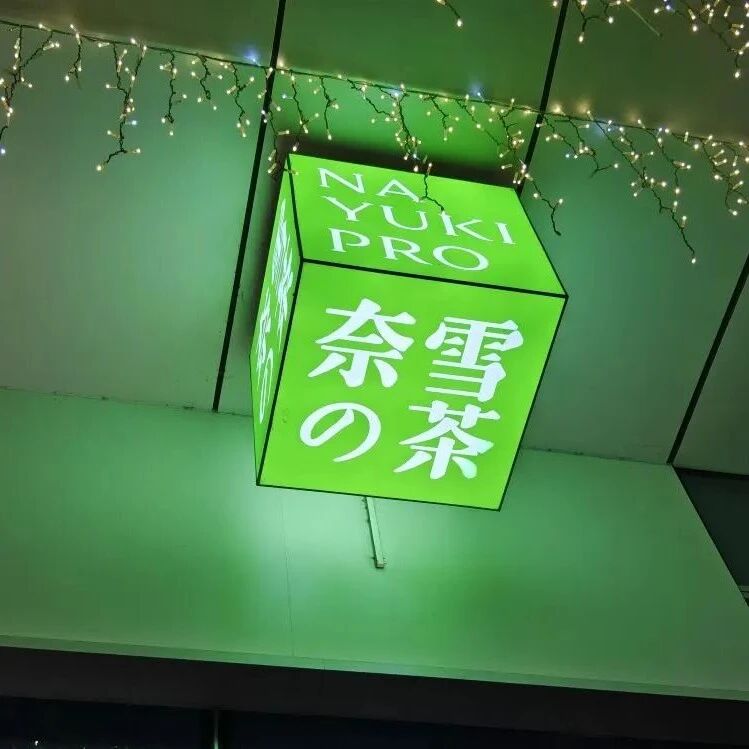
Core Viewpoint - Naixue Tea, known as the "first stock of new tea drinks," is facing significant operational challenges after more than four years since its IPO in Hong Kong, with its stock price plummeting over 90% and market capitalization falling below 2 billion HKD [1] Financial Performance - In 2023, Naixue recorded a slight profit of 0.13 billion CNY, but by 2024, it faced a substantial loss of 9.17 billion CNY, with losses narrowing to 1.17 billion CNY in the first half of 2025, raising concerns about its ongoing profitability [1] - The company attributes its performance decline to intensified industry competition, store closure plans, and losses from joint ventures and investments [1] Business Model and Cost Structure - Naixue's large store model has significantly increased operational costs, with store sizes typically ranging from 80 to 200 square meters, leading to high rental expenses [3] - From 2021 to 2022, the company's depreciation of right-of-use assets exceeded 400 million CNY annually, accounting for about 10% of revenue [3] - Material costs reached approximately 740 million CNY in the first half of 2025, making up 34.1% of total revenue, with overall costs (materials, personnel, rent, and delivery) nearing 80% of revenue [4] Market Position and Pricing Strategy - Naixue's initial success was driven by its high-end pricing strategy, with average customer spending at 42.9 CNY in 2018, but consumer preferences have shifted towards more affordable options [6] - By 2025, over 76% of consumers preferred tea drinks priced between 11 to 25 CNY, contrasting with Naixue's high pricing [6] - The company has only recently opened its franchise model, with high initial franchise fees deterring potential partners, leading to a slower expansion compared to competitors [7] Strategic Adjustments - In response to ongoing losses, Naixue has initiated several strategic adjustments, including reducing store sizes and lowering the required area for new franchises [9] - The average customer price has decreased from 42 CNY at IPO to 25.7 CNY, reflecting a shift towards more competitive pricing [9] Operational Challenges - Despite some improvements in performance metrics, Naixue continues to face challenges such as food safety complaints and a high turnover of executives, which could impact operational stability [11] - The company needs to strengthen its supply chain management and consider a shift away from its high-end positioning to adapt to the market's preference for cost-effective options [11]
美联储降息打开估值空间,叠加南向资金与政策红利形成合力,港股有望迎来新一轮上行周期
Mei Ri Jing Ji Xin Wen· 2025-12-11 02:28
Group 1 - The Federal Reserve announced a 25 basis point interest rate cut, lowering the target range to 3.50%-3.75%, aligning with market expectations for a "hawkish cut" [1] - Following the Fed's decision, US stocks rose collectively, and Hong Kong's three major indices opened higher, with the Hang Seng Index up 0.66%, the National Index up 0.58%, and the Hang Seng Tech Index up 0.55% [1] - The cut in interest rates is expected to improve liquidity and profit expectations, potentially leading to a new upward cycle for Hong Kong stocks, supported by southbound capital and policy benefits [1] Group 2 - Consumption is expected to see a slight recovery in 2025, with a continuation of moderate growth in 2026 characterized by slower overall demand growth and a shift towards more rational consumption and higher demand tiers [2] - The market is anticipated to gradually establish a new balance focused on consumer demand, emphasizing the importance of improving operational efficiency [2] Group 3 - Notable investment targets include the Hang Seng ETF (159920), Hang Seng Tech Index ETF (513180), Hong Kong Consumption ETF (513230), Hang Seng Pharmaceutical ETF (159892), and Hang Seng Internet ETF (513330) [3]
野村东方国际 “日本化”忧虑渐退的另一视角
野村· 2025-12-11 02:16
Investment Rating - The report suggests a cautious investment approach towards the real estate market, particularly in first-tier cities, while highlighting potential opportunities in non-first-tier cities and developed county economies [10][21]. Core Insights - The Chinese real estate market is fundamentally different from Japan's, with a higher proportion of self-funding and manageable overall leverage, which mitigates systemic risks [1][2]. - Since 2020, China's manufacturing sector has seen an increase in leverage, with high-end manufacturing continuously enhancing global competitiveness, contrasting with Japan's asset-liability issues due to real estate speculation [1][2]. - The report emphasizes the importance of maintaining employment stability and improving household income expectations to avoid a deflationary spiral similar to Japan's [1][2]. - China's regional economy is developing in a multi-point flowering pattern, avoiding the polarization seen in Japan's major cities, with a more balanced distribution of industries [1][5]. - Non-first-tier cities and developed counties present significant growth prospects, with a more equitable distribution of large enterprises and active participation in global competition [1][7]. Summary by Sections Real Estate Market - The report identifies a trend of young people and retirees leaving first-tier cities in search of more suitable living conditions, with significant differences in housing repayment periods across city tiers [21]. - First-tier cities face longer repayment periods for home loans, with Beijing requiring 18 years of income to repay, while non-first-tier cities generally require around 10 years [21]. Consumer Behavior - Lower-tier consumers prioritize brand and symbolic consumption, while higher-tier consumers lean towards shared economy and personalized needs [23]. - The tea beverage industry shows significant growth in lower-tier markets, with brands like Gu Ming achieving a compound annual growth rate of 25.8% from 2022 to 2024 [24]. Economic Development - The report highlights that non-first-tier cities are successfully attracting young talent through improved living conditions and job opportunities, contrasting with the declining attractiveness of first-tier cities [16][17]. - County economies are thriving by leveraging local resources and developing unique economic models, leading to increased property market activity [20]. Investment Opportunities - Investors are advised to focus on consumer companies in non-first-tier cities and developed counties, while exercising caution with investments in first-tier and quasi-first-tier consumer companies [10].
蜜雪冰城早餐“前哨战”:5元平价策略背后的全时段野心与供应链大考
Xin Lang Cai Jing· 2025-12-10 02:40
Core Insights - The article discusses the strategic entry of Mixue Ice City into the breakfast market, targeting China's 1.35 trillion yuan breakfast sector with a new product line priced at 5 yuan [1][15][16] Group 1: Market Entry Strategy - Mixue Ice City has launched a breakfast series in several cities, including Hangzhou, Dalian, Xi'an, and Nanning, featuring four milk products priced uniformly at 5 yuan [1][14][15] - The company conducted a comprehensive breakfast survey through WeChat to gauge consumer preferences and price sensitivity before launching the breakfast products, indicating a cautious approach to market entry [2][16] - The breakfast initiative is currently in a testing phase, with no plans for large-scale promotion yet, reflecting a careful rollout strategy [2][16] Group 2: Operational Efficiency and Profitability - The introduction of breakfast items aims to optimize existing business models by utilizing idle morning hours in stores, thereby reducing fixed costs and enhancing overall profitability [3][18] - With over 53,000 stores, even a small increase in revenue from breakfast sales can lead to significant aggregated gains for the company [3][18] - The choice to offer dairy products for breakfast leverages existing supply chain capabilities, allowing for cost-effective product development and market testing [3][19] Group 3: Industry Trends and Competition - Mixue Ice City is part of a broader trend in the beverage industry, where brands like Gu Ming, Kudi, and Nayuki are also entering the breakfast market, indicating a shift towards all-day, multi-category operations [5][20][21] - The competitive landscape is characterized by increasing homogenization among tea brands, making it challenging to attract customers during limited afternoon tea hours [6][21] Group 4: Challenges in Localization and Standardization - The company faces significant challenges in catering to diverse regional breakfast preferences across China, which complicates the standardization of breakfast offerings [8][22][23] - Breakfast consumption behavior differs from tea consumption, emphasizing the need for quick service and efficient operations, which may require adjustments in store processes [9][24] - Balancing resource allocation between breakfast and core tea products poses an operational challenge for Mixue Ice City [9][24] Group 5: Supply Chain Considerations - Mixue Ice City's established supply chain, with five production bases and 29 warehouses, supports its distribution capabilities across over 300 cities [10][25][26] - The breakfast business will test the supply chain's adaptability, especially as many breakfast items require higher freshness and quicker turnaround than tea products [10][26] - The company's recent acquisition of a stake in a fresh beer brand indicates a strategy to diversify and create a full-day consumption experience [10][26]
消费板块逆势走强,港股消费ETF(159735)早盘探底回升
Mei Ri Jing Ji Xin Wen· 2025-12-10 02:13
Group 1 - The core viewpoint of the articles highlights the resilience of the Hong Kong consumer sector, with notable gains in stocks such as Lao Pu Gold and Gu Ming, amidst a broader market context [1] - The Hong Kong consumer ETF (159735) experienced a slight increase of approximately 0.12% after initially dipping, with a reported growth of 54 million shares and an influx of 465 million yuan in 2023 [1] - The National Bureau of Statistics reported a year-on-year CPI increase of 0.7% in November, while the average consumer price remained stable compared to the previous year [1] Group 2 - The Hong Kong consumer ETF (159735) tracks the CSI Hong Kong Stock Connect Consumer Theme Index, which selects 50 liquid and large-cap consumer-related securities to reflect the overall performance of consumer stocks within the Hong Kong Stock Connect [2] - Investors can utilize the Hong Kong consumer ETF (159735) for a streamlined investment approach to capitalize on opportunities in the consumer sector [2]