奈雪的茶

Search documents
外卖补贴“散场”,茶饮、咖啡高增长如何“续杯”?
Mei Ri Jing Ji Xin Wen· 2025-09-11 13:33
Core Viewpoint - The recent subsidy wars among food delivery platforms have significantly impacted the ready-to-drink tea and coffee market, leading to unsustainable growth driven by external incentives rather than organic demand [1][5][8]. Group 1: Market Dynamics - The competition among major food delivery platforms like Meituan, Alibaba, and JD has intensified, resulting in substantial subsidies that have disrupted the pricing structure of the ready-to-drink tea and coffee market [2][3]. - In the first half of 2025, major brands such as Luckin Coffee, Gu Ming, and Mi Xue Ice City reported a combined revenue of 55 billion yuan, an increase of 13.5 billion yuan year-on-year, largely attributed to these subsidies [1][3]. Group 2: Financial Performance - Luckin Coffee reported a net income of 21.22 billion yuan in the first half of 2025, a 44.6% increase year-on-year, with a net profit of 1.78 billion yuan, up from 788 million yuan in the previous year [3]. - Gu Ming achieved a revenue of 5.663 billion yuan in the same period, marking a 41.2% year-on-year growth, while Mi Xue Ice City expanded its store count significantly, contributing to its revenue growth [3][4]. Group 3: Sustainability Concerns - Analysts express concerns regarding the sustainability of the growth driven by delivery subsidies, suggesting that the impressive financial results may not be replicable in the absence of such incentives [5][8]. - The reliance on delivery platforms has led to a decline in dine-in orders, which are more profitable for stores, raising questions about the long-term viability of the current business model [9]. Group 4: Future Strategies - The market regulator has indicated a shift towards more sustainable practices, urging platforms to control subsidies and enhance service quality, which may lead to a decline in sales growth for tea and coffee brands [7][10]. - Companies are now focusing on improving in-store efficiency, increasing customer retention, and exploring international markets as part of their long-term strategies [9][10].

融资要有规划,别总想一口吃个胖子
Sou Hu Cai Jing· 2025-09-11 13:21
Core Insights - The article emphasizes the harsh realities of entrepreneurship, highlighting that many aspiring business owners focus too much on financing without understanding the foundational aspects of running a successful business [4][5][6]. Group 1: Entrepreneurial Challenges - Many entrepreneurs are influenced by successful figures like Jack Ma and Pony Ma, often overlooking the numerous failures that precede success [3][4]. - The concept of "survivorship bias" is discussed, indicating that only successful entrepreneurs are visible, while many others fail without recognition [4]. Group 2: Business Strategy - A case study of a Nantong entrepreneur seeking to open a new tea shop illustrates the importance of having a solid business model before pursuing financing [6][7]. - The entrepreneur's current operations include three stores with a monthly revenue of 200,000, but the focus should be on stabilizing and expanding to ten stores before seeking investment [6][7]. - Successful brands like Gu Ming and Nai Xue's Tea had significant store counts before their first financing rounds, emphasizing the need for a proven business model [7]. Group 3: Financial Management - The article suggests that entrepreneurs should consolidate their financials into a single entity to present a clear and compliant financial picture to banks, which can lead to easier access to loans [9]. - Building a comprehensive financial record, including procurement and customer data, is crucial for securing funding and supporting future expansion [9].


朱啸虎:未来5到10年,中国还有三个巨大的时代红利
创业家· 2025-09-11 10:18
Core Viewpoint - The article discusses three major market opportunities in China over the next 5-10 years, highlighting the potential of the aging population, pet ownership, and the chain retail industry as significant areas for investment and growth [3][4][5][6][7]. Group 1: Market Opportunities - The aging population presents a significant market opportunity, with 20 million new retirees each year who have disposable income and time to spend, contributing to the silver economy [5]. - Pet ownership is on the rise, with households treating pets as family members, leading to substantial monthly expenditures on pet care [6]. - The chain retail industry in China is still underdeveloped compared to countries like the US, Japan, and Hong Kong, indicating a large potential for growth in this sector [7][8]. Group 2: Event Promotion - An immersive course titled "Black Horse Consumption Rise" will take place from October 17-19 in Shenzhen, featuring industry leaders who will share insights on product innovation and brand expansion in the current market landscape [10][11]. - The course aims to dissect how Japanese and Chinese consumer companies succeed in the current market, focusing on product innovation and the integration of technology with consumer needs [15][16]. Group 3: Insights from Industry Leaders - The article emphasizes the importance of transforming technology into user-perceived value, as demonstrated by successful Japanese companies like Sony and Uniqlo, which focus on understanding consumer needs rather than just technological specifications [15]. - AI is reshaping consumer products, and future market leaders will be those who can effectively merge demand with algorithmic solutions [15][18]. - The course will feature discussions on how to navigate the challenges of market saturation and competition, particularly in the context of AI-driven consumer products [18][19].

暑期档57起联名,34亿营销费,新茶饮们还“卷”得动吗?
3 6 Ke· 2025-09-11 02:55
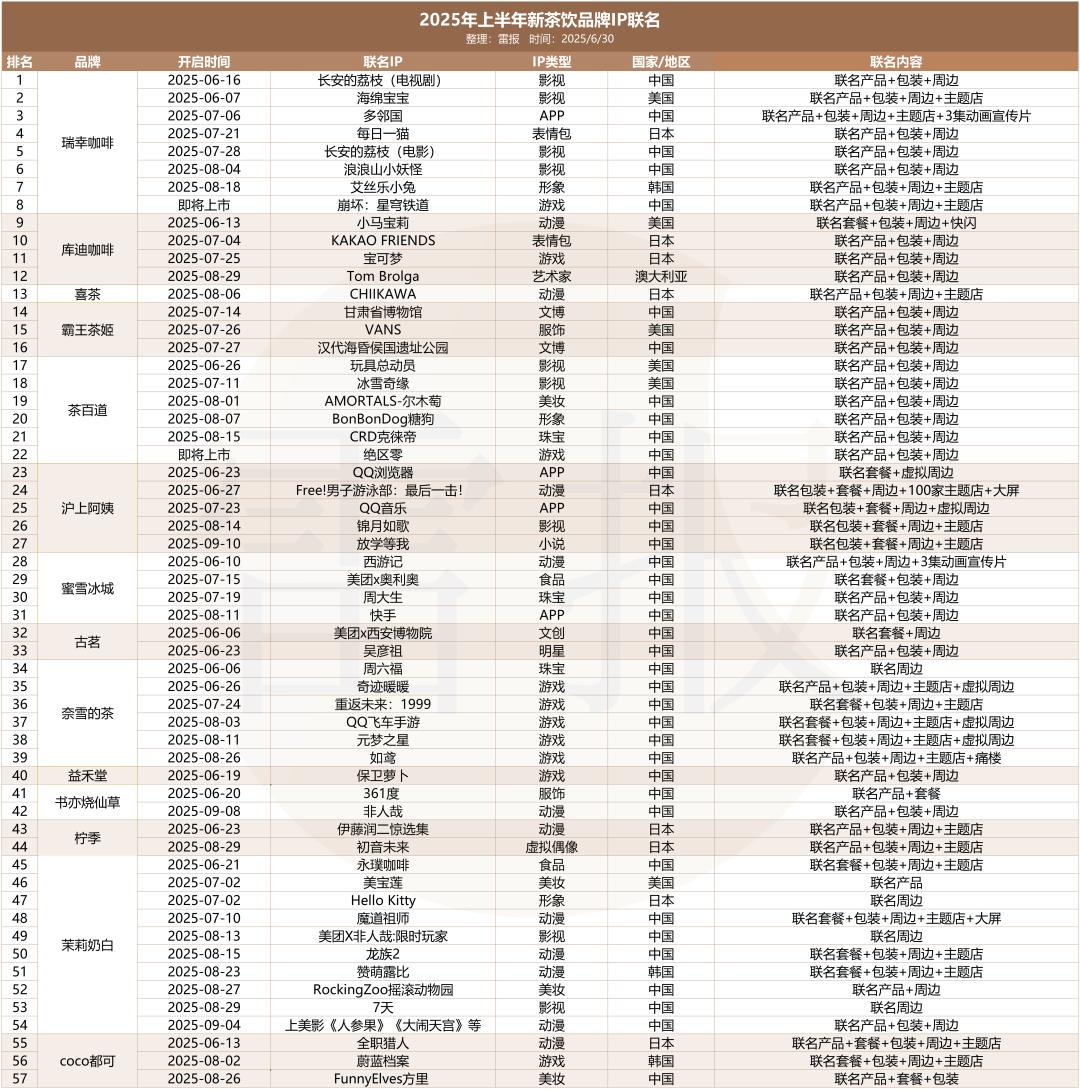
Core Insights - The summer of 2025 sees a continued trend of collaboration in the new tea beverage industry, with brands leveraging various IPs for marketing, indicating a shift towards more strategic partnerships rather than mere quantity [1][2] - Domestic IPs dominate the collaboration landscape, with 38 out of 57 partnerships involving local brands, reflecting a growing preference for local content in marketing strategies [2][3] - The effectiveness of collaborations is increasingly tied to supply chain capabilities and execution, as seen in the contrasting outcomes of different brand partnerships [8][12] Industry Trends - The new tea beverage sector has witnessed 57 IP collaborations in the first half of 2025, with domestic IPs accounting for over two-thirds of these partnerships [2] - High-density collaborations have become standard in the industry, but brands must balance between creating long-term user assets and avoiding excessive competition for collaborations [1][4] - The preference for anime and gaming IPs reflects a strategy to engage younger consumers and enhance brand loyalty through emotional connections [6][10] Marketing Strategies - Marketing expenditures among seven listed new tea brands exceeded 3.4 billion yuan in the first half of 2025, with Luckin Coffee leading at 1.089 billion yuan [12][13] - Despite high marketing costs, five out of seven brands reported a decrease in marketing expense ratios, indicating a shift towards more efficient spending [13][14] - Brands are moving from aggressive spending to more calculated marketing strategies, focusing on the return on investment from collaborations [15][17] Case Studies - Luckin Coffee's collaboration with the language learning app Duolingo resulted in the sale of 9 million cups in the first week, showcasing the potential of effective IP partnerships [1][6] - The partnership between Nayuki and the mobile game "Like a Kite" faced backlash due to supply issues and product quality, highlighting the risks associated with high-profile collaborations [8][10] - Heicha's exclusive collaboration with Chiikawa aimed to create scarcity and enhance perceived value, although it raised concerns about sustaining long-term brand engagement [17]
2025餐饮中场战事:外卖激战、性价比称王、老字号承压
3 6 Ke· 2025-09-10 12:47
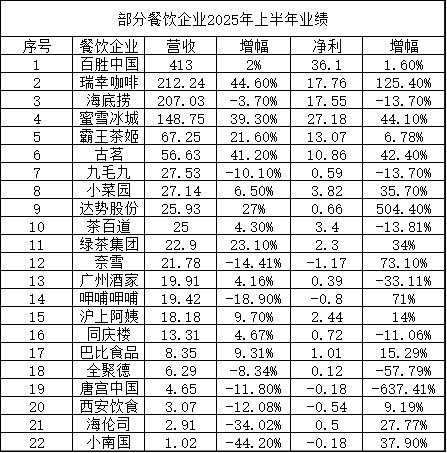
Core Insights - The restaurant industry in China is experiencing mixed results in the first half of 2025, with some companies showing strong growth while others struggle to maintain performance [1][3] - The competitive landscape is shifting, with a focus on cost-effectiveness and the rise of delivery services as key drivers of growth [10][13] Financial Performance - Among 22 listed restaurant companies, 13 reported revenue growth, with Luckin Coffee leading at a 44.6% increase [2][3] - Notable performers include: - Luckin Coffee: Revenue of 212.24 million RMB, up 44.6%, and net profit of 17.76 million RMB, up 125.4% [3] - KFC and Pizza Hut (Yum China): Revenue increased by 2% to 58 billion RMB, with a net profit of 5.07 billion RMB, up 1.6% [2] - Haidilao: Revenue decreased by 3.7% to 207.03 million RMB, with net profit down 13.7% [3] Market Trends - The tea beverage sector is thriving, with five major companies reporting a combined revenue of 315.81 million RMB, a 30.12% increase year-on-year [5] - The shift towards value-oriented dining is evident, as consumers prioritize affordability over high-end dining experiences [10][12] Delivery Services - Delivery services have become a significant growth driver, with Yum China's delivery sales growing by 22% in Q2 2025, accounting for 45% of total restaurant revenue [13][15] - Luckin Coffee's delivery orders increased to over 30% of total sales, significantly contributing to its user growth [14] Strategic Adjustments - Companies are adapting to changing consumer preferences by innovating menu offerings and enhancing dining experiences [16][19] - Haidilao is focusing on product differentiation and has introduced new dining concepts to attract customers [18] Competitive Landscape - The competition is intensifying, with traditional dining establishments exploring delivery options to remain relevant [15][16] - New entrants and established brands are seeking unique selling propositions to differentiate themselves in a crowded market [19][22]
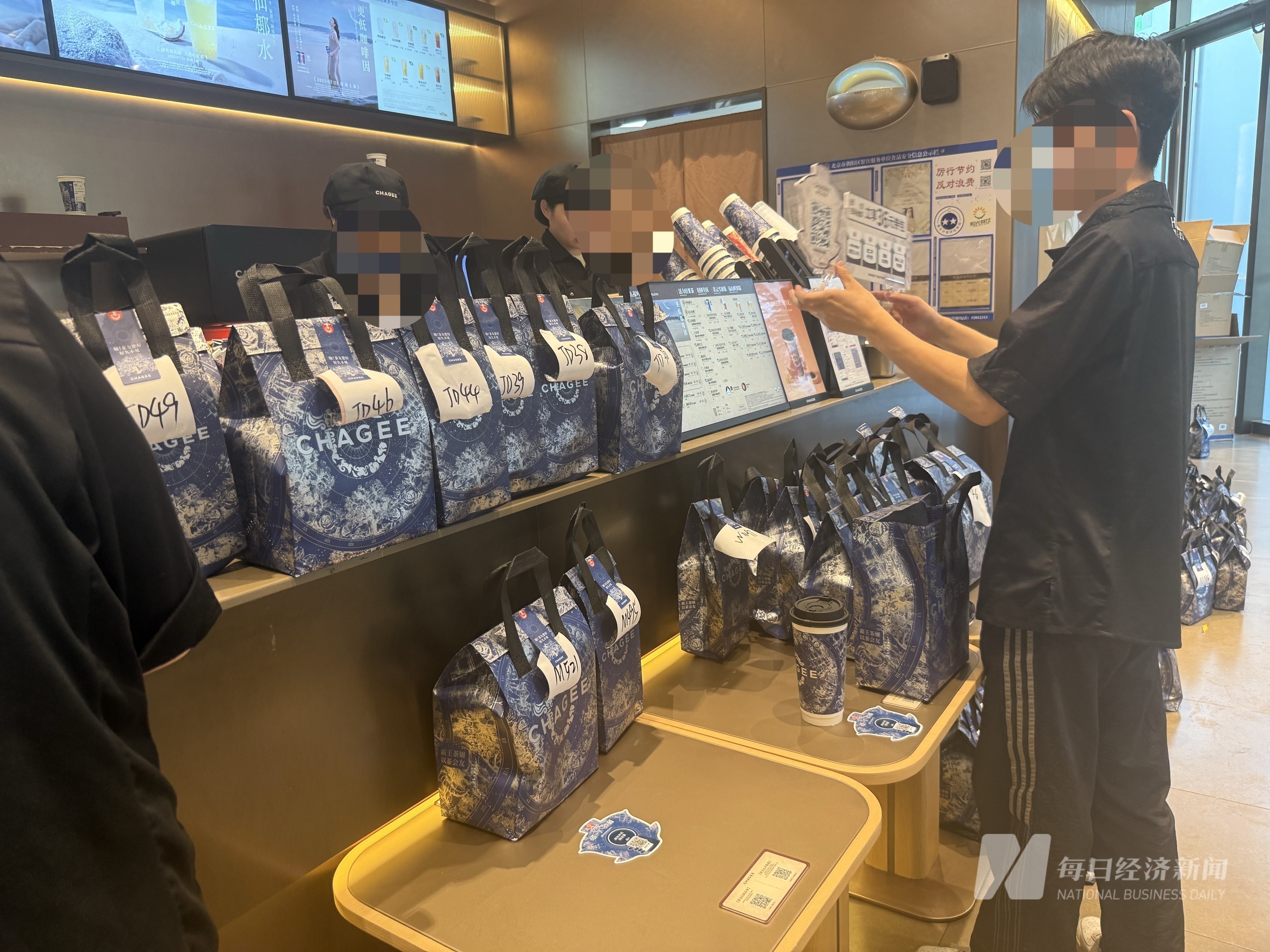
外卖补贴“散场”,七大品牌550亿元营收背后,茶饮咖啡高增长如何“续杯”?
Mei Ri Jing Ji Xin Wen· 2025-09-10 11:41
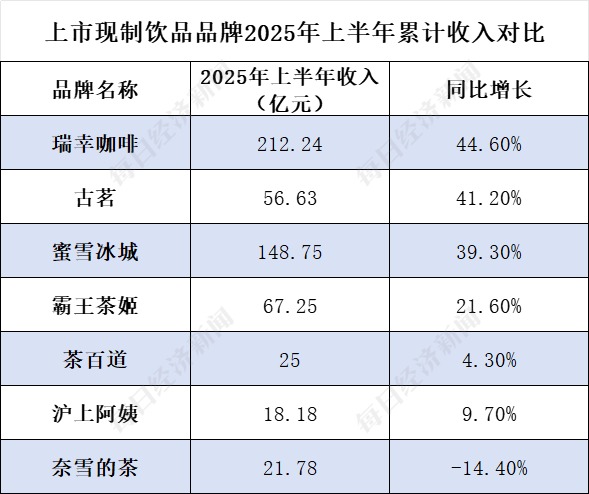
Core Insights - The recent subsidy war among food delivery platforms has significantly impacted the ready-to-drink beverage market, leading to a temporary surge in sales but raising questions about the sustainability of this growth [1][6][9] Industry Overview - The ready-to-drink tea and coffee sector has seen a dramatic price drop, with many brands offering products below 10 yuan due to aggressive subsidies [2][7] - Major brands like Luckin Coffee, Gu Ming, and Mi Xue Bing Cheng reported substantial revenue increases in the first half of 2025, with total revenue reaching 550 billion yuan, a year-on-year increase of 135 billion yuan [1][3][4] Financial Performance - Luckin Coffee reported a net income of 212.24 billion yuan, a 44.6% increase year-on-year, while Gu Ming achieved 56.63 billion yuan in revenue, up 41.2% [3][4] - Other brands also showed growth, with Mi Xue Bing Cheng at 148.75 billion yuan (39.3% increase) and Ba Wang Cha Ji at 67.25 billion yuan (21.6% increase) [4] Market Dynamics - The rapid expansion of store numbers has been a key driver of revenue growth, with Mi Xue Bing Cheng adding over 5,700 stores in the first half of the year [5][8] - The reliance on subsidies has raised concerns about the long-term viability of sales growth, as many brands may struggle to maintain performance without these incentives [5][7] Regulatory Environment - The State Administration for Market Regulation has indicated a focus on monitoring the competitive landscape of the food delivery industry, emphasizing the need for quality service and fair pricing [1][6] - The regulatory body has urged platforms to control subsidies to avoid disrupting the normal pricing structure, which could lead to a decline in consumer demand once subsidies are removed [6][7] Strategic Shifts - Brands are beginning to shift focus towards in-store sales and improving operational efficiency to mitigate the impact of fluctuating delivery orders [8] - There is a growing consensus among leading brands to enhance digital operations and supply chain management to better meet consumer demands and improve profitability [8][9]
产业观察丨外卖补贴“散场”,七大品牌550亿元营收背后,茶饮咖啡高增长如何“续杯”?
Mei Ri Jing Ji Xin Wen· 2025-09-10 11:14
Core Viewpoint - The recent subsidy war among food delivery platforms has significantly impacted the ready-to-drink beverage market, leading to a surge in sales for various brands, but the sustainability of this growth is in question as regulatory scrutiny increases [1][5][9]. Industry Overview - The competition in the ready-to-drink beverage sector intensified during the summer, with major platforms like Meituan, Alibaba, and JD.com engaging in aggressive subsidy strategies, resulting in a chaotic pricing environment where many drinks were sold for as low as a few yuan or even for free [1][5]. - The market regulator has expressed concerns over the impact of these subsidies on the normal pricing system and has called for improved service quality and food safety [1][9]. Financial Performance - In the first half of 2025, seven listed beverage brands reported a combined revenue of 55 billion yuan, an increase of 13.5 billion yuan year-on-year [1]. - Luckin Coffee reported a net income of 21.22 billion yuan, a 44.6% increase year-on-year, while other brands like Gu Ming and Mi Xue Ice City also saw significant revenue growth [6][7]. Growth Drivers - The revenue growth for these brands is attributed not only to subsidies but also to factors such as store expansion and improved single-store efficiency [8]. - Mi Xue Ice City added over 5,700 new stores in the first half of the year, with a significant portion located in lower-tier cities [8][12]. Challenges Ahead - Analysts express skepticism about the sustainability of the sales growth driven by subsidies, suggesting that a return to normal pricing could lead to a sharp decline in order volumes [10][12]. - The heavy reliance on delivery subsidies has raised concerns about the long-term health of franchise operations, as many orders have shifted from dine-in to delivery, impacting profitability [10][12]. Strategic Shifts - In response to the changing landscape, brands are focusing on enhancing in-store dining experiences and optimizing operational efficiency to mitigate the impact of fluctuating delivery volumes [12]. - Companies are also exploring international markets and enhancing digital operations to better understand consumer needs and improve supply chain efficiency [12][13].
北美接棒东南亚,成新茶饮出海新热土
Hu Xiu· 2025-09-08 00:14
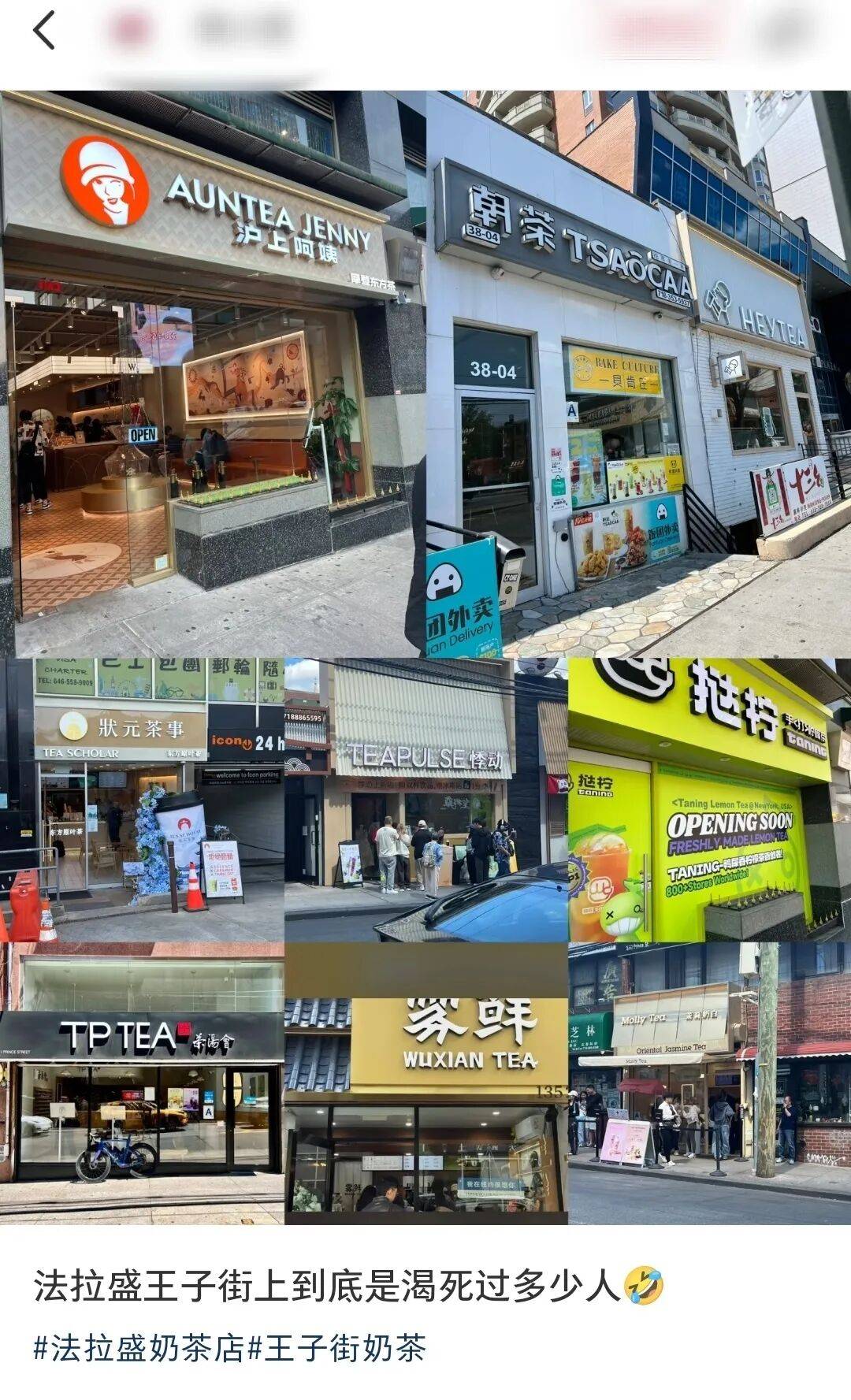
Core Insights - The article discusses the rapid expansion of Chinese new tea brands into the North American market, highlighting the potential for growth and the shift from Southeast Asia to North America as a new target for these brands [1][11][10]. Market Expansion - Since 2025, many new tea brands have entered the North American market, with Heytea leading the way by opening its 35th store in the U.S. [1][2]. - The U.S. new tea market is experiencing significant changes, with multiple brands entering the space, including Jasmine Milk White and Bawang Tea Ji [3][4]. - The rapid expansion of brands like Heytea, which had only 2 stores a year ago, indicates a notable acceleration in market penetration [2][5]. Sales Performance - Heytea's New York store achieved over 3,500 cups sold on its opening day, with daily sales stabilizing above 2,000 cups [5]. - Jasmine Milk White's New York store reported monthly revenue exceeding $570,000, setting a record for overseas stores [6]. - Bawang Tea Ji and Hu Shang A Yi also saw impressive sales, with Bawang Tea Ji selling over 5,000 cups on its opening day [7]. Market Dynamics - The North American market is seen as a blue ocean opportunity for new tea brands, especially as Southeast Asian markets show signs of saturation [11][12]. - The average price per cup in the U.S. ranges from $6 to $10, significantly higher than in China, providing a lucrative revenue opportunity [13]. - Consumer acceptance of new tea drinks in the U.S. is growing, with many local consumers showing interest in fresh and healthy options [14][16]. Competitive Landscape - The U.S. market currently has around 8,000 bubble tea shops, with no single brand holding more than 5% market share, indicating a fragmented market ripe for new entrants [18]. - The lack of dominant brands allows Chinese tea companies to compete on a more level playing field, emphasizing local marketing and product quality [19]. Challenges and Strategies - High operational costs in the U.S. pose a significant challenge, with initial investments for small stores reaching $500,000 and larger stores nearing $1 million [23]. - Many brands are opting for a franchise model to mitigate risks and leverage local expertise for quicker market entry [25][26]. - Initial market entry often focuses on areas with high Chinese populations, which serve as testing grounds for broader market acceptance [27][32]. Future Outlook - The current market window for new tea brands in North America is seen as critical, with potential saturation expected within the next two to three years [20][21]. - Brands are encouraged to develop localized products to better cater to American consumers, moving beyond a simple replication of their domestic offerings [30][33].
外卖补贴热度退去,茶饮增长何以为继?
Sou Hu Cai Jing· 2025-09-07 16:22
Core Insights - The tea beverage industry must seek new growth avenues as reliance on delivery subsidies diminishes [2][4] - Despite the external challenges, several tea brands reported significant growth in their financial results, contrasting with the declining profits of major delivery platforms [5][6][10] Group 1: Impact of Delivery Subsidies - The delivery subsidy war has significantly boosted user demand for tea brands, with Luckin Coffee reporting a 31.6% year-on-year increase in average monthly transaction customers, reaching 91.7 million [5][6] - Luckin Coffee's GMV for Q2 reached 14.2 billion yuan, a 46.2% year-on-year increase, while net income rose to 12.359 billion yuan, marking a 47.1% increase [6] - Other brands like Gu Ming also experienced substantial growth, with a 121.5% year-on-year increase in net profit, reaching 1.625 billion yuan [8] Group 2: Challenges Post-Subsidy - The sustainability of high order volumes for tea beverages is in question as delivery subsidies fade, raising concerns about the operational viability of newly opened stores [4][18] - Brands like Nayuki Tea have faced declines in revenue, with a 14.4% year-on-year drop, despite a significant contribution from delivery orders [10] - The rapid expansion of store numbers has led to increased competition and operational challenges, as seen with Ba Wang Tea Ji, which reported a 1.5% decline in GMV [10][21] Group 3: Market Dynamics and Strategies - The delivery subsidy war has intensified competition among major platforms, with significant investments from JD, Meituan, and Alibaba to attract consumers [13][15] - Tea brands have adopted various strategies to leverage seasonal demand, including launching new products and optimizing supply chains [12][18] - The industry is exploring new growth avenues, such as expanding product lines and international markets, with brands like Luckin and Mi Xue Bing Cheng leading overseas expansion efforts [22][24][25]



朱啸虎:我们投消费品牌的标准就三个
创业家· 2025-09-07 10:11
Core Viewpoint - The article emphasizes the importance of the "3S theory" in evaluating consumer brands, which includes market size, product standardization, and defensibility against competition in the Chinese market [2][3][4]. Group 1: Market Evaluation Criteria - The market size should be substantial, ideally over 100 billion RMB [2]. - Products must be standardized and capable of large-scale replication [3]. - In China, it is crucial for brands to have defensibility due to the high level of competition [4][5]. Group 2: Brand Development Strategies - Successful consumer startups should focus on either product excellence or price competitiveness [9][10]. - For channel-focused businesses, achieving extreme pricing is essential, while brand-focused companies should prioritize product quality [11]. Group 3: Insights from Industry Leaders - The article mentions that despite the proliferation of new brands, only about 10 to 20 companies are likely to reach valuations exceeding 10 billion USD [8]. - The importance of understanding consumer needs and effectively translating technology into user-perceived value is highlighted, referencing successful Japanese brands like Sony and Uniqlo [16][17]. Group 4: Upcoming Educational Opportunities - The article promotes a three-day immersive course aimed at dissecting how Japanese and Chinese consumer companies succeed in the current market landscape, focusing on product innovation and brand globalization [12][18][21].