
淘宝

Search documents
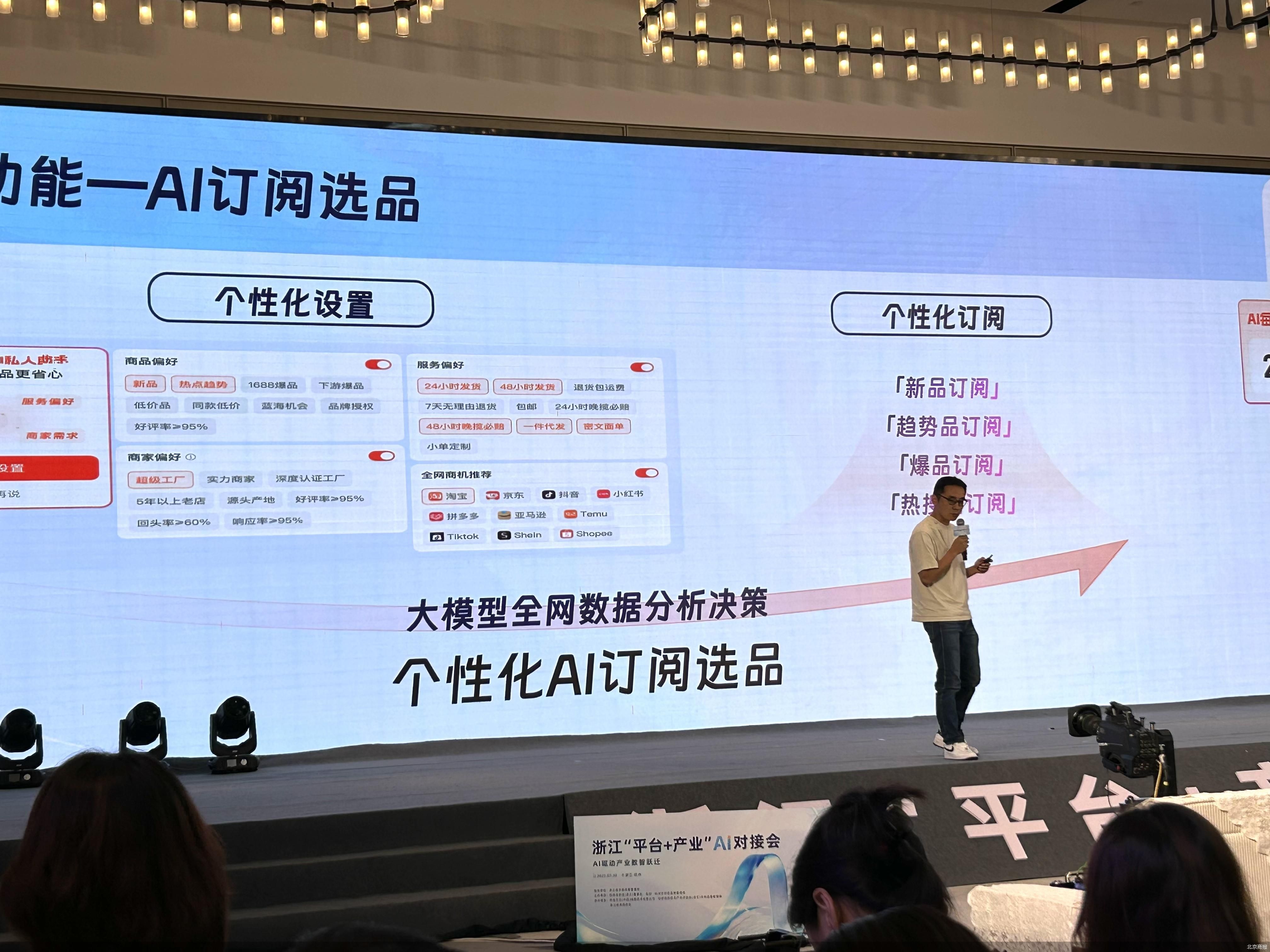
电商猛推AI工具:平台不着急商业化,商家观望算账
Bei Jing Shang Bao· 2025-08-03 09:30
Core Insights - E-commerce platforms are increasingly investing in AI tools to enhance product selection, design, and customer service, with companies like 1688 and ZhiDeMai Technology updating their AI offerings [1][4] - Small and medium-sized enterprises (SMEs) utilizing AI have reported significant productivity improvements, with some achieving a revenue increase to 5 million yuan per employee and creating products with a gross margin of 92% [1][4] - Despite the potential benefits, SMEs face challenges in AI adoption, including high understanding costs, time for widespread implementation, and insufficient cost-effectiveness [1][6] Group 1: AI Implementation in E-commerce - Current AI applications by merchants are primarily basic, focusing on tasks like image generation and data insights, with more complex integrations requiring additional time [1][6] - Platforms like 1688 have iterated their products to lower barriers for SMEs, but the primary need remains cost reduction and efficiency improvement [1][7] - The consensus in the industry is that AI tools must be further tailored to specific scenarios and personalized to achieve true scalability [1][9] Group 2: Case Study of Successful AI Utilization - Liu Shiqi, general manager of Tiwantans Trading Co., leveraged AI to grow his slipper business to an annual revenue of 40 million yuan, successfully selling a "ugly slipper" for $145 with a profit margin of $50 [4][5] - His strategy involved using AI for product selection based on market trends, significantly reducing the product development cycle from 1-1.5 months to less than a week [4][5] - Liu emphasized the importance of innovation over imitation, focusing on creating unique products that meet new market demands [5] Group 3: E-commerce Platforms' AI Tools - Major e-commerce platforms are developing AI products to enhance merchant efficiency in areas like product selection, marketing, and customer service [6][8] - For instance, Taobao's "Image to Video" tool automates the creation of promotional videos, while JD's Yanxi model analyzes product features and user preferences [6][8] - 1688's digital human product has evolved to assist merchants in optimizing product images and participating in marketing activities, resulting in a 150% improvement in business outcomes for SMEs using the tool [7][8] Group 4: Future of AI in E-commerce - The current focus for e-commerce platforms is on acquiring customers rather than immediate commercialization of AI products [9] - There is a recognition that AI tools need to adapt to various industry scenarios and user needs to achieve widespread application [9] - The integration of AI into the e-commerce search process is being prioritized to enhance user experience, with improvements in search accuracy from 88% to 94.5% [8][9]

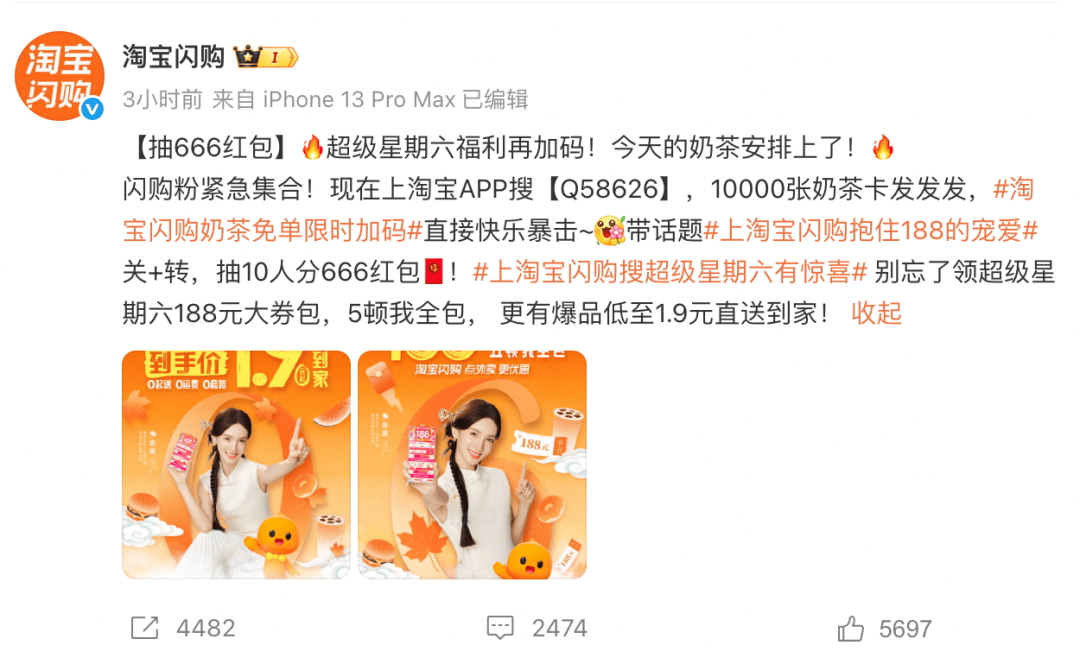
集体声明后京东美团回归常态,淘宝上免单预热立秋大战
Sou Hu Cai Jing· 2025-08-03 07:47
Group 1 - The core viewpoint of the articles revolves around the competitive landscape of the food delivery market in China, particularly focusing on the strategies employed by platforms like Meituan, Taobao Shanguo, and JD's Qixian Xiaochu [1][2][4] - Meituan has reduced its subsidy offerings significantly, moving from automatic "0 yuan exchange coupons" to member-exclusive random free meal coupons, indicating a shift towards more sustainable practices in response to regulatory pressures [1][2] - Taobao Shanguo has aggressively pursued market share, achieving over 90 million daily orders in collaboration with Ele.me, and has invested an estimated 20 billion yuan in subsidies since entering the market [2][3] Group 2 - Taobao Shanguo has launched multiple marketing campaigns featuring numerous celebrities as brand ambassadors, significantly increasing its visibility and competitive edge over Meituan and JD [3][4] - The platform's marketing strategy includes extensive advertising across various media, including online platforms and outdoor displays, indicating a substantial investment in brand promotion [4] - Despite regulatory pressures that have temporarily paused aggressive competition, the food delivery market remains highly competitive, with companies preparing for a prolonged battle for market dominance [4]

宏观政策将适时加力,国家育儿补贴落地丨一周热点回顾
Di Yi Cai Jing· 2025-08-02 02:54
Group 1: Economic Policy and Growth - The Political Bureau of the Central Committee emphasized the need for macro policies to be proactive and effective in the second half of the year, focusing on expanding domestic demand and stabilizing foreign trade and investment [2] - A new round of actions to stabilize growth in ten key industries will be implemented, focusing on enhancing consumption, promoting high-quality development of key industrial chains, and addressing "involution" in competition [4][6] - The manufacturing PMI for July showed a slight decline to 49.3%, indicating a contraction in new orders, but production activities remain in expansion territory [7][8] Group 2: Childcare Subsidy Policy - The national childcare subsidy scheme will provide 3,600 yuan per year for families with children under three years old starting January 1, 2025, benefiting over 20 million families annually [3] Group 3: Trade Relations and Tariffs - The U.S. announced new "reciprocal tariffs" ranging from 10% to 41% on various countries, effective August 7, with Syria facing the highest rate [10] - Ongoing U.S.-China trade talks have resulted in a 90-day extension for previously suspended tariffs, signaling a commitment to dialogue and cooperation [9] Group 4: Competition in E-commerce - Major e-commerce platforms, including Meituan and Taobao, have pledged to regulate subsidy practices and resist unfair competition, responding to regulatory pressures [13][14]

宗馥莉不得挪用!娃哈哈宗氏“百亿”财产纠纷案判决书曝光;网传汪林朋“绝笔信”为假;智元机器人获国际集团战略投资丨邦早报
创业邦· 2025-08-02 01:09
Group 1 - The court ruling in the inheritance dispute of Wahaha Group founder Zong Qinghou confirmed that the assets in a specific bank account are trust property for three plaintiffs, prohibiting Zong Fuli from withdrawing or transferring any assets from the account until a final ruling is made by the courts in Hangzhou [3] - The plaintiffs, who are half-siblings of Zong Fuli, claim their rights to the trust property, which includes a request for interest earnings based on a principal of $2.1 billion and compensation for unauthorized transfers amounting to $108,500 [3] Group 2 - Major food delivery platforms, including Meituan and Taobao, announced a commitment to regulate promotional activities and curb irrational subsidies, aiming to foster healthy competition within the industry [5][6] - The platforms will implement measures such as adhering to anti-monopoly laws, ensuring transparency in subsidy information, and protecting the pricing autonomy of merchants [6] Group 3 - Apple reported a quarterly revenue of $94.04 billion, a nearly 10% year-on-year increase, despite facing an $800 million loss due to tariffs [11] - iPhone sales grew by 13.5% to $44.58 billion, and sales in Greater China reached $15.37 billion, marking a 10% increase [11] - Apple has acquired approximately seven companies this year, focusing on enhancing its AI capabilities [11] Group 4 - Nintendo's first-quarter sales reached 572.36 billion yen, a 132.1% year-on-year increase, with a net profit of 96.03 billion yen, up 18.6% [12] - The CEO of Jaguar Land Rover, Adrian Mardell, announced his retirement after nearly three years in the role, during which he led the company to its best profitability in a decade [12] Group 5 - The global tech industry has seen over 80,000 layoffs this year, with a 36% decline in job postings compared to early 2020 [21] - A report indicated that 171 tech companies have announced layoffs, totaling 80,250 employees [21]




即时零售 寻求颠覆与重构的破立平衡
Zheng Quan Ri Bao· 2025-08-01 15:43
Core Viewpoint - The Chinese government emphasizes the need to effectively unleash domestic demand and implement actions to boost consumption, with a focus on the growth of instant retail as a new business model that integrates online and offline services [1] Group 1: Market Potential and Challenges - The instant retail market in China is expected to exceed 2 trillion yuan by 2030, indicating significant growth potential [1] - However, the industry faces challenges due to "involutionary" low-price subsidy strategies that threaten the health of the retail ecosystem and the survival of offline businesses [1][2] - Many merchants report that low-price strategies lead to high sales but significantly reduce profit margins due to operational costs [2] Group 2: Regulatory and Industry Responses - The China Chain Store & Franchise Association has called for the regulation of low-price subsidy competition to maintain market order and protect consumer rights [2][3] - The National Market Supervision Administration has urged major platforms to adhere to laws and regulations, promoting a healthy ecosystem for all stakeholders involved [3] - Major platforms like Meituan, Taobao, Ele.me, and JD have publicly advocated for resisting disorderly competition [3] Group 3: Balancing Pricing and Value - The current pricing strategies are altering the price system, making it difficult for businesses to enhance quality and innovate [4] - The industry is encouraged to shift from scale competition to value creation, focusing on sustainable business practices [6][8] - A balanced approach to pricing and flow is essential for controlling costs and maintaining customer loyalty [5] Group 4: Technological and Operational Innovations - The industry is exploring technological empowerment of supply chains, optimizing user experiences, and creating win-win models for sustainable development [1][7] - There is a strong emphasis on improving logistics efficiency and service quality through better warehouse management and customer service systems [6][7] - The integration of consumer behavior data analysis is seen as a way to enhance demand forecasting and supply chain optimization [7] Group 5: Future Directions - The industry is urged to establish a "triangular support system" that includes cold chain storage and cloud warehouses to improve logistics efficiency [7] - Platforms are encouraged to focus on quality enhancement rather than engaging in price wars, which can harm long-term sustainability [8] - The goal is to transform delivery services from a burden into a growth driver for businesses, allowing them to focus on product quality and customer service [9]
阿里前董事会主席张勇履新港交所;物美公布最一批“胖改”店名单
Sou Hu Cai Jing· 2025-08-01 12:25
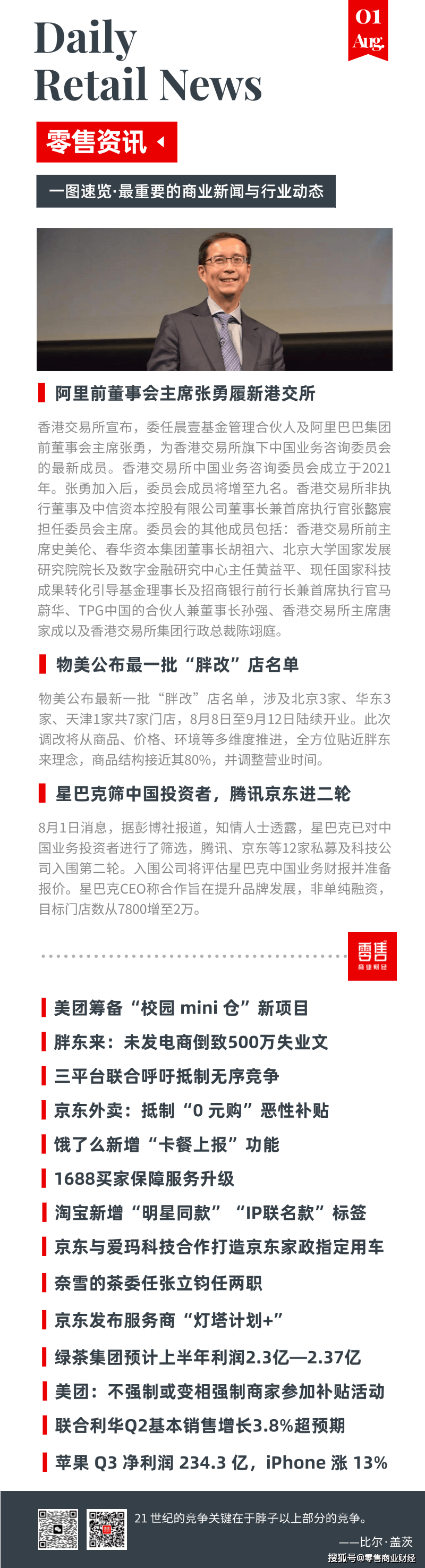
Group 1 - Alibaba's former chairman Zhang Yong has been appointed as a new member of the Hong Kong Stock Exchange's China Business Advisory Committee, increasing the committee's membership to nine [6] - The committee was established in 2021 and is chaired by Zhang Jianchen, the non-executive director of the Hong Kong Stock Exchange [6][7] Group 2 - Wumart has announced the latest batch of "Fat Transformation" stores, involving seven locations across Beijing, East China, and Tianjin, set to open between August 8 and September 12 [8] - The transformation will focus on multiple dimensions including product offerings, pricing, and store environment, aiming to align closely with the Fat Donglai concept [8] Group 3 - Starbucks is reportedly screening investors for its China business, with Tencent and JD.com among the twelve companies advancing to the second round [10] - The collaboration aims to enhance brand development rather than merely seeking financing, with a target to increase store count from 7,800 to 20,000 [10] Group 4 - Meituan is preparing a new instant retail project called "Campus Mini Warehouse," targeting university campuses with small warehouses for high-frequency items [11] - The project will adopt a platform model, recruiting partners for warehouse and delivery services, prioritizing those with campus experience [11] Group 5 - The Green Tea Group expects a profit of approximately 230 million to 237 million yuan for the first half of 2025, a year-on-year increase of about 32% to 36% [22] - Adjusted net profit is anticipated to be around 247 million to 254 million yuan, reflecting a growth of 38% to 42% compared to the previous year [22] Group 6 - Unilever reported a 3.8% increase in underlying sales growth for Q2, exceeding expectations, with a slight decline in sales in the Chinese market [25] - The company is undergoing multiple transformations, including the planned spin-off of its ice cream business in November [25] Group 7 - Apple reported a net profit of $23.43 billion for Q3 2025, a 9% year-on-year increase, with revenue reaching $94.04 billion, up 9.6% [27] - iPhone revenue grew by 13% to $44.58 billion, and service revenue also increased by 13% to $27.42 billion, both exceeding market expectations [27]
万亿抖音在前,B站电商如何破局?
3 6 Ke· 2025-08-01 11:36
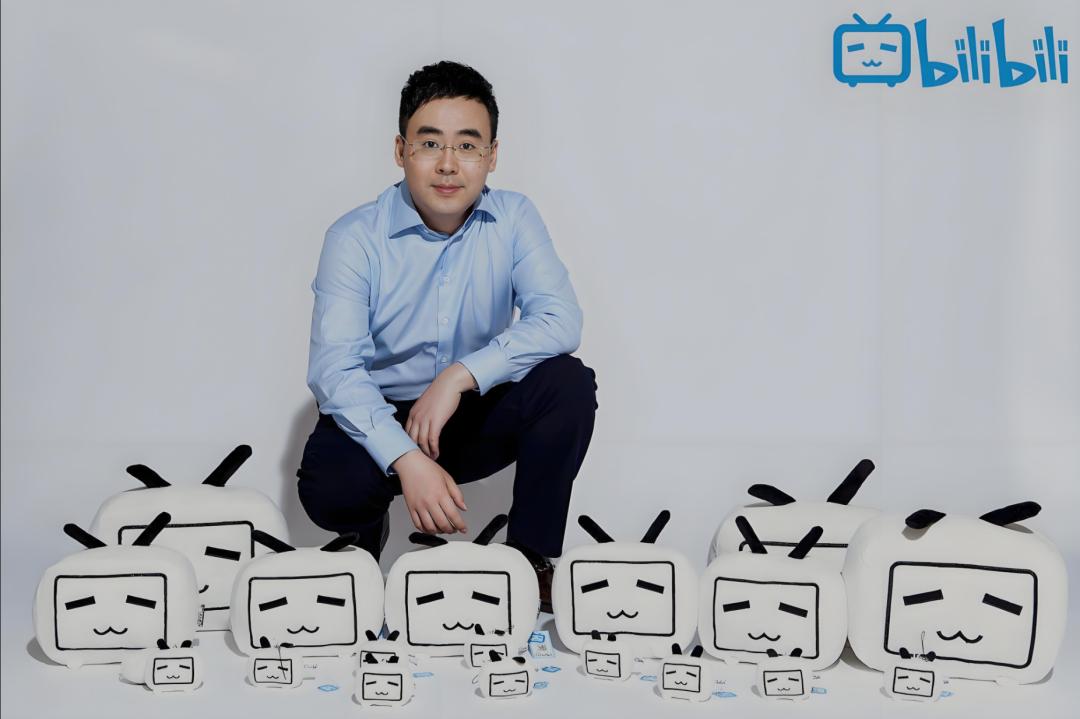
Core Insights - Bilibili is becoming a key variable in the content e-commerce landscape, with a significant acceleration in its commercialization process expected by 2025 [1] - The platform's first-quarter financial report shows continued profitability, with a 41% year-on-year growth in GMV during the "618" shopping festival, particularly in the digital home appliance sector, which saw a 111% increase in advertising revenue [1] - Bilibili is attempting to scale its core community trust asset into a commercial structure, but this process reveals a fundamental contradiction between pursuing commercial efficiency and maintaining community trust [1] User Engagement - Bilibili users spend an average of 108 minutes daily on the platform, indicating a high level of engagement [2] - The long-term immersive interaction between content creators (UP主) and fans fosters a deep trust relationship that goes beyond typical broadcaster-viewer dynamics [3] Trust Economy - Trust is cultivated through long-term content companionship and value recognition rather than through aggressive sales tactics [4] - The case of the home appliance reviewer "Mr. Miding" exemplifies this trust economy, where in-depth product evaluations lead to significant purchasing power, including a record-breaking single live stream sales of 1.3 billion yuan [5] Community Culture - Bilibili's community culture is centered around "purity," with users critically evaluating commercial content, making it essential for UP主 to carefully select products and integrate commercial information into high-quality content [6][9] - The platform's chairman emphasized prioritizing the healthy and sustainable development of the community over immediate commercial revenue [8] E-commerce Challenges - Bilibili faces challenges in merging content and commerce, as its user base typically arrives with specific content consumption goals, making commercial interruptions more disruptive compared to platforms like Douyin [10][12] - The platform's model supports high customer loyalty and high average transaction values, but this success is difficult to replicate in impulse-driven categories like beauty and fast-moving consumer goods [12] Strategic Initiatives - Bilibili has initiated the "Spark Plan" to connect with major e-commerce platforms like Taobao and JD, and has lowered the threshold for live streaming sales to activate mid-tier content creators [13] - The platform must consider deeper changes to its underlying logic and community culture to enhance commercial efficiency while maintaining user trust [13] Future Outlook - The ultimate challenge for Bilibili is to convert its users' passion for content into consumption without diluting its unique community DNA [14] - Having achieved profitability in 2024 and aiming for sustained profitability in 2025, Bilibili now needs to demonstrate its ability to thrive in the market [15]

00后开闪购店,三年翻身当老板
创业邦· 2025-08-01 10:20
Core Insights - The article discusses the rapid growth and opportunities in the instant retail sector, particularly in online supermarkets, driven by changing consumer habits and the competitive landscape of delivery services [4][8][25]. Group 1: Market Dynamics - The instant retail market has seen a geometric expansion, with transaction volumes increasing nearly tenfold from 2018 to 2023, and is projected to reach a market size of 2 trillion by 2030 [8]. - The competition among platforms like Meituan, JD, and Taobao has intensified, with significant investments in infrastructure and service capabilities to capture market share [19]. - The article highlights the shift in consumer behavior towards convenience, with many opting for online purchases of various products beyond food, indicating a broader market potential for instant retail [10][18]. Group 2: Business Models and Strategies - Entrepreneurs in the instant retail space are leveraging low overhead costs and the absence of physical storefronts to maximize profits, with some reporting monthly profits of 20,000 to 30,000 [16][24]. - Successful operators are focusing on a diverse product range, with a significant portion of their inventory consisting of hard-to-find items that cater to immediate consumer needs [13][22]. - The article emphasizes the importance of effective supply chain management and marketing strategies, as operators face challenges from increasing competition and market saturation [24][29]. Group 3: Challenges and Risks - Despite the booming market, new entrants face high invisible barriers, including the need for strategic location selection and efficient logistics to meet delivery time requirements [20][21]. - The competitive landscape is becoming increasingly crowded, with many small operators struggling to maintain profitability against larger, established brands [29]. - The article warns that while the market is currently lucrative, the ease of entry may lead to oversaturation, making it difficult for smaller players to survive in the long term [29][30].

多家外卖平台宣布规范促销补贴
Guang Zhou Ri Bao· 2025-08-01 08:48
Group 1 - Major platforms such as Meituan, Taobao, and Ele.me have committed to "regulating promotions" and introduced measures to limit subsidy behaviors, including rational planning of subsidies and avoiding irrational promotional activities [1][2] - The collective statement from these platforms is a response to previous regulatory discussions aimed at promoting healthy competition within the food delivery industry [1] - The State Administration for Market Regulation has urged food delivery platforms to further standardize promotional behaviors and participate in rational competition to foster sustainable development in the catering service industry [1] Group 2 - The upcoming "Autumn First Cup of Milk Tea" event, which has been a marketing staple since 2020, is expected to trigger a new round of competition among delivery platforms [2] - The simultaneous statements from the platforms serve as a preemptive reminder of anti-involution policies ahead of the significant marketing period [2] - The marketing activities and measures taken by each platform during the "Autumn First Cup of Milk Tea" will be critical for observing their actual strategies [2]
京东外卖:坚决杜绝不正当竞争,抵制“0元购”等恶性补贴
news flash· 2025-08-01 03:49
京东发文称,京东外卖将继续坚持"反内卷"立场,坚决杜绝不正当竞争,抵制"0元购"等恶性补贴,绝 不以冲单量体现市场地位、制造市场泡沫。搭建简单透明的补贴机制,依法向商家和消费者公示营销活 动信息,商家可自主经营和参与促销活动。当日,饿了么、美团、淘宝闪购共同发文呼吁抵制"恶性竞 争"。 ...