黑芝麻智能

Search documents
这五个全国第一股,都来自武汉
Chang Jiang Ri Bao· 2025-07-31 12:39
Group 1 - Five companies from Wuhan have become the first in their respective sectors to go public in 2024 [2] - The first company, Dameng Data, listed on the Shanghai Stock Exchange's Sci-Tech Innovation Board on June 12, 2024, and is a leading provider of database products and services in China [4] - The second company, Xingjing Weiwang Group, listed on NASDAQ on July 26, 2024, and operates in the digital entertainment sector, including esports and gaming [6][7] Group 2 - The third company, Shengtong Technology, established in 2005, focuses on AI solutions for urban management, automotive, and finance sectors, and is headquartered in Wuhan as of 2024 [10] - The fourth company, Hezhima Intelligent, specializes in automotive-grade smart chips and solutions, with its valuation increasing from under $1 billion to over $2 billion in three years [15] - The listing of these companies highlights Wuhan's growing prominence in various high-tech industries [2][4][10][15]


武汉硚口跃升:首设人工智能产业园 “最好地块发展最好产业”
2 1 Shi Ji Jing Ji Bao Dao· 2025-07-30 14:41
Core Insights - The opening of the Hanjiang Bay Artificial Intelligence Industrial Park and the Baidu Intelligent Cloud Qianfan Model Innovation Center marks a significant step for the Qiaokou District in Wuhan to seize opportunities in the digital economy and promote industrial transformation and upgrading [1][2]. Group 1: Industrial Development - The Hanjiang Bay Artificial Intelligence Industrial Park is one of the first AI cultivation parks in Wuhan, aiming to establish a framework for industrial development focusing on computing power, data, and models [1]. - The park plans to collaborate with major tech companies like Tencent Cloud, Ant Group, and Baidu Intelligent Cloud to create innovation centers for models, data, and embodied intelligence, with a goal to become a hub for AI innovation, industry, and application within three years [1]. Group 2: Technological Showcase - At the opening event, 20 companies showcased over 30 technology products, including a robot dog from Hezhima Intelligent and a drone from Yunshangfei, attracting significant attention from attendees [2]. - A notable highlight was the intelligent robot developed by Tongji Hospital, which features a large model brain with 32 billion parameters, capable of automating clinical specimen collection and optimizing transport routes based on sample priority [2]. Group 3: Policy Initiatives - The establishment of the "Smart Medical Open Source Alliance," the first national-level open-source alliance in the Hanjiang Bay Artificial Intelligence Industrial Park, aims to leverage AI as an innovation engine to overcome key technological bottlenecks in the medical industry [2]. - The Qiaokou District also introduced the "Artificial Intelligence Nine Policies," which include a mechanism of "three-coupling" with computing power vouchers, data vouchers, and model vouchers to support the AI industry [2].
清华背景的知名AI企业
叫小宋 别叫总· 2025-07-29 01:24
Core Viewpoint - The article highlights the significant presence of Tsinghua University alumni in the AI industry, showcasing various companies founded by individuals with Tsinghua backgrounds and emphasizing their contributions to the sector [1][13]. Group 1: AI Infrastructure and Platform Tools - Momenta, founded by Cao Xudong, has a background in engineering mechanics from Tsinghua and shifted focus to AI research [3]. - Lepton AI, founded by Jia Yangqing, has been acquired by NVIDIA, with Jia joining NVIDIA afterward [4]. - Other notable companies include Zhiyu AI, Baichuan Intelligence, and Mingxia, all founded by Tsinghua alumni from the computer science department [4]. Group 2: AI Applications - Companies like Yizhi Technology and Yingfei Network, founded by Tsinghua graduates, are making strides in AI applications [5]. Group 3: AI Chips - Hezhima Intelligent, founded by Shan Jizhang, and Lingxi Technology, with seven out of nine founders from Tsinghua, are key players in the AI chip sector [7]. Group 4: Additional Notable Companies - Other companies include Chaoji Technology, founded by Tu Cunchao, and Jiyuan Technology, founded by Wu Bin, both from Tsinghua's computer science department [12]. - Nexusflow, co-founded by Zhu Banghua and Jiao Jiantao, was acquired by NVIDIA, with Zhu becoming a chief research scientist at NVIDIA [12]. Group 5: Future Aspirations - The article expresses hope for the AI industry in China to achieve independence and global market presence, similar to other sectors [13].

“这个行业不缺钱”!智驾人才为何涌入机器人赛道
Di Yi Cai Jing Zi Xun· 2025-07-28 10:20
Core Insights - The rise of the robotics sector is significantly impacting the capital market, with companies like Weitex New Materials (688585.SH) experiencing stock price surges of over 900% after being acquired by Zhiyuan Robotics [1] - There is a notable talent migration from the autonomous driving industry to the robotics sector, driven by the latter's increasing attractiveness and investment opportunities [1][4] Talent Migration - Data from CAHRD indicates a substantial influx of talent into the R&D sectors of new energy and intelligent connected vehicles, with net inflow rates of 18.3% and 19% respectively for 2024 [1] - High-profile individuals from the autonomous driving sector, such as Gao Jiyang and Zhang Li, have transitioned to robotics companies, indicating a trend of experienced professionals seeking opportunities in the burgeoning robotics field [3] Investment Trends - The robotics sector has seen over 140 investment events from January to early July 2025, a significant increase compared to 77 events in 2024, highlighting a surge in funding and interest [4] - Companies originally focused on autonomous driving, such as Zhixing Technology and Horizon Robotics, are diversifying into robotics, with some even rebranding to reflect their new focus [6][7] Industry Dynamics - Major automotive companies, including Tesla and Geely, are entering the robotics market, with ambitions to evolve from traditional automotive manufacturing to robotics development [6][7] - The robotics industry is characterized by a faster pace of technological advancement compared to autonomous driving, with expectations for significant progress within six months [7][8] Challenges and Outlook - Despite the rapid influx of talent and capital, the robotics sector faces challenges in large-scale production and market readiness, particularly for general-purpose humanoid robots [8][9] - The industry is advised to maintain a sustainable growth approach, learning from the previous over-expansion in the autonomous driving sector [9]


武汉民营经济年增加值首破万亿元
Chang Jiang Ri Bao· 2025-07-28 00:23
Core Insights - The private economy in Wuhan has shown significant growth, with a projected value of 1.02 trillion yuan in 2024, marking a 7.7 percentage point increase in its contribution to GDP compared to 2022 [1] - In the first half of 2025, Wuhan added 182,000 new private enterprises, ranking second among sub-provincial cities, with a net increase of 13% [1][3] - The city has implemented various initiatives to support the development of private enterprises, including the establishment of a digital transformation innovation center for SMEs and the promotion of a "patience capital" approach [1][3][8] Private Economy Growth - The private economy has become a crucial driver of Wuhan's high-quality development, contributing 1.7 percentage points to economic growth in the first half of the year [4] - By mid-2025, private enterprises accounted for 97.5% of all businesses in Wuhan, with a total of 1.159 million private enterprises [3][4] - The number of high-tech enterprises in Wuhan exceeds 16,000, with over 90% being private [7] Innovation and Competitiveness - Private enterprises are leading in innovation, with 79.3% of the national-level specialized and innovative "little giant" companies being private [7] - The city has fostered an environment that respects and supports entrepreneurs, leading to a cycle of nurturing, growth, and reinvestment in the economy [3][8] - New private companies are making strides in various sectors, including artificial intelligence and digital transformation, enhancing Wuhan's competitive edge [6][9] Policy and Support Measures - Wuhan has introduced measures to optimize the business environment for private enterprises, including the establishment of service stations and dedicated support personnel [3][10] - The city aims to increase funding support for private enterprises in technology research and industrial development to 70% over time [8] - The private economy is seen as a stabilizing force for employment, contributing to over 80% of new job opportunities for recent graduates [9]
智能驾驶SoC芯片:架构跃迁与生态重构下的国产化机遇
Ping An Securities· 2025-07-25 09:27
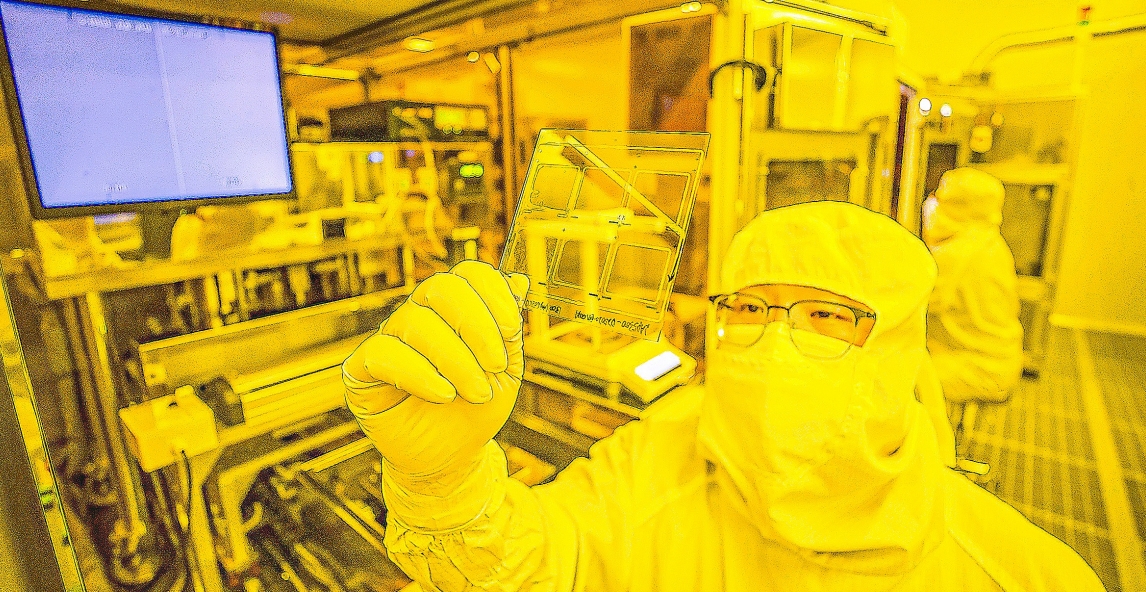
Investment Rating - The report maintains a "Strong Outperform" rating for the computer industry [1] Core Viewpoints - The report highlights the rapid development of domestic automotive-grade SoC chips, driven by architectural innovation and ecological restructuring, creating significant opportunities for localization in the smart driving SoC market [3][17] - The domestic automotive-grade SoC market is projected to reach CNY 102 billion by 2028, with a compound annual growth rate (CAGR) of 42% from 2019 to 2023 [3][19] - The report emphasizes the shift towards centralized integrated vehicle architectures, with the "One Chip" solution being viewed as the ultimate form of integration for cockpit and driving functions [28] Summary by Sections Current Status - The report discusses how the transition from traditional MCU chips to SoC chips is essential for meeting the increasing demands for data processing and throughput in smart connected vehicles [3][6] - The automotive chip market is experiencing a significant increase in value, with the automotive-grade SoC market in China reaching CNY 267 billion in 2023, growing at a CAGR of 42% from 2019 to 2023 [19] Trends - The report notes that the proliferation of smart driving technologies is releasing domestic potential, with policies and market forces driving the rapid rise of domestic SoC manufacturers [3][22] - The report predicts that by 2028, the penetration rate of autonomous passenger vehicles in China will reach 93.5%, with a total sales volume of 27.2 million units [19] Landscape - The smart driving SoC market is characterized by three competitive camps: dedicated smart driving SoC suppliers, general-purpose chip suppliers, and automotive OEMs developing their own solutions [3][17] - Domestic manufacturers like Horizon Robotics and Black Sesame Intelligence are rapidly gaining market share, with Horizon holding a 33.97% share in the domestic automotive-grade smart driving chip market in 2024 [3][19] Investment Recommendations - The report suggests that the smart driving SoC industry is undergoing a historic development opportunity, with strong recommendations for companies like Zhongke Chuangda and recommendations for Desay SV, Horizon Robotics, and Huayang Group [3][19]
地平线(9660.HK),中国智驾供应商领头羊,踏上“征程”
贝塔投资智库· 2025-07-24 04:24
Core Viewpoint - Horizon Robotics (9660.HK) is a leading provider of intelligent driving assistance solutions for passenger vehicles in China, ranking first in the advanced driver assistance systems (ADAS) market with over 40% market share in 2024 [1] Business Segments - The main business segments include product solutions, licensing and service business, and non-vehicle solutions [2] Product Solutions - The company offers a comprehensive range of advanced driver assistance and high-level autonomous driving solutions, from mainstream assistance (L2) to advanced autonomous driving (L2+) compliant with Chinese regulations, including Horizon Mono, Horizon Pilot, and Horizon SuperDrive [3] Horizon Mono - Positioned as an active safety advanced driving assistance solution, it enhances daily driving safety and comfort, utilizing visual sensors and optional radar to identify various objects [5] Horizon Pilot - This solution provides a safe and efficient driving experience on highways, featuring advanced tasks such as automatic lane changes and parking assistance [6][7] Horizon SuperDrive - An end-to-end urban driving assistance system that theoretically supports high-level autonomous driving up to L4, utilizing a combination of visual sensors, radar, and LiDAR [8] Non-Vehicle Solutions - The non-vehicle solutions are primarily managed by the subsidiary Diguo Robotics, offering products like lawn mowers and air purifiers, benefiting from significant synergies with automotive solutions [9] Licensing and Service Business - The company provides algorithm and software licensing and technical support to automotive clients, which has become a major revenue source, significantly increasing overall gross margins [10] Financial Performance - The company achieved revenues of 910 million, 1.55 billion, and 2.38 billion yuan for 2022, 2023, and 2024, respectively, with year-on-year growth rates of 94%, 71%, and 54% [11] - The gross margins for the same years were 69.3%, 70.5%, and 77.3% [11] - By 2024, the revenue breakdown is expected to be 664 million from product solutions, 1.647 billion from licensing and services, and 72 million from non-vehicle solutions [11] Market Outlook - According to the China Association of Automobile Manufacturers, China's vehicle sales are projected to reach 31.436 million units in 2024, with new energy vehicle sales at 12.888 million units, indicating a growth rate of 34.4% [15] - The penetration rate of L2+ intelligent driving functions is expected to rise to 8.5% in 2024, with significant growth anticipated in urban NOA functions by 2030 [15] Market Performance - In the Chinese market, Horizon Robotics delivered 67,853 units in May 2025, capturing a market share of 9.8%, with a total delivery of 253,241 units in the first five months [18] - The company ranks third in ADAS front camera chip manufacturing, with a market share of 13.0% [21] Recent Shareholding Changes - As of the end of 2024, Baiji held 5.27% of the company's shares and increased its stake to 4.95% in June 2025 [22] Stock Price Drivers - The company anticipates delivering approximately 2.9 million product solutions in 2024, with cumulative deliveries reaching around 7.7 million [23] - The launch of the "Journey 6P" SoC is expected to enhance the company's market position significantly [23]
汽车行业专题报告:辅助驾驶的AI进化论:站在能力代际跃升的历史转折点
Guohai Securities· 2025-07-22 11:26
Investment Rating - The report maintains a "Recommended" rating for the autonomous driving industry [1] Core Insights - The autonomous driving industry is at a pivotal point of capability evolution, with advancements in AI and high-performance computing driving the development of autonomous driving solutions [5][8] - The report identifies that the differentiation in autonomous driving capabilities among automakers is diminishing as the industry matures, leading to a focus on safety features and user experience [5][8] Summary by Sections 1. Industry Overview - The report outlines the current state of the autonomous driving industry, highlighting the convergence of technology paths and the need for enhanced safety features as the industry transitions to higher levels of automation [5][6] 2. Corporate Strategy and Organization - Companies are adjusting their organizational structures and research focuses to improve R&D efficiency and commercialization pace, with a notable shift towards AI applications [6][52] - The report emphasizes the importance of maintaining product strength and long-term operational capabilities in a price-sensitive competitive landscape [6][52] 3. Technical Capabilities - **Sensors**: The report discusses the parallel development of multiple sensing solutions, including LiDAR, cameras, and radar, to meet safety and reliability requirements [7] - **Computing Power**: It highlights the establishment of cloud-based computing centers for model training and algorithm iteration, with Tesla leading at over 75 Eflops and some Chinese automakers achieving around 10 Eflops [7] - **Vehicle-Cloud Models**: The report notes a shift from rule-based to data-driven models, enhancing decision-making capabilities through the integration of multimodal data [7] 4. Consumer Perception - The report indicates that autonomous driving products are becoming increasingly recognized by consumers, with features such as parking assistance and safety enhancements being continuously optimized [7][49] 5. Investment Recommendations - The report suggests focusing on automakers making significant advancements in R&D and functional deployment, including Tesla, Xpeng, Li Auto, NIO, and Xiaomi, as well as leading third-party solution providers like Momenta and Horizon Robotics [8][50]


【2025链博会】黑芝麻智能额日特:聚焦核心芯片技术突破,助力汽车与机器人产业升级
Huan Qiu Wang· 2025-07-19 10:54
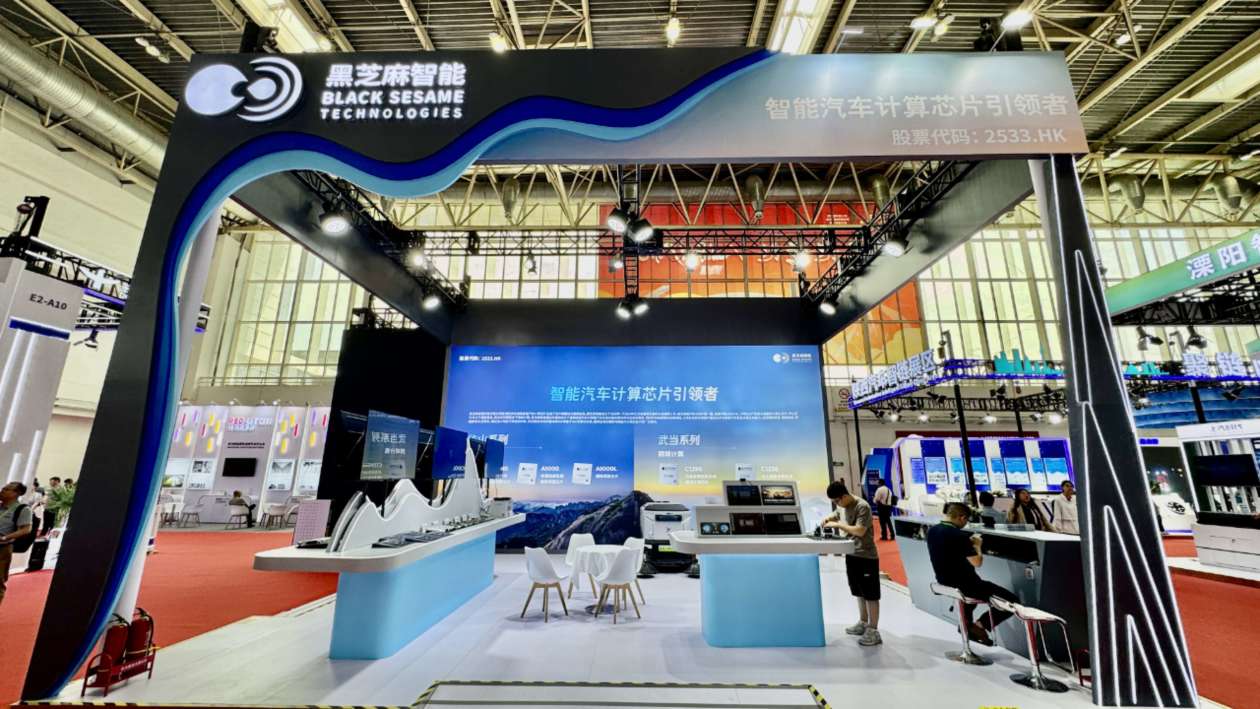
Group 1 - The automotive industry is rapidly transitioning towards intelligence, with chips being a core driving force, making technological breakthroughs and industrial layout crucial for local chip companies [1] - The expert from Hezhima Intelligent highlighted the challenge of balancing innovation, practicality, and cost-effectiveness in the automotive supply chain, which presents both challenges and opportunities for the industry [3] - Hezhima's A1000 chip, manufactured using 16nm technology, has been adopted by several domestic automakers, showcasing its high performance in mass production [3] Group 2 - Hezhima Intelligent is also focusing on the field of embodied intelligence, with strategic collaborations to develop intelligent systems for robotics, addressing safety and reliability standards in automotive-grade chips [5] - The company has partnered with a team from Wuhan University to create a platform for humanoid robots, utilizing A2000 and C1200 chips to develop the "brain" and "small brain" of robots [5] - The collaboration model between chip companies and automakers is evolving from product recommendations to joint product definition and technology development, fostering closer partnerships [6]

我们逛了链博会1.4万平数科馆,深扒黄仁勋盛赞的“中国供应链奇迹”
3 6 Ke· 2025-07-17 23:56
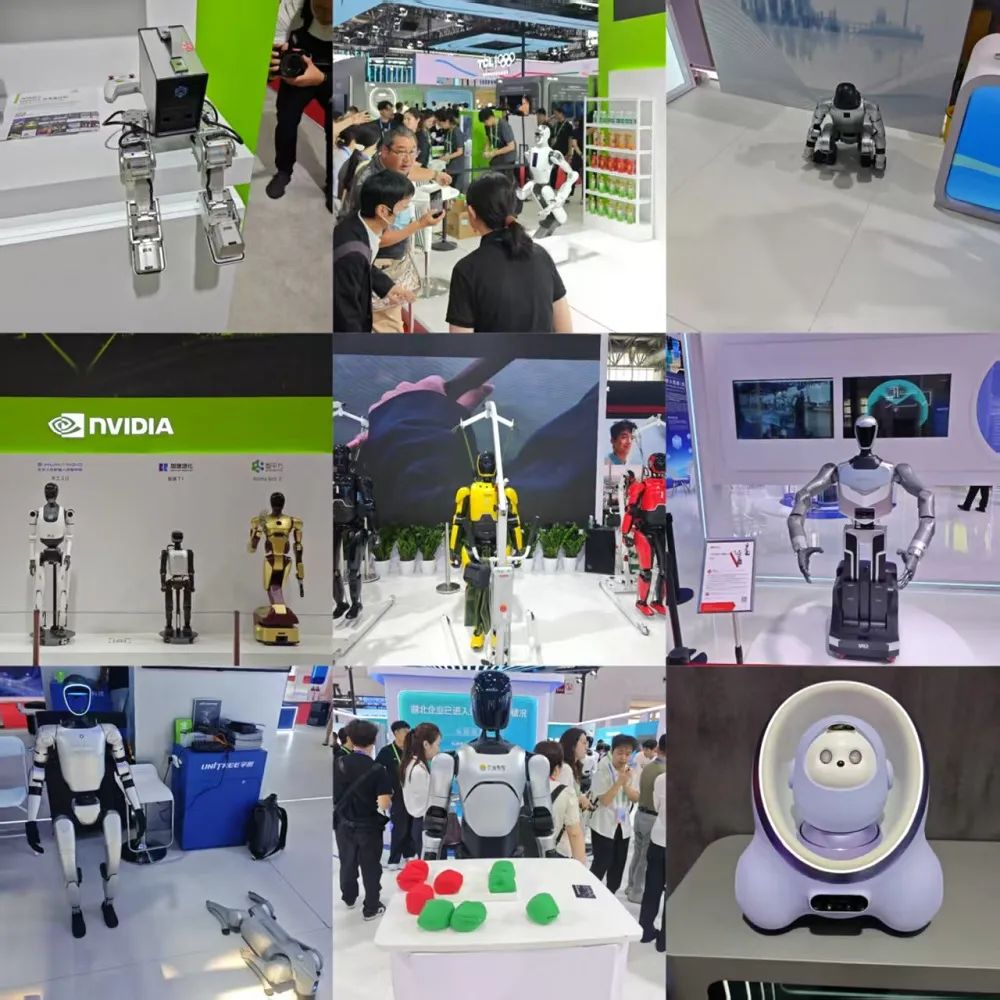
Group 1 - The third China International Supply Chain Promotion Expo is being held in Beijing from July 16 to July 20, showcasing over 650 companies and advanced technologies in AI, robotics, chips, and XR [1][3] - NVIDIA's founder, Jensen Huang, praised China's supply chain as a "miracle," highlighting its comprehensive layout and advanced technology, which plays a significant role in the global supply chain [1][3] - The digital technology exhibition area featured over 20 humanoid robots, demonstrating the integration of AI technology into various consumer electronics and applications for smart cities and factories [1][3] Group 2 - The expo emphasized collaboration between upstream and downstream supply chain enterprises, with Apple showcasing production lines instead of its products, alongside major semiconductor companies like NVIDIA, Intel, Qualcomm, and Micron [3][31] - The humanoid robot density was notably high, with various robots engaging with attendees, including the Galbot G1 from Galaxy General, which interacted with prize-winning visitors [4][5] - Companies from Hubei, Zhejiang, and Guangdong presented their humanoid robot technologies, showcasing a robust supply chain with over 80 core enterprises in Hubei alone [13][11][12] Group 3 - AI was a central theme at the expo, with Alibaba's DingTalk introducing AI spreadsheet features and 1688 launching AI digital employees to assist small businesses [18][20] - Lenovo showcased multiple "super intelligent" products for government, enterprise, and personal use, while Inspur presented AI solutions for various applications [20][22] - The expo featured innovative consumer electronics, including Lenovo's transparent screen laptop and HP's latest AI business laptop, highlighting the vibrant consumer electronics market [28][39] Group 4 - Major semiconductor companies participated, with NVIDIA not displaying its popular GPUs but showcasing solutions utilizing its technology, including AI workstations and the Spectrum-X switch [46][48] - Qualcomm presented 12 smartphones powered by its Snapdragon 8 platform, while Intel showcased AI PCs using its second-generation Core Ultra processors [49][50] - Domestic chip manufacturers like Hezhima and Wan Youying presented their products, indicating a growing focus on local production and innovation in the semiconductor industry [53][54] Group 5 - The expo illustrated the rapid development of AI technology in China, with a strong emphasis on integrating AI into product design, manufacturing, and sales processes [56] - Huang's positive outlook on the Chinese robotics industry was supported by the expo's demonstrations of humanoid robots and the collaborative efforts of upstream and downstream enterprises [56]