
宏源期货

Search documents
黑色金属周报:铁矿:高基差限制下跌动能,震荡运行-20251027
Hong Yuan Qi Huo· 2025-10-27 11:18
Report Title - "Black Metal Weekly Report - Iron Ore" [1] Report Date - October 27, 2025 [3] Report Author - Bai Jing, with the industry qualification number F03097282 and investment consulting certificate number Z0018999 [3] Industry Investment Rating - Not provided Core Viewpoint - High basis restricts the downward momentum, and the iron ore market is expected to move in a volatile manner. The main contract is expected to fluctuate between 95 (756) - 105 (836) US dollars [6][10] Summary by Directory Part 1: Fundamental Analysis and Conclusions - **Price Trends**: Last week, the mainstream spot prices of iron ore were consolidating. The prices of some varieties such as PB powder (+1), BRBF (+2), and Super Special powder (+2) increased slightly, while others like Carajás fines (-25) and PB lump (-3) decreased. As of October 24, the Platts 62% index closed at $105.15, down $0.15 week - on - week, equivalent to about 871 yuan in RMB at the exchange rate of 7.12. The optimal deliverable product was NM powder, with a latest quotation of about 775 yuan/ton and a converted warehouse receipt (factory warehouse) of about 800 yuan/ton [7] - **Inventory Situation**: The iron ore inventory at 47 ports in China increased week - on - week and was lower than the same period last year. As of now, the total inventory at 47 ports is 15,109.49 tons, an increase of 148 tons week - on - week, a decrease of 501 tons compared to the beginning of the year, and 937 tons lower than the same period last year. It is predicted that the inventory at 47 ports may increase in the next period [7] - **Supply Side**: - **Shipping**: The global iron ore shipping volume in this period was 33.884 million tons, a week - on - week increase of 548,000 tons. The shipping volume of 19 ports in Australia and Brazil was 28.445 million tons, a week - on - week increase of 1.045 million tons. Australia's shipping volume was 19.195 million tons, a week - on - week increase of 38,000 tons, of which the volume shipped to China was 16.253 million tons, a week - on - week decrease of 349,000 tons. Brazil's shipping volume was 9.251 million tons, a week - on - week increase of 1.007 million tons [8] - **Arrival**: From October 20 to October 26, 2025, the arrival volume at 47 ports in China was 20.843 million tons, a week - on - week decrease of 5.92 million tons; the arrival volume at 45 ports was 20.291 million tons, a week - on - week decrease of 4.903 million tons; the arrival volume at six northern ports was 10.959 million tons, a week - on - week decrease of 1.073 million tons [8] - **Demand Side**: In this period, 4 blast furnaces were newly shut down for maintenance, and 6 blast furnaces resumed production, mainly in the Northeast, Hebei, and Shanxi regions. Due to environmental protection issues in Hebei, the supply of sinter decreased, and some steel mills reduced production. In addition, due to the continuous decline in finished product prices, the loss range of steel mills further expanded, and the profit rate dropped to the lowest level this year. From 12:00 on October 27, heavy pollution weather level - II emergency responses were launched in some cities in Hebei, and some steel mills in Tangshan extended the sintering machine production restriction time to the end of October, with blast furnaces shutting down 30% of their production capacity according to the production capacity [9] - **Conclusion**: From a fundamental perspective, the iron ore shipping volume continued to recover week - on - week and was at a seasonal high, while the arrival volume decreased significantly week - on - week. The iron ore output continued to decline slightly in this period, and it is expected to continue to decline during the environmental protection production restriction in Hebei from the 27th to the end of the month. After the production restriction is lifted, the output is expected to recover. In terms of valuation, the recent continuous contraction of the spot and futures profit per ton of steel has an impact on the raw material price fluctuation rhythm. The high basis restricts the decline range, and the market may show a volatile trend in the short term [10] Part 2: Data Sorting - **Iron Ore Warehouse Receipt Price**: As of October 24, the optimal deliverable product was Newman powder, with a converted warehouse receipt (factory warehouse) of about 800 yuan/ton, and the sub - optimal deliverable product was PB powder with a converted warehouse receipt of about 809 yuan/ton [15] - **Iron Ore Inter - period Spread**: As of October 24, the spread between iron ore contracts 1 - 5 closed at 20.5 (- 0.5) [18] - **Iron Ore Premium Index**: As of October 23, the premium index of 62.5% lump ore was 0.1285 (- 0.0155), and the premium index of 65% pellet was 17.75 (-) [28] - **Steel Mill Sintered Powder Inventory**: The inventory of imported sintered powder in 64 sample steel mills decreased by 0.03% week - on - week, and the inventory of domestic sintered powder decreased by 1.84% week - on - week. The average inventory days of imported ore decreased by 4.76% week - on - week [34] - **247 Steel Mills' Imported Ore Inventory & Daily Consumption**: The imported ore inventory of 247 steel mills increased by 1.07% week - on - week, the daily consumption decreased by 0.30% week - on - week, and the inventory - to - sales ratio increased by 1.39% week - on - week [37] - **Port Inventory & Berthing**: The total inventory at 45 ports, Australian ore inventory, Brazilian ore inventory, and trade ore inventory at ports showed certain trends. The berthing ship number at 47 ports also had corresponding changes [40] - **Port Inventory by Ore Type**: The inventory of imported port lump ore increased by 7.82% week - on - week, the inventory of pellet ore increased by 3.97% week - on - week, the inventory of iron concentrate increased by 12.92% week - on - week, and the inventory of coarse powder decreased by 1.20% week - on - week [43] - **Shipping Volume of Major Iron Ore Producers**: - **Australia**: The shipping volume from Australia to China increased by 8.82% week - on - week, and the total shipping volume from Australia increased by 3.32% week - on - week [59] - **Brazil**: The shipping volume from Brazil to the world increased by 1.45% week - on - week [64] - **Four Major Mines**: The shipping volume of Rio Tinto to China increased by 11.36% week - on - week, BHP Billiton decreased by 16.30% week - on - week, Vale increased by 5.91% week - on - week, and FMG increased by 30.33% week - on - week [65] - **Iron Ore Arrival**: The arrival volume at 45 ports decreased by 19.5% week - on - week, and the arrival volume at northern ports decreased by 8.9% week - on - week [72] - **Domestic Iron Ore Production**: The inventory of iron concentrate in mines decreased by 3.16% week - on - week, and the production increased by 0.15% week - on - week [77] - **Steel Mill Powder Consumption & Capacity Utilization**: The blast furnace capacity utilization rate of 247 steel mills decreased by 0.43% week - on - week, the daily average pig iron output decreased by 0.44% week - on - week, the daily consumption of imported sintered powder increased by 3.22% week - on - week, and the daily consumption of domestic sintered powder decreased by 1.81% week - on - week [78] - **Pig Iron Production**: The daily average pig iron output data of the National Bureau of Statistics and the China Iron and Steel Association showed certain trends, with different year - on - year and month - on - month changes [83] - **Global Pig Iron Production**: The pig iron production data of different regions such as the EU, Japan, South Korea, India, and the world showed different trends [86] - **Global (Excluding China) Pig Iron Production**: The pig iron production outside China had corresponding month - on - month and year - on - year changes [90]
有色金属周报:锌:情绪有所改善,锌价跌势暂缓-20251020
Hong Yuan Qi Huo· 2025-10-20 08:39
1. Report Industry Investment Rating No relevant content provided. 2. Core View of the Report - Terminal demand has slightly improved, but there was no significant increase in market purchases after the zinc price weakened last week. The fundamental situation remains one of strong supply and weak demand. However, the macro - level risk - aversion sentiment has eased, and with the continuous reduction of LME zinc inventories and the existence of overseas structural risks, Shanghai zinc has stabilized. It is expected to maintain a range - bound consolidation in the short term, with the operating range referring to 21,500 - 22,500 yuan/ton. Continued attention should be paid to changes in macro - sentiment and the opening of the ingot export window [3]. 3. Summary by Relevant Catalogs 3.1 Market Review - SMM1 zinc ingot average price dropped 2.02% to 21,780 yuan/ton, Shanghai zinc main contract closing price fell 2.04% to 21,815 yuan/ton, and LME zinc closing price (electronic trading) declined 1.41% to 2,942.5 dollars/ton [13]. 3.2 Raw Material End - As of October 17, the inventory of imported zinc ore in Lianyungang was 140,000 tons, unchanged from the previous period. The total inventory of 7 ports was 380,600 tons, an increase of 41,300 tons. The CZSPT set the guidance price range for the purchase of imported zinc concentrate in Q4 2025 at 120 - 140 dollars/dry ton [25]. - As of October 16, the production profit of zinc concentrate enterprises was 3,980 yuan/metal ton. In August, the import volume of zinc concentrate was 467,300 tons, a 6.81% month - on - month decrease and a 30.60% year - on - year increase. From January to August, the cumulative import volume was 3.5027 million tons, a 43.06% cumulative year - on - year increase [31]. - Domestic TC decreased slightly, while imported TC continued to rise. On October 17, 2025, domestic TC was 3,400 yuan/metal ton, and the imported TC index was 118.75 dollars/dry ton [35]. 3.3 Supply End - The production profit of refined zinc enterprises has declined but remains considerable. As of October 16, the production profit was - 630 yuan/ton. In September, the domestic refined zinc output was about 600,000 tons [41]. - The import profit window is closed. As of October 17, the import profit of refined zinc was - 4,529.70 yuan/ton. From January to August 2025, the cumulative import volume of refined zinc was 235,500 tons, a decrease of 31,500 tons year - on - year [44]. 3.4 Demand End 3.4.1 Galvanizing - The galvanizing enterprise's operating rate increased by 11.22 percentage points to 58.05%. The raw material inventory and finished product inventory of galvanizing enterprises decreased [52][55]. 3.4.2 Die - Casting Zinc Alloy - The prices of Zamak3 and Zamak5 zinc alloys decreased by 1.96% and 1.92% respectively. The operating rate increased by 8.12 percentage points to 54.63%. The raw material inventory increased, and the finished product inventory decreased [64][67][71]. 3.4.3 Zinc Oxide - The average price of zinc oxide (≥99.7%) decreased by 0.47% to 21,000 yuan/ton. The operating rate increased by 1.05 percentage points to 57.13%. Both the raw material inventory and the finished product inventory decreased slightly [77][80][83]. 3.5 Inventory - As of October 16, the SMM zinc ingot three - place inventory was 153,100 tons, showing an increase. The SMM zinc ingot bonded area inventory was 8,000 tons, unchanged from the previous period [91]. - As of October 17, the SHFE inventory was 109,600 tons, showing an increase, and the LME inventory was 38,000 tons, showing a continuous decline [94]. 3.6 Monthly Supply - Demand Balance Sheet - From August 2025, the monthly supply - demand balance showed a surplus, with 51,000 tons in August, 28,000 tons in July, and 23,900 tons in June [100].
钢材:关注会议精神,低位震荡运行
Hong Yuan Qi Huo· 2025-10-20 07:22
Report Industry Investment Rating - Not provided in the document Core Viewpoints - This week, the 4th Plenary Session of the 20th Central Committee of the Communist Party of China was held to study suggestions for formulating the 15th Five - Year Plan for National Economic and Social Development. The meeting analyzed and studied the current economic situation and deployed later economic work. Attention should be paid to expected fluctuations [8]. - From a fundamental perspective, the current high supply is the main factor suppressing price rebounds. The demand side is weak, and the supply - demand gap remains at a high level. For different varieties, both production and sales of rebar are weak, and it may continue to test the integer - level support in the short term. The production of hot - rolled coils is high, and inventory continues to accumulate. The fundamentals of hot - rolled coils are weaker than those of rebar, and the spread between hot - rolled coils and rebar may continue to shrink [8]. Summary by Directory 1. Supply and Demand Fundamentals - **Steel Price and Output**: As of Saturday, the price of rebar in East China's Shanghai was 3170 yuan (+10), and the price of hot - rolled coils was 3270 yuan (-10). As of October 16, the overall output of the five major steel products decreased by 63600 tons. The factory inventory of the five major products decreased by 16140 tons month - on - month, and the social inventory decreased by 2320 tons. The apparent demand was 8.7541 million tons, an increase of 1.3996 million tons month - on - month [6]. - **Scrap Steel**: As of October 16, the price of scrap steel in Zhangjiagang was 2140 yuan/ton, a decrease of 10 yuan/ton month - on - month. The capacity utilization rate of 89 independent electric arc furnace enterprises was 34.4%, a rebound of 3.7 percentage points month - on - month. The daily consumption of 255 sample steel mills was 523000 tons, a rebound of 12500 tons month - on - month. Among them, the daily consumption of 132 long - process steel mills was 252000 tons/day, a decrease of 6600 tons month - on - month; the daily consumption of short - process steel mills was 17100 tons, a rebound of 1820 tons, an increase of 12%. In terms of supply, the average daily arrival of 255 sample steel mills was 520000 tons, a rebound of 20700 tons, an increase of 4.1%. In terms of inventory, the total scrap steel inventory of 255 steel enterprises was 4.795 million tons, a rebound of 265700 tons, an increase of 5.9% [7]. - **Production and Inventory of Major Steel Products**: From August to October 2025, the production and inventory of rebar, hot - rolled coils, medium - thick plates, wire rods, and cold - rolled coils showed different trends. For example, in the latest week, the rebar production was 201160 tons (-22400 tons compared with the previous week), and the total inventory was 641050 tons (-185900 tons compared with the previous week) [10]. - **Macro - economic Data**: In 2025 from January to September, the cumulative output of pig iron was 646 million tons, a decrease of 1.1% compared with the same period in 2024, and the cumulative output of crude steel was 746 million tons, a decrease of 2.9% compared with the same period in 2024. The national fixed - asset investment (excluding rural households) was 3715.35 billion yuan, a year - on - year decrease of 0.5%. In September, infrastructure investment (excluding electricity, heat, gas, and water production and supply industries) increased by - 4.65% year - on - year; manufacturing investment increased by - 1.92% year - on - year; real estate development investment increased by - 21.28% year - on - year [16][25]. - **Real Estate Data**: From January to September, the construction area of real estate development enterprises was 6.4858 billion square meters, a year - on - year decrease of 9.4%. Among them, the residential construction area was 4.52165 billion square meters, a decrease of 9.7%. The new construction area of houses was 453.99 million square meters, a year - on - year decrease of 18.9%. Among them, the new residential construction area was 332.73 million square meters, a decrease of 18.3%. The completed area of houses was 311.29 million square meters, a year - on - year decrease of 15.3%. Among them, the completed area of residential buildings was 222.28 million square meters, a year - on - year decrease of 17.1% [28] 2. Main Variety Basis - Not provided in the content 3. Arbitrage Strategy Tracking - This week, the spread between hot - rolled coils and rebar continued to decline [37] 4. Supply (Long - process) - As of October 17, the blast furnace capacity utilization rate of 247 steel enterprises was 90.3%, a decrease of 0.22 percentage points compared with October 10, a decrease of 0.24%. The average daily pig iron output was 241000 tons, a decrease of 590 tons compared with October 10, a decrease of 0.24% [40] 5. Supply (Short - process) - As of October 16, the capacity utilization rate of 89 domestic electric furnace plants was 34.4% (+3.7). As of October 17, the price difference between pig iron and scrap steel was - 25.65 yuan (-12.76) [43] 6. Rebar - This week, the original sample output of rebar was 201160 tons (-22400 tons). Among them, the long - process output was 174730 tons (-53800 tons), and the short - process output was 26430 tons (+31400 tons) [55] - The original sample rebar factory inventory was 184640 tons (-7700 tons), the social inventory was 456410 tons (-108900 tons), and the total inventory was 641050 tons (-185900 tons) [71] 7. Hot - rolled Coils - This week, the output of hot - rolled coils was 321840 tons, a month - on - month decrease of 14500 tons. The apparent demand was 315550 tons, a month - on - month rebound of 245800 tons. In terms of inventory, the factory inventory decreased by 57500 tons, the social inventory increased by 120400 tons, and the overall inventory increased by 62900 tons [74] 8. Export Situation - As of October 17, the FOB export price of China was 460 US dollars (-20), and the export profit was - 3.1 US dollars (-4.3). The outbound volume of major domestic ports (32 ports) was 2.9681 million tons (+810100 tons), a month - on - month increase of 37.5% [86]
股指期货持仓日度跟踪-20251017
Guang Fa Qi Huo· 2025-10-17 04:55
1. Report Industry Investment Rating - There is no information about the report industry investment rating in the provided content. 2. Core View of the Report - The report provides a daily tracking of the positions of stock index futures, including the total positions and changes in the top 20 long and short positions of IF, IH, IC, and IM on October 16, 2025 [1][3][9][14][19]. 3. Summary by Related Catalogs 3.1 IF (CSI 300) - Total position of the IF variety decreased by 2280 lots on October 16, while the position of the main contract 2512 increased by 1346 lots [3]. - Among the top 20 long - position seats of the IF variety, Guotai Junan Futures ranked first with a total position of 43627 lots. CITIC Futures had the largest long - position increase, adding 1090 lots, and CITIC Construction Investment Futures had the largest long - position decrease, reducing 1082 lots [4]. - Among the top 20 short - position seats of the IF variety, CITIC Futures ranked first with a total position of 48529 lots. Dongzheng Futures had the largest short - position increase, adding 1160 lots, and CITIC Construction Investment Futures had the largest short - position decrease, reducing 958 lots [6]. 3.2 IH (SSE 50) - The total position of the IH variety increased by 6373 lots on October 16, and the position of the main contract 2512 increased by 5999 lots [9]. - Among the top 20 long - position seats of the IH variety, CITIC Futures ranked first with a total position of 13573 lots. CITIC Futures had the largest long - position increase, adding 2714 lots, and Guotai Junan Futures had the largest long - position decrease, reducing 695 lots [9]. - Among the top 20 short - position seats of the IH variety, CITIC Futures ranked first with a total position of 17853 lots. CITIC Futures had the largest short - position increase, adding 1051 lots, and Hongyuan Futures had the largest short - position decrease, reducing 38 lots [10]. 3.3 IC (CSI 500) - The total position of the IC variety decreased by 8459 lots on October 16, and the position of the main contract 2512 decreased by 3447 lots [14]. - Among the top 20 long - position seats of the IC variety, Guotai Junan Futures ranked first with a total position of 40128 lots. Huatai Futures had the largest long - position increase, adding 1089 lots, and Haitong Futures had the largest long - position decrease, reducing 1419 lots [14]. - Among the top 20 short - position seats of the IC variety, CITIC Futures ranked first with a total position of 44876 lots. CITIC Construction Investment Futures had the largest short - position increase, adding 73 lots, and Guotai Junan Futures had the largest short - position decrease, reducing 1505 lots [16]. 3.4 IM (CSI 1000) - The total position of the IM variety decreased by 14750 lots on October 16, and the position of the main contract 2509 decreased by 6410 lots [19]. - Among the top 20 long - position seats of the IM variety, Guotai Junan Futures ranked first with a total position of 52078 lots. Founder CIFCO Futures had the largest long - position increase, adding 644 lots, and CITIC Futures had the largest long - position decrease, reducing 3969 lots [19]. - Among the top 20 short - position seats of the IM variety, CITIC Futures ranked first with a total position of 72943 lots. Huawen Futures had the largest short - position increase, adding 417 lots, and CITIC Futures had the largest short - position decrease, reducing 3614 lots [20].
金融合力助农兴期货护航振兴路——申银万国期货联合多方在贵州施秉县开展“保险+期货”惠农行动
申万宏源证券上海北京西路营业部· 2025-10-16 01:55
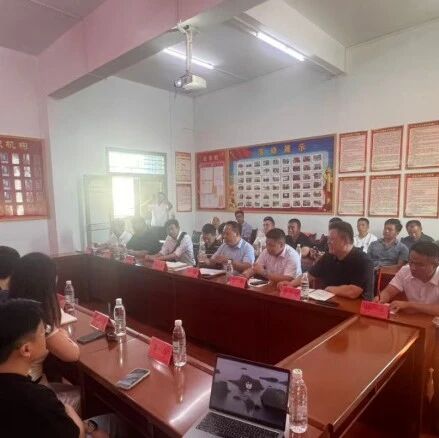
Group 1 - The core viewpoint of the article emphasizes the commitment of Shenwan Hongyuan Futures to support rural revitalization through financial services, highlighting a recent collaboration with local government and other partners in Guizhou's Shibing County [2][3] - The initiative includes targeted subsidies and educational training aimed at benefiting farmers, with a focus on the "insurance + futures" model to enhance risk management for local pig farmers [2] - A total of 800,000 yuan has been allocated as special funds to support the project, showcasing the collaborative effort between Shenwan Hongyuan Futures, local government, and insurance companies [2] Group 2 - Shenwan Hongyuan Futures aims to continuously leverage its financial expertise to improve the alignment of financial services with the modernization of agriculture and rural development in the new era [3]

宏源期货董事长谢鲲:提升综合实力 助力期市高质量发展
Qi Huo Ri Bao Wang· 2025-10-09 18:20
Core Viewpoint - The article discusses the positive changes in China's futures market following the release of the regulatory guidelines aimed at promoting high-quality development, highlighting the growth in market scale, business transformation of futures companies, and improvements in regulatory frameworks [1][4]. Group 1: Market Development - The futures market in China has seen continuous growth in scale and an improved variety system since the release of the guidelines [1]. - The total funds in China's futures market are expected to exceed 20 trillion yuan by the end of this year, indicating a new record high [4]. - The number of futures varieties has increased, with 157 types of futures options now available, contributing to a healthier and more regulated market environment [4]. Group 2: Business Transformation - Futures companies are focusing on transforming their business models, with asset management and international business becoming significant profit growth points [1][3]. - The company has provided risk management services to over 1,000 industrial clients and has supported more than 150 small and micro enterprises with financial assistance totaling nearly 5 million yuan [2]. - The company aims to enhance its core competitiveness by offering diversified and customized service solutions to meet the risk management needs of clients [3]. Group 3: Regulatory Improvements - The regulatory framework has been strengthened, with new systems for classification evaluation, internet marketing management, and investor suitability management being introduced [1]. - The company is actively improving its internal control and compliance management mechanisms in response to the evolving regulatory environment [3]. Group 4: Competitive Landscape - The competition in the futures industry is expected to intensify, with market concentration increasing as top firms leverage capital advantages to expand their market share [5]. - Differentiated competition is becoming more pronounced, as the brokerage business remains the primary revenue source for futures companies, necessitating the exploration of unique development models [6]. - The internationalization of futures companies is accelerating, with overseas business expected to become a significant growth area driven by policy support and external demand [6].
走近山东港口集团青岛港:航运指数期货运用场景不断得到拓展
Qi Huo Ri Bao· 2025-09-30 08:29
Core Insights - The article discusses the impact of shipping index futures on the logistics and shipping industry, particularly in Qingdao Port, which is a significant trade hub in northern China. The introduction of shipping index futures has allowed companies to manage price volatility and enhance their risk management capabilities [1][8]. Group 1: Shipping Industry Performance - Qingdao Port has seen a positive performance in cargo throughput, achieving 434 million tons in the first seven months of the year, a year-on-year increase of 2.1%. Container throughput reached 19.24 million TEUs, up 7.8% year-on-year [1]. - The proportion of container transport to the US has decreased due to tariff impacts, while the share for European and Mediterranean routes has increased significantly [1]. Group 2: Challenges Faced by Freight Forwarders - Freight forwarders are facing increased cost pressures due to fluctuating shipping rates and changing US tariff policies, leading to lower profit margins in traditional business models [2][3]. - The lack of strong customer loyalty and the unpredictable nature of shipping rates have resulted in intense competition among freight forwarders, further squeezing profit margins [2]. Group 3: Adoption of Shipping Index Futures - The introduction of shipping index futures has provided freight forwarders with tools to hedge against price volatility, enhancing their ability to manage risks associated with shipping rates [2][4]. - By utilizing futures contracts, freight forwarders can offer more competitive long-term pricing to clients, thereby improving their market position and customer retention [3][4]. Group 4: Case Study of Risk Management - A case study highlights a downstream agricultural processing export company that successfully used shipping index futures to hedge against rising logistics costs, effectively controlling their shipping expenses [6][7]. - The company established futures positions before actual shipping, which allowed them to offset increased spot market costs with profits from the futures market, demonstrating the effectiveness of this risk management strategy [7]. Group 5: Future Outlook - The successful implementation of shipping index futures has led to positive feedback from local companies, indicating a strong potential for broader adoption in the industry [8]. - There is an expectation that more freight forwarders and foreign trade enterprises will utilize shipping index futures for risk management, contributing to the development of Qingdao as an international shipping center [8].

2025年四季度策略报告:供需博弈下的价格探底与反弹路径-20250930
Hong Yuan Qi Huo· 2025-09-30 03:07
1. Report Industry Investment Rating No relevant content provided. 2. Core Viewpoints of the Report - In Q4 2025, the domestic steel market is expected to move forward in the game between weak reality and strong expectations, likely continuing the pattern of weak shocks. Without an increase in domestic demand, the contribution of demand growth mainly depends on external demand. Domestic prices are suppressed by export prices and do not have the driving conditions for a significant rebound. A substantial turnaround requires stronger domestic demand improvement or external positive drivers. Currently, the spot profit of rebar in some northern regions is in deficit, and the motivation for hot metal conversion is insufficient. The high output of hot-rolled coils may be adjusted through profit contraction, so there is a driving force for the spread between hot-rolled coils and rebar to narrow [1][5][60]. 3. Summary According to Relevant Catalogs 3.1. Market Review - In Q3 2025, the prices of the black series soared and then fluctuated in a wide range. The supply-demand structures of different varieties showed differences, and the prices showed significant differentiation. In the raw material sector, the overall demand remained high, and supply determined the price fluctuation range. Coking coal prices were firm due to supply contraction expectations, with a cumulative increase of over 40% in Q3; coke prices were relatively stable, with a cumulative increase of 23%; iron ore prices were stable overall, with the Platts Index rising 12% in Q3. The demand for scrap steel increased, but the cumulative increase in Q3 was only 3%. In terms of finished products, from January to August 2025, both production and sales of crude steel increased, with the supply growth rate exceeding the demand growth rate. External demand contributed the main demand growth, and domestic demand was significantly differentiated. Building materials consumption decreased by 5% year-on-year, while plate consumption increased by 2.5%. Steel direct exports were stronger than expected, with a 9.6% year-on-year increase from January to August, and there were significant changes in export destinations and varieties. Driven by steel mill profits, production remained at a high level, with a cumulative crude steel production growth rate of 4.6% in the first eight months [5]. 3.2. Steel Supply and Demand Analysis 3.2.1. Macro: Policy Intensification to Stabilize Expectations, Economic Momentum to Be Converted - The domestic economy is seeking a balance between policy support and structural transformation, featuring a gradual recovery of domestic demand and continuous pressure on external demand. The GDP growth rate in Q4 is expected to be about 4.6% to support the annual growth target of 5%. On the demand side, there is a differentiation between old and new driving forces. General infrastructure investment maintains high growth, and consumption is expected to recover moderately but lacks strong demand support. External demand faces the risk of negative growth in December due to tariff policy uncertainty in exports to the United States, but diversified trading partners and the advantages of mechanical and electrical products offset some external shocks. On the supply and policy front, industrial production grows rapidly, but the problem of structural overcapacity in the industrial sector remains unresolved. Policy counter-cyclical adjustment is precise, and the CPI is expected to rise to around 0.3% by the end of the year, while the decline of PPI is expected to narrow further [10]. 3.2.2. Steel Demand Analysis - **Real Estate**: From January to August 2025, real estate development investment, construction area, new construction area, sales area, and sales volume all declined year-on-year, and the decline in sales area and volume widened compared to the first half of the year. The supply of new real estate land decreased, and the inventory pressure was high. Therefore, the steel demand for real estate in Q4 2025 is expected to continue to shrink [17][18]. - **Infrastructure**: From January to August 2025, the cumulative growth rate of small-caliber infrastructure investment dropped to 2%, and the single-month decline in August expanded. The improvement of traditional infrastructure demand was limited, mainly due to factors such as debt repayment pressure and reduced consumption intensity. The implementation of physical volume in Q4 needs to be observed. Although the large-caliber infrastructure growth rate is relatively high, which offsets some downward pressure, the overall improvement of infrastructure demand is relatively limited [24]. - **Manufacturing Investment**: In 2025, the central government made comprehensive arrangements for expanding effective investment, and local governments implemented relevant policies to support manufacturing investment. From January to August 2025, the cumulative growth rate of China's manufacturing investment was 5.1%, higher than the overall growth rate of fixed - asset investment but showing a slowdown. The decline in July and August was significant due to factors such as the rapid release of equipment renewal funds in the first half of the year, rising bases, and anti - involution policies. Currently, industrial enterprises are in the active de - stocking stage, and PPI is still in a downward cycle. In Q4 2025, manufacturing investment is expected to continue the downward trend, but demand still has some resilience [31][32]. - **Exports**: From January to August 2025, the cumulative steel export volume was 77.51 million tons, a year-on-year increase of 9.6%, stronger than expected. There were significant changes in export destinations and varieties. Exports to some countries decreased, while exports to Southeast Asia, Africa, and the Middle East increased. The export volume of billets increased significantly, with a year-on-year growth of 292% in the first eight months. It is expected that steel exports will remain at a high level in Q4, but the year-on-year growth rate may decline [36]. 3.2.3. Supply Analysis - From January to August 2025, the cumulative output of pig iron (according to Steel Union data) increased by 3% year-on-year, and the cumulative output of crude steel increased by 0.2% year-on-year. The profitability of steel enterprises improved overall in 2025, but there were significant differences among enterprises. In the first three quarters, steel enterprises' profitability improved due to factors such as falling raw material costs and anti - involution policies. However, in Q4, the industry faces challenges such as weak demand and rising costs [46]. 3.3. Crude Steel Balance Sheet Deduction and Conclusion - The balance sheet data shows that from January to August 2025, the cumulative consumption of crude steel was 628 million tons, an increase of 13.8 million tons, with a cumulative increase of 2.25%; the cumulative production of crude steel was 726 million tons, an increase of 31.93 million tons, with a cumulative increase of 4.6%. The increase in crude steel consumption in the first three quarters was mainly reflected in external demand, and domestic demand was still relatively weak. The supply - demand gap was at a relatively high level in the same period in recent years. Although demand improved seasonally in September, the overall increase was limited. Market - based production cuts in Q4 will lead to a new balance between supply and demand [60].
“保险+期货”把好“丰”景印在农户笑脸上
Qi Huo Ri Bao Wang· 2025-09-23 21:37
Core Viewpoint - The integration of finance and agriculture through the "insurance + futures" model has significantly improved farmers' income stability, transforming the agricultural landscape and providing a safety net against price fluctuations [1][2][4]. Group 1: "Insurance + Futures" Model Implementation - The "insurance + futures" model was first introduced in 2016 and has been successfully implemented for ten years, significantly benefiting farmers by stabilizing their income [1][2]. - In 2023, the red date project in Makeyti County became the largest single variety "insurance + futures" project supported by Zhengzhou Commodity Exchange, covering 136,400 tons of red dates with an insured value of 1.657 billion yuan [2][3]. - The project has benefited over 19,400 households, providing insurance claims of over 15.5 million yuan, equating to 380 yuan per ton [2][3]. Group 2: Financial Stability and Risk Management - The introduction of the "insurance + futures" model has allowed farmers to lock in sales prices and gain additional profits through a "secondary pricing + order purchase" model, resulting in an extra income of approximately 107.6 yuan per ton [3]. - The model has created a positive cycle of financial support, industrial upgrading, and stable income growth for farmers, demonstrating the effectiveness of the "insurance + futures" approach [3][5]. Group 3: Broader Impact on Agriculture - The "insurance + futures" model has enhanced farmers' risk management capabilities, allowing them to better plan production and adopt modern agricultural techniques despite market volatility [5][6]. - The model has transformed traditional subsidies into more efficient risk protection mechanisms, improving the utilization of financial resources and fiscal funds [5][6]. Group 4: Future Prospects - The continued optimization and innovation of the "insurance + futures" model, along with the introduction of more agricultural futures and options, are expected to further invigorate the agricultural sector [6]. - Companies like Shenyin Wanguo Futures are committed to expanding the model and integrating social resources to enhance financial support for rural revitalization [6].
“银期保”为大豆种植筑起一道风险防线
Qi Huo Ri Bao Wang· 2025-09-18 17:38
Core Viewpoint - The "Yinqi Bao" project in Nenjiang has successfully provided financial protection to local soybean farmers against extreme weather and market fluctuations, demonstrating the effectiveness of the "insurance + futures" model in agricultural risk management [1][2][4]. Group 1: Project Overview - The "Yinqi Bao" project was implemented in 2024 to support soybean farmers in Nenjiang, which faced a severe drought that reduced soybean yield by 16.17% [1][2]. - The project involves collaboration among various stakeholders, including futures companies, insurance providers, banks, and grain trading companies, creating a comprehensive risk management ecosystem [2][3]. Group 2: Financial Details - The project provided income insurance for 6,000 acres of soybeans, with a target price of 4,500 yuan/ton and a total premium of 1.8936 million yuan [2]. - Due to the drought and price drop, the cooperative received a total compensation of 2.5614 million yuan, which was 135.3% of the insured amount, effectively covering the income gap caused by the adverse conditions [4][5]. Group 3: Mechanisms and Innovations - The project features a "three-card integration" account management model, ensuring efficient fund flow and timely payments for loans and insurance claims [3]. - It includes a secondary pricing mechanism that allows farmers to benefit from potential price rebounds after the harvest, enhancing their income security [3][6]. Group 4: Future Prospects - The cooperative plans to expand its participation in the "Yinqi Bao" program to include corn and soybeans for 2025, indicating strong confidence in the model [5]. - The "insurance + futures" model has evolved over ten years, aiming to enhance its coverage and flexibility while contributing to national food security and agricultural modernization [7].