Cruise

Search documents
跳出人形机器人聊泡沫:顶级VC如何预警“非理性繁荣”
Tai Mei Ti A P P· 2025-05-08 11:47
Group 1 - The core discussion revolves around the potential bubble in the humanoid robot industry, sparked by comments from investor Zhu Xiaohu about the need for mass exits from humanoid robot companies [2] - The debate includes various perspectives from entrepreneurs and investors, questioning the existence and definition of a bubble in the humanoid robot sector [2] - The article suggests that the discourse on bubbles should extend beyond the humanoid robot industry to consider the broader implications of bubbles on business and technology [2] Group 2 - The term "bubble" has historical roots, originating from the Latin word "bulla," and was first applied to economic phenomena during the 16th-century Dutch tulip mania [3] - Historical analysis of bubbles shows a pattern of collective cognitive bias leading to inflated asset prices, culminating in significant financial collapses [3] - The article emphasizes that while bubbles often result in wealth destruction and social upheaval, they are also a reflection of human nature's pursuit of speculative gains [3] Group 3 - The significance of bubbles in technology asset valuation differs from traditional asset bubbles, as technological bubbles can lead to substantial advancements despite initial failures [4] - The internet bubble of the late 1990s, for instance, resulted in the emergence of foundational technologies that shaped the digital economy, despite many startups failing [5] - Similarly, the solar energy bubble led to a concentration of patents among leading firms, accelerating technological development in the sector [5] Group 4 - Investors in venture capital face the dual challenge of supporting technological advancements while guarding against speculative excesses that can inflate asset prices [6] - The article outlines the need for venture capitalists to identify and manage bubble risks through various indicators and metrics [6] Group 5 - A set of eight indicators has been developed to assess the emergence of bubbles in industries, including growth rates of company numbers and financing amounts [7] - For example, a significant increase in the number of companies in a sector, such as a 200% annual growth rate, may signal irrational exuberance [8] Group 6 - The financing heat indicator reflects the growth rate of total financing in a sector, which can lead to a rapid increase in asset values [9] - Historical examples illustrate how spikes in financing correlate with the emergence of bubbles, such as the shared economy bubble in 2015 [9] Group 7 - Non-rational pricing indicators, such as price-to-sales (PS) ratios, can highlight discrepancies between startup valuations and established industry leaders, signaling potential bubbles [12] - The article cites instances where PS ratios for unprofitable companies reached unsustainable levels, indicating a bubble [12] Group 8 - Exit channel indicators, such as the high rate of SPACs trading below their initial public offering prices, can signal the onset of a bubble [13] - The influx of traditional industry players into emerging sectors often precedes significant valuation distortions, indicating bubble conditions [13] Group 9 - Talent acquisition indicators, such as inflated salary levels in emerging sectors, can also signal bubble conditions, as seen during the ICO boom [14] - The article notes that excessive salary growth relative to industry revenue can foreshadow a bubble's collapse [14] Group 10 - Media attention and narrative heat can act as accelerators for bubbles, with spikes in media coverage often preceding market corrections [15] - Regulatory behaviors, such as increased scrutiny and guidance, can also indicate the presence of a bubble in certain sectors [16] Group 11 - The article concludes that while historical data can provide insights into bubble dynamics, the unique context of each industry must be considered [17] - The ability to adapt to changing economic conditions and recognize the fluidity of bubble indicators is crucial for investors [17]



2030年,50万辆!高盛预测无人驾驶出租车市场十年增700倍
Hua Er Jie Jian Wen· 2025-05-08 07:55
Core Insights - The Chinese autonomous taxi market (Robotaxi) is expected to experience explosive growth, with projections indicating 500,000 units by 2030 and a market size of $47 billion by 2035 [2][3]. Market Growth Projections - Goldman Sachs forecasts a 700-fold increase in the Robotaxi market over the next decade, estimating a market size of $54 million in 2025, $12 billion in 2030, and $47 billion in 2035 [5]. - By 2035, each Robotaxi is expected to generate daily revenue of $69, significantly higher than the average daily earnings of traditional ride-hailing services, which range from $28 to $56 [5]. Factors Driving Growth - Increased consumer acceptance in first-tier cities, a tightening supply of human drivers due to fleet maturity and retirements, and support from government and insurance sectors are key factors contributing to the growth of the Robotaxi market [4]. Early Market Entrants and Opportunities - Early entrants such as Pony AI, WeRide, and Baidu Apollo are positioned to benefit from the rapid transition to autonomous ride-hailing services in China [6]. - Goldman Sachs has provided a list of potential beneficiaries, including Robotaxi operators and companies in the automotive semiconductor and parts supply chain [6]. Comparison with the U.S. Market - The report highlights that China is significantly ahead of the U.S. in the commercialization of Robotaxi services, attributed to a more favorable regulatory environment, faster infrastructure adaptation, and higher consumer acceptance [7]. - In contrast, U.S. companies like Waymo, Zoox, Cruise, and Tesla are still in testing phases or have only initiated small-scale commercialization efforts [7].
中美两国Robotaxi产业深度汇报
2025-05-06 15:27
Summary of the Conference Call on the Robotaxi Industry Industry Overview - The Robotaxi industry is experiencing explosive growth, particularly in the smart driving sector, with companies like BYD accelerating the adoption of L2 level smart driving and gradually moving towards L3 level, which is expected to lead to a reassessment of business models and industry chain value [1][3] - The Chinese Robotaxi market is substantial, with the ride-hailing and taxi market totaling between 4 to 5 million vehicles, and the market size exceeding 334.1 billion yuan in 2023, projected to approach 400 billion yuan in 2024 [1][9] Key Players and Developments - Major players in the Chinese Robotaxi sector include LoBo Kuaipao, Pony.ai, and WeRide, with LoBo Kuaipao's rapid expansion in Wuhan being a core catalyst for growth [1][5][10] - Pony.ai plans to expand its commercial scale by 2025, aiming for a fleet size of nearly 1,000 vehicles, with significant cost reductions in its latest seventh-generation autonomous driving solution [1][12] Market Dynamics - In North America, the Robotaxi market has significant potential in both passenger commuting and goods delivery, with the ride-hailing and traditional taxi market size reaching approximately $70-80 billion [4][14] - Waymo has surpassed traditional taxis in market share in San Francisco, while Tesla is expected to enter the operational phase between June and July [5][8] Challenges and Regulatory Environment - North American Robotaxi faces challenges such as data security and vehicle production limitations, including restrictions on the production of vehicles without steering wheels [6][23] - The U.S. government may gradually lift these restrictions, which would positively impact the development of autonomous driving [6][30] Comparison of China and the U.S. Robotaxi Markets - The development models of Robotaxi in China and the U.S. are broadly similar, involving road testing, demonstration operations, and paid commercial operations [7][30] - China’s Robotaxi industry has a more straightforward application scenario focused on passenger transport, while the U.S. includes additional delivery services [30][31] Future Outlook - The Robotaxi sector is expected to continue its rapid growth, with significant advancements anticipated in both technology and regulatory frameworks [1][2][4] - The market is likely to see increased collaboration between Robotaxi manufacturers and ride-hailing platforms, enhancing service coverage and operational efficiency [17][20] Additional Insights - The average daily order volume for each Robotaxi operated by Pony.ai exceeds 15, which is higher than the average for traditional ride-hailing vehicles [12] - The Chinese government has introduced regulations to standardize the development of the Robotaxi industry, including guidelines for automated driving levels and safety measures [12][13]

她超过霉霉,拿下全球最年轻女富豪
投中网· 2025-05-06 07:13
Core Insights - Lucy Guo, at 30 years old, has become the youngest self-made female billionaire, surpassing Taylor Swift [2] - Scale AI, co-founded by Lucy Guo, has seen its valuation soar to $25 billion, an 80% increase from the previous year [12][16] - The success of Lucy Guo and Scale AI highlights the rapid wealth creation in the AI sector and the changing dynamics of wealth distribution in the tech industry [16] Company Overview - Scale AI is a data labeling company that initially focused on providing services for AI training, particularly in the autonomous vehicle sector [13] - The company has expanded its offerings to include a full suite of AI services, including data management, model training, and AI application development [13] - Scale AI has achieved significant growth, with annual revenue reaching $750 million in 2023, a threefold increase year-over-year [15] Financial Performance - Scale AI's valuation reached $25 billion following a recent acquisition offer, allowing early employees and investors to sell their shares [12] - The company has completed seven funding rounds since its inception, with a notable valuation of $1 billion achieved in 2019 [14] - The latest funding round in May 2024 raised $1 billion, with a valuation of approximately $13.8 billion [16] Market Position - Scale AI has positioned itself as a leading provider of large-scale data labeling services, benefiting from the growing demand for training data in large AI models [15] - The company has attracted major clients, including Meta, Microsoft, and government agencies, further solidifying its market presence [15] - The rapid growth of Scale AI reflects the broader trend of AI-driven wealth creation and the evolving landscape of the tech industry [16]

都看好自动驾驶,为什么相关企业接连倒闭?
3 6 Ke· 2025-04-30 01:45
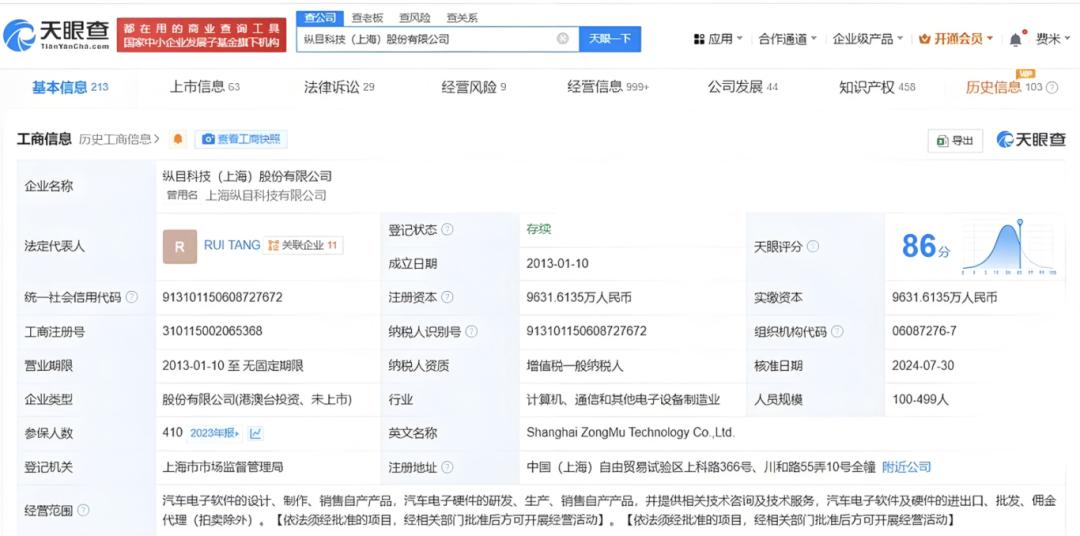
Core Viewpoint - Zongmu Technology has entered judicial reorganization, highlighting the challenges faced by the autonomous driving industry despite its previously high valuation and investment influx [1][3][6] Company Summary - Zongmu Technology, founded in 2013, has a registered capital of approximately 96.32 million RMB and focuses on the design, production, and sales of automotive electronic software and hardware [1][2] - The company has experienced significant financial losses, with net losses of 434 million RMB, 588 million RMB, and 564 million RMB from 2021 to 2023, respectively [6][8] - Zongmu's attempts to go public have failed multiple times, including a withdrawal of its IPO application in 2023, which has exacerbated its financial difficulties [6][8] Industry Summary - The autonomous driving sector has seen a decline in investment enthusiasm due to slow technological implementation and lack of profitability, leading to a "capital winter" [3][4][11] - Many companies in the industry, including Zongmu, are facing a "high investment, low output" cycle, with significant losses reported across the sector [6][10] - The shift towards in-house development by major automotive manufacturers has reduced the market for technology suppliers like Zongmu, leading to a decrease in orders and revenue [11][13] - Despite the challenges, the long-term market potential for autonomous driving remains significant, with projections suggesting a market size exceeding 500 billion USD by 2030 in China [17]
L4量产车谍照曝光,滴滴广汽突围Robotaxi新格局?
雷峰网· 2025-03-31 09:01
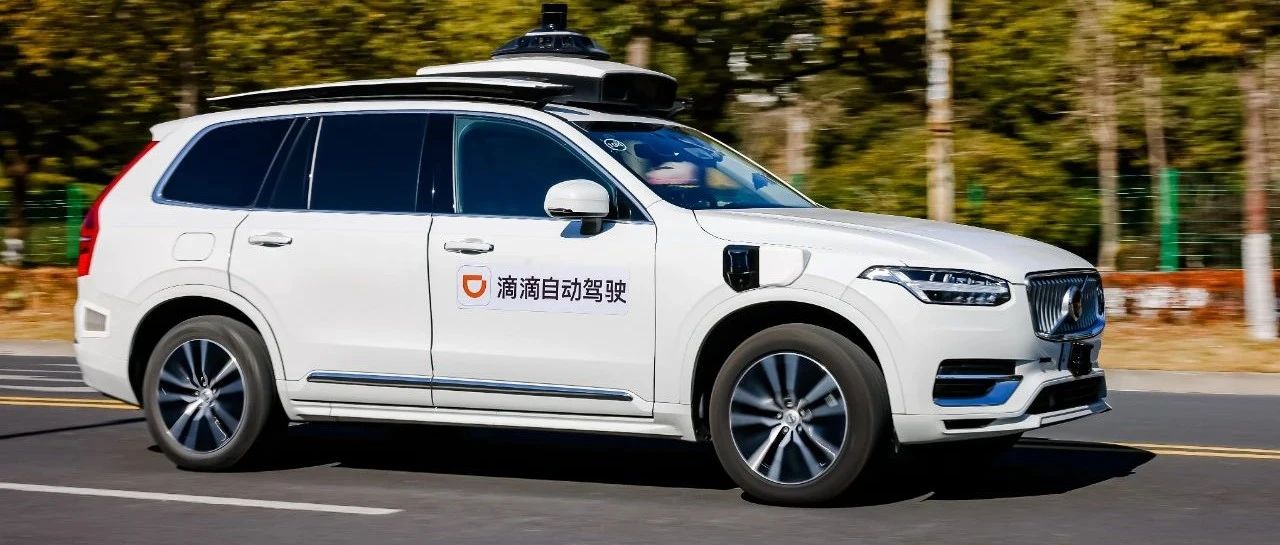
Core Viewpoint - The article discusses the imminent establishment of a complete operational ecosystem for Robotaxi, highlighting the collaboration between Didi and GAC Aion in producing the first mass-produced autonomous vehicle, which is expected to drive the commercialization of Robotaxi services [1][5][20]. Group 1: Robotaxi Market Developments - From 2024 onwards, several autonomous driving companies are expected to achieve breakthroughs in the Robotaxi sector, attracting renewed industry attention [6]. - Waymo has opened public ride-hailing services in multiple cities, with weekly ride volumes exceeding 175,000 [7]. - Tesla plans to launch its Cybercab autonomous taxi by 2026, with projected operational costs of approximately $0.2 per mile and expected revenues of around $115 million by 2027 [9][10]. - The global market for Robotaxi is anticipated to reach significant scale by 2026, with widespread adoption expected by 2030 [10]. Group 2: Didi's Strategic Positioning - Didi has been investing in autonomous driving technology since 2016, recognizing its strategic importance as the market shifts towards autonomous vehicle services [28][30]. - The company has established a robust operational framework, with daily average orders exceeding 35.3 million domestically and 11 million internationally, providing a strong foundation for Robotaxi integration [18][30]. - Didi's collaboration with GAC Aion aims to leverage advanced manufacturing capabilities and resources, enhancing its competitive edge in the Robotaxi market [23][24]. Group 3: Technological and Operational Readiness - The successful commercialization of Robotaxi requires three key components: autonomous driving systems, operational vehicles, and operational platforms, which Didi is well-positioned to fulfill [15][27]. - Didi's autonomous driving division has developed core software and hardware capabilities, including a self-developed laser radar and a comprehensive computing platform for intelligent driving [31]. - The partnership with GAC Aion has resulted in a vehicle that meets global standards and is ready for mass production, indicating Didi's preparedness for the upcoming market launch [22][20].

中国顶流无人驾驶提速出海:安全久经考验,外国big name实名好评
量子位· 2025-03-26 10:29
Core Viewpoint - The article highlights the growing recognition and endorsement of the autonomous driving technology by foreign dignitaries, particularly focusing on the positive feedback received by the sixth-generation autonomous vehicle from "萝卜快跑" during recent visits by Singapore's Deputy Prime Minister and UAE officials [1][2][4][6]. Group 1: Safety and Technology - The safety of autonomous driving is emphasized as a universal technical baseline, with "萝卜快跑" reporting an accident rate that is only 1/14 of traditional drivers over the past two years [9]. - The sixth-generation vehicle is equipped with 40 sensors, providing a 360-degree view and a detection range of up to 440 meters, which is seven times the human eye's limit [10]. - The decision-making system features dual computing centers for error correction, capable of taking over in 0.01 seconds during anomalies [11]. - The vehicle's control systems for steering, braking, and power supply have dual backups, maintaining over 90% performance even if one component fails [12]. - The article discusses the evolution of end-to-end autonomous driving technology, which leverages AI models for perception, decision-making, and planning, enhancing the ability to handle edge cases [15][19]. Group 2: Market Expansion and Opportunities - "萝卜快跑" is positioned to expand internationally, with Singapore and the UAE identified as potential markets due to their openness to autonomous driving technology [34][36]. - Singapore has a pressing need for autonomous solutions due to high population density and the cost of private car ownership, making Robotaxi a suitable option [35]. - The UAE has also shown a welcoming attitude towards autonomous vehicles, with established testing routes and industry support for development [38]. - The article notes that "萝卜快跑" has a significant cost advantage, with its sixth-generation vehicle costing approximately 204,600 yuan, less than 1/7 of Waymo's costs [44]. Group 3: Competitive Landscape - The global autonomous vehicle market is shifting from a three-player dominance to a new landscape where "萝卜快跑" and Waymo are emerging as the leading competitors [40]. - The article suggests that the advancements in AI models and the reduction in costs for autonomous vehicle components are driving a new wave of competition in the industry [46]. - The potential for "萝卜快跑" to replicate its cost-effective breakthroughs globally is highlighted, indicating a promising future for the company in international markets [45].


Tesla gets approval to start offering robotaxi rides in California as stock bounces back
New York Post· 2025-03-19 18:44
Core Viewpoint - Tesla has received a limited license from California regulators to transport its employees in Tesla-owned vehicles, marking a step towards its goal of operating autonomous robotaxis, although it does not yet allow public ride-hailing services [1][2][4]. Group 1: Regulatory Developments - The California Public Utilities Commission (CPUC) has granted Tesla a permit that allows the transportation of employees on a prearranged basis, but does not authorize public rides in autonomous vehicles [2][9]. - Tesla must obtain additional approvals from both the CPUC and the California Department of Motor Vehicles (DMV) to legally operate autonomous taxis on public roads [12]. Group 2: Market Impact and Stock Performance - Following the announcement of the permit, Tesla's stock rose nearly 4%, although it has faced significant losses recently, with its value dropping by nearly 60% since mid-December, trading around $235 per share [3][7]. - Musk has expressed confidence that robot taxis could add trillions of dollars to Tesla's market valuation, despite the company's recent struggles [6][14]. Group 3: Competitive Landscape - Waymo remains the only company currently offering autonomous rides to the public in California, while Tesla is seen as a potential major contender in the autonomous vehicle industry [4][5]. - Tesla's competitor, Cruise, has faced regulatory challenges and has discontinued its robotaxi program after significant financial losses [5]. Group 4: Future Plans - Musk has indicated that Texas may be the first location for deploying Tesla's robot taxis, with a potential launch as early as June, due to more relaxed regulations compared to California [10]. - Waymo has already introduced its self-driving taxis to the public in Austin, indicating increasing competition in the autonomous vehicle sector [11].
两会焦点研读:2025年中美AI企业对比分析:新质生产力崛起,AI+背后中美差距几何?
Tou Bao Yan Jiu Yuan· 2025-03-12 12:04
Investment Rating - The report does not explicitly provide an investment rating for the industry Core Insights - The report highlights the significant advancements in AI technology and applications in both China and the United States, emphasizing the competitive landscape and the unique strengths of each country in various AI sectors [3][10][33] Summary by Sections AI Infrastructure Analysis - The United States leads in cloud computing technology, while China excels in localized service advantages [10][18] - American companies are at the forefront of algorithm innovation, whereas Chinese firms demonstrate strong application innovation capabilities [10][18] - China holds a substantial market share in data centers, accounting for one-fourth of the global market, with rapid growth potential [25] AI Technology Analysis - Chinese visual AI companies are showing robust momentum, establishing unique advantages in the market [33] - The United States has a deep accumulation of knowledge graph technology, while China leads in commercializing these technologies [33] - Chinese companies are rapidly iterating and innovating in AI model applications, gradually closing the gap with international standards [40] AI Application Analysis - Chinese humanoid robots are emerging as strong competitors, showcasing significant advancements in technology [58] - Chinese AI glasses are gaining market share, with domestic manufacturers pulling ahead of overseas competitors [58] - The AI smartphone market is being reshaped by Chinese manufacturers, who are innovating in various AI applications [58] - In smart home technology, the U.S. focuses on high-end solutions, while China emphasizes comprehensive smart home integration [58][62] Industry Solutions - In the financial sector, U.S. companies excel in payment solutions and investment platforms, while Chinese firms lead in mobile payments and AI healthcare applications [71][76] - The U.S. is at the forefront of autonomous driving technology, while Chinese companies are leveraging local market advantages for rapid application [77] - Chinese AI healthcare companies are making significant strides in medical imaging analysis, while U.S. firms lead in drug discovery and health management [82] - In retail, Chinese companies are innovating in e-commerce through AI, while U.S. firms focus on optimizing the entire shopping experience [83]
中国矿区无人驾驶逆袭Waymo:当Robotaxi拐点未至,他们已年入10亿
36氪· 2025-03-05 09:19
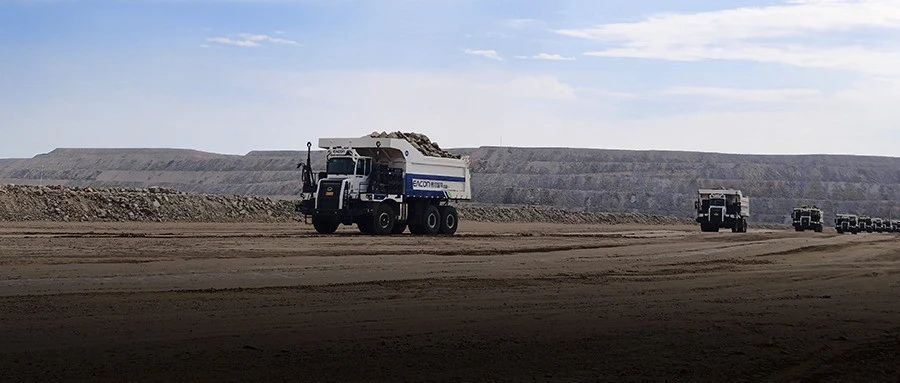
Core Viewpoint - The article discusses the emergence of autonomous driving technology in the mining sector, highlighting how companies like 易控智驾 (Easy Control Intelligent Driving) have successfully commercialized L4 autonomous vehicles in closed environments, contrasting this with the challenges faced by Robotaxi initiatives in urban settings [2][6][10]. Group 1: Market Context and Opportunities - The mining sector presents a significant market opportunity for autonomous driving, with estimates suggesting a market size exceeding 1 trillion yuan globally [12][13]. - Companies focusing on mining automation have achieved substantial revenue, with 易控智驾 projected to reach nearly 1 billion yuan in annual revenue for 2024, surpassing established players like Waymo [5][78]. - The closed nature of mining environments allows for easier implementation of autonomous technology compared to the regulatory and technical challenges faced by Robotaxi services [15][16]. Group 2: Strategic Decisions and Company Focus - 易控智驾 and other mining-focused companies have strategically chosen to concentrate on specific applications within the autonomous driving space, rather than competing in the crowded Robotaxi market [9][11]. - The company has maintained a focus on developing core technologies and building a strong team with expertise in both autonomous driving and the mining industry [36][39]. - During industry downturns, 易控智驾 demonstrated strategic resilience by continuing to invest in technology development and operational capabilities, positioning itself for future growth [60][66]. Group 3: Technological Advancements and Implementation - The successful deployment of L4 autonomous vehicles in mining has been facilitated by advancements in technology, including the development of line-controlled chassis systems [40][44]. - 易控智驾 has taken the initiative to develop its own vehicle assets, allowing it to directly control the operational aspects of autonomous mining vehicles, which is uncommon in the industry [62][66]. - The company has achieved a significant milestone by deploying over 1,000 autonomous mining vehicles, marking it as a leader in the sector [76]. Group 4: Industry Impact and Future Outlook - The success of 易控智驾 has led to increased interest and investment in autonomous mining solutions, with a growing recognition of the potential for L4 technology in closed environments [74][75]. - The company’s approach has influenced traditional mining operations to adopt autonomous solutions, thereby transforming operational workflows and enhancing efficiency [70][71]. - As the industry begins to recover, the potential for widespread adoption of autonomous mining vehicles is anticipated to grow, with 2024 being viewed as a pivotal year for the sector [85][86].