LG

Search documents
汰劣立规“反内卷” 中国电池产业转向价值竞争
Zhong Guo Chan Ye Jing Ji Xin Xi Wang· 2026-01-30 00:20
Core Insights - The battery industry is entering a phase of "de-involution" as government policies aim to optimize capacity planning and regulate market competition, signaling an end to the era of disorderly growth in battery production [1][2]. Group 1: Policy Changes - A joint meeting by four government departments emphasized the need to optimize capacity planning and avoid overcapacity risks in the battery sector [1]. - The Ministry of Finance and the State Taxation Administration announced a phased reduction of the export VAT rebate for battery products, decreasing from 9% to 6% from April 1, 2026, and completely eliminating it by January 1, 2027 [1][2]. - The phased approach to the export VAT rebate aims to provide a transition period for the industry, allowing for the orderly exit of low-quality production capacities [3][4]. Group 2: Industry Challenges - The reduction in export rebates is expected to increase export costs for companies, particularly affecting small and medium-sized enterprises that rely on low-price strategies [2][6]. - Current production capacity in China's battery sector exceeds 3000 GWh, while actual demand is projected to be around 1500 GWh by 2025, leading to low utilization rates [2][3]. - The price of storage systems has dropped by 80% over three years, with some battery export prices falling below production costs, resulting in negative profit margins for certain companies [2]. Group 3: Market Dynamics - Despite challenges, the demand for electric and storage batteries remains strong, with expectations for the share of storage batteries to increase from one-quarter to potentially one-half of the market [3][4]. - The new policies are expected to accelerate industry consolidation, pushing companies to focus on technological innovation and brand strength rather than price competition [2][3]. - The upcoming changes may lead to a surge in exports as companies rush to ship products before the rebate reduction takes effect, potentially causing supply chain strains [5][6]. Group 4: Globalization and Competitive Landscape - The shift away from subsidy dependence is anticipated to enhance the competitive edge of Chinese battery companies in the global market, focusing on technology, branding, and supply chain integration [9][10]. - Companies are expected to adapt by strengthening international collaborations and optimizing production strategies to mitigate the impact of rising costs due to the rebate changes [10][11]. - The long-term outlook suggests that the balance of supply and demand will increasingly depend on global market needs and technological advancements rather than just domestic production capacity [4][10].

中图科技上交所科创板IPO已问询 为全球图形化衬底行业产销规模领先的主要厂商之一
Zhi Tong Cai Jing· 2026-01-28 12:45
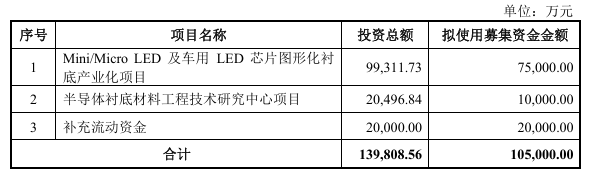
Core Viewpoint - Guangdong Zhongtu Semiconductor Technology Co., Ltd. (Zhongtu Technology) has applied for a change in its listing review status on the Shanghai Stock Exchange's Sci-Tech Innovation Board to "inquired," with a fundraising target of 1.05 billion yuan [1] Group 1: Company Overview - Zhongtu Technology, established in 2013, is a leading global manufacturer of patterned substrate materials, focusing on the research, production, and sales of GaN epitaxial substrate materials [1] - The company's main products include 2 to 6-inch patterned sapphire substrates (PSS) and 4 to 6-inch patterned composite substrates (MMS), which are essential upstream materials in the semiconductor industry [1] - The company has developed and mass-produced patterned substrate products with small cycles and composite material structures, widely used in Mini/Micro LED and automotive applications, and is one of the few companies capable of manufacturing nano-level PSS and 8-inch patterned substrates [1] Group 2: Market Position and Clients - Zhongtu Technology is recognized in the industry as one of the leading manufacturers in the global patterned substrate market, with an annual production capacity exceeding 18 million pieces of 4-inch patterned substrates [2] - The company's market share in the global patterned substrate market is approximately 32.76% in 2023 [2] - Direct clients include major LED chip companies such as Epistar, Seoul Semiconductor, Sanan Optoelectronics, and others, with end customers including well-known brands like Apple, Samsung, LG, and BYD [2] Group 3: Fundraising and Investment Projects - The funds raised will be used for the "Mini/Micro LED and automotive LED chip patterned substrate industrialization project" and the "semiconductor substrate materials engineering technology research center project" [3] - The total investment for the projects is approximately 139.81 million yuan, with 105 million yuan planned to be raised through this offering [4] Group 4: Financial Performance - In the fiscal years 2022 to 2025, the company achieved revenues of approximately 1.063 billion yuan, 1.208 billion yuan, 1.149 billion yuan, and 532 million yuan respectively [4] - Net profits for the same periods were approximately 44.28 million yuan, 77.10 million yuan, 93.28 million yuan, and 40.84 million yuan respectively [4] - The company's total assets as of June 30, 2025, are projected to be approximately 2.625 billion yuan, with a debt-to-asset ratio of 36.50% [5]

日企想在消费电子赛道继续挣扎,但意义不大了
3 6 Ke· 2026-01-28 09:06
Group 1 - Sony's collaboration with TCL has sparked discussions, marking a shift as the company plans to establish a joint venture while divesting its television business [2] - Sony has a history of divesting consumer electronics, having sold its VAIO business in 2014 and subsequently exiting the computer market, with its mobile division also facing layoffs [2][3] - By FY2024, Sony's entertainment segments—film, music, and gaming—account for over 60% of the group's revenue, indicating a strategic shift away from its identity as a consumer electronics giant [3] Group 2 - The global television market is projected to see a slight decline in shipments, with Sony's television sales significantly lagging behind competitors like TCL, which shipped 20.8 million units compared to Sony's 2.6 million in the first three quarters of 2025 [5][6] - Sony's display business revenue, including TVs and projectors, is expected to decline by approximately 10% year-on-year, reflecting ongoing challenges in profitability within the television sector [5][6] - The company aims to focus on high-value areas such as gaming, music, and film, which have proven to be more profitable, as evidenced by an increase in profit margins from 2.78% in FY2010 to 10.9% in FY2024 [6] Group 3 - Sony's partnership with TCL may leverage the latter's supply chain and cost efficiency to enhance global competitiveness in the consumer electronics market, with projections suggesting a combined market share of 16.7% by 2027 [7] - The global consumer electronics market is expected to grow, with a projected sales figure of $1.3 trillion in 2025, indicating a potential opportunity for companies like Sony to adapt and thrive [6][7] - Sony's venture into the electric vehicle market, with plans to launch its Afeela brand, reflects its ambition to diversify beyond traditional consumer electronics [8][9] Group 4 - The Japanese consumer electronics industry, including Sony, faces challenges as it struggles to maintain its position in a rapidly evolving global market, with many companies experiencing declines in market share [11][12] - The shift in focus from hardware to software and services is becoming increasingly important, with predictions that over 65% of future value in consumer electronics will come from software and subscription services [20][21] - Japanese companies, including Sony, are recognizing the need for innovation and adaptation in response to competitive pressures from global players, particularly in the areas of AI and smart technology [21][25]

P.C. Richard & Son Kicks Off the New Year with Big Savings on Premium TVs for the Ultimate Game Day Experience
Prnewswire· 2026-01-27 17:01
FARMINGDALE, N.Y., Jan. 27, 2026 /PRNewswire/ -- P.C. Richard & Son, the largest family-owned appliance and electronics retailer in the Northeast, is ringing in the new year with incredible savings on top-tier TVs just in time for football's biggest moments. Shoppers can now enjoy up to 40% off premium TVs from leading brands, along with exclusive offers designed to elevate every sport viewing experience. The retailer's latest OLED and QLED models deliver unmatched picture quality—vivid colors, deep contras ...

发赢喜、合资索尼——TCL站上舞台中央?
BambooWorks· 2026-01-27 10:29
Core Viewpoint - TCL Electronics is experiencing significant growth driven by its large-screen display business, leading to a positive profit forecast and a strategic partnership with Sony to enhance its home entertainment offerings [1][2][3]. Group 1: Financial Performance - The company expects its adjusted net profit for the previous year to increase by 45% to 60%, amounting to approximately HKD 23.3 billion to HKD 25.7 billion [2][3]. - Following the profit announcement, TCL's stock price surged nearly 14% on January 19 [3]. Group 2: Strategic Partnerships - TCL has announced a joint venture with Sony, where TCL will hold a 51% stake and Sony will hold 49%, aimed at integrating resources and enhancing competitive strength in the global market for televisions and home audio products [3]. Group 3: Market Position and Product Performance - TCL is the second-largest television manufacturer globally, with a shipment of 13.46 million units in the first half of 2025, reflecting a year-on-year increase of 7.6% [6]. - The company has seen significant growth in Mini LED television shipments, with a 153% increase year-on-year, reaching 2.24 million units in the first three quarters of 2025 [6]. Group 4: Future Growth Potential - The AR glasses segment, particularly through its subsidiary Thunderbird Innovation, is gaining traction, holding nearly 40% of the consumer AR glasses market share in China [8]. - The AR glasses market is projected to grow significantly, with an estimated market size of RMB 231 billion in 2023, representing a 95% year-on-year increase, and expected to exceed RMB 1.187 trillion by 2030 [8]. Group 5: Industry Outlook - Despite potential challenges from reduced government subsidies in the home appliance sector, the market is expected to grow by 15% in 2026, reaching a sales figure of RMB 1.353 trillion [9]. - TCL's valuation is projected at a price-to-earnings ratio of 11 times for 2026, which is considered reasonable compared to peers in the home appliance sector [9].
云天励飞陈宁:AI推理爆发带动全球产业进入“中国时刻”
Shang Hai Zheng Quan Bao· 2026-01-26 19:16
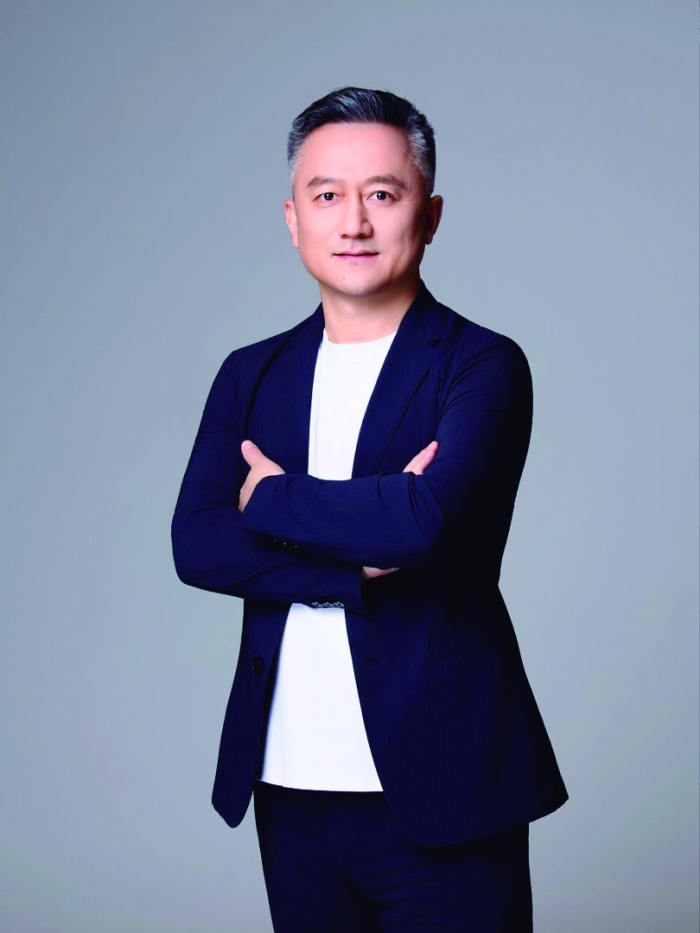
陈宁 从早期的行业解决方案,到大模型时代的标准硬件及服务,再到当前发力的AI推理芯片,云天励飞在 AI领域跟随市场需求,构建了宽深的技术护城河。 ◎记者 李兴彩 智谱、MiniMax先后登陆港股,CES 2026上人山人海……进入2026年,国内AI行业的热度依然不减,但 行业的重点和增长点,正在悄然转向AI推理。 "不管是英伟达、AMD,还是国内的众多公司,都把目光集中在AI应用,包括智能驾驶、机器人、AI眼 镜、智能体……"谈及AI推理市场发展,云天励飞董事长陈宁近日在接受上证报记者专访时表示,2026 年国际消费电子展(CES 2026)上AI应用纷呈,再次显示出风向标意义,也正式拉开了AI推理大时代 的帷幕。 在陈宁看来,2026年是AI发展核心推动力由AI训练转向AI推理的转折之年,是未来五年AI应用大规模 落地的开端。伴随而来的万亿规模AI推理大市场,既是中国公司的大机遇,也将带动全球AI产业进 入"中国时刻"。 而从CNN小模型的视觉智能感知1.0时代,进入到理解自然语言的AI大模型时代,云天励飞一直瞄准、 等待的就是AI推理市场。 陈宁表示,不同于AI训练,AI推理用户需要极致的性价比,从这个 ...

LG发布“K-ExaOne”AI模型 跻身全球AI性能榜第七
Shang Wu Bu Wang Zhan· 2026-01-26 16:16
在安全性方面,"K-ExaOne"通过了LG内部AI伦理委员会的评估,并在专门针对韩国语境设计 的"KGC-SAFETY"安全指标测试中,以平均97.83分的成绩超过多个国际主流模型。 LG人工智能研究院相关人士表示,"K-ExaOne"证明了在有限资源下,通过自主技术创新能够与国 际先进模型竞争,未来将继续推动韩国AI技术的发展。 据韩联社1月11日报道, LG人工智能研究院近日发布了自主研发的AI基础模型"K-ExaOne",在全 球AI性能评估中表现突出,成为唯一进入全球前十的韩国AI模型,位列第七,彰显了韩国在人工智能 领域的竞争力。 技术层面,"K-ExaOne"采用高效设计,可在英伟达A100级别GPU环境中运行。通过优化"混合注意 力"机制,其内存需求和计算量较前代模型减少70%。支持26万token的上下文长度,能一次性处理约400 页A4文档的内容,推理速度较以往提升150%。 (原标题:LG发布"K-ExaOne"AI模型 跻身全球AI性能榜第七) ...
传音控股遭LG专利诉讼,市值蒸发千亿、净利暴跌45%
Sou Hu Cai Jing· 2026-01-26 11:21
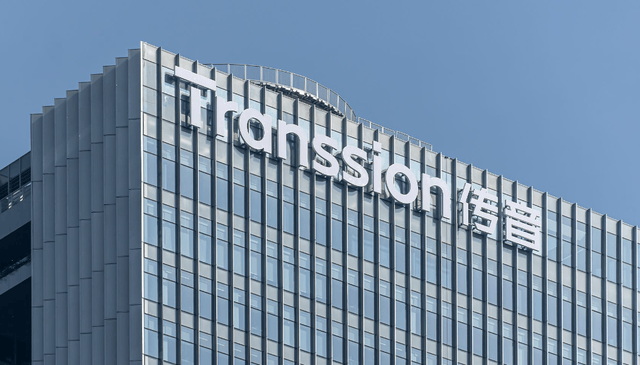
从"手机界的隐形冠军"到被镁光灯反复审视的"出海标杆",宁波富豪竺兆江和他的传音控股 (688036.SH)正迎来创业二十载以来最严峻的时刻。 如果说市场竞争是外伤,那么上游供应链的暴涨则是直击命门的内伤。 2025年进入AI服务器爆发期,存储芯片迎来了罕见的"超级牛市"。据Counterpoint数据显示,2025年第 四季度,DRAM和NAND闪存价格涨幅高达40%-50%,且这种涨势在2026年一季度并无放缓迹象。对于 主打中低端市场的传音而言,存储芯片占据其手机成本的15%至25%,涨价潮导致其2025年9月末毛利 率降至19.47%,创近五年新低。 2026年1月21日,LG在印度正式对传音发起4/5G专利诉讼,为传音本就动荡的全球化版图再添阴霾。仅 仅两天前,传音在资本市场的表现同样令人唏嘘:截至1月19日,其股价徘徊在64.99元/股,市值相较 巅峰期已蒸发超过千亿元。 而在港交所递交二次上市申请的冷遇,更是直接撕开了这家昔日黑马的"增长焦虑"。 传音的崛起曾是商业教科书式的"降维打击"。2006年,竺兆江避开国内手机市场的惨烈内卷,深入手机 普及率仅6%的非洲大陆。通过四卡四待、深肤色美颜算法 ...

商业火箭、商业卫星“钩织”锂电新需求
高工锂电· 2026-01-26 10:23
Core Viewpoint - The article discusses the emerging competition in the energy sector, particularly focusing on space-based solar energy initiatives led by Elon Musk, which could significantly impact the solar energy and lithium battery industries [3][4]. Group 1: Space Solar Energy Initiatives - Elon Musk announced plans to establish 200GW of solar energy capacity, with 100GW sourced from space solar energy, aimed at supporting low Earth orbit satellites and space AI data centers [3]. - Musk's vision includes launching numerous solar energy satellites annually to create a large-scale solar energy collection network in space, requiring the deployment of 500,000 Starlink satellites and over 8,000 Starship flights [3]. Group 2: Impact on Solar and Lithium Battery Industries - The announcement of Musk's space energy vision led to a surge in domestic solar stocks, with leading companies like Longi Green Energy and JinkoSolar seeing stock increases of over 10% [4]. - The concept of space solar energy has sparked interest in the lithium battery supply chain, particularly regarding the need for energy storage solutions to balance solar panel operations in space [4]. - SpaceX has signed a $500 million order with a photovoltaic company for HJT equipment to build solar satellite arrays, corresponding to an annual production capacity of approximately 7GW [5]. Group 3: Developments in Commercial Aerospace - LG has reportedly secured an order for cylindrical lithium batteries from SpaceX for main and backup power systems, although the scale and value of this order remain undisclosed [6]. - Domestic commercial aerospace companies, such as Blue Arrow Aerospace and Zhongke Aerospace, are making advancements in reusable rocket technology and space transportation [6]. - EVE Energy has indicated its commitment to providing comprehensive lithium battery solutions for aerospace applications, having established partnerships with leading commercial rocket and satellite companies [7]. Group 4: Future of Battery Technology - The industry anticipates that solid-state batteries will meet future commercial aerospace battery demands due to their high energy density, long cycle life, and enhanced safety features, which are critical for high-value satellites and manned space missions [8].

How to disable ACR on your TV (and why doing so makes such a big difference)
ZDNET· 2026-01-26 02:00
Core Insights - The article discusses the use of Automatic Content Recognition (ACR) technology in smart TVs, which tracks viewing habits and collects data for targeted advertising [3][12][17] - In 2022, advertisers spent approximately $18.6 billion on smart TV ads, with expectations for continued growth in this area [4] - ACR technology captures up to 7,200 images per hour, providing detailed insights into viewer preferences and personal information [6][17] Group 1: ACR Technology Overview - ACR operates in the background, identifying content displayed on screens by capturing screenshots and cross-referencing them with a media database [5] - This technology allows marketers to tailor content recommendations and track the effectiveness of advertisements [7] - The data collected includes sensitive personal information, raising concerns about potential misuse and privacy risks [8][18] Group 2: Privacy Concerns and User Control - Many users are unaware of ACR's presence and find it challenging to opt out due to complex settings [9][12] - The article provides instructions for disabling ACR on various smart TV brands, emphasizing the effort required to protect privacy [10][16][20] - Disabling ACR may limit some smart features of the TV, but it is recommended for those concerned about data privacy [16][18]