吉利

Search documents
内卷式竞争:怎么看,怎么办?
Jing Ji Guan Cha Wang· 2025-08-18 09:13
Core Viewpoint - Major platforms such as Meituan, Ele.me, and JD.com have jointly committed to resisting vicious competition and regulating promotional behaviors, marking a significant response to regulatory signals and a potential shift towards sustainable development in the industry [1] Group 1: Concept and Classification of "Involutionary Competition" - "Involution" refers to a complex internal development process that leads to increased complexity without qualitative change, often resulting in resource wastage and industry deterioration [2][3] - "Involutionary competition" is defined as excessive competition for limited market share that fails to enhance efficiency or create new value, leading to a waste of resources and a vicious cycle within the industry [2][3] Group 2: Types of "Involutionary Competition" - Horizontal involutionary competition manifests as price wars among peer companies, significantly compressing profit margins and damaging industry health [3][4] - Vertical involutionary competition occurs when dominant firms exert pressure on upstream and downstream partners, transferring costs and risks, which can lead to a low-quality, low-price, and low-efficiency cycle [4][5] Group 3: Causes of "Involutionary Competition" - Shrinking internal and external demand due to factors like trade tensions and demographic changes has led to increased price competition among firms [6][7] - Local government policies that prioritize short-term growth metrics over sustainable practices have exacerbated the issue, encouraging firms to engage in irrational competition [8][9] - The lure of China's vast market encourages aggressive strategies that prioritize market share over profitability, leading to a "winner-takes-all" mentality [10] - Scale economies and network effects drive firms to engage in price wars to achieve cost advantages, often at the expense of long-term stability [11] - Distorted financial valuation logic prioritizes growth over profitability, pushing firms to adopt aggressive pricing strategies to attract investment [12] - Cultural factors, such as the belief in "thin profit and high sales," contribute to a competitive environment that favors price cuts over value enhancement [13][14] Group 4: Strategies to Address "Involutionary Competition" - Expanding internal and external demand through policy reforms and enhancing consumer confidence is crucial to alleviating price competition [16][17] - Restructuring industrial policies and local incentives to focus on high-quality growth rather than short-term metrics can mitigate involutionary pressures [18][19] - Redefining competition boundaries and incentive structures in the unified market to prioritize value over price is essential [20][21] - Regulating platform governance and ensuring fair competition can prevent monopolistic behaviors that lead to systemic inefficiencies [21] - Reforming financial valuation logic to emphasize long-term value creation over short-term growth can help curb involutionary practices [22] - Promoting cultural change within organizations to prioritize sustainable growth and value creation over mere sales volume is necessary [23][24]
30款燃油车行情大盘点:降价、减配、薅IP 是关键词
车fans· 2025-08-18 00:30
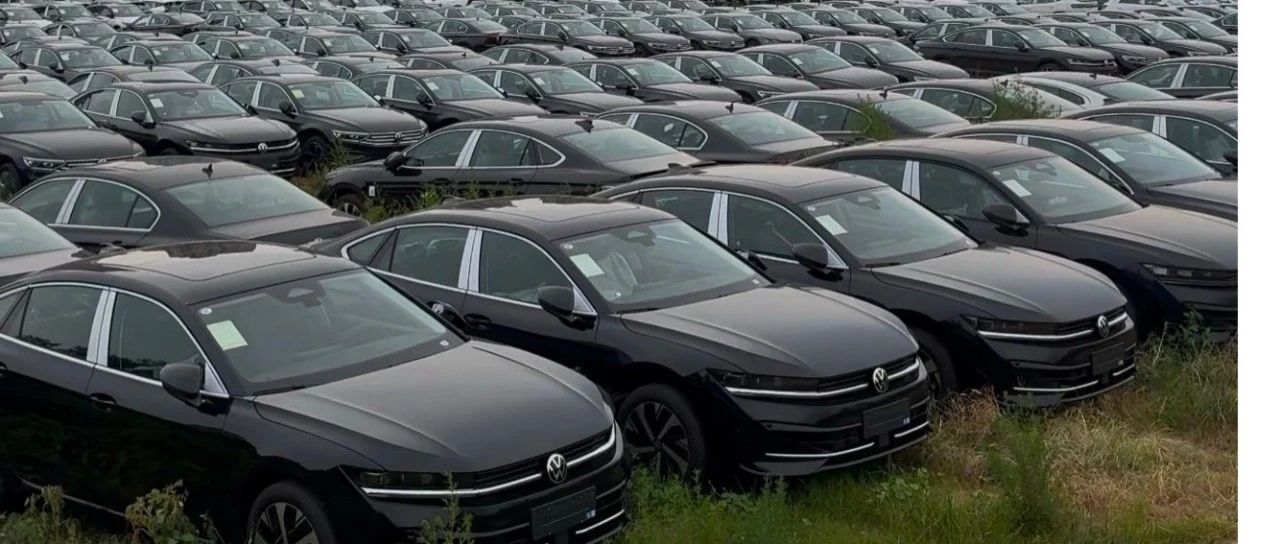
Core Viewpoint - The article highlights the significant decline in the sales and production of traditional fuel vehicles, particularly compact cars and SUVs, as consumer preferences shift towards new energy vehicles. It emphasizes the current market dynamics and pricing strategies of various fuel vehicle models, indicating a competitive landscape where traditional automakers are adjusting to maintain market share [1][56]. Fuel Sedan Segment - Nissan Sylphy has seen a price drop with the classic model now priced at 59,900 (down 20,000) and the new model at 84,900 (down 45,000), achieving a July sales figure of 26,000 units, which is half of its peak sales [2]. - Volkswagen Lavida's new strategy has resulted in July sales of 23,000 units, also a significant decline from its peak, with the new model acting more as a substitute for older models [4]. - Despite the decline, a monthly sales figure of 20,000 is still notable, as many manufacturers struggle to achieve such numbers across their entire lineup [5]. Fuel SUV Segment (Compact) - The Geely Boyue series is noted for its dual model strategy, with competitive pricing and features, making it a strong contender in the compact SUV market [29]. - The Toyota RAV4 is approaching the end of its product cycle, with recent price adjustments making it a potential buy for those considering trade-ins [37]. - The Haval Big Dog is gaining traction as the H6 declines, showcasing strong build quality and value in the SUV segment [35]. Fuel Sedan Segment (B-Class) - The Toyota Camry continues to lead in B-class fuel vehicle sales, achieving 18,000 units in July despite recent price increases [15]. - The Volkswagen Passat and Magotan are also performing well, with sales figures around 17,000 units, indicating strong consumer loyalty to these models [20][18]. General Market Trends - The article suggests that both traditional fuel vehicles and new energy vehicles are experiencing competitive pricing, making them more affordable compared to previous years [56]. - It emphasizes the importance of supporting a diverse automotive market, where both fuel and electric vehicles can coexist, reflecting a broader consumer choice [56].


市值3095亿!这家潮商上市公司碾压百度701亿,1.24亿人排队送钱
Sou Hu Cai Jing· 2025-08-16 04:10
Group 1 - Tencent Music's acquisition of Ximalaya for nearly 20 billion yuan has resulted in a significant market capitalization increase of 110 billion yuan, marking its entry into the top 10 Chinese internet companies by market value [1] - As of August 15, Tencent Music's stock closed at 99.9 HKD per share, with a total market capitalization of 309.5 billion HKD [1] - Tencent Music has successfully transitioned users from free to paid subscriptions, addressing the industry's ongoing debate over free versus paid content [1] Group 2 - Tencent Music's collaboration with Geely and Xiaomi has transformed car screens into a new battleground for music consumption, with over 2 million new paid users in the car scene this quarter [3] - The introduction of innovative features like "premium panoramic sound" and real-time tempo adjustments has enhanced user experience, particularly for Xiaomi car owners [3] Group 3 - The average revenue per paying user (ARPPU) increased from 10.7 yuan to 11.7 yuan, indicating that users are willing to pay for emotional value beyond just high-quality audio [4] - The integration of audio content has led to 15% of QQ Music users engaging with audiobooks, showcasing the platform's evolution into a "spiritual massage parlor" [4] Group 4 - Despite reaching a record high of 124 million paid users, Tencent Music experienced a decline of 2 million monthly active users, highlighting concerns about user retention [5] - The platform's ability to create emotional connections through music has transformed it into a "money-printing machine," as users are willing to pay for a sense of understanding [5]
思特威(688213):旗舰级高端CIS渗透率持续提升,车载应用贡献新增量
Hua Yuan Zheng Quan· 2025-08-15 14:11
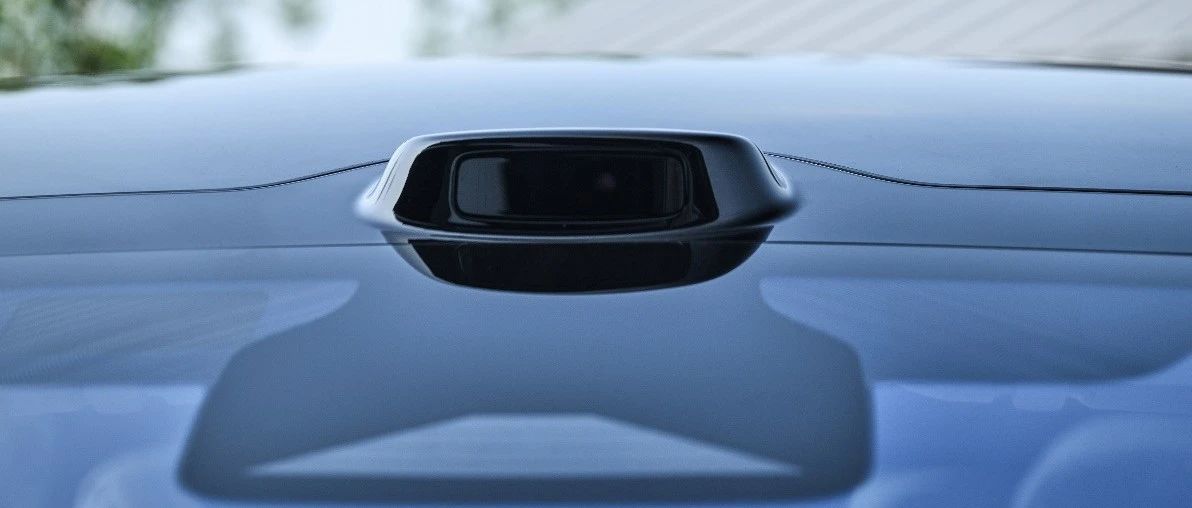
Investment Rating - The report assigns a "Buy" rating for the company, marking its first coverage [5][8]. Core Views - The company is a leading domestic supplier of CMOS image sensors (CIS), with a strong focus on high-performance CIS development and design. It has established a balanced business structure across smart security, smartphones, and automotive electronics, driving significant revenue growth [7][11]. - The company is expected to maintain high growth rates in the coming years, driven by its advancements in high-end smartphone CIS and the expanding automotive electronics market [9][11]. Summary by Sections Company Overview - The company, established in April 2017, initially focused on the security sector and has since expanded into smartphone and automotive applications, achieving a balanced business model across these sectors [18]. - It has become a prominent player in the CIS market, with significant market share in smart security, smartphones, and automotive electronics [18]. Financial Performance - In 2024, the company achieved a revenue of 5.968 billion RMB, a year-on-year increase of 108.87%, with a net profit of 393 million RMB, reflecting a staggering growth of 2662.76% [6][28]. - The smartphone segment has become a major revenue driver, with 2024 smartphone revenue reaching 3.291 billion RMB, up 269.05% year-on-year, accounting for over 55% of total revenue [7][30]. Business Segments - **Smartphone Business**: The company has successfully penetrated the high-end smartphone market, with significant sales of high-pixel products. The high-end 50MP products have seen substantial growth, contributing to over 50% of smartphone revenue [7][50]. - **Automotive Electronics**: The automotive CIS business is expected to grow significantly, with 2024 revenue reaching 527 million RMB, a 79.09% increase year-on-year. The company is well-positioned to benefit from the increasing demand for intelligent driving technologies [7][31]. - **Smart Security**: The security business remains a stronghold, with 2024 revenue of 2.15 billion RMB, reflecting a nearly 30% increase year-on-year, supported by product iterations and strong market demand [28][30]. Profitability and Valuation - The company forecasts net profits of 897 million RMB, 1.353 billion RMB, and 1.733 billion RMB for 2025, 2026, and 2027, respectively, with corresponding growth rates of 128.47%, 50.73%, and 28.10% [6][8]. - The current price-to-earnings (P/E) ratios for 2025, 2026, and 2027 are projected to be 43.59, 28.92, and 22.58, respectively, indicating a favorable valuation compared to peers [6][8].

研发投入超10%,菱电电控上半年净利大增482%
Zheng Quan Shi Bao Wang· 2025-08-15 14:09
Core Viewpoint - The company, Lingdian Electric Control, reported significant growth in its half-year performance, driven by increased sales revenue and improved R&D efficiency, positioning itself strongly in the automotive power electronics control system market [1][2]. Financial Performance - For the first half of 2025, the company achieved an operating revenue of approximately 632 million yuan, representing a year-on-year increase of 17.78% [1]. - The net profit attributable to shareholders reached 43.02 million yuan, a substantial increase of 481.88% year-on-year [1]. - The net profit after deducting non-recurring items was 36.82 million yuan, showing a remarkable growth of 959.57% compared to the previous year [1]. - R&D investment during the reporting period amounted to 69.15 million yuan, accounting for 10.95% of operating revenue [1]. Business Strategy and Market Position - Lingdian Electric Control focuses on the development of automotive engine management systems, electric vehicle power electronics control systems, hybrid vehicle power electronics control systems, and intelligent connected products [1]. - The company has established a presence in the EMS market, with its products being used by major clients such as Li Auto, Leap Motor, and JAC, and is actively expanding into overseas markets [2]. - The company aims to leverage its customer advantages in the EMS field to expand the application of electrification products, particularly in hybrid models [2]. Recent Developments - The company's stock price has increased by over 60% this year, with a closing price of 66.7 yuan and a market capitalization of 3.5 billion yuan as of August 15 [3]. - Lingdian Electric Control announced plans to acquire 98.426% of Aoyikes for a transaction price of 478 million yuan, aiming to enhance its market position and promote domestic substitution of EMS products [3].

理想的七大流程、小鹏的四条横线:车企 IPD 建设热潮下的管理焦虑
晚点LatePost· 2025-08-15 05:01
Core Viewpoint - The success of Huawei is not solely attributed to its Integrated Product Development (IPD) system, but rather, Huawei's achievements have created a myth around IPD itself [3][40]. Group 1: IPD Adoption in Automotive Industry - The Chinese automotive market is increasingly adopting IPD as a solution to its challenges, with companies like Li Auto and Xpeng leading the way in implementing these processes [4][6]. - Li Auto has established seven primary processes by 2024, including DSTE (Develop Strategy to Execute), IPD, IPMS (Integrated Product Marketing & Sales), and ISC (Integrated Supply Chain) [4]. - Xpeng's management emphasizes the importance of process and tool integration as foundational to organizational capability, with a focus on XPD (Xpeng Product Development) as a key step towards structured product development [5][6]. Group 2: Huawei's Process Management System - Huawei's process management system is often described as a "myth," with narratives surrounding its development and customer-centric design [7][8]. - Ren Zhengfei, Huawei's founder, emphasized the importance of management and service as internal capabilities that cannot be externally sourced, highlighting the need for a responsible process management system [7][8]. - Huawei's process management framework consists of three layers: Operating, Enabling, and Supporting, with a strong focus on product development through IPD [8][10]. Group 3: Automotive Business Logic - The automotive industry has unique characteristics, requiring significant investment and a complex supply chain, ultimately focusing on inputs and outputs related to sales and profits [12][13]. - Effective strategy execution in automotive companies involves long-term technological investments, mid-term branding and product development, and short-term marketing efforts [13]. Group 4: Li Auto's Process Structure - Li Auto's organizational adjustments have centralized R&D, supply chain, and sales under a unified leadership to enhance integration, while maintaining a focus on strategic development [15][19]. - The DSTE process at Li Auto incorporates strategic planning, execution, and evaluation, ensuring alignment with long-term goals [16][19]. Group 5: Xpeng's Process Development - Xpeng's process development began with IPD, focusing on product assurance and gradually expanding to include DSTE, ISC, and IPMS [24][30]. - The emphasis on horizontal processes aims to break down information silos and enhance collaboration across departments, ensuring a cohesive approach to product development [28][30]. Group 6: Case Studies of Li Auto and Xpeng - Li Auto's MEGA project faced challenges that led to organizational restructuring, integrating product development with commercial operations to ensure a closed-loop process [31][33]. - Xpeng's G9 launch encountered difficulties, prompting significant internal adjustments to enhance communication and collaboration, ultimately leading to successful product launches like the P7+ [34][35]. Group 7: Limitations of Process Management - The reliance on process management alone does not guarantee success; effective management practices must accompany process implementation to address underlying issues [36][40]. - Many companies may superficially adopt process frameworks without genuinely transforming their management practices, leading to a disconnect between processes and actual execution [38][40].



禾赛科技二季度营收同比增长超50% 获丰田汽车旗下品牌激光雷达定点
Zheng Quan Shi Bao Wang· 2025-08-15 04:28
Group 1: Financial Performance - In Q2 2025, the company achieved revenue of 710 million yuan, representing a year-on-year growth of 53.9%, marking five consecutive quarters of revenue growth [1] - The net profit for the same quarter reached 44.1 million yuan (approximately 6.2 million USD), significantly exceeding the GAAP profitability target [1] Group 2: Market Demand and Delivery - The total delivery volume of Hesai's LiDAR in Q2 reached 352,100 units, a year-on-year increase of 306.9%, with ADAS deliveries at 303,564 units, up 275.8% [2] - In the first half of the year, total LiDAR deliveries amounted to 547,900 units, a growth of 276.2%, surpassing the total for 2024 [2] - The company delivered 48,500 units of LiDAR for robotics in Q2, a substantial increase of 743.6%, with a total of 98,300 units delivered in the first half, reflecting a growth of 692.9% [2] Group 3: Strategic Partnerships - The company announced a partnership with a joint venture brand of Toyota to supply LiDAR for their new energy vehicles, set to begin mass production in 2026 [3] - Currently, the company has established mass production partnerships with 24 domestic and international automotive manufacturers, with recent agreements involving 20 models from nine leading automakers [3]
禾赛二季度净利润突破4000万远超盈利目标:上半年出货量已超2024年全年
IPO早知道· 2025-08-15 02:11
Core Viewpoint - Hesai Technology (NASDAQ:HSAI) has demonstrated significant growth in the second quarter of 2025, with a revenue increase of over 50% year-on-year and a net profit exceeding 40 million RMB, surpassing GAAP profitability targets [4][8][10]. Financial Performance - In Q2 2025, Hesai achieved revenue of 710 million RMB (approximately 98.6 million USD), marking a year-on-year growth of 54% [4][10]. - The net profit for the second quarter reached 44.1 million RMB (approximately 6.2 million USD), a significant turnaround from a net loss of 72.1 million RMB in the same period last year [10]. Product Delivery and Market Position - Total delivery of Hesai's LiDAR units reached 352,095 in Q2 2025, representing a year-on-year increase of 306.9% [6]. - The delivery of ADAS products was 303,564 units, up 275.8% year-on-year, while the robot sector saw a staggering 743.6% increase with 48,531 units delivered [6]. - In the first half of 2025, total LiDAR deliveries exceeded the entire volume for 2024, with a total of 547,913 units delivered, reflecting a growth of 276.2% year-on-year [10]. Strategic Partnerships and Collaborations - Hesai has secured partnerships with 24 automotive manufacturers for mass production, including collaborations with major clients such as Geely, Great Wall Motors, and Changan Automobile [16]. - The company has established a platform-level cooperation with one of its top two clients in the ADAS sector, which will enhance the standardization of LiDAR across their entire model range [14][16]. - In the international market, Hesai has entered the C-sample stage with a leading European automotive manufacturer, paving the way for mass production in 2026 [11]. Technological Advancements and Industry Standards - Hesai's JT series LiDAR has achieved a record delivery of over 100,000 units within five months, becoming the preferred choice for leading robotic lawn mower manufacturers [19]. - The company has also led the drafting of the national standard for vehicle-mounted LiDAR (GB/T 45500-2025), which sets performance and reliability requirements for the industry [21]. Future Outlook - The company expresses confidence in sustainable growth and long-term value creation for shareholders, driven by strong demand in both the ADAS and robotics sectors [10].

德赛西威20250814
2025-08-14 14:48
Summary of Desay SV's Conference Call Company Overview - **Company**: Desay SV - **Industry**: Automotive Electronics and Intelligent Driving Solutions Key Points Financial Performance - In the first half of 2025, Desay SV's profitability improved, primarily due to optimization in sensor business solutions, scale expansion, and an increased proportion of intelligent driving domain control business. However, the gross margin slightly declined in Q2 due to the impact of the OEM business for Li Auto [2][4] - The annualized sales from new project orders exceeded 18 billion, with cockpit business nearing 10 billion and driving-related orders close to 8 billion [2][7] - The gross margin for overseas business significantly increased due to the implementation of large projects, with expectations for continued growth in the second half of the year, targeting a long-term goal of 20%-30% [2][8] Customer Structure - The customer structure in the first half of 2025 did not change significantly, but the ranking and proportion of major clients adjusted. Li Auto remains the largest customer, but its share has decreased, while Xiaomi and Chery have seen rapid growth [3][22] Product and Market Trends - The cockpit business is experiencing a trend towards multi-screen and large-screen solutions, with a significant number of display orders secured in the European market [2][31] - Desay SV is focusing on an "all-in-one" intelligent driving solution, which has gained orders from both domestic and international brands, leveraging cost advantages and innovative integration solutions [2][17] Gross Margin Expectations - For the second half of 2025, Desay SV anticipates a controlled impact from the ramp-up of Li Auto's OEM business, with gross margins expected to remain stable or slightly decline [2][7] - The gross margin for sensor business is lower than the overall company level but has improved compared to previous periods [6] Strategic Initiatives - Desay SV is committed to open sharing and actively participates in OEM projects to consolidate market position and prevent potential competitors from entering new business areas [2][16] - The company is also exploring emerging fields such as robotics and unmanned delivery, with a focus on rapid commercialization in unmanned delivery scenarios [14] Competitive Landscape - The market is competitive, with many companies attempting to develop their own chips, which may lead to inefficiencies. Desay SV aims to adapt and leverage its strengths during this transitional phase [15] - The company collaborates with multiple chip manufacturers, including NVIDIA and Qualcomm, to stay competitive and meet customer demands [23][24] Future Outlook - Desay SV does not plan to adjust its growth targets for 2025 despite strong performance in the first half, maintaining confidence for the second half [37] - The company is optimistic about the potential for significant opportunities in lightweight solutions and expects increased order acquisition and production scale in 2026 [18] Additional Insights - The gross margin for traditional non-OEM projects is around 20%, while OEM business margins range from 10-15%, significantly impacting overall profitability [30] - Desay SV's overseas market strategy is focused on sensor products, particularly in Europe and Japan, with no immediate plans to expand into the U.S. market [21] This summary encapsulates the key insights from Desay SV's conference call, highlighting the company's financial performance, customer dynamics, product trends, strategic initiatives, and future outlook.
华阳集团(002906.SZ):为吉利银河A7车型配套屏显示、车载手机无线充电产品
Ge Long Hui· 2025-08-14 11:46
Group 1 - The company, Huayang Group, is providing display screens and wireless charging products for the Geely Galaxy A7 model [1]