奔驰

Search documents
51%之后:中国新能源汽车的“天花板”在哪里?
财富FORTUNE· 2025-12-10 13:05
Core Viewpoint - The Chinese electric vehicle (EV) industry is at a critical juncture, with market penetration exceeding 50%, indicating a shift from a policy-driven phase to a market-driven norm, despite leading companies like BYD facing profit pressures due to intensified competition and price wars [1][3][4]. Group 1: Market Dynamics - In October, the monthly sales of new energy vehicles (NEVs) surpassed 50% of total new car sales for the first time, reaching 51.6% [1][4]. - From January to August, NEV sales exceeded 9.6 million units, marking a year-on-year growth of 36.7%, with a market share of 45.5% [4]. - The penetration curve of NEVs shows a typical S-shaped growth, indicating a transition from early adopters to early majority [4]. Group 2: Industry Challenges - BYD reported a 3% decline in revenue and a 33% drop in net profit in Q3, attributed to increased competition and ongoing price wars [1]. - UBS forecasts a cautious outlook for the automotive market, predicting a slowdown in sales growth from 8% in 2025 to -2% in 2026, influenced by regulatory changes and reduced demand [5]. - The report anticipates that the wholesale growth rate for passenger vehicles will decrease from 11% to 3% in the same period [5]. Group 3: Global Expansion - By October, three out of every four EVs globally were from Chinese brands, highlighting the acceleration of globalization among Chinese automakers [7]. - The export of NEVs from China is expected to grow by 40% to 2.83 million units next year, with significant growth in markets outside China [6]. - Chinese automakers are adapting their strategies for international markets, focusing on local production and partnerships rather than merely exporting vehicles [9]. Group 4: Technological Advancements - The competition in the EV sector is shifting towards smart technology and ecological integration, with 2025 being termed the "Year of AI in Vehicles" [10]. - The focus is moving from basic driver assistance to advanced autonomous driving capabilities, requiring substantial R&D investments [10]. - Companies that can effectively translate technological advancements into improved user experiences are likely to gain significant market advantages [10]. Group 5: Ecosystem Development - The competition is evolving towards creating ecosystems around vehicles, integrating energy management, and smart city connectivity [11]. - Two primary ecological models are emerging: the "mobility ecosystem" centered around vehicles and the "lifestyle ecosystem" integrating consumer electronics and automotive technology [11]. - This ecological competition allows for diversified revenue streams beyond traditional hardware sales, enhancing long-term profitability [11].


【快讯】每日快讯(2025年12月10日)
乘联分会· 2025-12-10 08:39
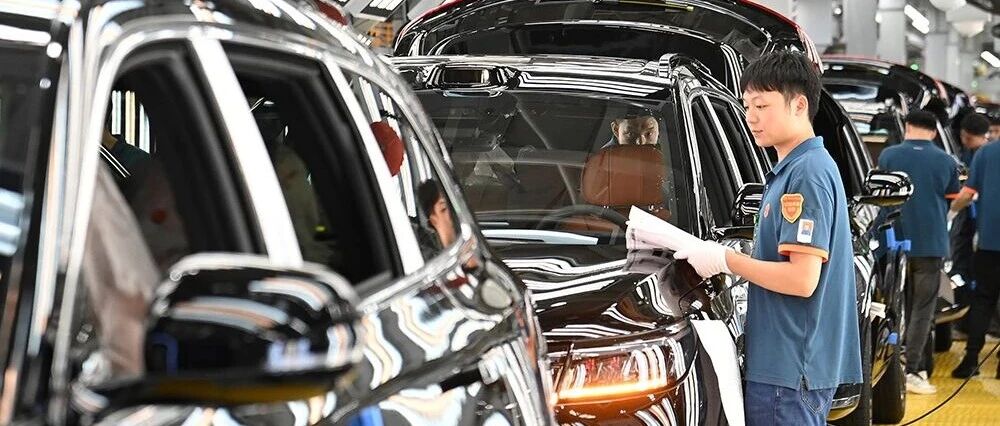
Domestic News - Jiangsu has established its first batch of intelligent orderly charging pilot communities, enhancing the synergy between new energy vehicles and the new power system through IoT, big data, and AI technologies [3] - Sichuan's 14th Five-Year Plan emphasizes the development of emerging industries, including smart connected vehicles, and aims to strengthen strategic emerging industry clusters [4] - Hainan's 14th Five-Year Plan supports the orderly international expansion of new energy vehicle companies and aims to optimize cross-border financial and data flow policies [5] - Yu Chengdong revealed multiple new car models from Hongmeng Zhixing, including a high-end coupe and the flagship MPV Zhi Jie V9, expected to launch next year [6] - Li Auto plans to launch its first L4 autonomous driving model within three years, transforming cars into AI-driven "space robots" [8] - Geely has developed China's first crash test dummy tailored for occupant protection in various postures, in collaboration with Hunan University [9] - GAC has introduced its AION and HYPTEC new energy vehicle series to the Saudi market [10] - Anhui Jianghuai Automobile has established a new company focused on power drive systems [11] International News - Renault Group and Ford have signed a strategic partnership to develop two new electric vehicle models based on the Ampere platform [12] - Stellantis and Bolt are collaborating to explore the deployment of L4 autonomous vehicles for commercial operations in Europe, with a target for mass production by 2029 [14] - Mercedes-Benz is partnering with Momenta to deploy autonomous vehicles in Abu Dhabi's taxi market [15] - Uber plans to invest $2 billion in Japan over the next five years [16] Commercial Vehicles - A new national standard for hazardous goods transport vehicles will be implemented on July 1, 2026, enhancing safety and requiring advanced electronic stability and emergency braking systems [18] - The world's largest hydrogen fuel cell commercial vehicle demonstration project has been launched in Xinjiang, with the delivery of 500 hydrogen fuel cell trucks [19] - Zhejiang province is supporting the planning and construction of charging infrastructure for new energy heavy trucks [20] - SANY has officially launched its bank in Brazil and unveiled a new series of heavy trucks [21]

第二十一届长沙国际车展开幕,近千款新车亮相
Chang Sha Wan Bao· 2025-12-10 07:55
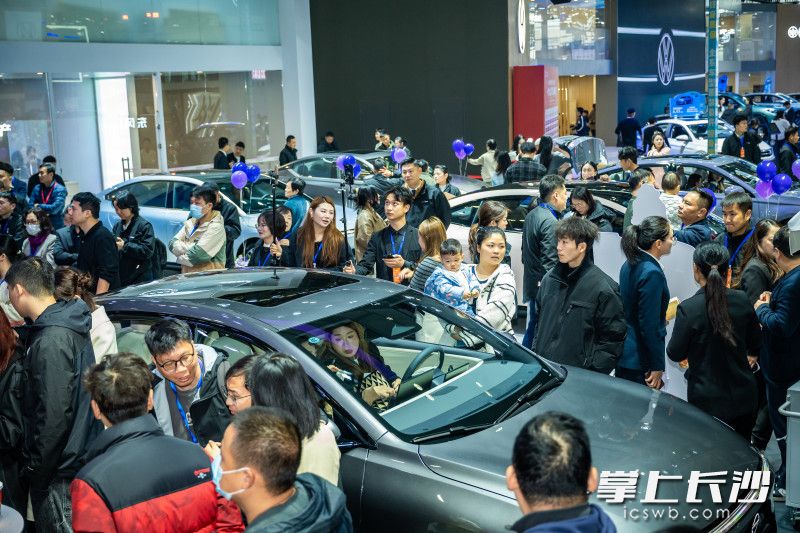
Group 1 - The 21st China (Changsha) International Auto Expo opened on December 10, 2023, at the Changsha International Convention and Exhibition Center, attended by notable figures from the China Automobile Industry Association and local government [1] - The auto show features 71 well-known automotive brands and nearly 1,000 new car models, covering an exhibition area of 80,000 square meters [3] - Major new energy vehicle brands such as Hongmeng Zhixing, NIO, and Li Auto participated, while domestic brands like BYD and Chery showcased their strengths, and joint ventures like SAIC Volkswagen and FAW Toyota offered significant discounts [3] Group 2 - The event serves as a "showcase" for new models and technologies, with over 20 debut vehicles including the Yangwang U9 Xtreme and Deep Blue L06 making their first appearance in Central China [3] - BYD presented its technological capabilities with a 1,500 square meter booth, while Hongmeng Zhixing showcased cutting-edge intelligent driving technology [3] - The third "Ten Thousand People Auto Group Purchase Event" has been upgraded to integrate brand resources and provide multiple discounts, alongside various themed experiences such as the "Super Intelligent Driving Conference" and "AI Technology Camp" [3]


雷克萨斯直播间,被保洁阿姨攻占了
Xin Lang Cai Jing· 2025-12-10 06:23
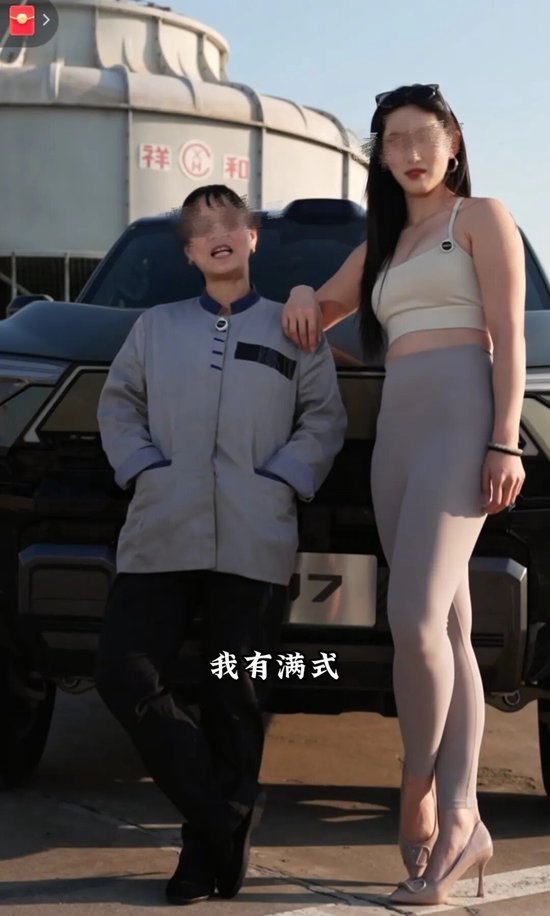
Core Insights - The rise of unconventional hosts, such as cleaning staff, in car sales live streams is refreshing audiences tired of traditional formats [1][10][11] - The automotive industry is increasingly embracing e-commerce, with brands utilizing live streaming to showcase products and attract customers [19][20][21] Group 1: Unconventional Hosts - Cleaning staff and security personnel are becoming popular hosts in car sales live streams, contrasting with the traditional attractive hosts [1][4][11] - Two main types of cleaning staff hosts have emerged: the "flower and leaf" type, who appear alongside professional hosts, and the "independent" type, who present cars based on their own understanding [5][7][31] - A notable example includes a cleaning staff member from a Lexus dealership whose video received over 100,000 likes, surpassing previous content [11][37] Group 2: New Streaming Styles - Various unconventional streaming styles are gaining traction, including the "car-side parkour" style, "dialect car talk," and "short drama" formats [14][40][42] - The "car-side parkour" style features hosts performing stunts around vehicles, while "dialect car talk" uses local dialects to engage audiences [40][42] - The "short drama" format incorporates storytelling elements, creating engaging narratives that resonate with viewers [42][43] Group 3: E-commerce Integration - The automotive industry is shifting towards e-commerce, with brands increasingly using live streaming for product promotion and customer engagement [19][20][21] - Data shows a significant increase in live streaming activity among car manufacturers, with a 408% rise in average monthly live sessions and a 263% increase in interaction [20][46] - Major sales events, such as the Douyin Double Eleven shopping festival, have generated substantial revenue, indicating the effectiveness of this approach [21][47] Group 4: Competitive Landscape - The entry of unconventional hosts has created a new competitive dynamic in the automotive sales sector, as brands seek to differentiate themselves in a crowded market [26][52] - E-commerce strategies are being adopted by various platforms, with companies like Tmall and JD.com also entering the automotive sales space [50][52] - While unconventional hosts can drive traffic, dealerships must continue to innovate to maintain sales momentum and customer engagement [26][52]
欧盟对华脱钩?德国外长抵京,下飞机后称和中国交流不可或缺
Sou Hu Cai Jing· 2025-12-10 05:12
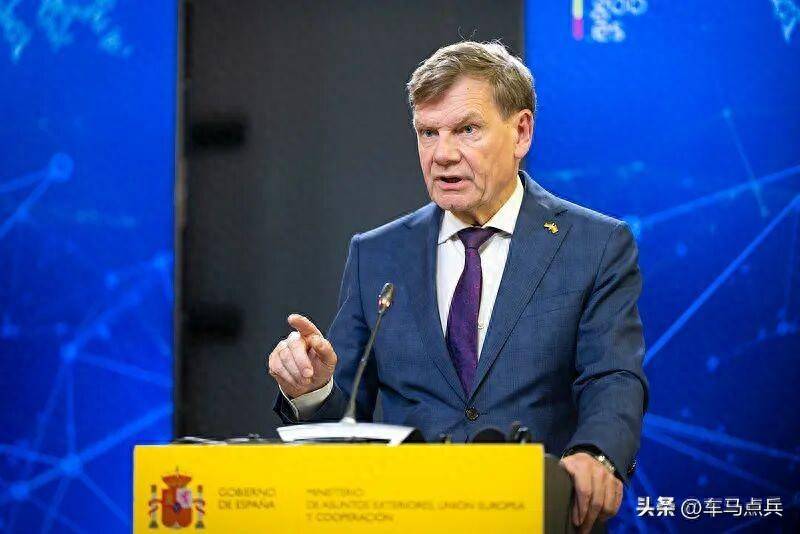
德国与法国在对华政策上的分歧,反映了欧盟内部在经济结构和利益诉求上的差异。德国作为欧盟最大经济体,一直以来专注于制造业和外向型 经济,和中国形成了深度的经济联系,因此更加倾向于维持稳定的对华经贸关系,并坚决反对激进的脱钩行为。相比之下,法国的经济结构更多 依赖于农业和服务业,工业领域与中国的竞争性较强,对中国的贸易依赖程度较低,因此其更倾向于从保护本土产业和追求政治平衡的角度提出 立场。这种分歧并非新鲜事,尤其在当前全球贸易格局调整的背景下,显得尤为突出,也使得欧盟在对华政策上难以形成统一声音。毕竟,欧盟 有27个成员国,每个国家都有不同的利益诉求,任何重大贸易制裁措施都需要得到大多数成员国的同意,单凭法国的立场是无法推动对华加税等 措施的。 实际上,欧盟从未正式提出脱钩的立场,而是反复强调去风险与脱钩的区别。去风险是指在少数敏感领域如芯片和关键原材料方面,降低对中国 的过度依赖,确保供应链安全;而脱钩则意味着全面切断与中国的经贸关系,这与欧盟的整体经济利益相冲突。根据数据,中国已经连续多年是 欧盟的第二大贸易伙伴,中欧贸易额常年保持在数千亿欧元的规模,双方在制造业、能源、环保等多个领域有着广泛的合作空间。对 ...
德国企业,正在疯狂涌入中国
首席商业评论· 2025-12-10 04:58
Core Viewpoint - The article discusses the significant influx of German companies into China, highlighting a strategic shift in the industrial landscape as these firms seek to adapt to rising costs and competitive pressures in Germany. This movement is characterized as an "industrial migration" rather than a simple relocation, driven by the need for innovation, cost efficiency, and access to a dynamic market [4][5][6]. Group 1: German Companies in China - Over 560 German companies have established operations in Taicang, Jiangsu, with more than 60 being "hidden champions" in their respective industries [4]. - German investments in China exceed $6 billion, with annual industrial output surpassing 67 billion yuan [5]. - Major German firms like Volkswagen, Bayer, and Mercedes-Benz are making substantial investments in China, including Volkswagen's €2.5 billion investment in Anhui and Mercedes-Benz's €1 billion investment in a research center in Beijing [5][6]. Group 2: Challenges Faced by German Industry - The number of bankruptcies in Germany reached 22,000 in 2024, the highest in a decade, with a 12% year-on-year increase in the first half of 2025 [6][8]. - Rising energy costs, particularly due to policies from the Green Party, have significantly impacted German manufacturing, with electricity prices soaring by 148% [8][9]. - The closure of nuclear and coal power plants has forced German industries to rely on imported electricity, leading to a tripling of energy costs [9][10]. Group 3: Strategic Reasons for Relocation - German companies are not merely relocating but are embedding themselves into China's vibrant industrial ecosystem, driven by the need for innovation and cost advantages [12][13]. - The shift is characterized by a focus on "innovation costs," with German firms struggling to keep pace with rapid technological advancements in electric vehicles [13][14]. - The "system cost" advantage in China allows companies to access a complete supply chain and skilled labor within close proximity, enhancing operational efficiency [13][14]. Group 4: Future Outlook - The global industrial landscape is shifting, with China increasing its share of global manufacturing value added to 31%, surpassing developed countries for the first time [15][17]. - German companies are investing in China not just for immediate gains but as a long-term strategic choice to remain competitive in future markets, particularly in sectors like hydrogen energy and autonomous driving [17][18]. - Approximately half of German companies plan to further invest in China, indicating a strong belief in the country's innovation potential and market opportunities [18].

2026年汽车年度策略:去伪存真,聚焦景气赛道核心资产
2025-12-10 01:57
Summary of Conference Call Records Industry Overview: Automotive Industry in China Key Insights - In 2025, the market share of domestic brands in China's automotive market is expected to rise significantly to 66%, with BYD, Geely, and Chery leading in sales growth, achieving sales of 3.7 million, 2.81 million, and 2.28 million units respectively, representing year-on-year growth of 14%, 40%, and 13% [2][4] - The market for low-end models priced below 100,000 yuan is projected to grow the fastest, while high-end models priced above 300,000 yuan are experiencing a downward trend due to price wars [1][3] - Domestic brands have captured 78% of the market share in the 100,000-150,000 yuan segment, with expectations to increase to 85% in 2026 [4][5] Export Performance - In 2025, China's exports of new energy vehicles (NEVs) are expected to grow rapidly, particularly in Western Europe and emerging markets in Asia, Africa, and Latin America, with total exports reaching 5.62 million units [6] - Notably, NEV exports reached 250,000 units, exceeding expectations, with major export regions including Central and South America, the EU, and the Middle East [6] Competitive Landscape - Joint ventures and foreign brands are actively launching new models and increasing local production to compete, such as Toyota's RAV4 plug-in hybrid and a collaboration model between Volkswagen and Xiaopeng [8] - The competition in the domestic market is intensifying, with a clear trend towards high-end models, as new models like BYD Seal 09 and Xiaomi U9 gain attention [7] Future Outlook for 2026 Market Trends - The domestic automotive market is expected to see increased competition and a clear trend towards high-end models, with several new models set to launch [7] - Chinese automakers are expected to increase investments in Europe and emerging markets, with overseas factory capacities gradually being released [9] Technological Developments - The automotive parts industry is evolving towards globalization and new technological avenues, focusing on opportunities in the European market, particularly in robotics and AI liquid cooling technology [11] - The development of intelligent driving technology is accelerating, with L2 level automation becoming more common in lower-priced models, while L4 level applications are expanding commercially [12][15] Investment Recommendations - In the passenger vehicle sector, focus on high-end and export growth, particularly recommending companies like BYD, Geely, Great Wall, and leading automotive brands [29] - In the automotive parts sector, prioritize companies with global layouts and strong ties to leading automakers, as well as those involved in AI transformation, including AI liquid cooling and robotics [29] Key Drivers for Intelligent Driving - Four main drivers are expected to propel the L2 market: policy support, market awareness, cost reduction, and technological iteration [18][20] Conclusion - The automotive industry in China is poised for significant growth, driven by domestic brands' increasing market share, rapid export growth, and advancements in technology. Investors should focus on companies that are well-positioned to capitalize on these trends, particularly in high-end models and intelligent driving technologies.
车圈最强流量密码,现在只有俩字:换壳。
3 6 Ke· 2025-12-10 01:37
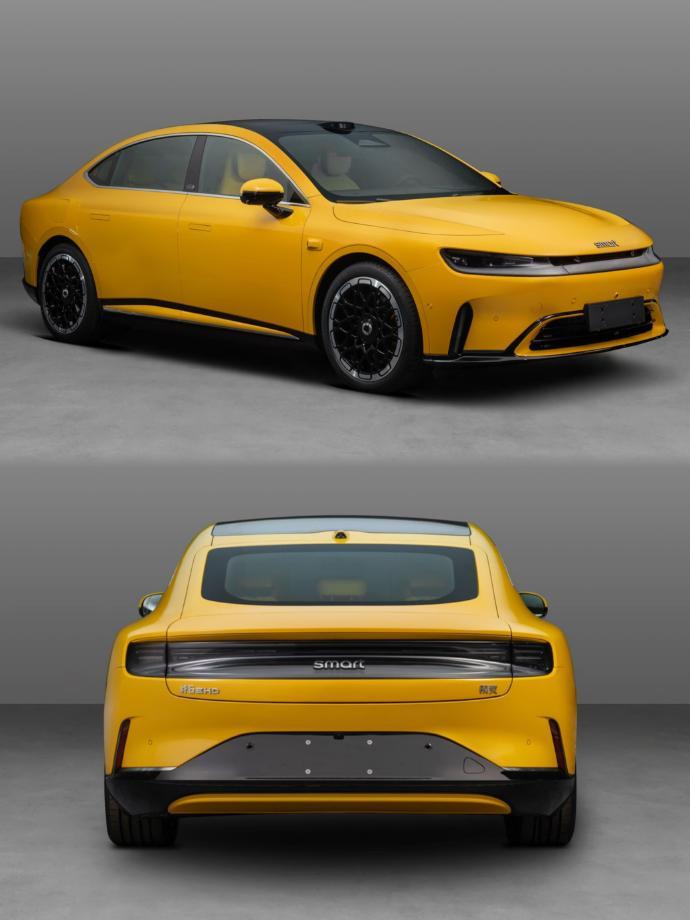
Core Viewpoint - The automotive industry is experiencing a surge of new vehicle releases, with many companies showcasing their latest models at the end of the year, indicating a competitive market for consumers in the upcoming year [1][39]. Group 1: New Vehicle Releases - The latest batch of vehicles from the Ministry of Industry and Information Technology (MIIT) features several notable models, suggesting that manufacturers are strategically launching new products to attract buyers [1]. - Smart's new model, the 6 EHD, is compared to the Lynk & Co 10, highlighting similarities in design and technology, indicating a trend of shared platforms among manufacturers [3][5]. - Geely's new Lotus FOR ME is positioned as a competitor to high-end models like the Lamborghini Urus, showcasing its advanced features and performance metrics [7]. Group 2: Market Positioning and Strategy - The introduction of the Geely Galaxy M7 EM-i reflects a shift in branding strategy, as the company consolidates its model lineup under new series classifications [9]. - The strategy of launching flagship models followed by more affordable variants is evident in the case of the Zhiji LS8, which aims to capture market share by offering competitive pricing [10][14]. - BYD's new Qin MAX model is positioned as a lower-cost alternative to the Han EV, indicating a focus on expanding the brand's electric vehicle offerings [16][18]. Group 3: Design and Innovation Trends - The automotive industry is criticized for a lack of originality, with many new models appearing to borrow design elements from existing vehicles, leading to a perception of "badge engineering" [39]. - The introduction of the ICAR V23 with battery swap technology represents an innovative approach to addressing consumer concerns about electric vehicle range and charging infrastructure [34]. - The trend of family design aesthetics is prevalent, with many new models resembling each other, raising questions about the uniqueness of brand identities in the market [39].

全球大公司要闻 | 英伟达获美国政府批准向中国出售H200人工智能芯片
Wind万得· 2025-12-09 22:40
Group 1 - Microsoft announced an investment of CAD 19 billion in Canada to enhance artificial intelligence infrastructure, with new capacity expected to be operational by the second half of 2026 [2] - Nvidia received approval from the US government to sell H200 AI chips to China, raising market interest in China's purchasing permissions and demand outlook, which will significantly impact the global AI supply chain [2] - Walmart has migrated its listing from the New York Stock Exchange to Nasdaq, marking the largest listing migration in US stock market history and indicating a major strategic shift for the company [2] - Stellantis partnered with Bolt to accelerate the large-scale deployment of autonomous driving services in Europe, with plans to begin testing vehicles in 2026 and aim for mass production by 2029 [2] - Alibaba established the Qianwen C-end business group, merging its previous smart information and smart connectivity units, aiming to create a super app as the primary entry point for users in the AI era [2] Group 2 - Wenta Technology proposed constructive talks regarding disputes over Nexperia Semiconductor to restore its legal control and shareholder rights [4] - Haiguang Information announced the termination of its stock swap merger with Zhongke Shuguang due to market changes and immature restructuring conditions, stating that normal operations will not be significantly affected [4] - Fosun Pharma signed a licensing agreement worth over USD 500 million with Pfizer, which is expected to enhance the company's market position and technological advantages [4] - Longi Green Energy decided to terminate its overseas issuance of global depositary receipts, citing market conditions and strategic planning considerations [4] - United Microelectronics Corporation (UMC) signed a technology licensing agreement with imec to acquire iSiPP300 silicon photonics technology, aiming to launch a 12-inch silicon photonics platform for next-generation high-speed connectivity applications [4] Group 3 - Microsoft plans to invest USD 17.5 billion in India over the next four years for AI and cloud infrastructure, alongside an additional CAD 7.5 billion investment in Canada [7] - Nvidia received approval to sell H200 chips to "approved customers" in China at a 25% markup, pending security reviews [7] - Apple confirmed that its foldable iPhone OLED screen orders will be exclusively supplied by Samsung, targeting a production of 11 million units [7] - Tesla's wholesale sales in China reached 86,700 units in November, with exports doubling year-on-year to 13,500 units but showing a month-on-month decline [7] - Meta's smart glasses collaboration with Ray-Ban gained popularity despite privacy concerns, and the company plans to launch a new AI model named Avocado early next year [7] Group 4 - Samsung Electronics will launch its first tri-fold smartphone, Galaxy Z TriFold, in China on December 9, with a starting price of CNY 19,999 and a limited global release of 20,000 units [10] - LG Energy Solution secured a USD 1.4 billion battery order from Mercedes, with a supply period extending to 2035 [10] - SK Hynix announced that its next-generation V10 NAND flash will utilize hybrid bonding technology, aiming for mass production by 2027 [10] Group 5 - Mercedes announced a partnership with Momenta and UAE's Lumo to launch L4-level Robotaxi services in Abu Dhabi by 2026 [13] - BMW Group's supervisory board appointed Milan Nedeljkovic as the new chairman, set to take over in May 2026 [13] - BHP plans to sell a 49% stake in its inland power grid in Western Australia for USD 2 billion while retaining a 51% stake [13] - Rio Tinto announced a new strategy focusing on high-quality assets in iron ore, copper, aluminum, and lithium, while integrating AI technology into mineral exploration and production [13] - Volkswagen Group reported a 61.5% year-on-year decline in net profit for the first three quarters, with plans to reduce its investment plan to EUR 160 billion by 2030 [13]

特朗普加税25%打懵欧洲,马克龙带80人团抢华机遇,美欧裂痕难补
Sou Hu Cai Jing· 2025-12-09 15:10
前言 这创下2020年疫情以来最差的连跌纪录,丹麦工业联合会调查显示,四分之一的丹麦公司已下调增长预期,四十在美国有业务的企业,更是紧急启动战略调 整,曾经牢固的跨大西洋联盟出现了深深的裂痕。 前几年还跟着美国高喊"去风险",仿佛跟中国走近就会生病。 如今却争先恐后地往北京跑,生怕来晚了就抢不到饭吃。 这180度大转弯背后发生了什么?世界规则正在如何改变? 特朗普一记重拳,打断了欧洲的脊梁 特朗普回来了,这次他的拳头不仅挥向对手,更砸向了昔日的盟友,对欧盟商品全面征收20%关税,钢铁、铝、汽车更是被狠狠加到25%,超过3800亿欧元 的欧盟制造产品瞬间被卷入关税风暴,美欧关系从互利共赢变成了赤裸裸的博弈。 欧洲企业叫苦不迭,原本不到10%的进口税率,一夜之间涨到总价的三分之一,欧元区本就高昂的制造成本,被这记重拳打得几乎失血,许多企业直面生存 危机,德国DAX指数像瀑布一样倾泻而下,狂泻超过2000点,整个欧洲STOXX600指数累计下跌超过10%。 比利时化工集团、意大利汽车零部件企业纷纷宣布暂停对美投资项目,理由惊人地一致:"特朗普反复无常的决策,让投资变得棘手,盟友,在特朗普的眼 里,似乎与对手并无分别 ...