宝马

Search documents
世运电路战略投资,新声半导体完成近3亿元C轮融资
Sou Hu Wang· 2025-12-08 02:35
Core Insights - Shenzhen New Sound Semiconductor Co., Ltd. successfully completed a C-round financing of 269 million yuan, attracting strategic investments totaling 249 million yuan from leading automotive PCB company Shiyun Circuit and its affiliates, along with an additional 20 million yuan from existing shareholder Hongsheng Capital [1][3] Group 1: Market Expansion and Strategic Collaboration - The capital cooperation injects momentum into New Sound Semiconductor's expansion in the automotive market and initiates a new chapter of industrial chain collaboration between the filter and PCB sectors, which is significant for the scaling and diversification of domestic filters [3] - New Sound Semiconductor is a leading domestic filter company with strong capabilities in technology research and commercialization, supplying well-known brands such as Xiaomi, Honor, Samsung, and Motorola, particularly excelling in the BAW and TC-SAW high-end markets [3][4] - New Sound Semiconductor is the first domestic filter company to pass the AEC-Q200 automotive certification, achieving mass production of several automotive-grade filters, which is a key reason for Shiyun Circuit's investment [3][4] Group 2: Value Creation from Financing - The financing will enhance New Sound Semiconductor's market breakthroughs and service upgrades, allowing its automotive-grade filters to enter the front-end market rapidly, significantly shortening the cycle from certification to mass supply [4] - The funding will also strengthen New Sound Semiconductor's service capabilities for domestic ODM manufacturers and consumer electronics clients, enabling a more precise response to evolving technical demands during the chip localization process [4] Group 3: Synergistic Effects and Competitive Advantage - Shiyun Circuit's strategic investment will extend and enhance the value of the industrial chain, integrating its business with filters as a core automotive component to create a "PCB + filter" integrated solution capability [4][5] - The collaboration will focus on efficient implementation and technological integration in the automotive market, systematically reducing market expansion risks and compressing technology conversion cycles, thereby establishing competitive barriers in the accelerating AI hardware and application landscape [5]


车fans社群话题:如何看待2026年的汽车政策与行情?
车fans· 2025-12-08 01:29
Core Viewpoint - The automotive market is transitioning from a policy-driven phase to a more competitive environment focused on existing market share, with significant changes in subsidies and tax policies expected by 2026 [2][3]. Policy Changes - Key adjustments in policies include the reduction of the new energy vehicle purchase tax from full exemption to a 50% reduction, with a maximum rebate of 15,000 yuan per vehicle [2]. - The "trade-in" subsidy is likely to continue but will decrease from 20,000 yuan to 15,000 yuan, leading to increased consumer costs [2]. - UBS estimates that consumers will need to spend an additional 15,000 yuan for a new energy vehicle priced at 300,000 yuan due to these policy changes [2]. Market Behavior - The tightening of subsidies has created a cautious consumer sentiment, with some opting to purchase vehicles early to avoid future policy changes, although this has not resulted in a significant surge in sales [2]. - The market is expected to experience a structural shift where competition will focus on technology, product quality, brand, and service rather than just price [3]. Price Trends - The ongoing price war is evolving into a scenario of "ice and fire," where companies with genuine competitive advantages will thrive in a saturated market [3]. - The average transaction price of new cars is expected to rise due to a decrease in the sales of low-priced models, as many manufacturers are moving away from the sub-50,000 yuan market [6]. - The introduction of high-spec models, like the Zhiji LS9, is pushing competitors to enhance their offerings, which may lead to a general increase in market prices [7]. Consumer Insights - The expectation is that subsidies will not continue in the same form, and prices are likely to rise due to increasing battery costs and other components [9]. - The overall price increase is not driven by inflation but by structural changes in the market, with a shift towards higher-value vehicles [6][9]. - Consumers may find 2026 to be a better time to purchase high-quality vehicles rather than the cheapest options available [8]. Industry Outlook - The automotive industry is likely to face a period of adjustment following subsidy reductions, similar to experiences in other markets like Germany, where a shift to higher-value vehicles stabilized prices after initial declines [8]. - Companies are expected to adopt more cautious production strategies to avoid overproduction and maintain price stability, moving away from aggressive price competition [7][10].
全球大公司要闻 | 好莱坞工会反对奈飞收购华纳兄弟
Wind万得· 2025-12-07 22:59
Group 1 - Netflix announced an agreement to acquire Warner Bros. Discovery for an enterprise value of approximately $82.7 billion, focusing on its film studios and HBO Max streaming assets, including top IPs like Harry Potter and Game of Thrones, aiming to build a "super content" empire, with the deal expected to face strict antitrust scrutiny [3] - OpenAI plans to respond to Google's Gemini 3 with the upcoming GPT-5.2, which is now expected to launch on December 9, ahead of its original schedule [3] - SpaceX is reportedly seeking an $800 billion valuation through a share sale, although Elon Musk denied the accuracy of this report, stating that revenue from NASA is expected to account for no more than 5% of the company's income by 2026 [4] Group 2 - X, the social platform owned by Musk, was fined €120 million under the EU's Digital Services Act for allegedly violating content moderation regulations [4] - Microsoft is in talks with Broadcom to design future custom chips, potentially shifting from its current supplier Marvell [4] Group 3 - Xingqi Eye Care has multiple products included in the National Medical Insurance Directory, with a notable product priced at 1.78 yuan per piece, expected to positively impact long-term operations [6] - Kexin Pharmaceutical's CAR-T drug has entered the commercial insurance innovative drug directory, drawing market attention [6] - Wuliangye will adjust the price of its eighth-generation product starting next year, offering a discount of 119 yuan per bottle from a base price of 1019 yuan [7] Group 4 - Huawei's CEO emphasized the importance of AI research while focusing on the application of large models and big data in agriculture and technology over the next 3-5 years [6] - BYD's chairman noted a decline in domestic sales due to technological lag and user demand issues, indicating the need for significant technological breakthroughs [7] - Baidu Kunlun Chip plans to file for an IPO in Hong Kong as early as Q1 next year, with a recent valuation of 21 billion yuan [7] Group 5 - Samsung Electronics achieved a key breakthrough in 4nm process technology, improving yield rates to 60-70%, which is expected to enhance its competitiveness in advanced manufacturing [12] - SK Hynix announced plans to localize EUV photoresist to reduce dependence on Japanese suppliers [12]





新一代宝马 X7 汽车曝光:可选自动车门,有望 2027 年上市
Xin Lang Cai Jing· 2025-12-07 21:25
新款 X7 预计将补齐现款 G07 缺乏后排座椅按摩、通风的短板,不过目前无法确认这两项功能是单独选配还是随中高配车型附赠,但几乎不可能在入门型号 上标配。还有消息称新车将搭载升级版后排娱乐系统,暗示新款 X7 将自带两块更大尺寸屏幕的平板电脑。 IT之家 12 月 7 日消息,据汽车媒体 BMWBLOG 今天报道,宝马 X7 伪装测试车最近再度现身公共场合,有望在 2027 年 8 月实现量产及发布。 同时宝马正在考虑是否给新车配备来自 7 系的 31.3 英寸 8K"剧院屏",考虑到现在定位中高端的长轴距 5 系 都能选配大尺寸 8K 屏幕,这种升级非常自然。 IT之家在此援引 BMWBLOG,一位内部人士透露,下一代 X7 代号为 G67,定位大型 SUV,全系标配电吸门,可以选配自动车门,车主只需要坐在车里按 个按钮就能控制车门开关,显得更加优雅。 此外,下一代 X7 将提供两排和三排座位版本,其中三排版本可选六座或七座,ALPINA 版本代号"G69",预 计将取消第三排,而且可能不会将其作为选项提供。 ...

俄罗斯汽车大规模瘫痪事件浅析:卫星锁车背后的技术依赖危机
Xin Lang Cai Jing· 2025-12-07 02:33
Group 1 - A rare automotive crisis occurred in Russia starting November 28, 2025, where hundreds of luxury vehicles, primarily from brands like Porsche, Mercedes-Benz, Audi, and Volkswagen, suddenly became inoperable due to a malfunction in the Bosch VTS (Vehicle Tracking System) [1][17][18] - The affected vehicles exhibited symptoms such as inability to start, engine lock, and sudden loss of power while driving, leading to near-accidents [1][17][18] - The crisis has led to significant operational challenges for dealerships, with Rolf, Russia's largest automotive dealer, reporting over 40 vehicles towed for repairs and long queues at service centers [1][17] Group 2 - The VTS system, designed to provide advanced anti-theft protection through GPS and satellite communication, has a critical flaw due to its reliance on continuous satellite signals [19][20] - When the VTS system detects anomalies, it triggers a security mode that locks the engine, mistakenly identifying normal vehicles as stolen, which has resulted in widespread vehicle immobilization [20][22] - The incident highlights a fundamental issue in the automotive industry regarding the separation of technical control and ownership, raising concerns about consumer rights in the era of smart vehicles [24] Group 3 - The crisis has led to a significant decline in luxury car sales in Russia, with Porsche's sales dropping by 42% and a general decrease in the resale value of used luxury cars equipped with the VTS system by 8%-12% [27][28] - The event serves as a warning for the global automotive industry, emphasizing the vulnerabilities associated with increasing electronic control and the need for standards that ensure basic functionality during communication failures [27][29] - The incident has prompted discussions on regulatory frameworks, with potential new regulations in Russia requiring vehicles to have offline operation modes and user consent for remote control features [30]
科博达技术股份有限公司关于2025年第三季度业绩说明会召开情况的公告
Shang Hai Zheng Quan Bao· 2025-12-05 19:23
Core Viewpoint - The company held a Q3 2025 earnings presentation on December 5, 2025, to address investor inquiries regarding its performance and strategic developments [1][2]. Group 1: Company Globalization and Client Structure - The company is advancing its global layout and localization strategy, having established a factory in Japan in 2023 and made significant progress on a Czech facility, which is now in trial production [3]. - In the first three quarters of 2025, the top five end customers contributed 61.30% of the company's revenue, with notable growth from NIO [4]. - The commercial vehicle business accounted for less than 15% of total revenue in the same period [5]. Group 2: Financial Performance and Cost Management - The company's QS expenses decreased by 57% year-on-year, indicating effective cost control measures [6]. Group 3: Product Development and Market Position - The company is a leader in the global lighting control sector, with products supplied to over 30 major automotive manufacturers, including Volkswagen and BMW [7]. - The company has developed high-cost performance automotive central computing platforms and smart driving domain control products, with projected sales exceeding 20 billion yuan from ongoing projects [8]. - The Efuse products have gained traction with clients such as Zeekr, Ideal, Mercedes-Benz, and Ford, reflecting strong market acceptance [8]. Group 4: Revenue Growth and Future Outlook - USB product revenue grew by over 20% year-on-year in the first three quarters of 2025, with future performance dependent on market demand [9]. Group 5: Compliance and Corporate Governance - The independent directors confirmed the legality and compliance of the proposed convertible bond issuance, ensuring it aligns with regulatory requirements and does not harm shareholder interests [9].

贾可:中国汽车淘汰赛至少还有十年
Xin Lang Cai Jing· 2025-12-05 11:18
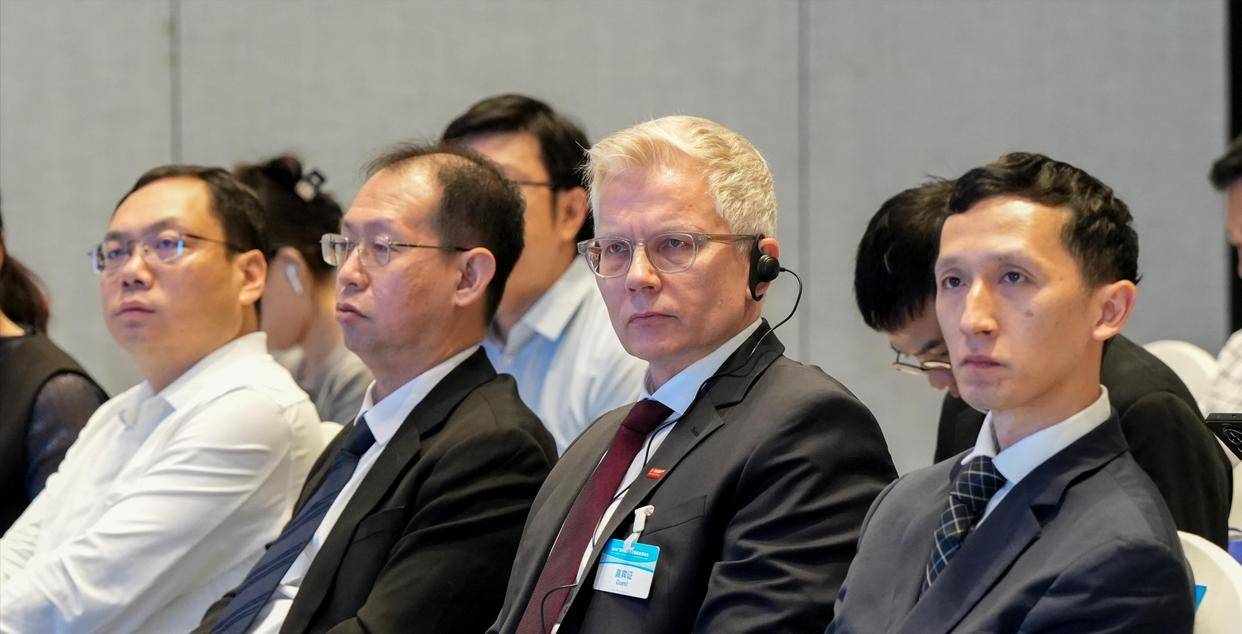
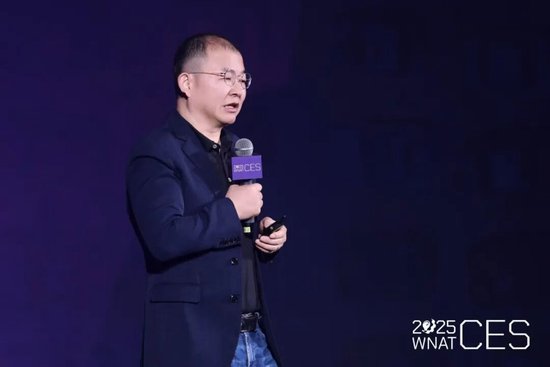
Core Viewpoint - The Chinese automotive industry is not yet in a stable state and may take at least another 10 years to reach a comfortable equilibrium, with an expectation that around 10 major automotive giants will remain in the market [1][36][56]. Group 1: Industry Outlook - The WNATCES 2025 event aims to address the current challenges in the automotive industry, focusing on the collaboration between manufacturers and suppliers to create a sustainable ecosystem [7][39]. - The event features 100 speakers, including 42 automotive executives and 1,000 attendees from 12 automotive groups and 300 supply chain companies, highlighting the industry's collaborative efforts [7][38]. - The theme of the event, "Long-term and Short-term," emphasizes the need for balance between immediate concerns and future growth strategies [5][36]. Group 2: Historical Context - The evolution of the automotive industry in Europe and the U.S. shows a historical pattern of consolidation, with significant changes occurring over more than a century [13][44]. - The Chinese automotive industry has undergone rapid changes since 2009, with government initiatives aimed at creating a few large manufacturers, but the market has seen a shift towards electric and intelligent vehicles [14][45]. Group 3: Competitive Landscape - The competitive landscape is shifting, with the emergence of six major camps in the Chinese automotive market, including traditional manufacturers, state-owned enterprises, and new entrants [49][51]. - The core competitive advantages have transitioned from traditional components to new technologies such as electric powertrains and intelligent systems, which are now critical for success in the market [17][48]. Group 4: Future Predictions - Industry leaders predict a "淘汰赛" (elimination race) in the automotive sector, with varying timelines for consolidation, ranging from 3 to 10 years [11][42]. - The future of the industry is expected to involve significant technological advancements, particularly in areas like AI and smart vehicle systems, which will reshape the competitive dynamics [25][56]. Group 5: Collaboration and Ecosystem Building - The event aims to foster collaboration among industry players to build a robust ecosystem that can adapt to ongoing changes and challenges [27][61]. - The focus on creating a cooperative environment is seen as essential for navigating the complexities of the automotive market and ensuring long-term sustainability [58][61].
锂电极片切割进入绿光时代
高工锂电· 2025-12-05 07:28
Core Viewpoint - High-power pulsed fiber green laser has gradually become the preferred solution for high-precision cutting of lithium battery electrode sheets after three years of industrial application advancement [1][4]. Group 1: Lithium Battery Market Demand - The lithium battery industry in China has achieved rapid development over the past 15 years, growing from less than 2 GWh to over 2000 GWh [6][7]. - The industry has produced several leading global players and showcased China's strong industrial capabilities and continuous technological innovation [7][8]. Group 2: Development of Cutting Technology - The cutting technology for lithium battery electrode sheets has evolved from traditional blade cutting to laser cutting, with recent advancements moving towards short-wavelength and ultrafast laser applications [3][9]. - The current cutting process requires high-power, high-beam quality infrared nanosecond lasers, but there is a pressing need for technological iteration to reduce burrs and molten beads, which can lead to safety issues [9][10]. Group 3: Advantages of Green Laser Cutting - Green laser cutting offers better performance due to its high absorption rate in metals like copper and aluminum, resulting in higher energy density and better cutting quality compared to infrared lasers [11][12]. - The green laser cutting process has shown significant advantages in various battery types, including cylindrical, stacked, and prismatic batteries [12]. Group 4: Performance Comparison - In cutting negative electrode sheets, green laser cutting achieves a cutting efficiency of 150 m/min with a burr size of 0-5 μm and a production yield exceeding 99.99%, compared to infrared's 90 m/min and 5-10 μm burr size [42][43]. - The green laser's cutting depth is ±1.0 mm, while infrared only achieves ±0.3 mm, enhancing cutting stability and yield [42][43]. Group 5: Application in Positive Electrode Cutting - Green laser technology also shows superior potential in cutting positive electrode materials, particularly in ceramic layers, reducing burr size and thermal impact, which positively affects battery safety [50][51]. Group 6: Commercialization of Green Laser Technology - The high-power green laser technology has been successfully adopted by several leading manufacturers in the lithium battery electrode sheet cutting field, marking a significant step towards precision, efficiency, and reliability in the industry [53].

智能网联引领新能源车产业升级
中汽协会数据· 2025-12-05 07:18
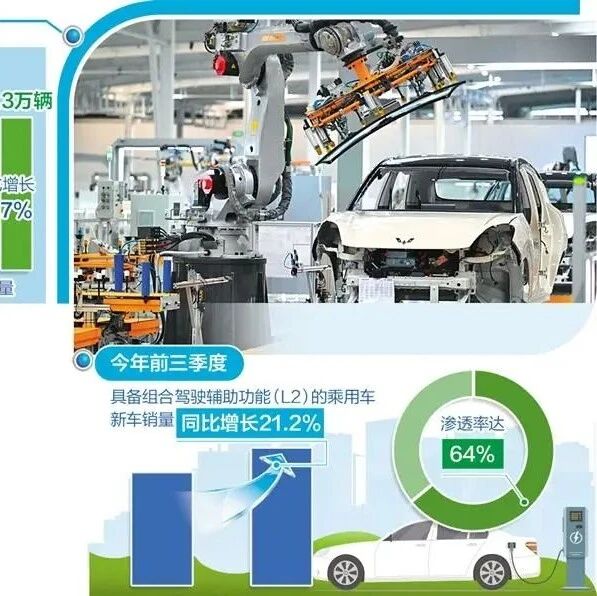
工业和信息化部等6部门日前联合印发 《关于增强消费品供需适配性进一步促进消费的实 施方案》 (以下简称《方案》)。该《方案》提出,到2027年,形成3个万亿级消费领域和 10个千亿级消费热点。智能网联新能源汽车作为重点布局的3个万亿级消费领域之一,有望迎 来发展新机遇。 开拓万亿级消费赛道 中国汽车工业协会数据显示,今年前10个月,我国汽车产销量分别完成2769.2万辆和2768.7 万辆,同比增长均超过10%。其中,新能源汽车产销量分别完成1301.5万辆和1294.3万辆, 同比分别增长33.1%和32.7%。 值得关注的是,10月份新能源汽车销量达到汽车新车总销量的51.6%。这也是我国新能 源汽车月渗透率首次突破50%,彰显了中国市场对新能源汽车的强劲需求和消费转型的加 速。 "以往对新能源汽车增速的预测,主要基于电动化技术的演进。普遍观点认为,电动化初 期将经历高速增长,当其市场渗透率达到50%时,将进入一个相对均衡的发展阶段,增速会 趋于平缓甚至下滑。然而,智能化技术快速发展,正在成为推动新能源汽车产业升级的新动 力。"车百会理事长张永伟表示,智能化与电动化相互促进,形成了双向驱动的良性循环,智 ...
大批外资撤离中国,西方企业准备抢夺中国市场,普通人如何降低风险
Sou Hu Cai Jing· 2025-12-05 00:28
Core Viewpoint - The narrative of foreign companies fleeing China is overly simplistic, as it highlights localized adjustments while neglecting the overall structural optimization occurring within the market [7][17]. Group 1: Foreign Investment Trends - The recent closure of Dongguan Tianhong Technology, which served major clients like IBM and Cisco for over 20 years, is attributed to North American clients shifting production to Mexico and Eastern Europe [1]. - In contrast, companies like Tesla and BMW are increasing their investments in China, with BMW's total investment in Shenyang exceeding 83 billion [1]. - Data from the Ministry of Commerce indicates that foreign investment has both inflows and outflows, which is a normal market phenomenon, particularly affecting labor-intensive industries [3]. Group 2: Sectoral Shifts - The exit of foreign companies is primarily seen in labor-intensive sectors due to rising domestic labor and land costs, leading to a natural global industrial shift [3]. - High-tech industries in China have seen a 1.1% increase in actual foreign investment in the first 11 months of 2023, particularly in medical instruments and electronic manufacturing [5]. - Foreign companies are transitioning from low-value assembly lines to high-value production lines in new display technologies and renewable energy batteries, indicating a shift towards technology-intensive sectors [5]. Group 3: Impact on Workforce - The closure of Dongguan Tianhong Technology resulted in the layoff of over 500 employees, highlighting the real impact of these changes on ordinary workers [9]. - Workers in traditional sectors like textiles and low-end electronics face increased risks due to reliance on foreign trade and investment [9]. Group 4: Strategies for Adaptation - Workers are advised to proactively adjust their career paths towards "domestic demand-oriented" industries such as healthcare and local brand consumption, which are less affected by global supply chain fluctuations [11]. - In the event of layoffs, it is crucial to seek reasonable labor compensation and maintain social insurance continuity while exploring flexible employment options [13]. - Financial strategies should focus on establishing a "survival bottom line" by cutting unnecessary expenses while maintaining essential services [15]. Group 5: Geopolitical Considerations - Geopolitical factors are increasingly influencing cross-border investment decisions, with some countries promoting industrial repatriation and investment restrictions [17]. - Despite these challenges, China's vast market size and comprehensive industrial ecosystem continue to attract foreign companies, emphasizing the need for a nuanced understanding of foreign investment dynamics [17]. Group 6: Opportunities Amidst Change - The ongoing industrial adjustments present both challenges and opportunities, as shifts in foreign company operations may create space for domestic innovation in high-tech sectors like renewable energy and biomedicine [19]. - The key lies in readiness to adapt to the profound restructuring of the industrial landscape that is already underway [19].