雀巢

Search documents
大越期货原油周报-20250929
Da Yue Qi Huo· 2025-09-29 05:32
Report Summary 1. Investment Rating No investment rating for the industry is provided in the report. 2. Core View Last week, crude oil rebounded from a low level. Geopolitical tensions, supply - demand imbalances, and market sentiment all influenced the oil price. The supply gap of OPEC+ supported the oil price, while the increase in Iraqi oil export expectations and other factors brought downward pressure at times. The report suggests short - term trading within the 485 - 505 range and long - term investors to exit long positions on rallies [5][7][8]. 3. Summary by Directory 3.1 Review - **Price Movement**: NYMEX WTI crude futures closed at $65.19 per barrel, up 4.54% for the week; Brent crude futures closed at $68.82 per barrel, up 4.19% for the week; Shanghai crude oil futures closed at 495 yuan per barrel, up 1.64% for the week. Brent crude closed above $70 per barrel on Friday, with a weekly gain of 5.2%, and WTI was close to $66 per barrel [5]. - **Geopolitical Events**: Ukraine attacked Russian ports, paralyzing oil facilities with a daily export capacity of about 2 million barrels. Russia extended its export ban on some energy products. The US pressured Turkey and NATO members to stop buying Russian oil, and the UN may re - impose sanctions on Iran, tightening global supply [5][6]. - **Supply - related News**: Iraq reached an agreement for the central government to receive and export Kurdish - produced oil. OPEC+ has a supply gap of nearly 500,000 barrels per day, mainly due to compensatory cuts and shrinking idle capacity [5][6][7]. - **Fund Positions**: As of the week of September 23, Brent crude futures' speculative net long positions decreased by 11,592 contracts to 220,579 contracts, while WTI crude net long positions increased by 4,249 contracts to 102,958 contracts [5]. 3.2 Related News - Iraq's central government will take over the export of Kurdish - produced oil, aiming to solve the problem of lost fiscal revenue caused by the autonomous export of the Kurdish region [6]. - India asked the US to allow it to buy oil from Iran and Venezuela if it is required to cut Russian oil imports, warning that cutting off supplies from Russia, Iran, and Venezuela could lead to a global oil price spike [6]. 3.3 Outlook - The supply gap of OPEC+ supports the upward movement of oil prices. Saudi Arabia may increase sales to make up for potential revenue losses and prove that other OPEC+ members' idle capacity is lower than expected [7]. - There is a risk that the US government may shut down before the National Day holiday in the Chinese domestic market, and investors should control their positions [7]. 3.4 Fundamental Data - **Spot Prices**: The prices of various crude oil varieties showed different changes. For example, the price of UK Brent Dtd increased by 0.65 to 64.28, with a growth rate of 1.02% [11]. - **Inventory Data**: The Cushing inventory and EIA inventory showed different trends over time. For example, the EIA inventory decreased by 60.7 million barrels to 414.754 million barrels on September 19 [13][14]. 3.5持仓数据 - **CFTC Fund Net Long Positions**: The net long positions of WTI crude oil increased by 4,249 contracts to 102,958 contracts as of September 23 [20]. - **ICE Fund Net Long Positions**: The net long positions of Brent crude oil decreased by 11,592 contracts to 220,579 contracts as of September 23 [21].
乖宝宠物20250928
2025-09-28 14:57
Summary of the Conference Call on the Pet Food Industry and Guibao Company Industry Overview - The Chinese pet consumption market is experiencing continuous growth, with dog-related consumption increasing by approximately 5%. The main drivers include the expansion of pet ownership and increased spending per pet, driven by social changes that create a demand for pet companionship. [2][3] - The pet food market in China is projected to reach approximately 150 billion yuan in 2024, accounting for 53% of the pet consumption market. Staple food represents over 50% of this segment, making it the largest sub-market. [2][4] - The penetration rate of refined pet care in China is below 20%, significantly lower than in Western countries, indicating substantial room for growth. [6] Market Performance - In the first half of 2025, the total pet consumption in China is expected to be around 70 billion yuan, reflecting a year-on-year growth of 9%. The sales revenue for goods is projected to be 58.1 billion yuan, with online channels being the primary sales avenue. [7] - The top ten pet food companies in China in 2024 will include seven domestic firms, highlighting a clear trend towards domestic brand replacement. [8] Competitive Landscape - Domestic brands are increasingly gaining market share, with Guibao and Zhongchong being notable examples. These companies leverage high-quality sourcing and continuous improvement in product quality to close the gap with foreign brands. [10] - The competition landscape shows that while foreign brands like Mars and Nestlé maintain a leading position, they have missed opportunities in online channel development, allowing domestic brands to enhance their market share. [9] Consumer Trends - There is a noticeable shift in consumer behavior towards high-quality pet products, with pet owners increasingly viewing pets as family members. This has led to a rise in demand for premium pet supplies. [3] - The trend towards higher-end products is evident, with consumers moving from basic pet food to more sophisticated options like freeze-dried and baked goods. [12] Guibao Company Insights - Guibao Company, established in 2006, shifted its focus to domestic brands in 2013. Its self-owned brand sales account for 40% of total sales, with rapid growth in its proprietary brands. [13] - The company has a strong competitive advantage through product innovation and brand development, successfully launching several popular products. [14] - Guibao's projected profit for 2024 is 750 million yuan, with expectations to reach 900 million yuan by 2025. The company's PE ratio is expected to remain above 40 times, indicating strong market confidence. [15] Additional Observations - The survival space for white-label pet food products is diminishing due to a lack of innovation and brand recognition, as consumers increasingly prefer established brands. [11] - The market is expected to see a fierce price war in the low-end segment while experiencing an upgrade in mid-to-high-end consumption over the next 3-5 years. [12]
我为什么劝你少喝9.9元的咖啡?
洞见· 2025-09-27 12:35
Core Viewpoint - The article emphasizes the rising popularity and health benefits of Yunnan coffee and a specific brand of skim milk, highlighting their quality and natural ingredients as appealing to health-conscious consumers [6][9][39]. Group 1: Yunnan Coffee - Yunnan is recognized as a prime region for coffee cultivation, producing high-quality Arabica beans that are favored by major brands like Starbucks and Luckin Coffee [9][64]. - The coffee beans from Yunnan are characterized by their rich flavor, low caffeine content, and high antioxidant properties, making them gentler on the stomach [68][82]. - The article promotes a specific product, a freeze-dried coffee developed by the Yunnan Agricultural Academy, which retains the aroma and flavor of freshly brewed coffee without additives [15][19][30]. Group 2: Skim Milk - The article introduces a brand of skim milk sourced from the Helan Mountain region, known for its high-quality milk production due to optimal environmental conditions [39][102]. - This skim milk contains 3.2g of protein and 100mg of calcium per 100ml, making it a nutritious option for various consumers, including fitness enthusiasts and the elderly [48][50]. - The product is marketed as having no additives, ensuring a pure and natural taste, which aligns with the growing consumer demand for clean-label products [51][119].

食品饮料行业周度市场观察-20250927
Ai Rui Zi Xun· 2025-09-27 09:13
Investment Rating - The report does not explicitly provide an investment rating for the food and beverage industry Core Insights - The food and beverage industry is experiencing significant trends, including the rise of ready-to-eat meals, the popularity of low-sugar and sparkling beverages, and the emergence of health-focused drinks like bamboo sugar and reed root water [1][2][7] Industry Trends - Consumer acceptance of ready-to-eat meals varies significantly by dining context, with over 50% acceptance in fast food chains and only 8.8% in high-end restaurants [2] - The iced tea market is booming, with brands like Nongfu Spring and Yuanqi Forest entering the space, focusing on sugar reduction and carbonation innovations. The market is expected to grow from 300 billion yuan in 2024 to 350 billion yuan in 2025 [2] - The global top 100 food and beverage companies list for 2025 sees PepsiCo reclaiming the top spot with revenues exceeding $90 billion, driven by product innovation and AI technology [4] - The integration of supermarkets and restaurants is on the rise, with new business models emerging that combine high cost-performance and fresh ingredients [4] - The dairy market in China faces challenges, particularly in liquid milk, while powdered milk and cheese are experiencing growth [5] - The tea beverage industry is shifting towards fast-moving consumer goods, with brands focusing on efficiency and cost reduction [6] - Bamboo sugar and reed root water have become popular health drinks, reflecting the potential of traditional Chinese health beverages [7] - The night economy is becoming a significant growth point for the restaurant industry, with night-time consumption in cities like Shanghai and Chengdu reaching 60% [10] Brand Dynamics - Brands like Kang Shifu are launching successful sugar-free tea products, indicating a shift towards premium and health-oriented offerings in the beverage market [14] - The introduction of new products by brands like Subway, which incorporates local flavors into their offerings, highlights the trend of localization in the food industry [15] - The collaboration between Three Squirrels and JD to establish quality standards for nuts aims to elevate industry standards and meet consumer demand for high-quality products [16] - Wahaha's rebranding to "Wah Xiaozong" under the leadership of Zong Fuli aims to attract younger consumers while addressing compliance issues [17] - Zhou Hei Ya's promotional activities targeting college students reflect efforts to engage younger demographics amid declining sales [20]
51岁东北大叔卖羊奶粉,年入17.62亿,全国第二,港股上市
3 6 Ke· 2025-09-26 13:24
Core Viewpoint - Yipin Nutrition Technology (Qingdao) Group Co., Ltd. has submitted an application for listing on the Hong Kong Stock Exchange, focusing on low-allergen dairy products and special medical formula foods, targeting sensitive consumer groups [1][2]. Company Overview - Yipin Nutrition's core products include low-allergen milk products, such as goat milk powder designed for allergic and lactose-intolerant individuals, and specialized medical formula foods commonly used in hospitals [1]. - The company has a long history, tracing back to 1956, and has evolved from a local dairy enterprise to a comprehensive nutrition technology group covering the entire industry chain [1][3]. - Yipin Nutrition has established its own farms in Heilongjiang and Shandong, and its Spanish factory produces one-quarter of the EU's goat whey powder [1][4]. Financial Performance - Yipin Nutrition's revenue for the years 2022, 2023, 2024, and the first half of 2025 was approximately 1.402 billion, 1.614 billion, 1.762 billion, and 806.8 million RMB, respectively [4]. - The company's annual profits during the same period were approximately 227 million, 168 million, 172 million, and 56.688 million RMB [4]. Market Dynamics - The low-allergen dairy and special medical food sectors are experiencing significant growth, driven by rising allergy rates among infants (12.3%) and increasing demand for medical nutrition due to an aging population [2][7]. - The Chinese goat milk powder market is projected to reach a retail scale of 25 billion RMB by 2024, with a compound annual growth rate (CAGR) of 4.7% from 2020 to 2024 [6]. - The special medical food market is expected to grow even faster, reaching 23 billion RMB by 2024, with a CAGR of 23.1% during the same period [6]. Competitive Landscape - Yipin Nutrition ranks second in the domestic market for infant formula goat milk powder, with a market share of 14.0% [8]. - The company has successfully narrowed the gap with international giants like Abbott and Nestlé, achieving quality standards comparable to those in Europe [8]. Future Opportunities - New entrants in the low-allergen dairy and special medical food sectors can explore three main growth areas: functional formula powders, high-end adult nutrition powders, and cross-border market expansion [9][10]. - The demand for functional formula powders is shifting towards "precision nutrition," with products targeting specific needs such as allergy and nutritional supplementation [9]. - The adult high-end nutrition powder market is projected to reach 820 million RMB by 2024, with a growth rate exceeding 28% [9].
雀巢咖啡焕新升级,签约樊振东为代言人
Bei Ke Cai Jing· 2025-09-26 11:47
Core Viewpoint - Nestlé Coffee has signed Chinese table tennis player Fan Zhendong as its new brand ambassador, aiming to convey the belief that "every betterment begins with a small change" to consumers [1] Group 1: Brand Strategy - The brand's initiative "Every cup, for better" is designed to resonate with the aspirations of young consumers in China who are seeking internal value transformation [1] - The choice of Fan Zhendong as a brand ambassador reflects a shared commitment to the pursuit of "better" between the athlete and the brand [1] Group 2: Product Development - Nestlé Coffee 1+2 has undergone a comprehensive upgrade of its product formula, responding to the significant increase in consumer health awareness [1] - The brand aims to translate the spirit of "better" into tangible actions through continuous product renewal, emphasizing the integration of "better" values into every detail [1]

日本7-Eleven卖的这瓶「水」,居然能补5g蛋白质
36氪· 2025-09-26 11:25
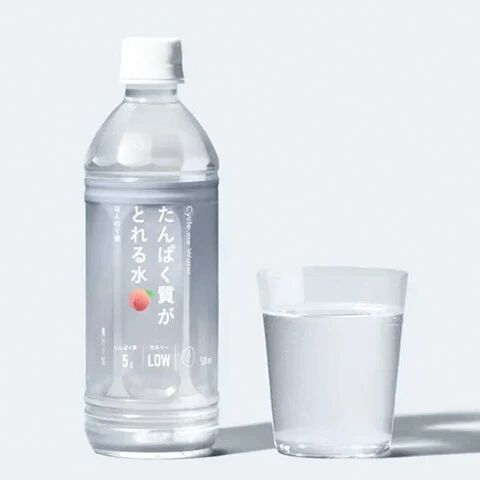
Core Viewpoint - The article discusses the innovative launch of a transparent protein water by Japan's 7-Eleven private brand Cycle.me, highlighting its unique features and market potential in the growing protein beverage sector [3][7][12]. Product Features - Cycle.me's protein water contains 5g of low molecular collagen protein per bottle, aiming to provide hydration while supplementing protein intake [15][17]. - The product is marketed as low-calorie and not overly sweet, with a subtle peach flavor, making it more palatable for consumers [18]. - It utilizes deep-sea water from Kochi Prefecture, Japan, which is rich in minerals, suitable for hydration during outdoor activities [18]. Market Trends - Consumer interest in protein as a desirable nutrient has surged, with Cycle.me's research indicating it is the top nutrient consumers wish to actively incorporate into their diets [18]. - The protein food and beverage market in Japan is projected to grow by 2.8% in 2024, reaching approximately 276.3 billion yen (around 11.4 billion RMB) [18]. Development Challenges - Cycle.me faced significant challenges in maintaining the clarity and stability of the protein water during production, requiring extensive optimization of raw materials and processing techniques [19]. - The collaboration with DyDo, a major Japanese beverage manufacturer, was crucial in developing a product that retains nutritional value without compromising on transparency [19]. Comparison with Global Trends - While Cycle.me's product is unique in its transparent form, similar protein water products in the Western market often utilize hydrolyzed whey protein, resulting in a semi-transparent appearance [28][30]. - The trend of incorporating protein into everyday beverages is gaining traction globally, with brands like Super Coffee and SEEQ also innovating in this space [42][34].
中外专家就特定部分水解配方奶粉临床价值达成共识
Bei Ke Cai Jing· 2025-09-26 09:01
Core Insights - Experts at the 17th National Nutrition Science Conference reached a consensus on the clinical value of specific partially hydrolyzed whey protein formulas (pHF-W) in reducing allergy occurrence risk in infants [1] - Approximately 2%-3% of infants globally suffer from cow's milk protein allergy, with some cities in China reporting a 30.48% prevalence of atopic dermatitis in infants under one year old [1] - Traditional food allergy management has relied on strict dietary avoidance, but this approach has shown limitations in reducing severe allergic reactions [1] Group 1 - The shift in prevention strategies from passive avoidance to proactive early oral exposure is driven by a deeper understanding of food allergy mechanisms [1][2] - A study presented by Dr. Nicholas Hays revealed that feeding infants specific pHF-W for four months reduced the risk of atopic dermatitis by 35%, with significant improvements in skin barrier indicators for infants with a family history of allergies [2] - The ability to control the hydrolysis process allows for the reduction of sensitization while preserving immunomodulatory activity, simulating the tolerance-inducing mechanisms of breast milk [2] Group 2 - Early intervention in atopic dermatitis is crucial not only for skin management but also for blocking the initiation of allergic processes [3] - A dual intervention strategy targeting both skin and gut is essential for effective management of allergies [3]
量产CEO这事儿,是怎么被宝洁办成的?
Sou Hu Cai Jing· 2025-09-26 01:05
Core Insights - Procter & Gamble (P&G) has announced a change in its CEO, with Jon Moeller stepping down and Shailesh Jejurikar, an internal candidate, taking over. Jejurikar has been with the company for 36 years and has risen through the ranks to become the global COO [1] - P&G is recognized for its internal talent development system, which has produced numerous executives not only for itself but also for other major companies in the consumer goods sector, making it a "CEO factory" [1] Talent Development Mechanism - P&G's recruitment process emphasizes identifying innate traits through its famous "P&G Eight Questions," focusing on leadership, initiative, purpose, and persuasion [3][4] - The company prioritizes candidates with strong drive, resilience, and leadership qualities, which are considered more critical than acquired skills [4][5] - P&G's approach to talent development includes a "coach" model, where managers guide employees through questioning and discussions, fostering independent thinking and problem-solving [12][14] Corporate Culture - P&G's corporate culture encourages managers to engage directly with retail environments, ensuring they remain connected to consumer insights [13] - The company promotes a safe environment for knowledge sharing, which is essential for effective coaching and mentorship [20][21] - Employees are motivated to become coaches themselves, as this aligns with their career advancement goals and contributes to a supportive workplace culture [18][20] Recruitment and Retention Strategies - P&G's recruitment strategy focuses on finding candidates who demonstrate a genuine interest in their work and a willingness to reflect on their experiences [6][7] - The company recognizes that high-quality talent is less motivated by financial incentives and more by the opportunity for personal and professional growth within a supportive environment [9][10] - P&G's internal promotion paths are a significant draw for potential employees, as they can see clear career advancement opportunities [10][11] Lessons for Other Companies - Other companies, especially in the tech sector, can learn from P&G's structured approach to talent development and the importance of fostering a culture that values internal growth and mentorship [23][24] - The emphasis on quality over speed in talent development can lead to more effective outcomes, as seen in P&G's practices [24] - Companies should focus on creating a supportive environment that encourages employees to share knowledge and grow together, which can enhance overall organizational performance [20][21]


达能放不下中老年奶粉
Bei Jing Shang Bao· 2025-09-25 11:34
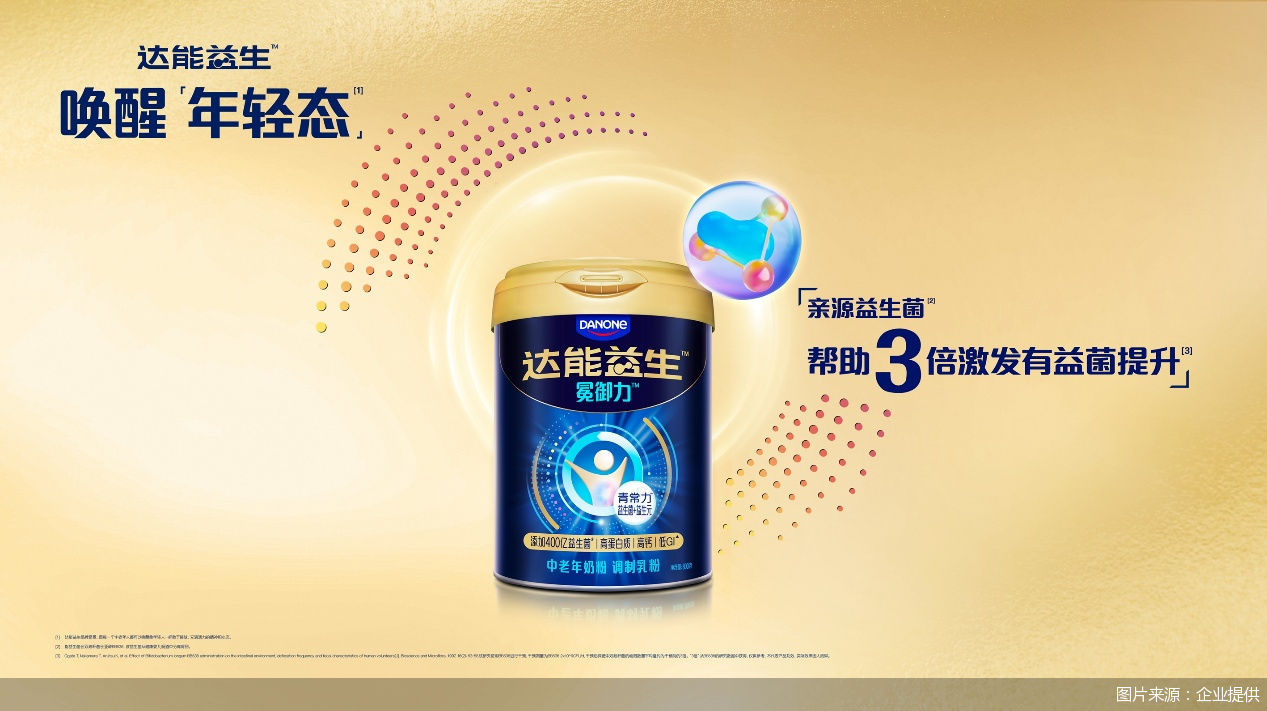
Core Insights - The aging population in China is driving the demand for "healthy aging" products, with the middle-aged and elderly milk powder market becoming a competitive arena for dairy companies [1][8] - Danone has launched its "Xuanwu" clinical research results and the Probiotic Milk Powder for the elderly, raising market interest [1][3] Industry Trends - The middle-aged and elderly milk powder market is evolving from "optional supplements" to "essential staples" as health awareness increases among older consumers [5][8] - The market is characterized by a "three strong, two weak" structure, with domestic brands like Feihe, Yili, and Junlebao holding 60% market share, while foreign brands like Danone and Nestlé account for 25% [8] Product Development - Danone's new product, the Probiotic Milk Powder for the elderly, incorporates the Qingchangli™ probiotic combination, which has shown to triple beneficial bacteria growth within seven days [3][4] - The product aims to address specific health issues, reflecting a shift towards specialized functional solutions in the middle-aged and elderly milk powder segment [4][6] Market Opportunities - The middle-aged and elderly population in China is projected to reach 310 million by the end of 2024, representing 22% of the total population, which presents significant growth potential for the milk powder market [7] - The demand for precise nutrition among the elderly is increasing, driven by accelerated aging and rising health consciousness [8] Competitive Landscape - Major players like Yili, Nestlé, and Fonterra have established strong foundations in the middle-aged and elderly milk powder market, focusing on specific health benefits such as bone and cardiovascular health [4][6] - Danone's strategy emphasizes high-end market positioning and scientific validation to differentiate its products from competitors [8]