
石头科技

Search documents
潮汕90后,干出百亿扫地机器人独角兽
创业邦· 2025-12-26 00:08
Core Viewpoint - The article highlights the significant milestone of Yunji Intelligent, a cleaning robot company founded by a 90s entrepreneur from Chaoshan, which has initiated Pre-IPO financing with a valuation exceeding 10 billion RMB and is accelerating its listing in the Hong Kong stock market [2]. Group 1 - Yunji Intelligent was inspired by a common household complaint, indicating a consumer-driven approach to product development [3].

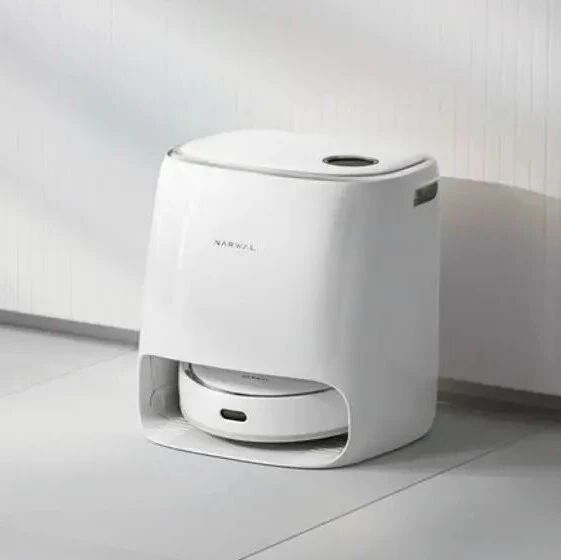
iRobot负债危机背后,中国服务机器人如何破局全球竞争?
Nan Fang Du Shi Bao· 2025-12-25 23:17
Core Viewpoint - iRobot has entered into a restructuring support agreement with its guarantor lenders and major supplier, Shenzhen Shanjun Robotics, which will acquire iRobot through a court-supervised process, marking a significant shift in the vacuum robot industry from foreign dominance to Chinese brand leadership [4]. Group 1: iRobot's Decline - At its peak, iRobot held an 80% global market share and sold over 50 million units, but has since lost its leading position due to over-reliance on a single product category and lack of innovation [5]. - iRobot's early patent barriers have diminished, and the company failed to adapt to technological advancements, leading to product issues in complex environments [5][6]. - The company's heavy reliance on a single contract manufacturer has weakened its supply chain resilience and quality control, contributing to its operational difficulties [6]. Group 2: Financial Performance - iRobot's revenue is projected to be $682 million in 2024, with 11 consecutive quarters of losses, unable to cover supply chain expenses through cash flow [7]. - The company's reliance on a "light asset model" has proven detrimental, as it lacks control over manufacturing and supply chain, leading to higher costs and reduced bargaining power [7]. Group 3: Competitive Landscape - Chinese brands like Ecovacs and Roborock have adopted a full-stack approach, integrating manufacturing capabilities and reducing costs, allowing them to price products competitively while maintaining healthy profit margins [8][9]. - Ecovacs has built a robust supply chain and invested heavily in R&D, resulting in significant product innovation and market responsiveness, contrasting with iRobot's slower innovation cycle [8][10]. Group 4: Industry Trends - The vacuum robot market is shifting from "incremental proliferation" to "stock competition," with emerging cleaning categories showing higher growth rates than traditional vacuum robots [9]. - Companies like Ecovacs and Roborock are diversifying their product lines, leading to substantial revenue growth and establishing a competitive edge in the smart home ecosystem [9][10]. Group 5: Technological Advancements - Chinese companies have transitioned from being global contract manufacturers to technology leaders, investing significantly in R&D to develop proprietary technologies and reduce reliance on foreign patents [10][11]. - The introduction of innovative products, such as integrated cleaning systems, has marked a new era in the vacuum robot industry, with Chinese firms leading in patent applications and technological advancements [11].


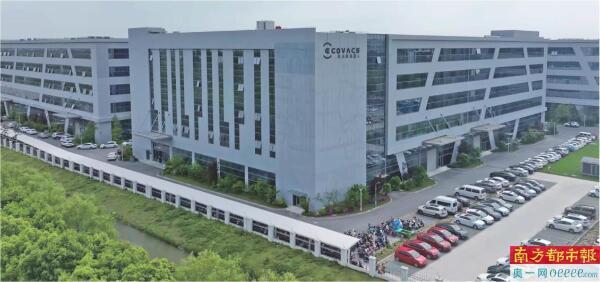
北京昌平产城融合共成长
Jing Ji Ri Bao· 2025-12-25 22:00
Core Insights - Changping District is rapidly developing as an innovation hub, with a focus on integrating urban living and scientific research, attracting young talent and fostering a vibrant community [1][2] Group 1: Economic Growth and Demographics - Changping District's GDP grew by 7.1% year-on-year in the first three quarters of the year, despite a high baseline [1] - The district has a resident population of over 2.27 million, with more than 40% holding a university degree [1] - Changping is home to approximately one-third of the city's national key laboratories and has a significant number of academicians and research talents [1] Group 2: Industry Development - The district is establishing a clear industrial hierarchy centered around three main sectors: healthcare, advanced manufacturing, and advanced energy [2] - Emerging industries such as synthetic biology, robotics, and 6G are being rapidly developed, with notable projects like the world's first multi-band integrated 6G test network [2] - Changping is positioning itself as a future-oriented industrial base, attracting more researchers and engineers to start their careers there [2] Group 3: Business Environment - The business environment in Changping has improved significantly, with over 30,000 new business entities established annually for the past three years [3] - The transformation cycle from laboratory to company is shortening, making Changping an attractive location for startups [3] - Companies benefit from a supportive ecosystem that allows them to focus on research rather than operational logistics [3] Group 4: Urban Development and Living Conditions - Changping is implementing a "15-minute living circle" concept, integrating work, residence, and commerce to enhance urban living [4] - The district has seen a significant increase in housing projects, with 154 million square meters of commercial housing sold in the first 11 months of the year, ranking first in the city [4] - The focus on urban and industrial integration is fostering a positive cycle of development, attracting more residents and businesses [4]
2025年家电出口跌宕起伏,中国品牌出海本土化突破
第一财经· 2025-12-25 12:58
Core Viewpoint - The article discusses the fluctuations in China's home appliance exports in 2025, highlighting the challenges posed by changing tariffs and the strategies employed by Chinese companies to mitigate these impacts while maintaining their status as a global manufacturing and export powerhouse in the home appliance sector [3]. Group 1: Challenges and Strategies - Chinese companies are facing significant challenges due to sudden tariff increases, such as the over 100% tariff imposed by the U.S. in April 2025, which led to order cancellations and financial strain [5]. - Companies like 乐途电器 explored various countries for production facilities, including Vietnam and Cambodia, but faced obstacles such as high rental costs and geopolitical issues affecting power supply [5][6]. - After multiple assessments, 乐途电器 ultimately decided to expand its production capacity in China rather than establishing overseas factories, reflecting a broader trend among Chinese manufacturers to prioritize domestic production amidst tariff uncertainties [6][7]. Group 2: Market Dynamics and Performance - Despite tariff disruptions, companies like 新宝股份 and TCL are still primarily producing for the U.S. market domestically, indicating a reliance on local manufacturing to meet demand [7][8]. - 海尔智家 reported growth in the North American market by enhancing local production efficiency and expanding regional capacity, while also achieving significant revenue growth in emerging markets [11]. - The overall export volume of large home appliances from China is expected to reach a record high of over 210 million units in 2025, with varying performance across different product categories [13]. Group 3: Global Expansion and Localization - Chinese home appliance brands are increasingly focusing on localization strategies, moving from merely exporting products to establishing a presence in local markets through production and branding efforts [10][14]. - Major companies are investing in overseas production bases and enhancing their marketing strategies, including sports sponsorships, to strengthen brand recognition and consumer engagement [12]. - The trend indicates a shift towards a model of "Chinese R&D + overseas production + local sales," which aims to mitigate trade risks and align more closely with market demands [14].
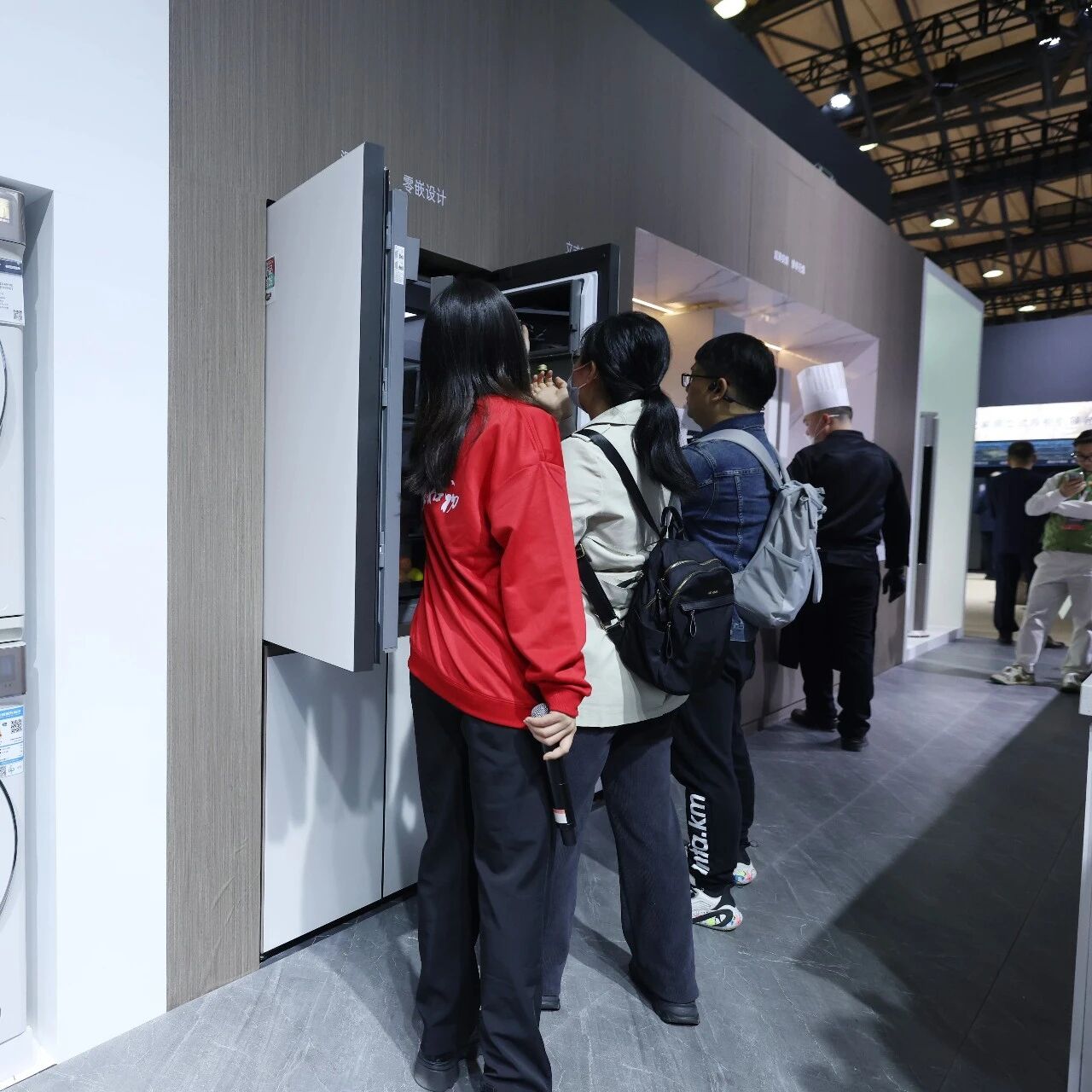
可选消费行业2026年度策略:新的消费观,新的格局
Huafu Securities· 2025-12-25 11:23
Core Insights - The report maintains a strong market rating for the home appliance sector, emphasizing the shift in consumer behavior towards a more present-focused consumption mindset, driven by the new generation of consumers [1] - The report highlights the expected leadership of the new consumption sector in 2025, while traditional consumption sectors are anticipated to show lackluster performance [4] Macro Consumption Trends - The report notes a significant transformation in consumer attitudes, moving from a culture of saving to one of cautious spending and living in the moment, which is expected to create new investment opportunities [4][11] - It identifies a structural opportunity in consumption, with the main drivers shifting from broad-based recovery to specific demographic groups, particularly the elderly and single-person households [32] Global Economic Landscape - The report emphasizes the importance of global emerging markets, suggesting that Chinese companies are well-positioned to lead in new product categories with significant growth potential [4] - It points out that the export structure is evolving towards innovation-driven categories, enhancing resilience against geopolitical risks [4] Domestic Consumption Dynamics - The report indicates that domestic consumption is entering a phase of refinement, with strong companies benefiting from the changing consumption landscape [4] - It highlights the ongoing growth in the pet economy and health supplements, suggesting that companies with e-commerce capabilities will be favored [4] Export Opportunities - The report discusses the resilience of exports, noting a shift from reliance on developed markets to emerging markets, with significant growth in exports to countries like India and Indonesia [49] - It highlights the importance of diversifying export markets and supporting new business models such as cross-border e-commerce [49] Sector-Specific Insights - The report identifies specific sectors poised for growth, including cleaning appliances, which are expected to benefit from government subsidies and increasing consumer demand [53] - It suggests that the pet economy and health products will continue to thrive, driven by changing consumer preferences and increased awareness [4] Consumer Income and Spending - The report notes that while income growth is stabilizing across different income groups, the spending power of high-income households is expected to drive consumption growth [35] - It emphasizes the importance of asset conditions, particularly housing, in influencing consumer behavior and spending patterns [35] Rural Consumption Potential - The report highlights the growing consumption potential in rural areas, where income growth is outpacing urban areas, suggesting a shift in focus towards rural markets [39] - It notes that rural high-income groups are likely to lead in spending on services, healthcare, and entertainment [39]
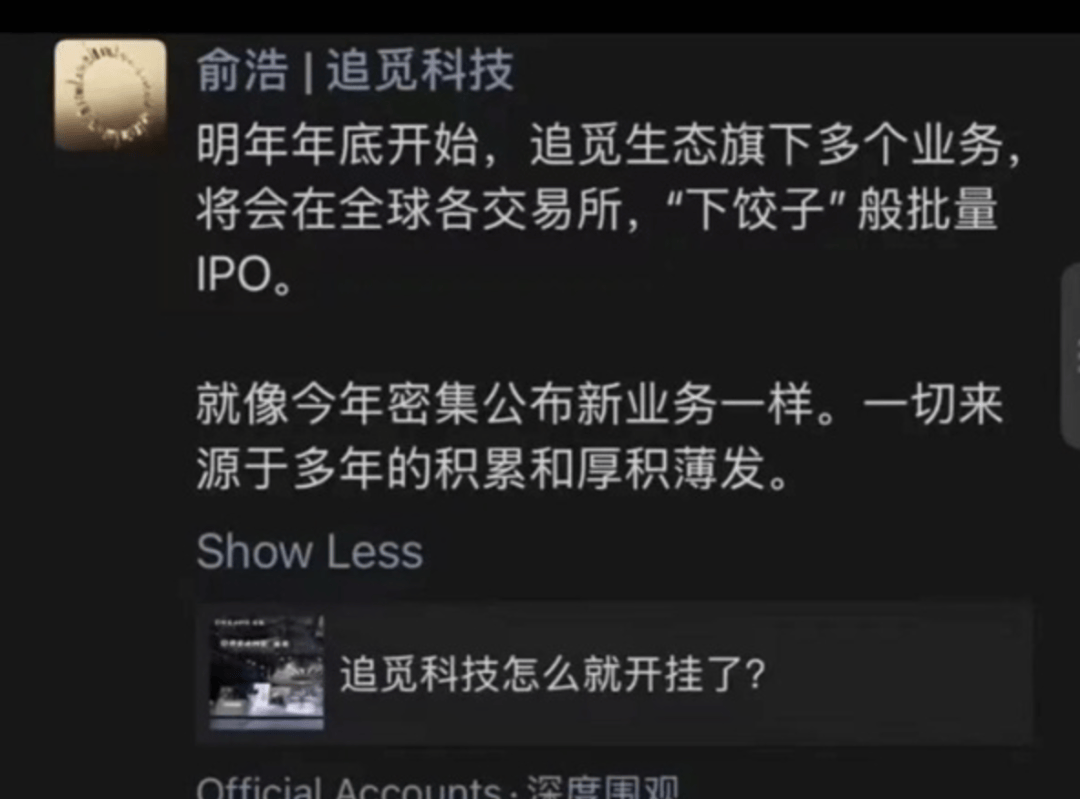
俞浩的“SU7”式狂奔:最像雷军的门徒,有着最上进的Ego
Sou Hu Cai Jing· 2025-12-25 10:29
Core Insights - The article discusses the rapid expansion of Chasing Technology, led by founder Yu Hao, as it diversifies from its initial focus on cleaning appliances into various high-tech sectors, including drones, automotive, and smartphones [1][3][4] Group 1: Business Strategy - Chasing Technology plans to pursue a multi-business line strategy, opting for independent IPOs for its various segments, which contrasts with the traditional model of unicorns growing through a single main business [3][5] - This strategy aims to escape the low price-to-earnings (PE) ratios typically associated with the home appliance industry, allowing each business to shine under its own valuation spotlight [3][5][7] - The company is leveraging its existing technology and market presence to create a comprehensive "robotics ecosystem," which includes products like lawn mowers that serve as data collection platforms for future robotics applications [8][9] Group 2: Market Positioning - Chasing Technology's entry into the automotive sector is seen as a move to elevate its brand and market perception, aiming for a sales target of 200 billion yuan by 2030, despite the challenges in the current cleaning appliance market [13][14] - The company is positioning itself as a "broad robotics company," with a focus on high-performance products that can redefine market standards, similar to how Xiaomi approached its product lines [11][12] - The strategy includes creating high-end products that can enhance the brand's prestige and drive sales across its entire product range, including cleaning robots and other smart devices [13][14] Group 3: Leadership and Vision - Yu Hao's vision reflects a desire to create a larger platform that transcends traditional company structures, indicating a personal ambition that drives the company's expansive strategy [4][5] - The approach taken by Chasing Technology is characterized as a "dynamic split," maintaining the independence of various business units while fostering innovation and agility [16][17] - The founder's understanding of technology and market dynamics is crucial for navigating the complexities of this multi-faceted business model, which aims to break away from conventional industry norms [16][20]
牙刷一年亏损8000万,剃须刀难盈利:离开吹风机的徕芬陷增长困境
创业邦· 2025-12-25 10:10
Core Viewpoint - The article discusses the challenges faced by the company, Lefun, particularly in the electric toothbrush and shaver markets, highlighting issues with pricing, competition, and product development [5][9][21]. Group 1: Product Launch and Market Position - Lefun's second-generation electric toothbrush was launched quietly on December 15, with a starting price of 399 yuan, significantly higher than the first generation's 249 yuan [5]. - The new toothbrush addresses previous issues such as charging contact oxidation and includes new features like pressure reminders, but faces stiff competition from Usmile, which offers similar products at lower prices [6]. - Lefun's marketing strategy of offering a 30% discount for old users has been criticized for being less beneficial than selling the old product on second-hand platforms [6]. Group 2: Financial Performance and Growth Challenges - Lefun's GMV target for 2025 is 6 billion yuan, but its performance in recent sales events has been disappointing, with a 40% decline in GMV from 5 billion yuan in 2024 to just over 3 billion yuan this year [11]. - The company has seen a decline in growth rates, with double 11 sales increasing from 2.9 billion yuan in 2022 to 5 billion yuan in 2024, but the growth rate has dropped from 51.7% to 13% [11]. - Lefun's electric toothbrush line reported a net loss of 80 million yuan in 2024, despite initial strong sales [16]. Group 3: Strategic Shifts and New Product Development - Lefun is attempting to diversify its product offerings by entering the floor cleaning machine market, which has shown significant growth potential [29][30]. - The company is also planning to open 300 physical stores in key cities to enhance its market presence [29]. - Despite the ambitious plans, the company faces challenges in product development, particularly in the highly competitive and mature market of electric shavers, where it has struggled to achieve profitability [21][24]. Group 4: Competitive Landscape and Market Dynamics - The electric shaver market is experiencing a decline, with a 9.5% drop in retail volume and an 8.1% decrease in retail value in 2024 [26]. - Lefun's strategy of competing on price has led to low profit margins, making it difficult to sustain growth against established competitors [27]. - The company is at a crossroads, needing to innovate and find a breakthrough product to regain its status as a market leader [33].

扫地机器人鼻祖iRobot的终结:一场从代工到反向收购的产业权力转移
Xin Lang Cai Jing· 2025-12-25 10:07
Core Insights - iRobot has filed for Chapter 11 bankruptcy protection and agreed to be fully acquired by its main supplier, Shenzhen Santrum Robotics, which will take over all shares and cancel outstanding debts [1][9] - Following the announcement, iRobot's stock plummeted over 70%, with its market value dropping to under $25 million, closing at $0.76 per share, resulting in significant losses for original shareholders [1][9] Group 1: Decline of iRobot - iRobot's decline is attributed to years of technological stagnation, strategic missteps, and the rise of Chinese brands [2][10] - Founded in 1990, iRobot initially focused on defense and rescue robots, achieving commercial success with the Roomba in 2002, capturing 70% of the global market at its peak [2][11] - A turning point occurred in 2022 when iRobot's revenue fell by 24% year-over-year, and it reported a net loss of $286.3 million due to stagnant core technology [2][11] - While Chinese brands adopted advanced navigation technologies, iRobot remained reliant on a single visual navigation system, leading to poor performance in complex environments and high R&D costs [2][11] - The price disparity between iRobot and Chinese brands exacerbated its crisis, with iRobot's products often costing two to three times more for similar features [2][11] - In April 2025, the U.S. imposed a 46% tariff on home appliances imported from Vietnam, increasing iRobot's operational costs by approximately $23 million [3][11] Group 2: Debt Crisis - As of Q3 2025, iRobot's cash reserves had dwindled to $24.8 million, with total liabilities exceeding $350 million and negative equity of $26.8 million, indicating insolvency [3][12] - A significant portion of iRobot's debt was owed to Shenzhen Santrum, its largest creditor, which had acquired $190.7 million in unpaid loans from the original creditor, Carlyle Group [4][13] - iRobot's total debt to Santrum exceeded $350 million, accounting for over 70% of its total liabilities, giving Santrum leverage over iRobot's production [4][13] Group 3: Acquisition by Shenzhen Santrum - The acquisition of iRobot by Shenzhen Santrum is seen as a strategic move to gain control over a well-established brand and its global sales channels [5][14] - Santrum's motivation for the acquisition includes leveraging iRobot as a platform to enter the North American market without the lengthy process of brand building [6][14] - This transition from supplier and creditor to owner signifies a profound shift in the power dynamics within the global robotic vacuum industry [6][14] Group 4: Market Dynamics - The acquisition marks a pivotal shift in the global robotic vacuum market, with Chinese brands now dominating the landscape [7][15] - By Q3 2025, iRobot's market share had plummeted to 7.9%, falling out of the top five, which are now all Chinese brands [7][16] - In North America, where iRobot once held over 80% market share, it is rapidly losing ground to Chinese competitors, who are expanding aggressively both online and offline [7][16] - The European market has become increasingly challenging for iRobot, which has downgraded its priority there, allowing Chinese brands to fill the void [7][16] - Japan, previously a stronghold for iRobot, is also under threat from the new ownership and competitive pressure from local brands [7][16] Group 5: Lessons from iRobot's Fall - iRobot's failure highlights the harsh realities of global tech competition, emphasizing the need for continuous innovation and adaptation [8][17] - The company's decline serves as a warning to other traditional giants that reliance on a single market model and slow technological evolution can lead to rapid obsolescence [8][17] - Post-acquisition, the branding of iRobot's Roomba products will be integrated with Santrum's brand, indicating a significant shift in profit flow and industry power [8][17]
激活内需焕新动力,红顶奖携手业界共绘家电行业新蓝图
Jing Ji Wang· 2025-12-25 09:57
Core Insights - The 17th China High-end Home Appliance Trend Release and Red Top Award Ceremony was held in Beijing, focusing on the theme "Brilliant and Extraordinary" [1] - The event highlighted the resilience of China's home appliance and manufacturing industries in global competition, supported by external demand and market vitality [2] - A report on the 2025 China high-end home appliance market indicates a significant shift towards premiumization and emotional value among consumers, with notable growth in online retail sales of high-end appliances [2] Group 1 - The Red Top Award aims to promote quality living and guide consumer trends in the high-end home appliance sector [1] - Numerous well-known home appliance brands participated in the event, showcasing the industry's collective strength [1] - The event featured a special appearance by a robot, engaging in discussions on AI topics with representatives from various brands [3] Group 2 - The report released during the event shows that from January to September, online retail sales of coffee machines, robotic vacuums, pet air purifiers, and large TVs experienced double-digit growth [2] - The event included an AI art and high-end home appliance exhibition, merging technology and art to highlight the industry's innovative spirit [3] - The Red Top Award's founder emphasized the importance of social responsibility and the commitment to enhancing the high-end appliance industry's contributions to society [3]



扫地机器人:海外市场格局迈入新阶段,期待2026CES引领技术风向
Donghai Securities· 2025-12-25 07:32
Investment Rating - The industry investment rating is "Overweight" [1] Core Insights - The global smart vacuum cleaner market is expected to see significant growth, with a projected shipment of 20.6 million units in 2024, representing a year-on-year increase of 11.2%. The total sales revenue is anticipated to reach $9.31 billion, up 19.7% year-on-year [5] - Chinese brands are solidifying their dominance in the global vacuum cleaner market, with the top five brands all being Chinese. Roborock leads with a market share of 21.7% in the first three quarters of 2025 [4][6] - iRobot, a pioneer in the vacuum cleaner industry, has filed for bankruptcy and will be acquired by Shikawa Robotics, marking a new phase in the industry. This acquisition may lead to a redistribution of market shares, focusing competition among Chinese brands [4][10] Summary by Sections Market Overview - The global smart vacuum cleaner market is projected to ship 17.424 million units in the first three quarters of 2025, reflecting an 18.7% year-on-year growth [4] - The average price of vacuum cleaners is expected to rise by 7.6% to $452 in 2024 due to technological upgrades [5] Competitive Landscape - The top five brands in global shipments are all Chinese, with Roborock and Ecovacs leading the market. Roborock achieved a shipment of 3.788 million units in the first three quarters of 2025 [6] - During major sales events like Black Friday, Roborock captured 40% of the market share in North America and 42% in Europe [6] Technological Innovations - The 2025 CES showcased significant innovations in vacuum cleaner technology, including models with advanced robotic arms capable of picking up objects, expanding their functionality beyond just cleaning [4][16] - Upcoming CES 2026 is expected to feature AI-powered vacuum cleaners with enhanced obstacle recognition and liquid detection capabilities, indicating a trend towards smarter home cleaning solutions [19] Investment Recommendations - The report suggests focusing on domestic vacuum cleaner companies such as Ecovacs and Roborock, which are well-positioned to capitalize on the growing market and technological advancements [4]